Tainan, Taiwan
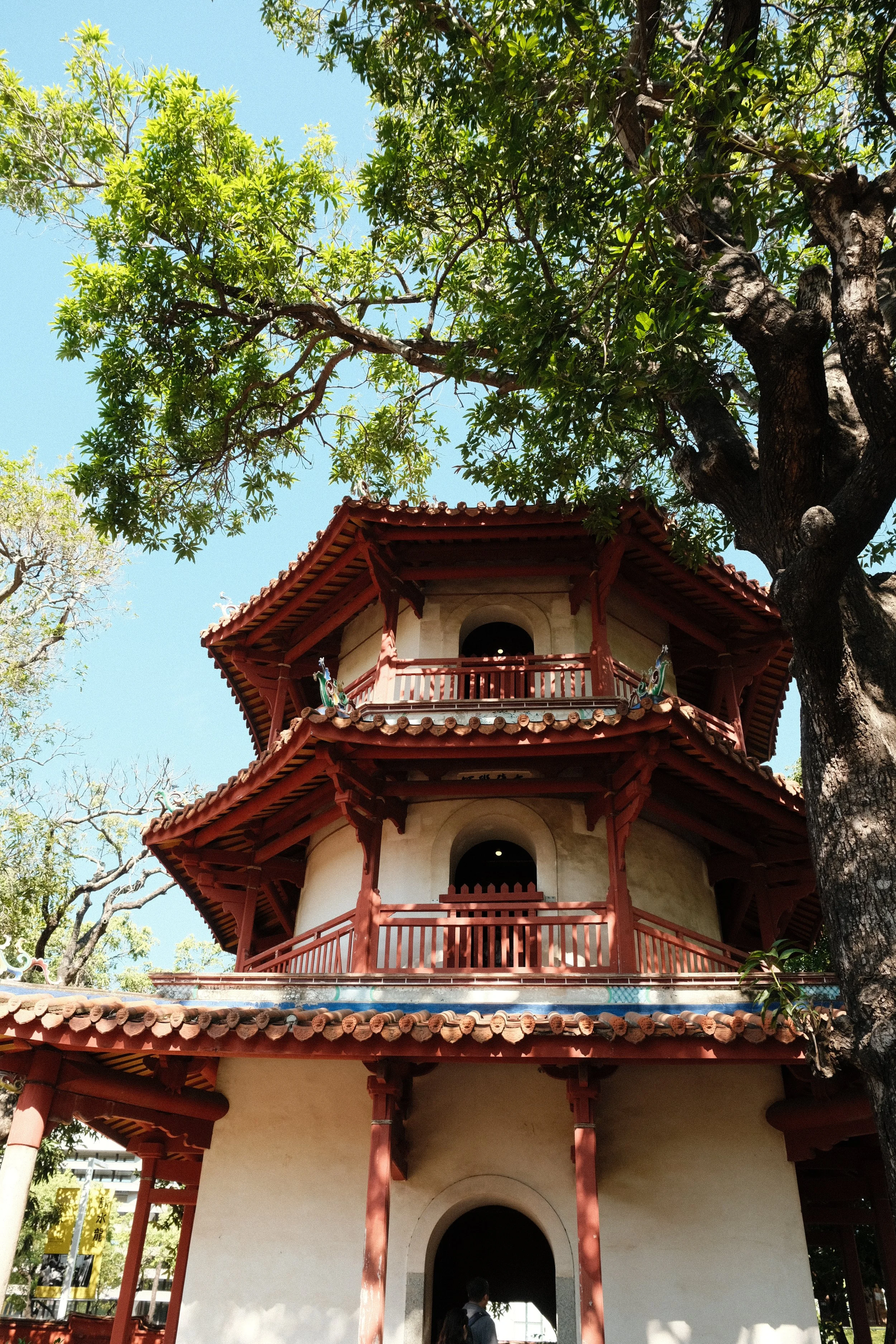
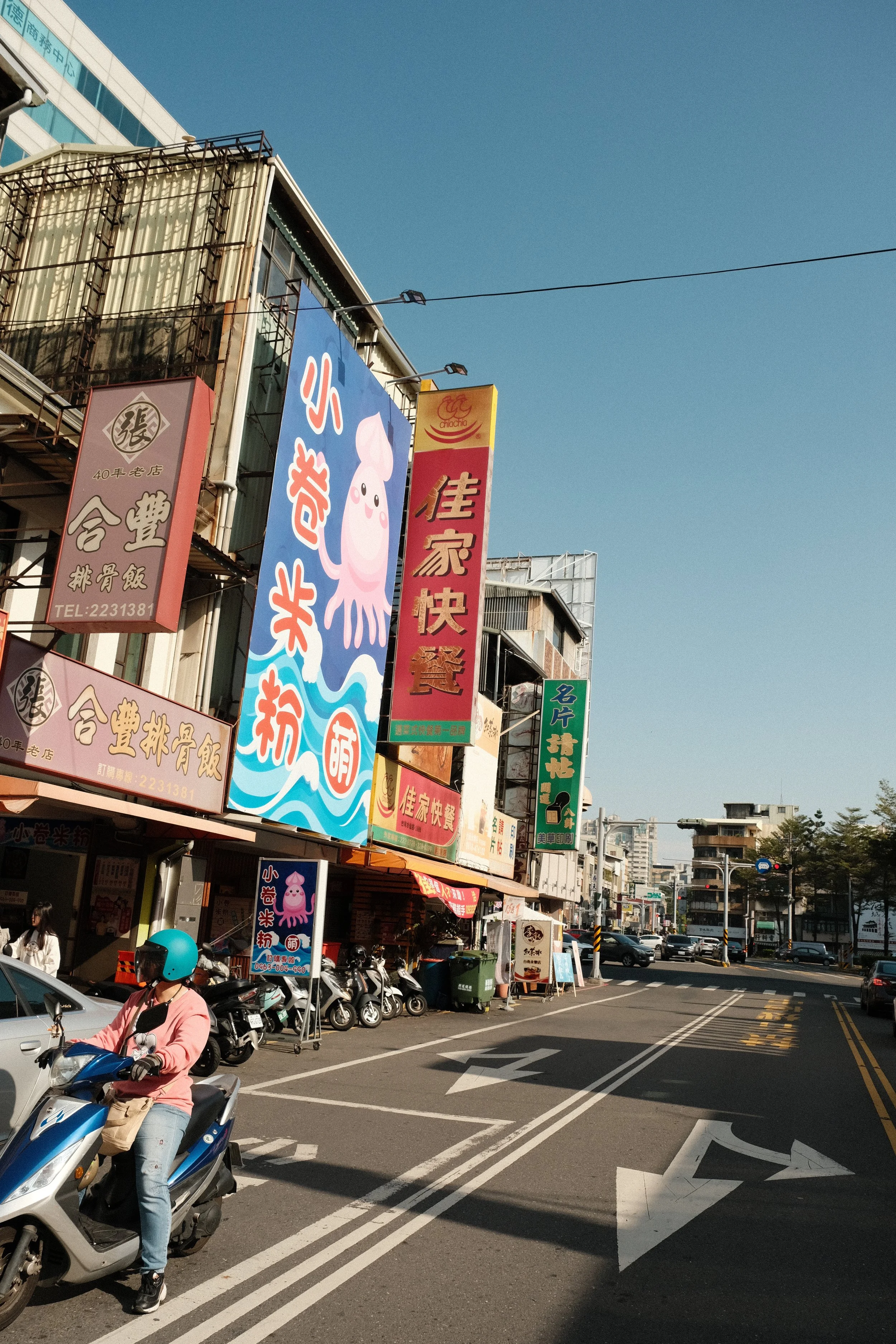
We decided to take a short trip to Tainan to see in the New Year. Travelling in Taiwan is effortless, and the high-speed rail carries you from Taipei to the south with a smooth efficiency. Within a couple of hours, the pace had shifted. Tainan feels older, slower and more grounded.
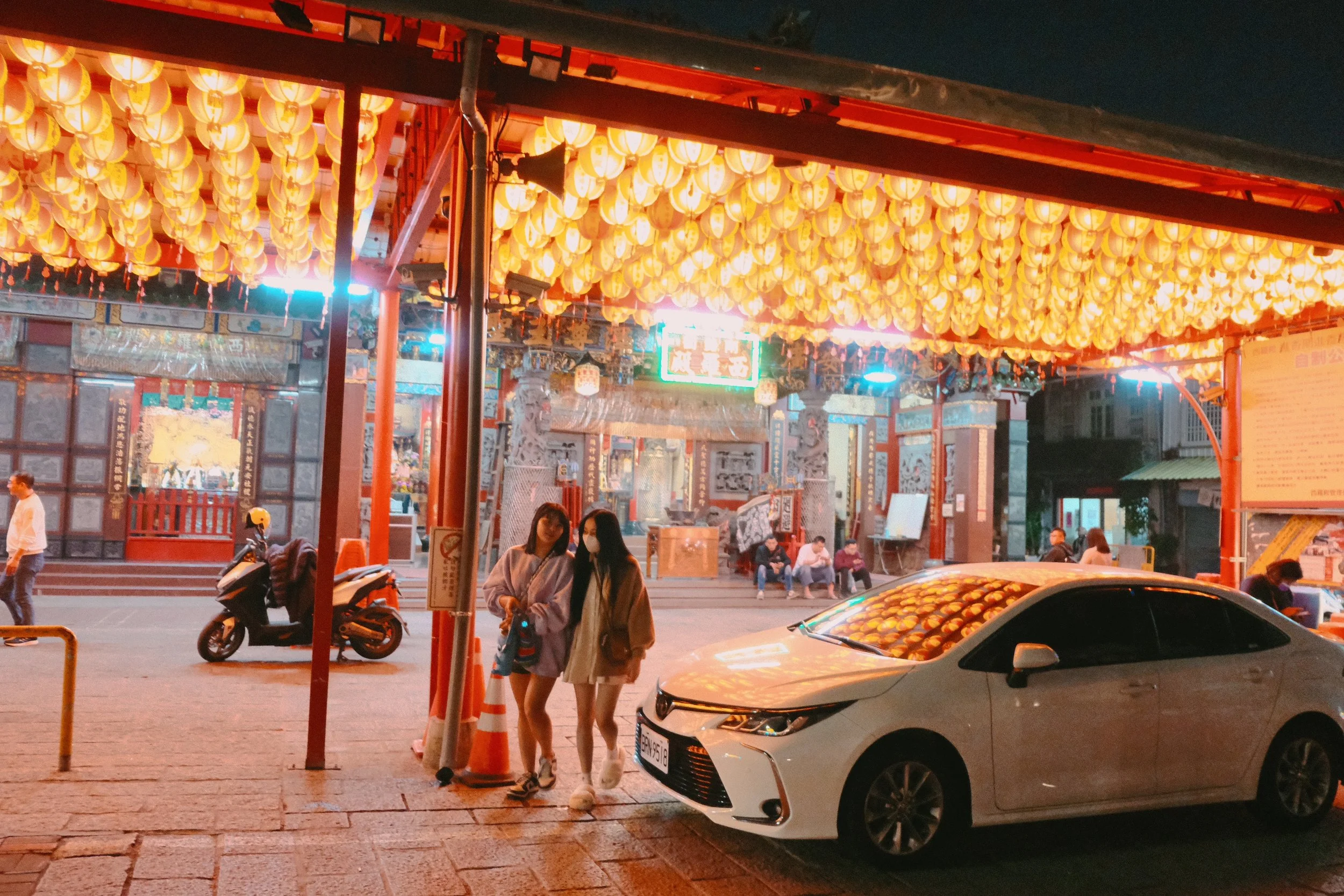
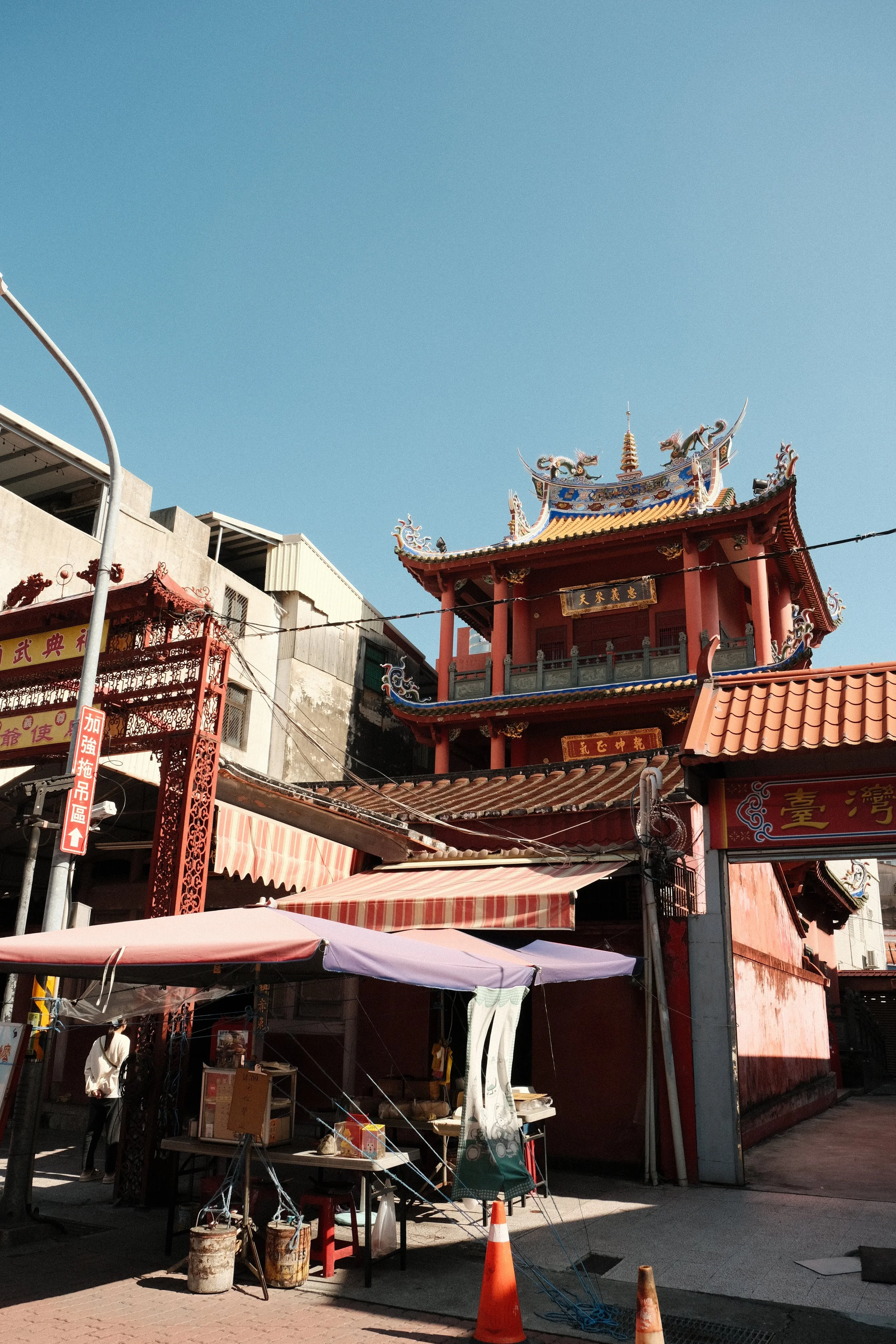
Often described as the culinary capital of Taiwan, Tainan’s identity is deeply tied to its history. It was the island’s first capital during the 17th century, shaped by Dutch colonial rule and later by the Qing dynasty. That layering is still visible. The city holds onto its past in a way that feels lived rather than preserved. There are said to be over a thousand temples here, woven into everyday streets.
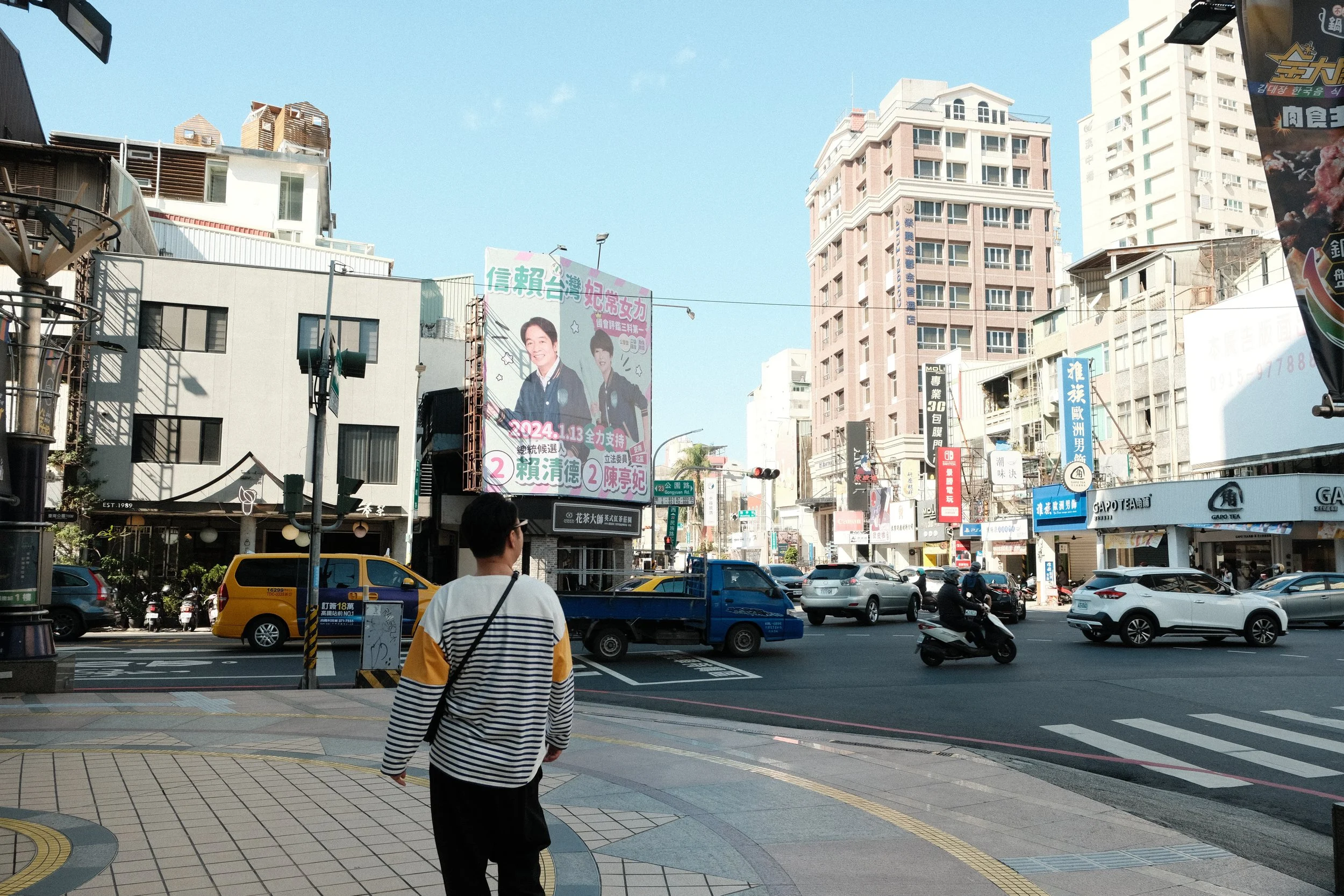
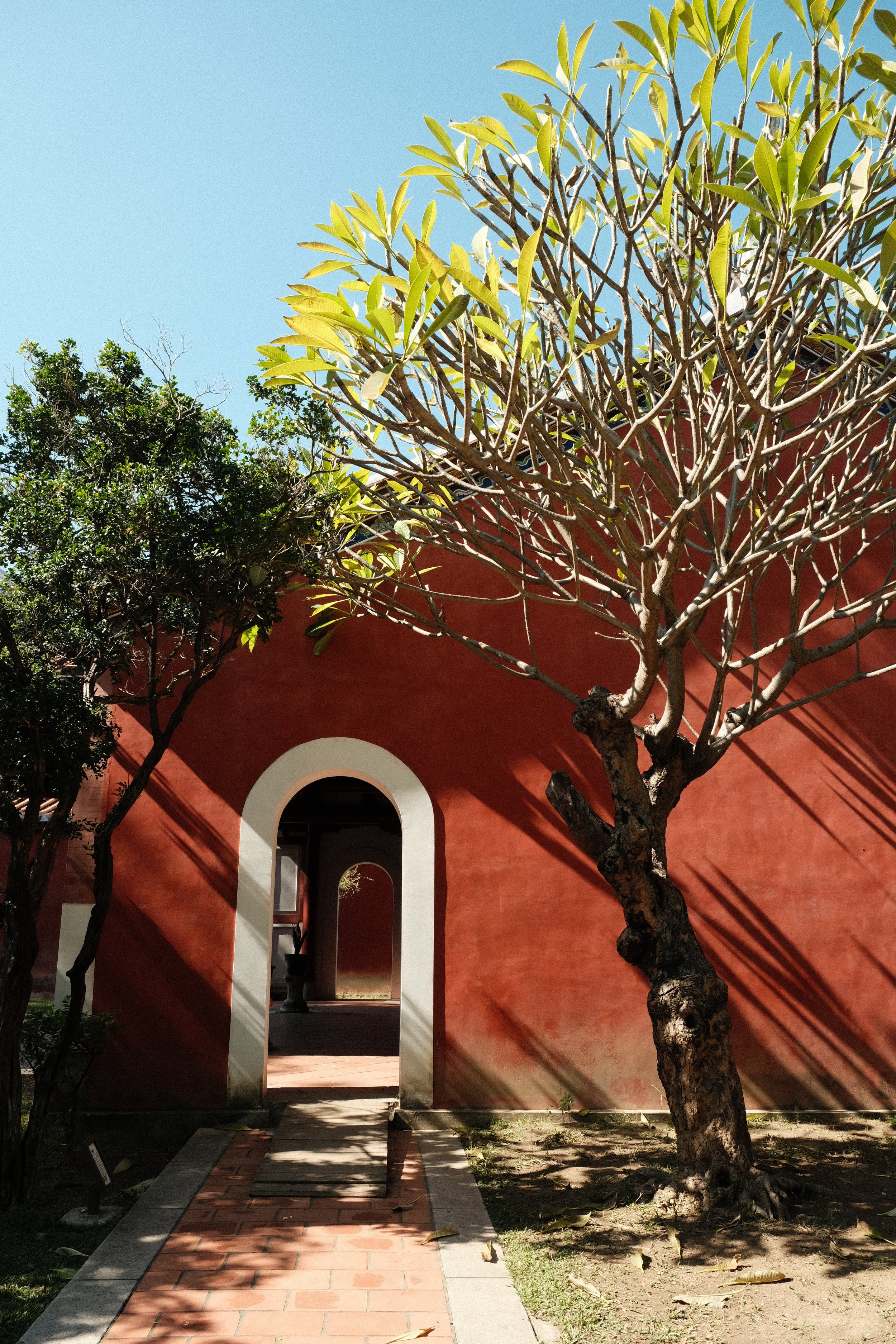
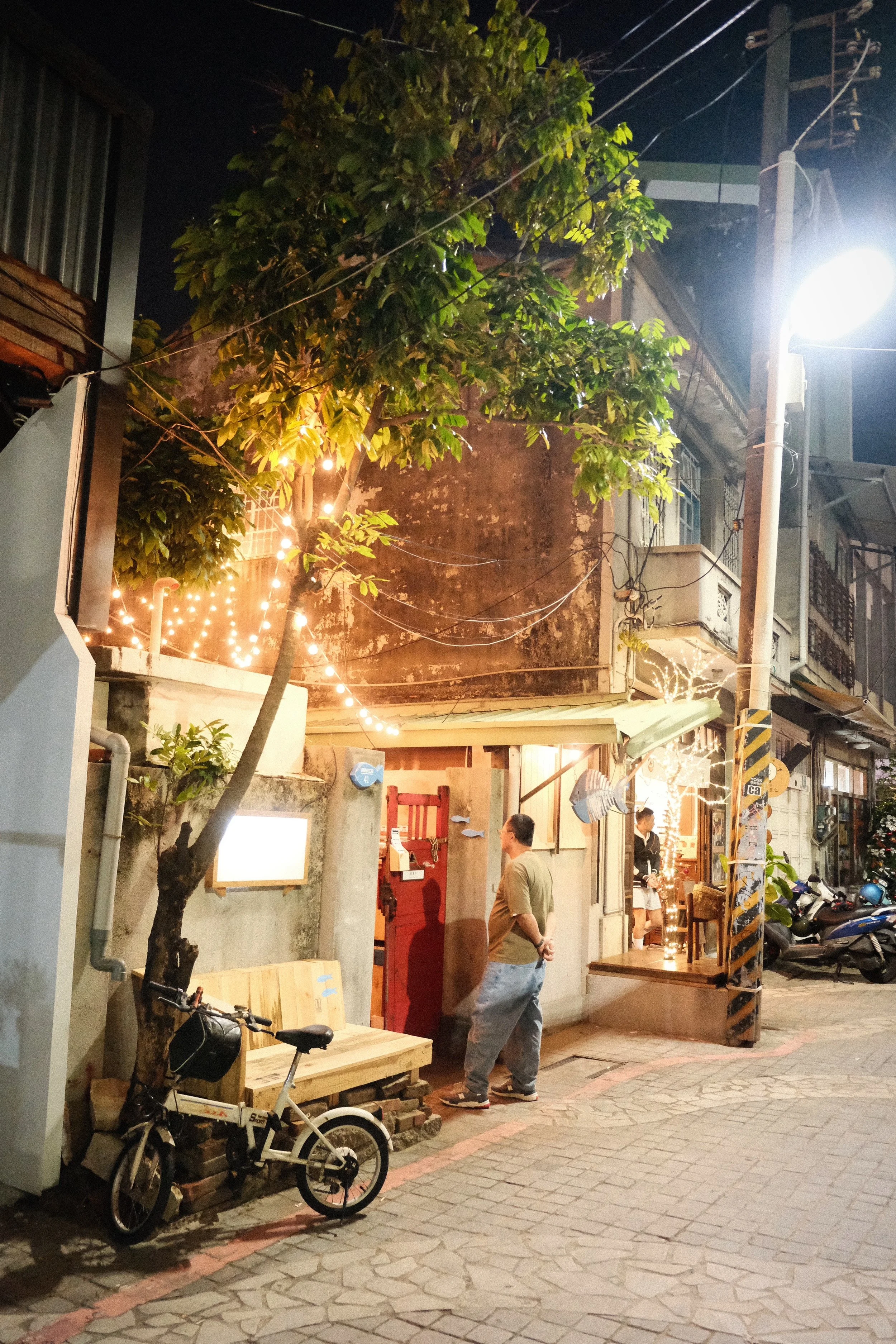
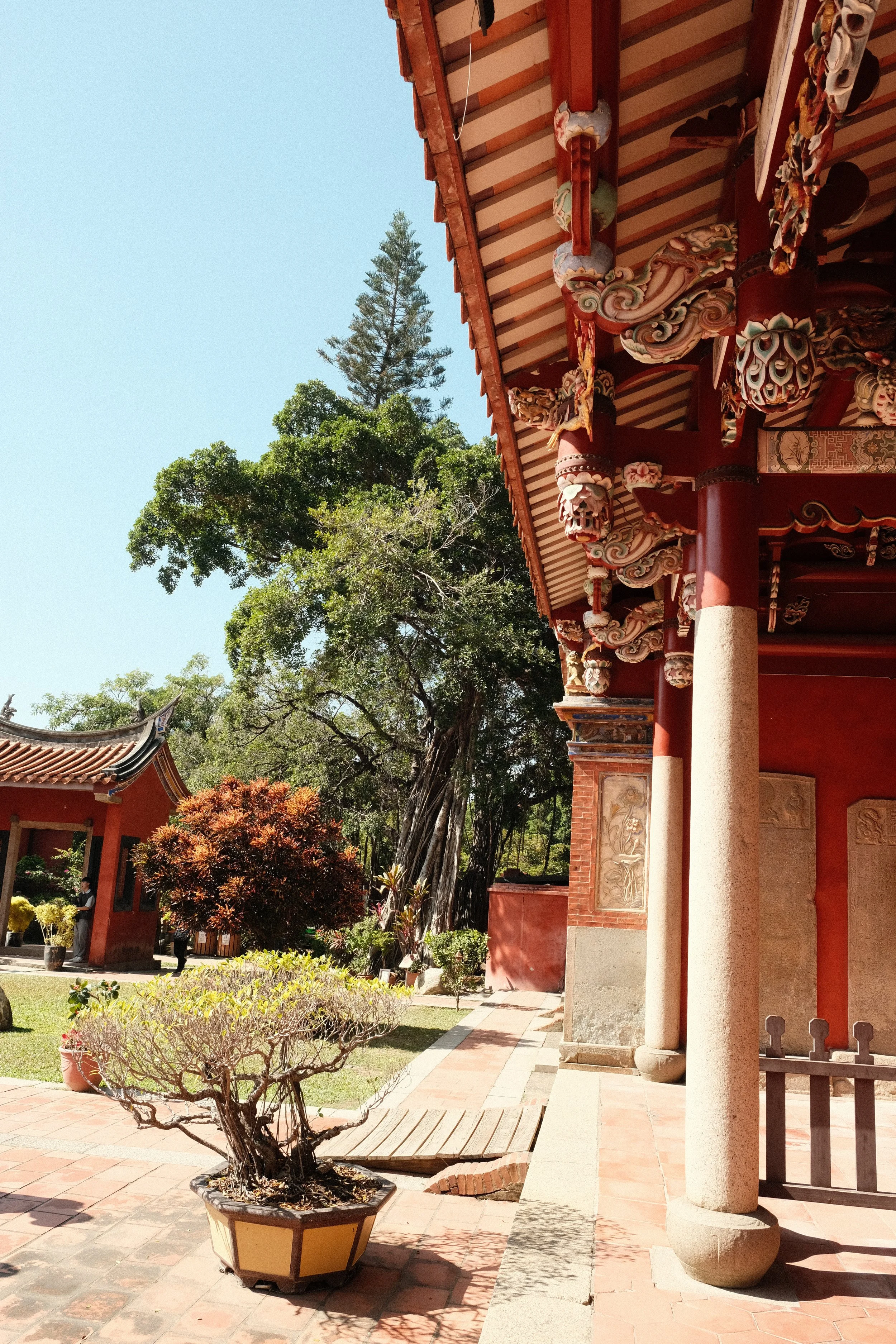
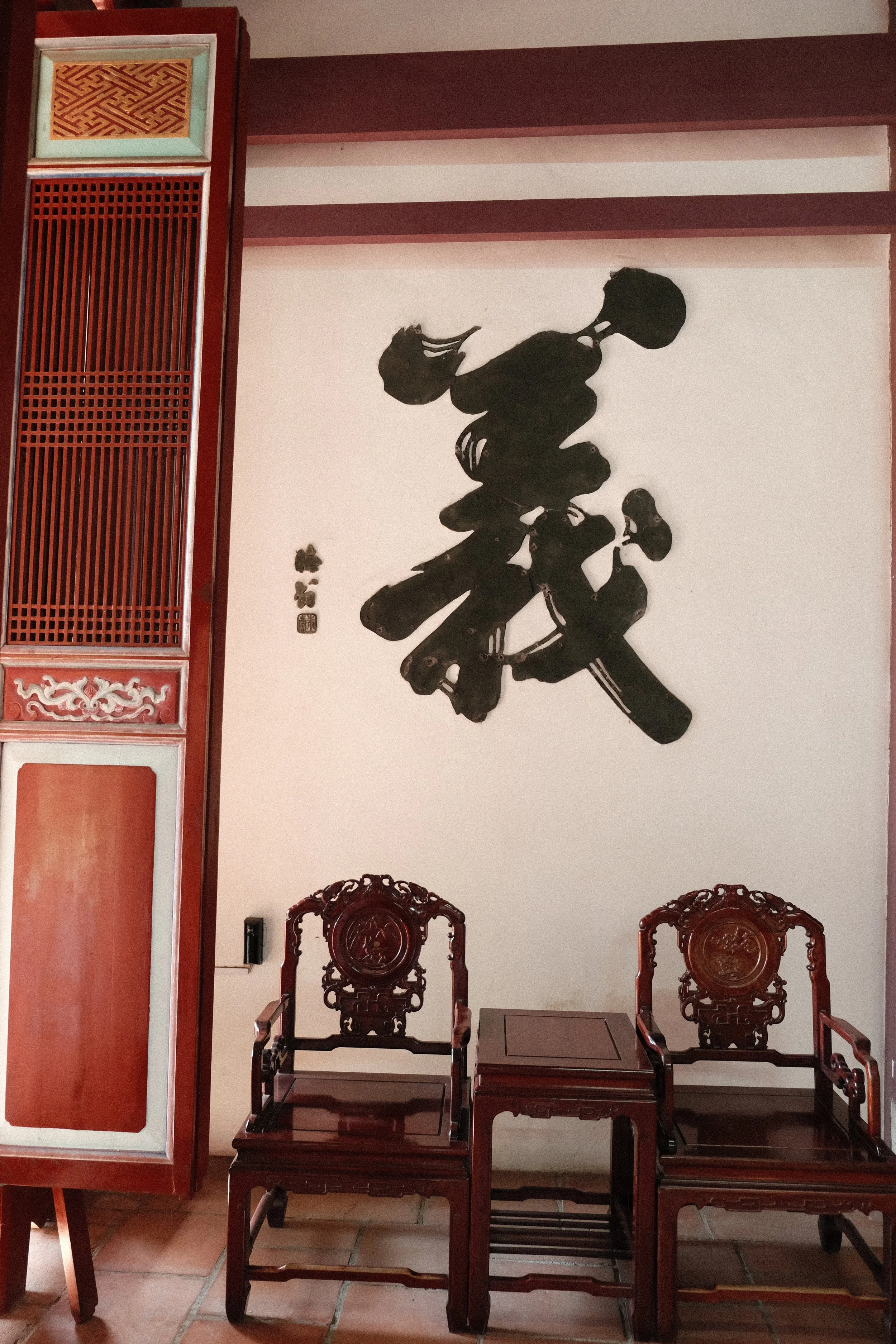
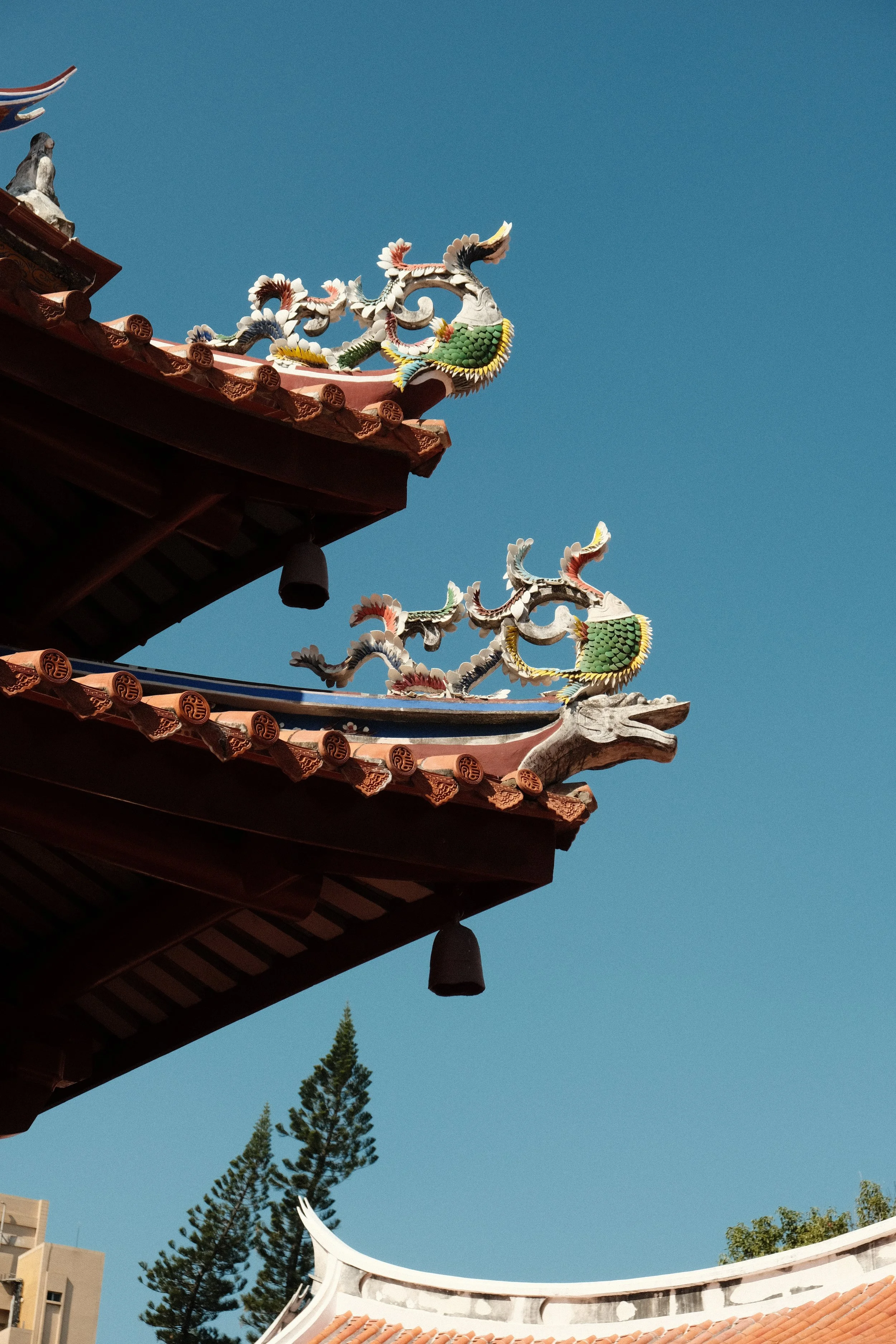
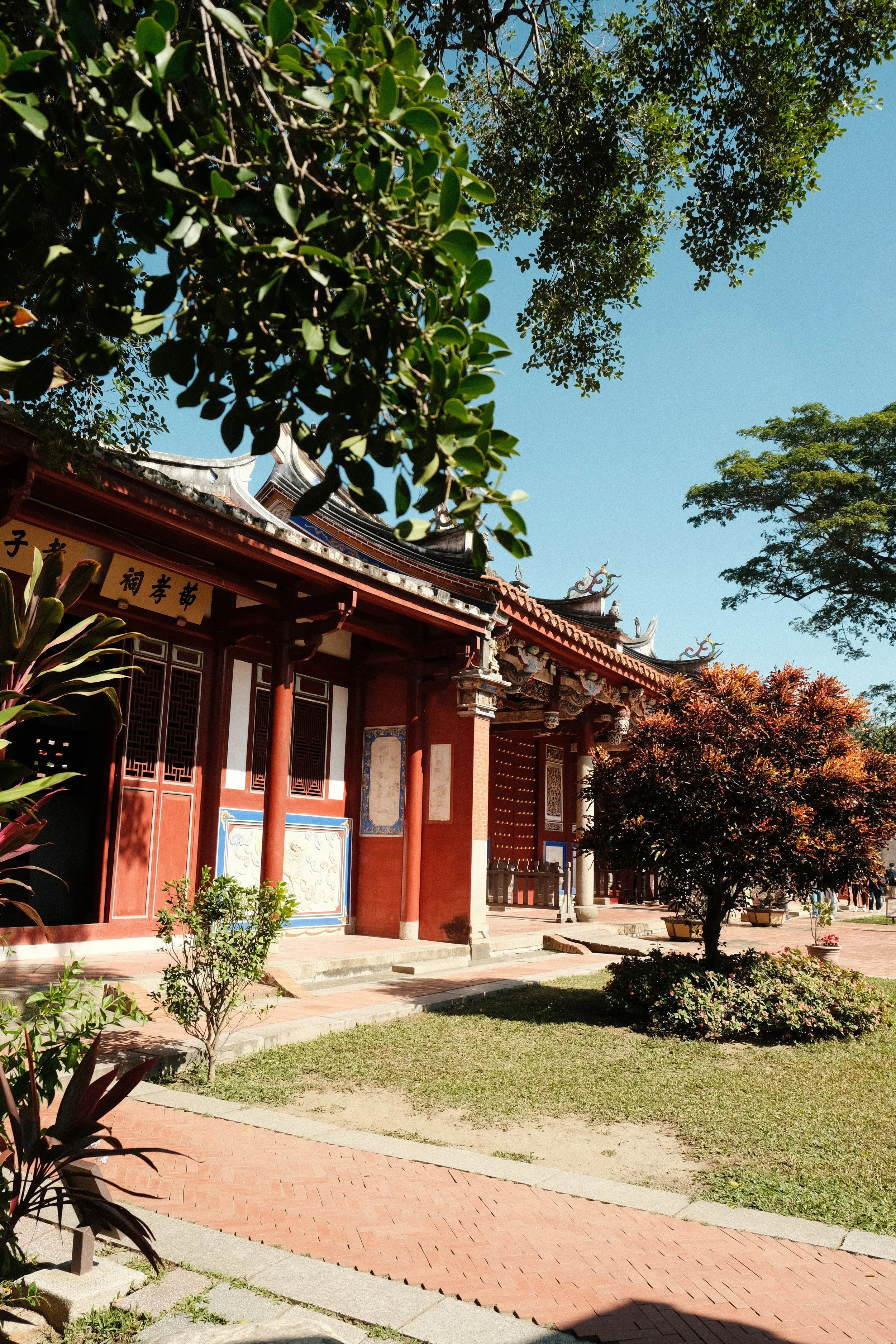
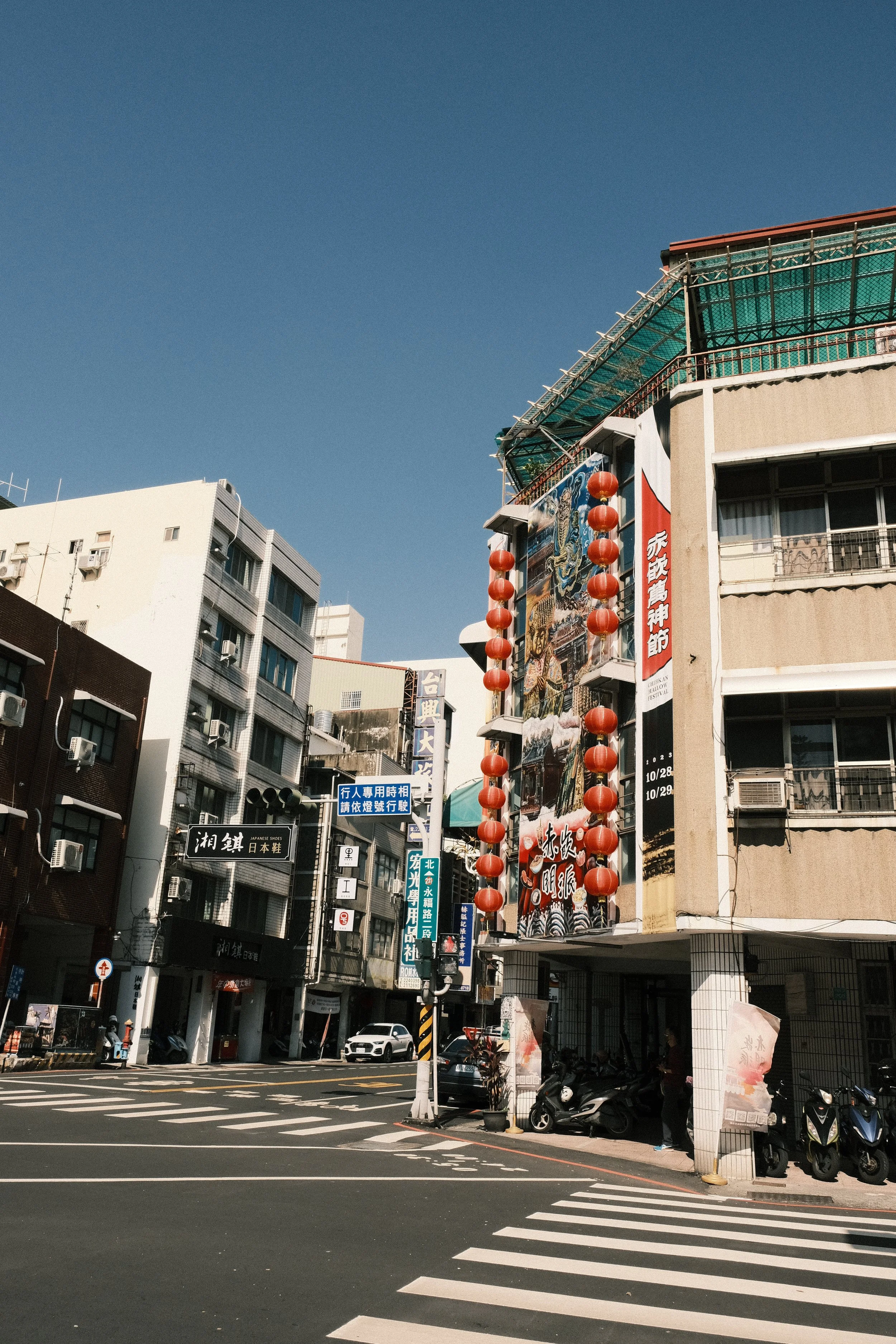
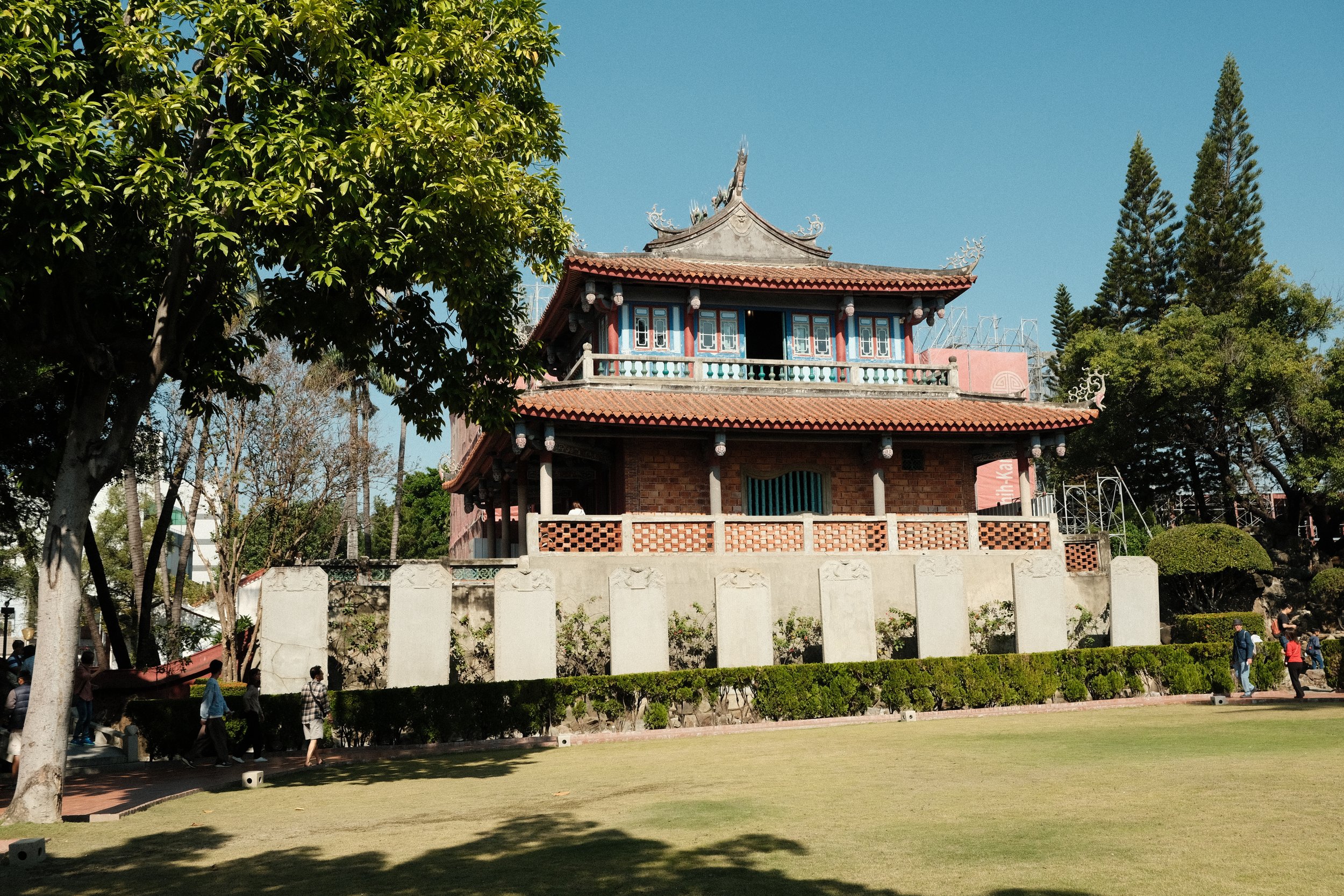
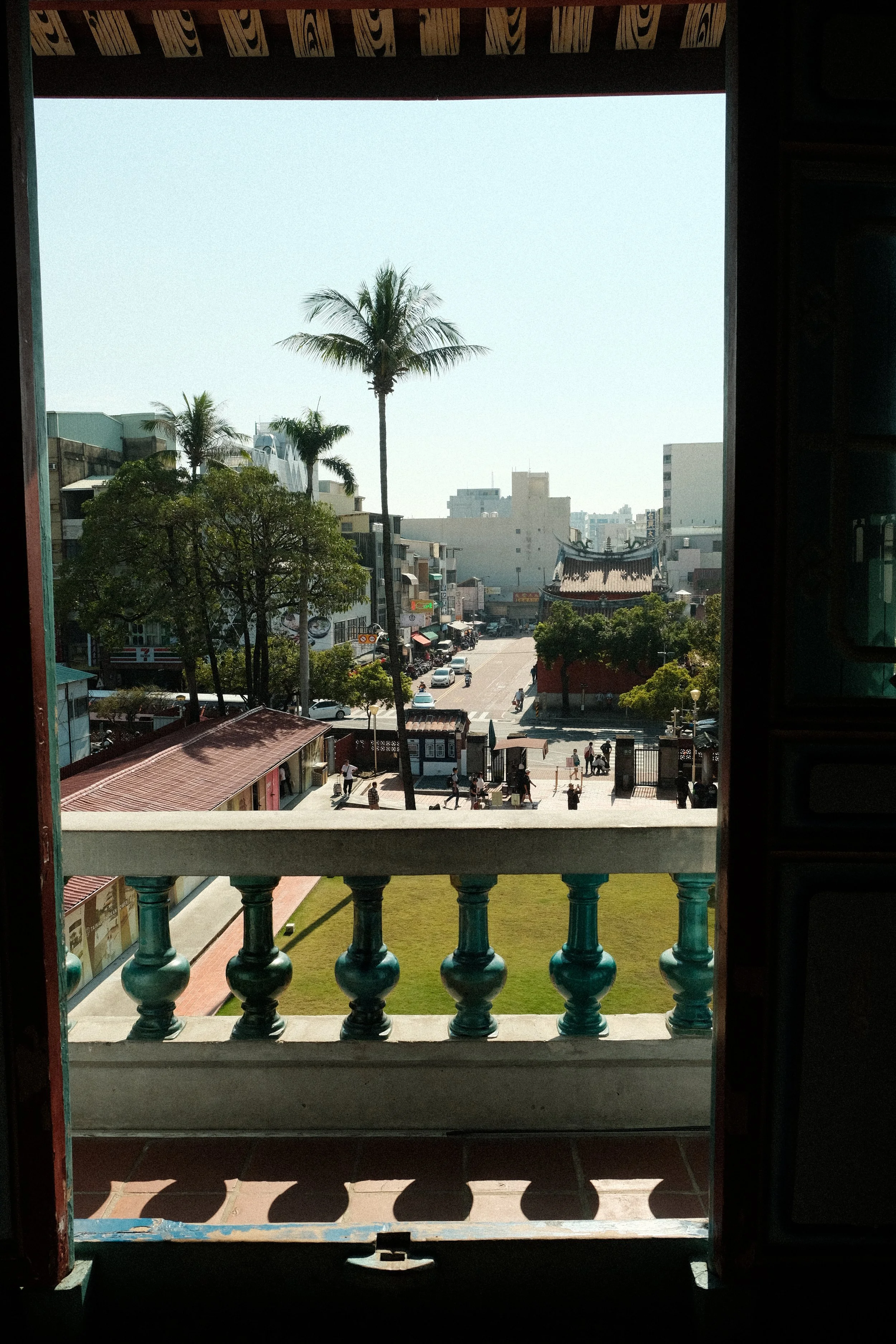
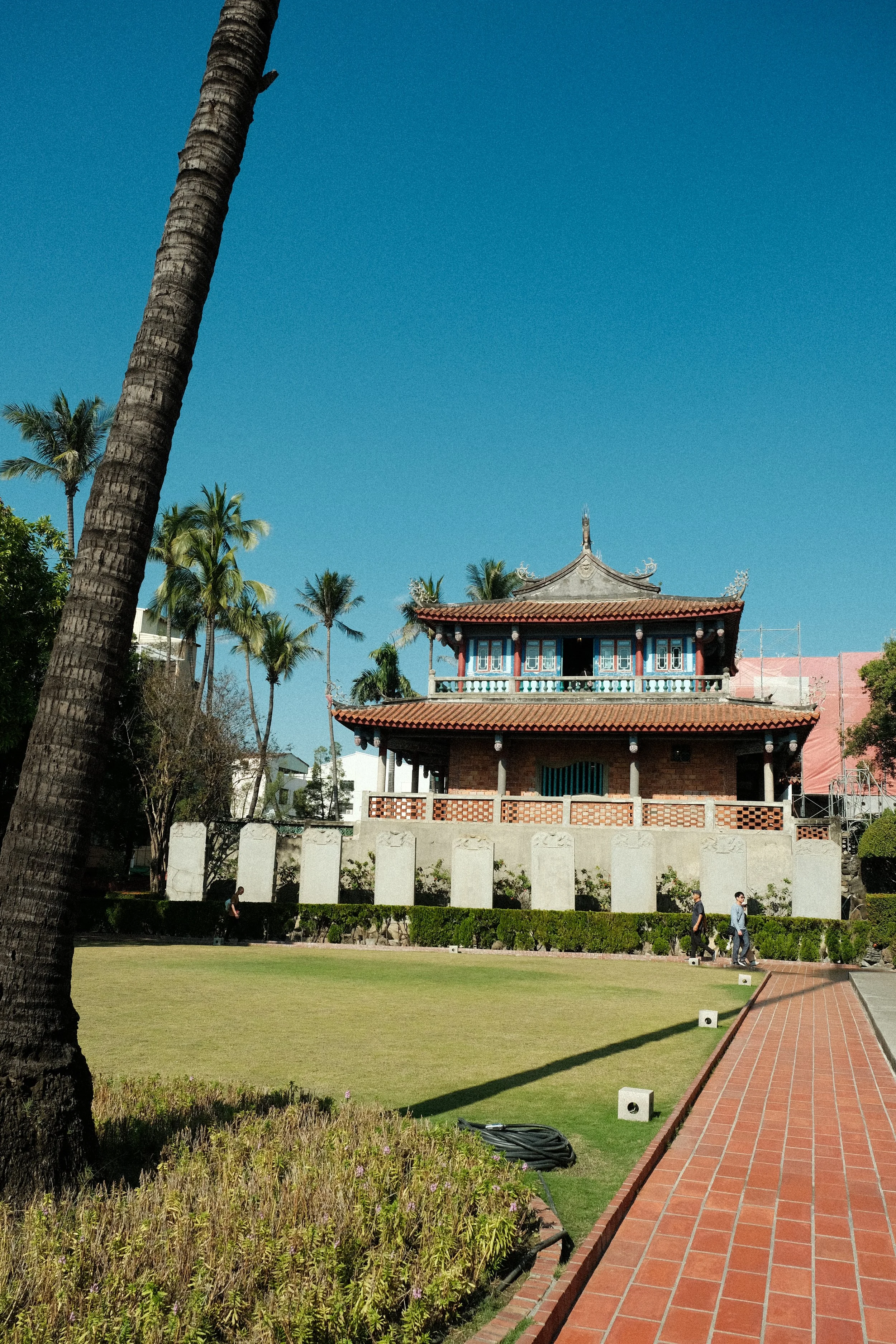
We began at the Tainan Confucius Temple, built in 1665 and considered the first Confucian academy in Taiwan. It is quiet, measured, and very beautiful. From there, the surrounding streets open out into small cafés and shops that are perfect for a slow afternoon of wandering. Later, we made our way to Chihkan Tower, originally constructed by the Dutch in the 17th century as Fort Provintia. Its layered architecture reflects the city itself, a mix of influences that have settled into something distinctly Taiwanese.
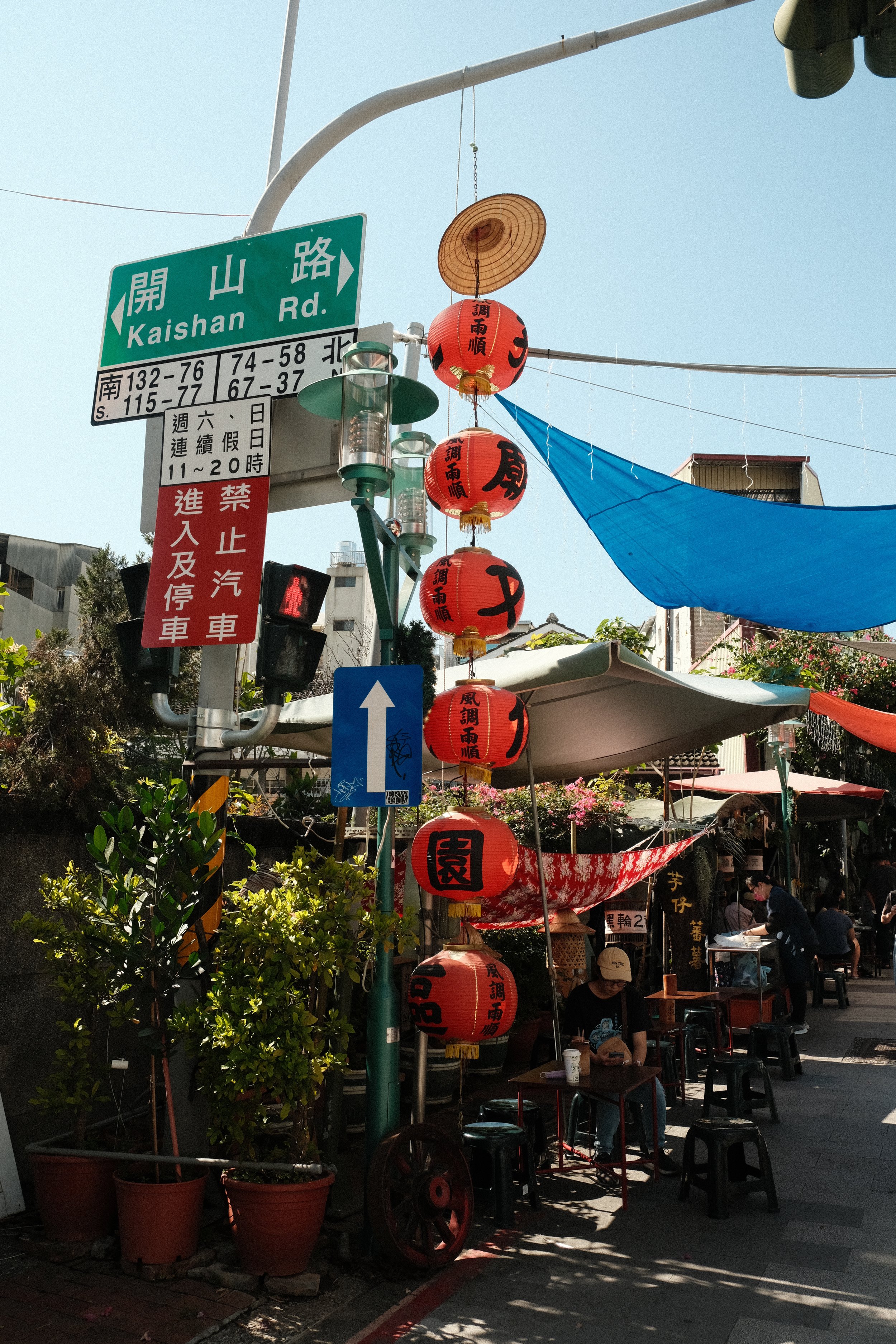
One of the more unexpected stops was Chin Men Theatre, the last cinema in Taiwan where film posters are still painted entirely by hand. The craftsmanship is striking and there is something quietly moving about seeing a tradition like this still carried forward by one of the last artists on the world practising it.
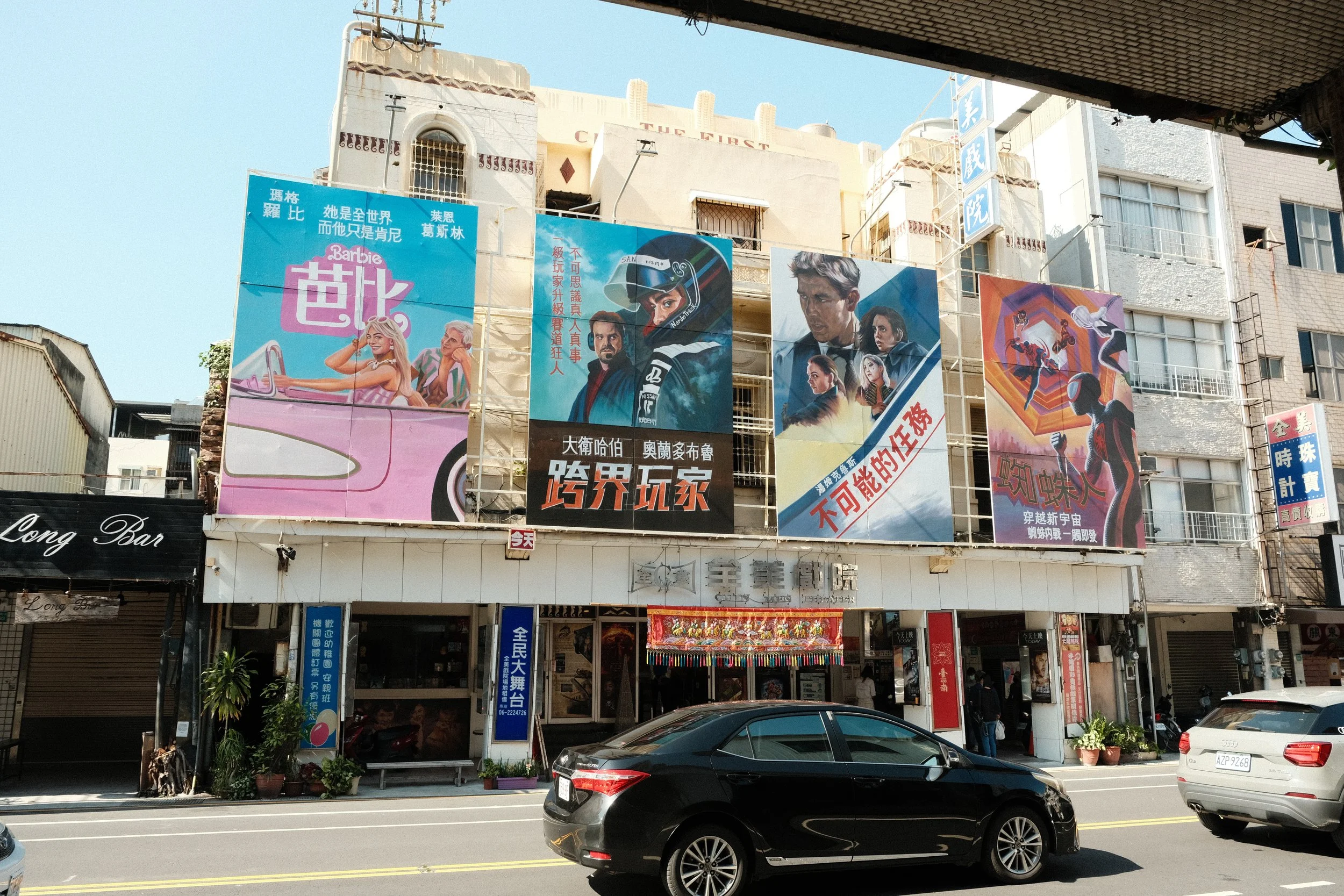
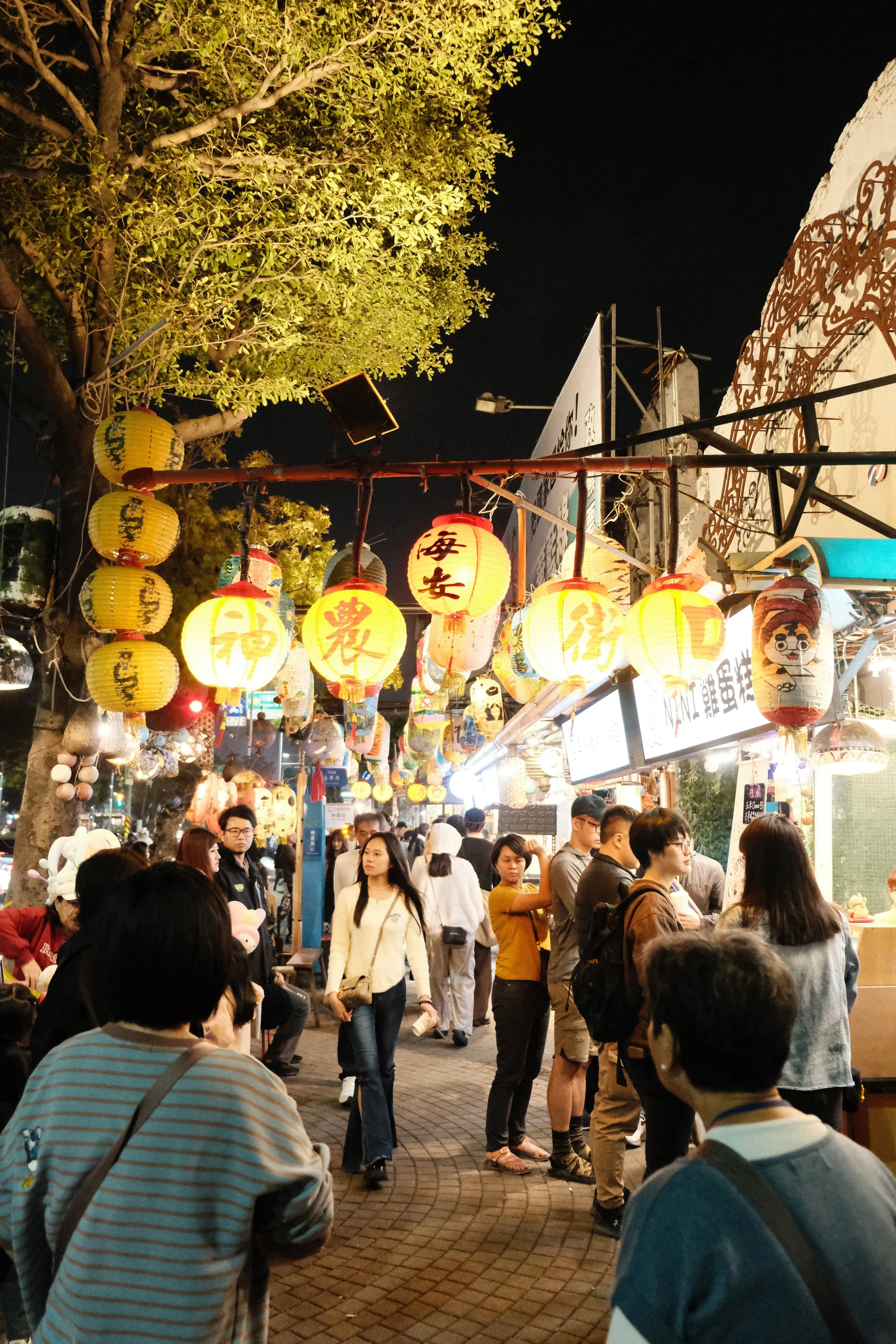
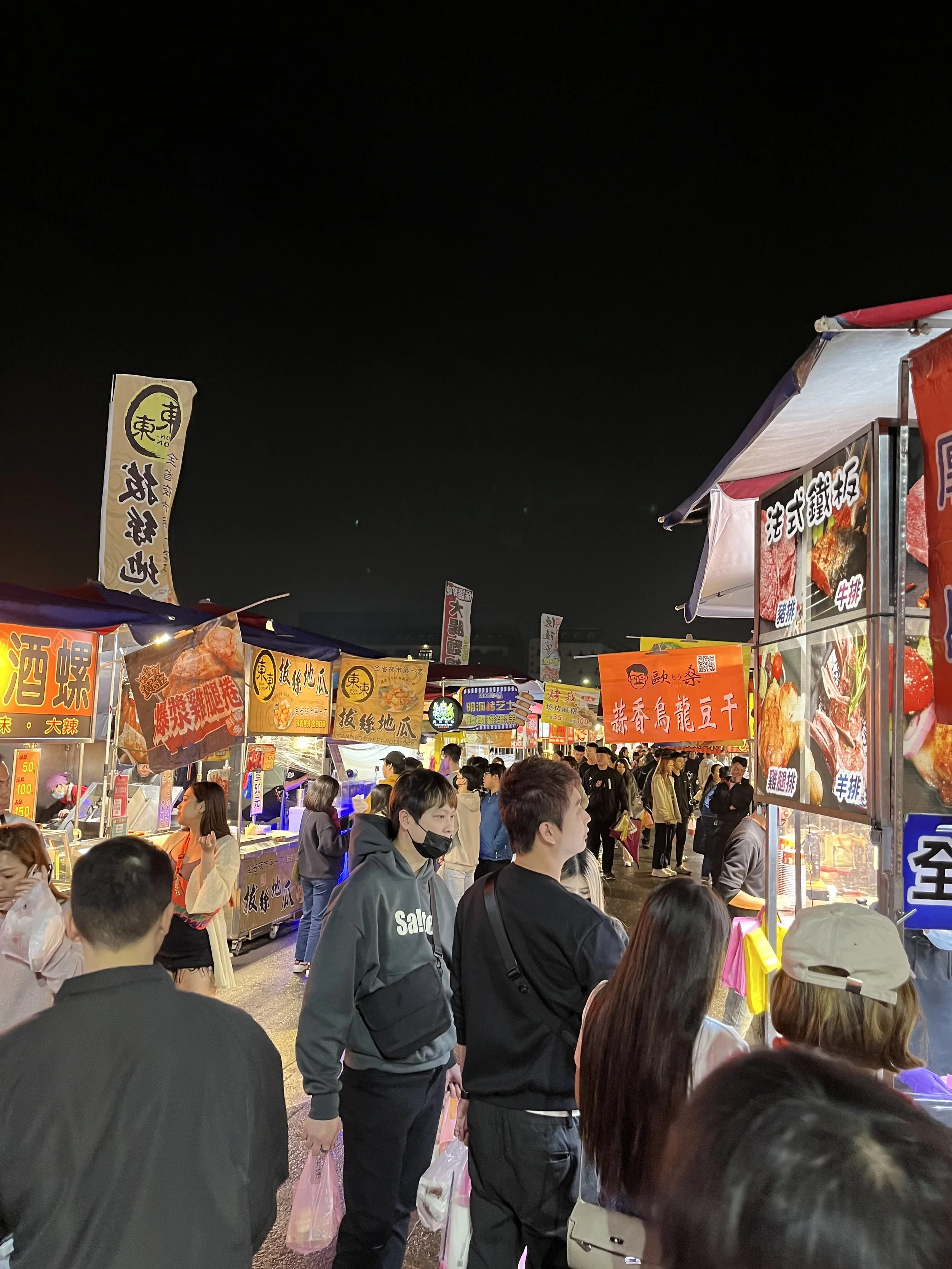
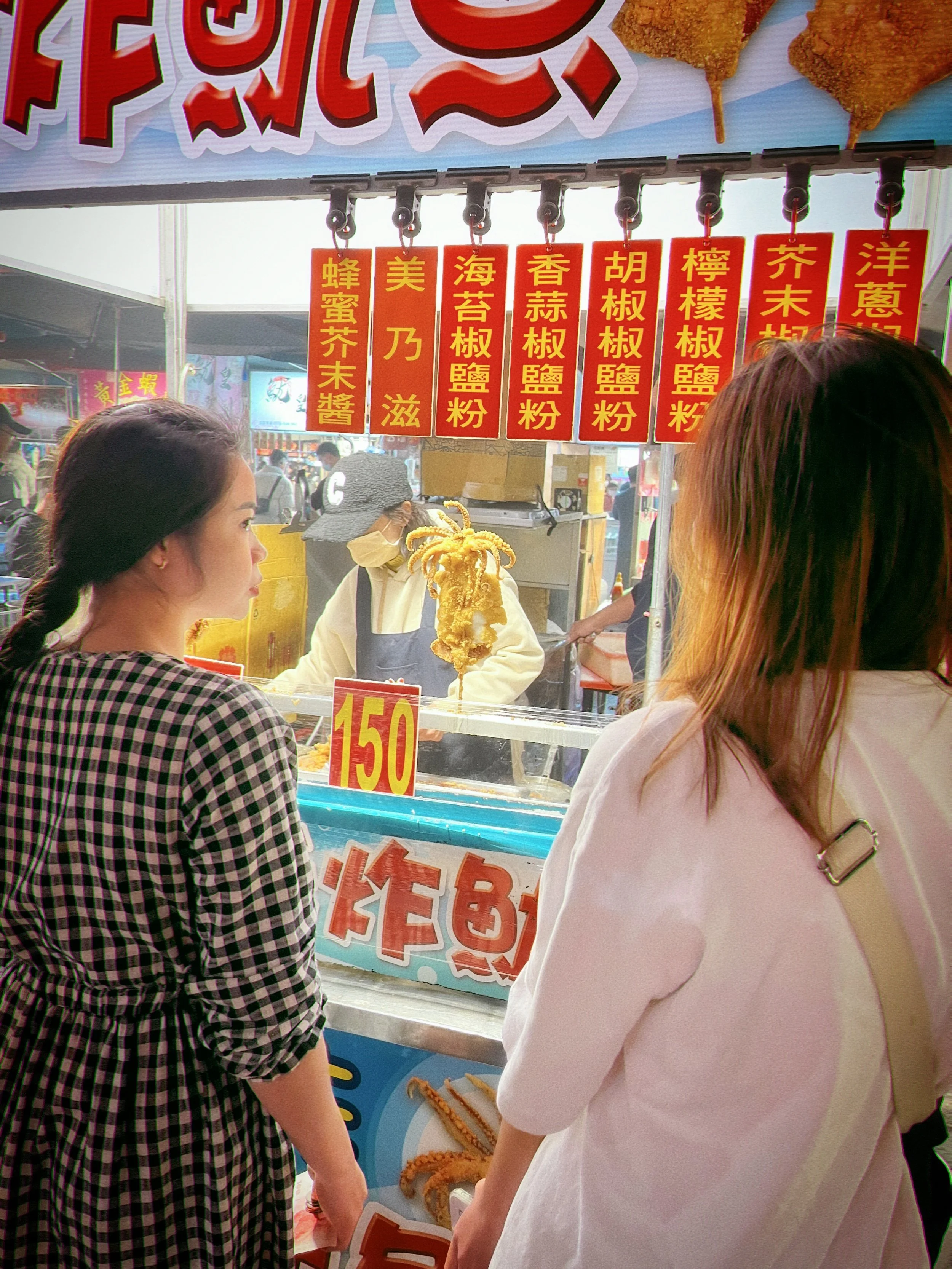
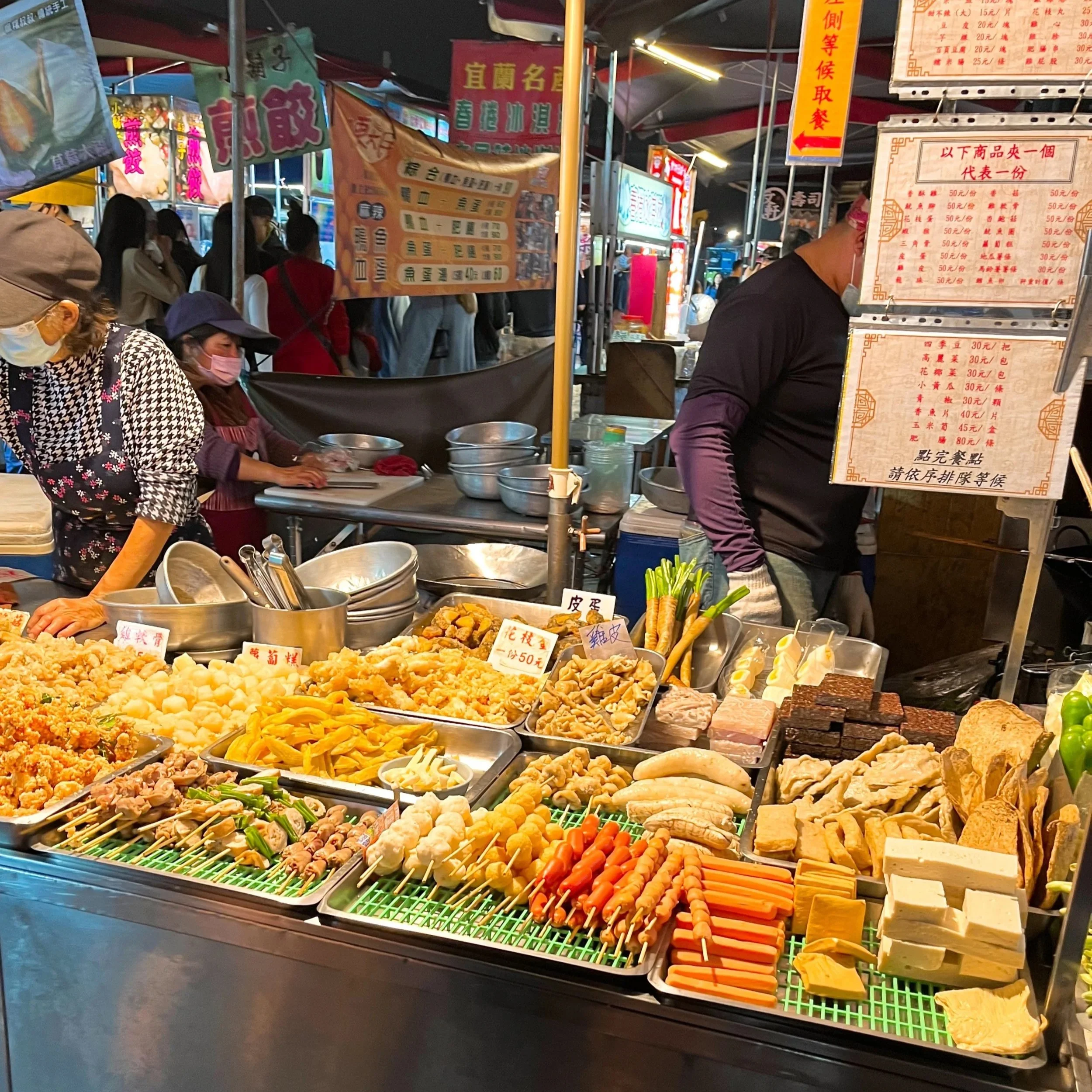
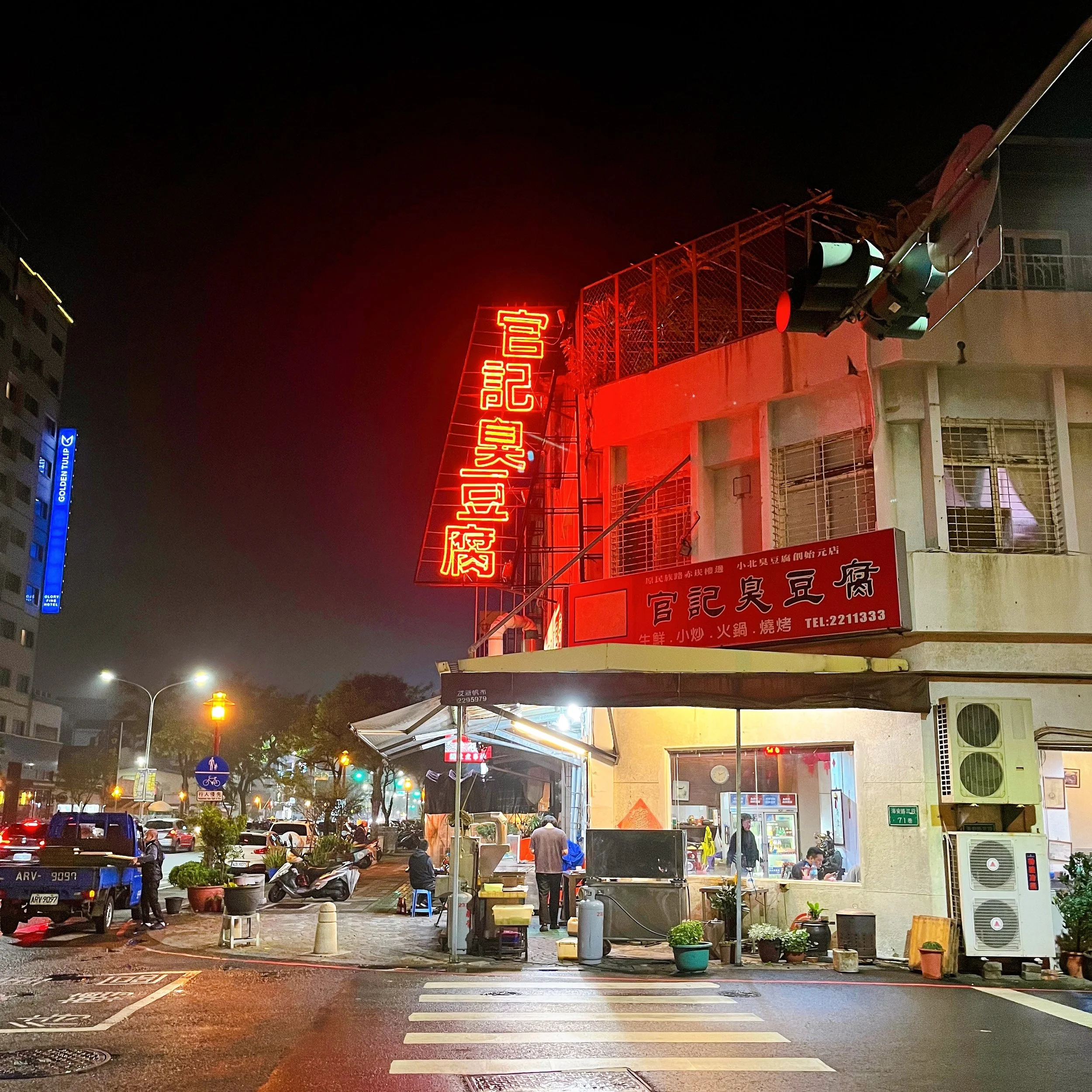
Evenings, as always in Taiwan, belonged to food. The Tainan Garden Night Market is vast, almost overwhelming in scale, with rows upon rows of stalls stretching out into the night. Night markets are central to Taiwanese culture, but this one felt particularly expansive. We moved through it slowly, eating far more than we needed to and enjoying the atmosphere.
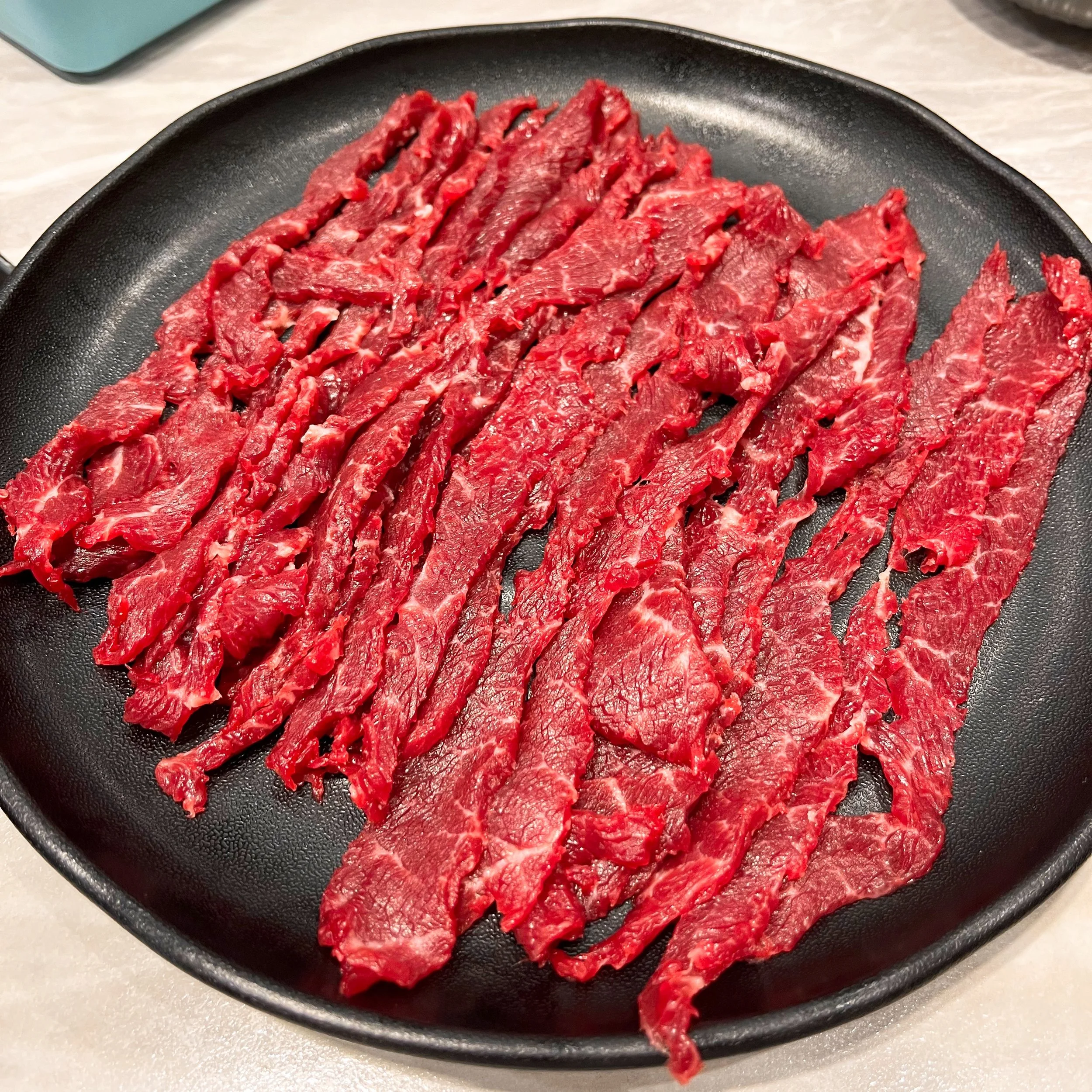
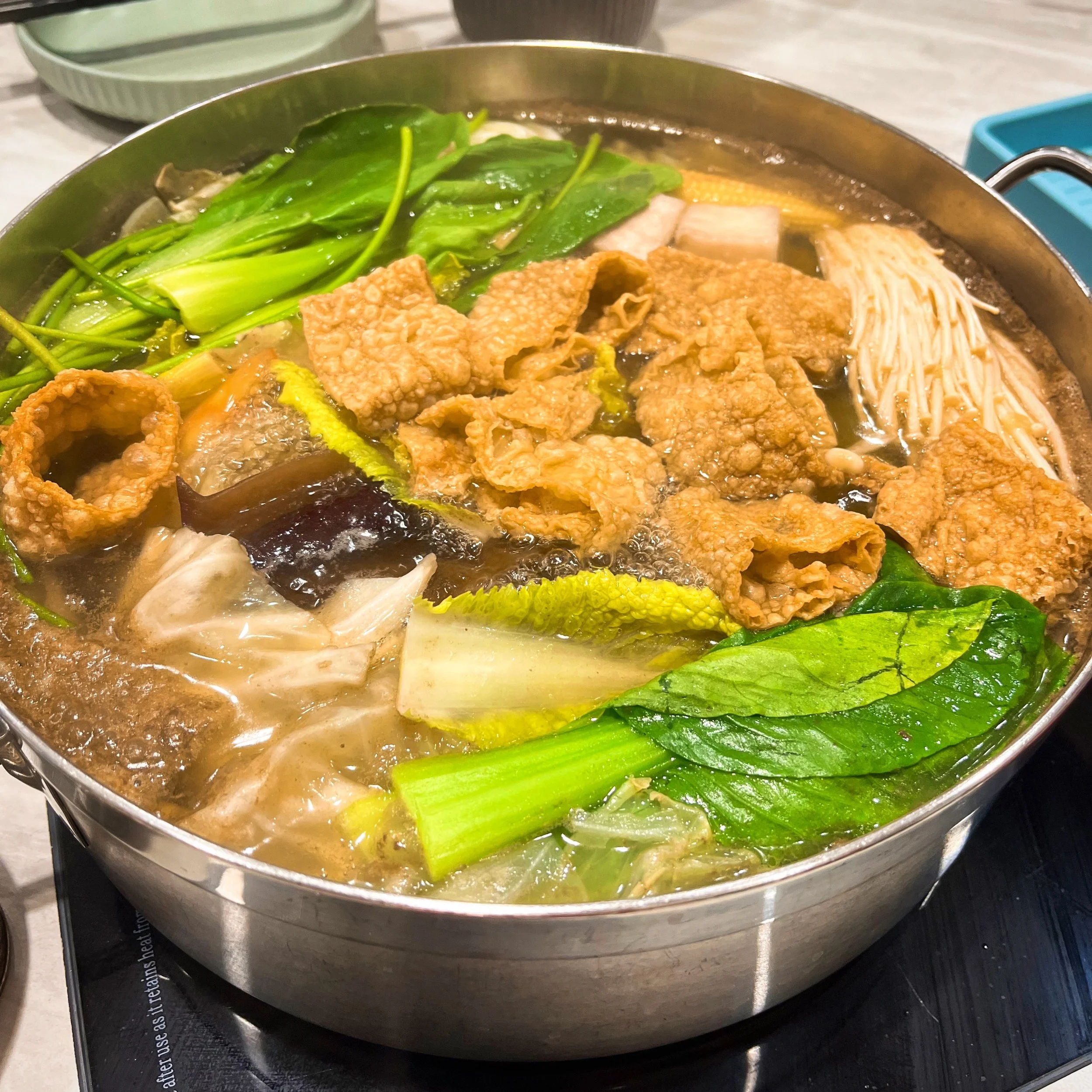
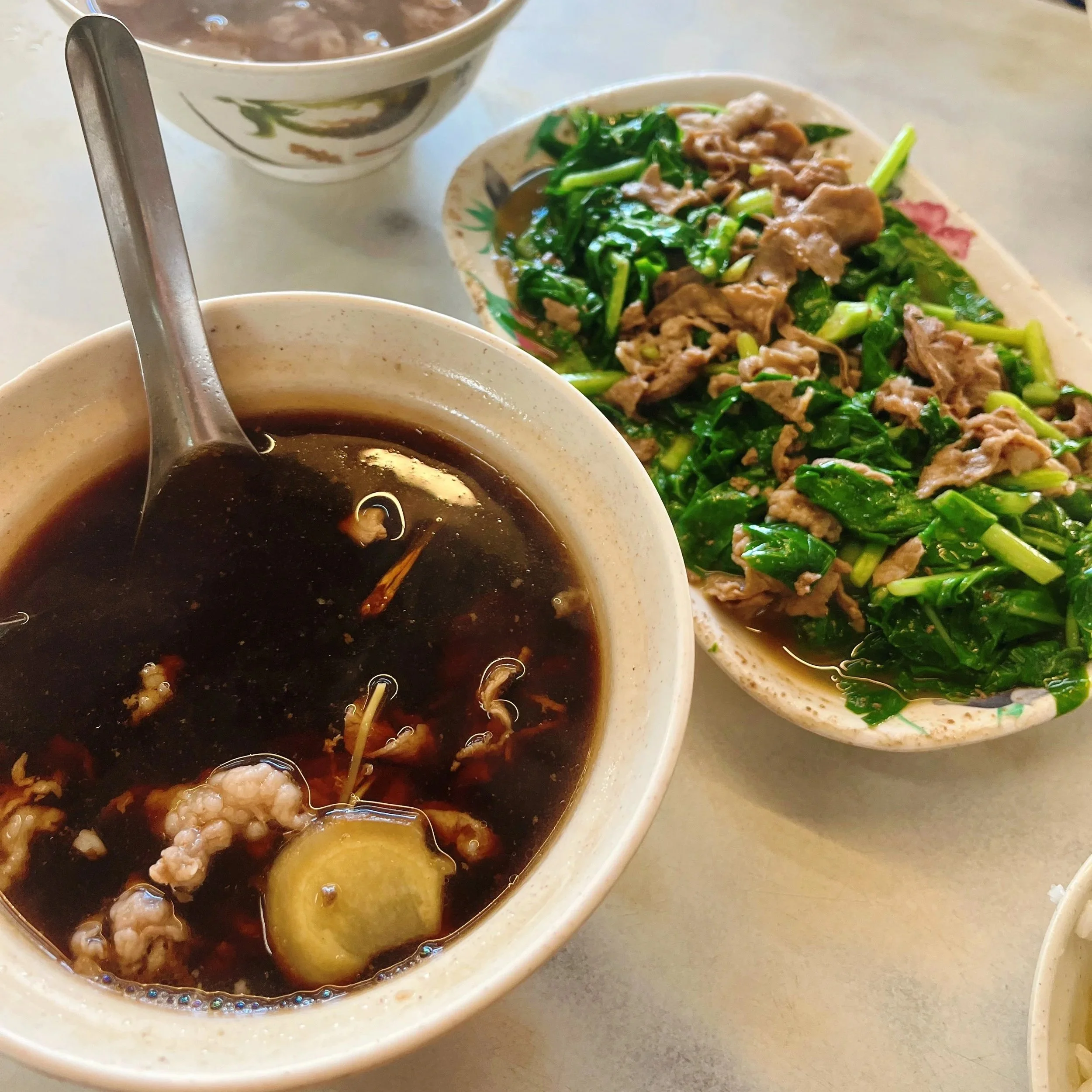
On another evening, we had 溫體牛 (wen ti niu, fresh beef hotpot). It is a speciality of southern Taiwan, made with beef that has been freshly slaughtered that day, never chilled, which gives it an extraordinary tenderness. The slices cook almost instantly in the broth. It was, without exaggeration, some of the softest meat I have ever eaten.
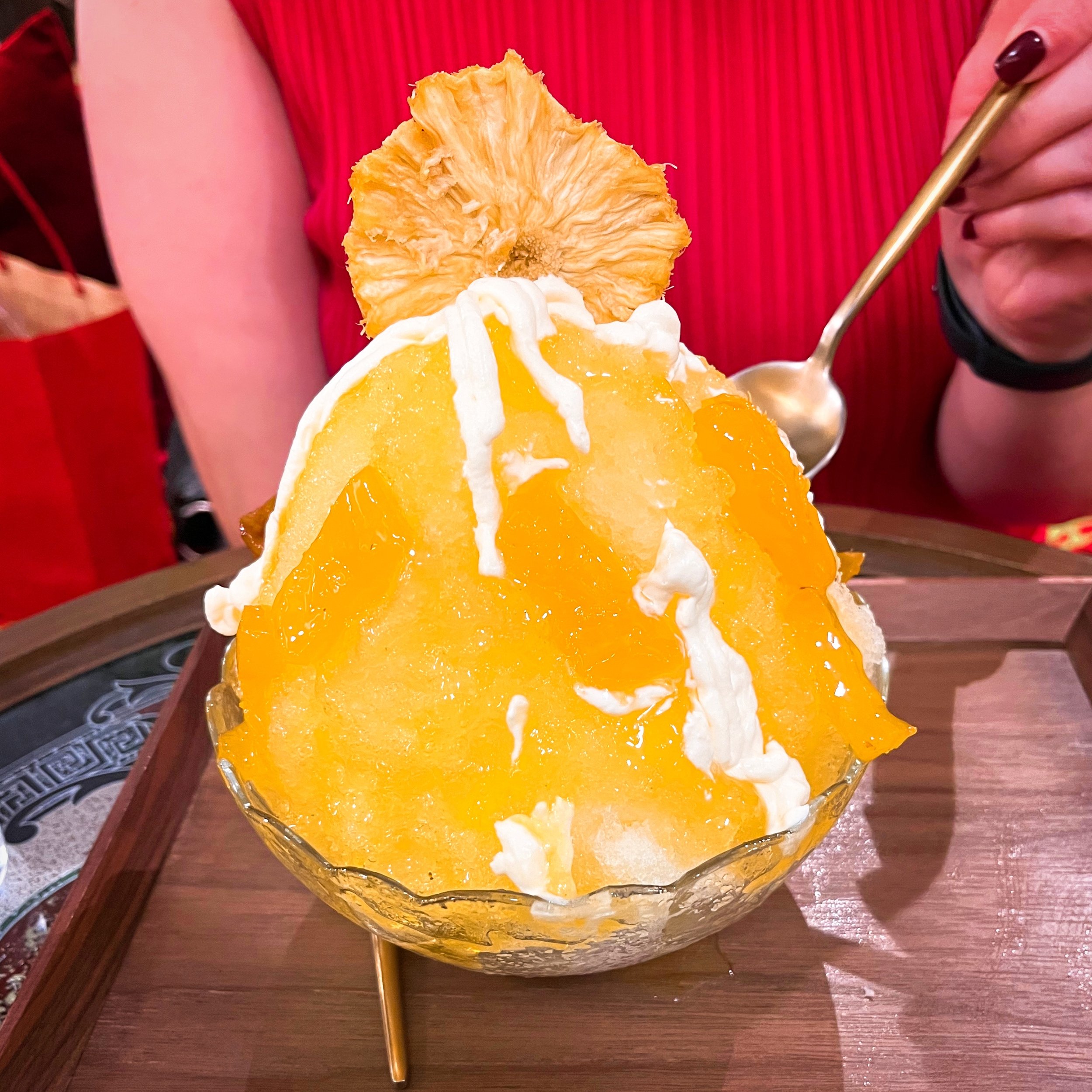
At the Hayashi Department Store, an Art Deco building dating back to the Japanese colonial period, we paused for something lighter. The golden pineapple shaved ice was unexpectedly perfect and I still dream about it. Pineapple runs through Taiwanese desserts and the quality is exceptional.
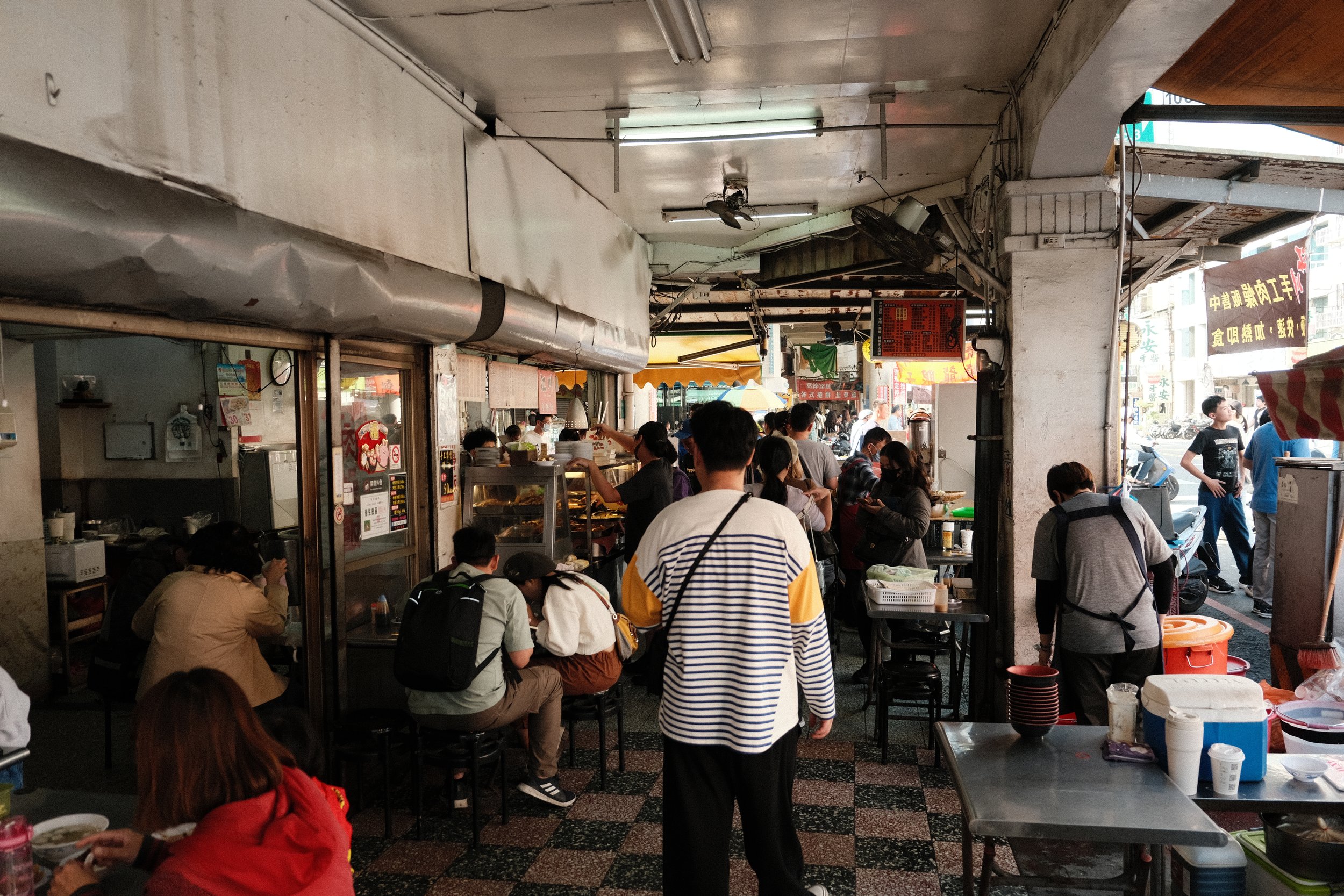
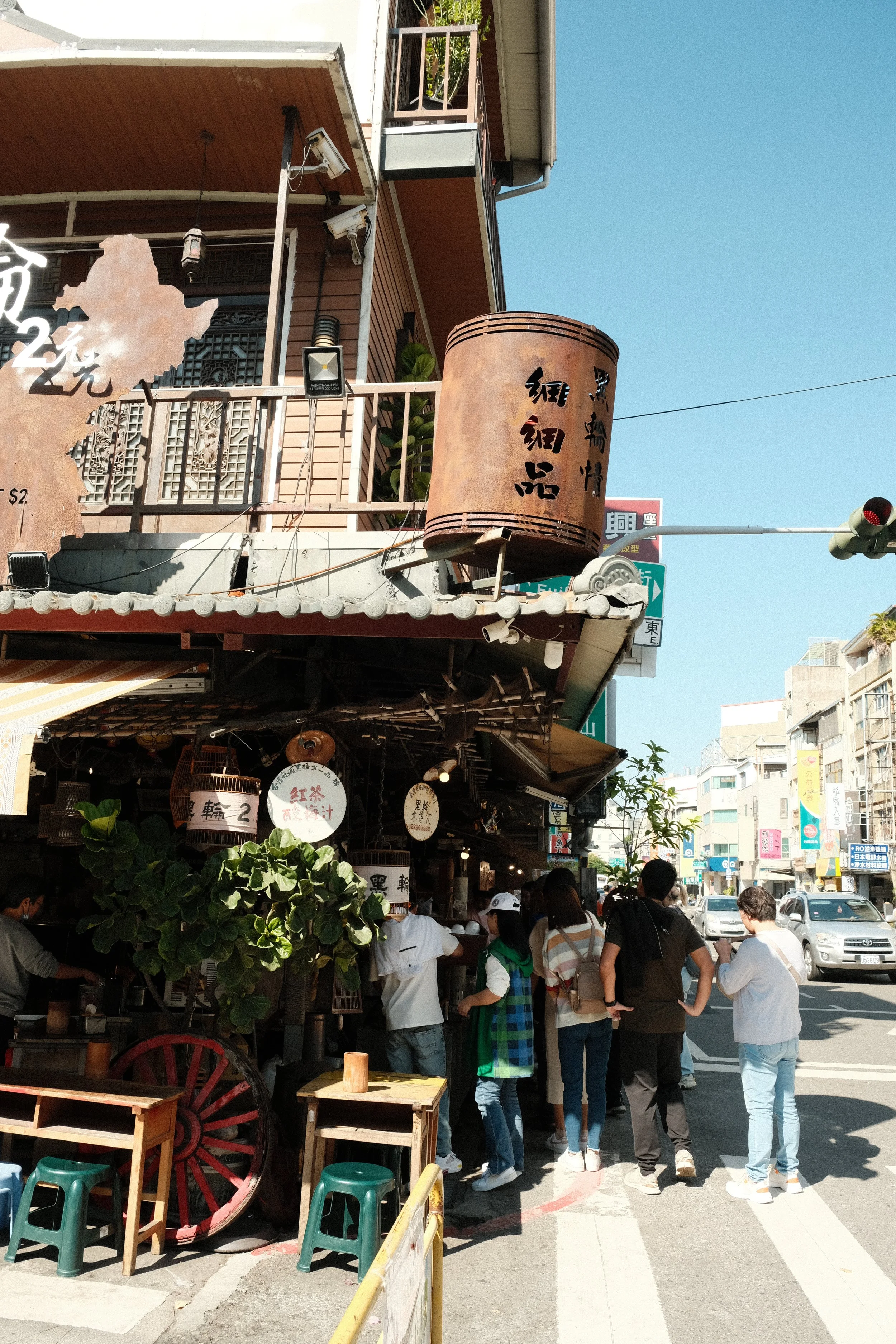
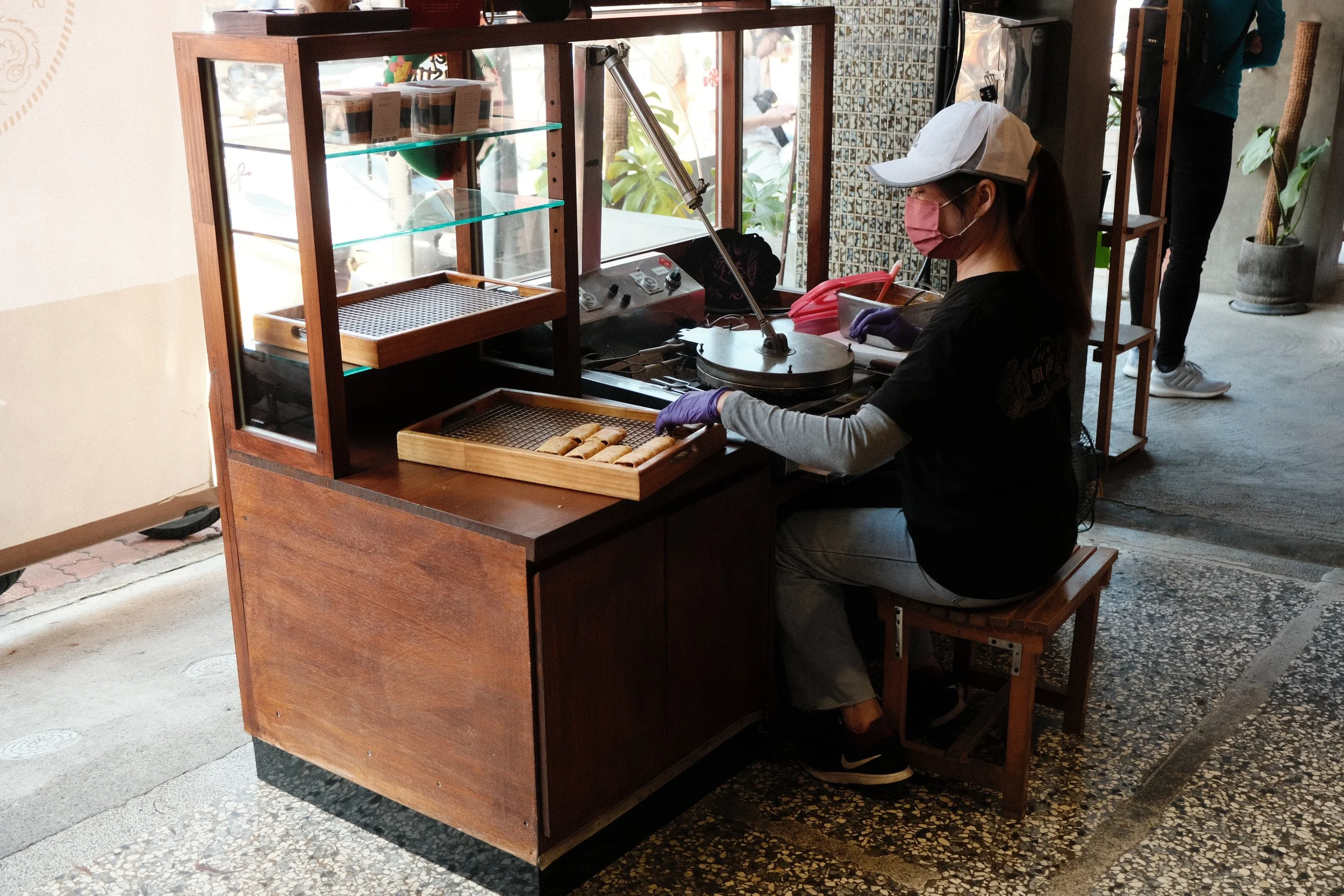
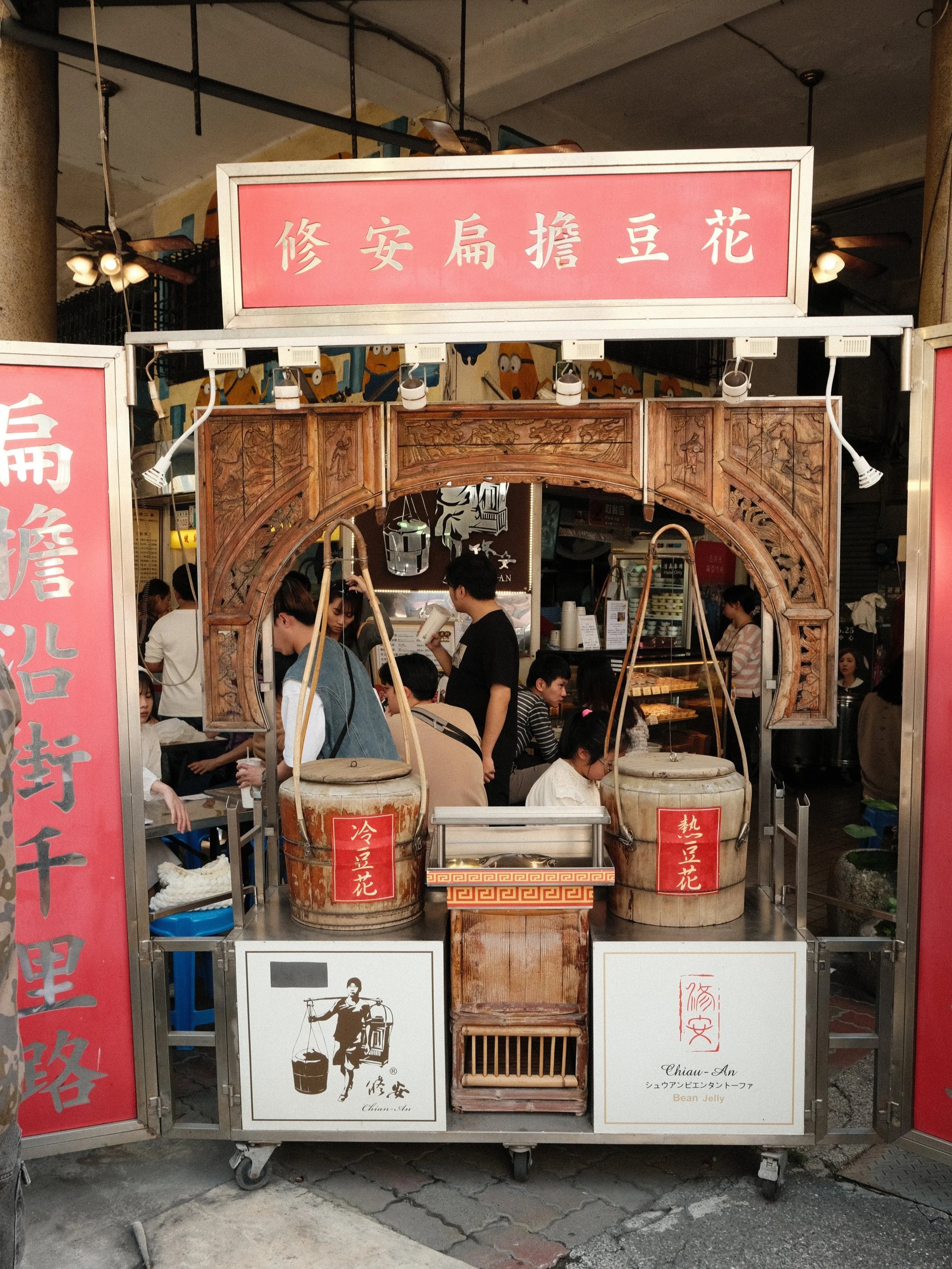
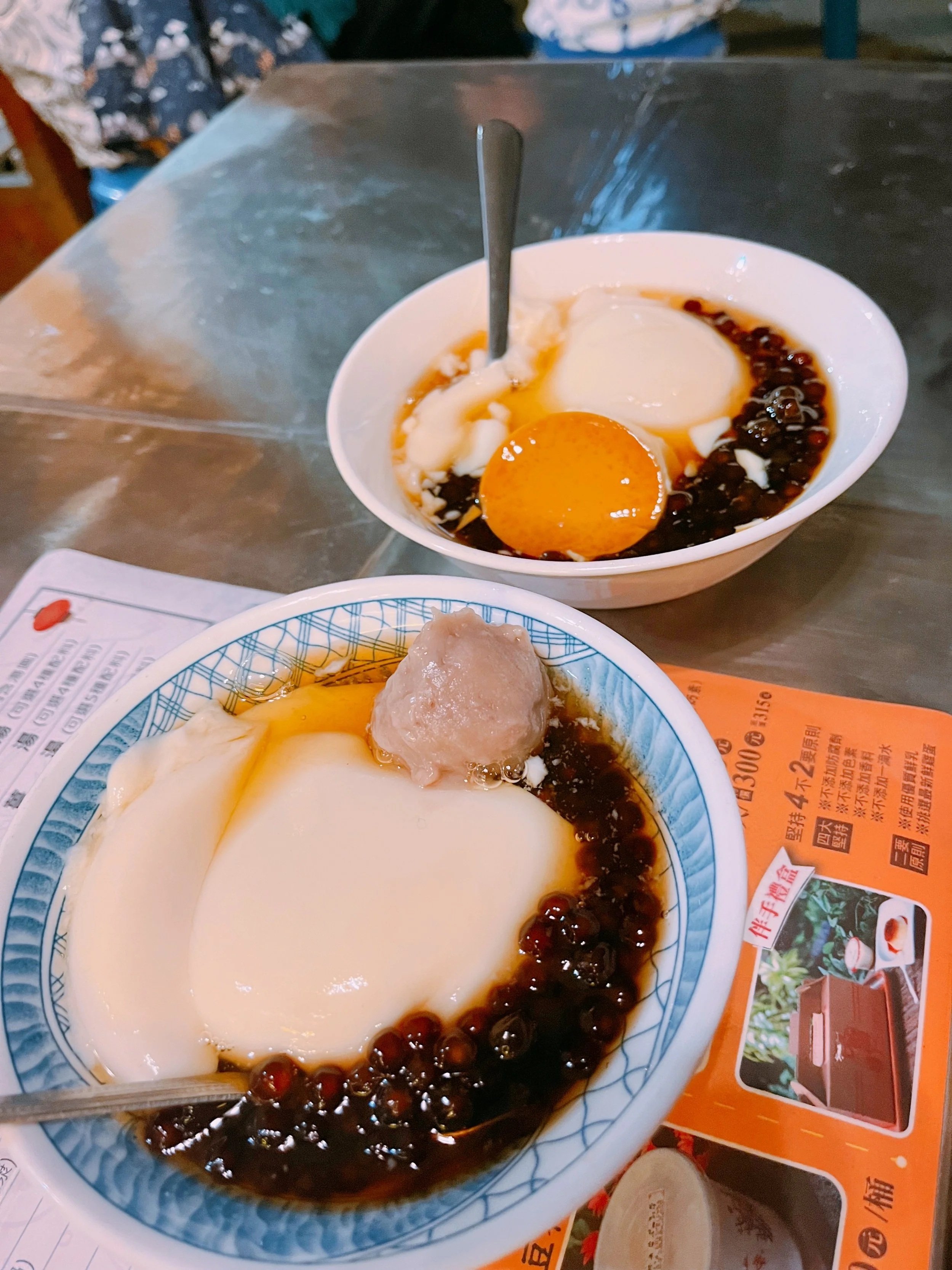
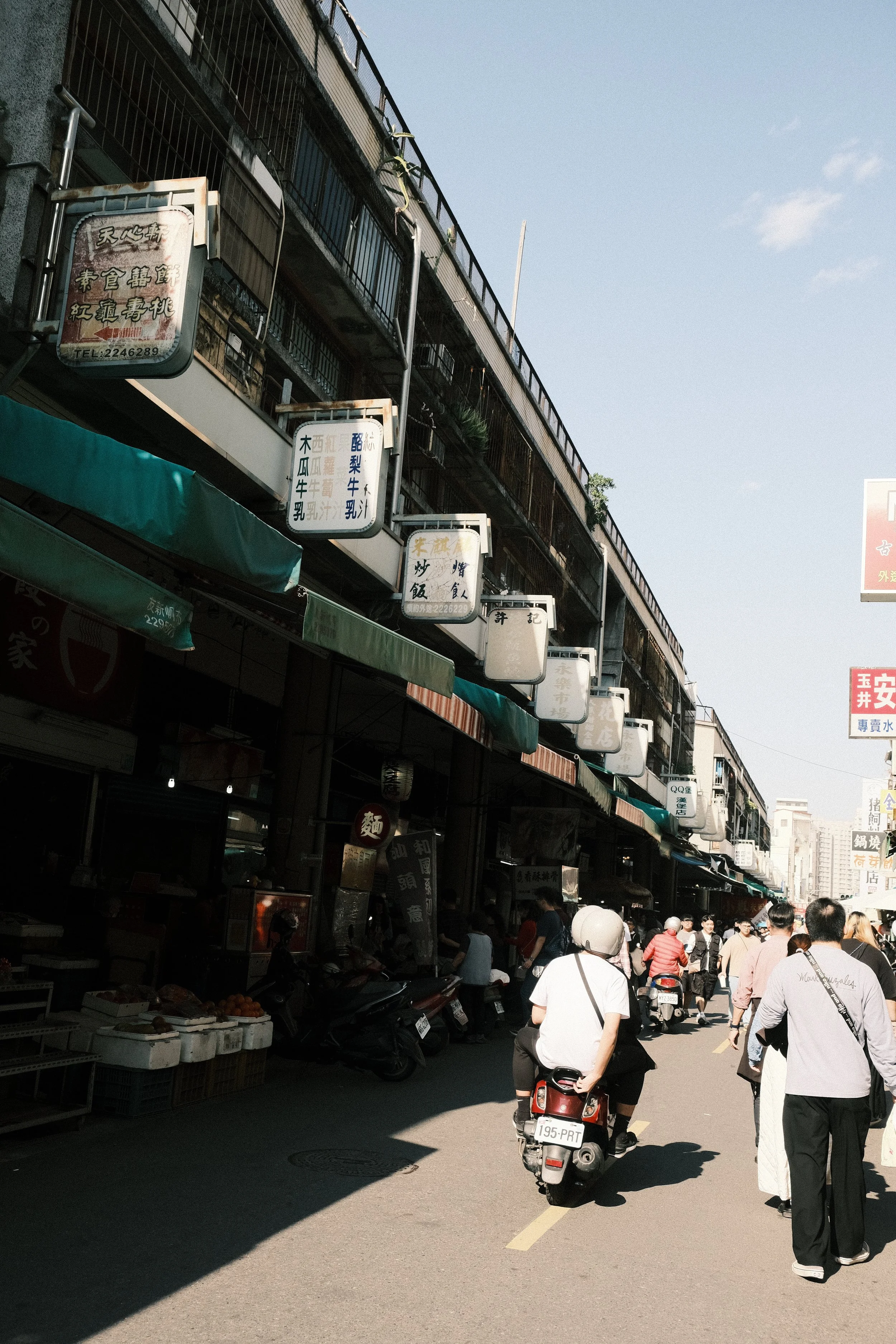
But it was Guohua Street and the nearby Yongle Market that felt like the heart of it all. This is where Tainan’s reputation really comes into focus. Stall after stall, many of them family-run for generations, each specialising in a single dish perfected over time. It is less about choosing and more about following instinct. 永樂蝦仁肉圓 (Yongle shrimp and meat rice dumplings), soft and savoury; 味品碗粿 (Yi Wei Pin wa gui, steamed rice cake), comforting and rich; 修安扁擔豆花 (Xiu An tofu pudding), delicate and lightly sweet. I missed 阿松割包 (Ah Song gua bao, braised pork bun), which feels like reason enough to return.
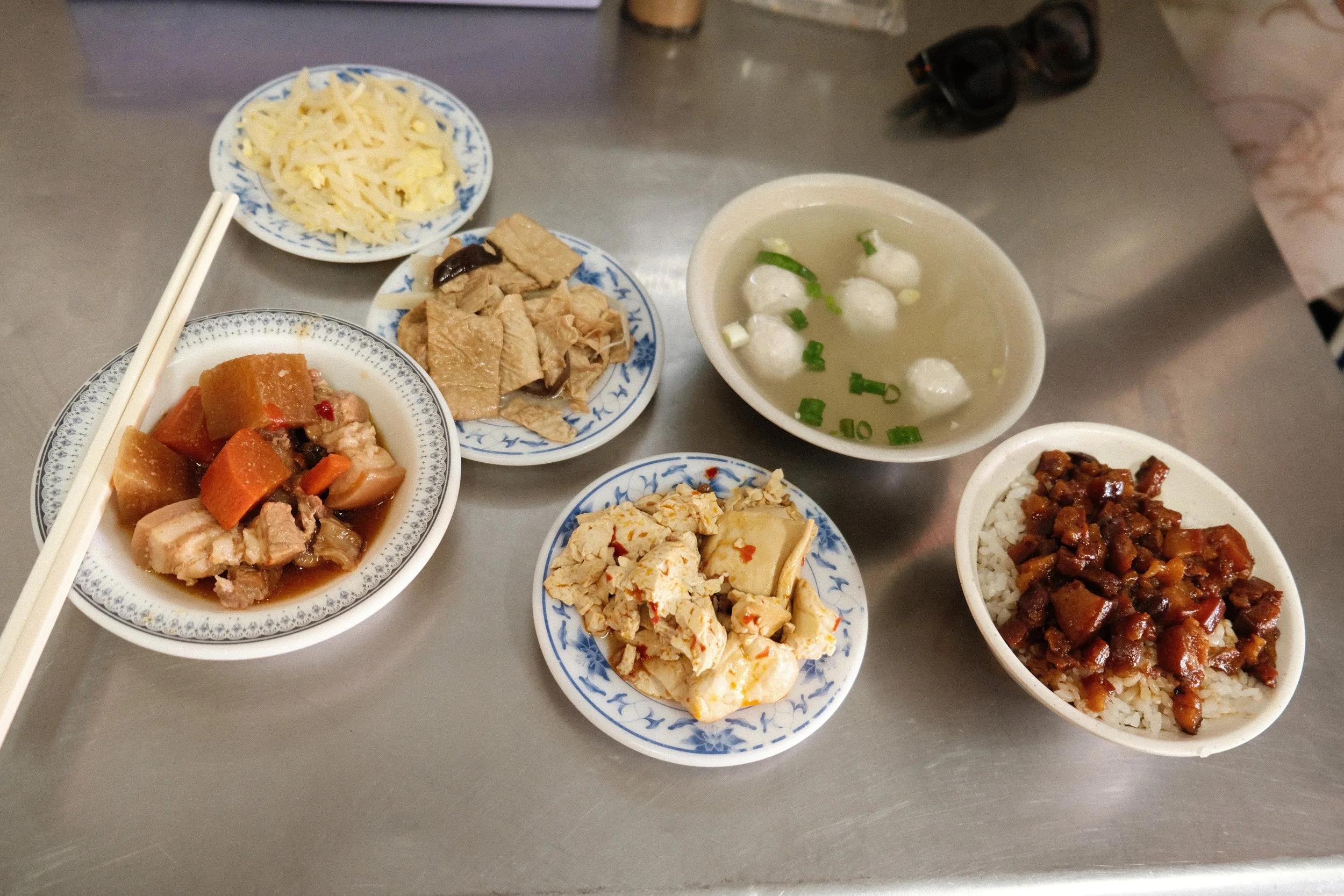
Tainan, in the end, felt distinct from anywhere else in Taiwan. Softer in pace, deeper in history and entirely centred around food. It was a small trip, just a couple of days but it charmed me with the warm winter light and the character of the city.