Taipei, Taiwan
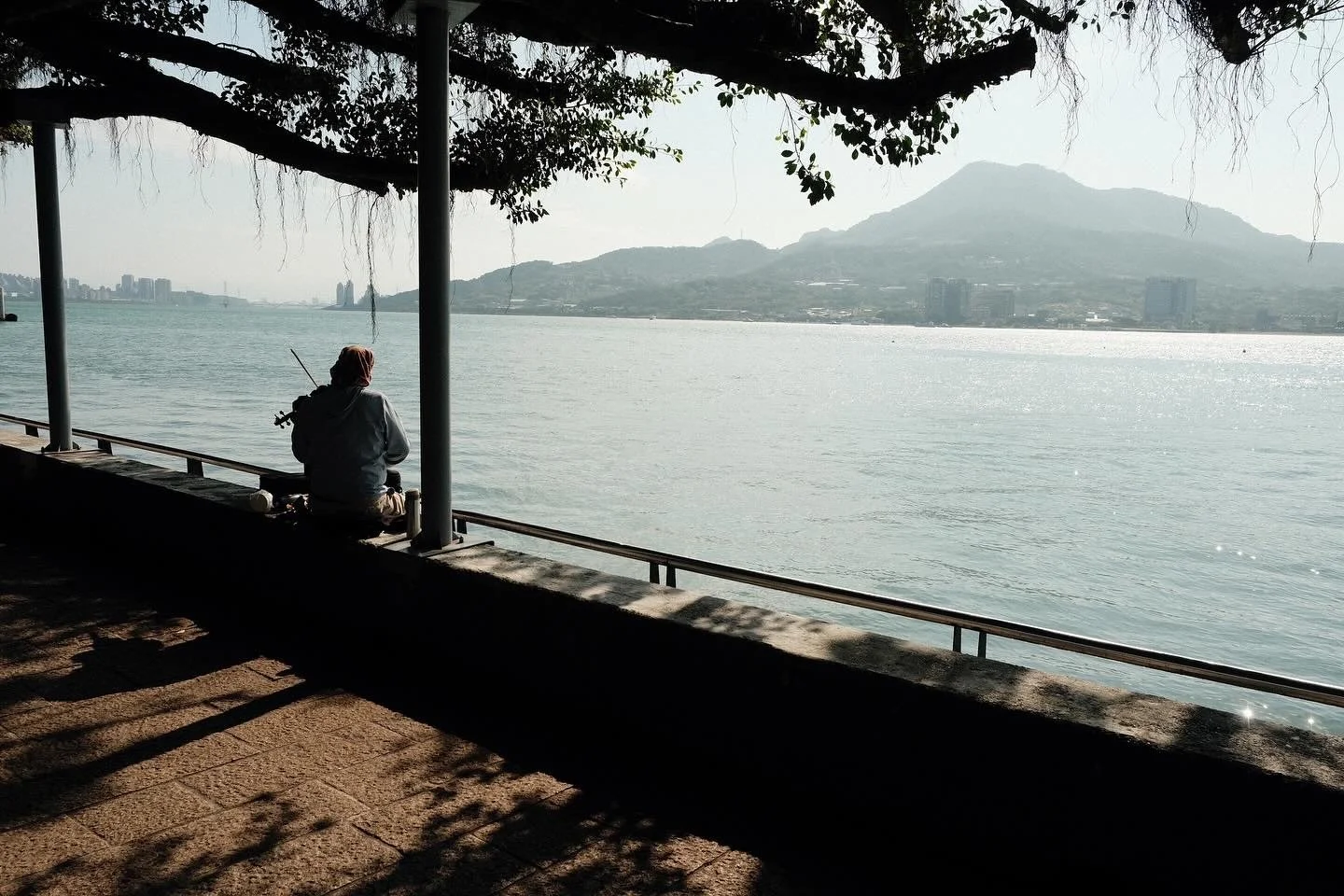
Taipei is a second home to us. It is my partner’s hometown, and through him I have come to know it not just as a visitor, but with a kind of familiarity that feels personal. It is a city I return to with real affection. Friendly, vibrant, and unique, it carries a warmth that extends beyond the climate. Taipei really is a very special place. And then there is the food, which, for those who know, makes a strong case for Taipei as one of the great food cities in the world.
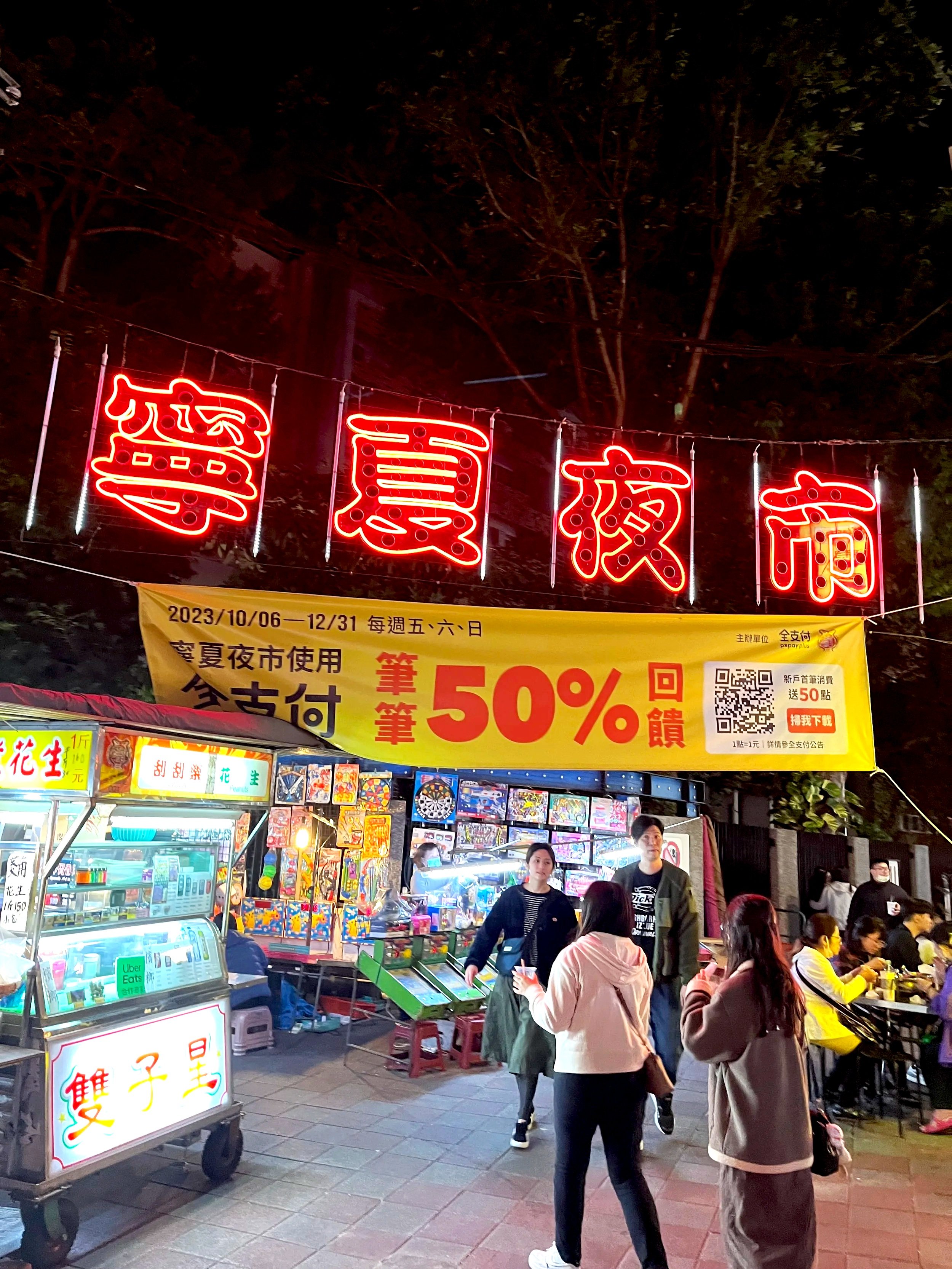
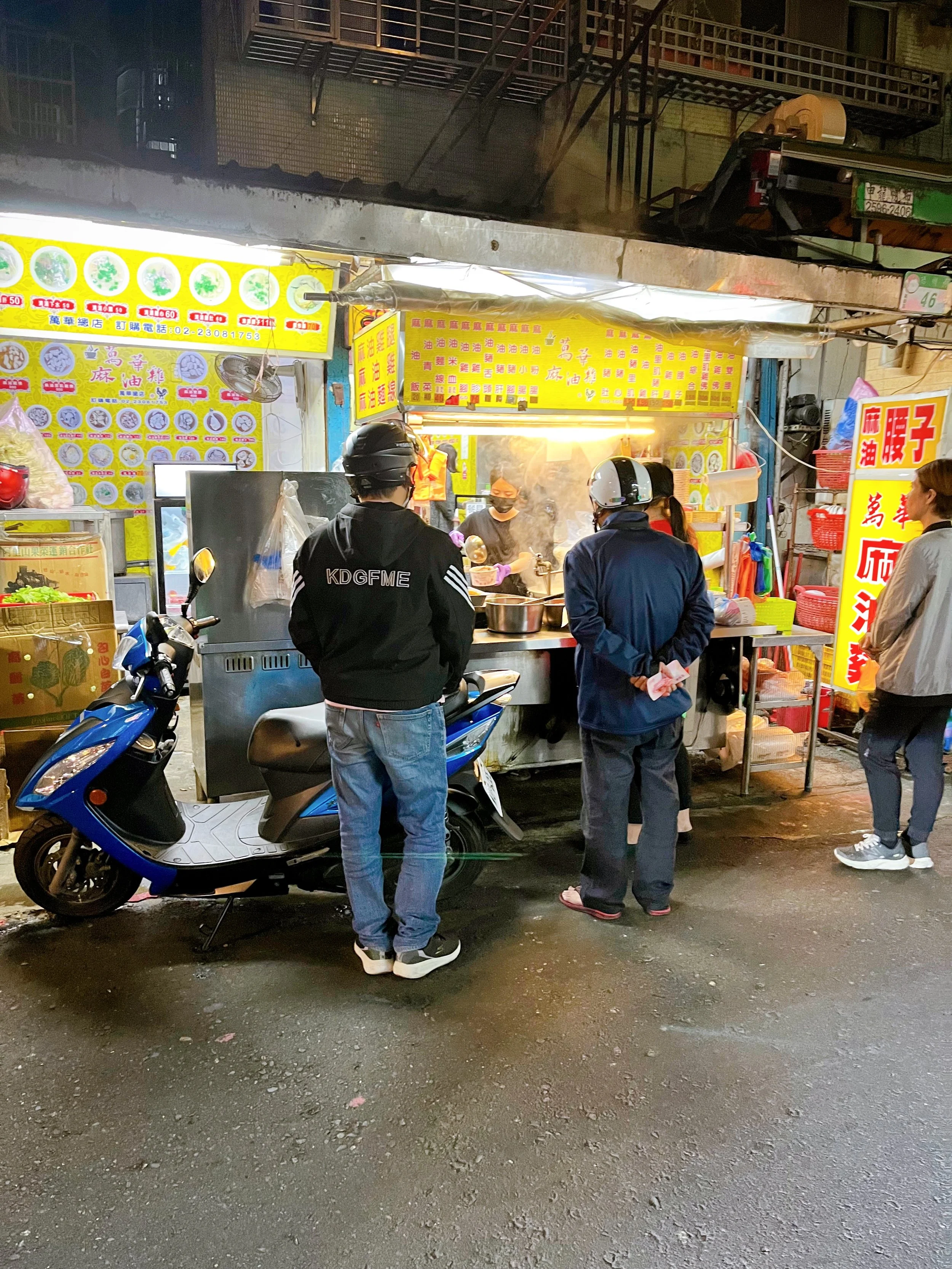
On this trip, we dropped our bags and headed straight out into the night. In Taipei, that means a night market. They are not just places to eat but a central part of daily life, where people gather, wander and linger late into the evening. Ningxia Night Market, Raohe Night Market, Shilin Night Market and Huaxi Street Night Market are among the best known, but there are countless others woven through the city. Each one feels alive with movement and noise, a kind of informal festival that resets every evening.
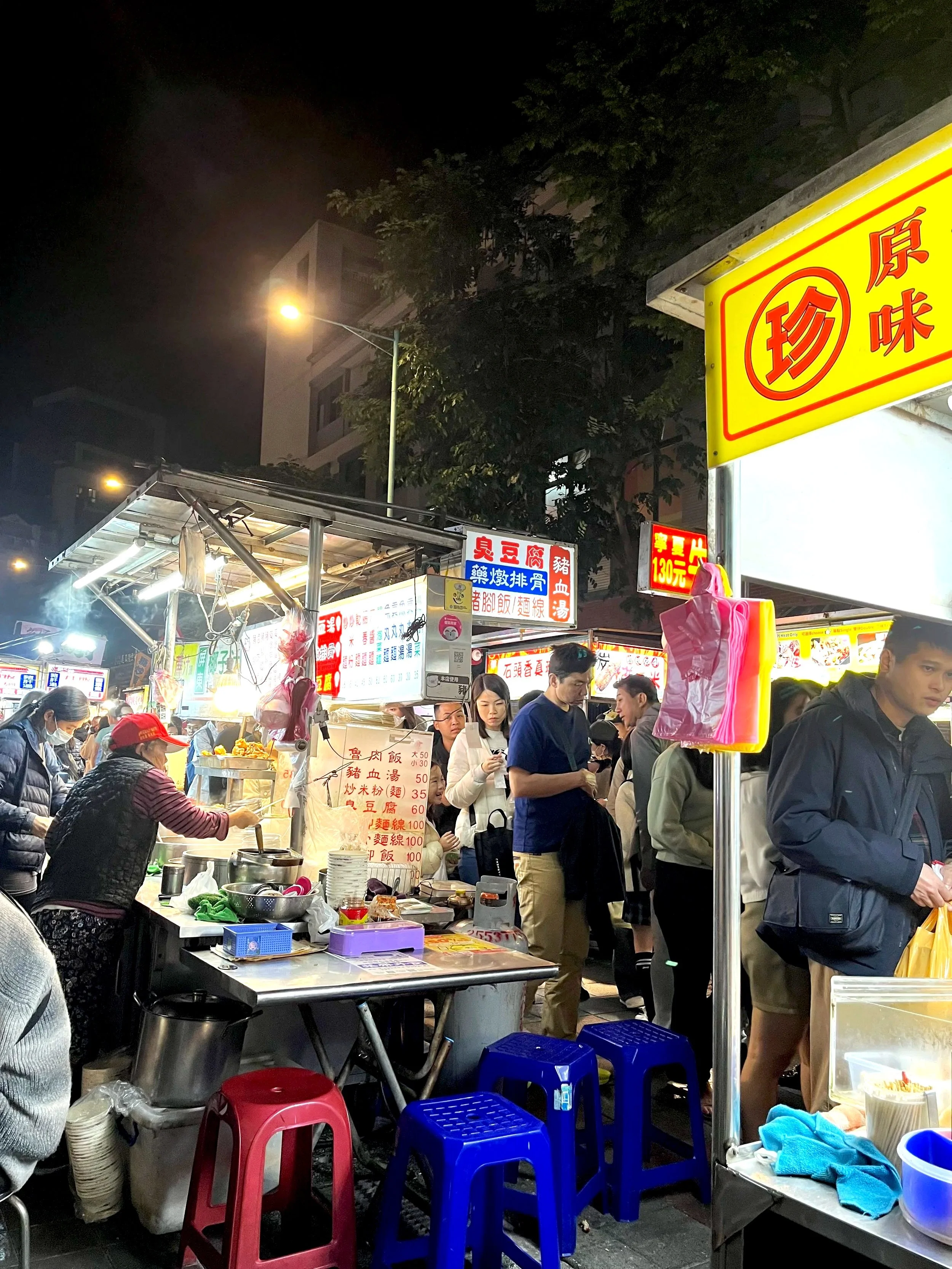
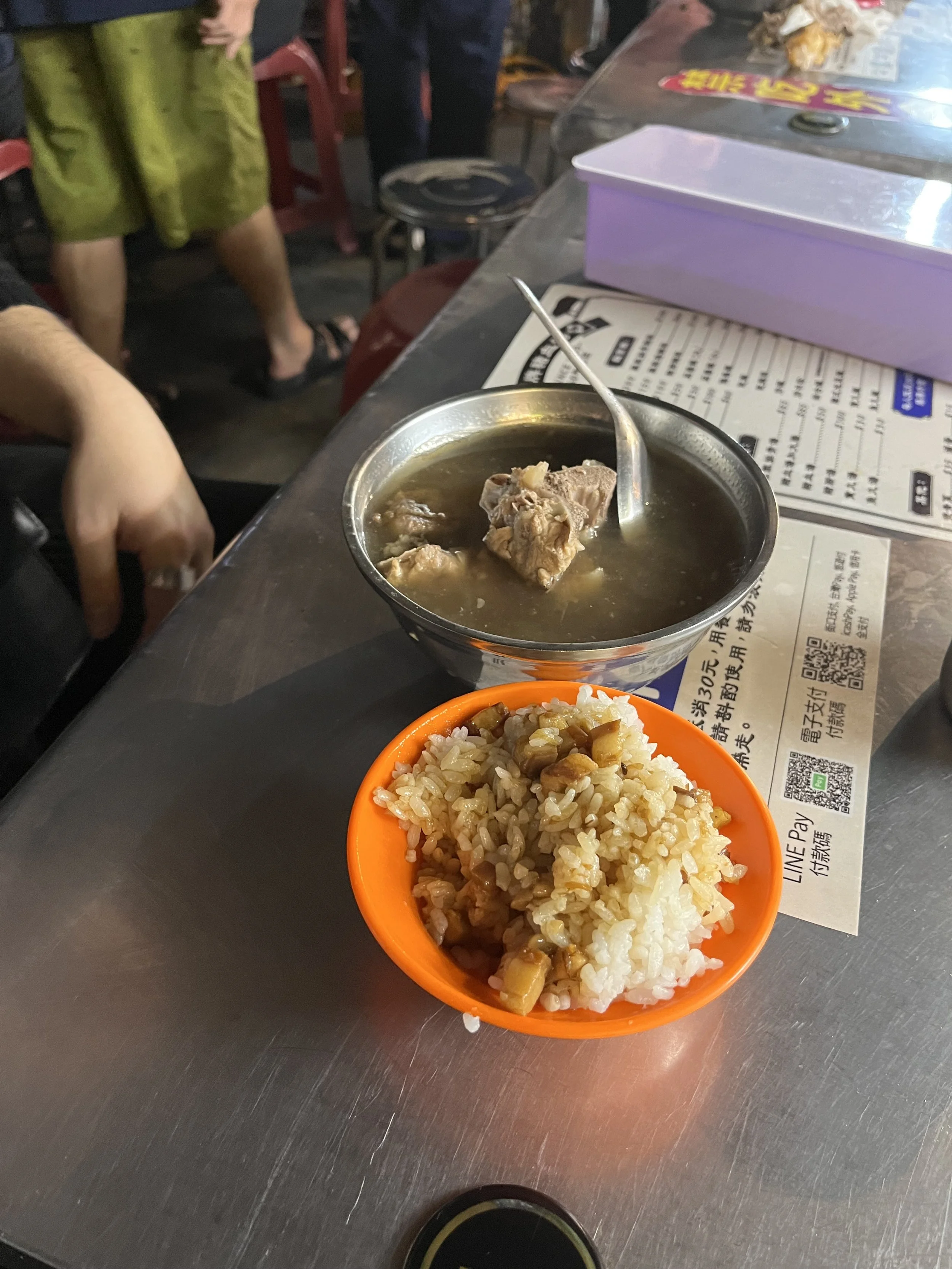
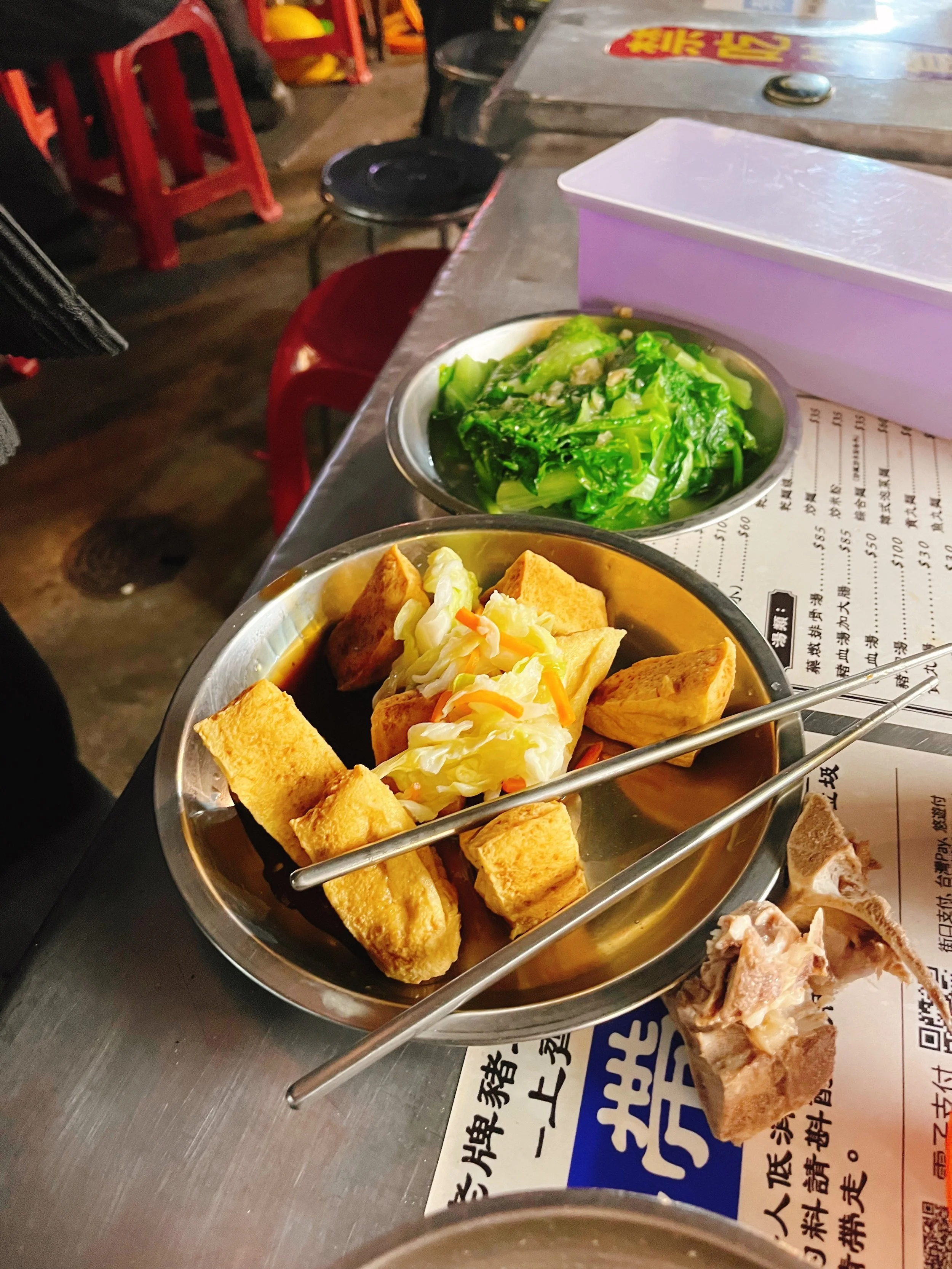
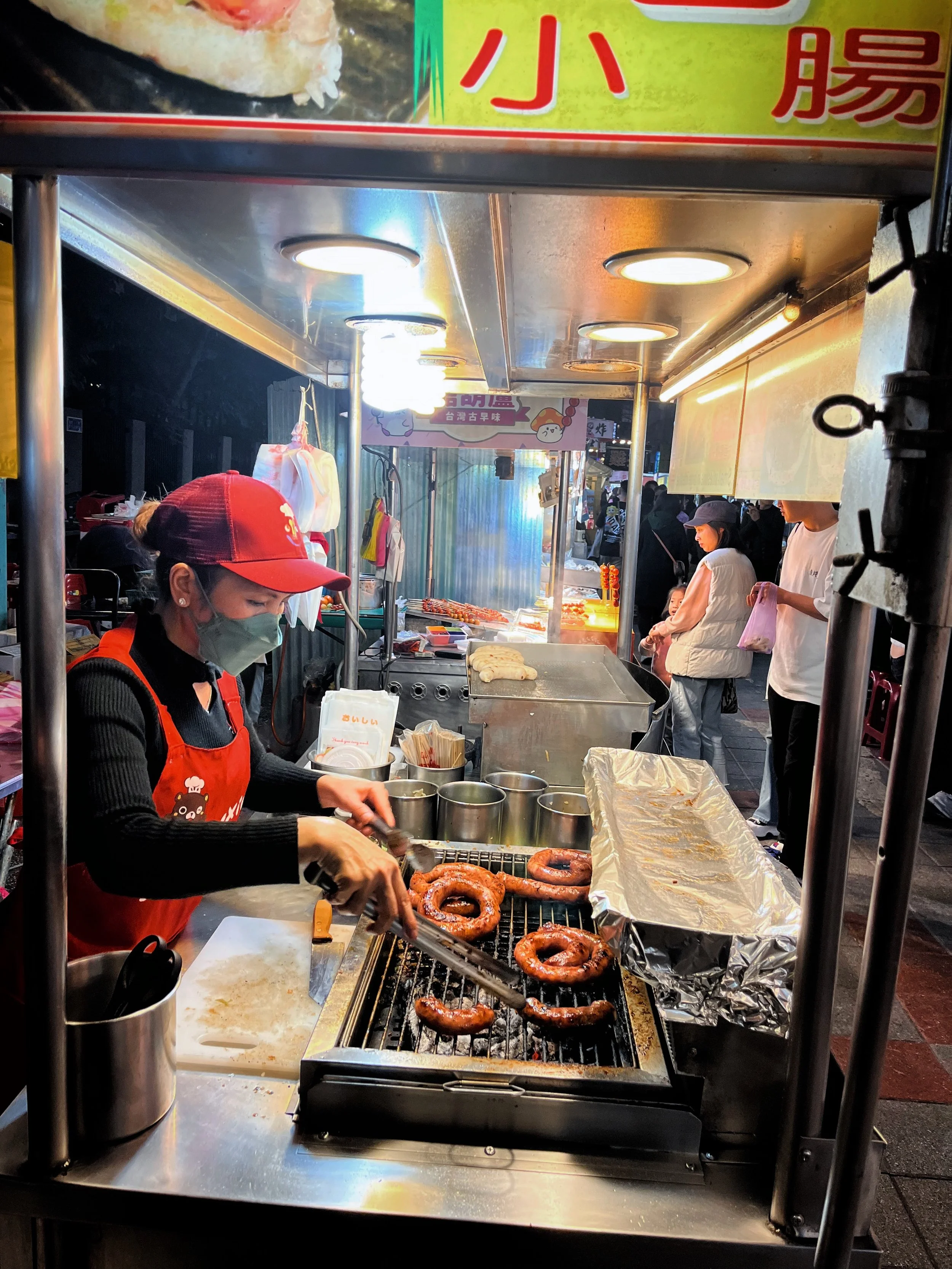
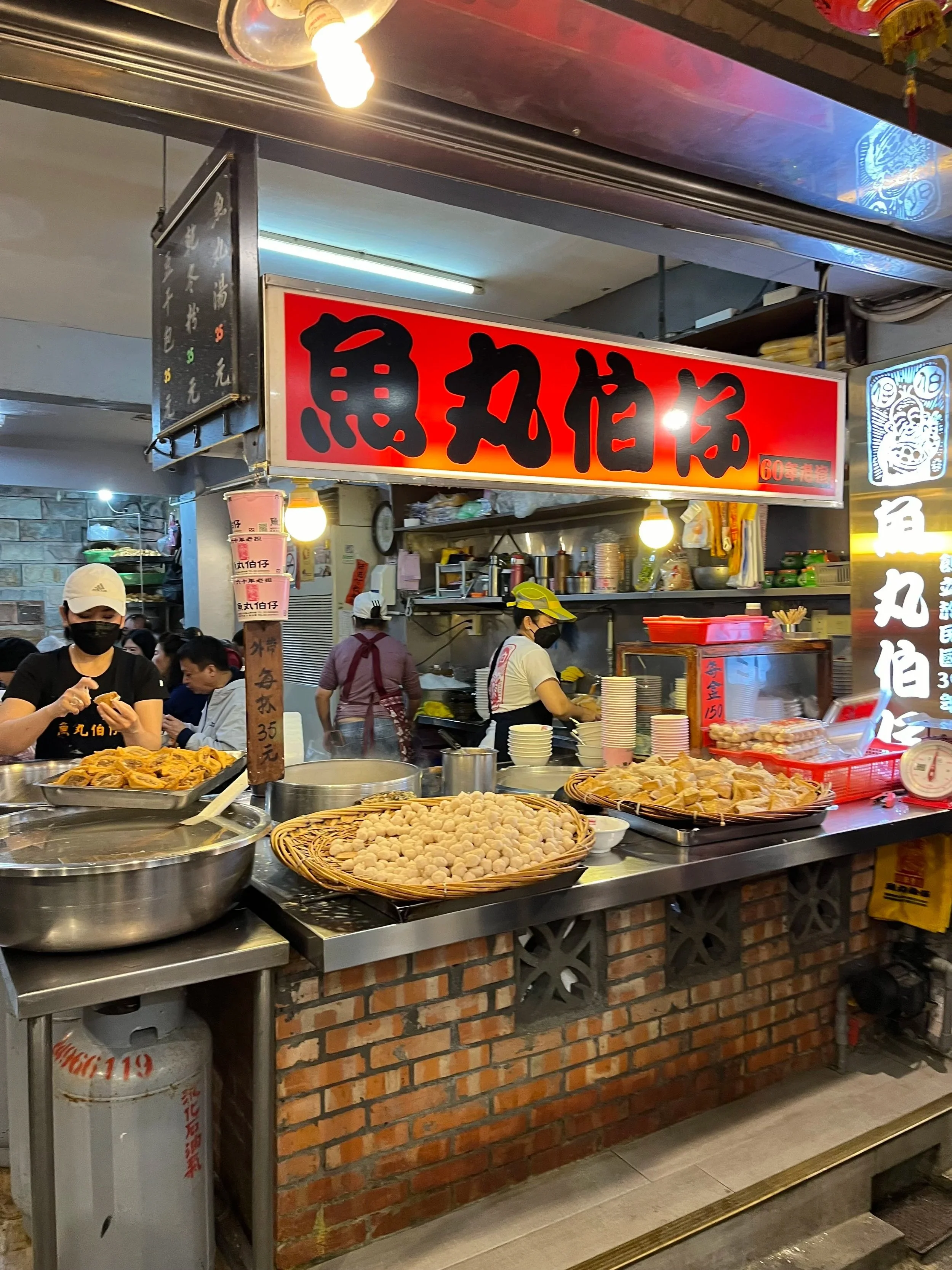
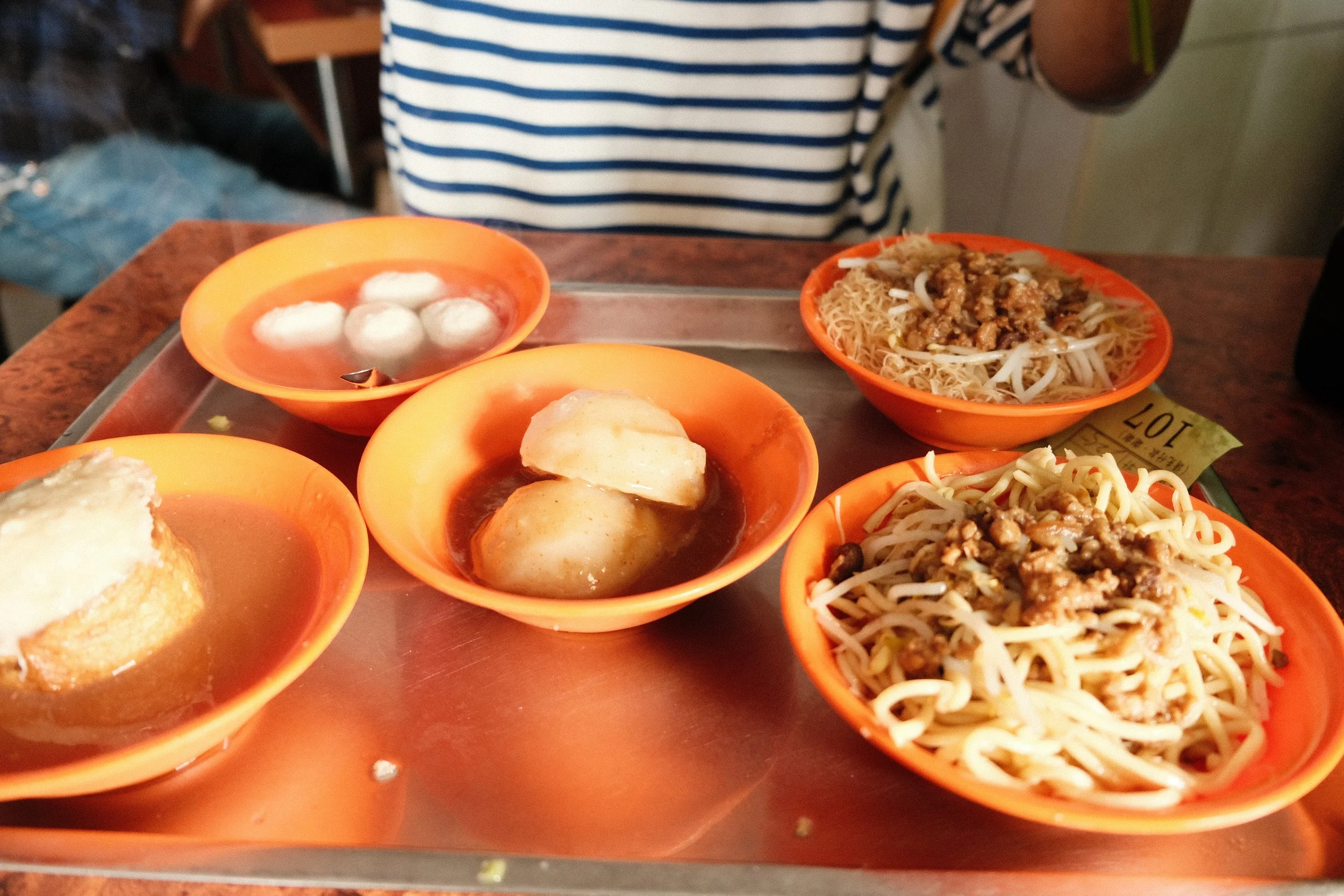
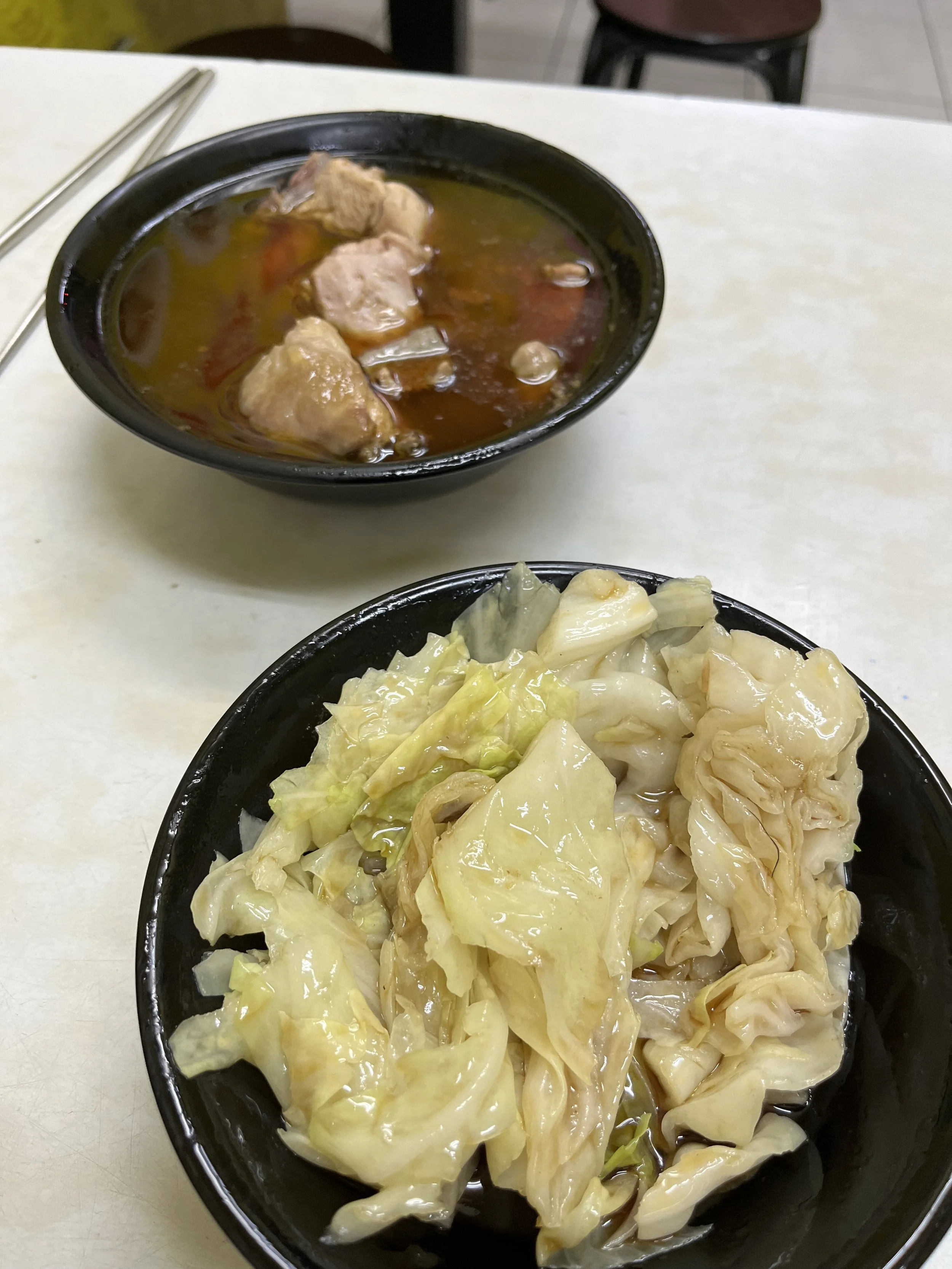
Our first night my partner was looking for the dishes you just cannot get the same in London. 臭豆腐 (stinky tofu), which announces itself long before you see it but rewards any hesitation with something unexpectedly delicate. Bowls of soup, rich and restorative. Lu Rou Fan(卤肉饭, braised pork rice, the ultimate Taiwanese dish. A Taiwanese sausage tucked into a sticky rice bun, eaten standing among the crowd. After a long flight, it felt like an immediate recalibration. Later, wide awake with jet lag, we found our way to a late-night Taiwanese foot massage, the kind that feels almost medicinal. If you are in Taiwan, you must get a Taiwanese foot massage.
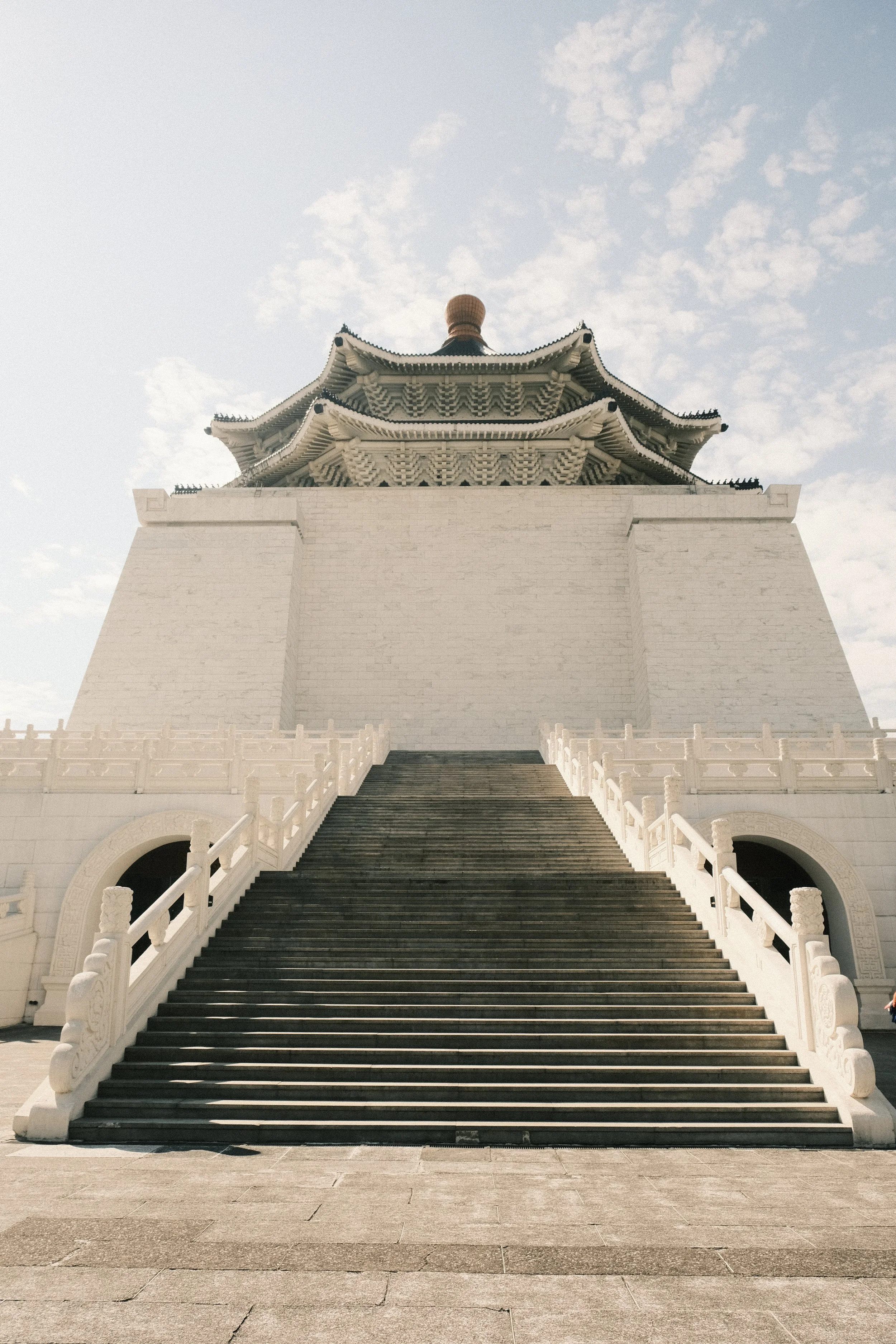
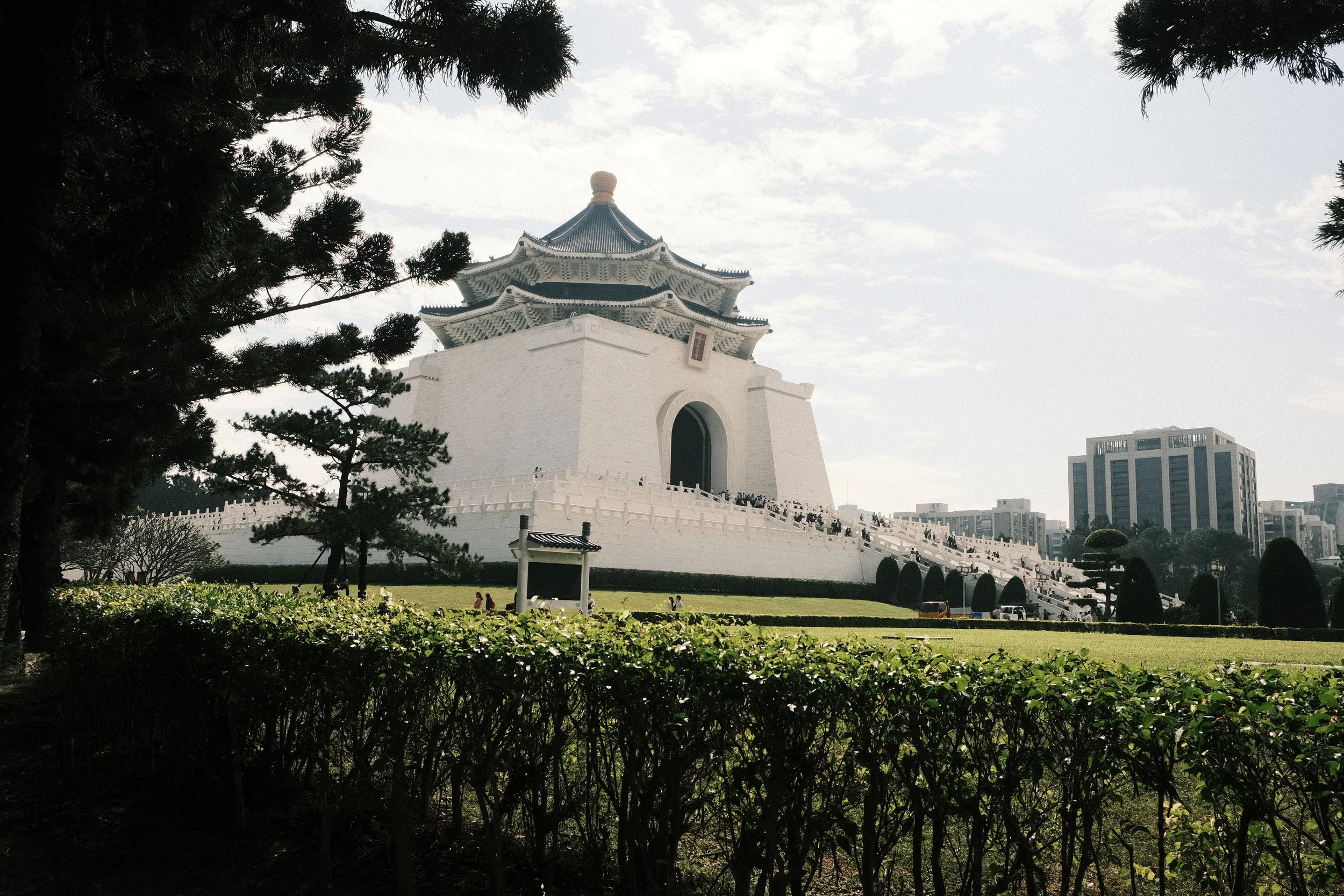
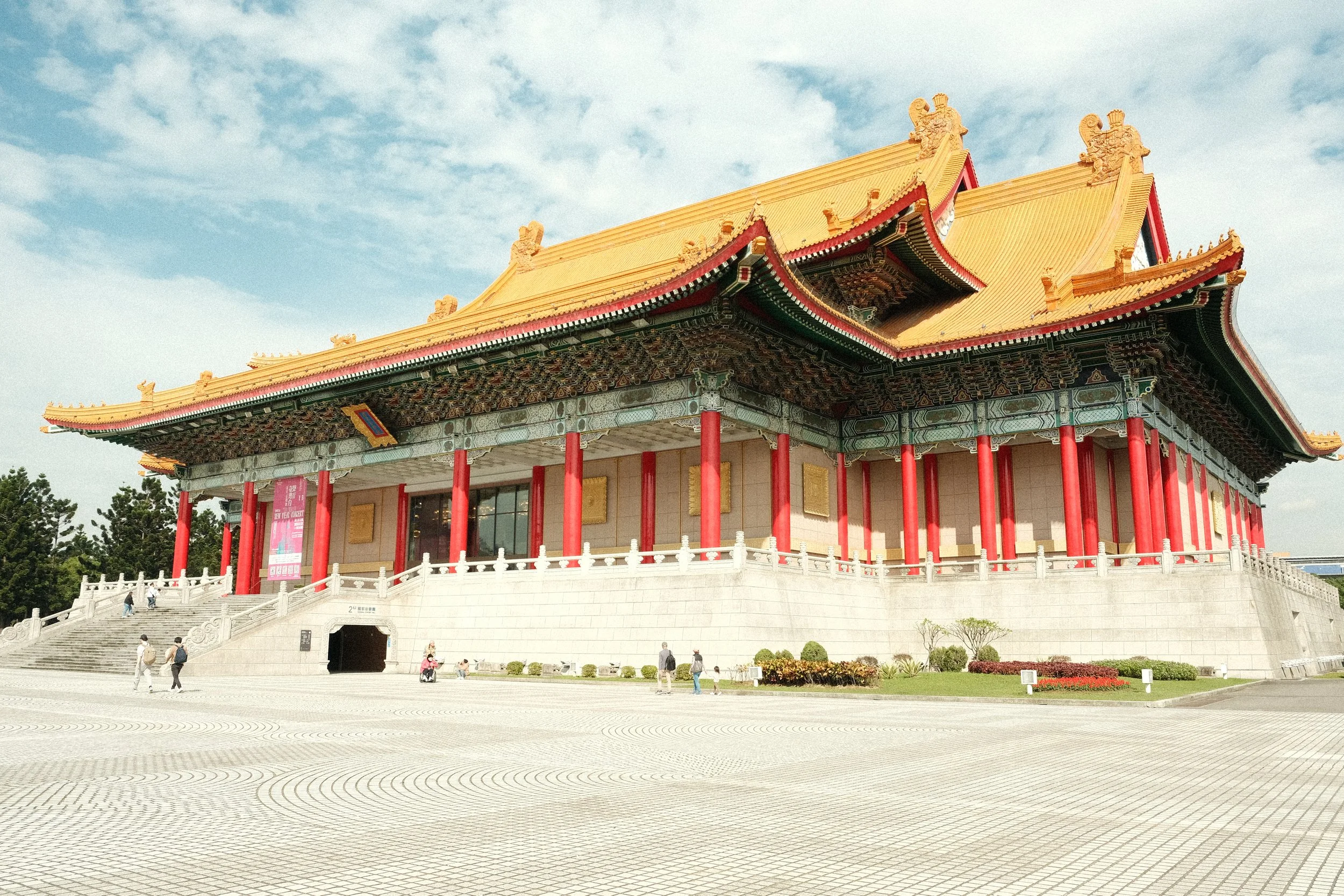
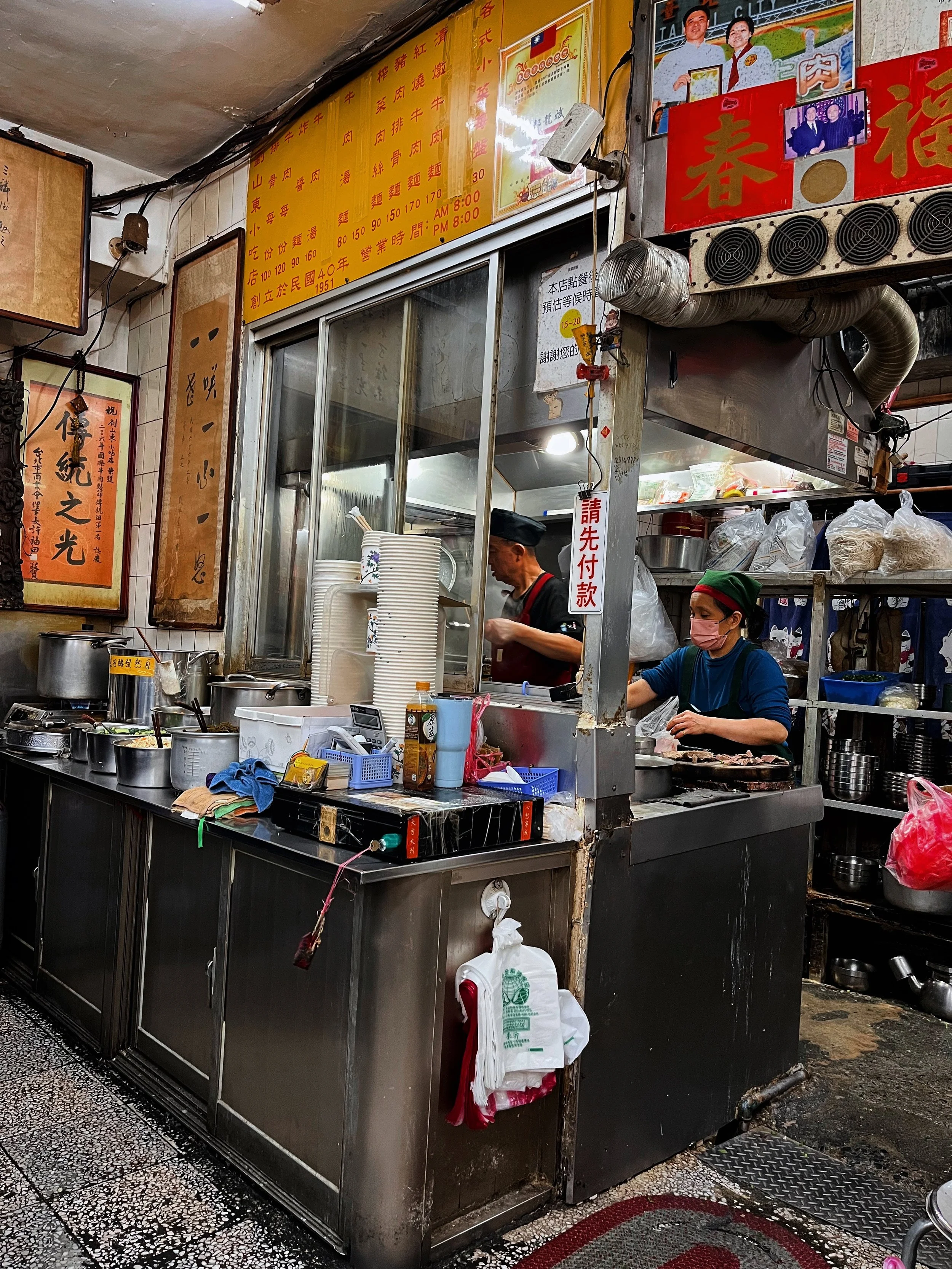
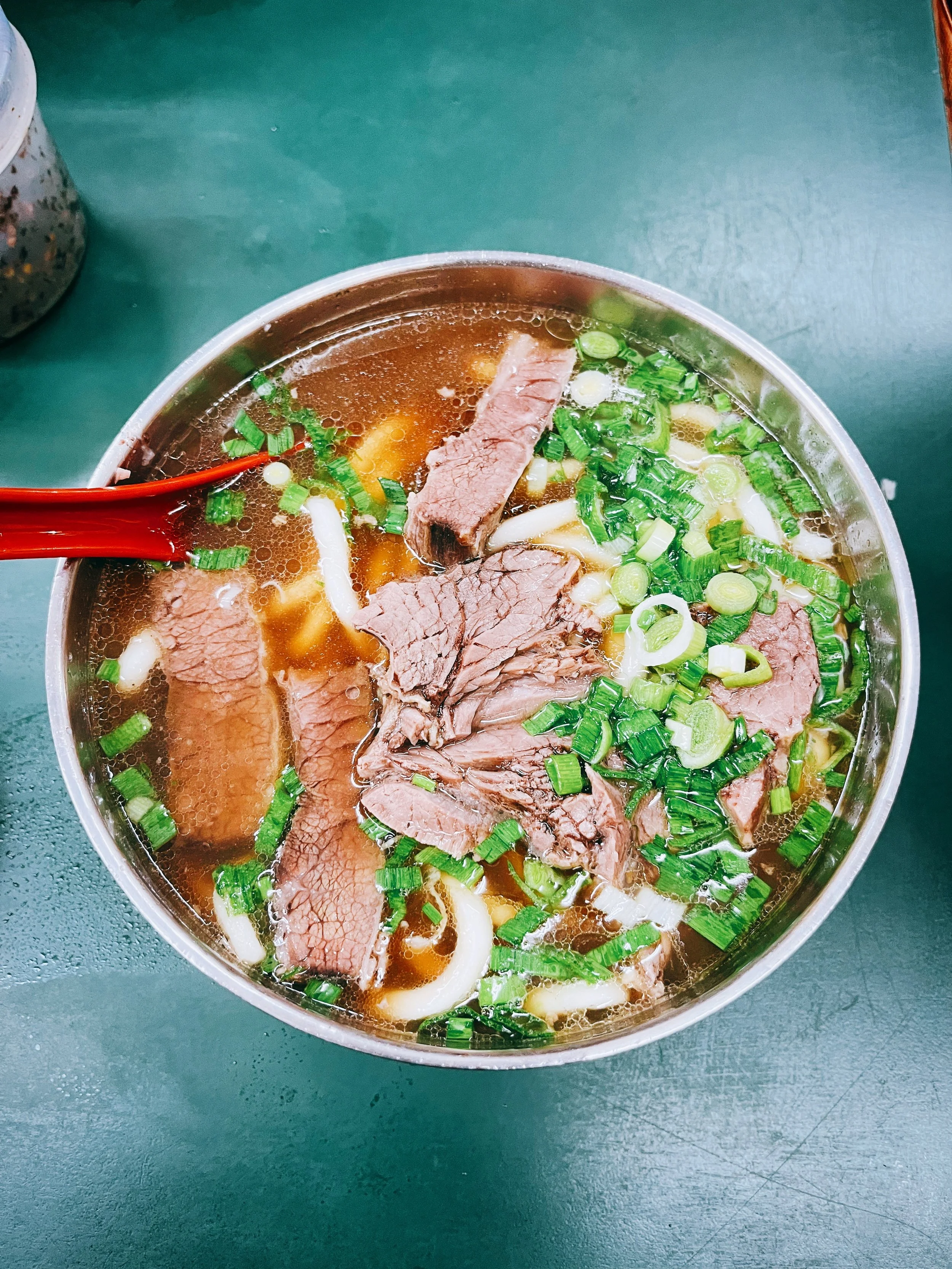
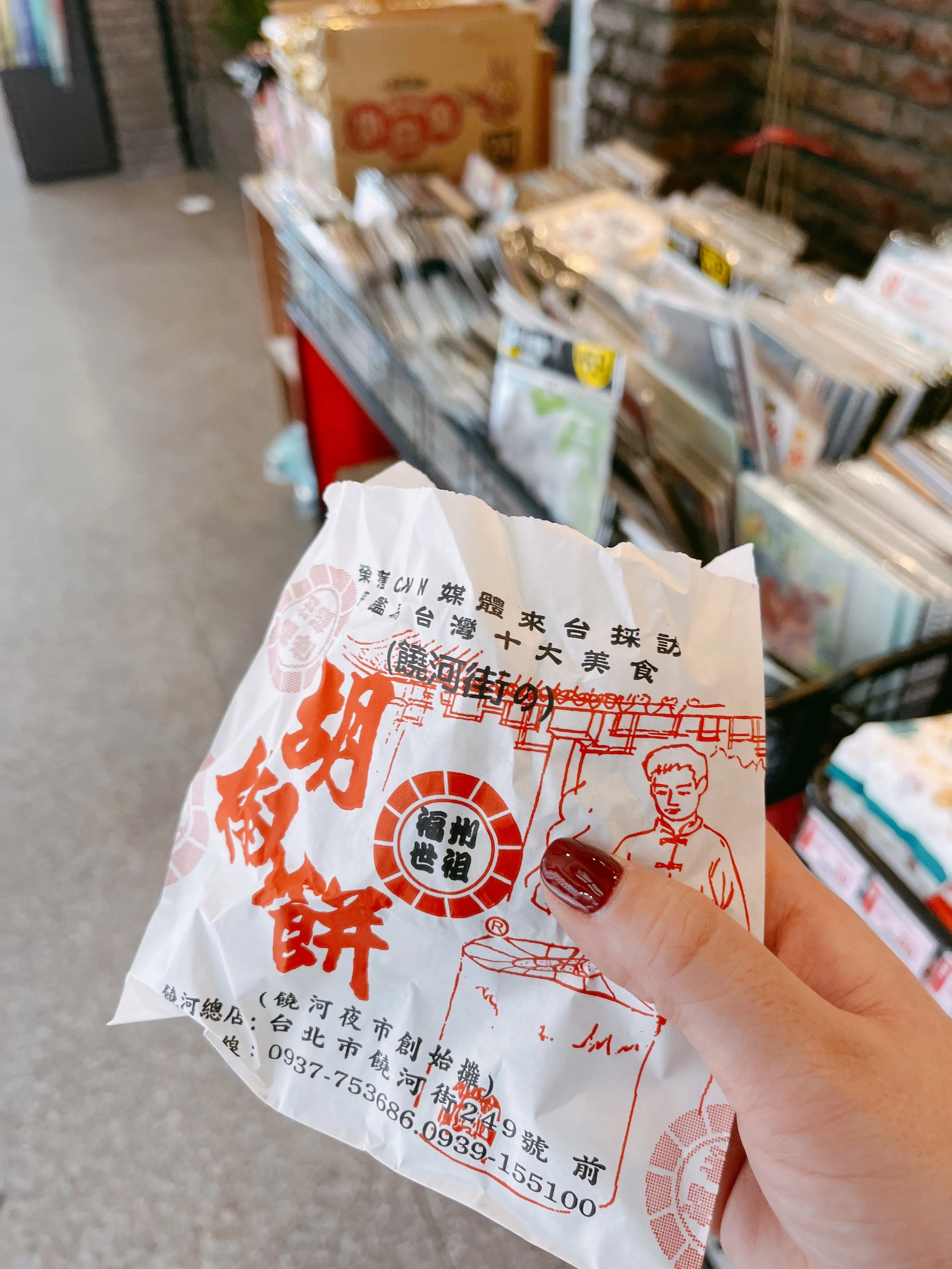
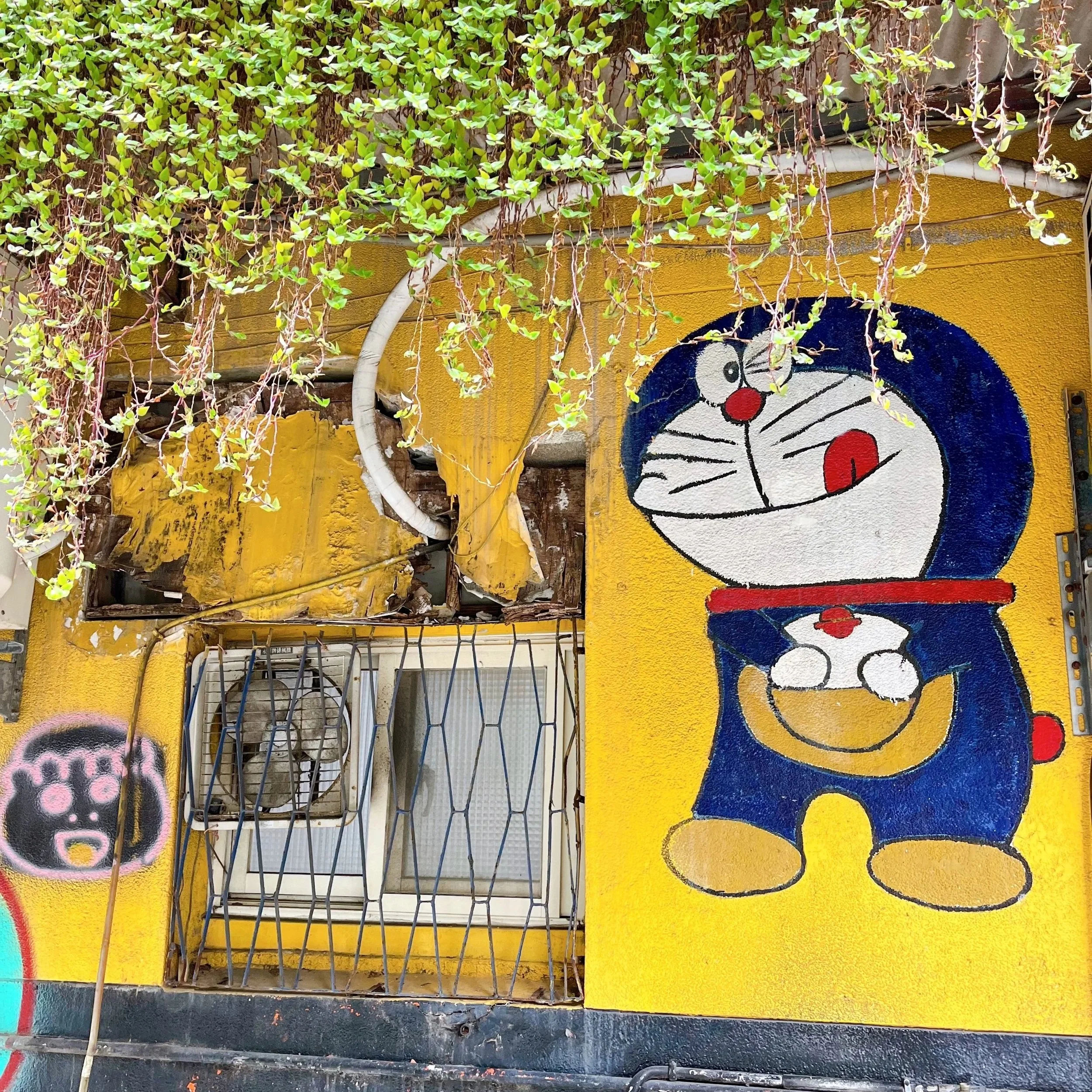
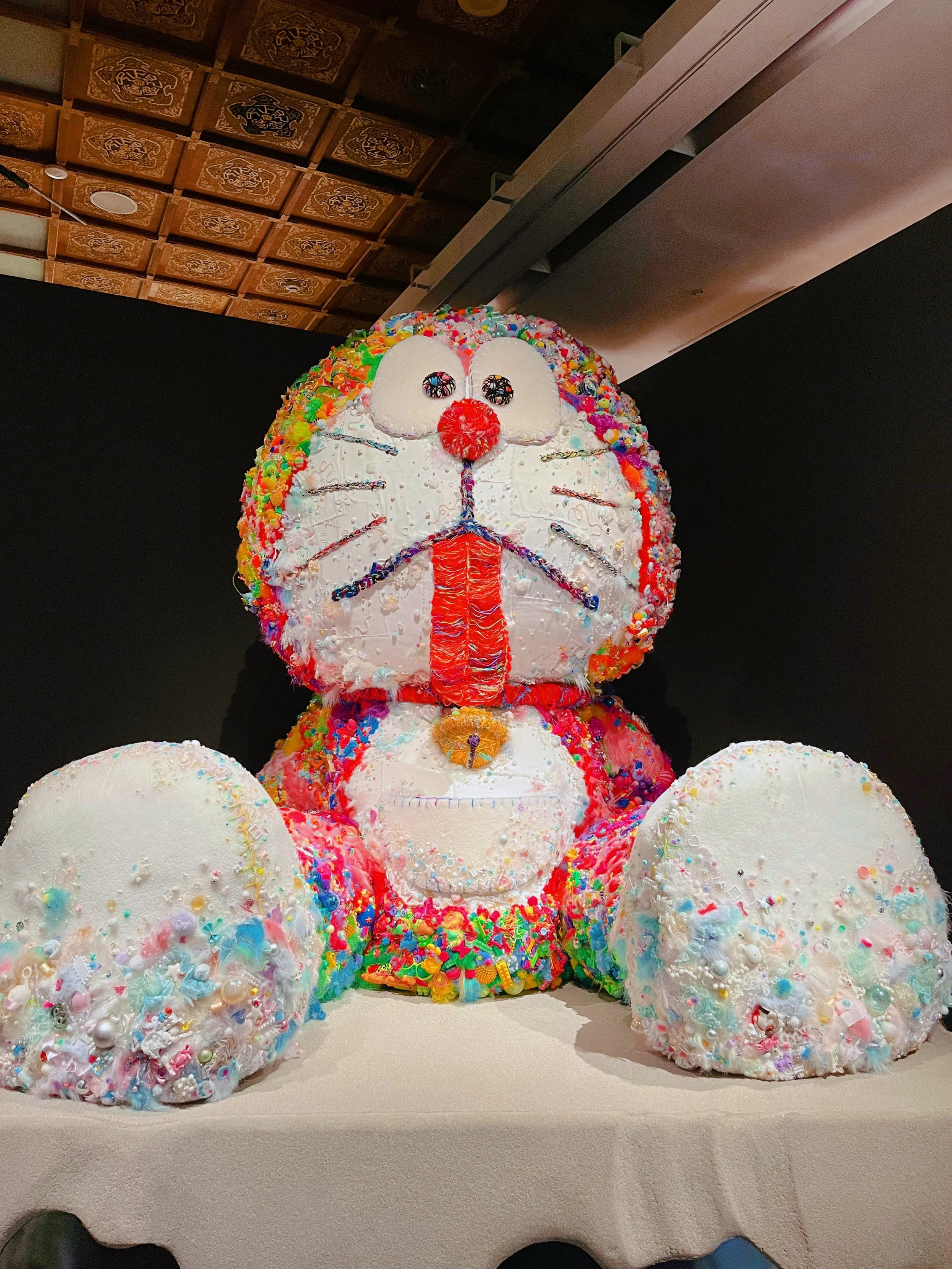
The next morning, I slipped into the role of a visitor again, heading to the Chiang Kai-shek Memorial Hall. The scale of it is striking. Taipei is surprisingly walkable so from there I made my way through the streets towards Liu Shandong Beef Noodles, tucked away near the main station. The beef noodle soup was everything you would hope for. Deep, layered, and so savoury. A small detour to a Doraemon exhibition followed, then a 胡椒餅 (pepper bun) from a street vendor for my afternoon snack.
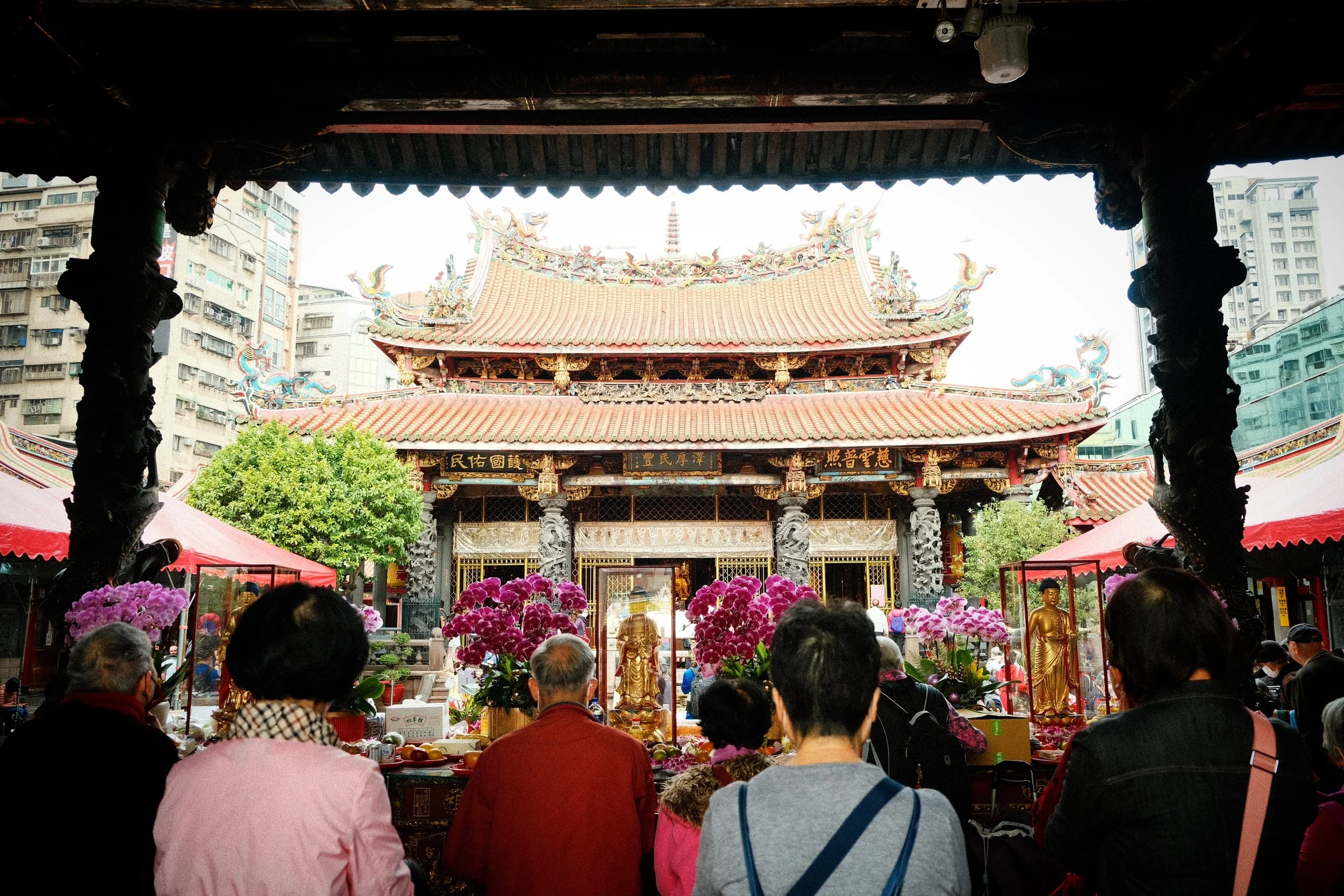
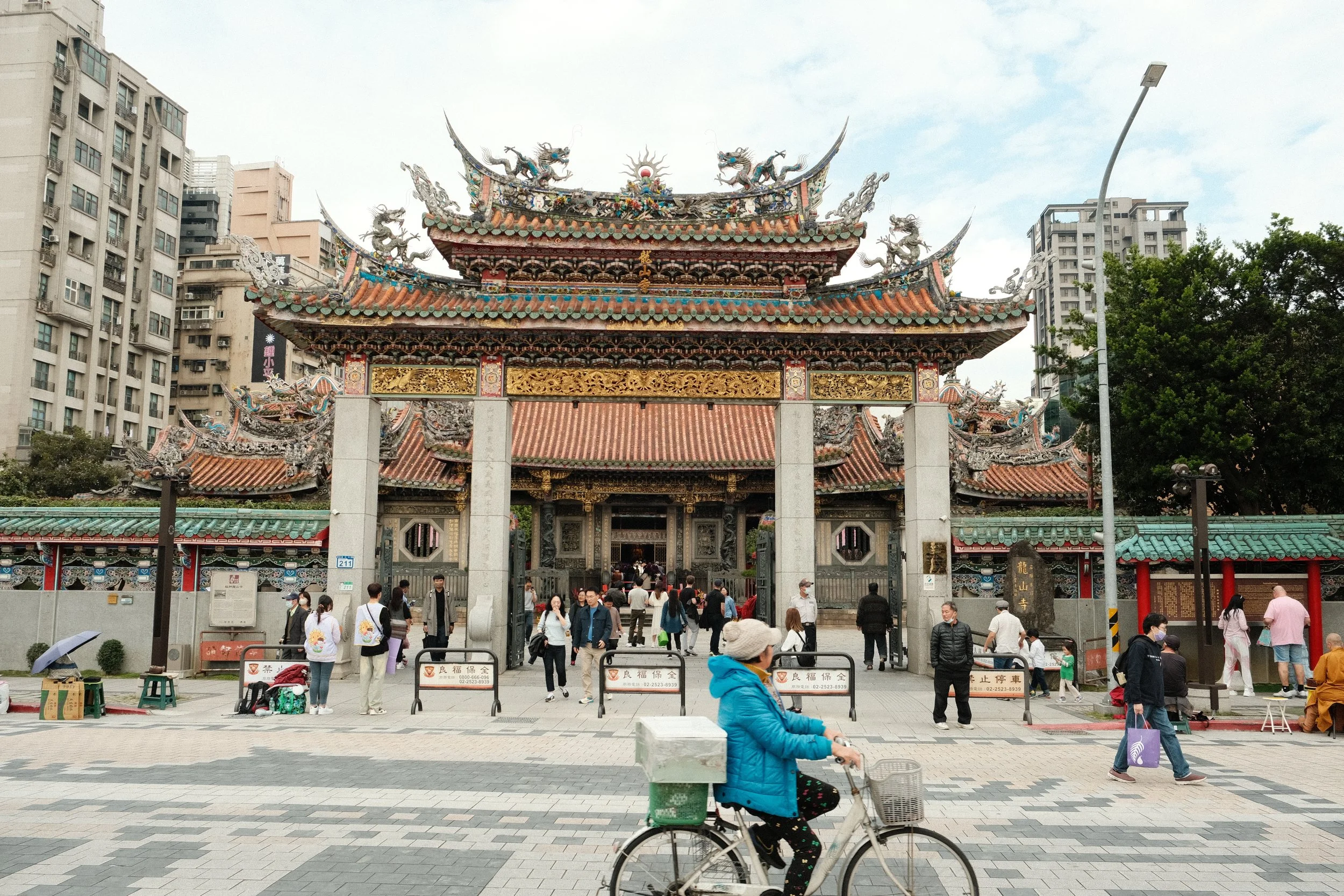
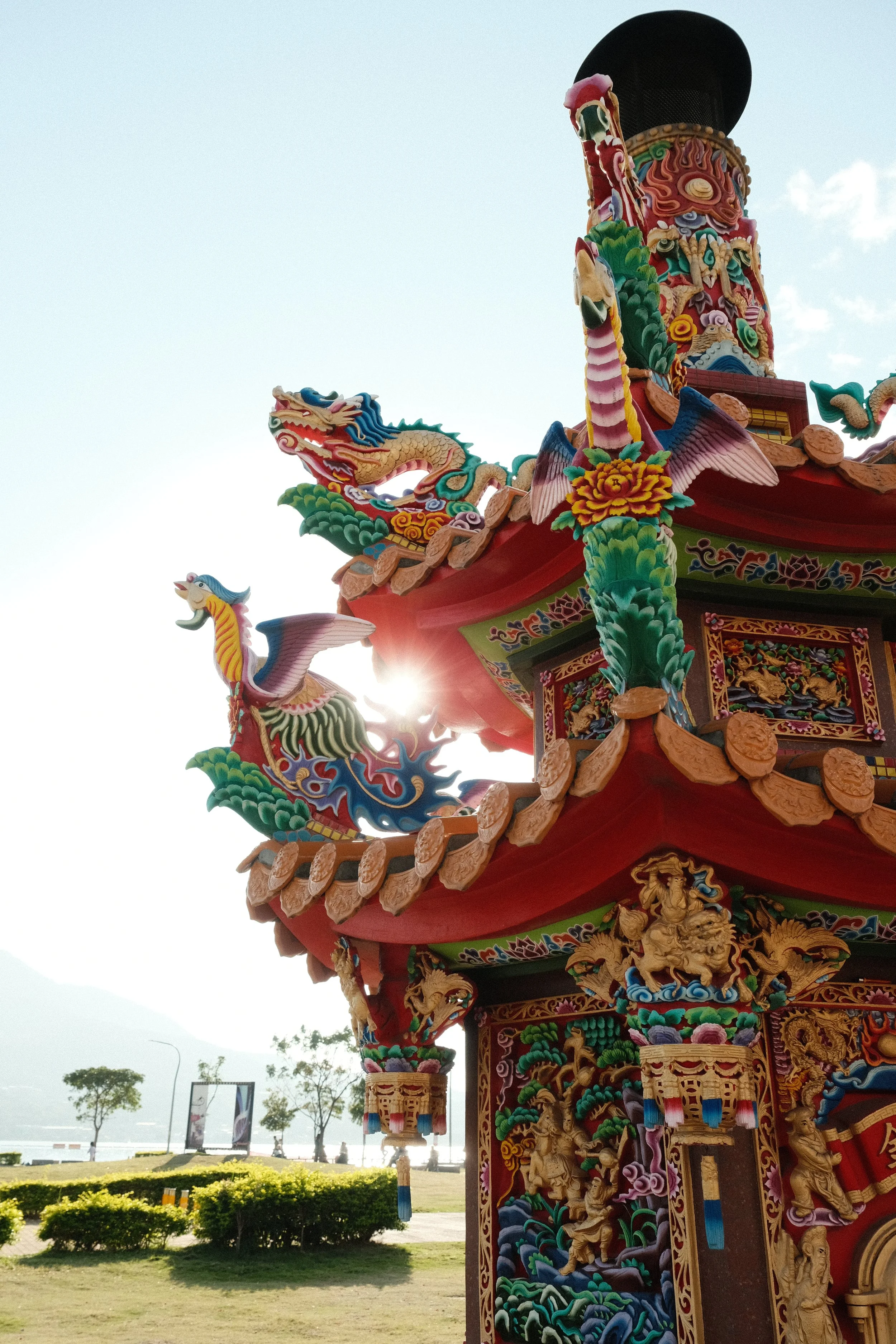
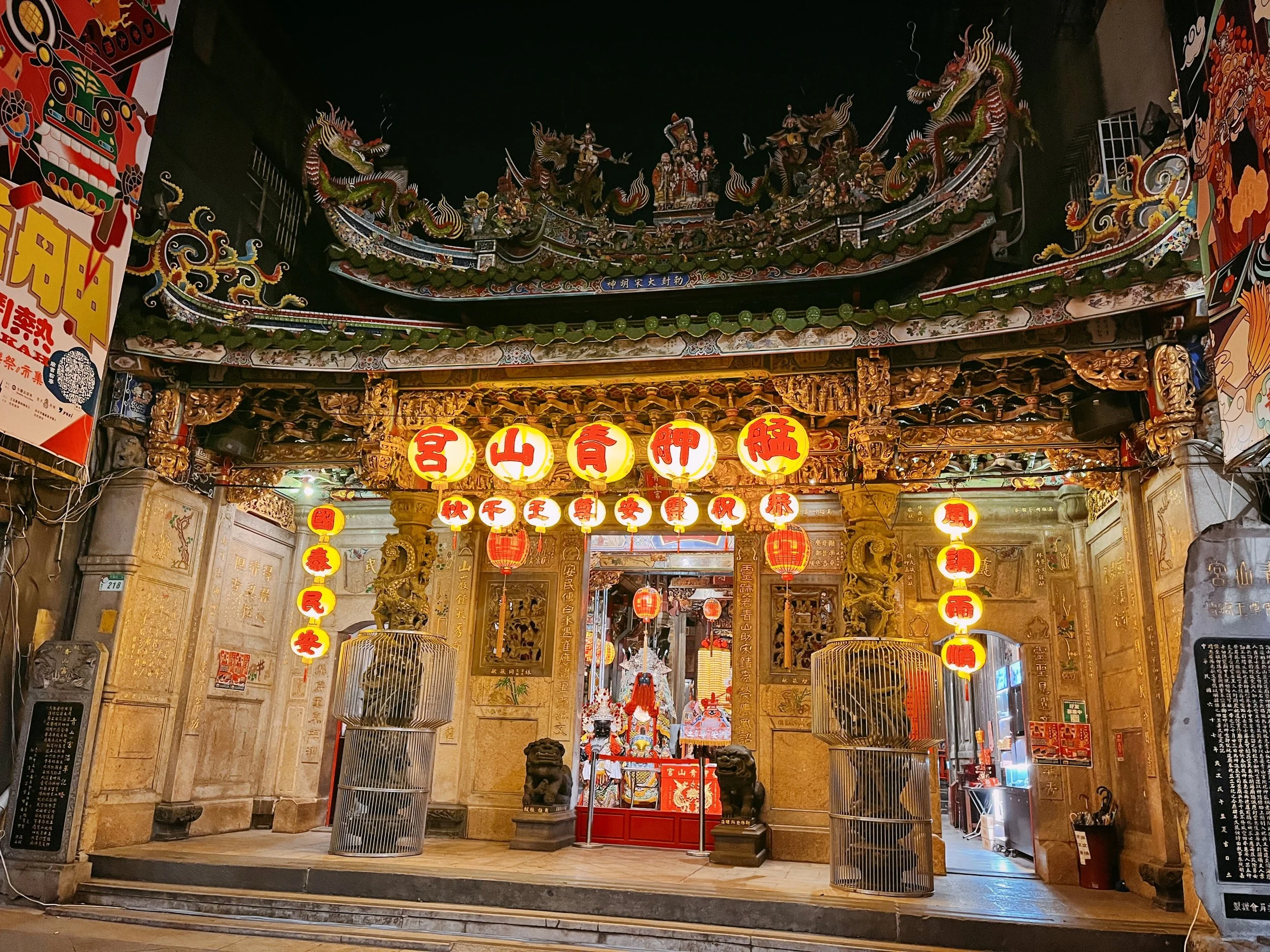
Another afternoon took us to Longshan Temple, one of the oldest in the city, originally built in the 18th century by settlers from Fujian. It has been rebuilt more than once, most notably after damage during the Second World War. The surrounding streets are dense and lively, and as we wandered, I was stopped more than once by elderly locals simply to be welcomed to Taiwan. It felt genuine and very special. I wondered whether this was simply because the sight of a Western tourist still isn’t that common here, or whether people were just curious, but I have very rarely had a welcome so warm in all of my travelling.
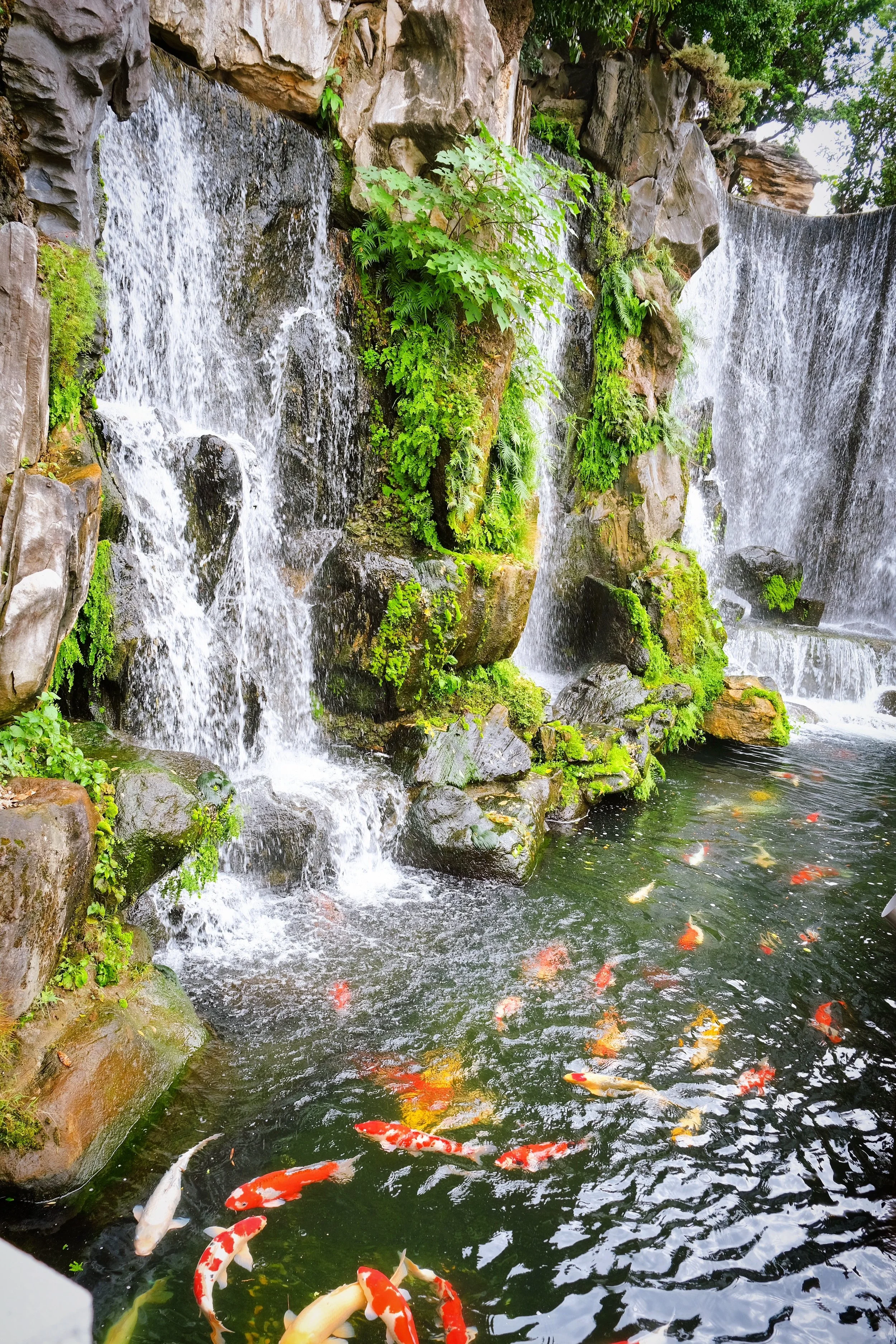
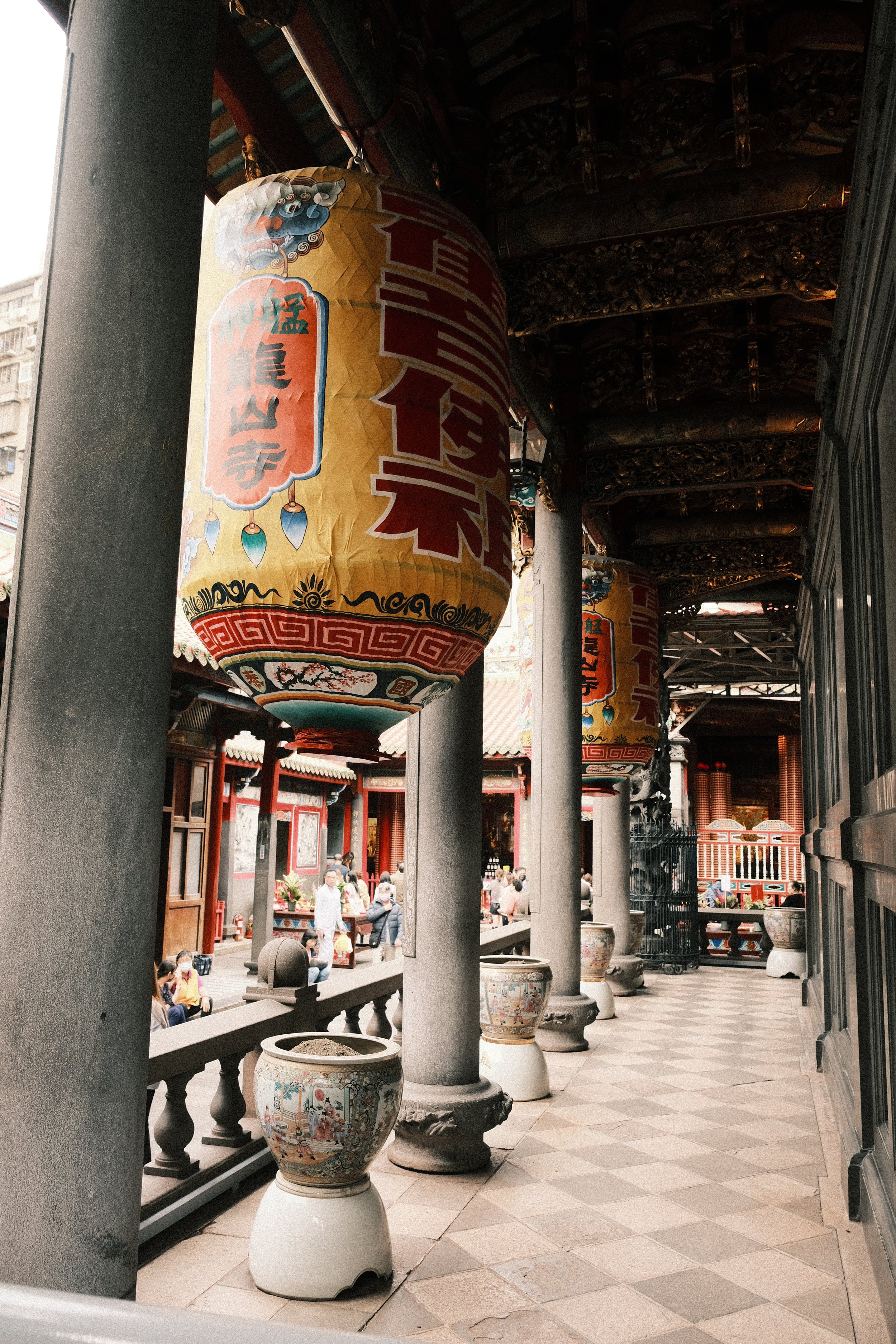
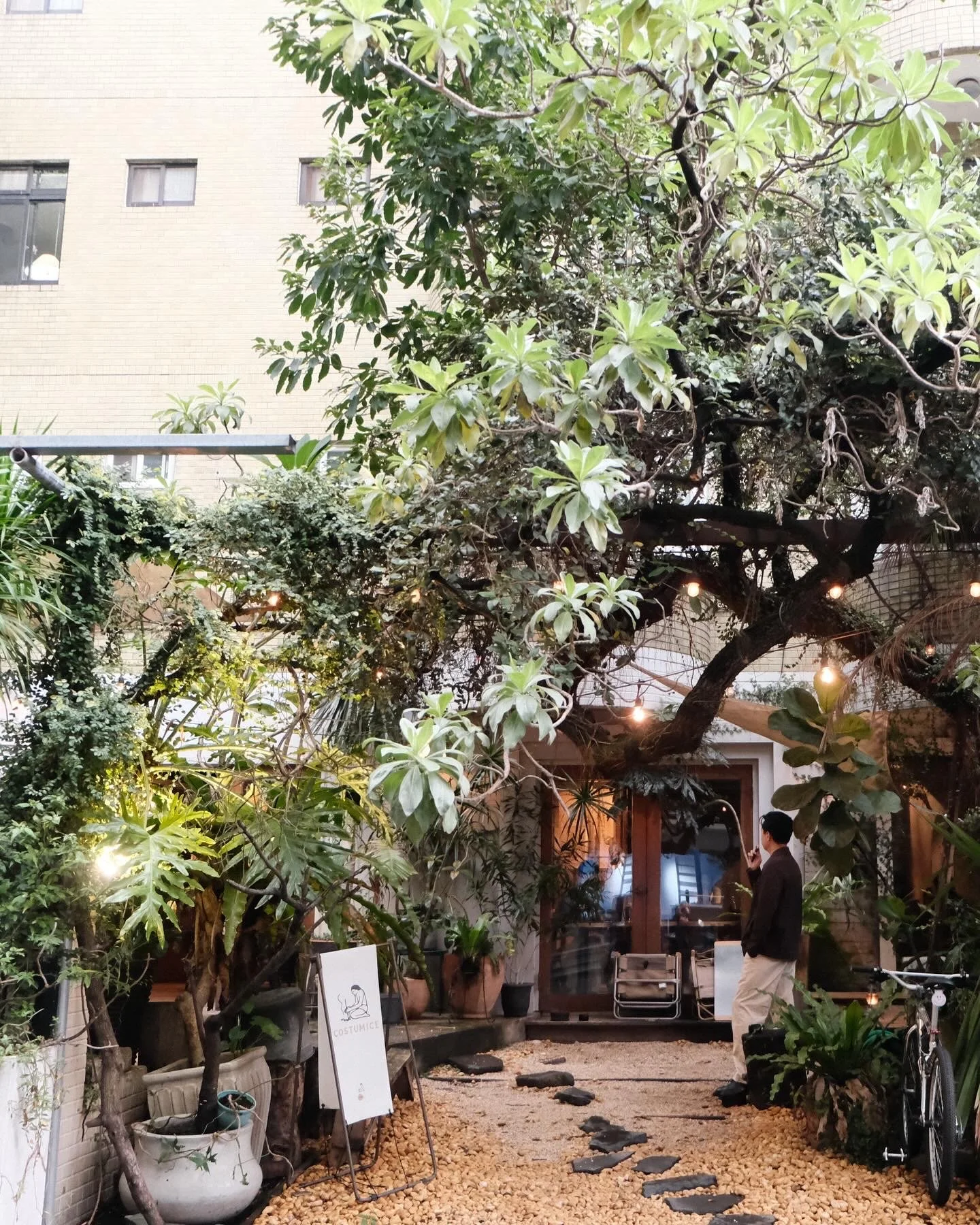
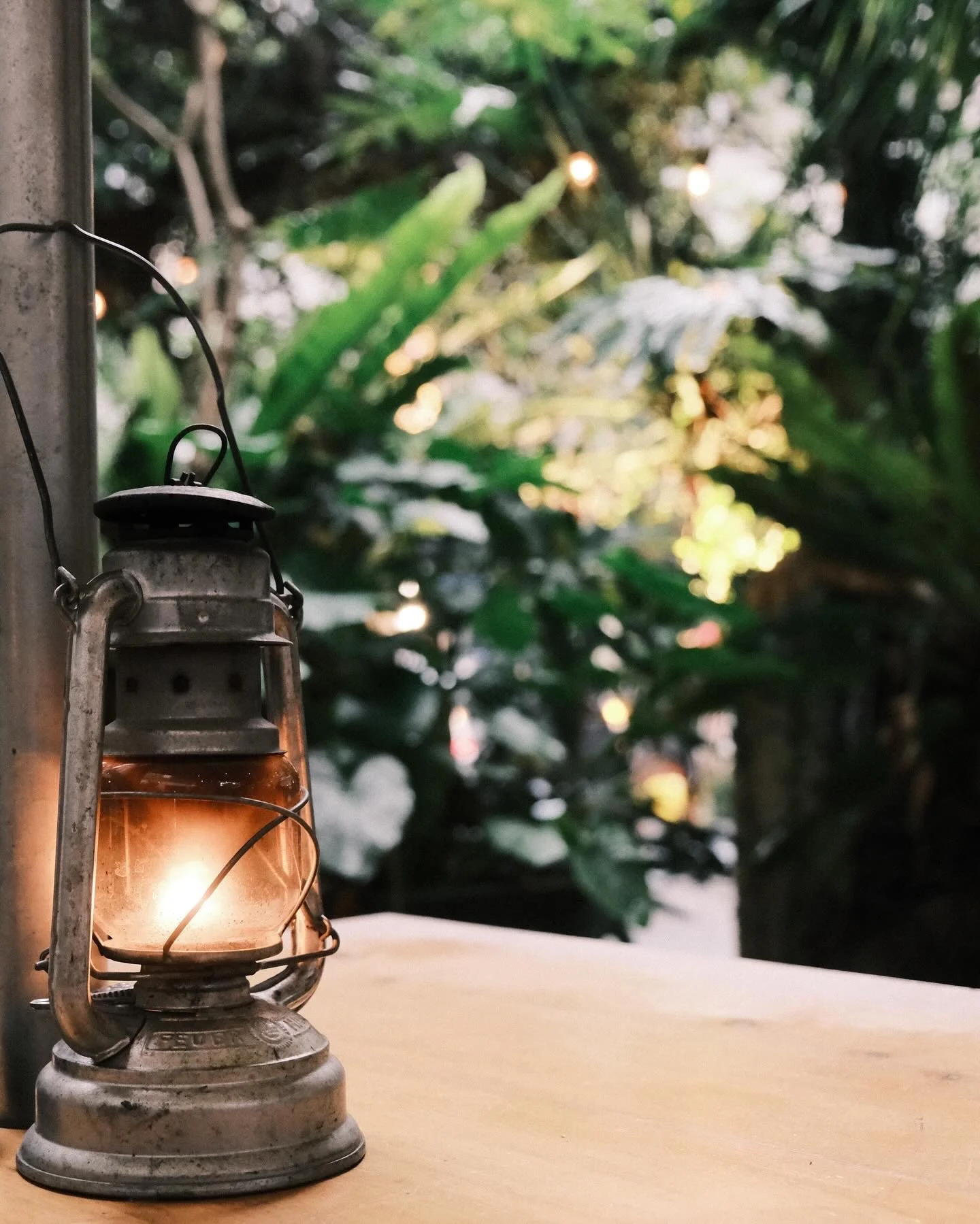
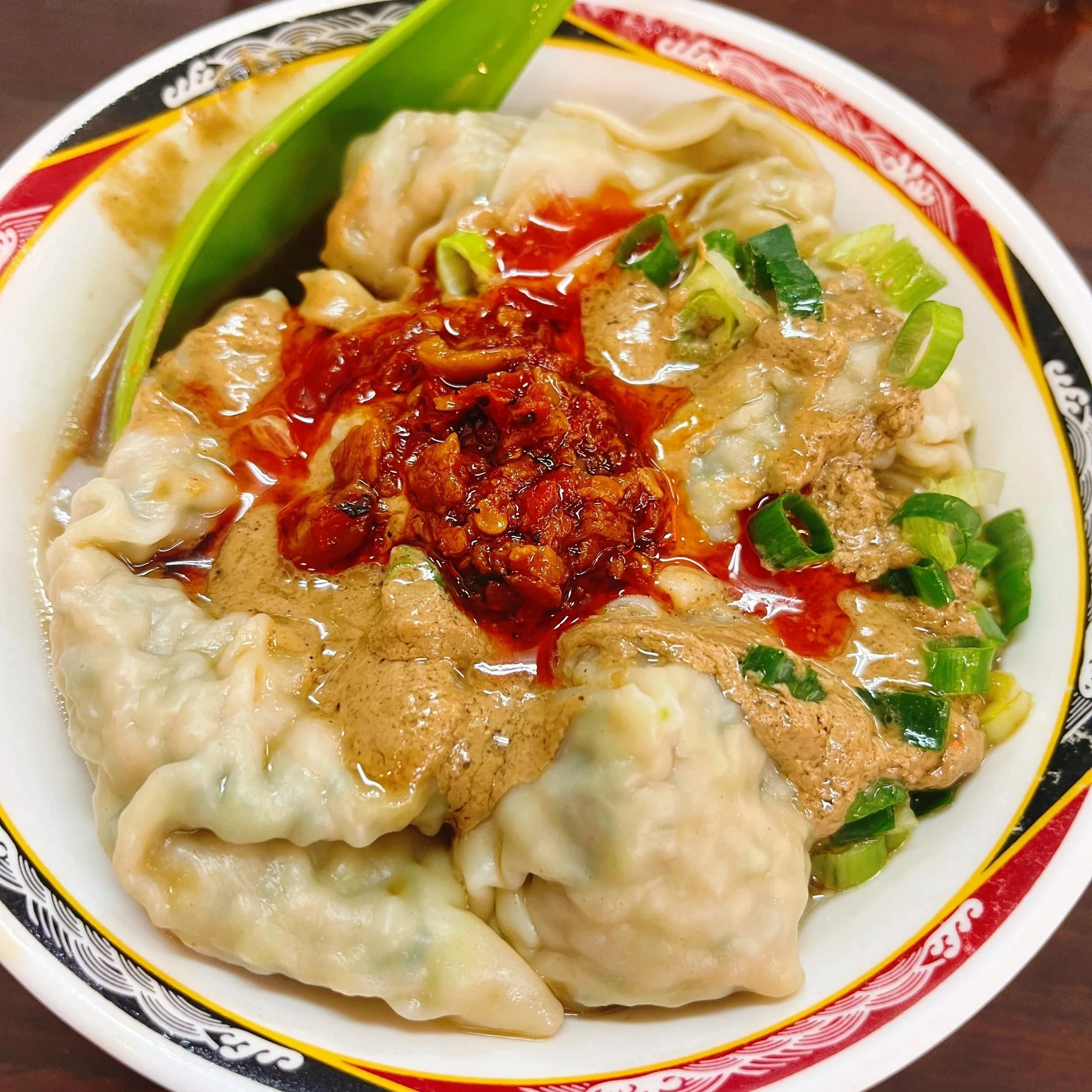
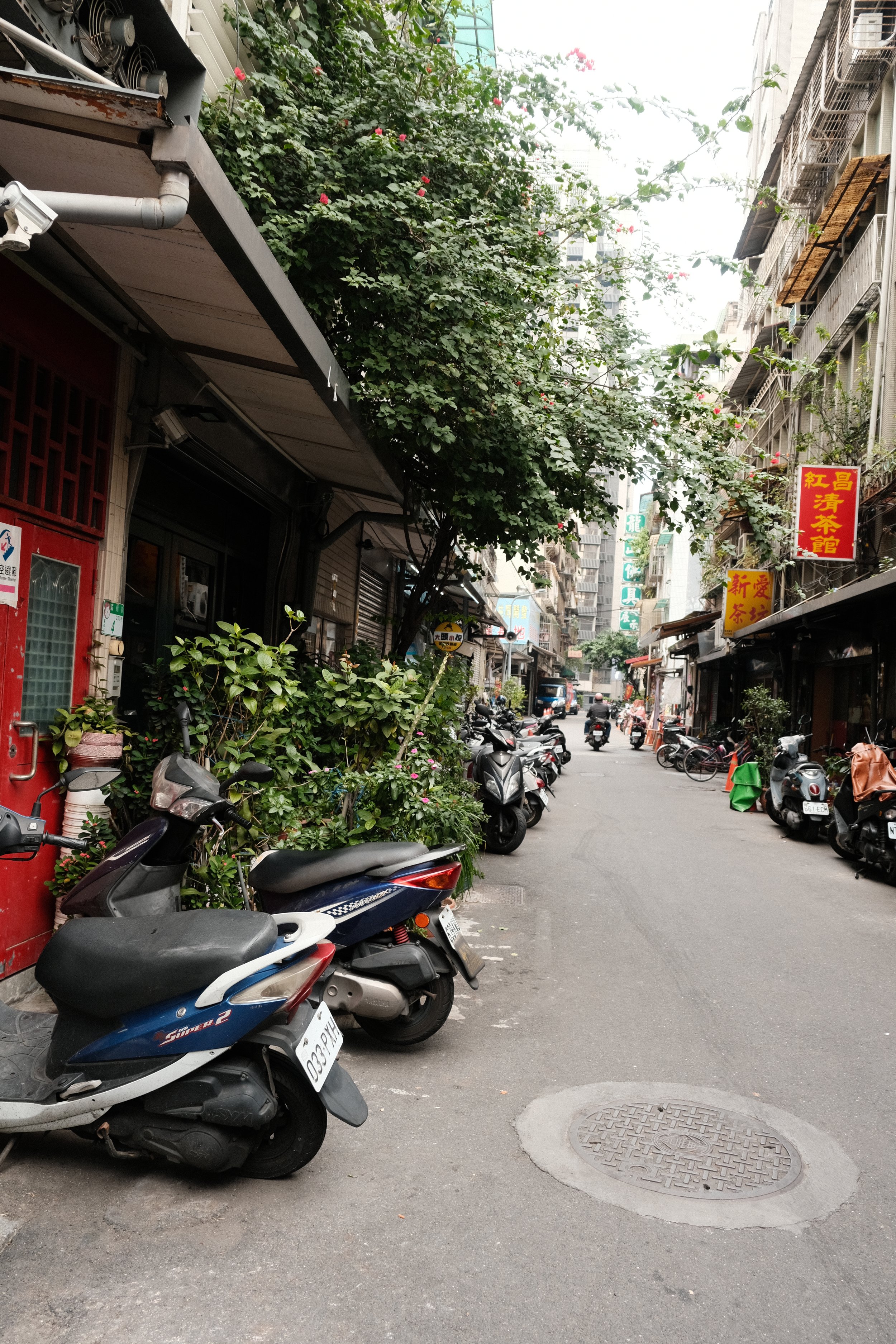
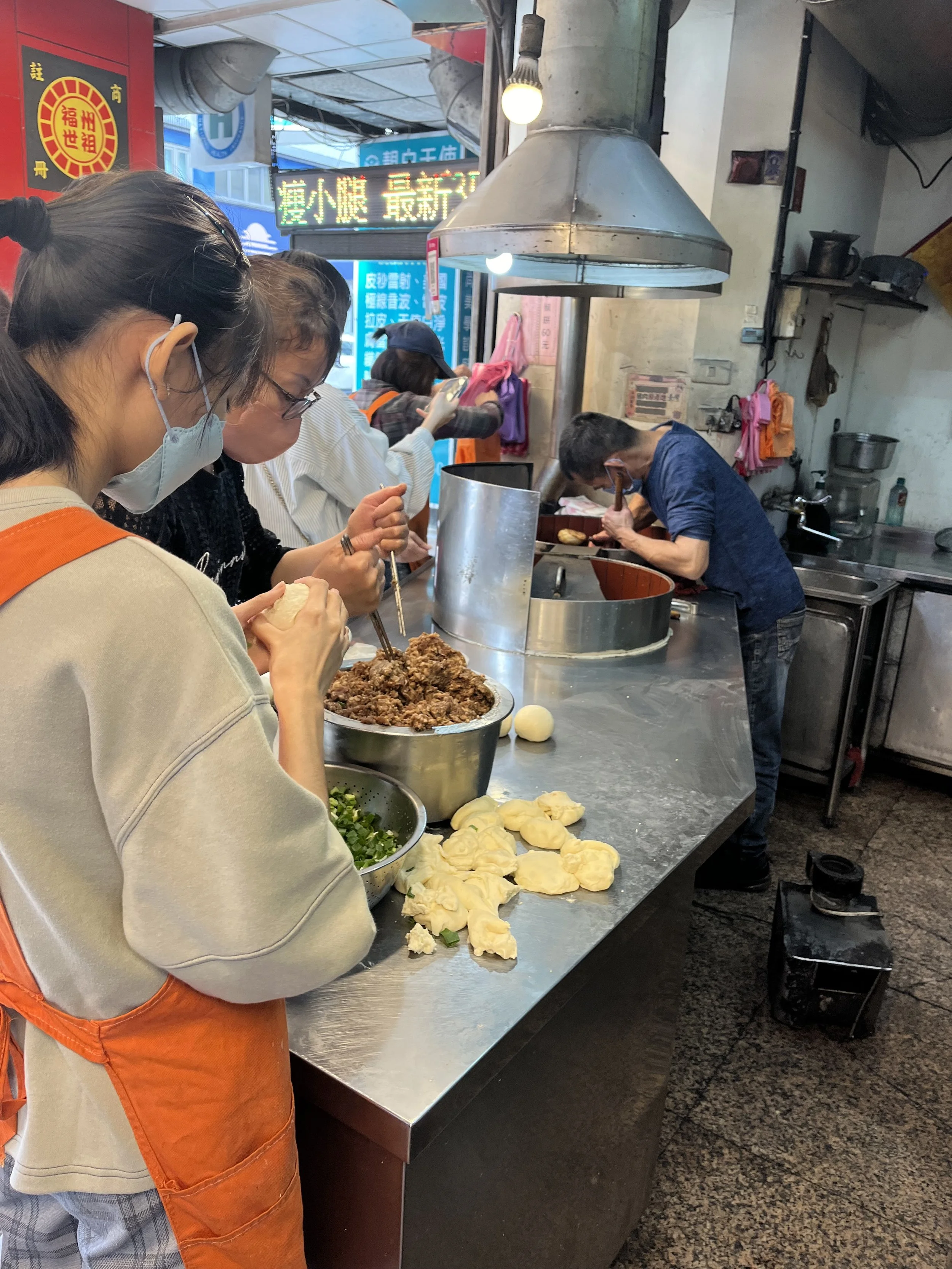
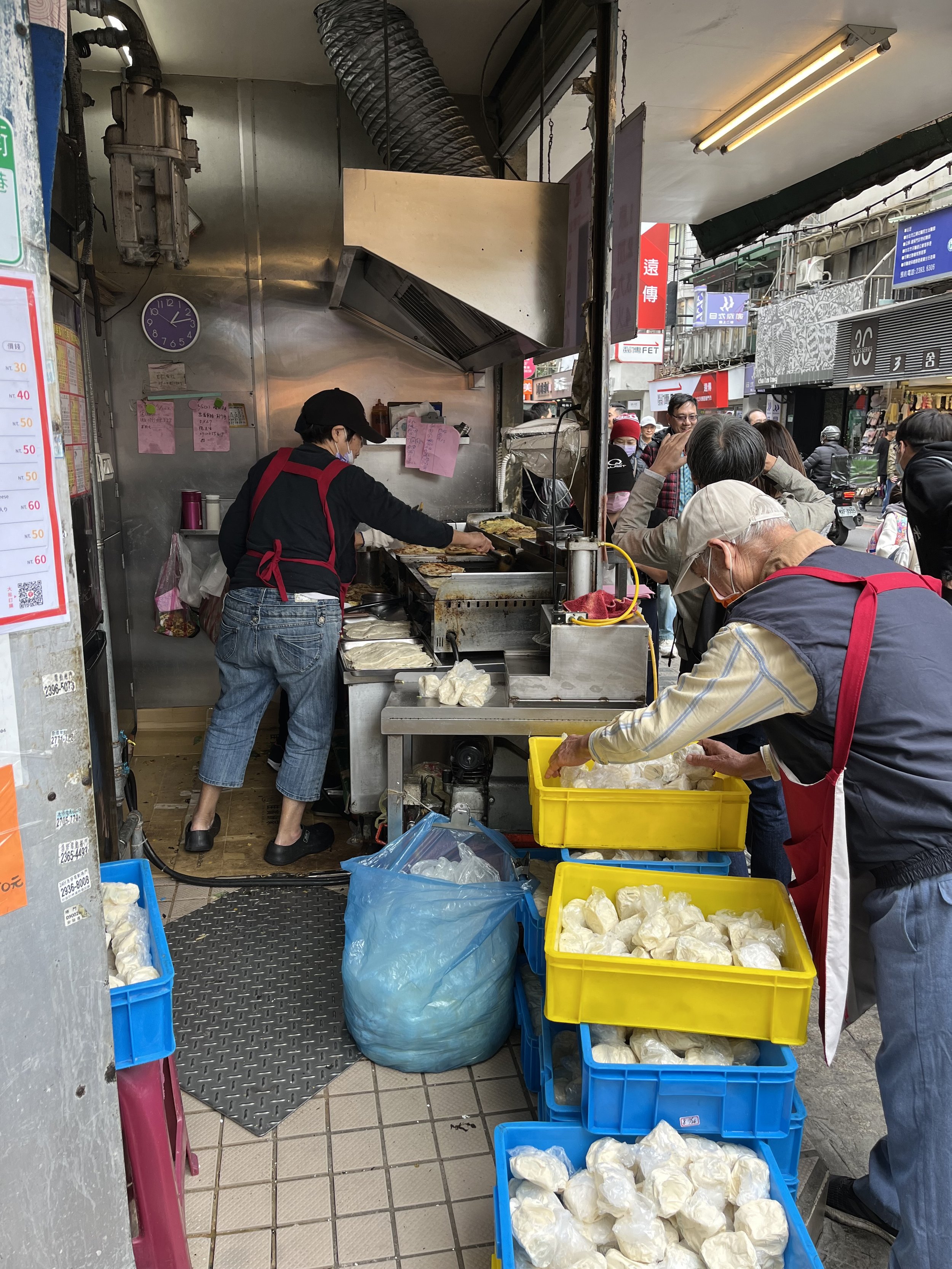
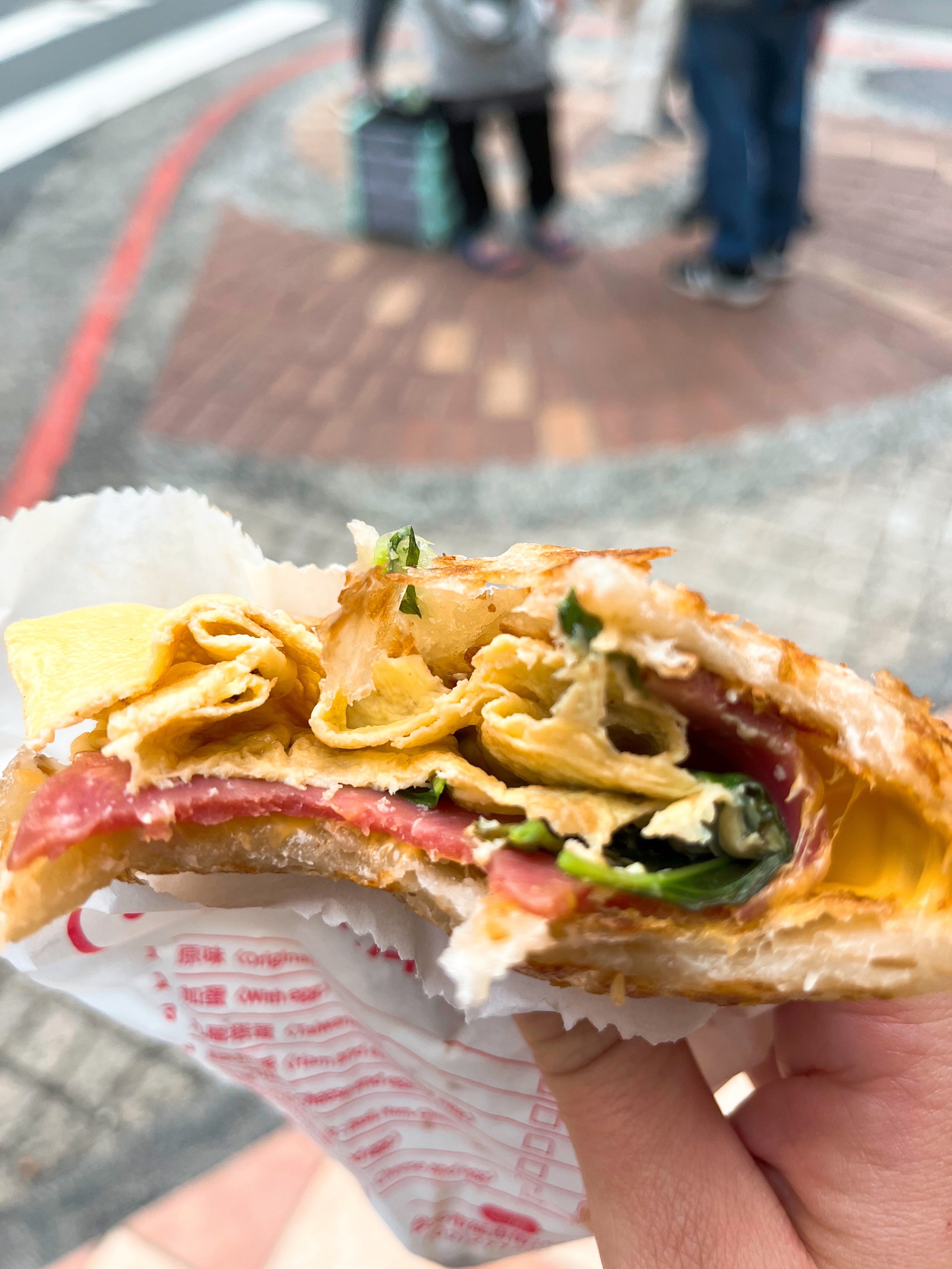
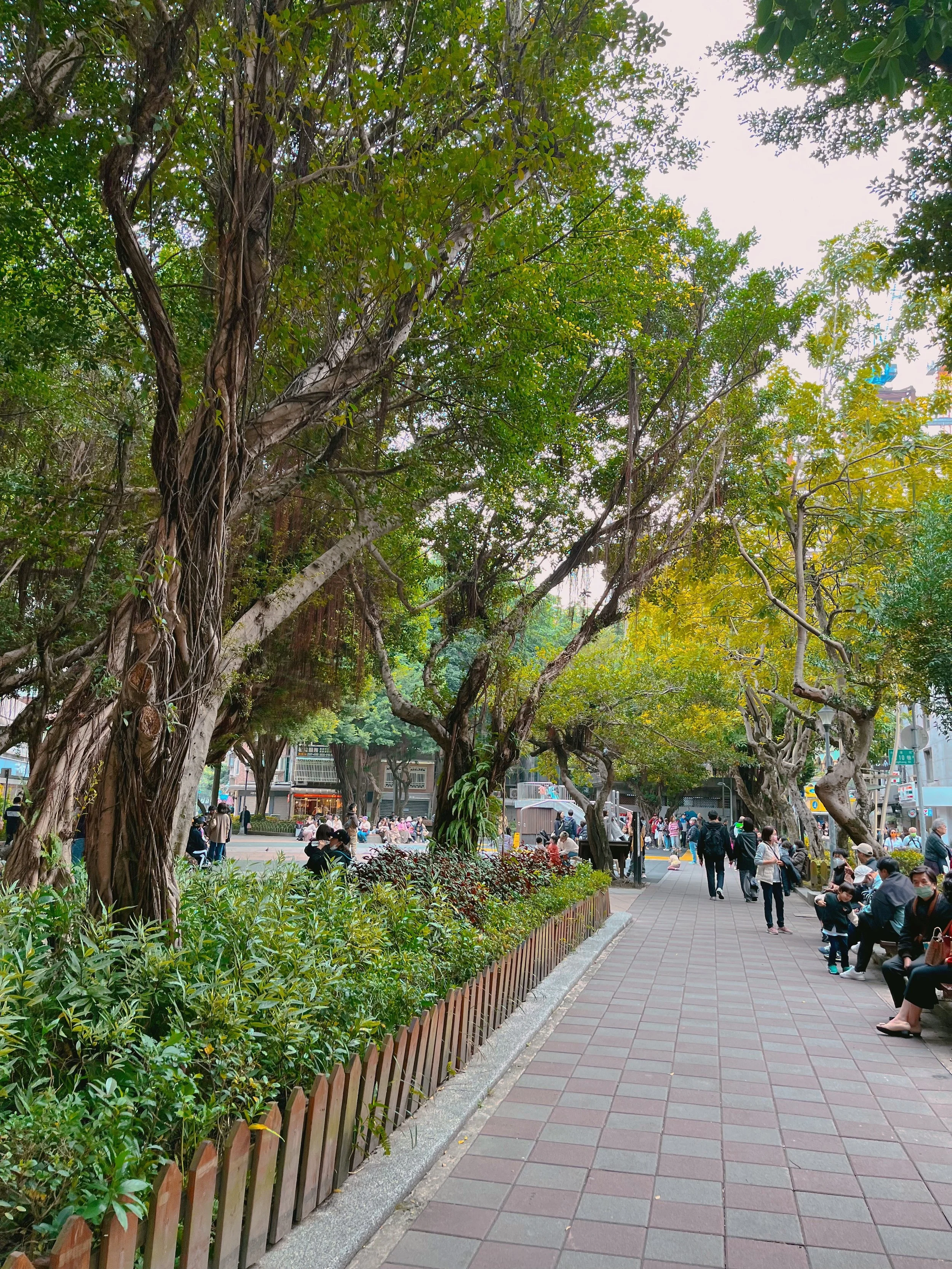
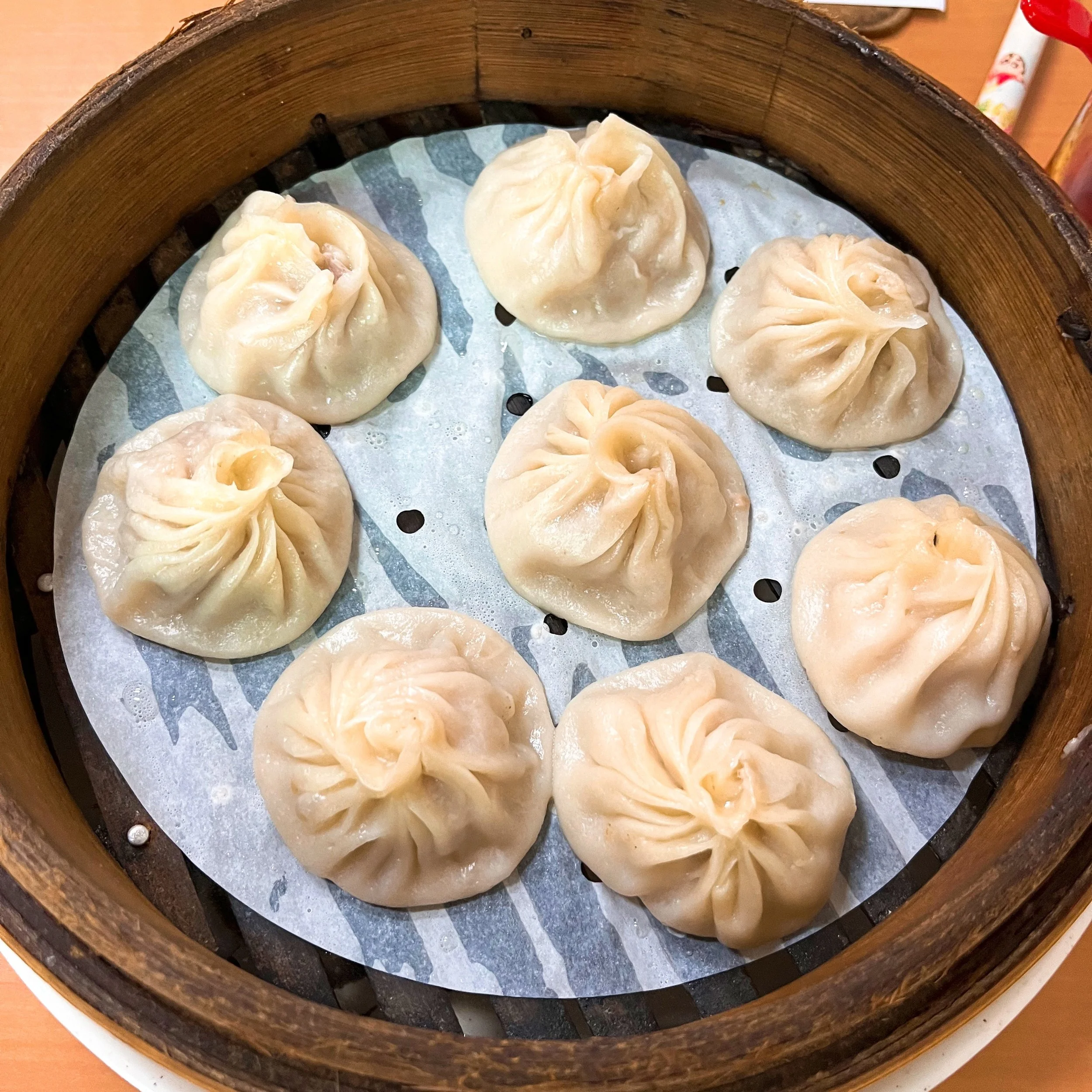
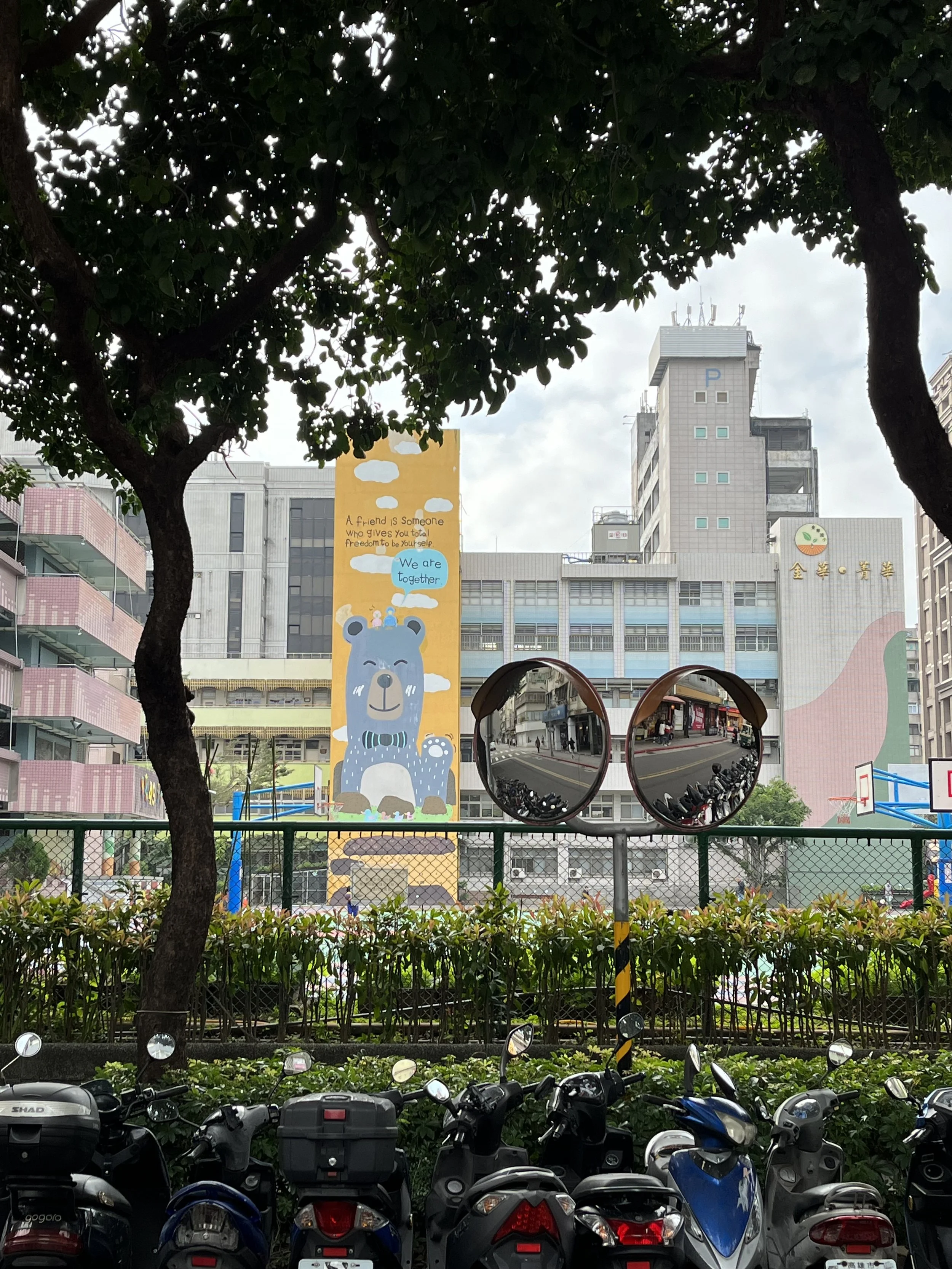
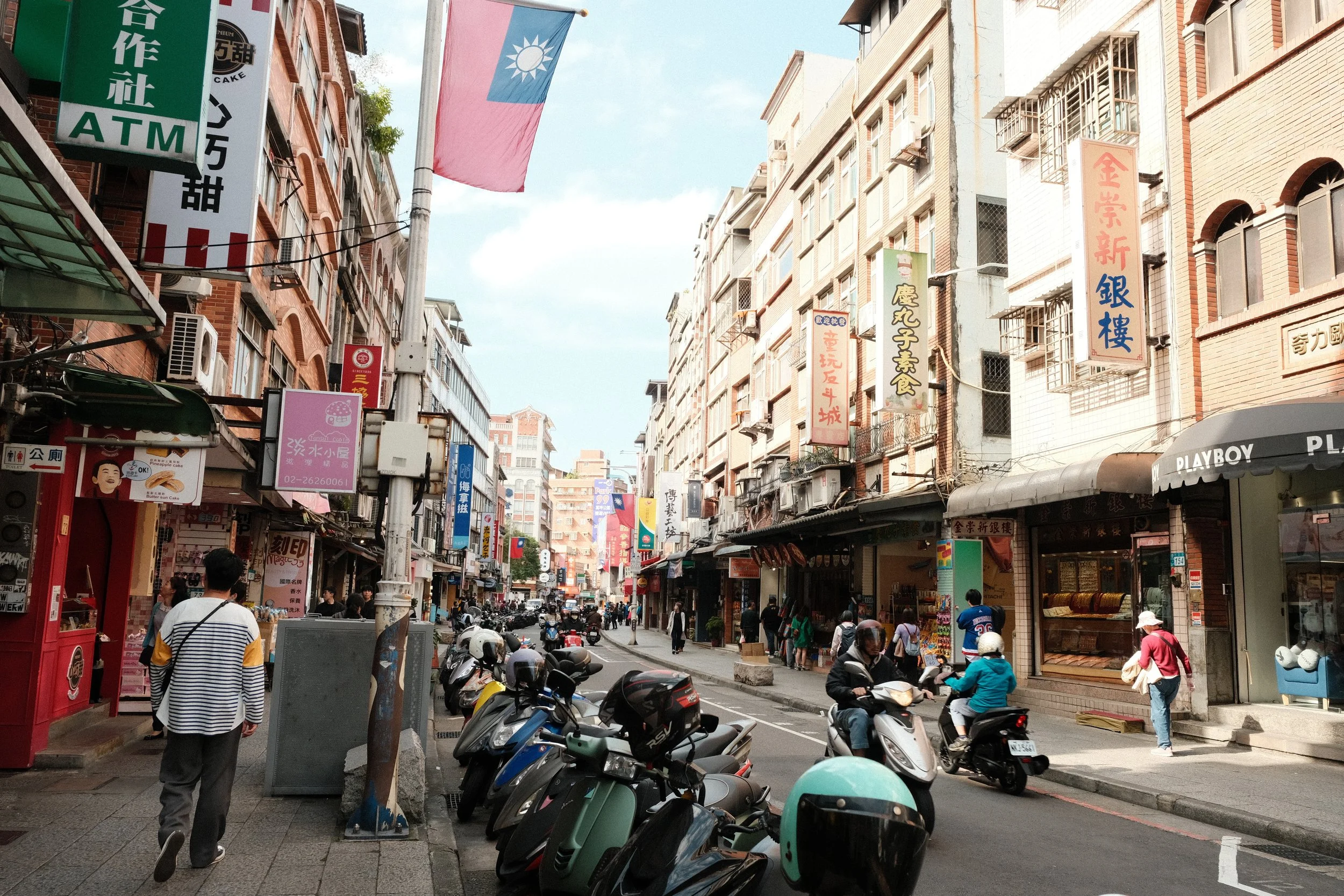
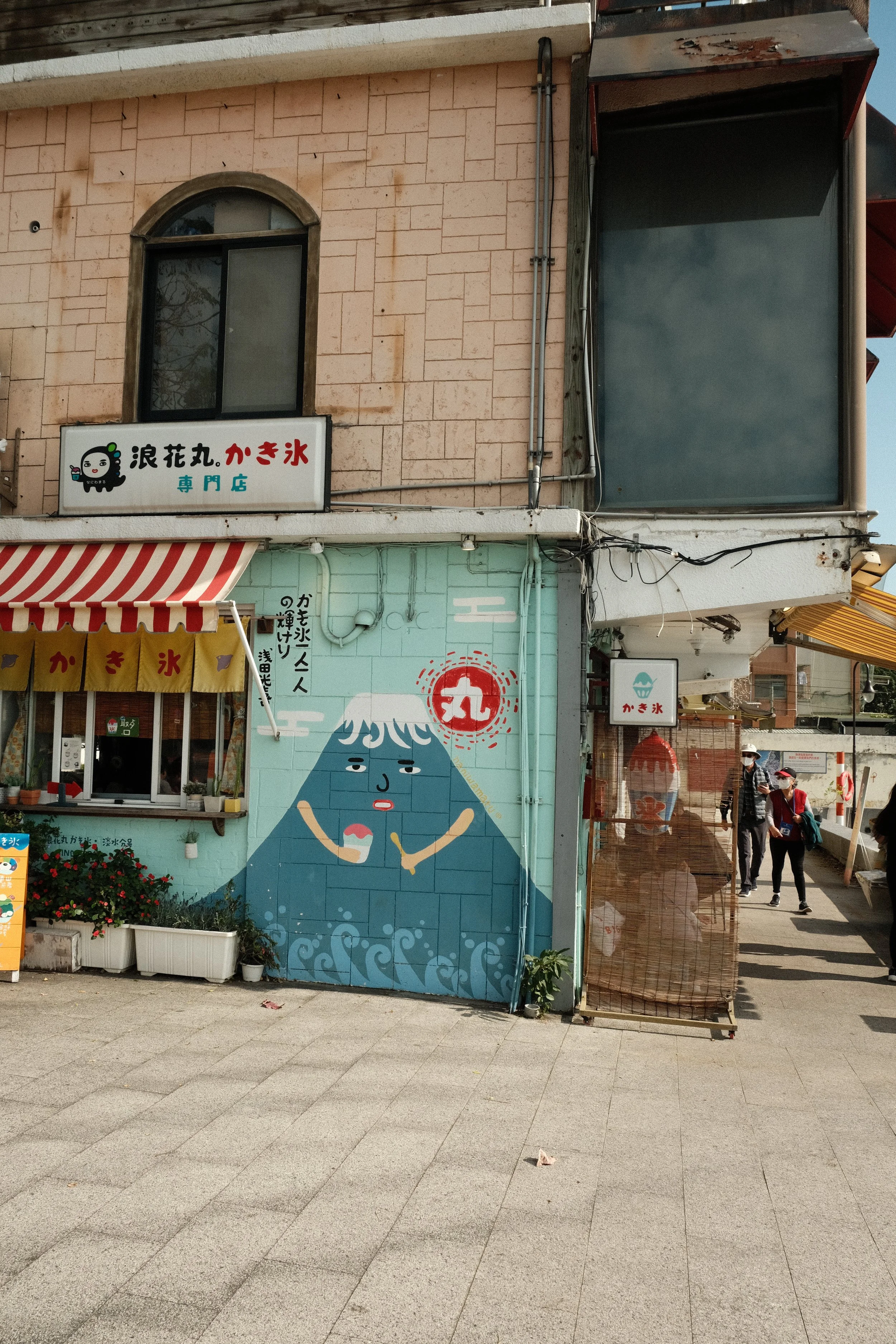
In Dongmen, we spent hours doing very little and enjoying it. A scallion pancake from Tianjin Scallion Pancake(天津蔥抓餅, crispy scallion pancake), layered and hot from the griddle, eaten standing on the pavement. Then xiao long bao (soup dumplings) from Hao Gong Dao Jin Ji Yuan(好公道金雞園). The area invites wandering with its small shops and shaded streets. Taipei can appear grey at a distance, but at street level it is full of colour. Trees line the roads, murals appear unexpectedly and there is a beauty to the city. Scooters weave through it all, a constant reminder to stay alert when crossing.
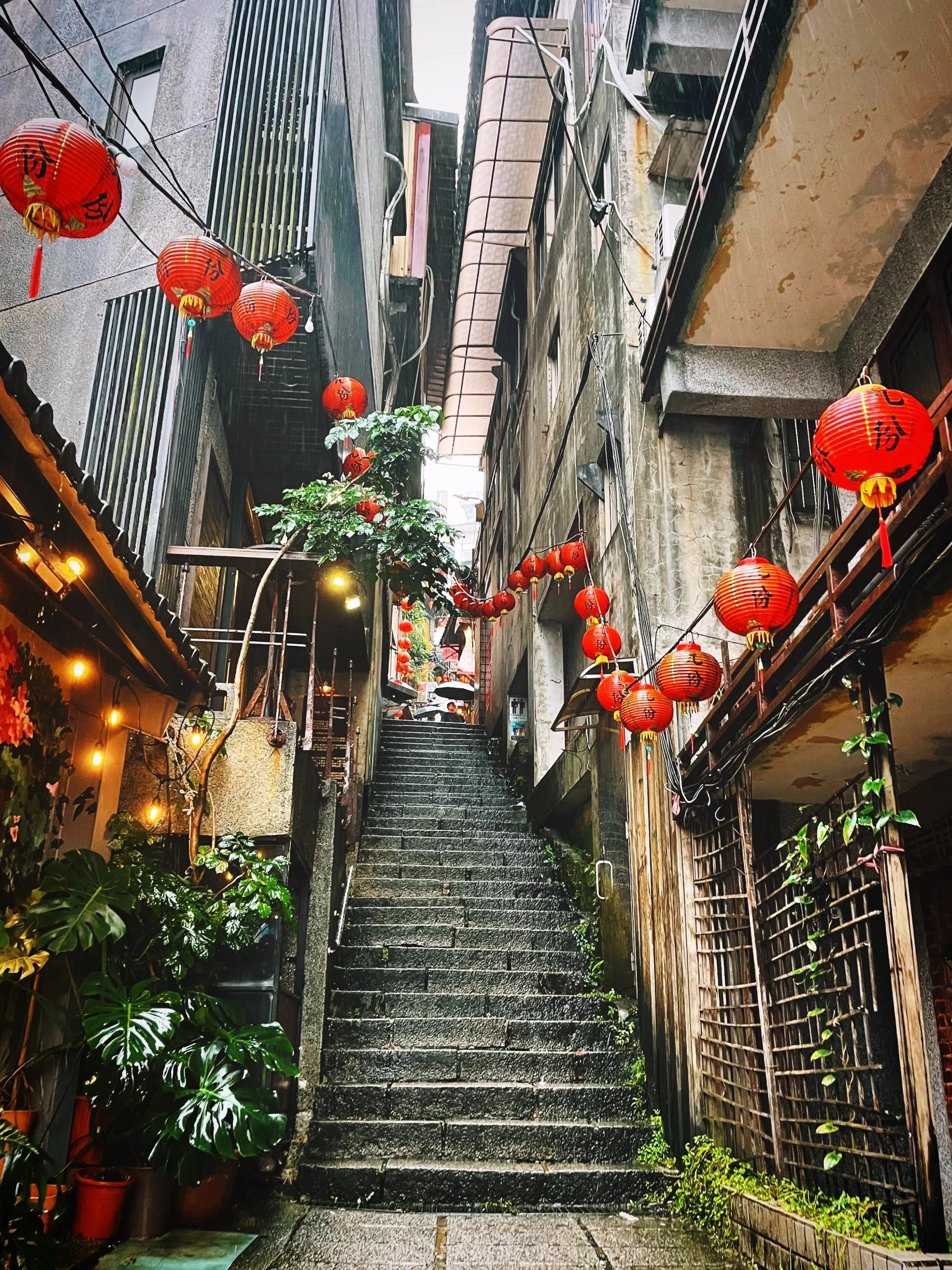
What I have come to love most, though, is how quickly the city gives way to nature. Taipei sits in a basin surrounded by mountains, and it never takes long to leave the density behind. A short journey can bring you to lush, mist-covered hills, tea plantations, or quiet walking trails where the air feels entirely different. In places like Maokong, just above the city, you can sit with a pot of tea overlooking layers of green that seem to stretch endlessly. It is a reminder that Taipei is not only urban, but deeply connected to the landscape around it.
Tea culture here is not ornamental. It is lived. Taiwan produces some of the finest eas in the world and the rituals around it feel both precise and unforced. Sitting down for tea, whether in a formal setting or with family at home, is important. Leaves are steeped and re-steeped, each infusion revealing something slightly different.
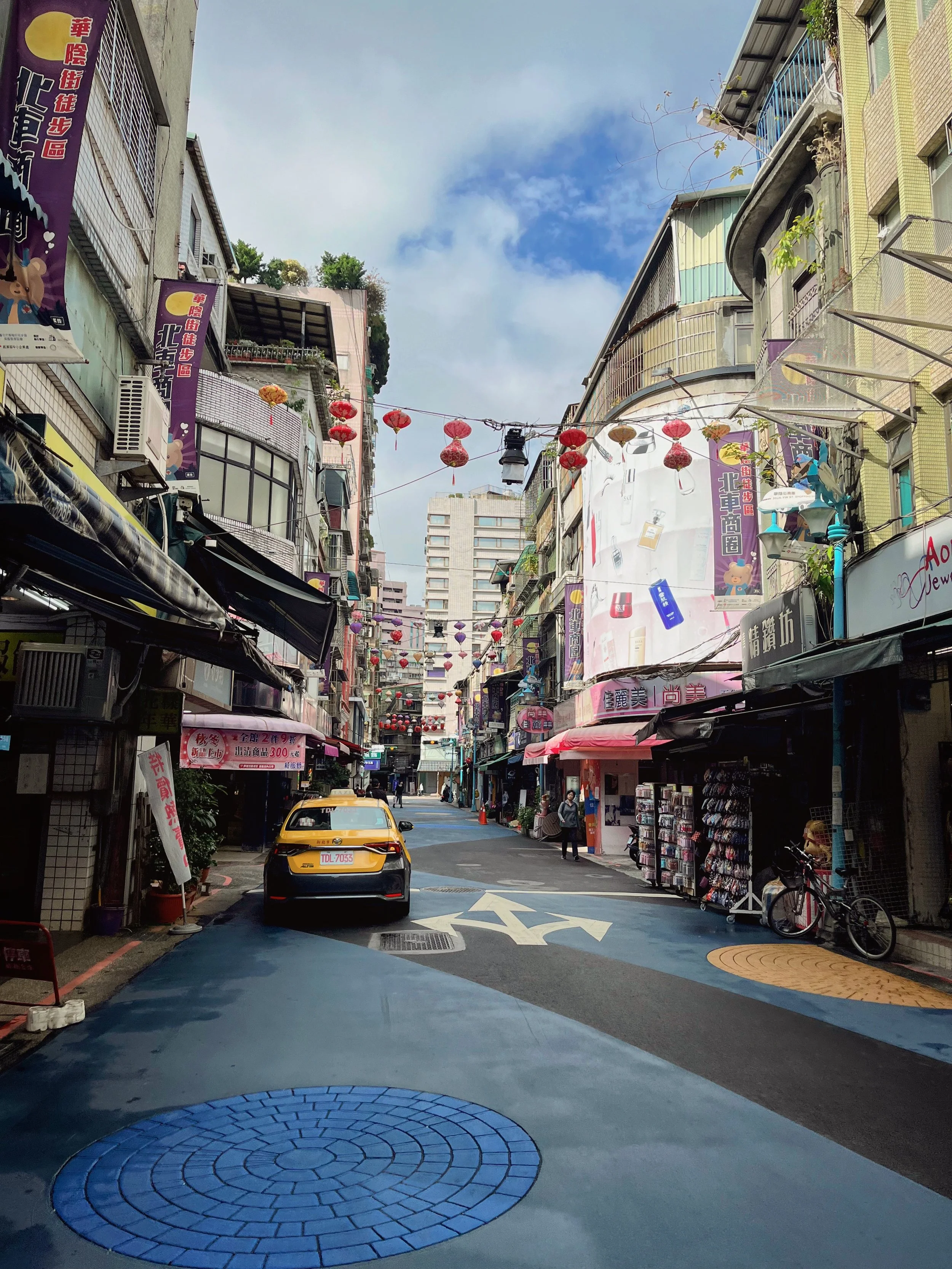
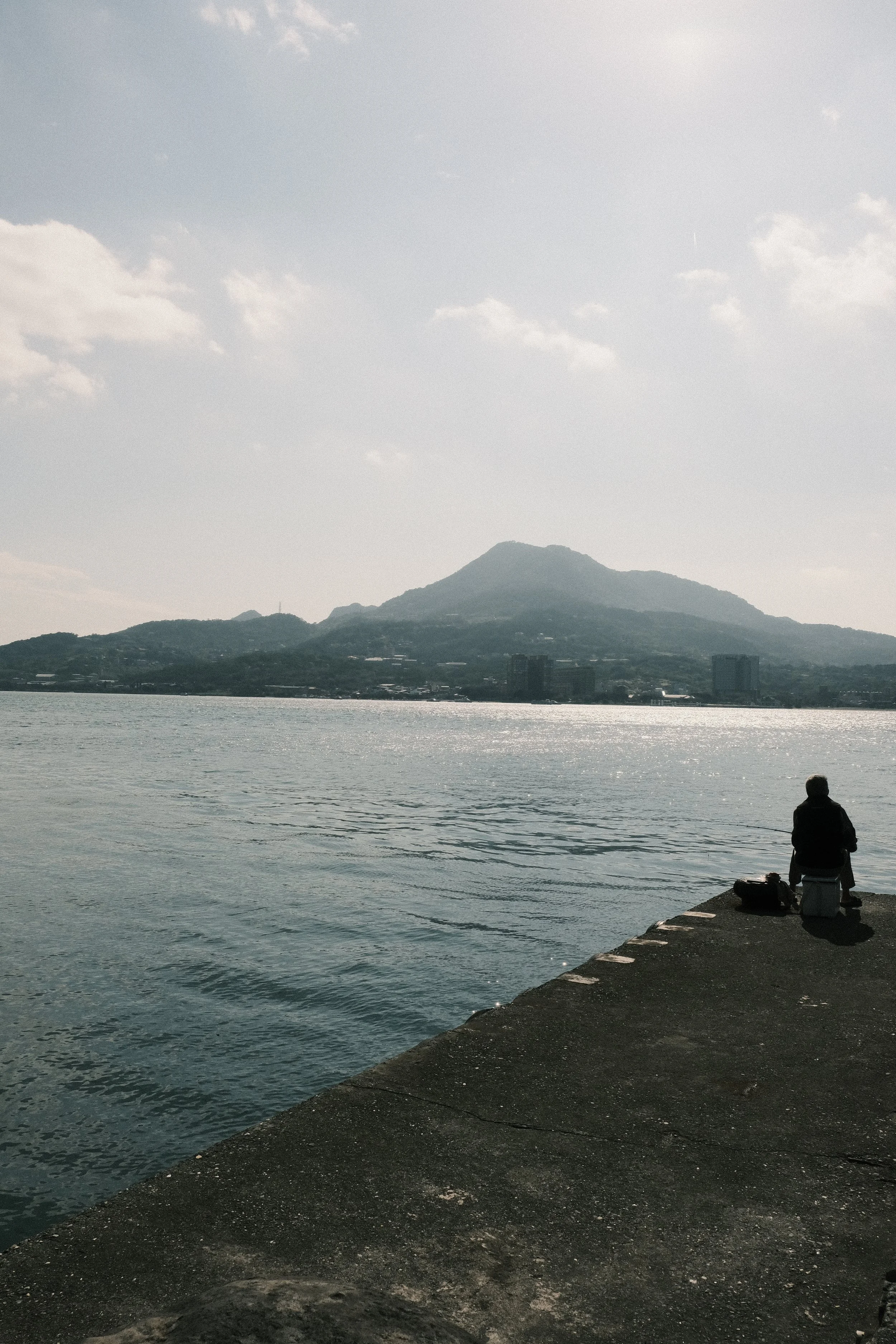
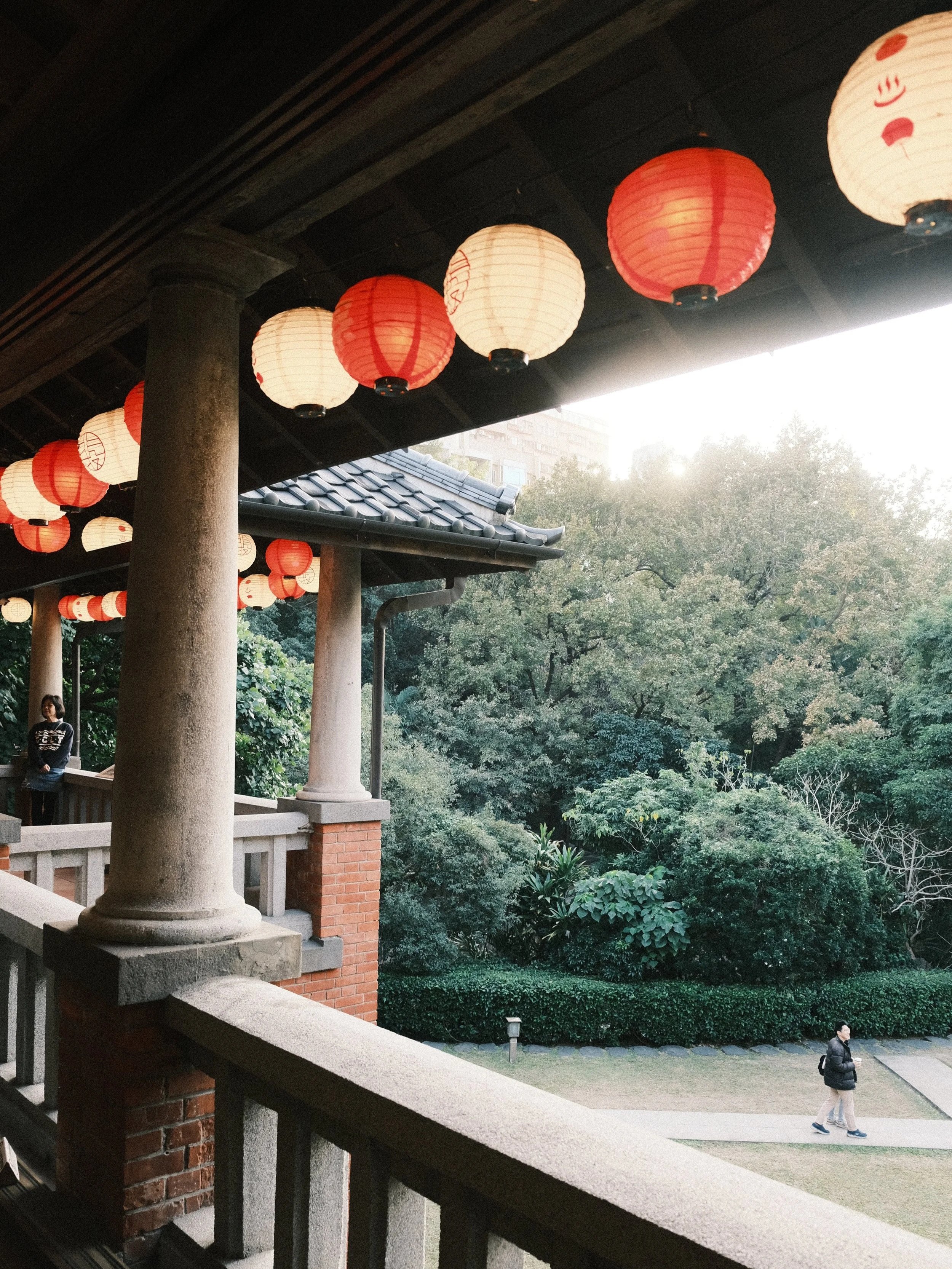
We took a day out to Tamsui, following the river out towards the sea. It is slower there, the air softer, the pace more relaxed. Later, we moved on to Beitou Hot Springs, where the baths offer a kind of stillness that contrasts with the constant motion elsewhere.
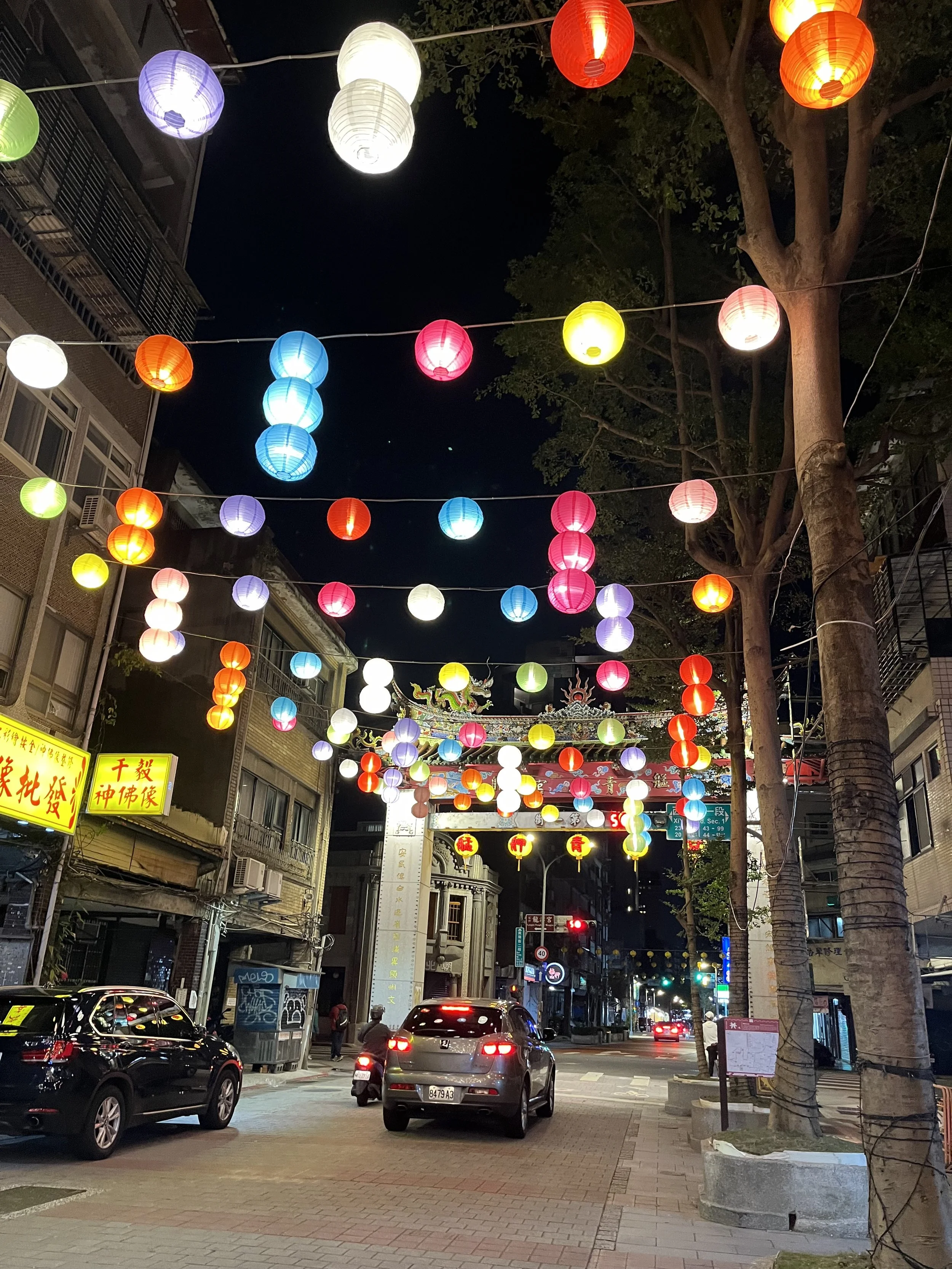
Back in the centre, Dihua Street provided another shift in tone. Older, more traditional, its shopfronts reflect a different era of the city’s history as a trading hub. In contrast, the East District leans towards the contemporary, with cafés and fashion that feel current and experimental. Taipei moves easily between these identities.
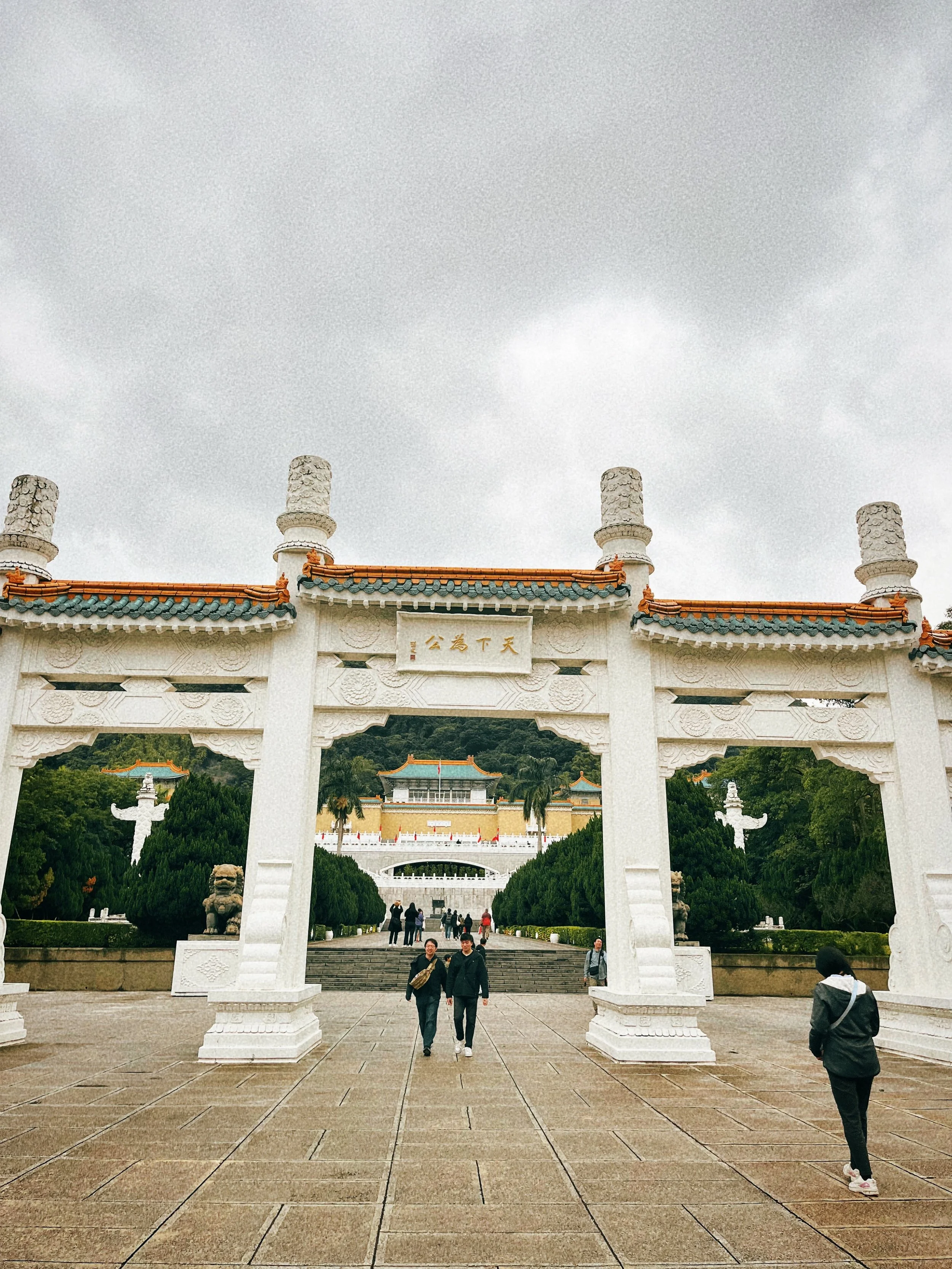
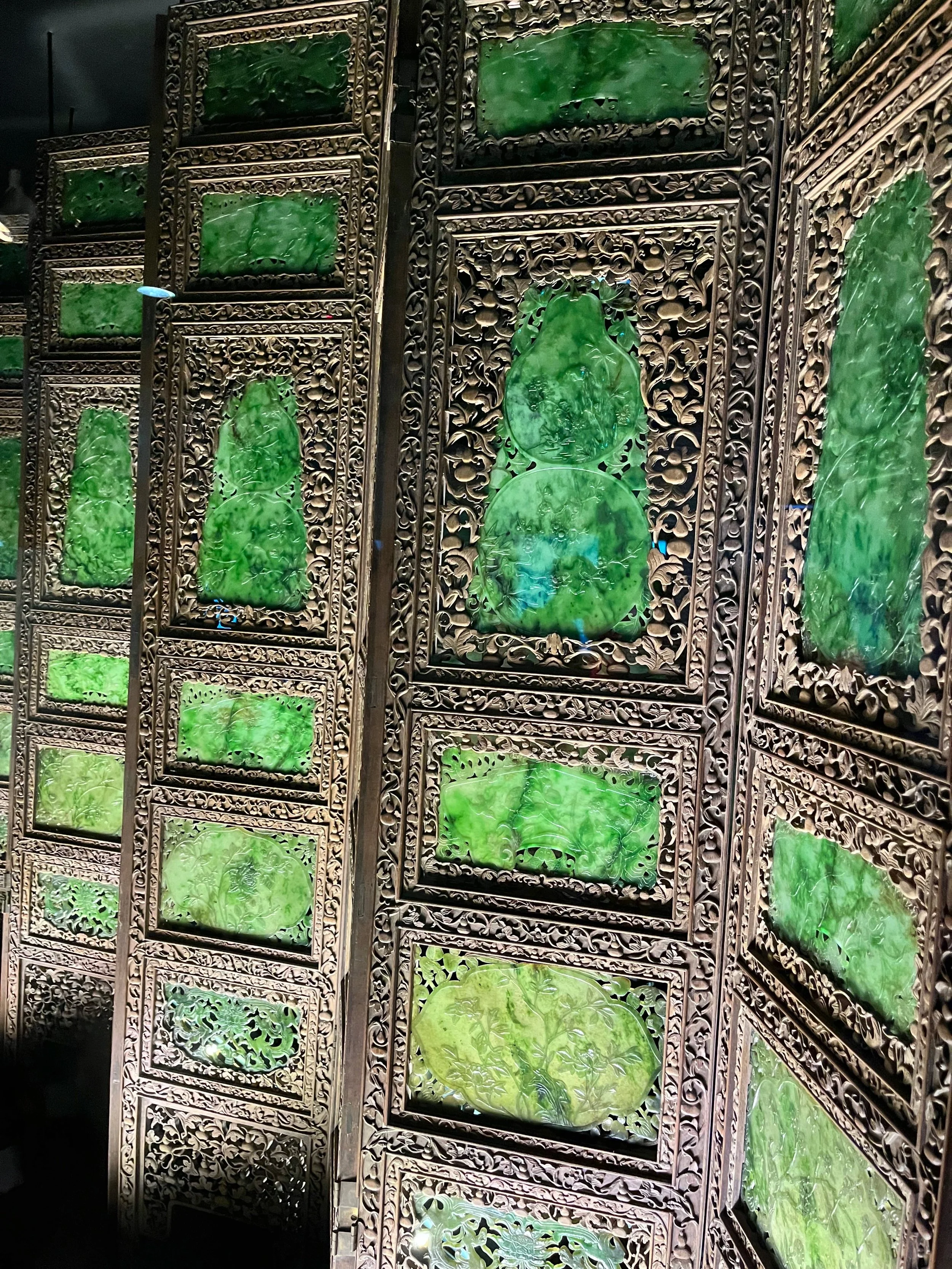
The National Palace Museum sits slightly apart from the city, but it is worth the journey. Its collection, spanning thousands of years, is one of the most significant in the world, preserving artefacts that were moved here during the turbulence of the 20th century. It offers a scale of history that is difficult to take in all at once.
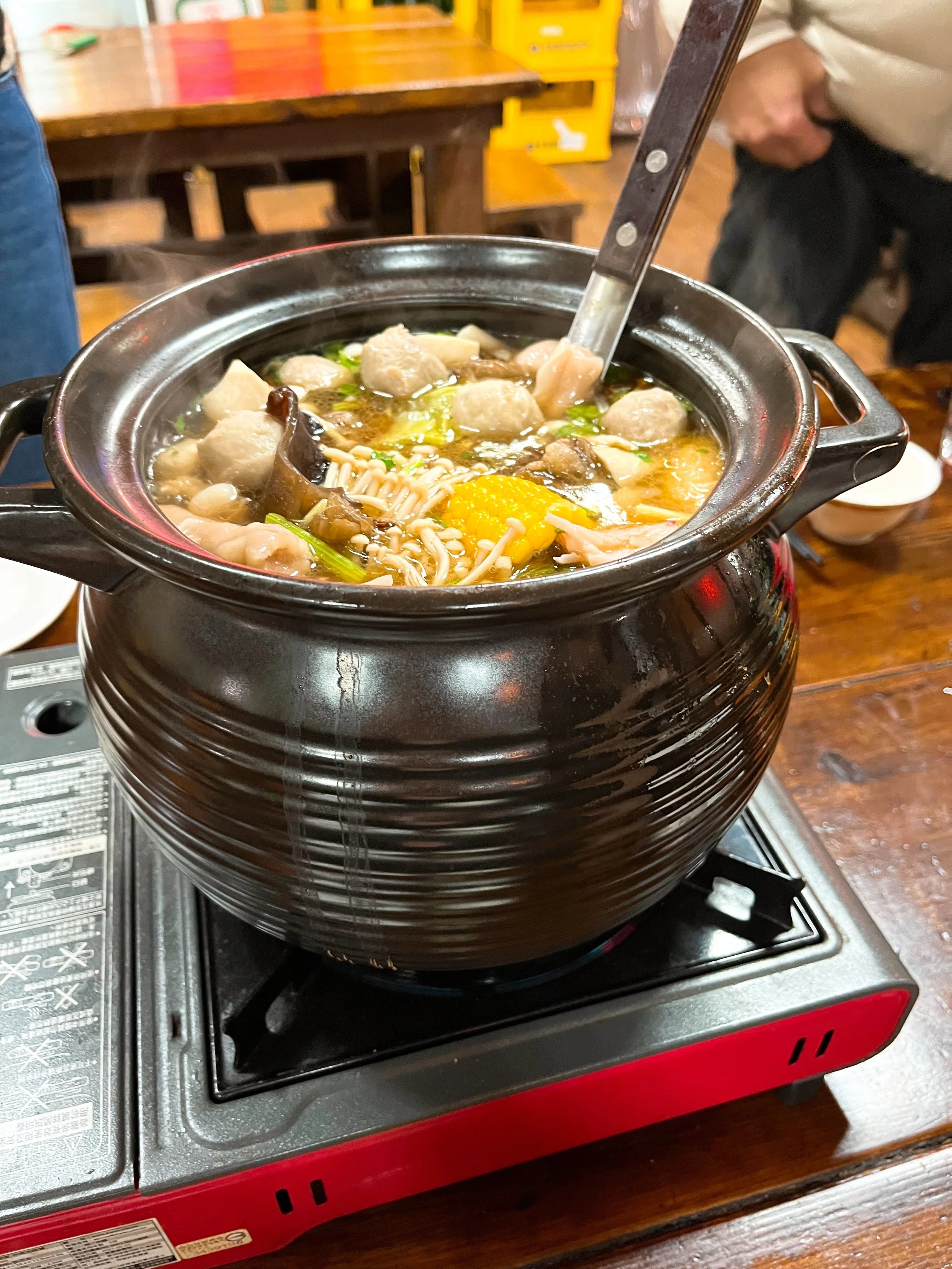
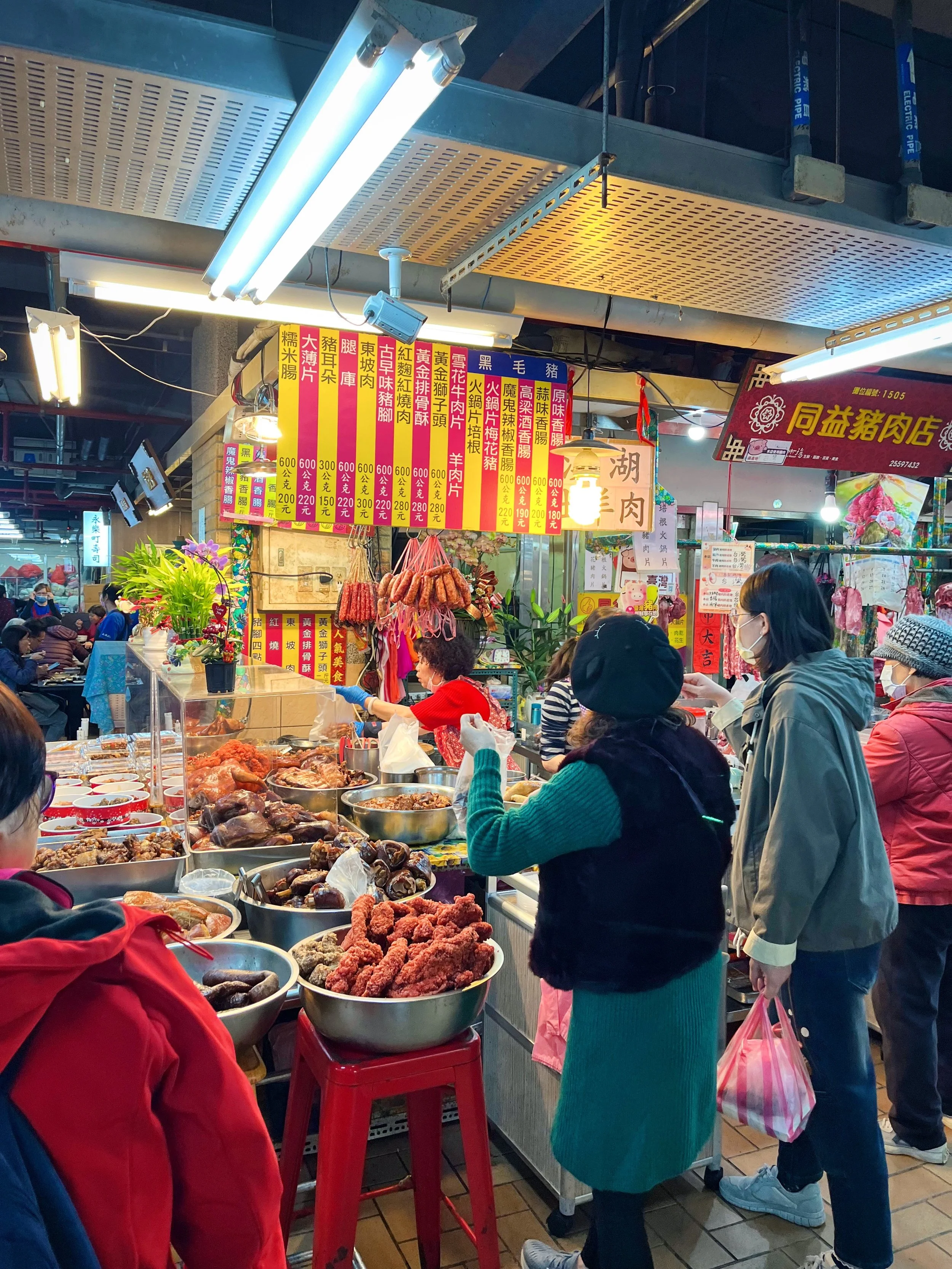
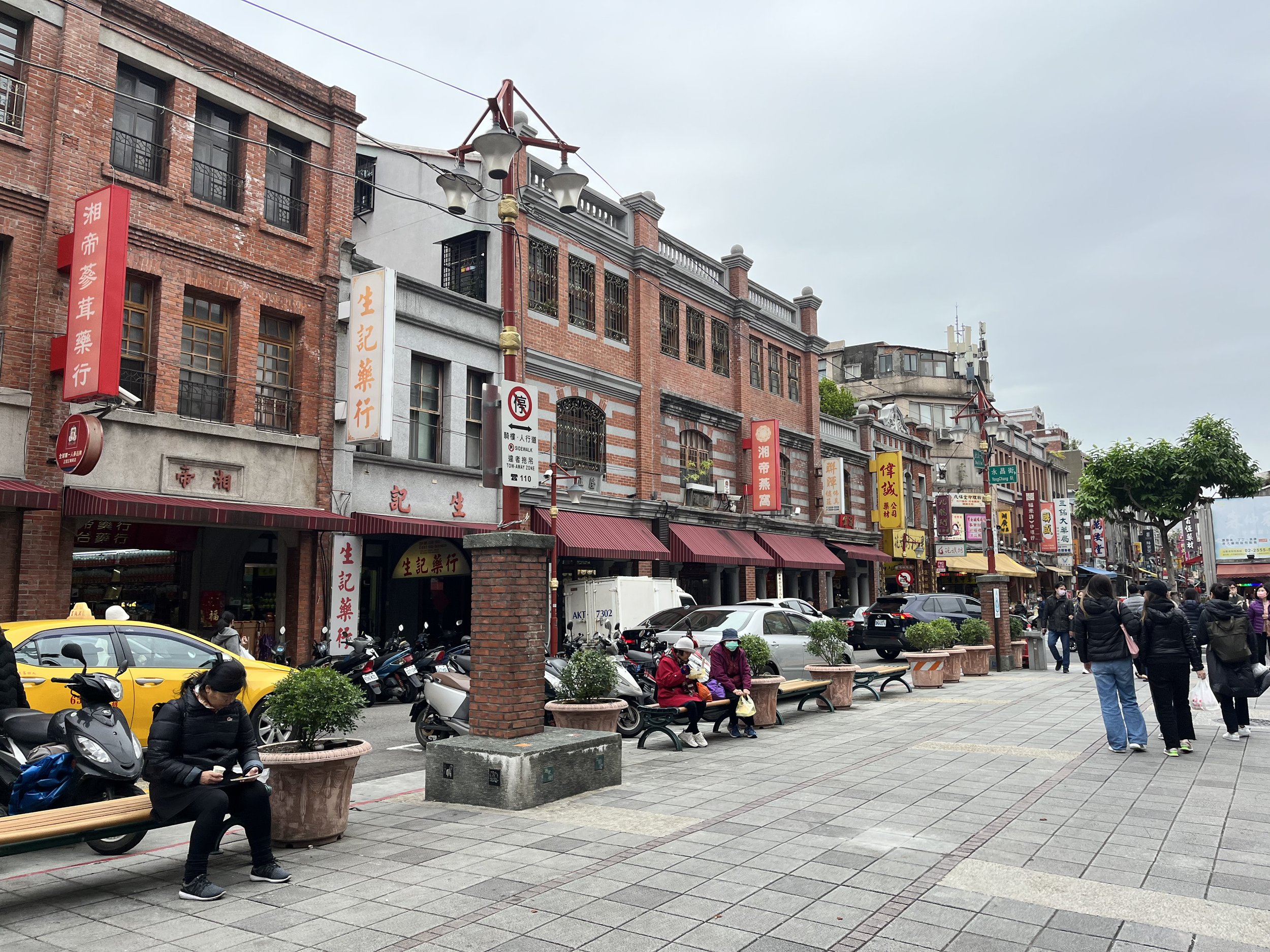
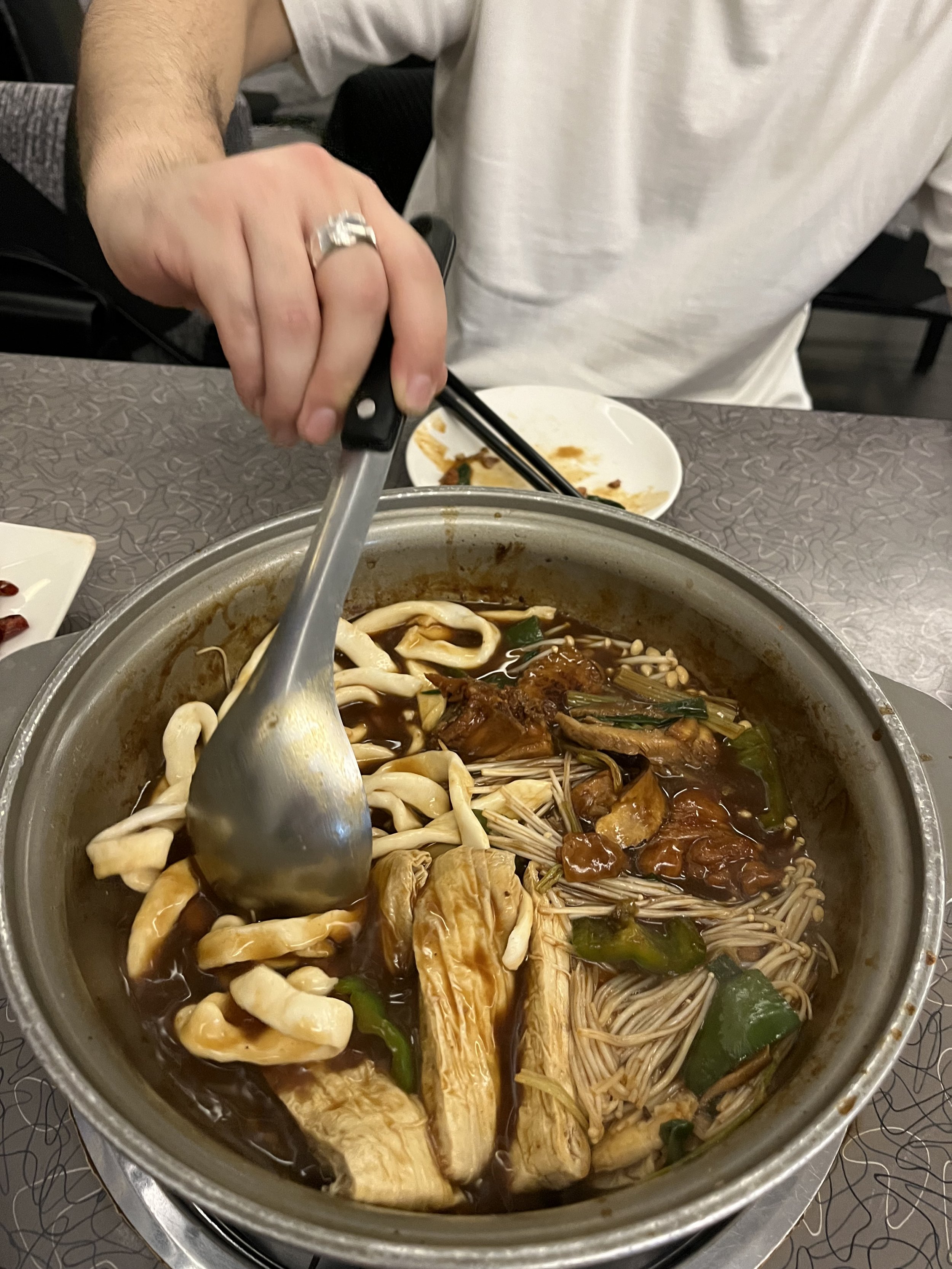
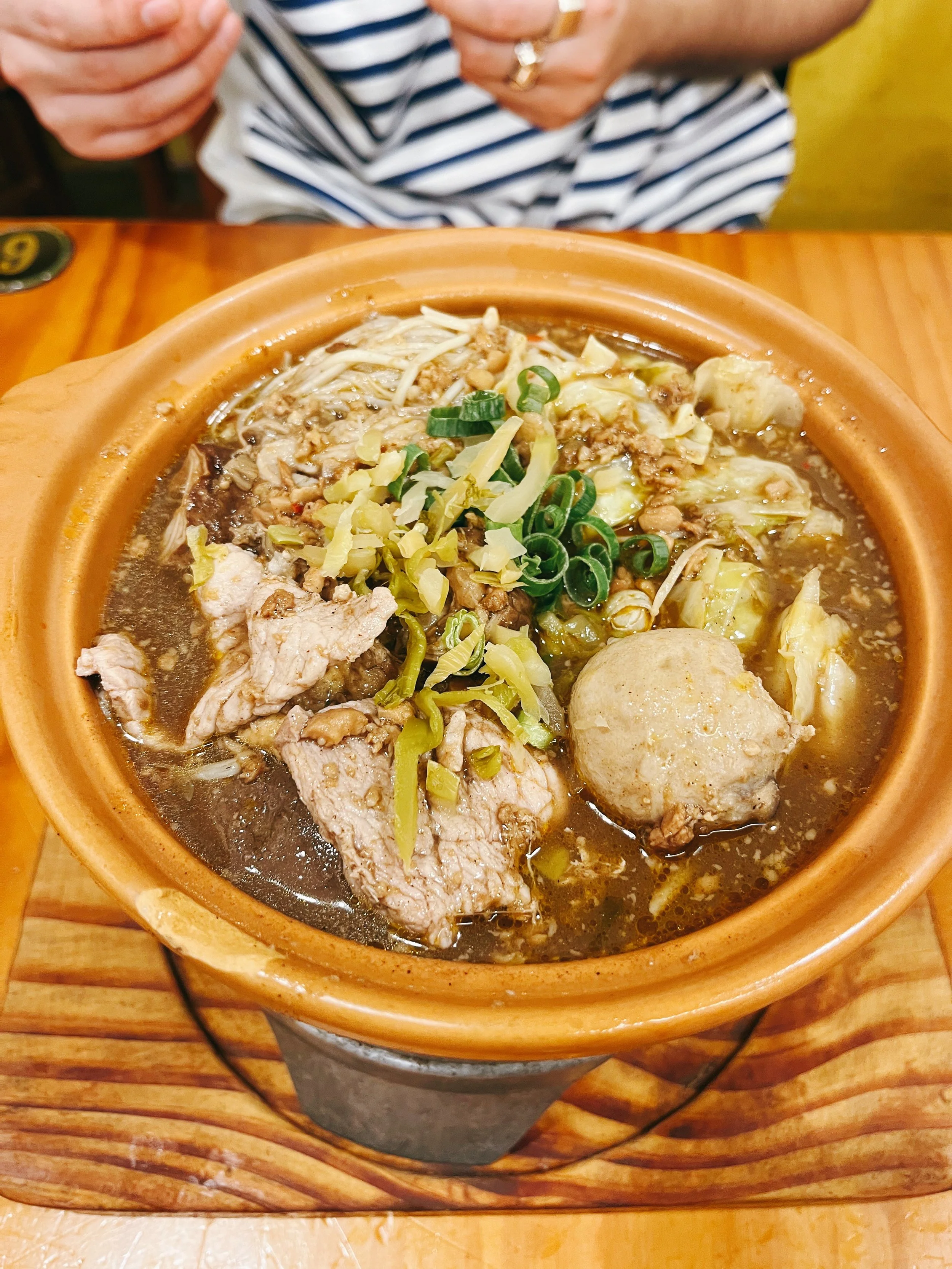
And always, the food anchors everything. 羊肉爐 (mutton hotpot), rich and restorative. 麻油雞 (sesame oil chicken), fragrant with ginger. 便當 (bian dang, Taiwanese lunchbox), simple and deeply comforting. And countless dishes I still cannot name, ordered confidently by my partner and arriving as delicious surprises. You cannot really go wrong here. The only requirement is openness.
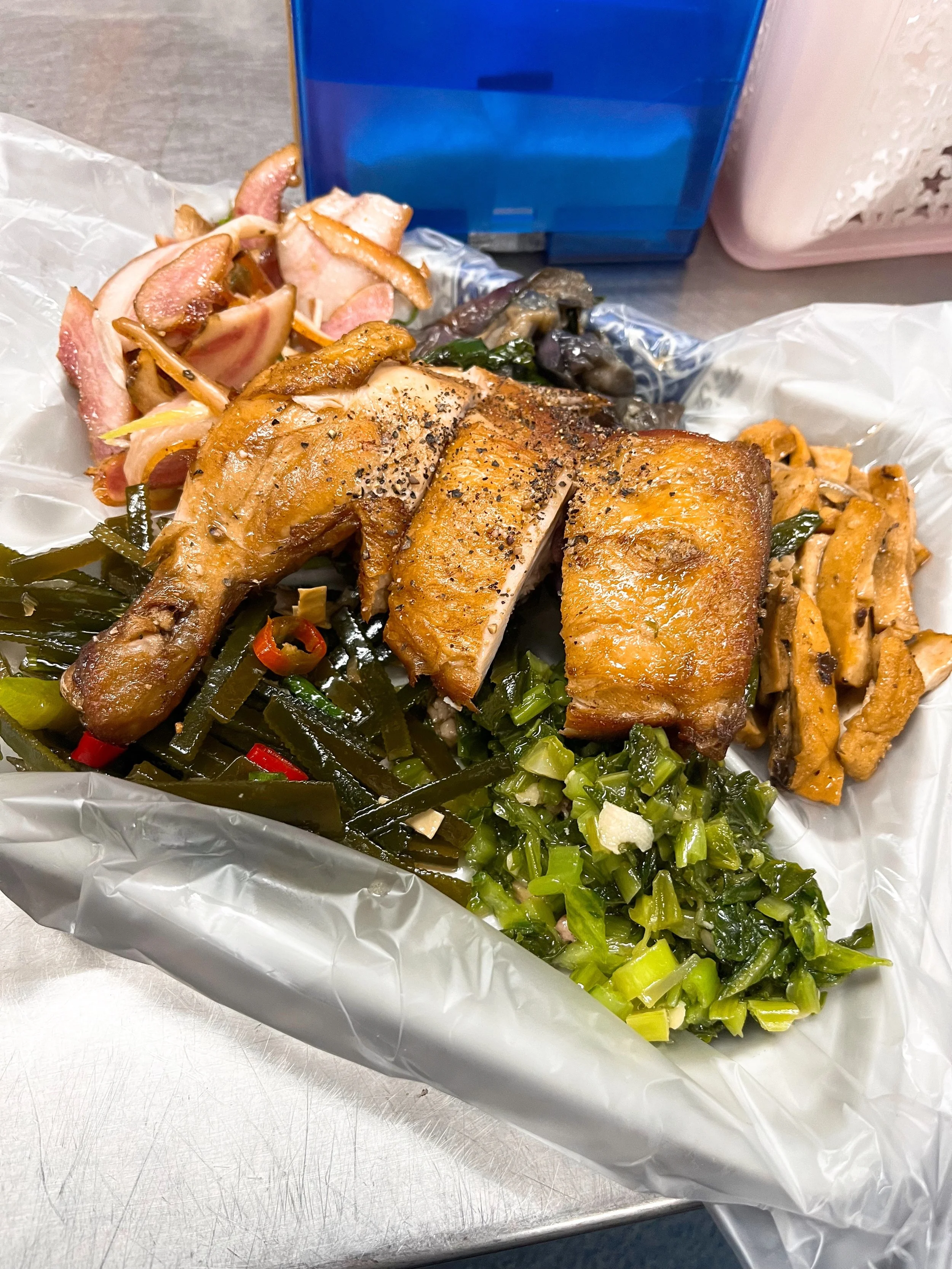
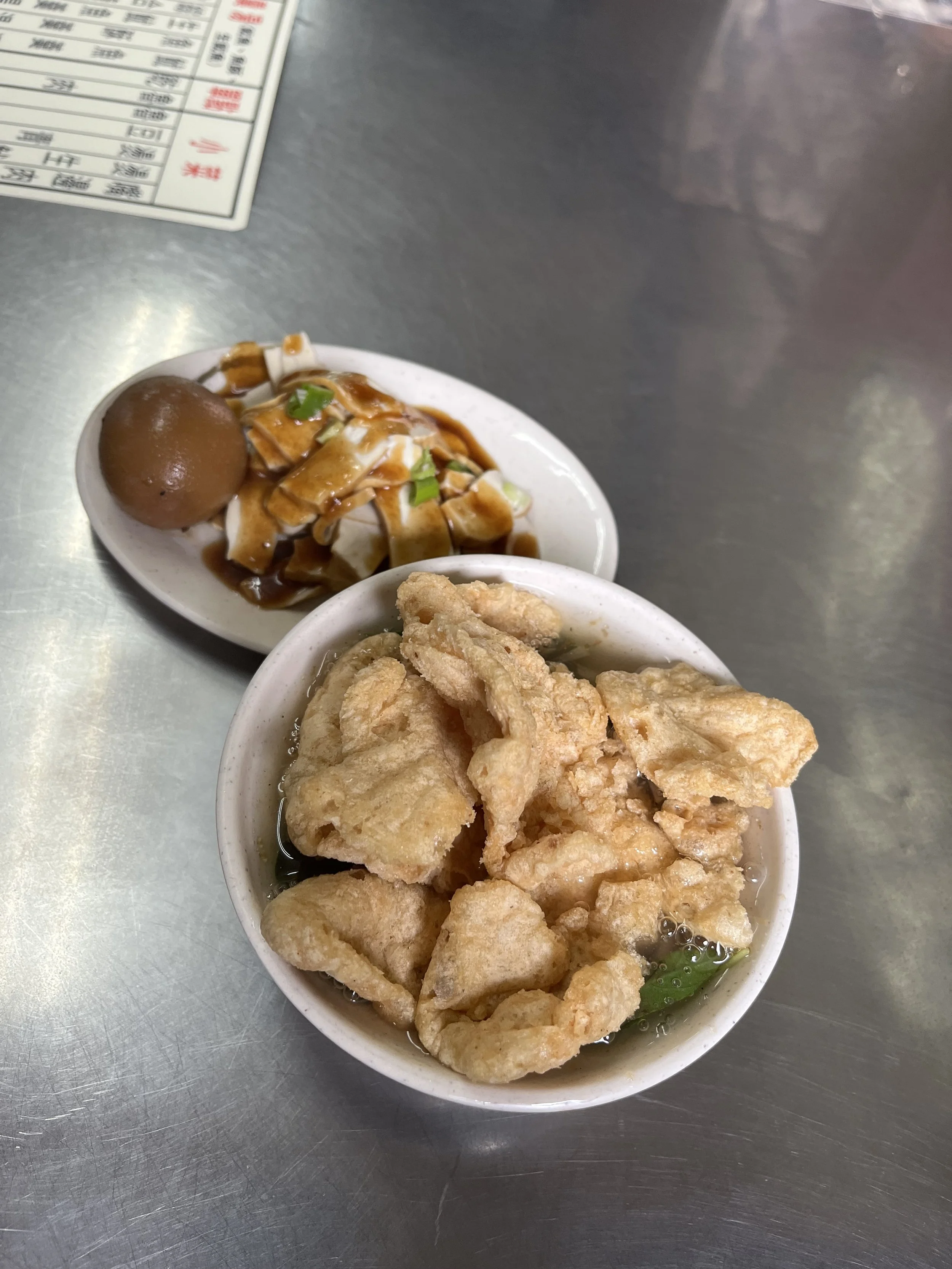
Taipei, for obvious reasons, feels like home. There is a version of life here that aligns so naturally with what we value, one that we often imagine returning to more permanently when we are older. But even as a visitor, it offers something rare. A city that feels both immediate and layered, energetic yet grounded. Taipei is very special.
vfb
