Seville, Spain
We took a short three day trip to Seville in April, mainly in search of some sun after a particularly bleak stretch of weather at home. It was my first time in Andalusia, and I immediately loved the warm and slow pace of the region.
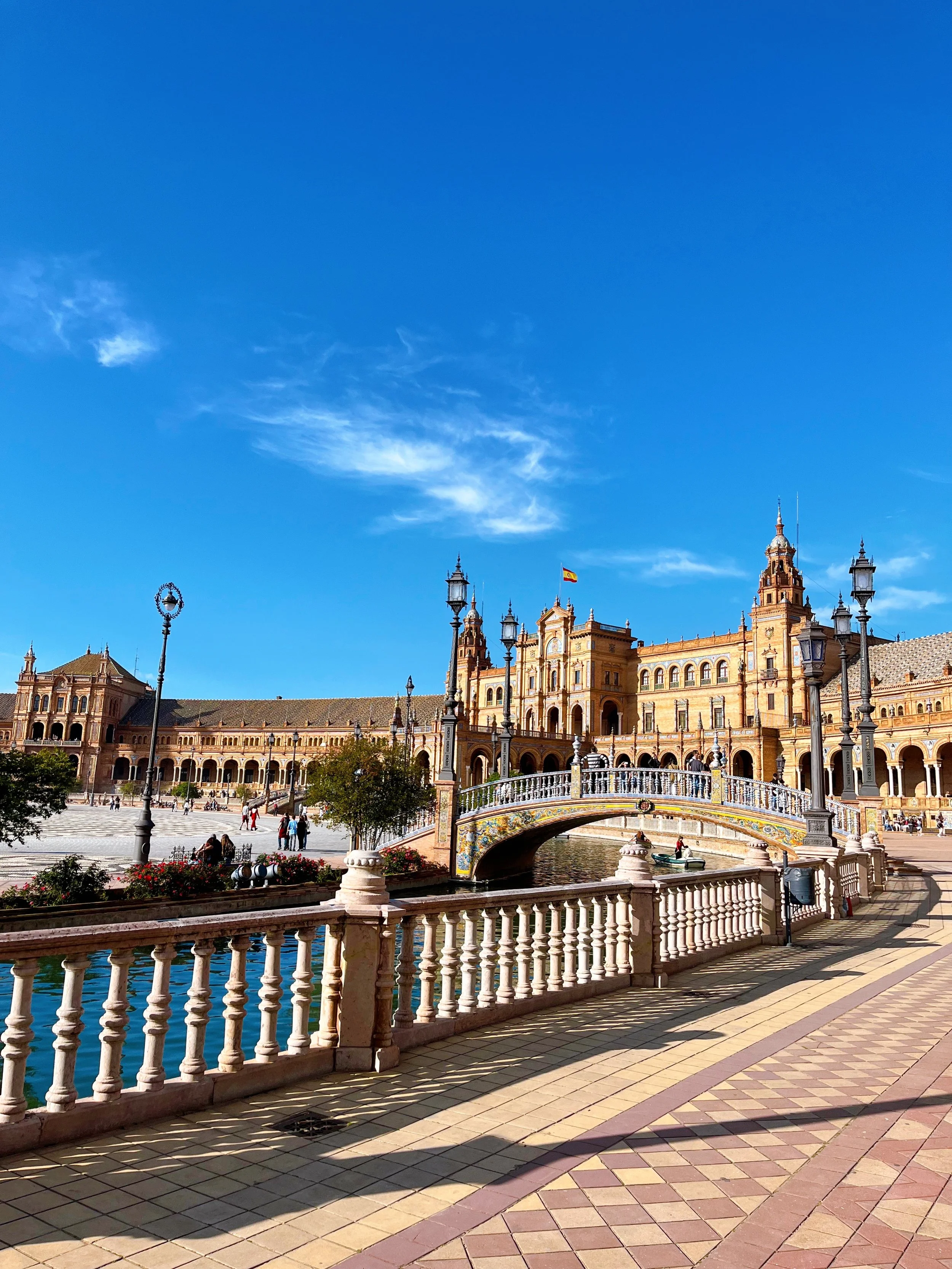
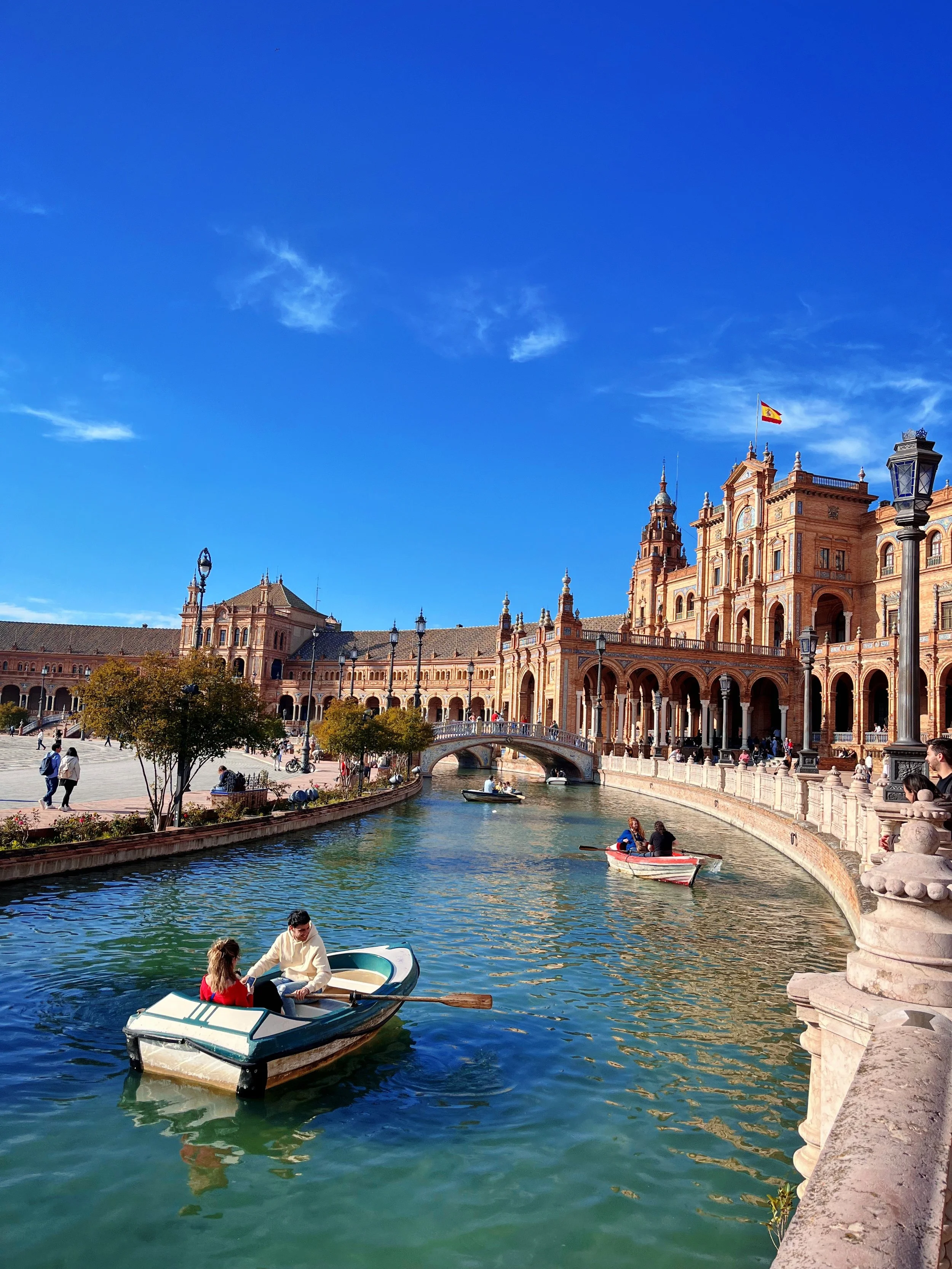
We arrived in the early evening and started with a walk through the Plaza de España. Built for the Ibero-American Exposition in 1929, it’s one of those places that feels almost too grand to be real with its curved canals, tiled alcoves representing each Spanish province and that soft golden light that Seville seems to have. It was the perfect way to ease into the city before heading into the centre.
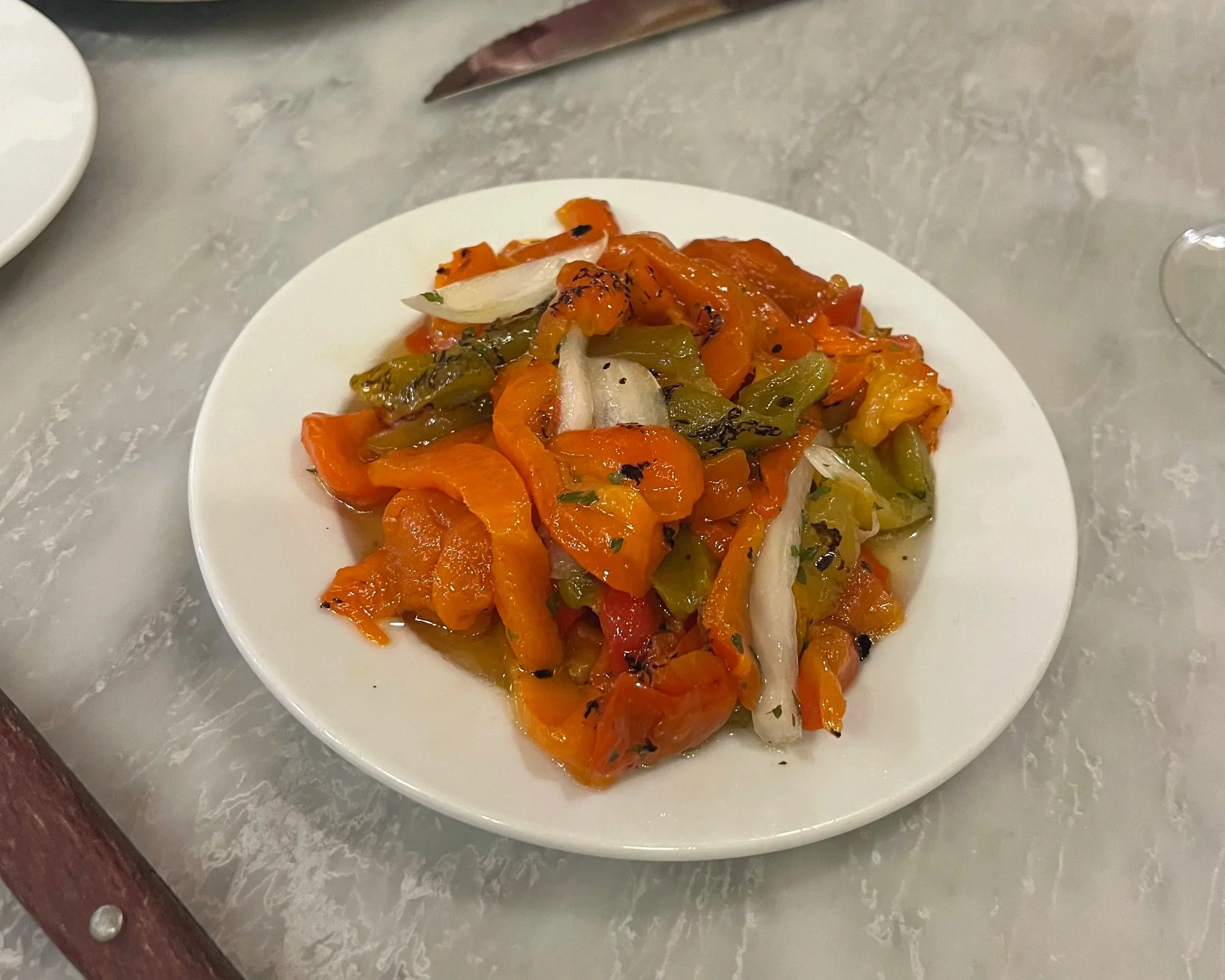
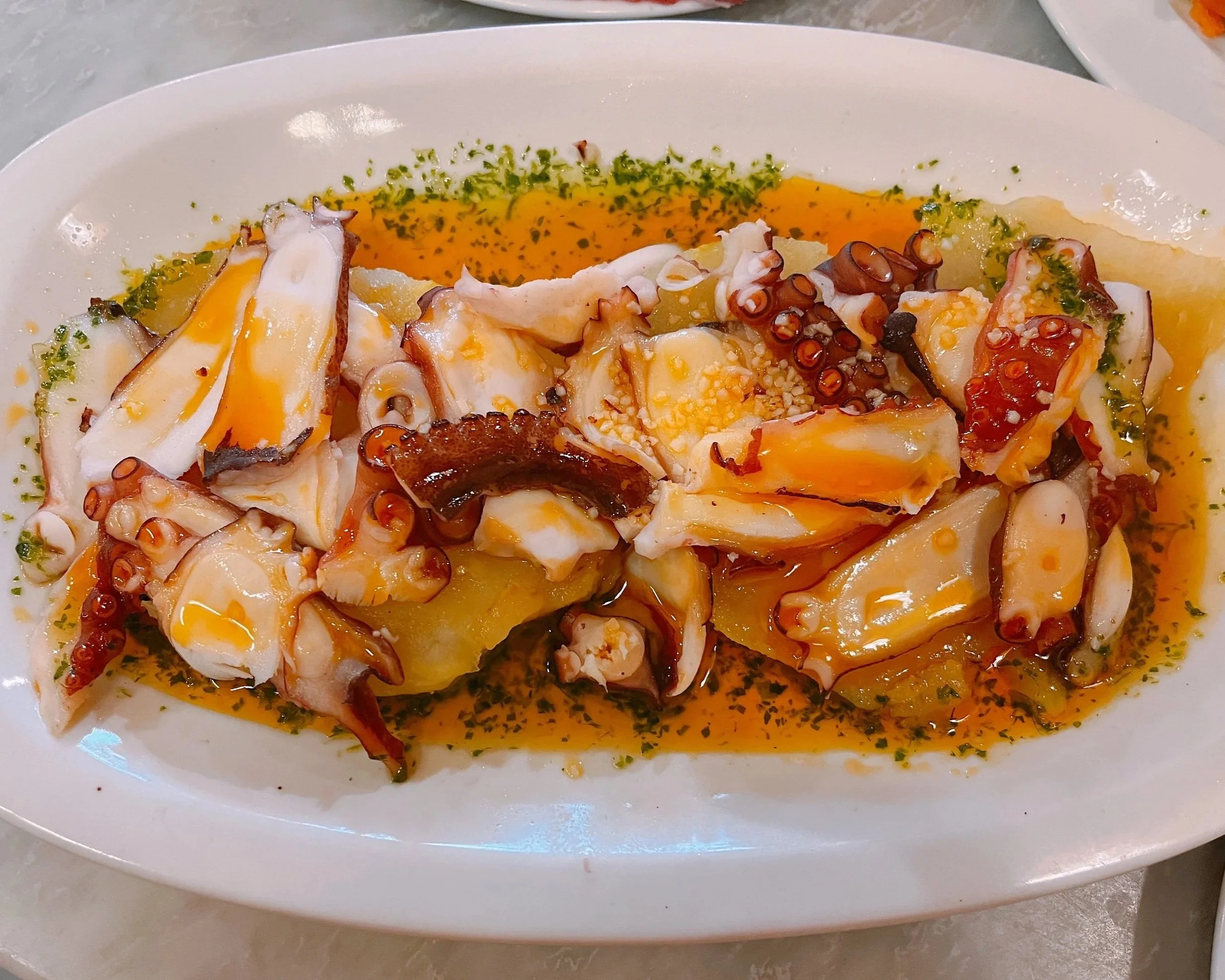
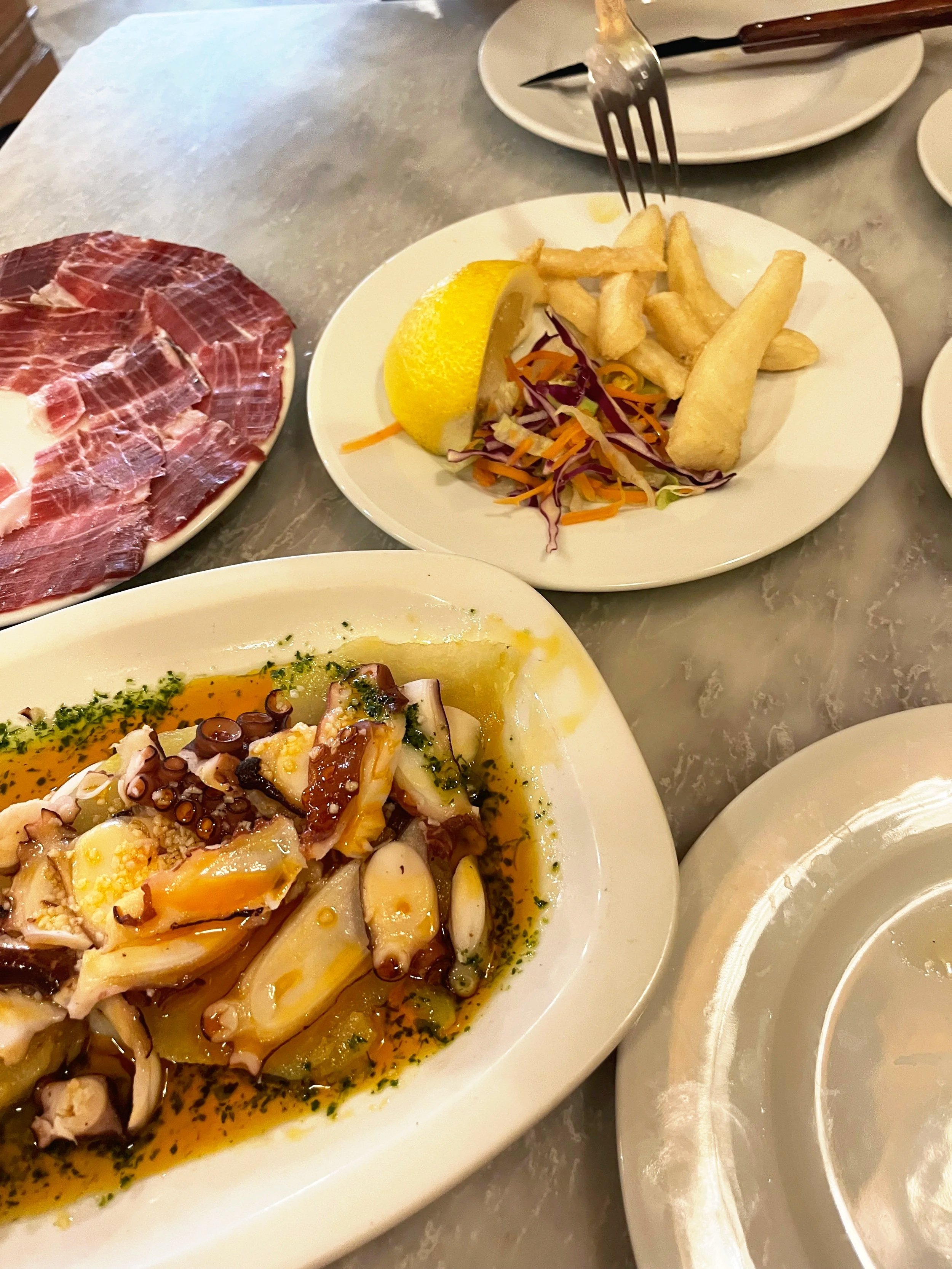
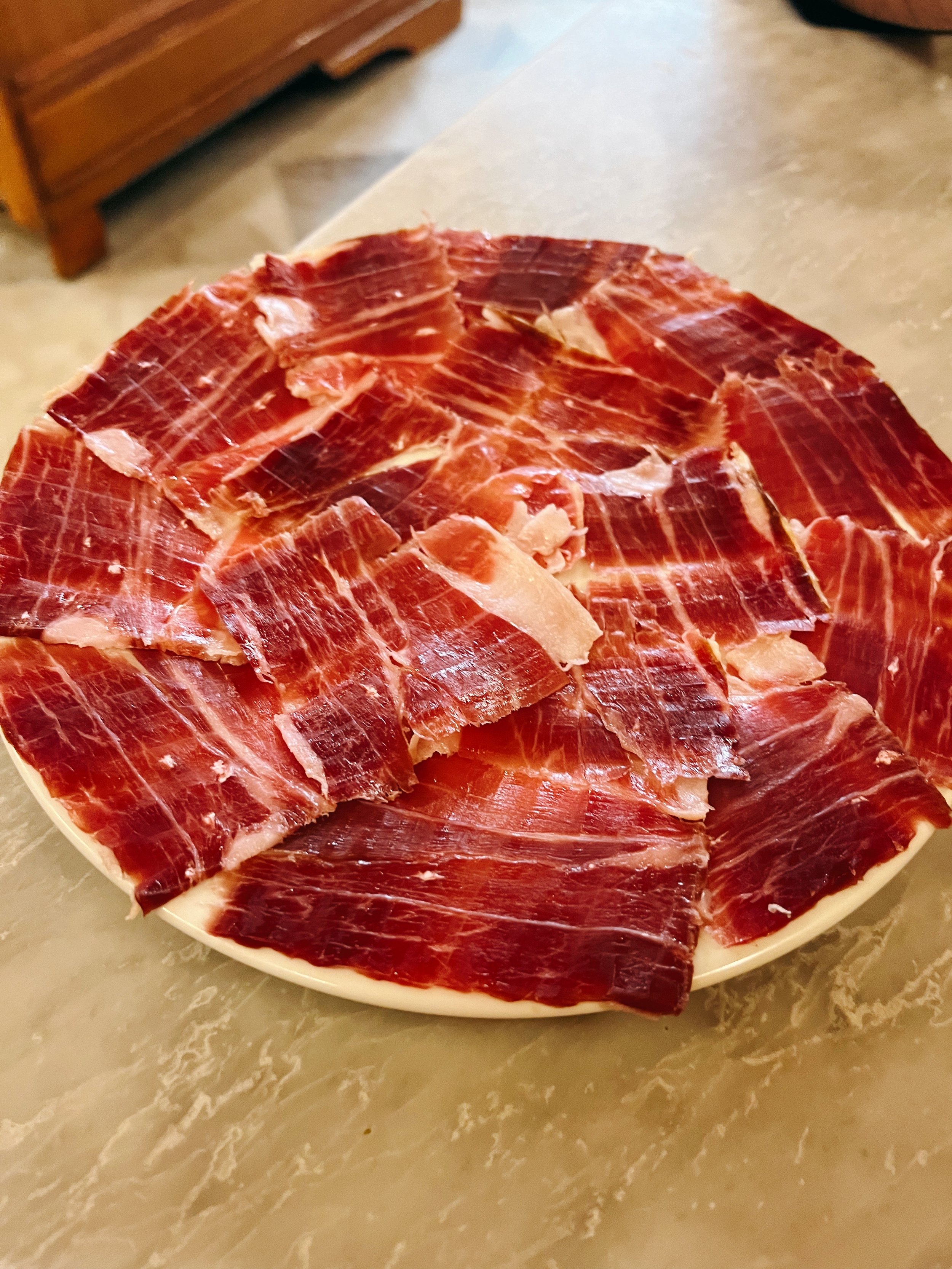
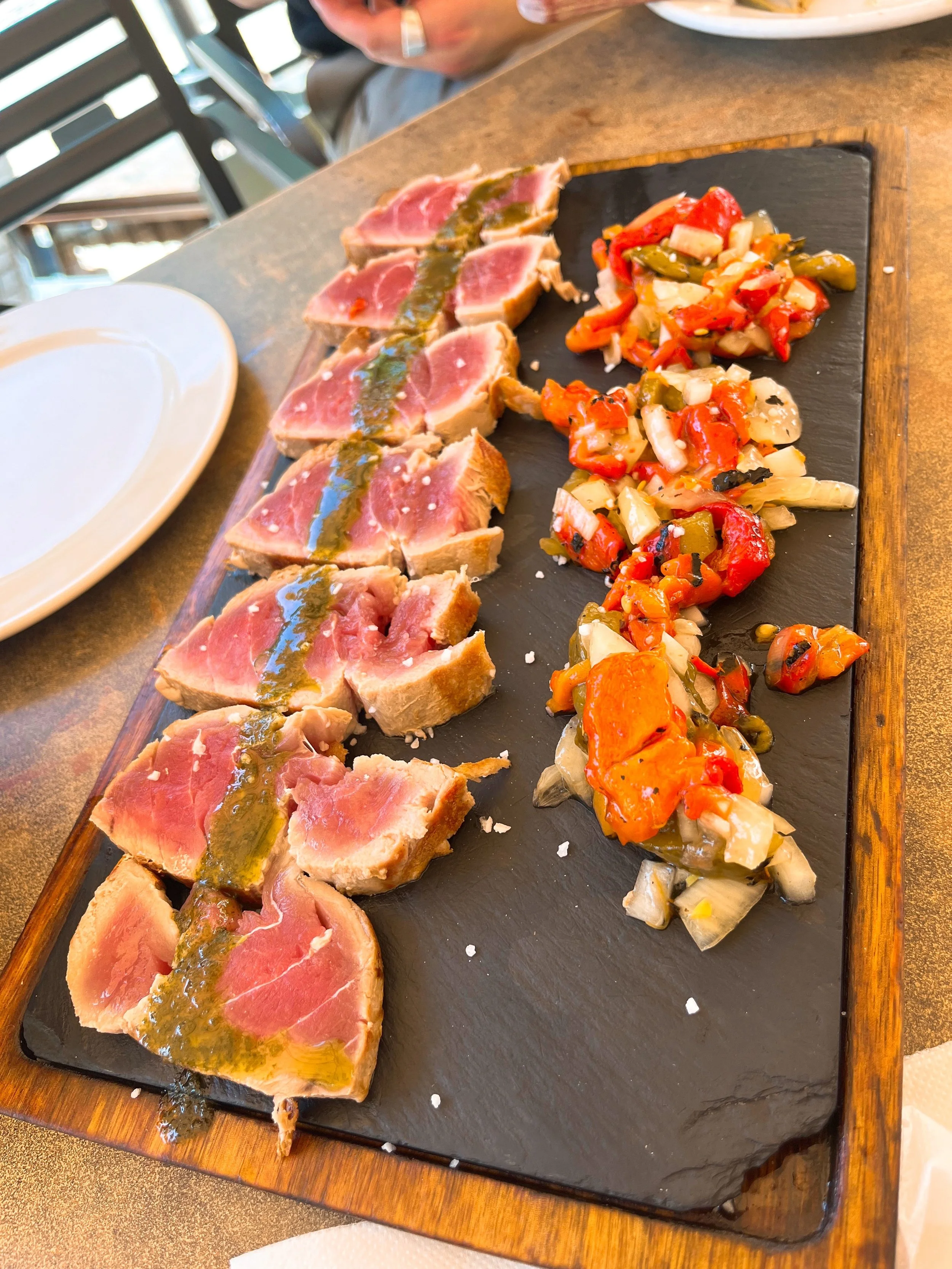
Dinner meant tapas so we ordered a spread of Jamón, octopus salad and marinated peppers. Seville is one of those cities where eating like this feels completely natural: small plates, a glass of wine, moving from place to place without too much planning.
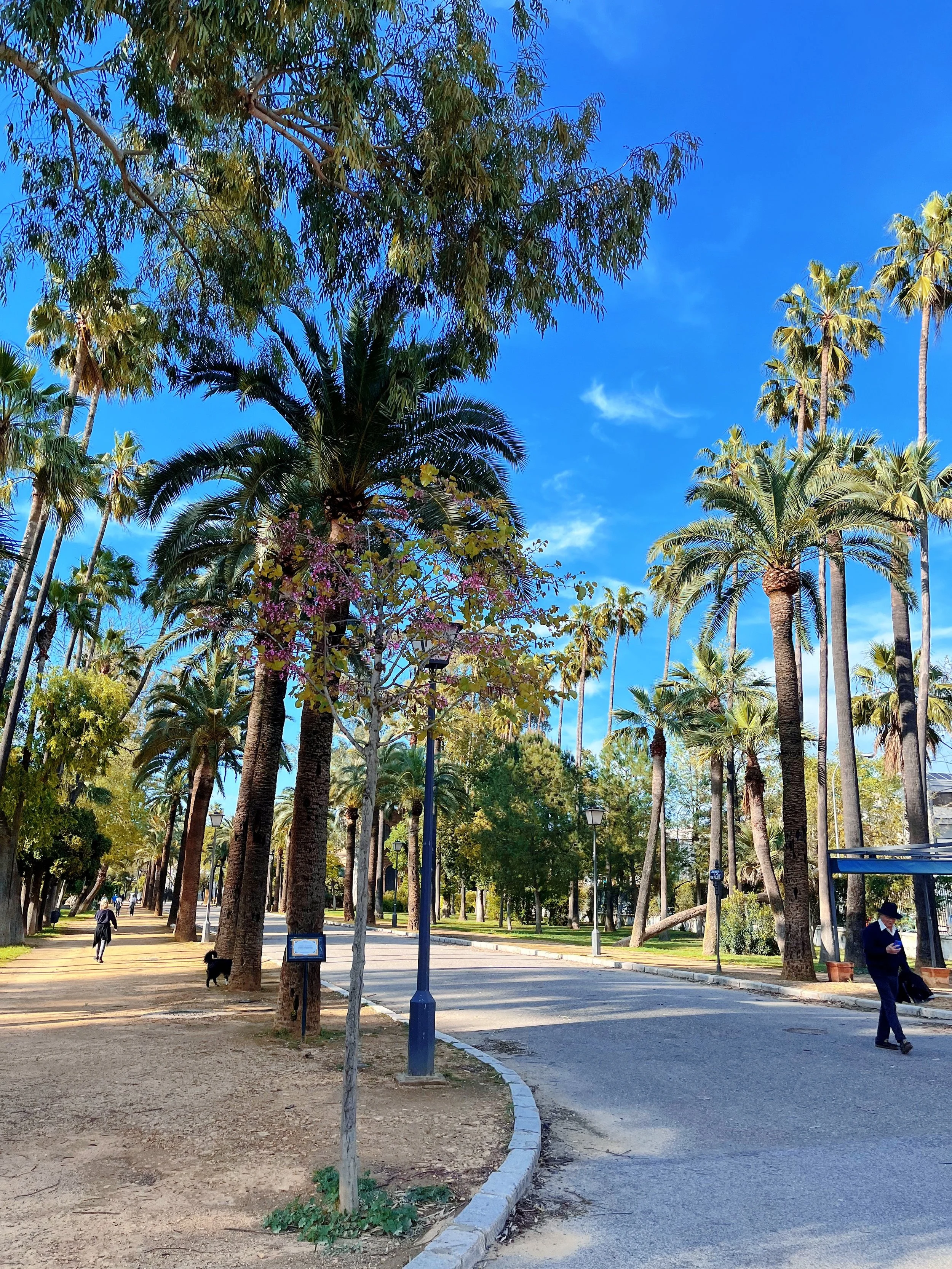
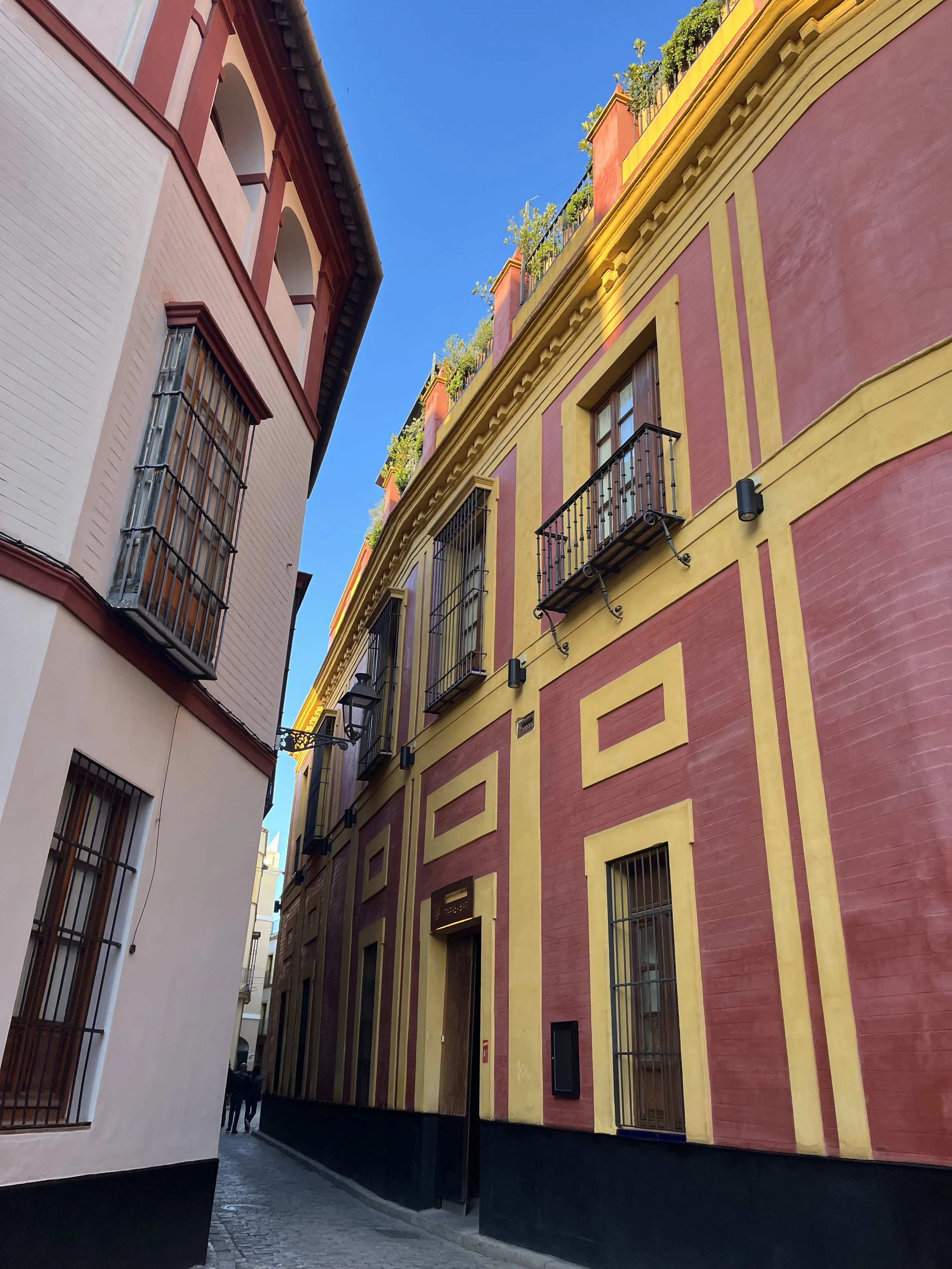
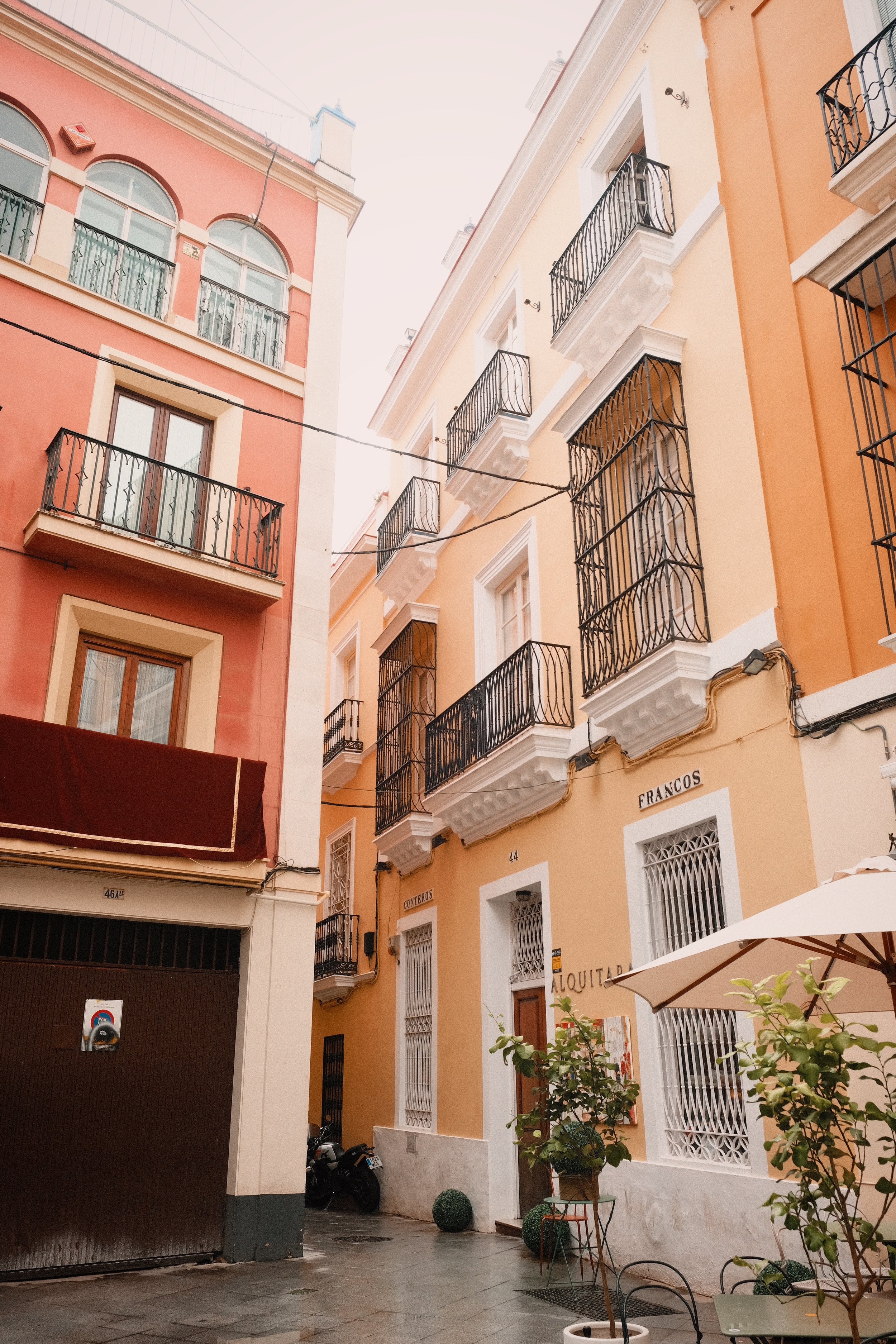
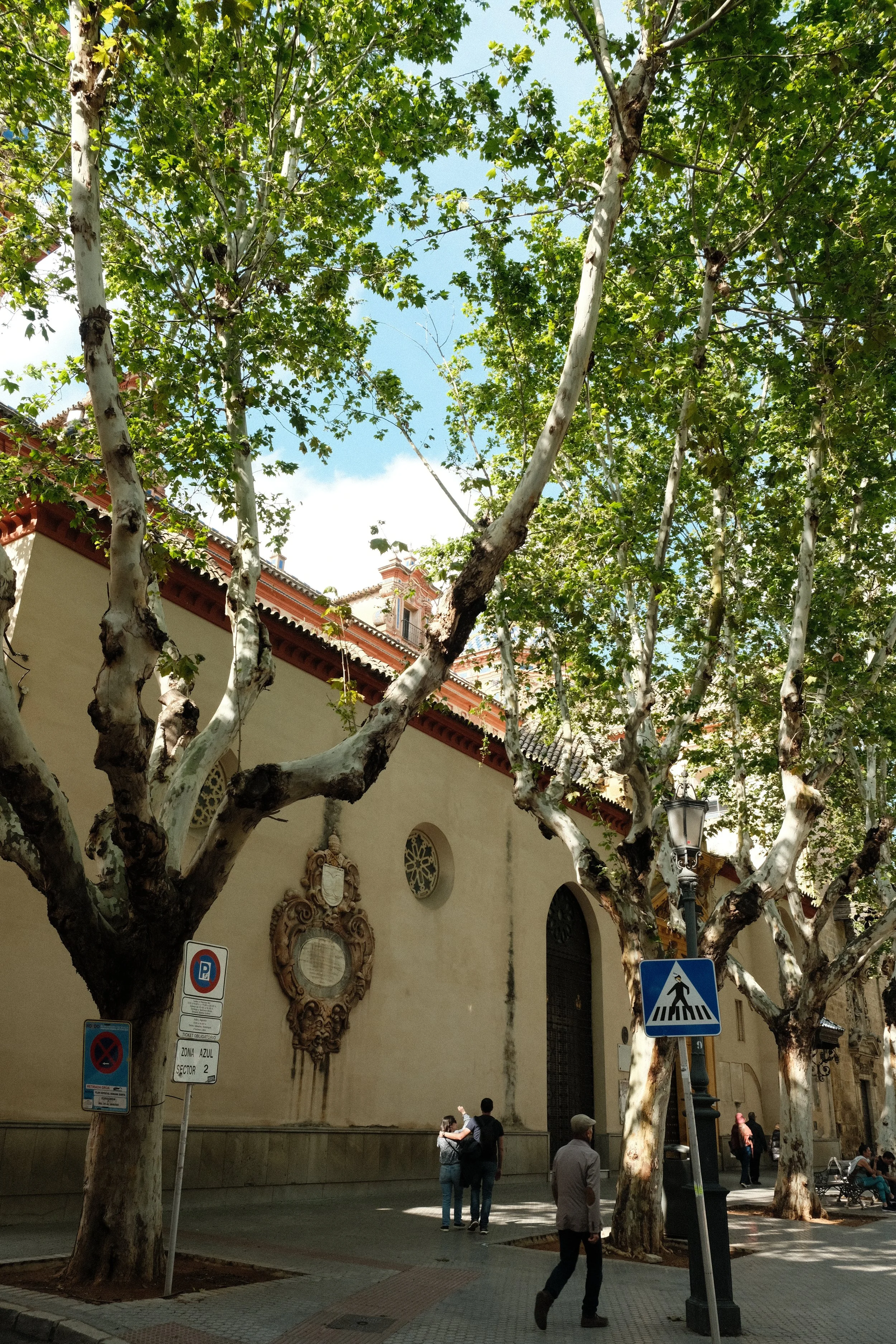
The next morning we wandered through the Barrio de Santa Cruz, the old Jewish quarter. It’s a maze of narrow streets, small squares and shaded courtyards, originally designed to keep the heat out during the intense Andalusian summers. The whole city feels built around climate with thick walls, tiled interiors and spaces designed for shade and airflow.
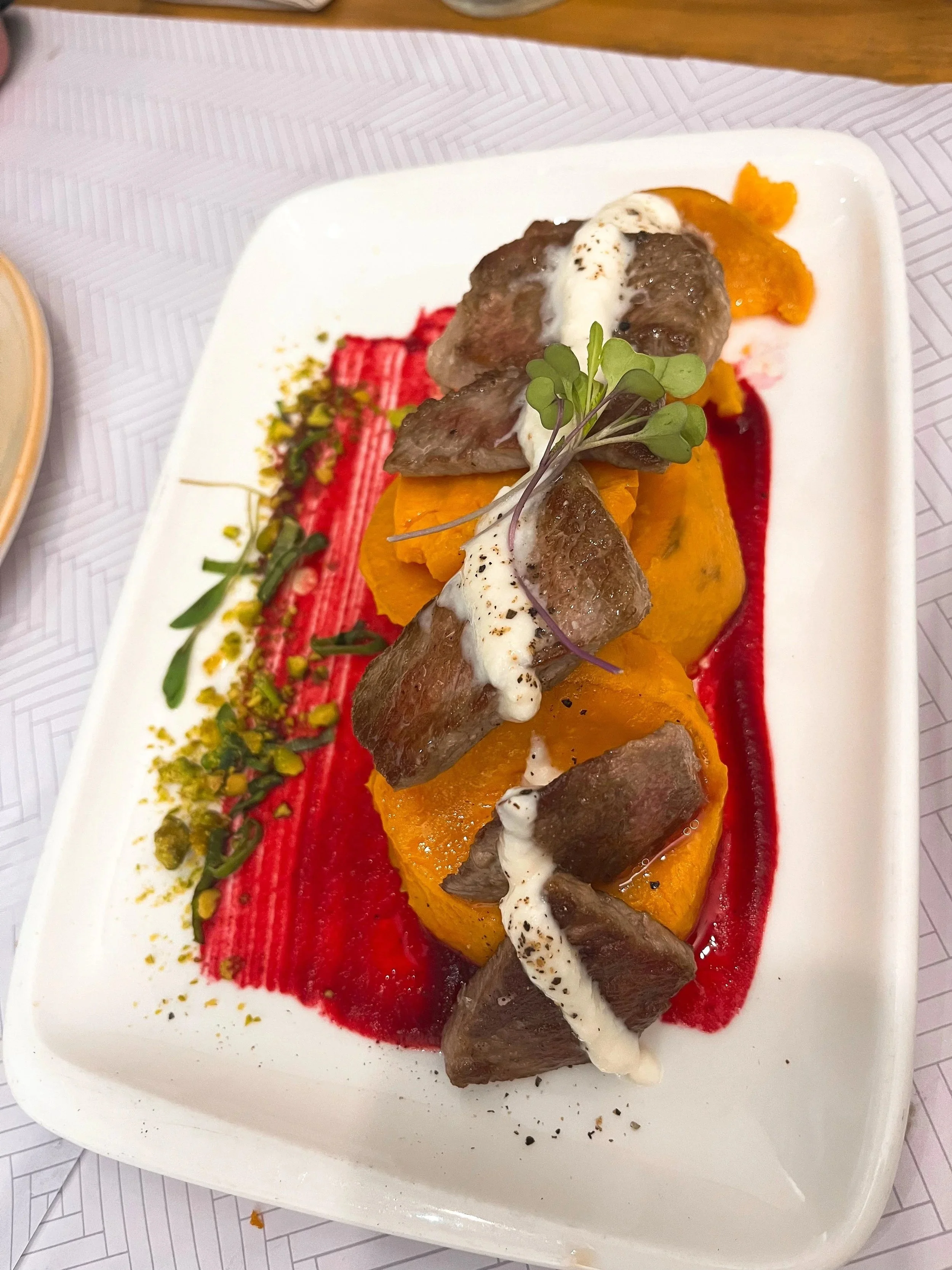
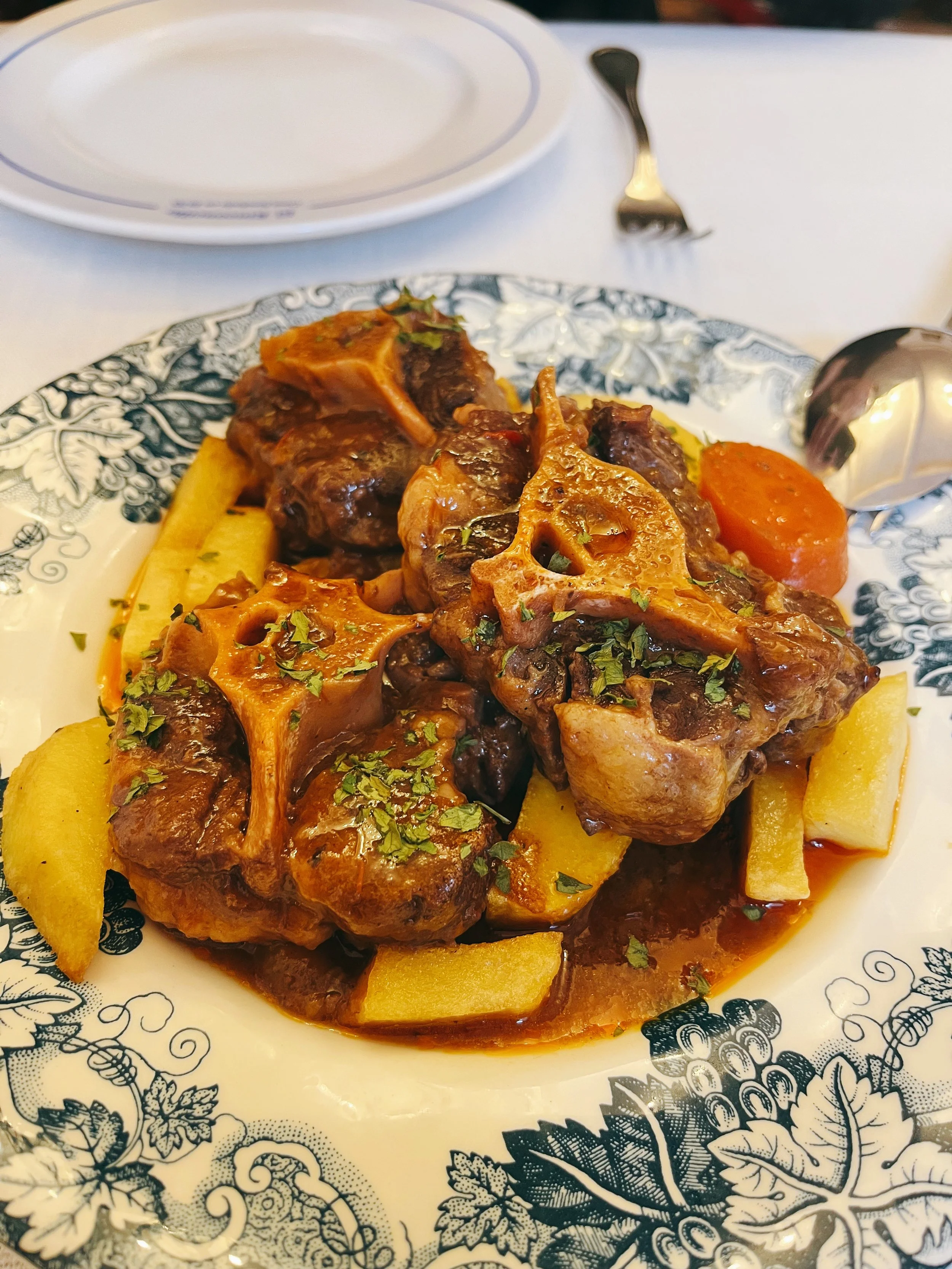
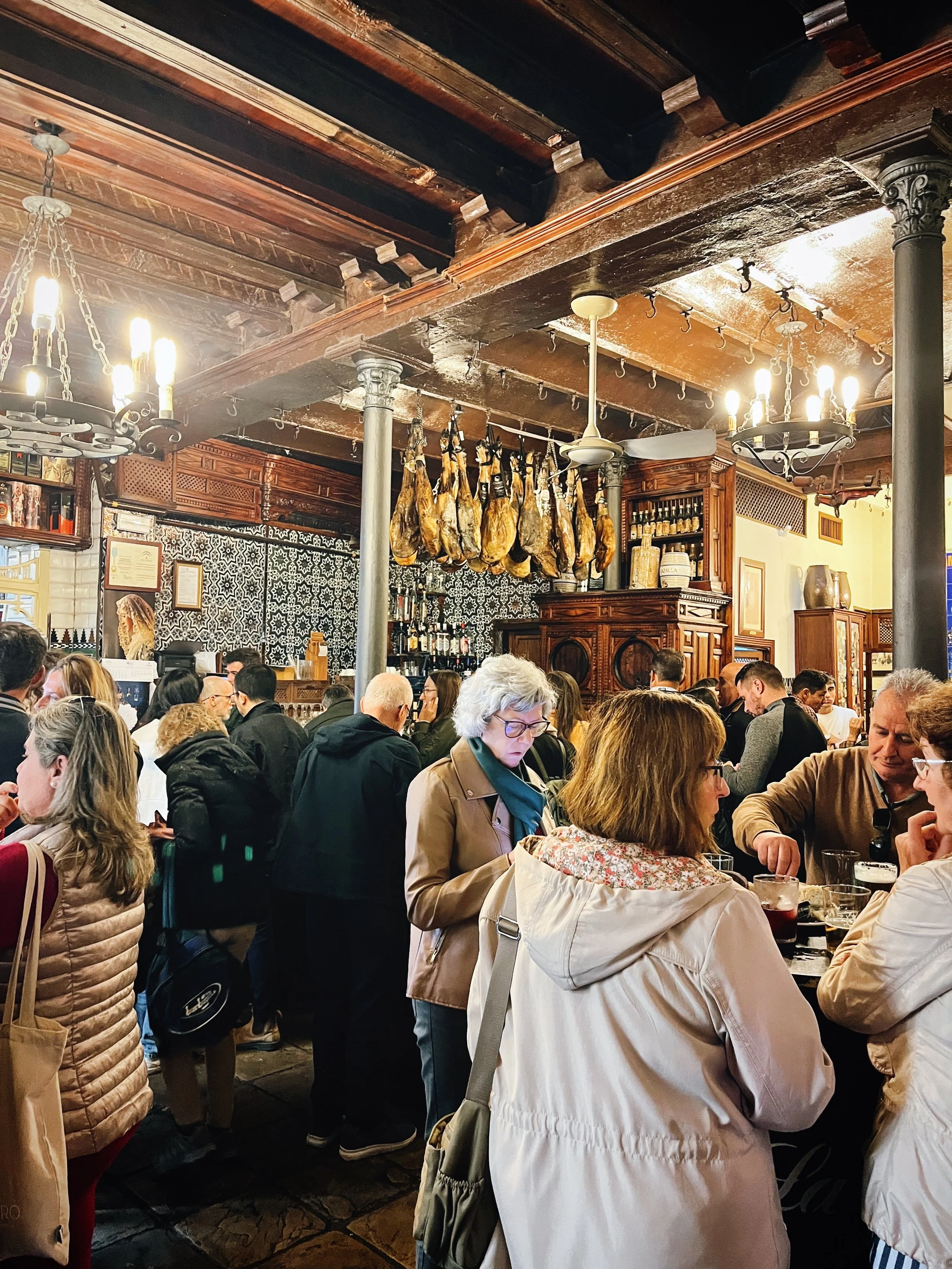
We stopped for lunch at El Rinconcillo, often described as the oldest restaurant in Seville, dating back to the 17th century. It still has that traditional feel of wooden interiors, handwritten orders and classic dishes. The oxtail was the standout: slow-cooked, tender and full of flavour.
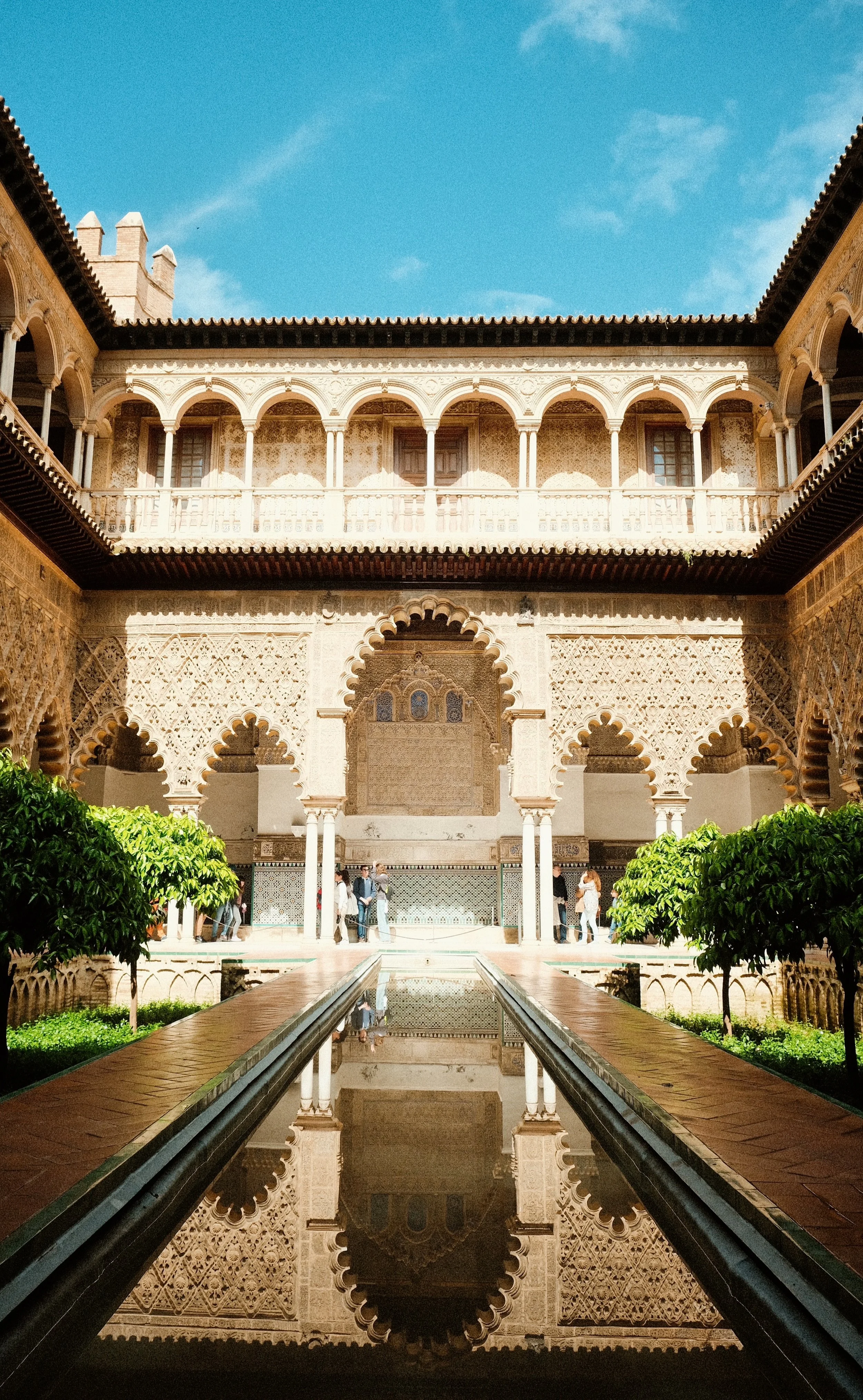
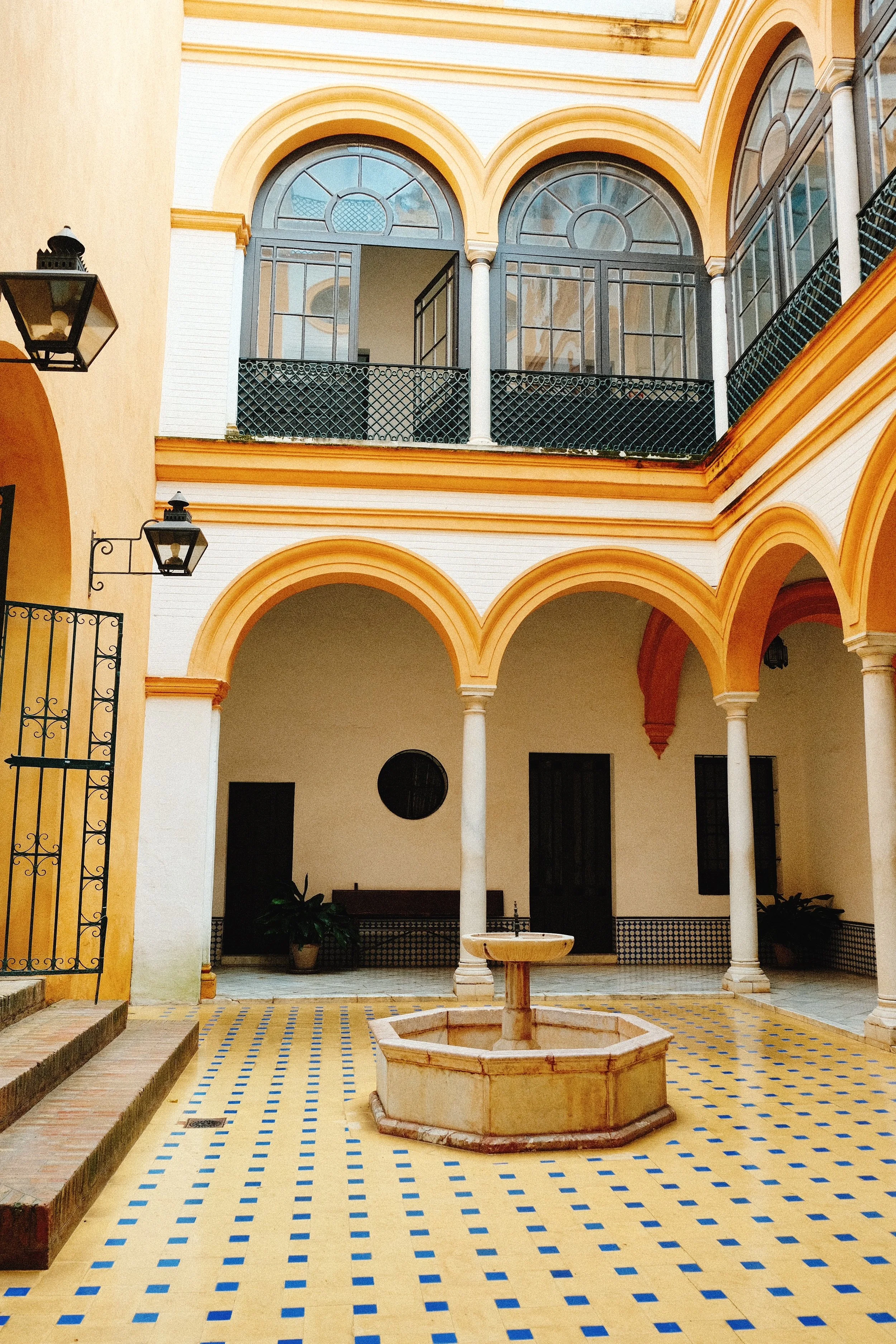
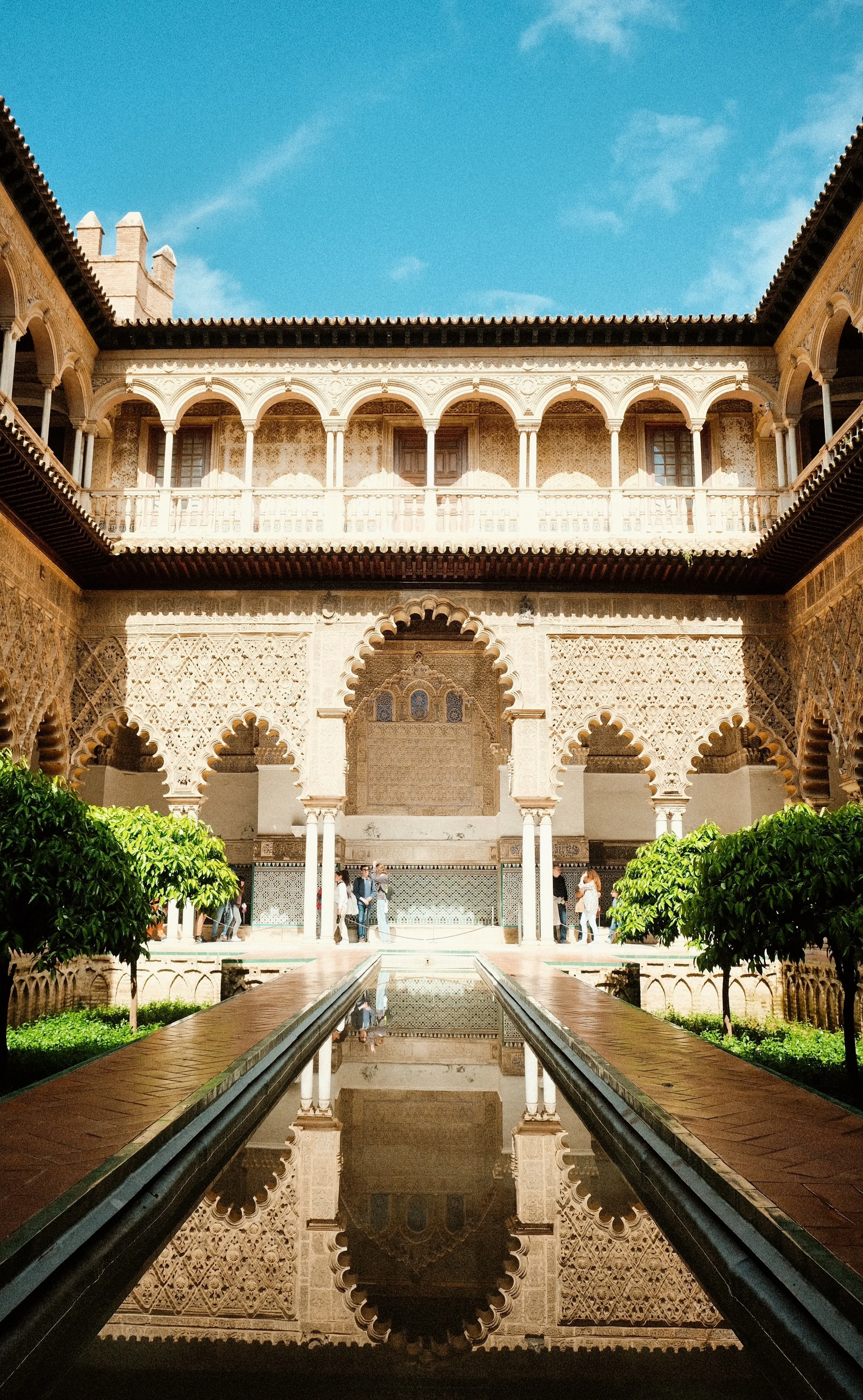
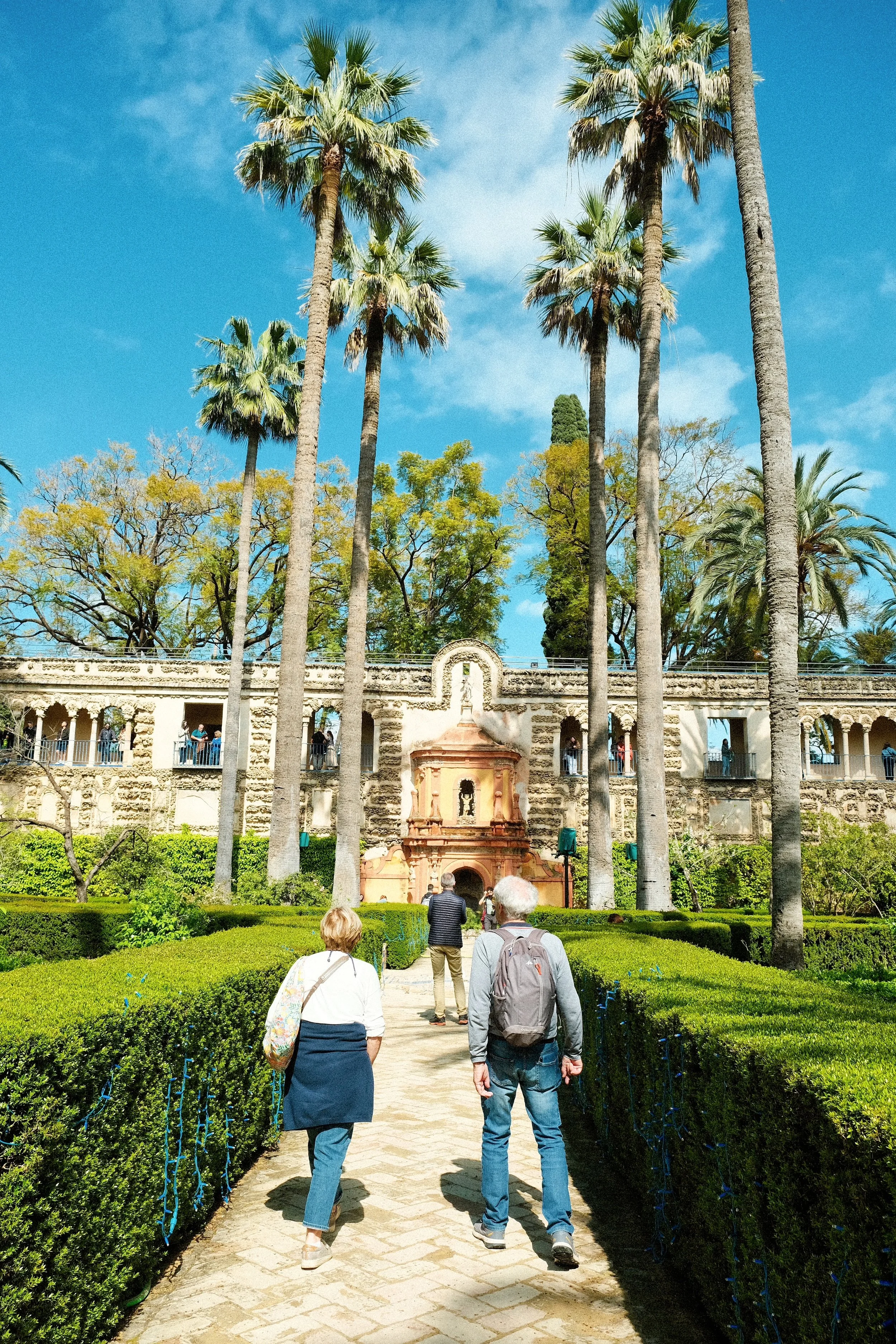
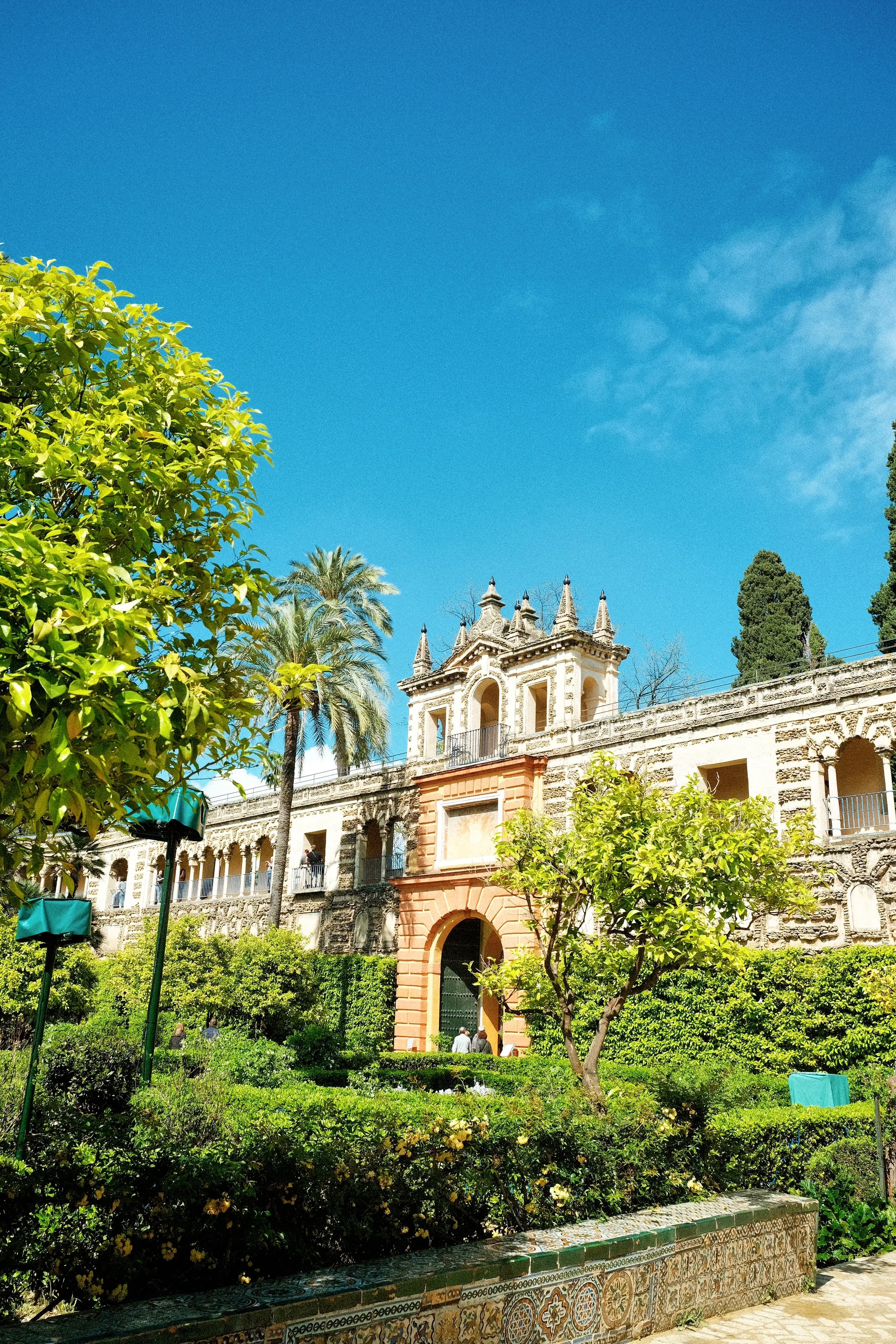
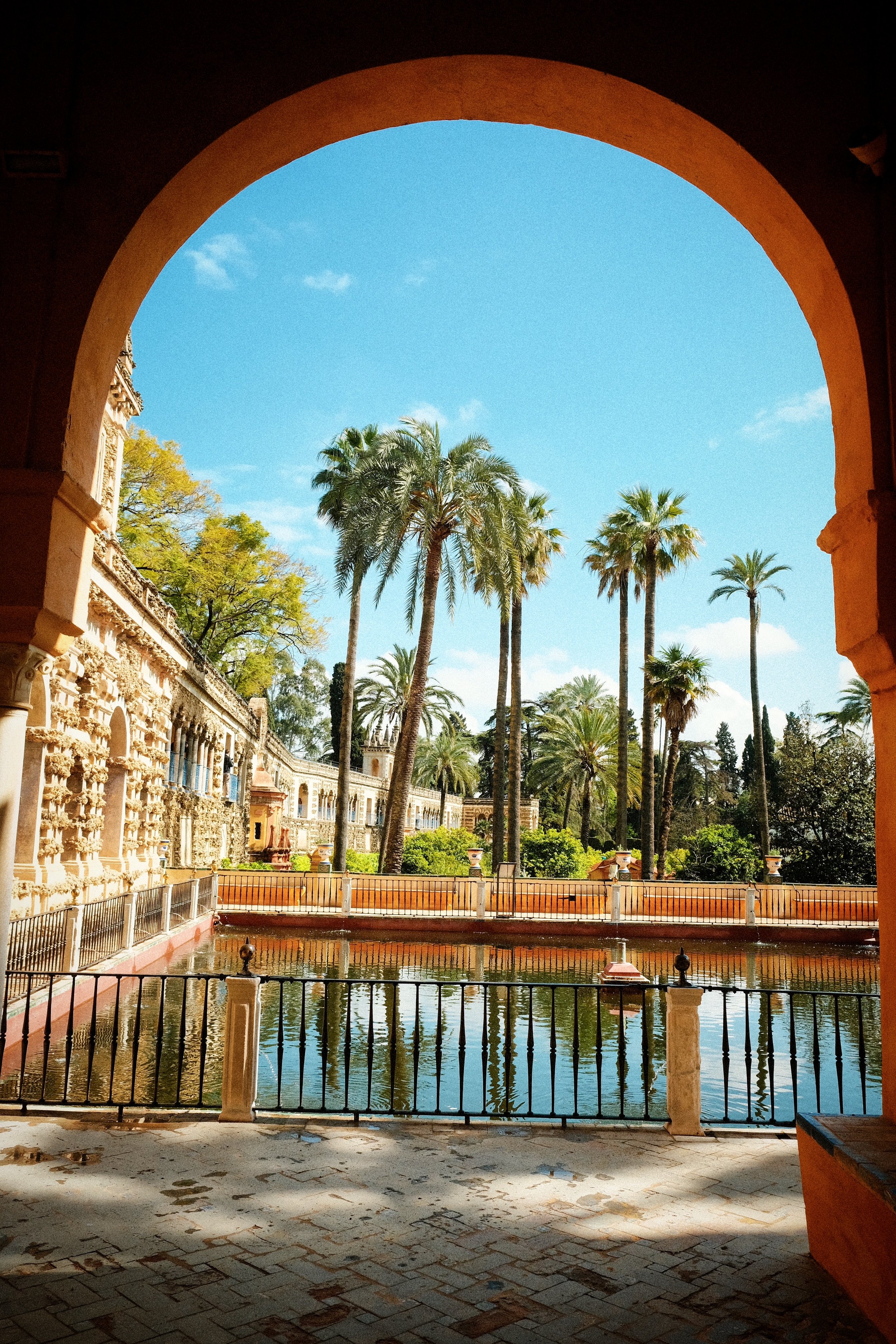
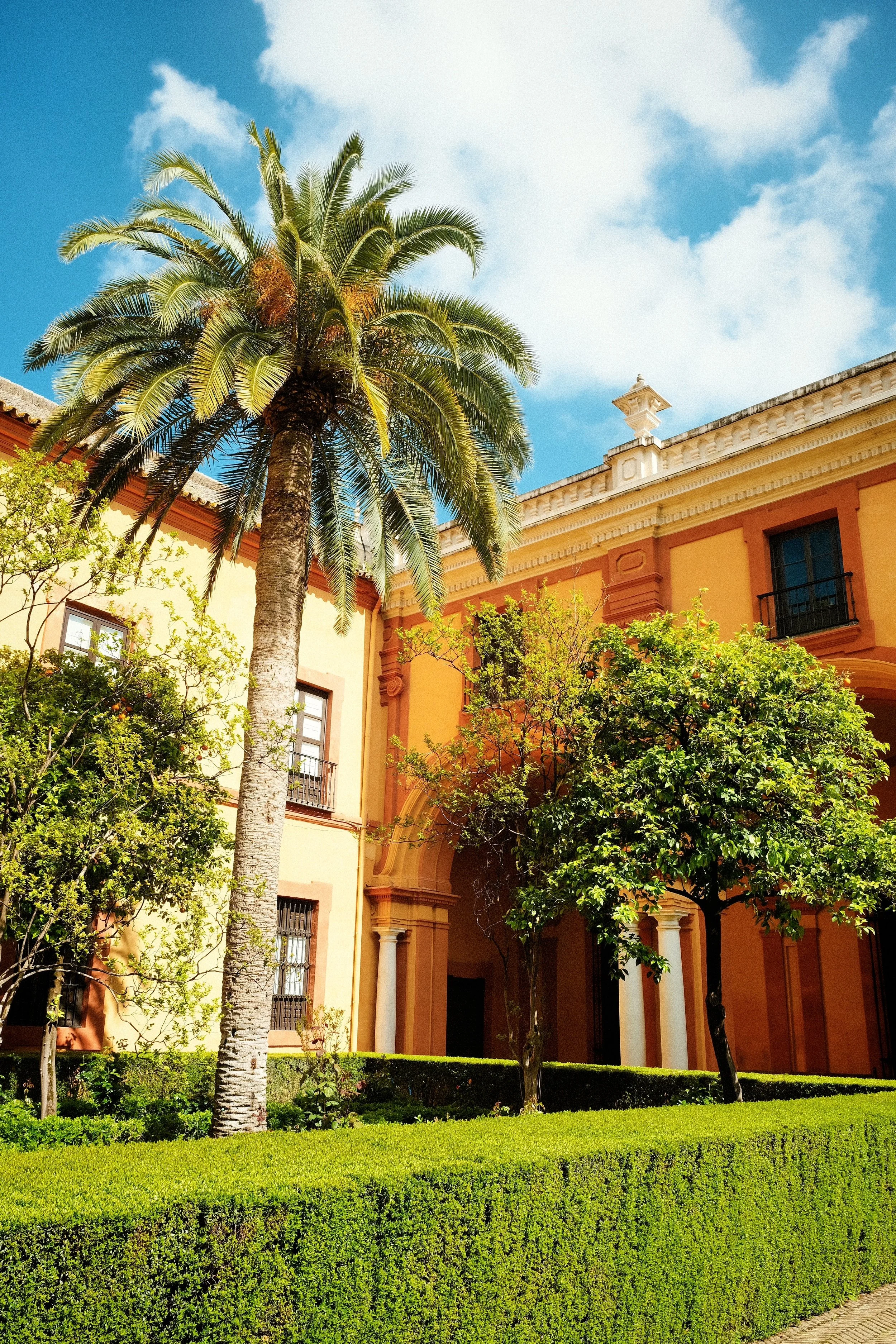
In the afternoon, we visited the Real Alcázar of Seville, which is one of the most impressive places in the city. Originally developed as a Moorish fort, it reflects centuries of layered history (Islamic, Gothic, Renaissance) all sitting together. The intricate tilework, arches and gardens are incredible, and it’s a good reminder of how much of southern Spain’s identity is shaped by its Moorish past.
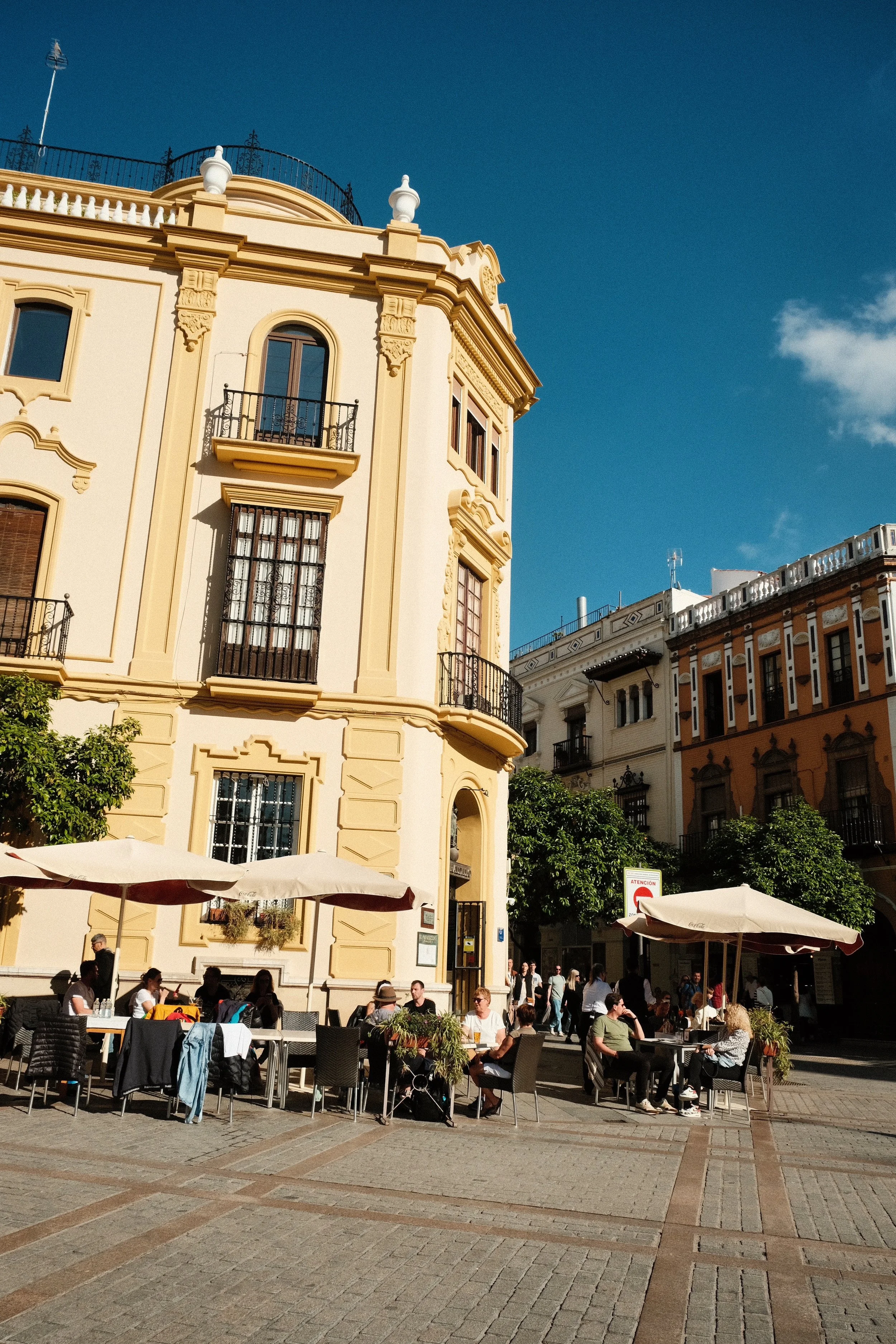
The following day, we went to the Plaza de Toros de la Maestranza and took a tour to learn about the history of bullfighting. Whether you agree with it or not, it’s clearly deeply embedded in Spanish culture and understanding that context adds another layer to the city.
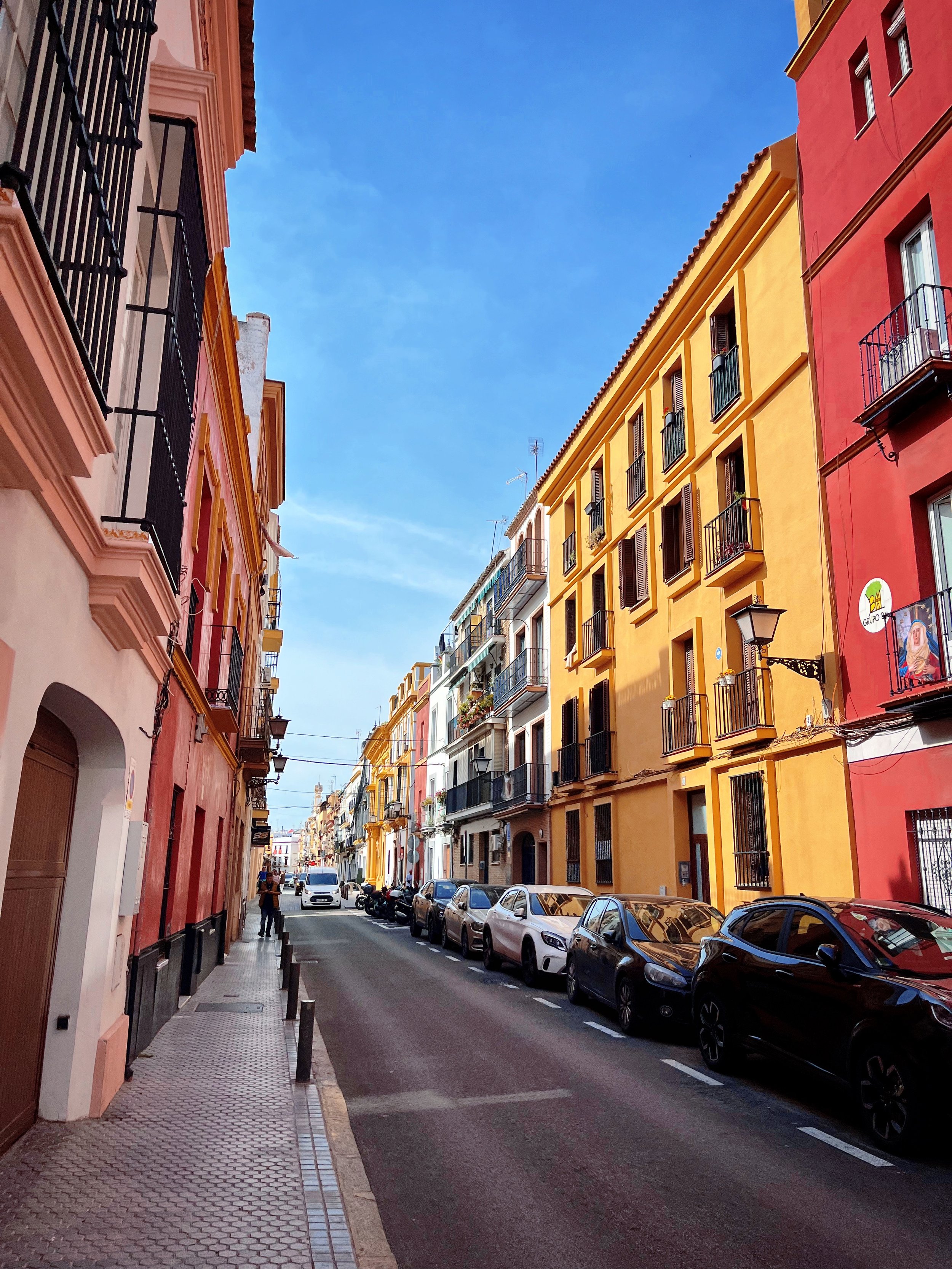
We then spent the afternoon in Triana, just across the river. Traditionally a working-class area, it’s known for ceramics, flamenco and a slightly different energy to the centre.
That evening, we went to a flamenco show, and it was probably the highlight of the trip. Flamenco originated in Andalusia, influenced by Romani, Moorish and Jewish cultures and it’s much more intense than I expected. It’s not just dancing, it’s singing, guitar, rhythm and emotion all at once. The performance felt raw and powerful, and completely held my attention from start to finish.
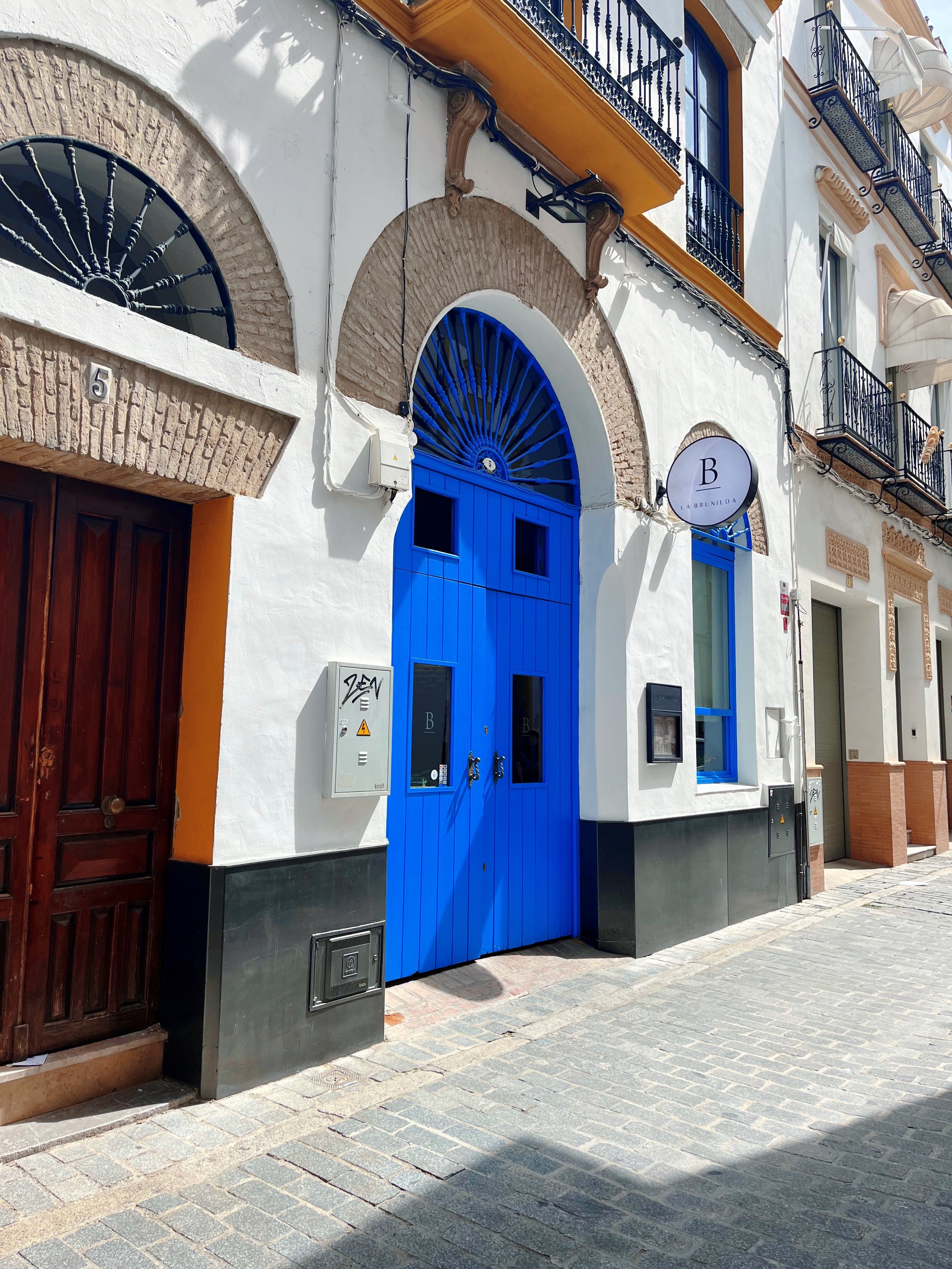
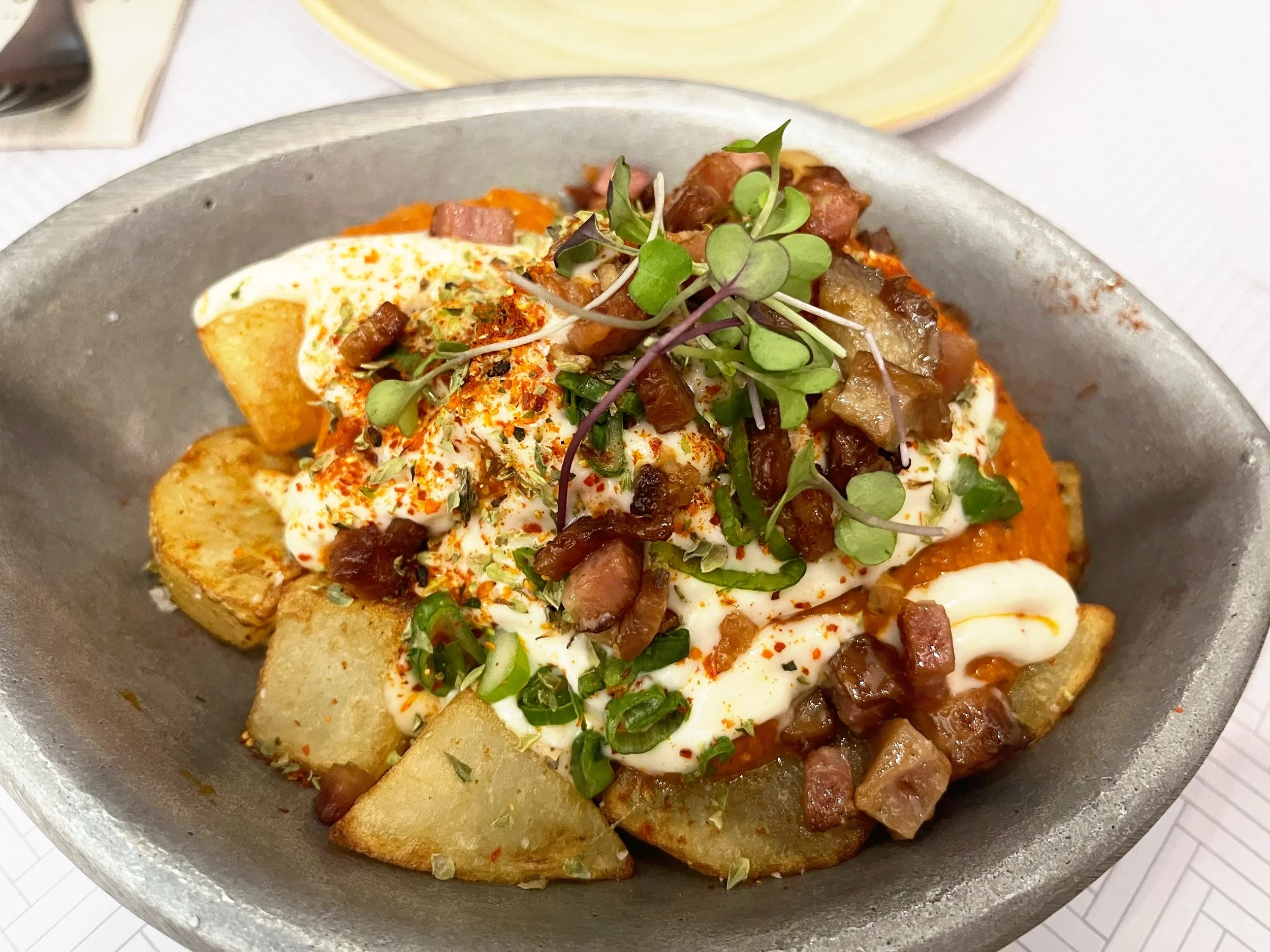
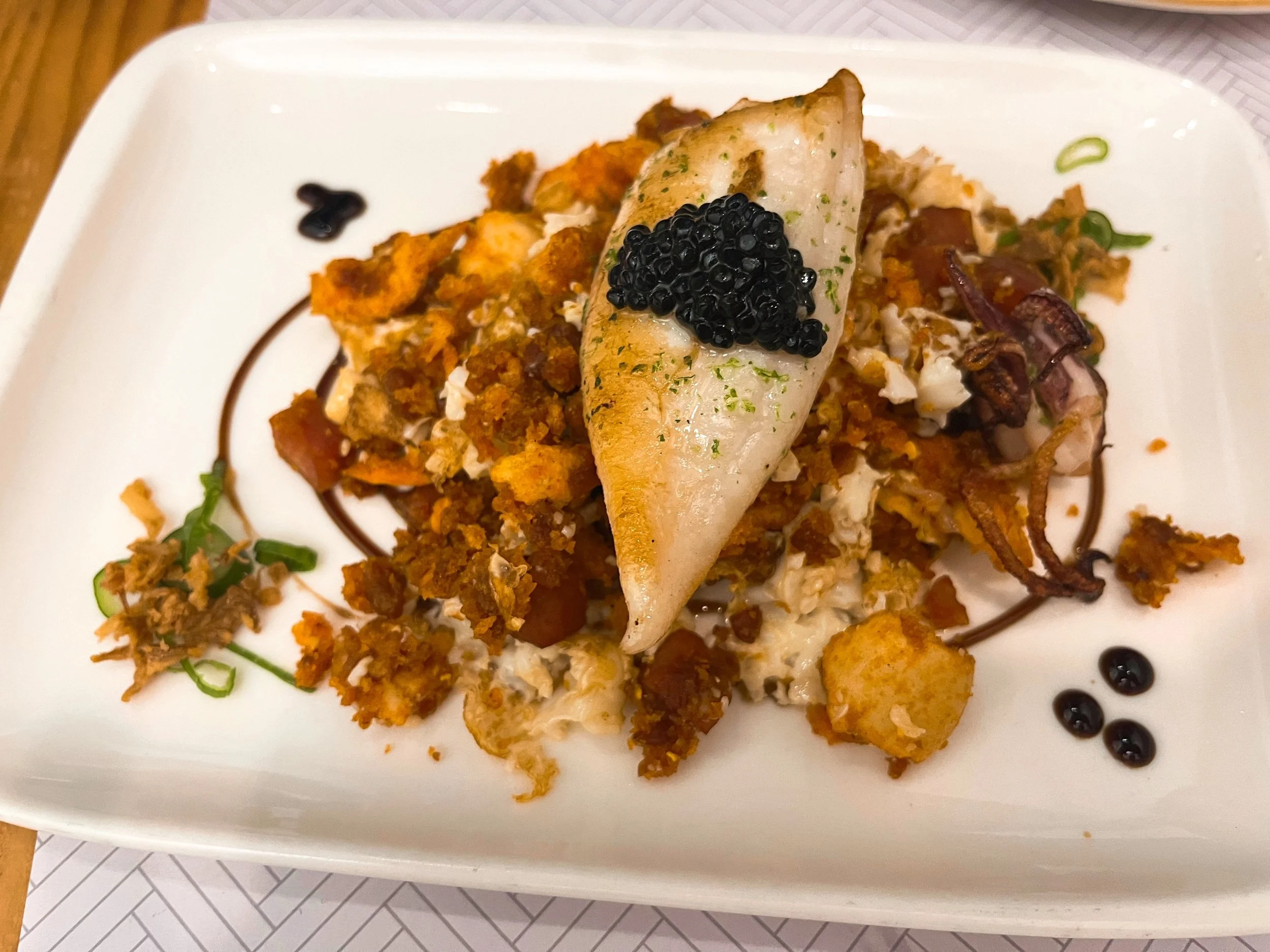
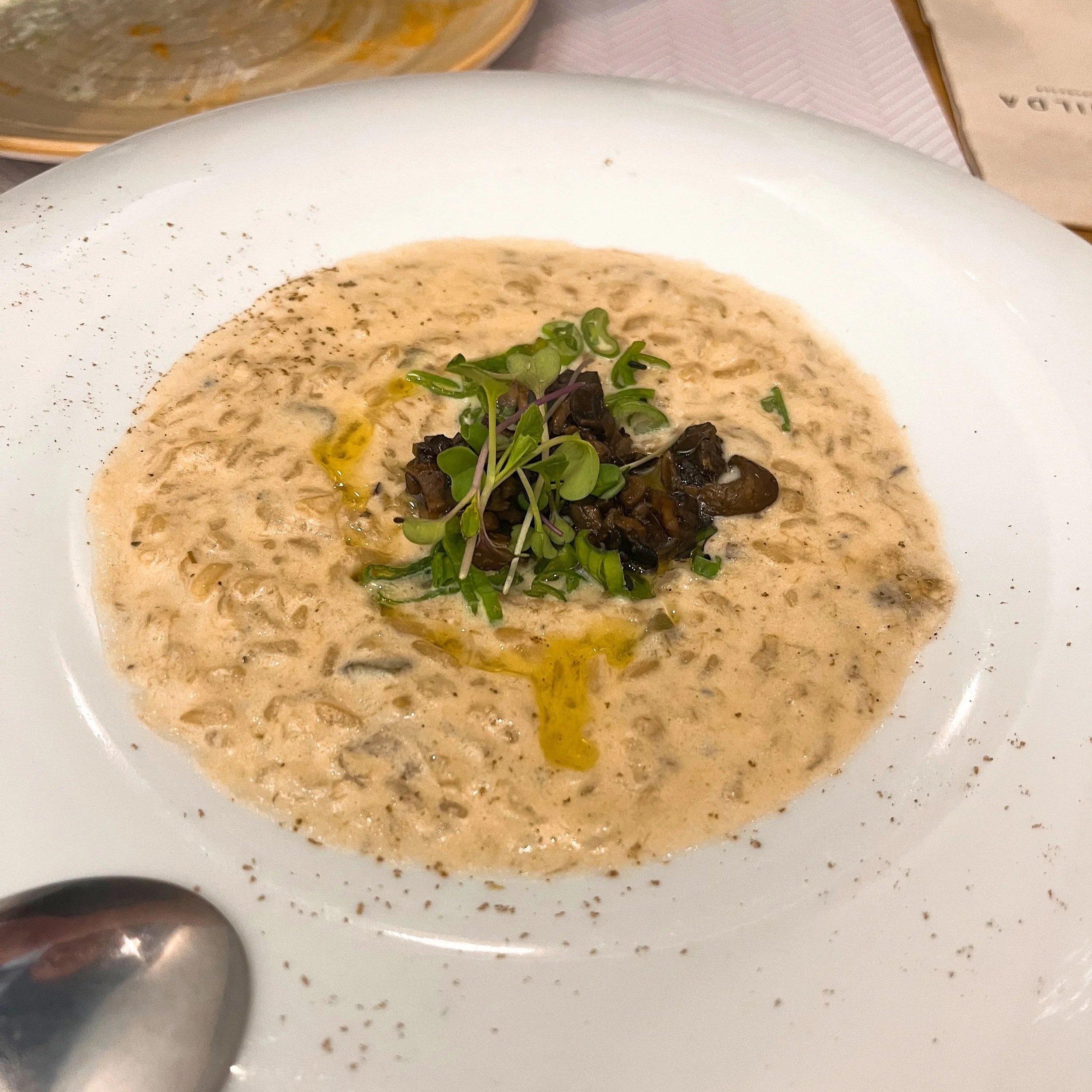
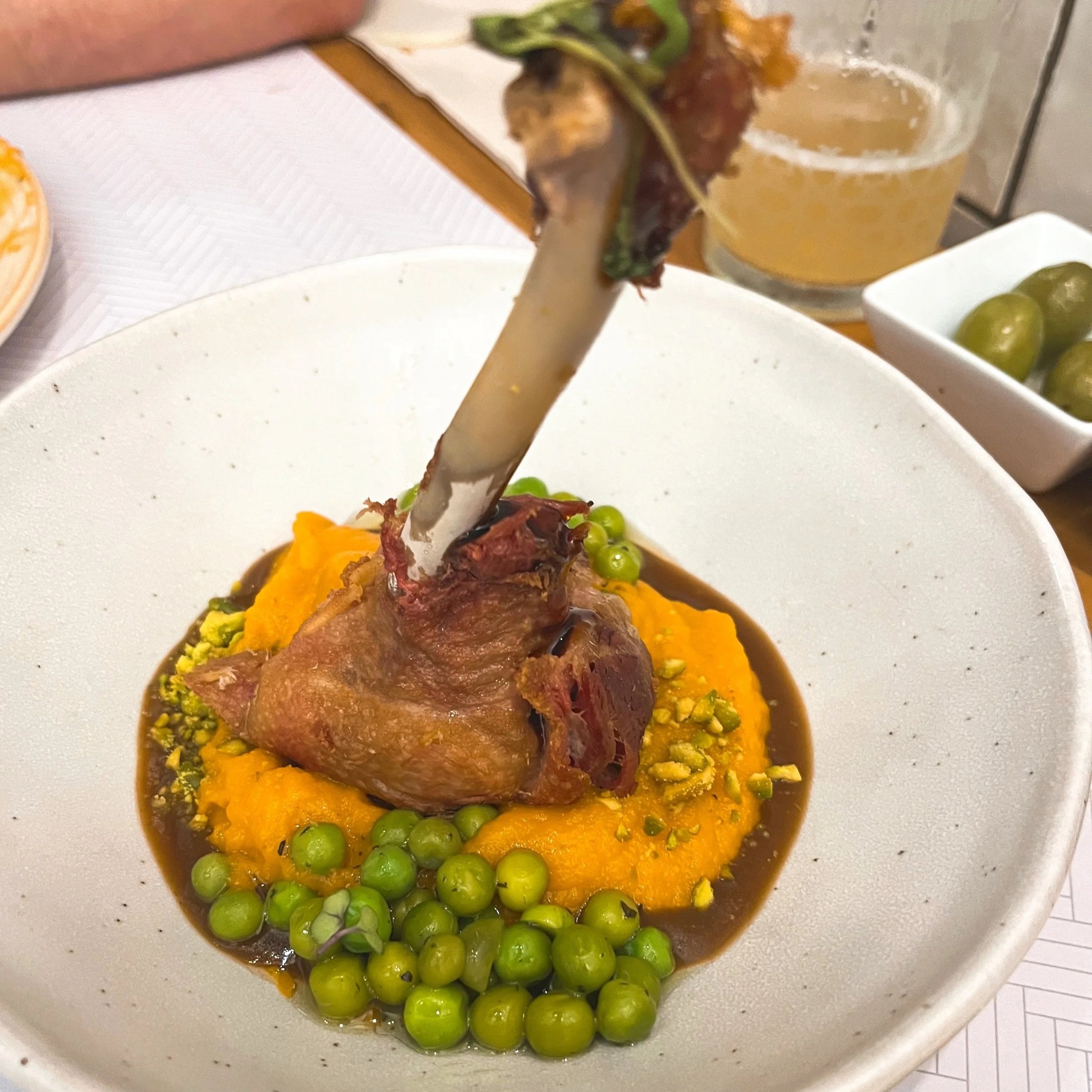
On our final day, we had lunch at La Brunilda, which was excellent. Every dish was strong, but the creamy risotto really stood out as one of those plates you remember long after.
Seville feels like a city that lives fully in its traditions but doesn’t feel stuck in them. It’s easy to enjoy without overplanning. Three days felt like a perfect introduction, but I’d happily go back for longer.