Rome, Italy
The first time I visited Rome, it was fleeting. Just a few hours carved out of a longer trip, a brief encounter that felt incomplete almost as soon as it began. Even then, it was clear the city required more time than I had given it. This time, we returned with intention. A few slow days to walk, to eat and to let the place reveal itself.
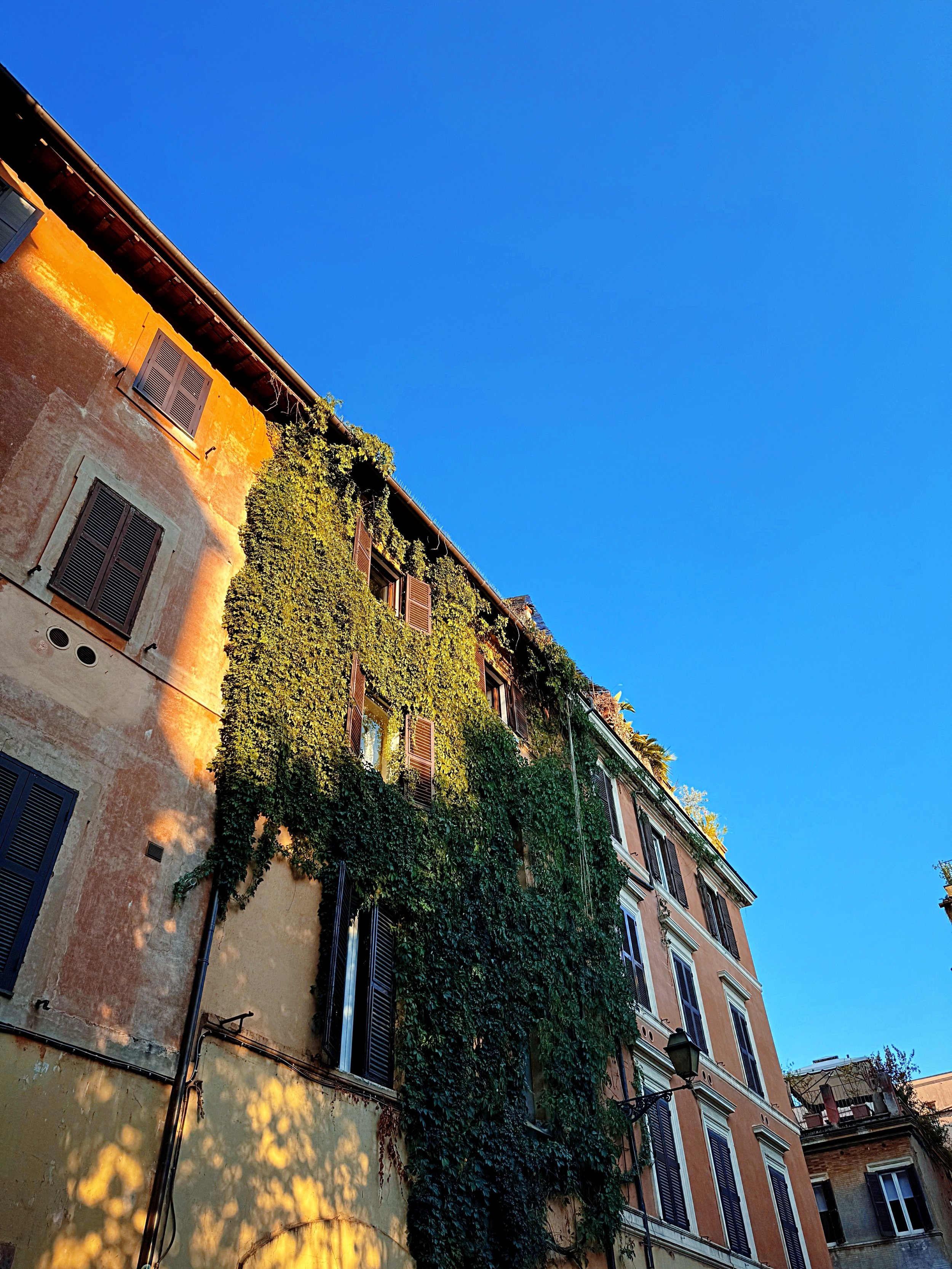
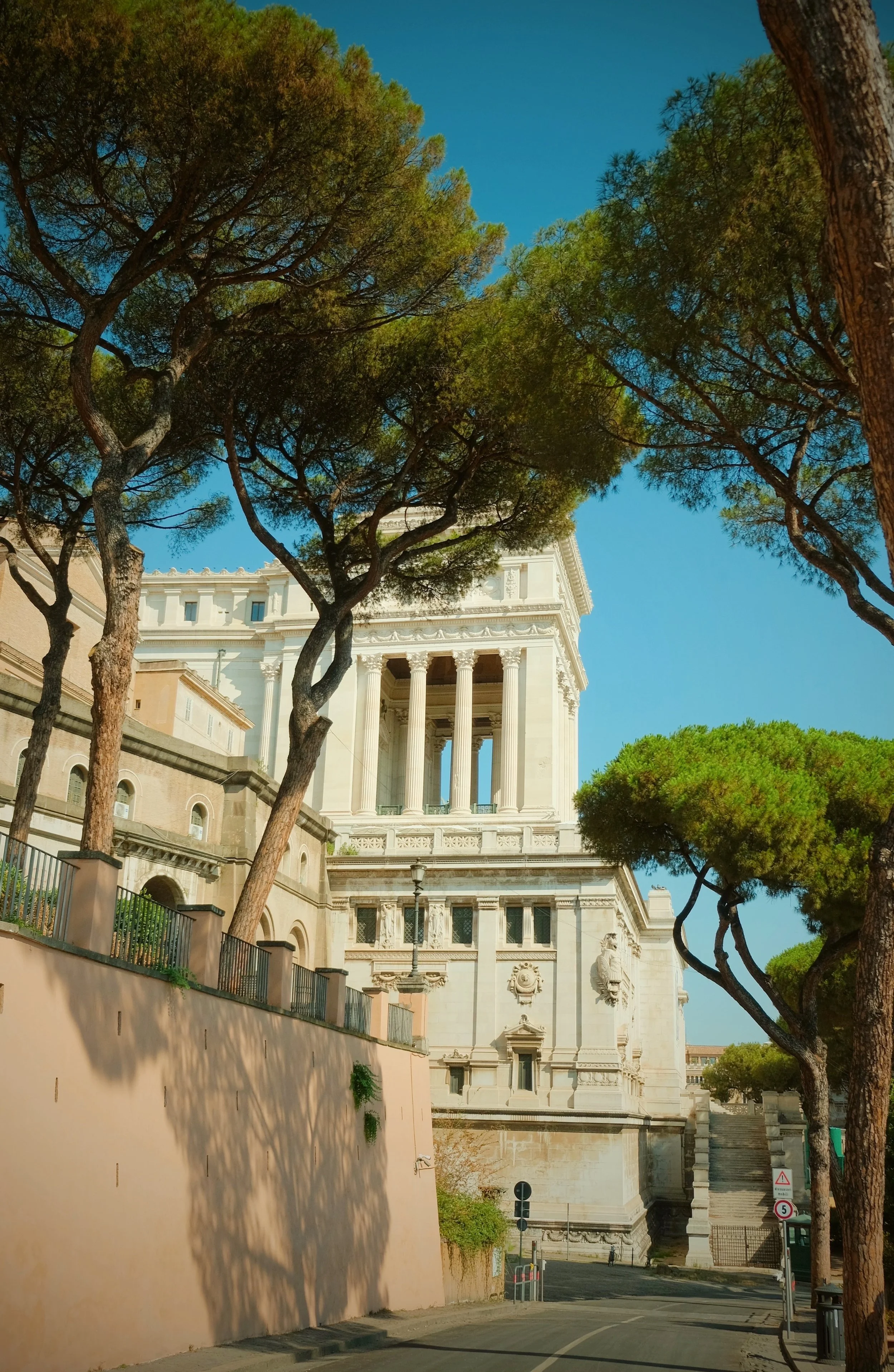
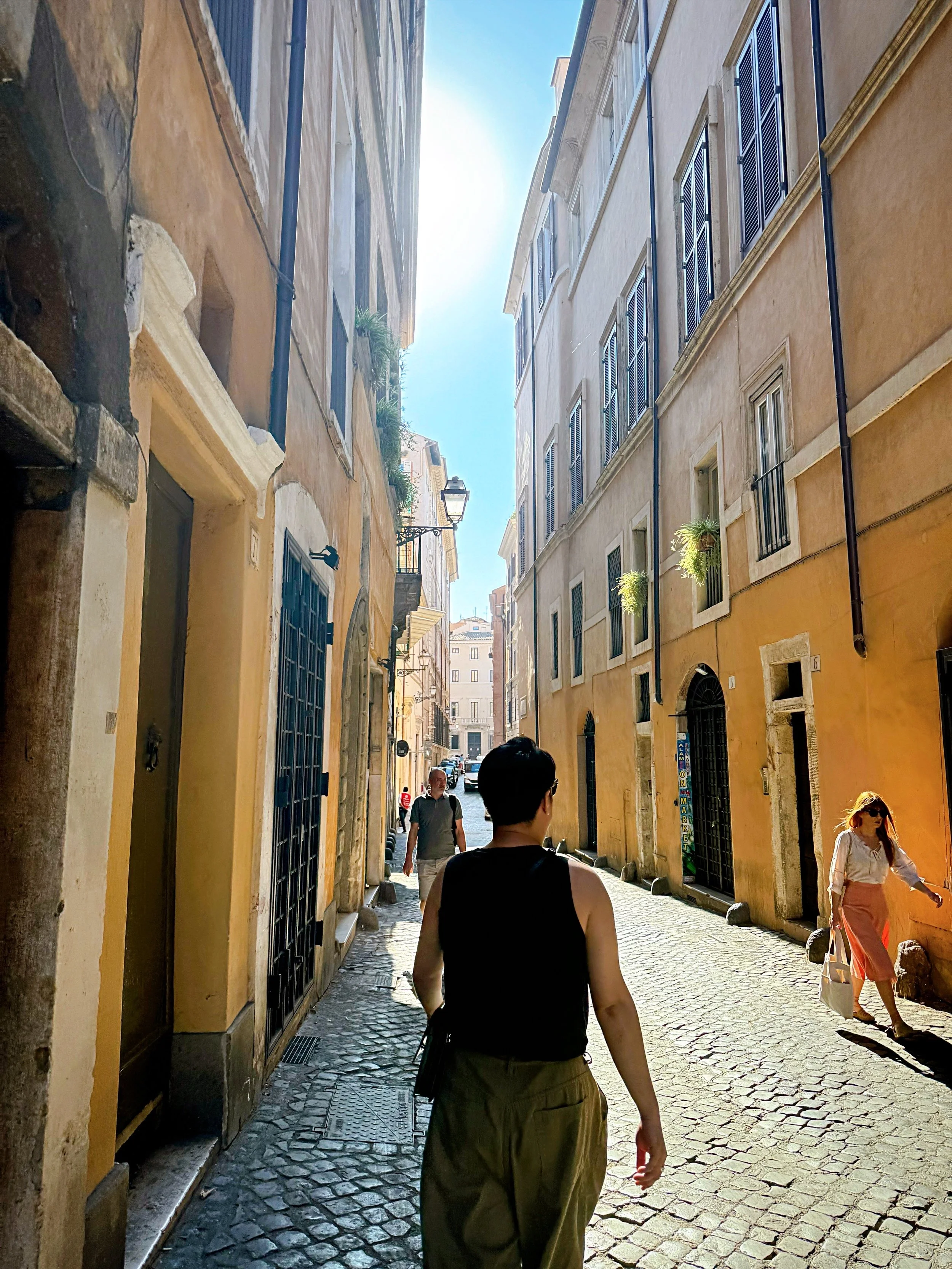
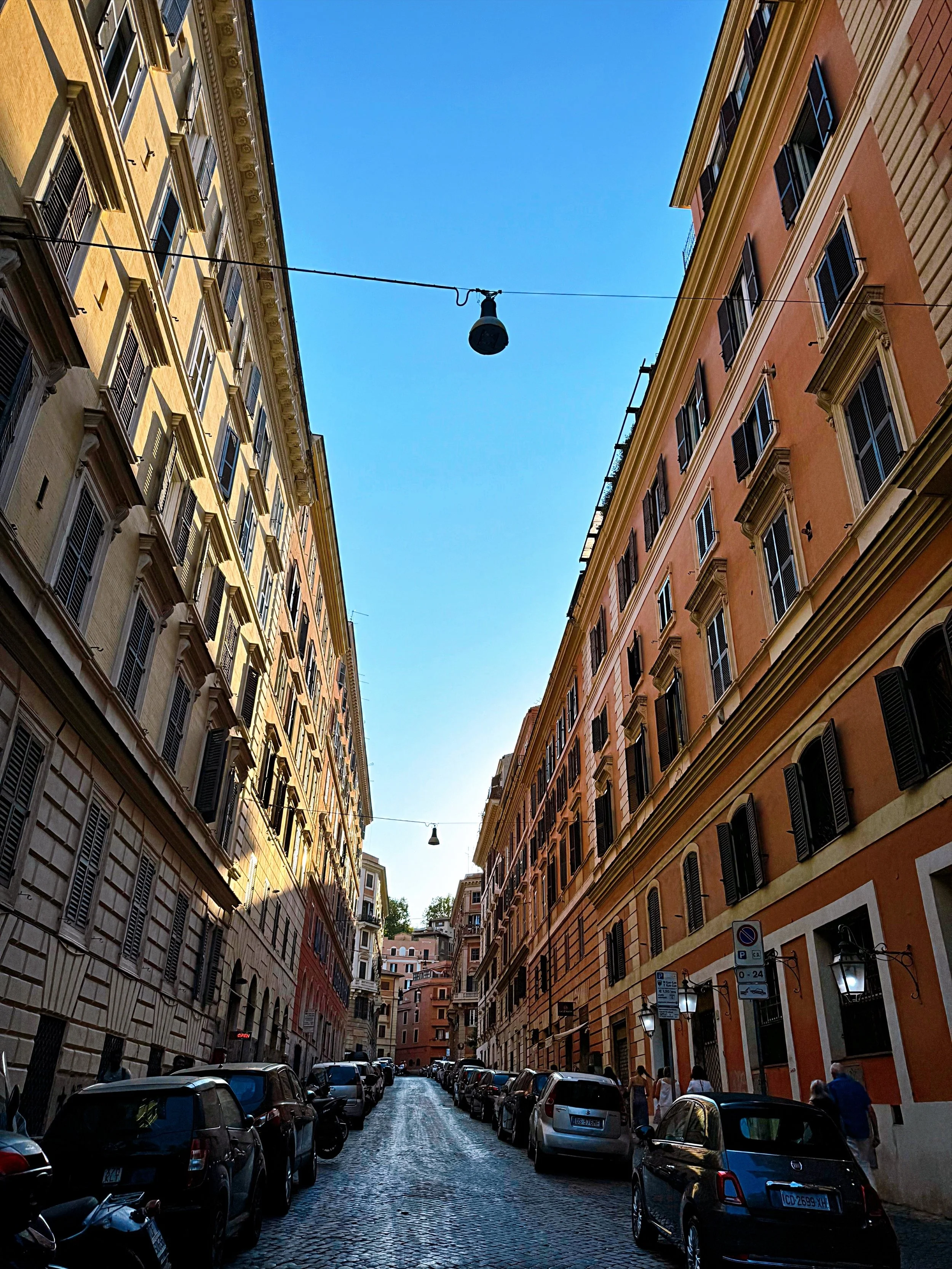
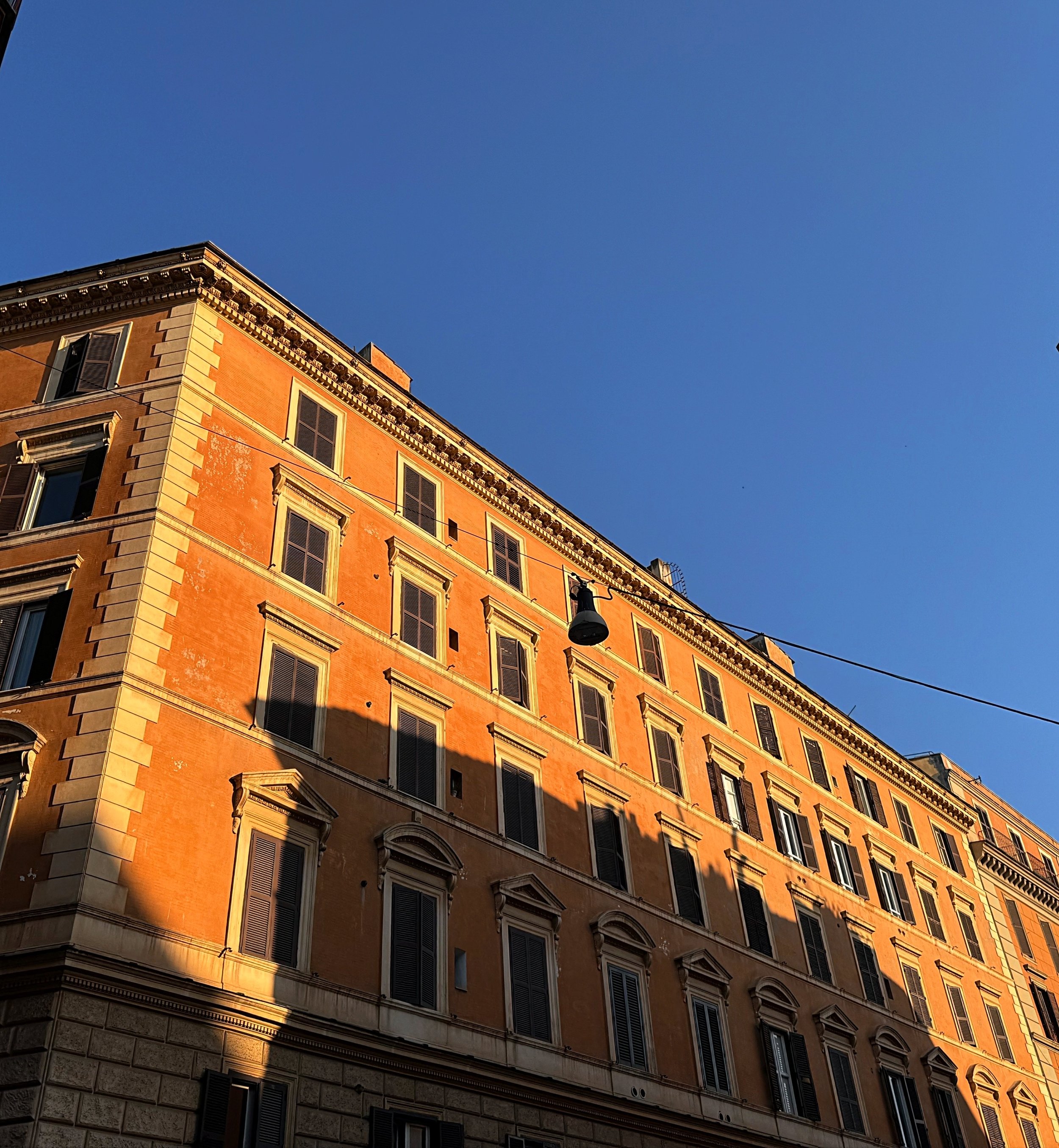
The first thing I noticed, again, was the light. Rome has a particular quality to it, something warm and low that softens the edges of everything it touches. Although that feeling could also be the wine. It settles on stone and terracotta and seems to draw the past a little closer to the present. There is a reason artists have been drawn here for centuries. The city holds a unique beauty.
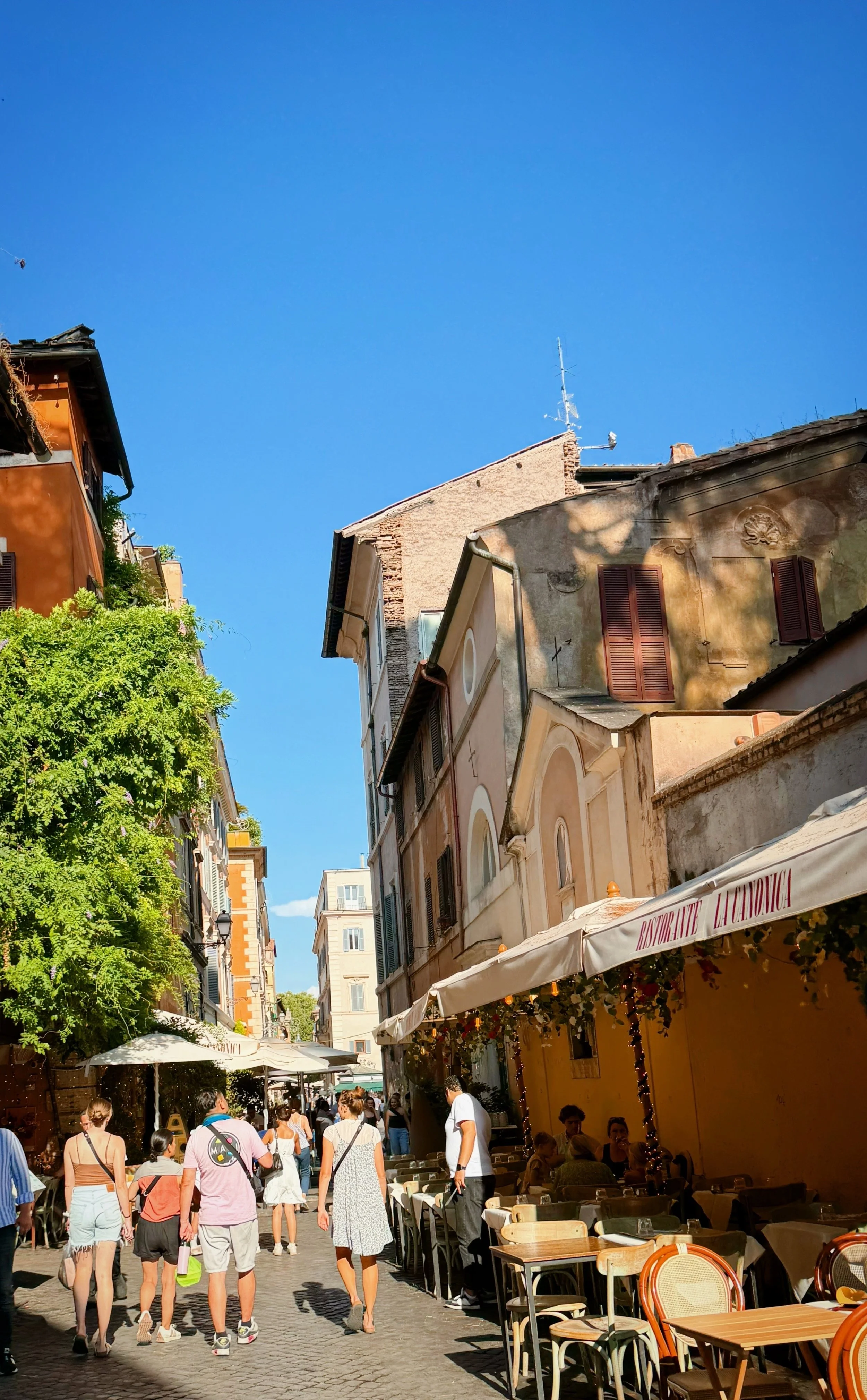
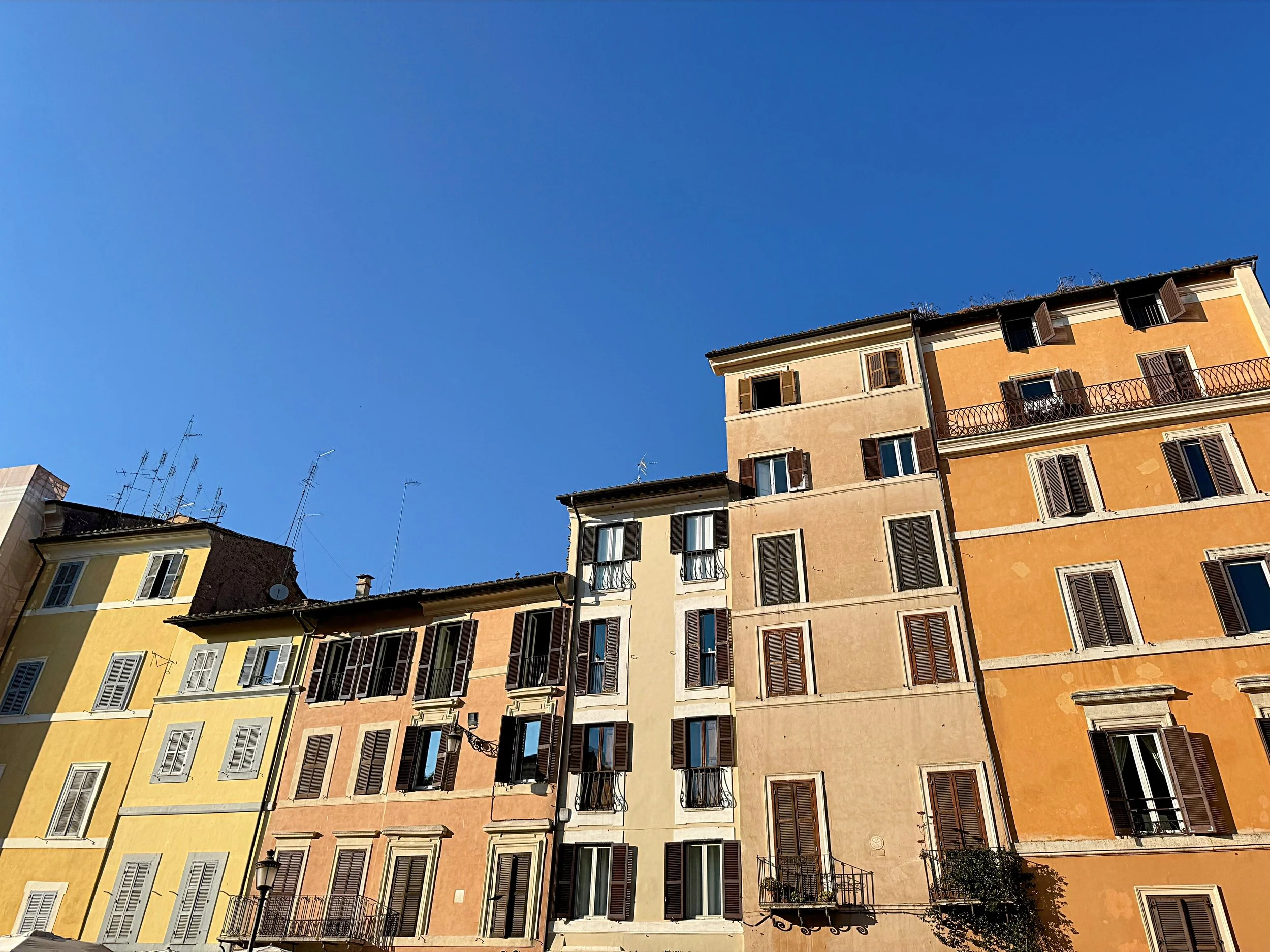
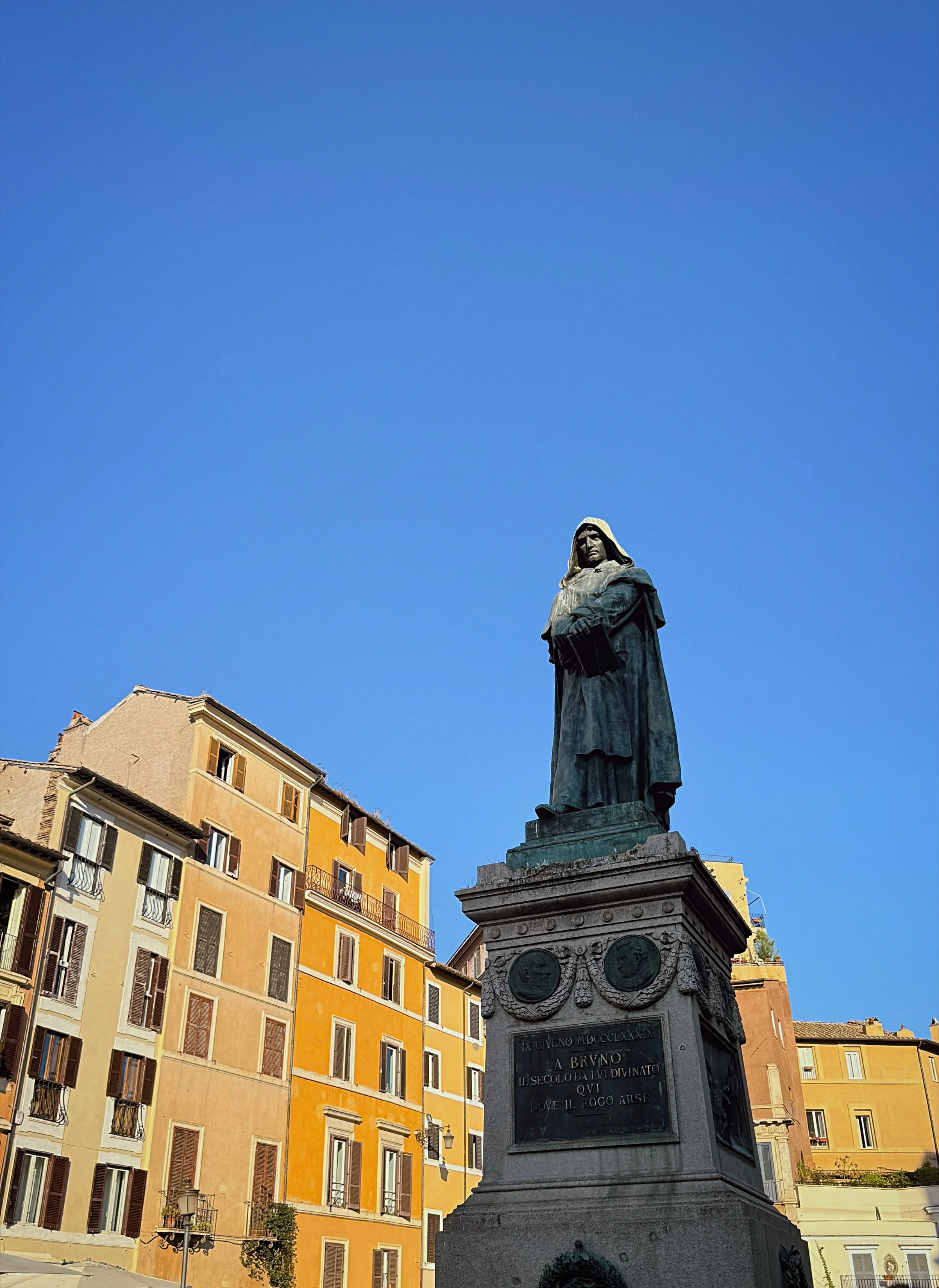
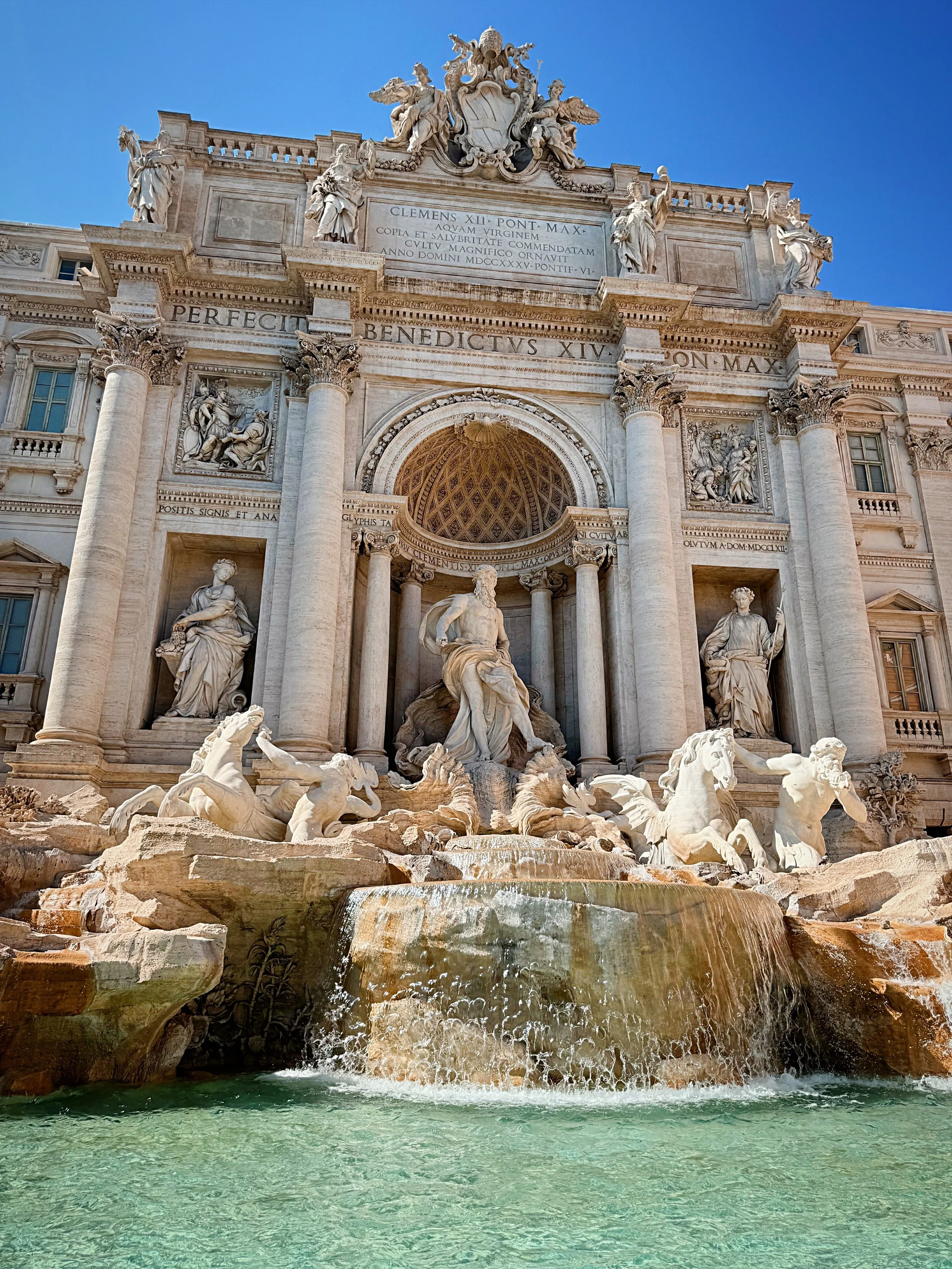
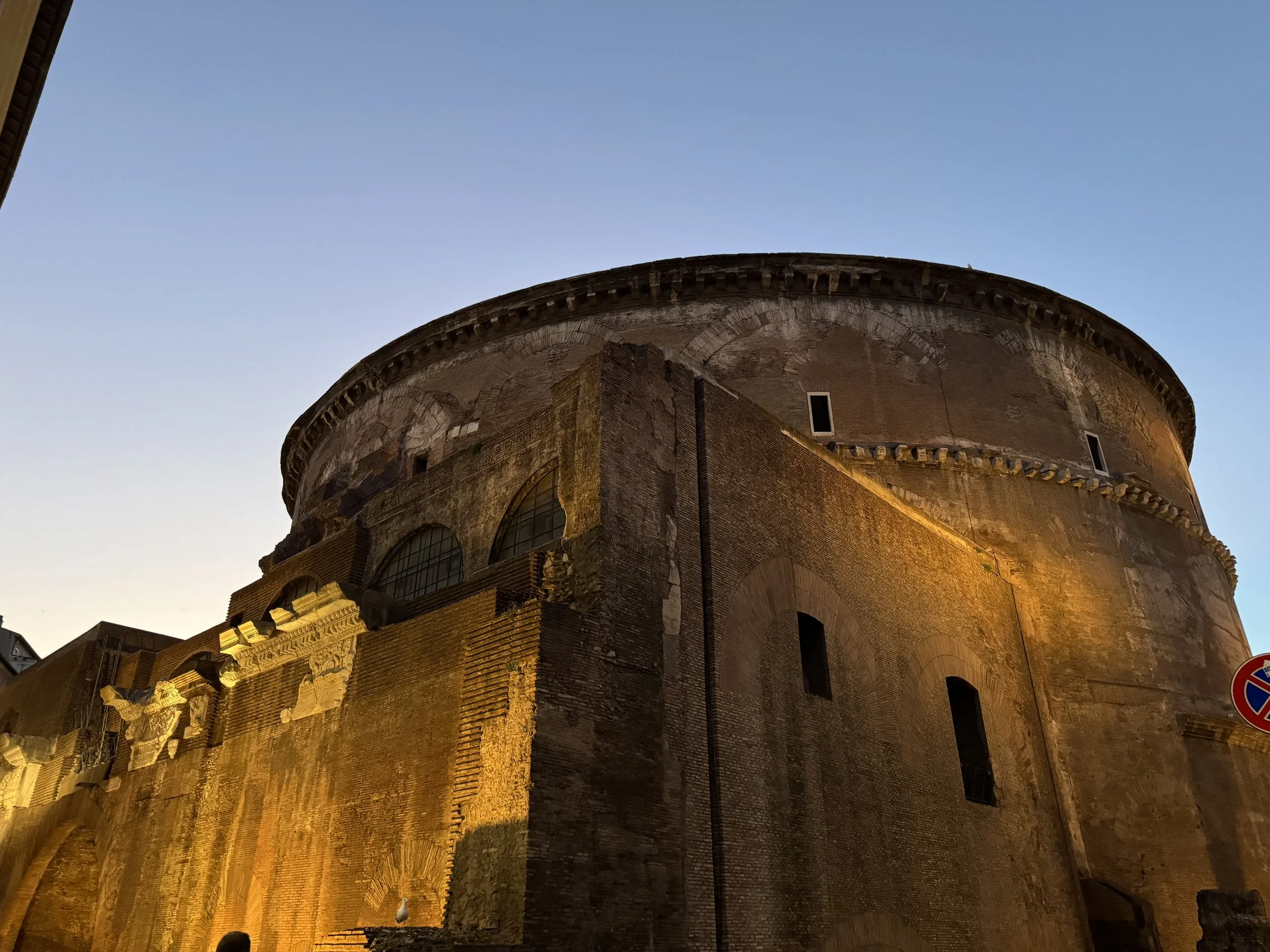
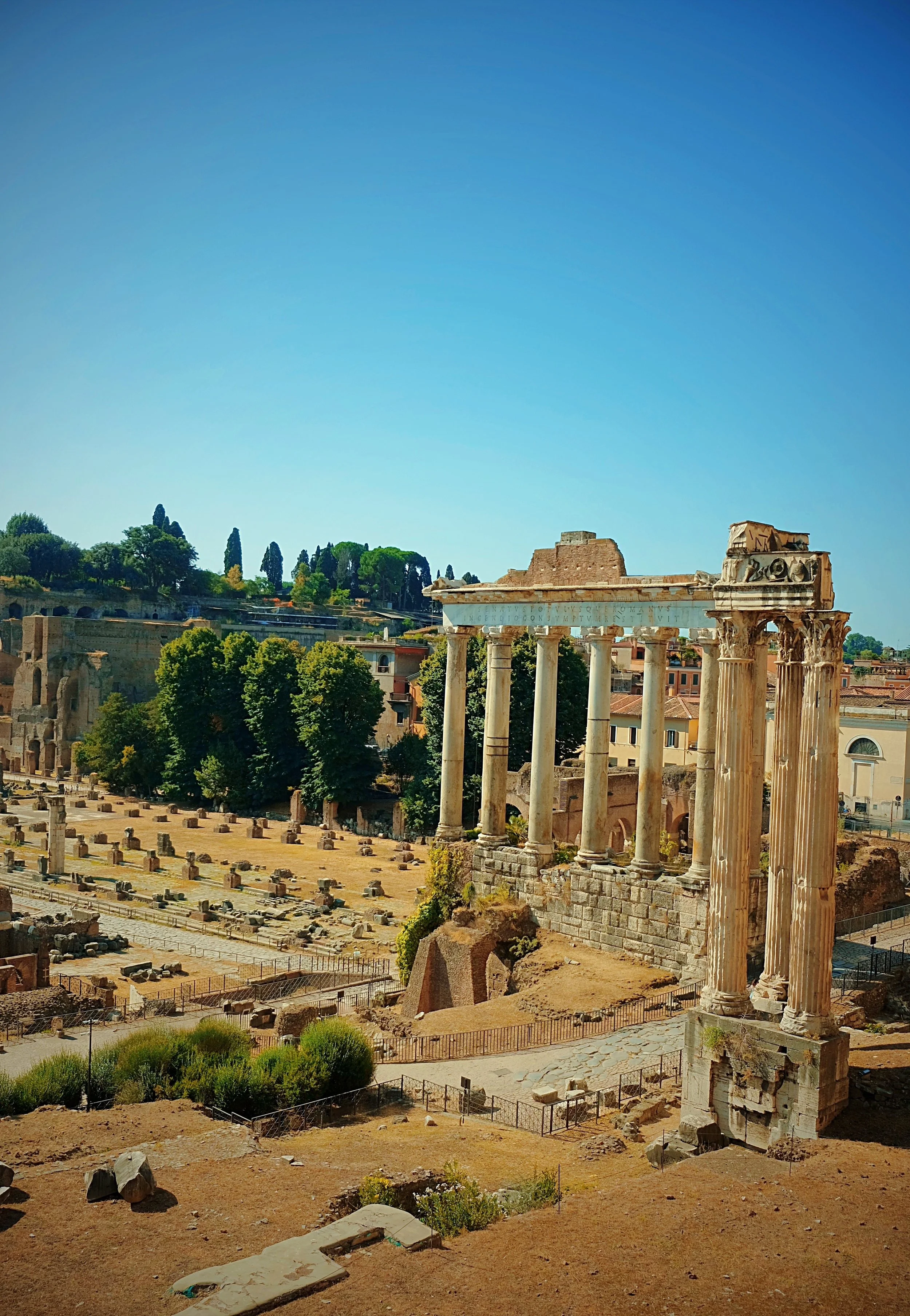
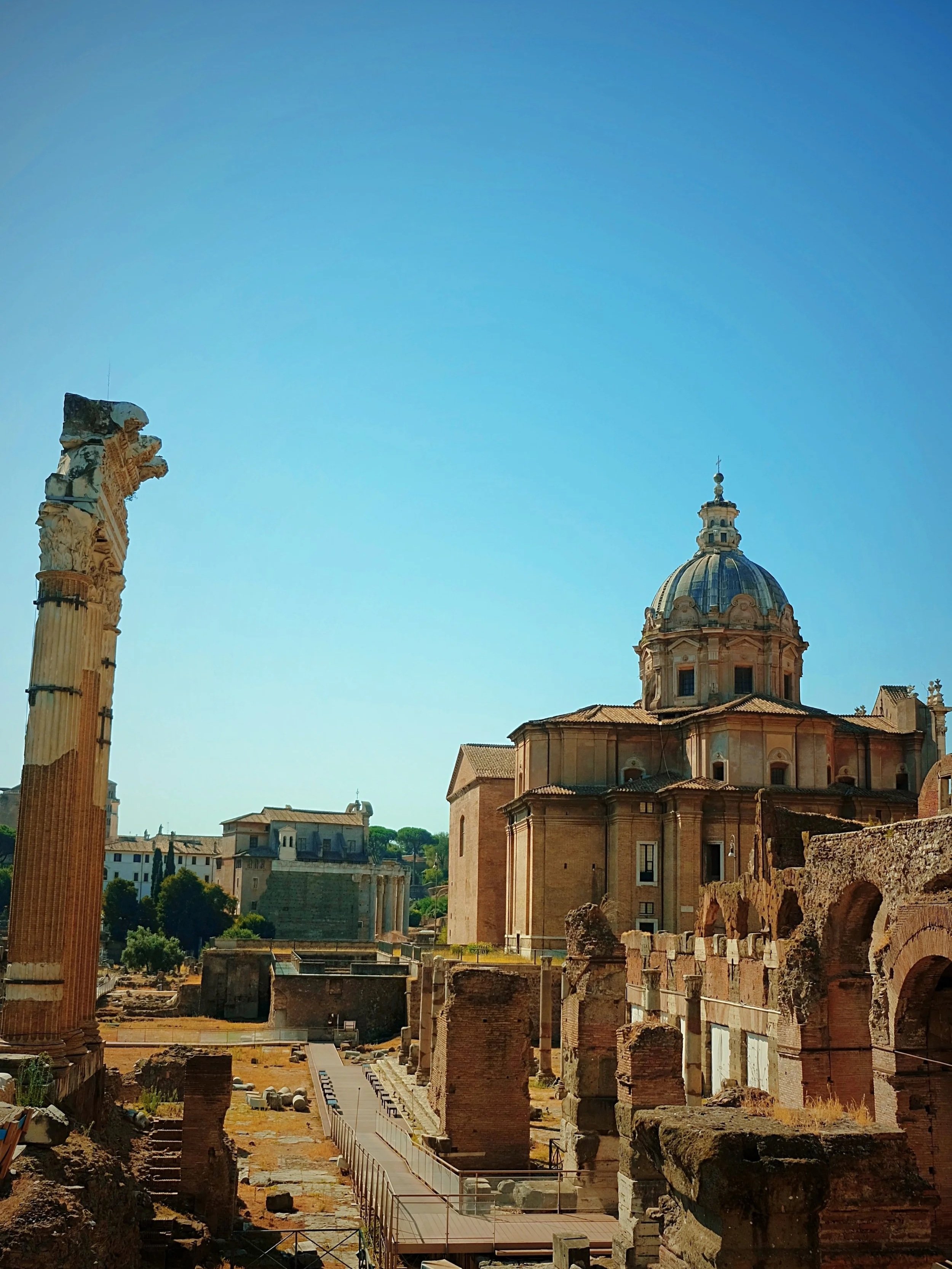
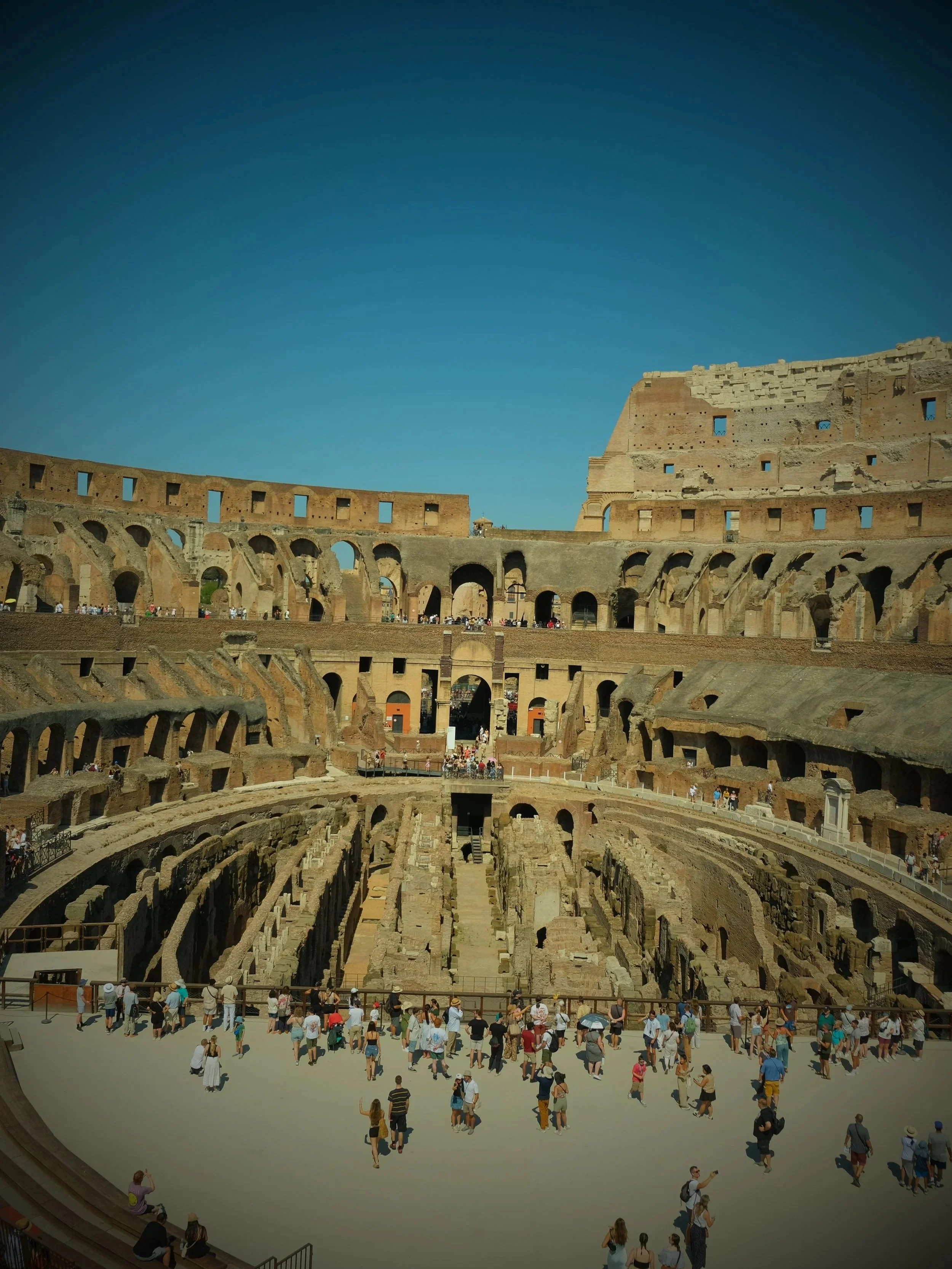
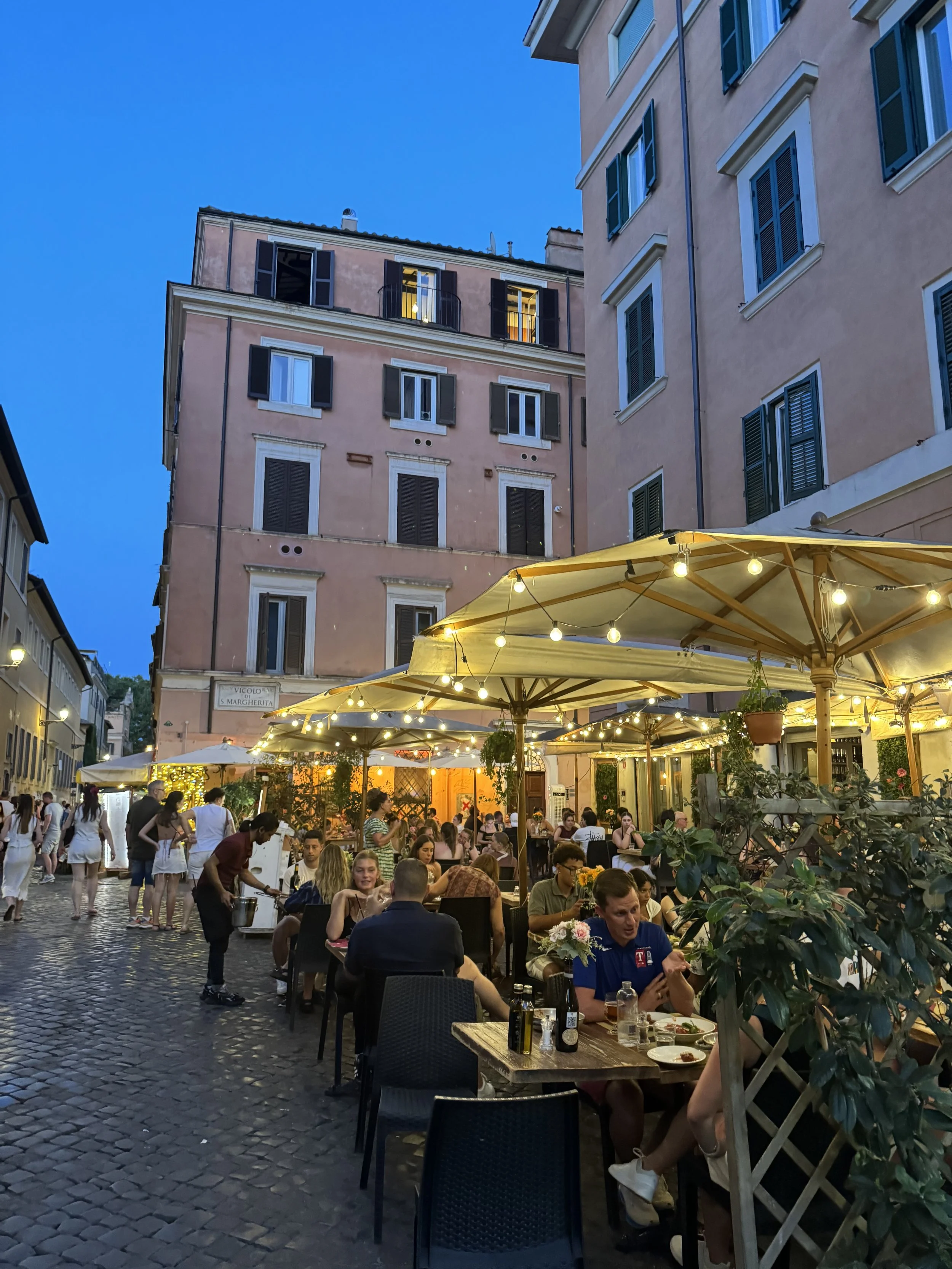
We were travelling with my partner’s family, visiting Europe for the first time from China. Rome felt like an obvious choice, not just for its history but for its food. My father-in-law’s enthusiasm for red wine and steak found an immediate home here. We stayed in Trastevere, which offered a slightly quieter base while still feeling close to the centre. From there, we leaned into the more familiar side of Rome. The landmarks that define it. The Colosseum, the Pantheon, the Trevi Fountain, and Palatine Hill. It could have felt formulaic, but it didn’t. There is a reason these places endure.
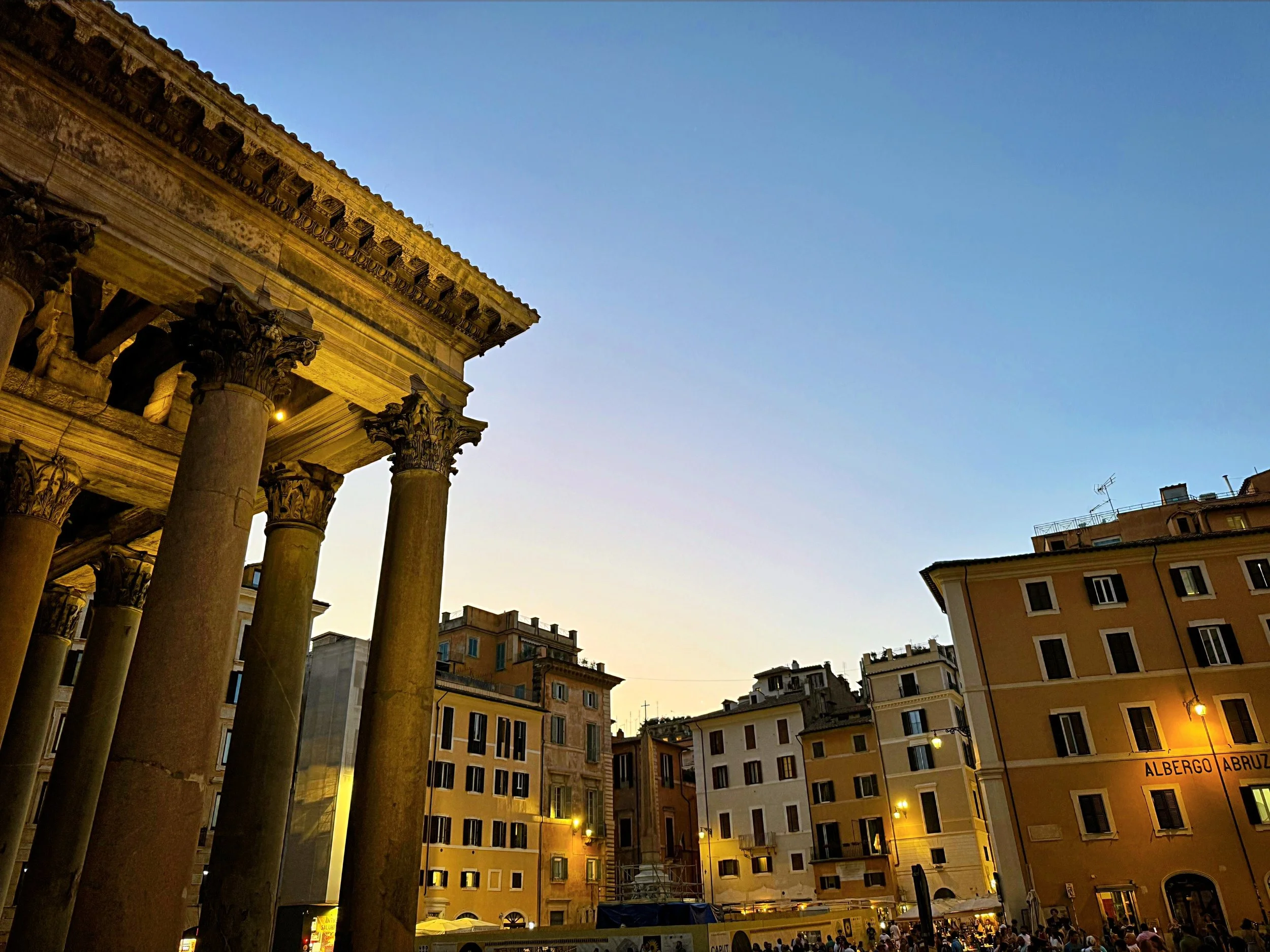
We planned carefully, booking everything early in the morning. It changed the experience entirely. The city felt calmer, more navigable and the heat had not yet settled in. By the time the crowds began to build, we were already moving towards long lunches and quieter afternoons. In August, that rhythm feels essential. Rome is not a city that rewards rushing, especially in the height of summer.
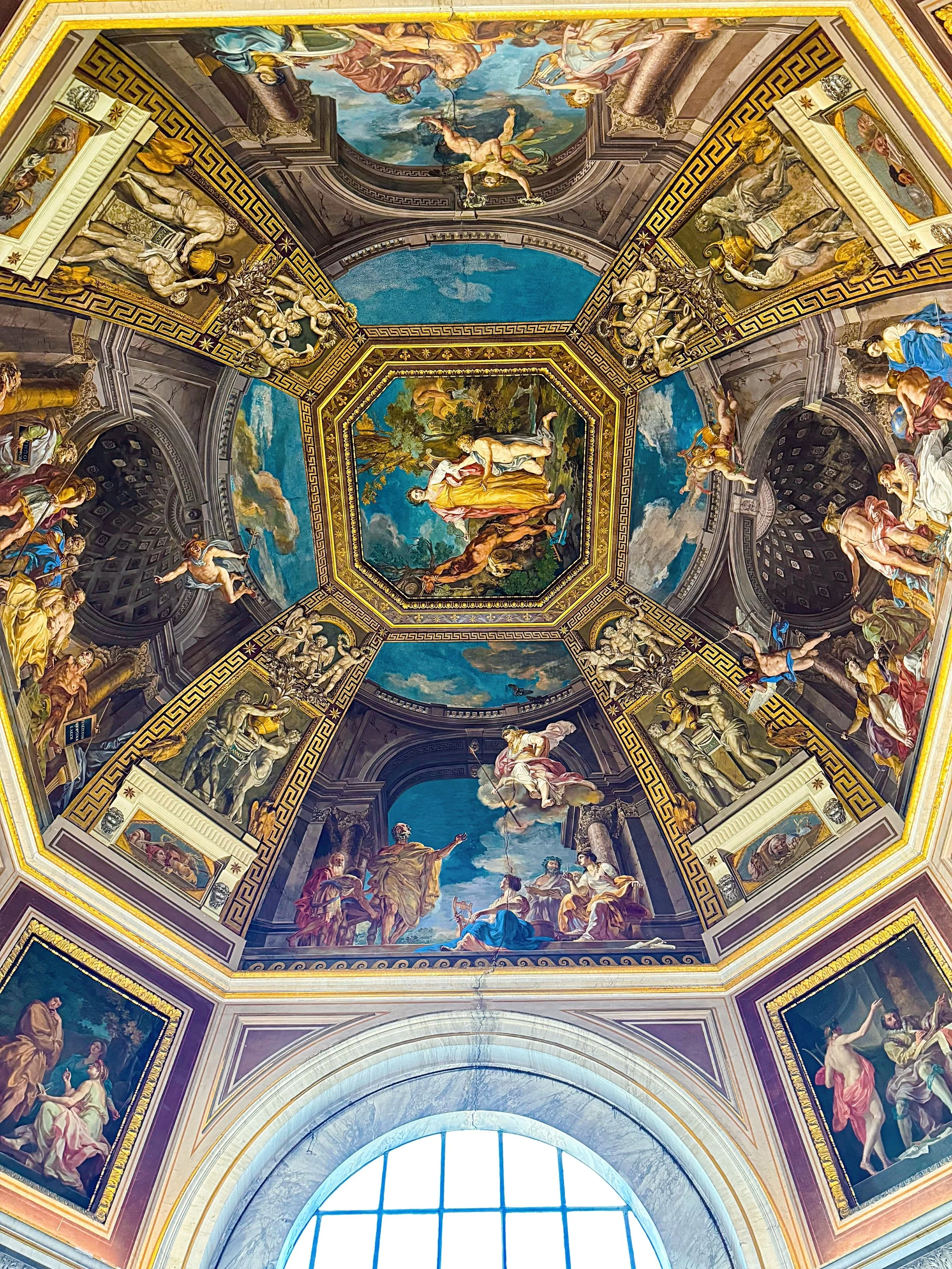
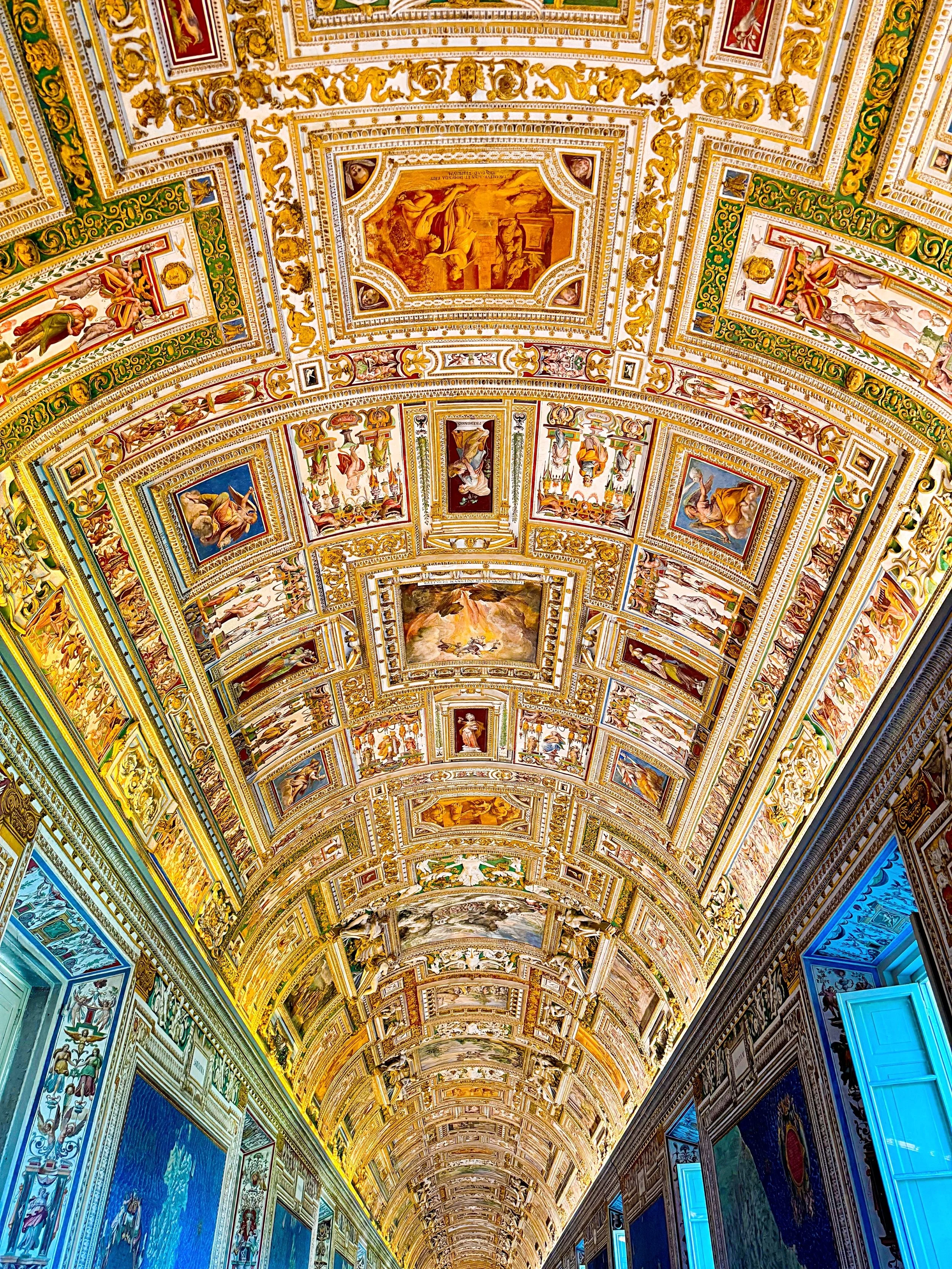
One day was given over to Vatican City. Even without any religious attachment, it is difficult not to be affected by the scale and intensity of it. The layers of symbolism, the iconography, the embellishment. It demands time, more than you expect and rewards it in equal measure.
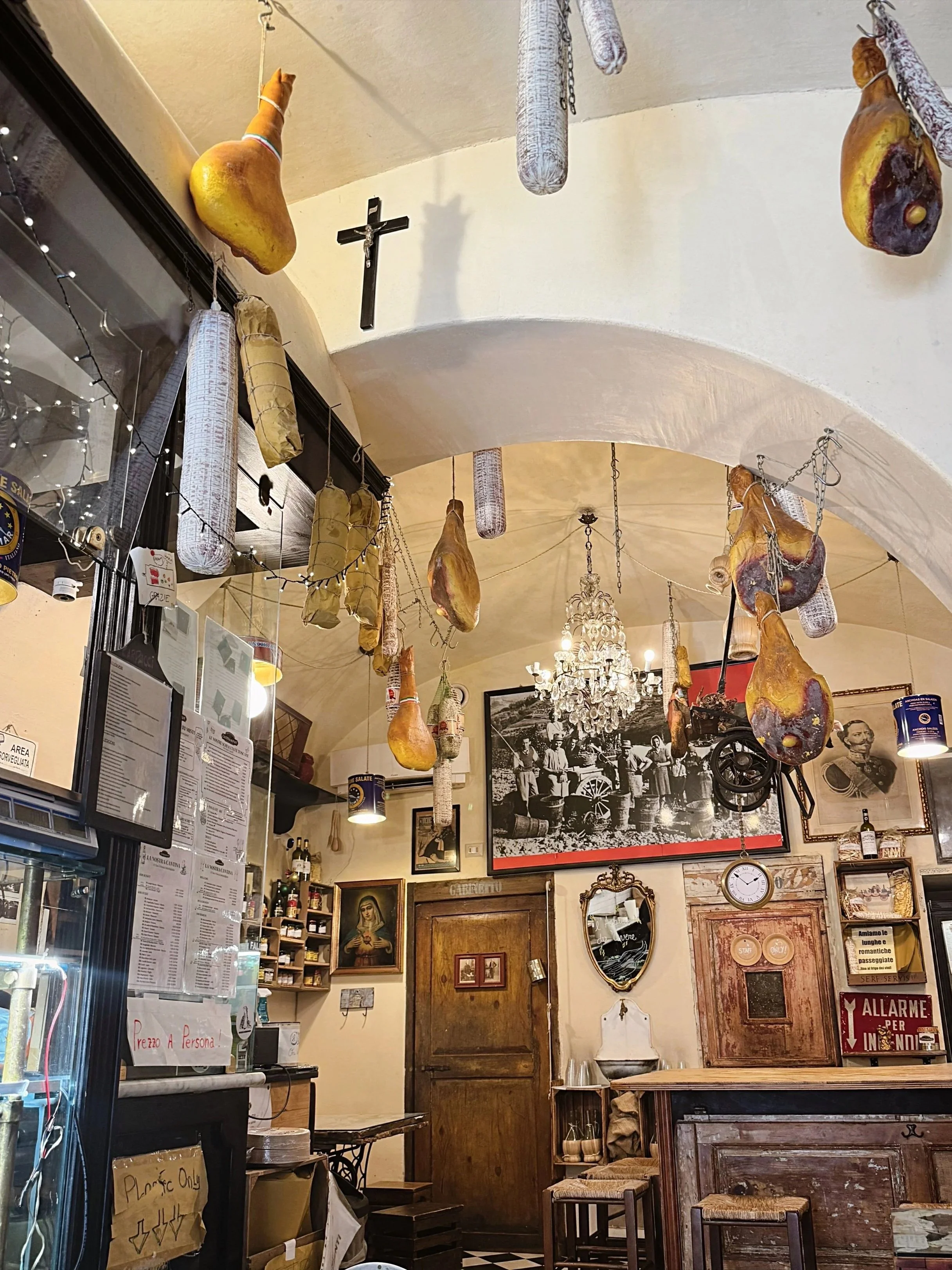
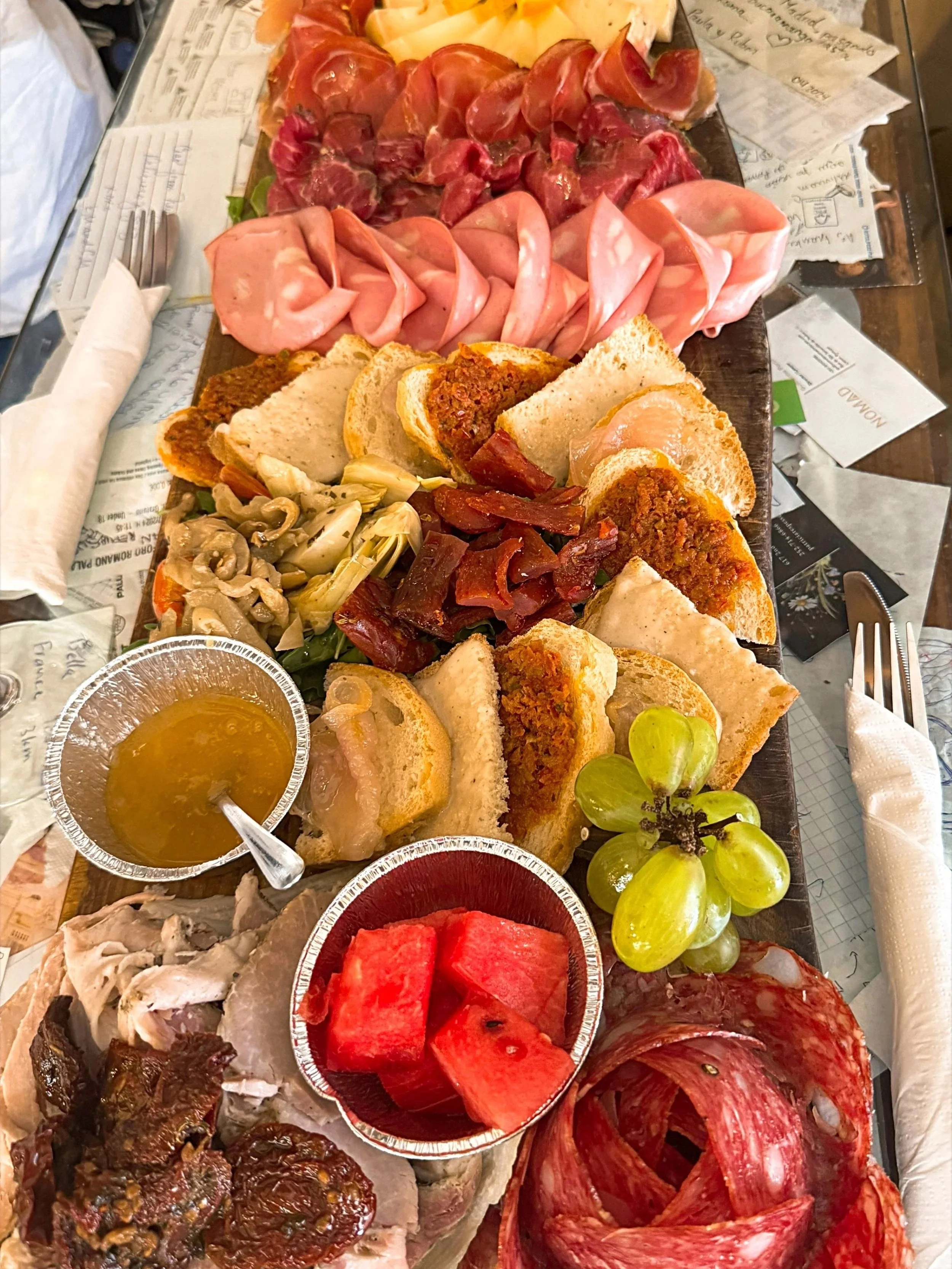
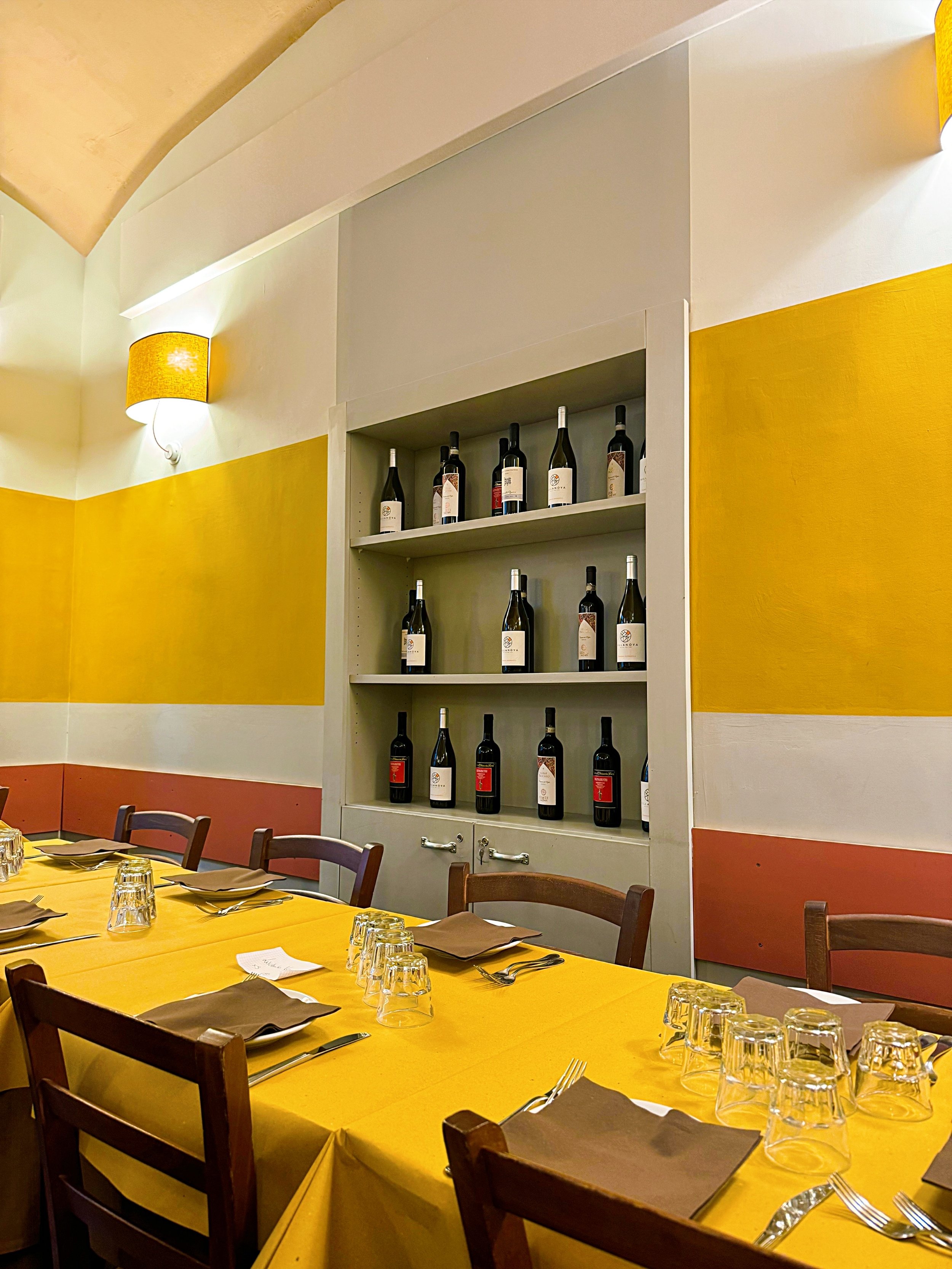
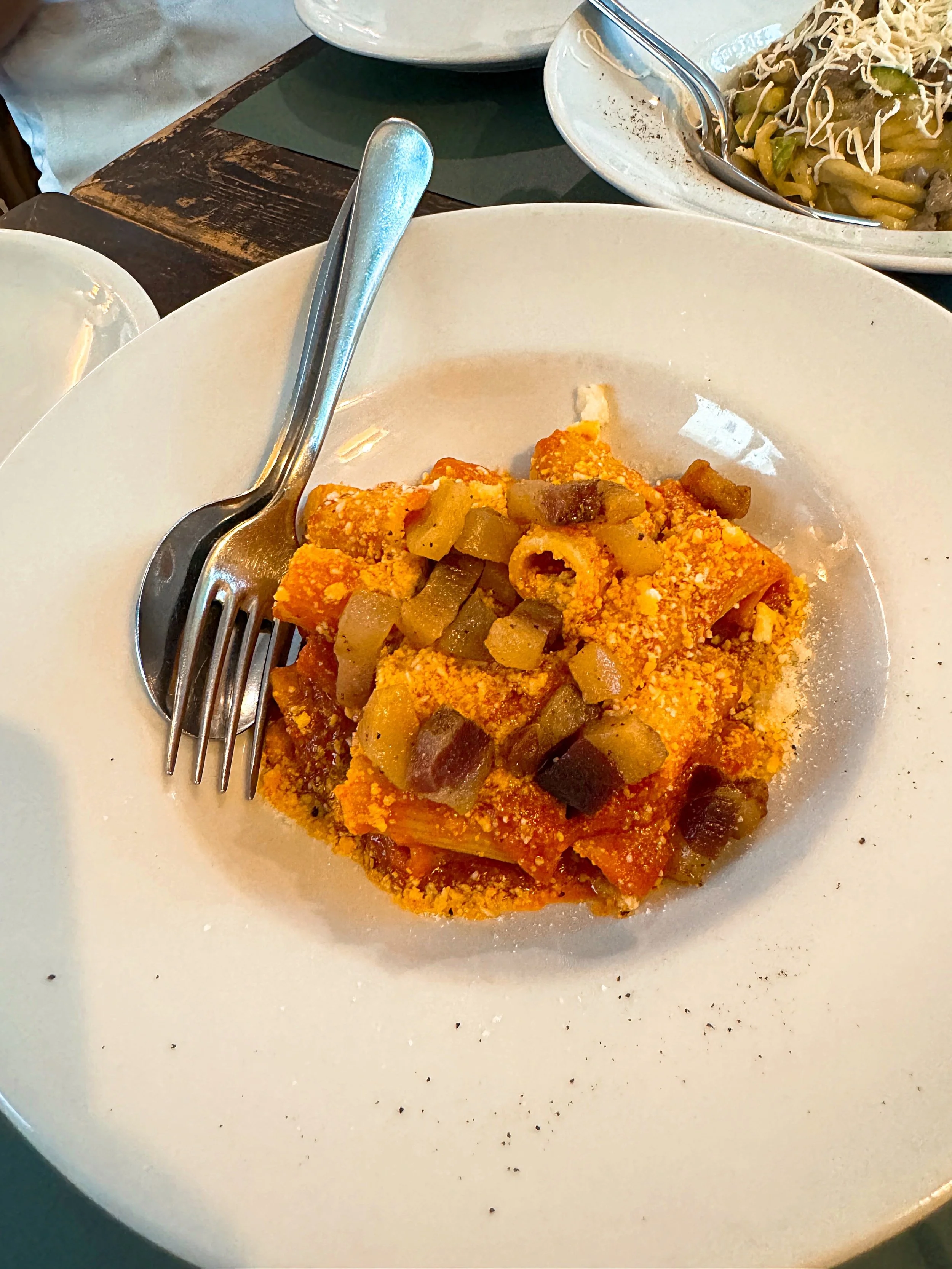
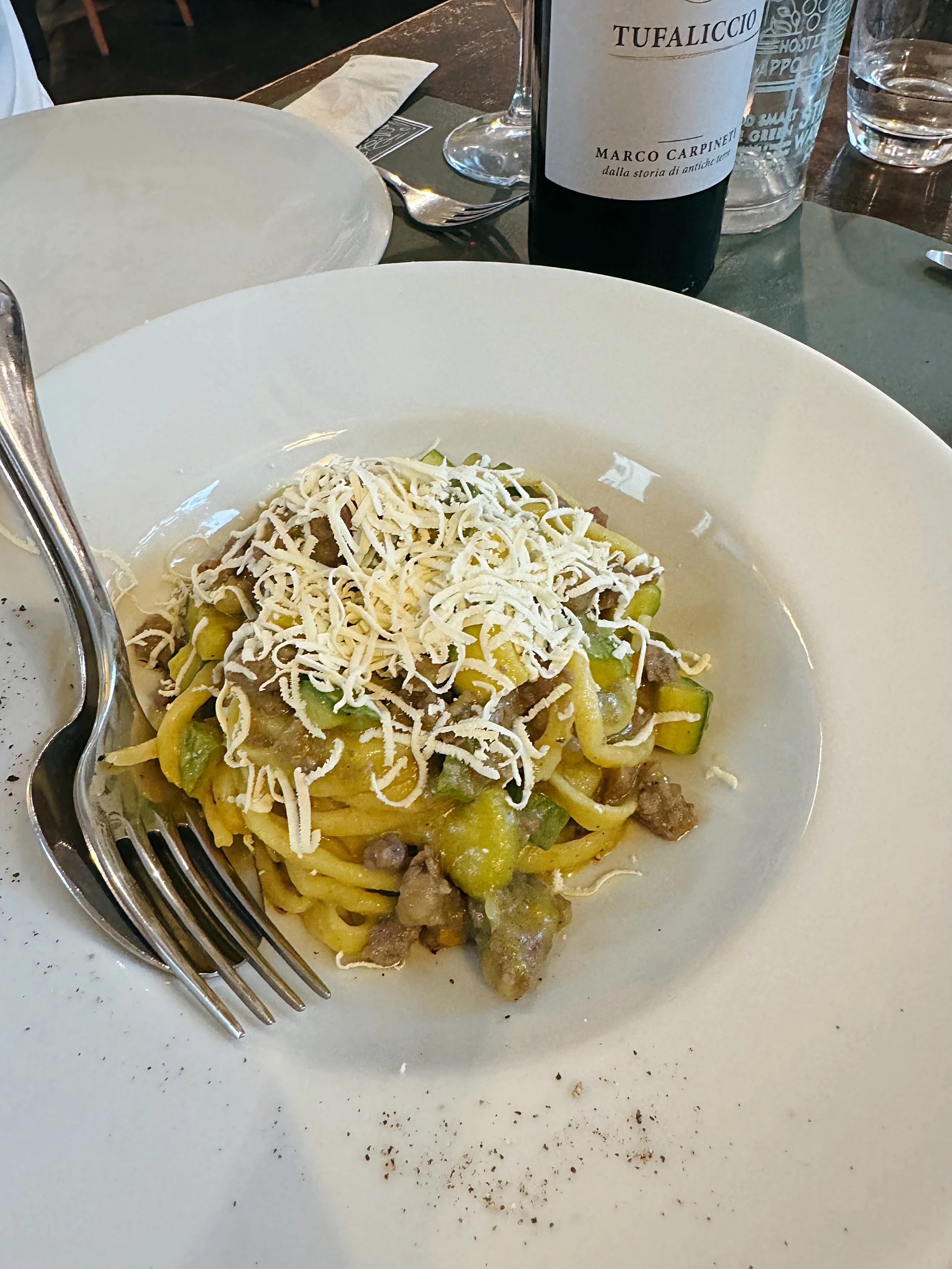
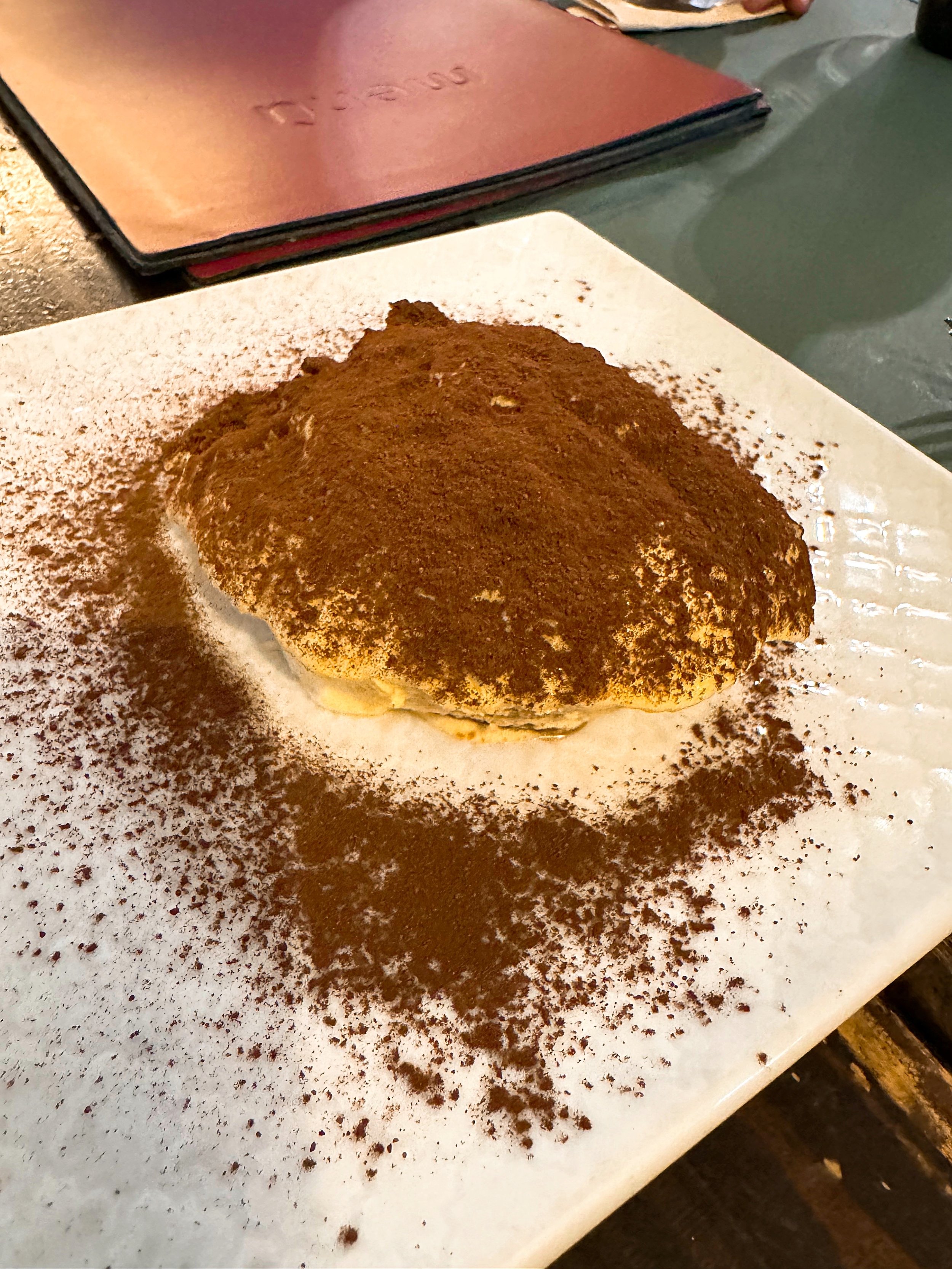
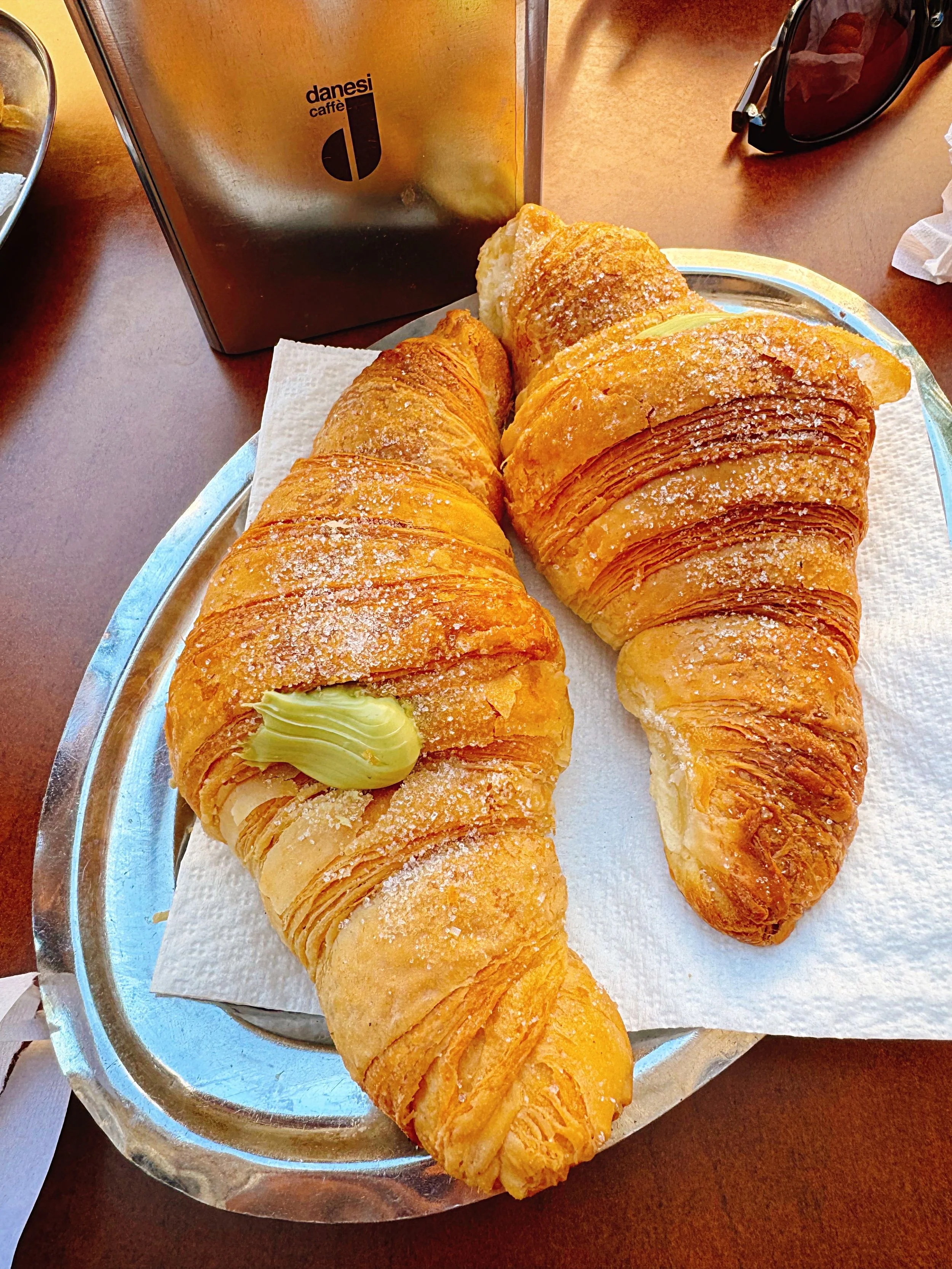
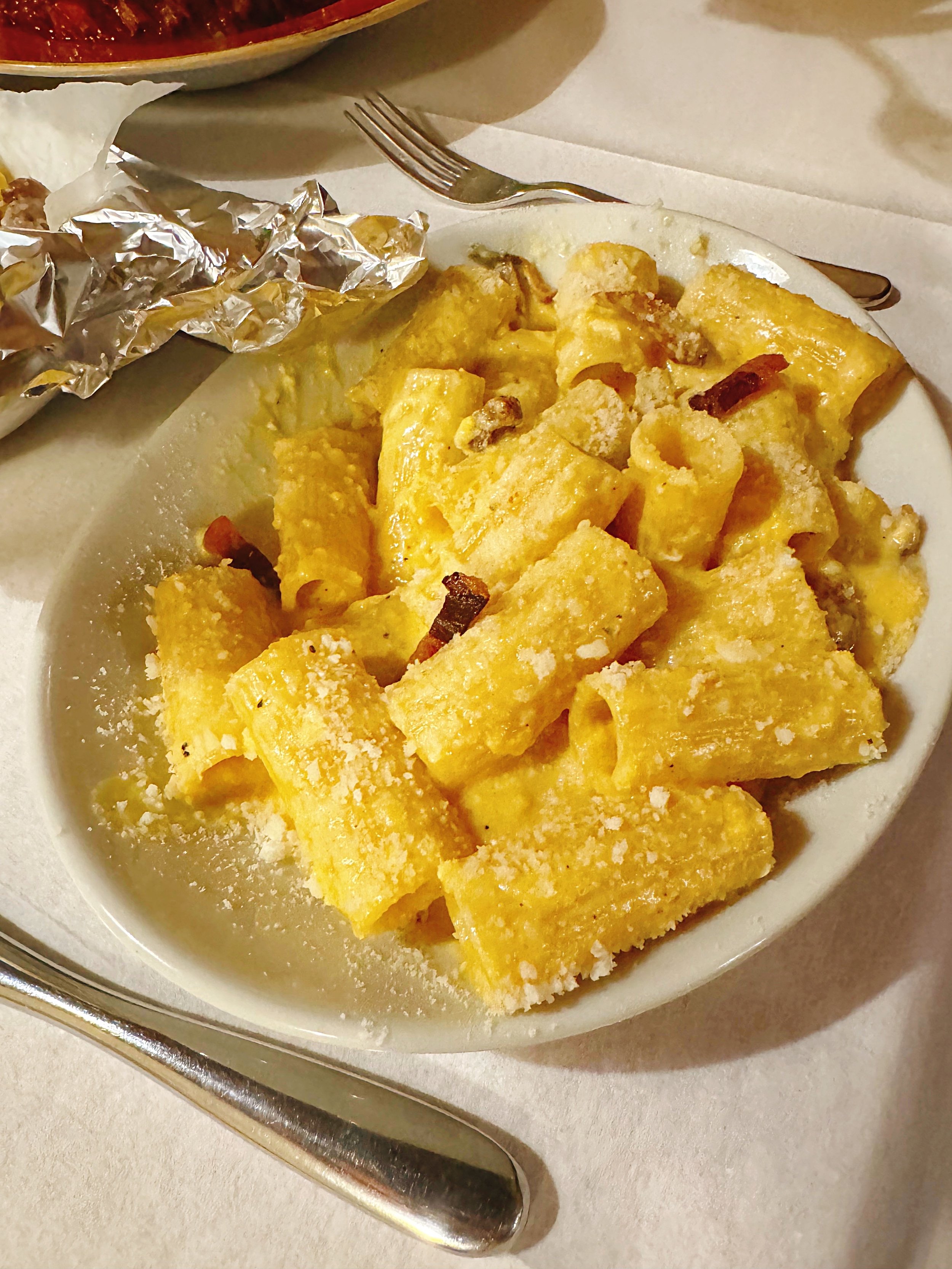
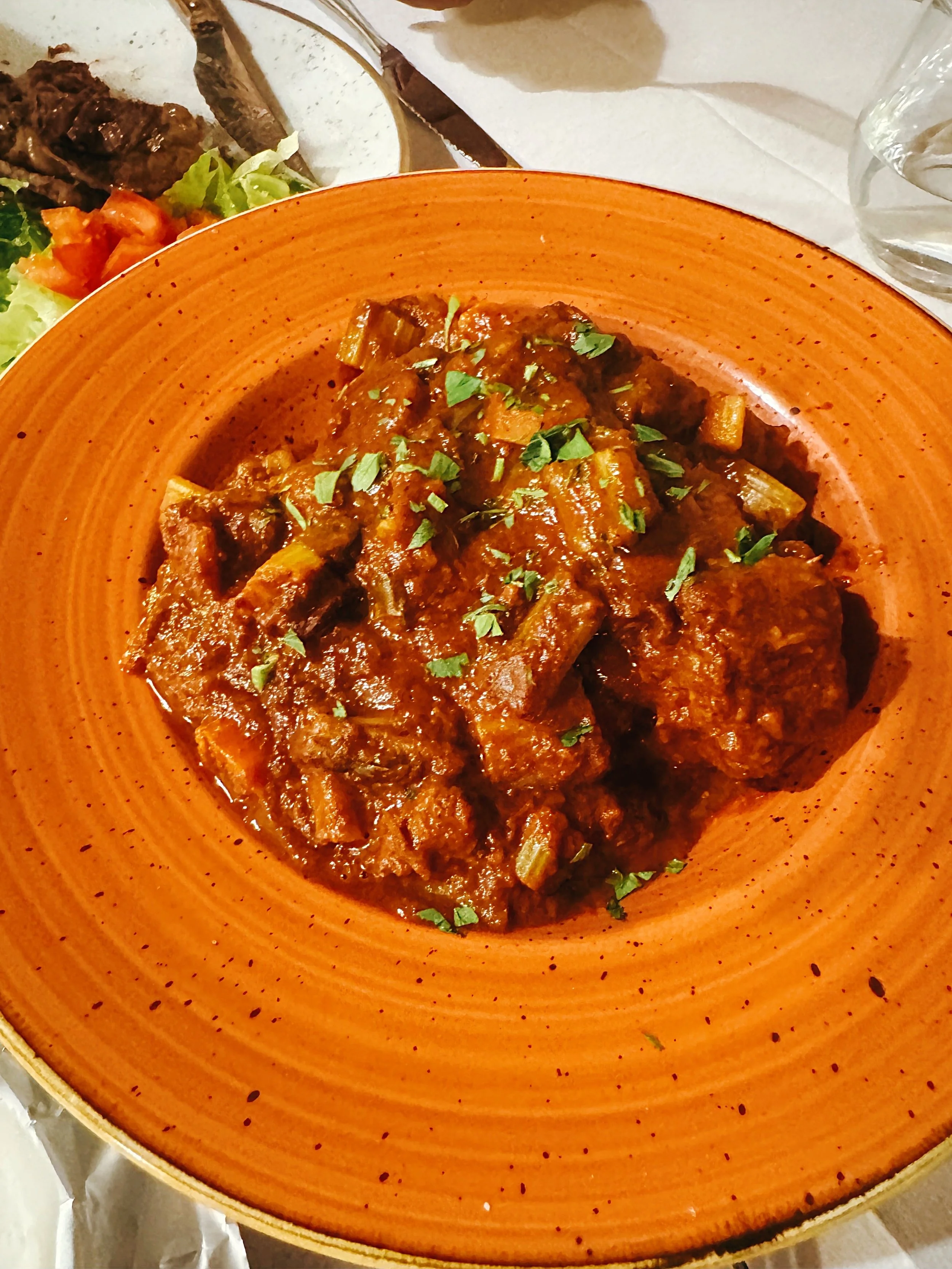
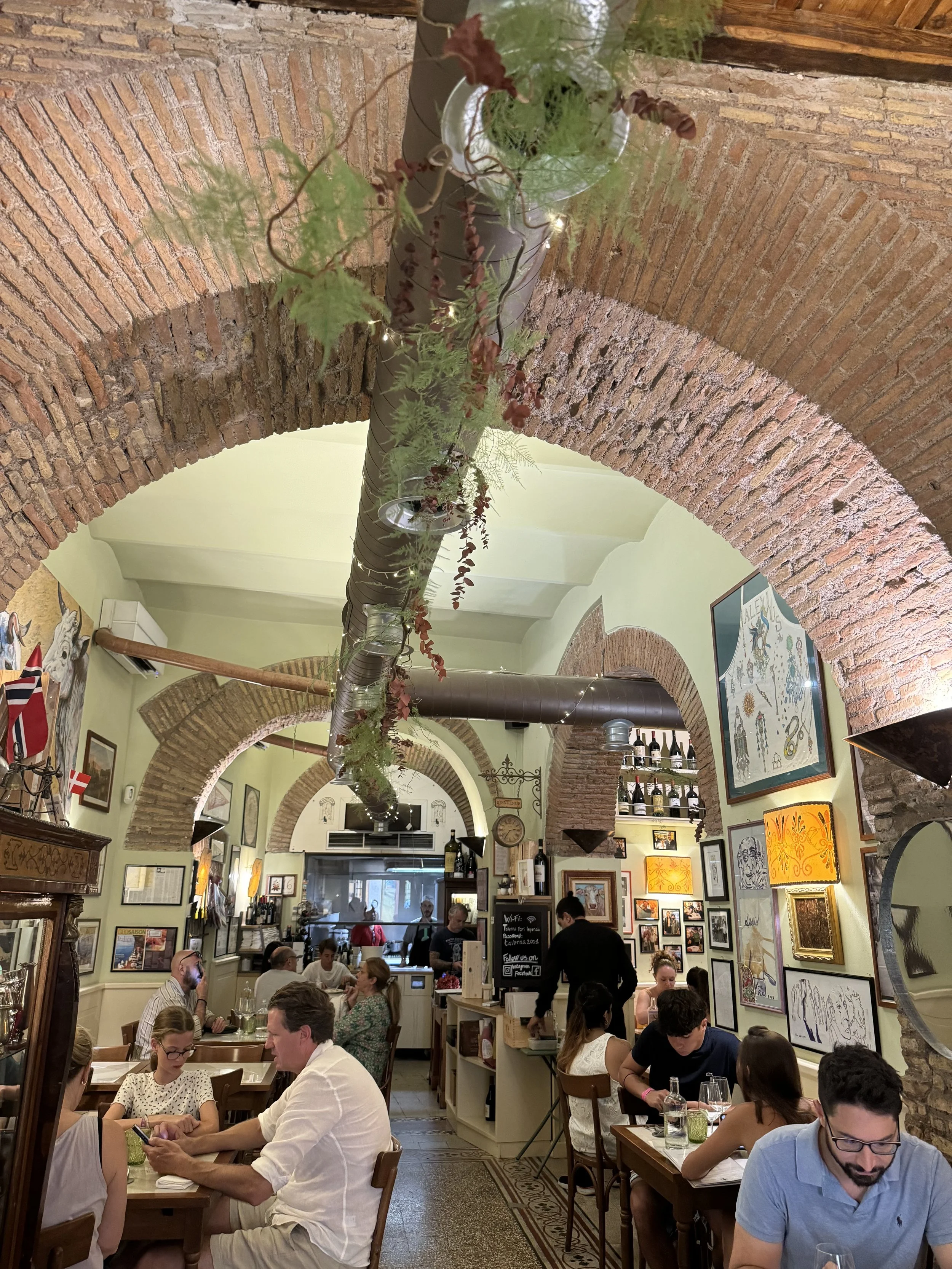
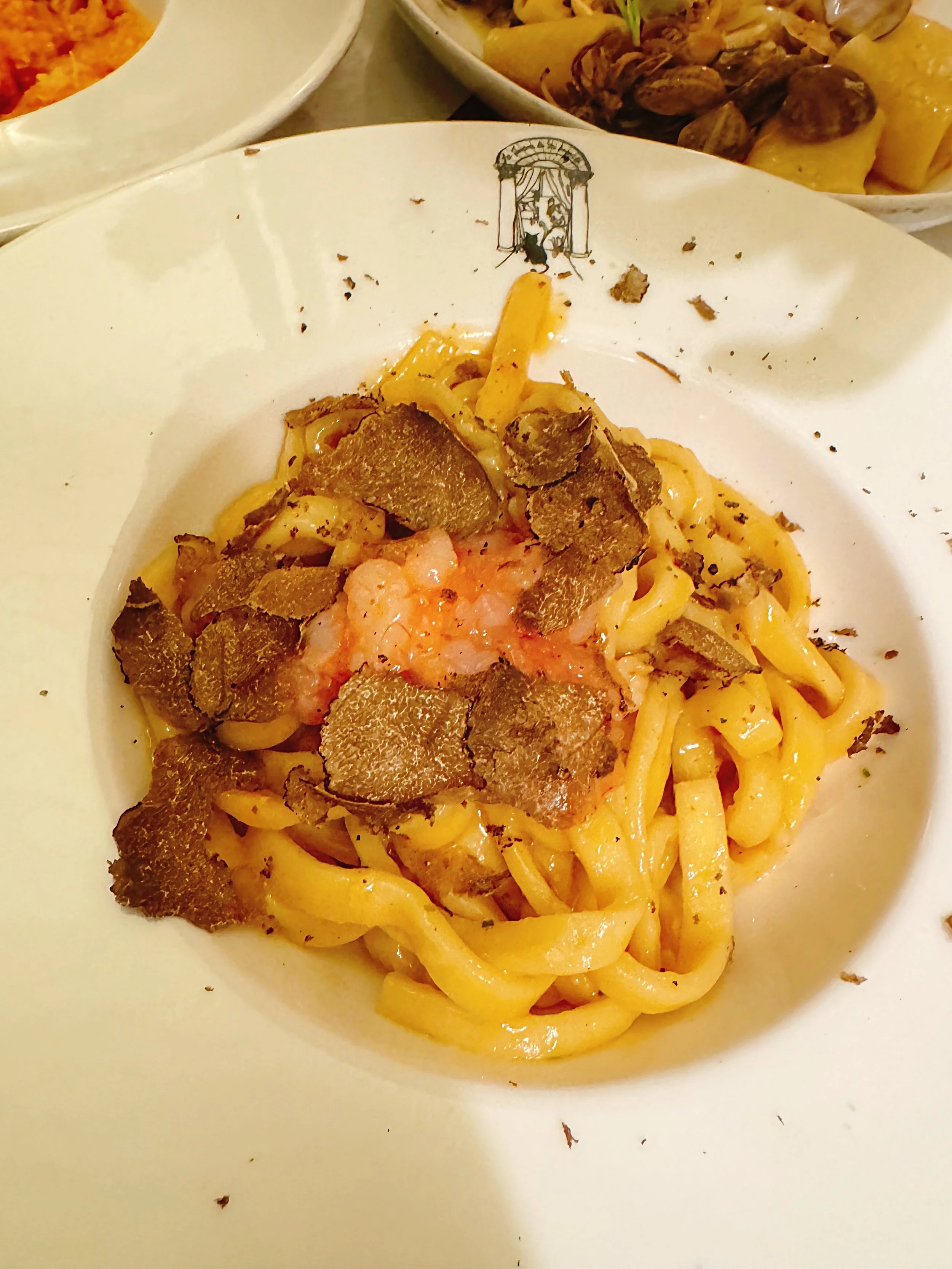
Food, as always in Italy, shaped the days as much as anything else. At Impiccetta, the pastas were exactly what you hoped for, simple and deeply satisfying. La Taverna dei Fori Imperiali offered a refined lunch, close to the ruins but removed from the rush. And at Piatto Romano, we settled into a meal that felt unpretentious and confident.
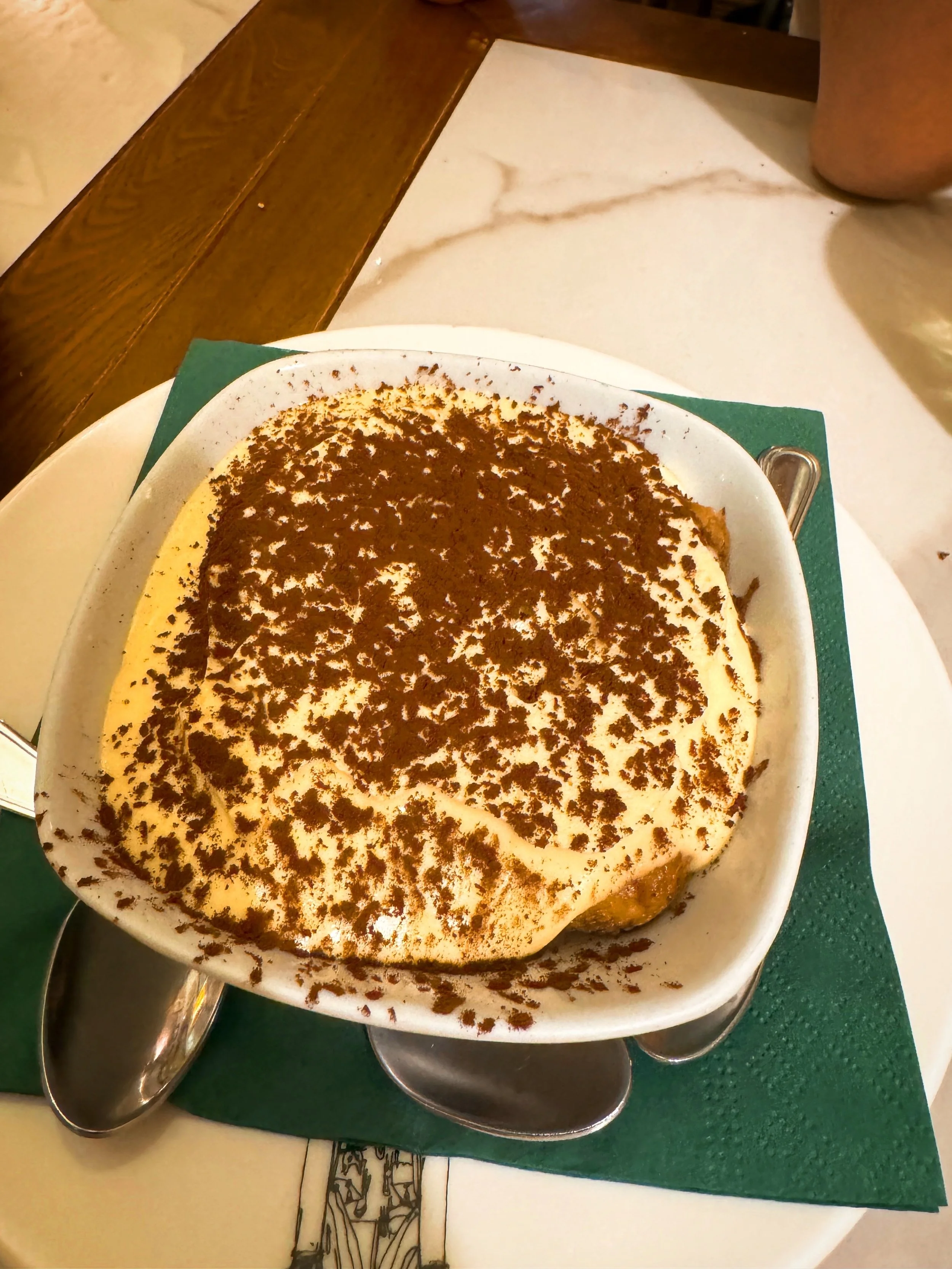
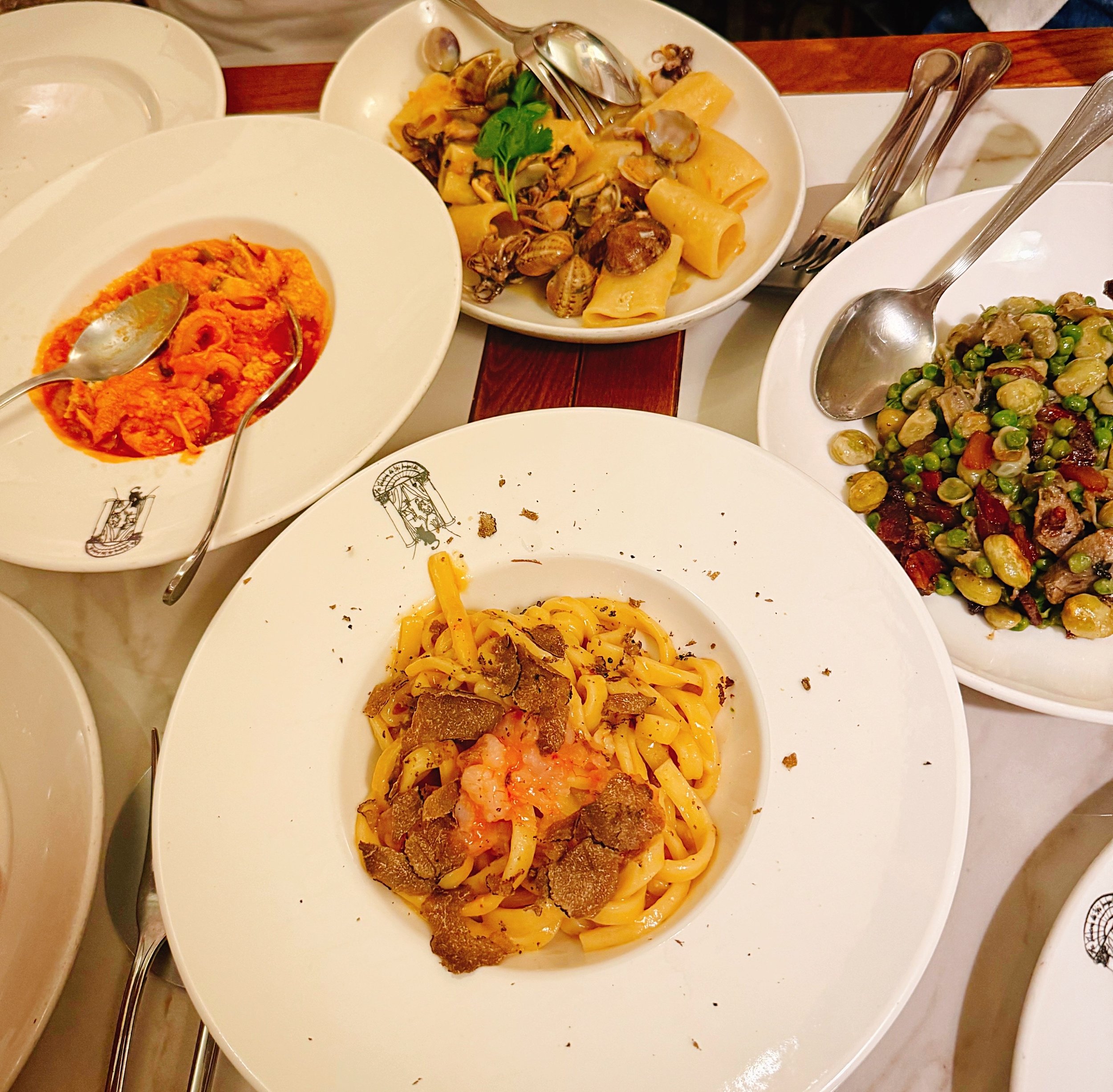
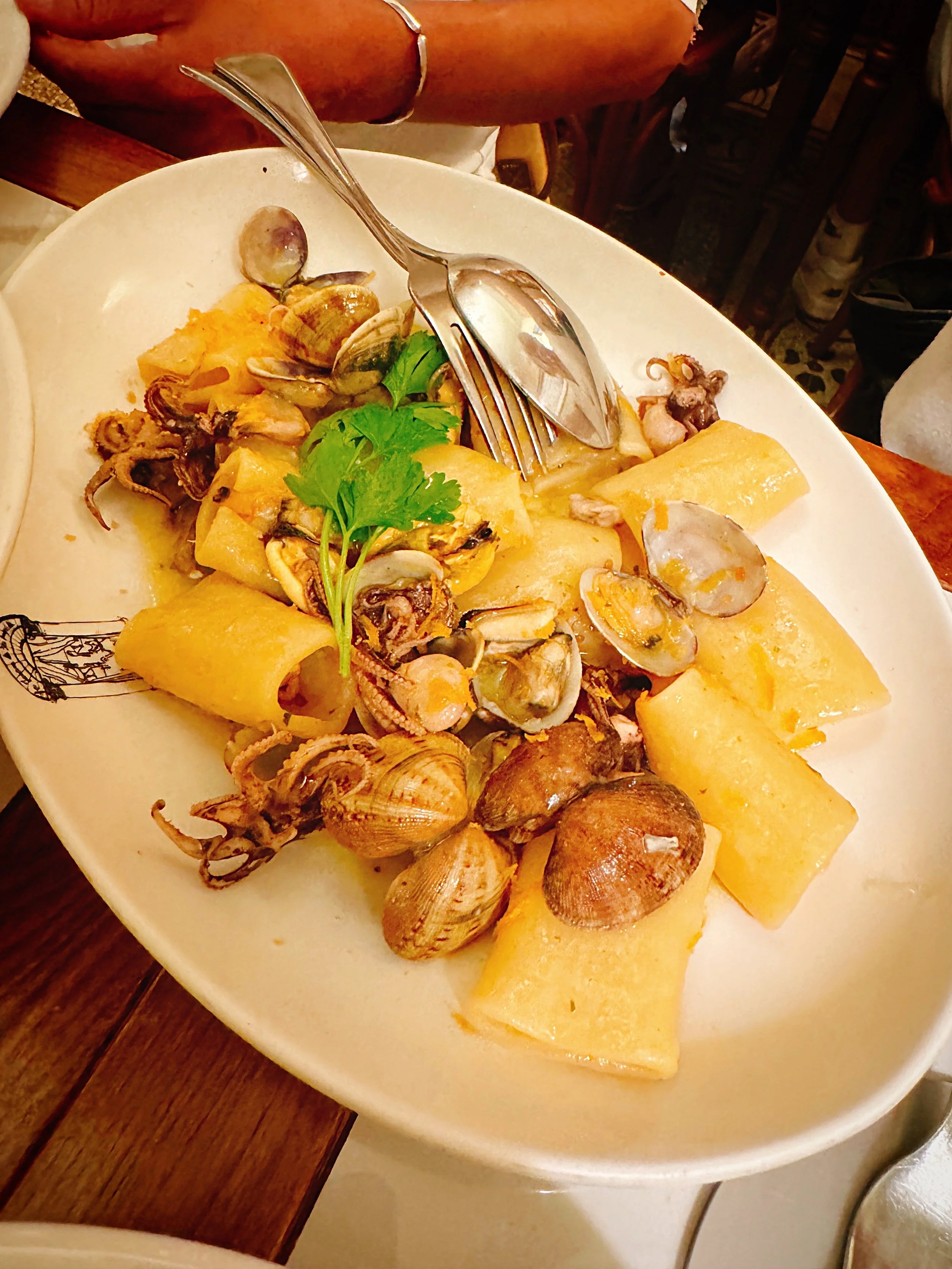
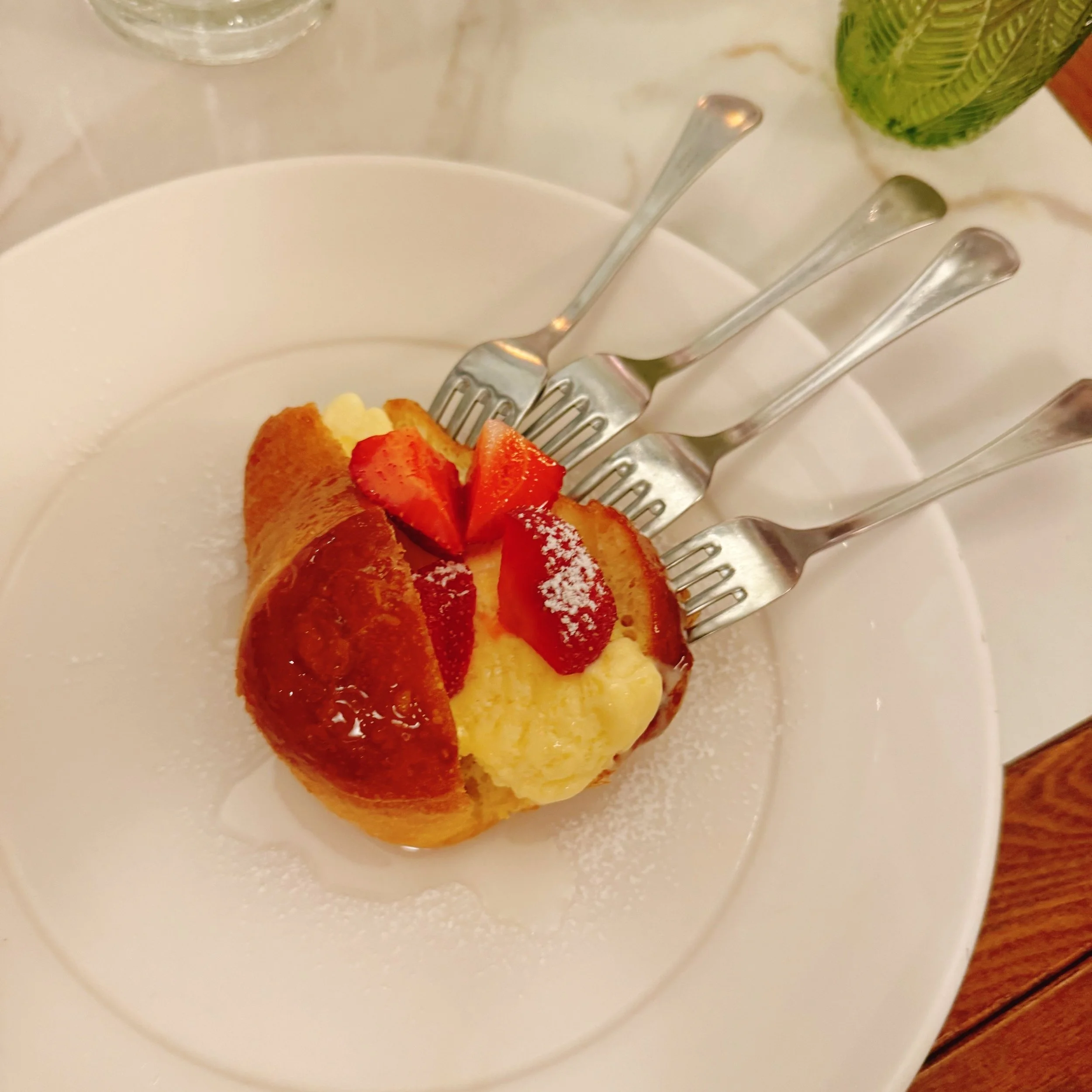
Rome is not a place that needs reinvention. It exists firmly in its own identity. You come for what has always been there. The history, layered and visible. The food, consistent in its quality. The feeling, which sits somewhere between grandeur and ease. And if you give it the time it asks for, it reveals itself in a way that feels unmistakably romantic.