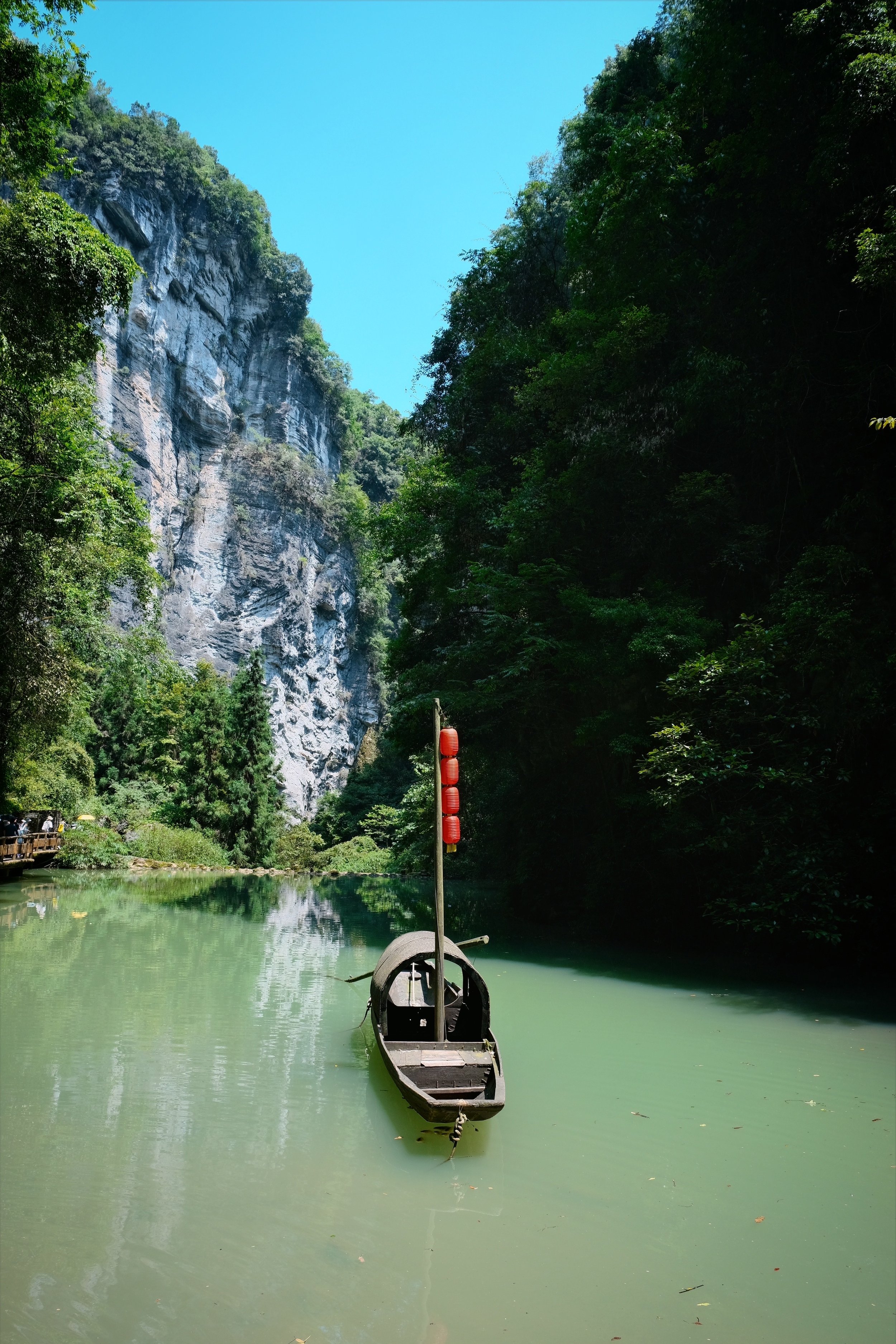
Wulong, China
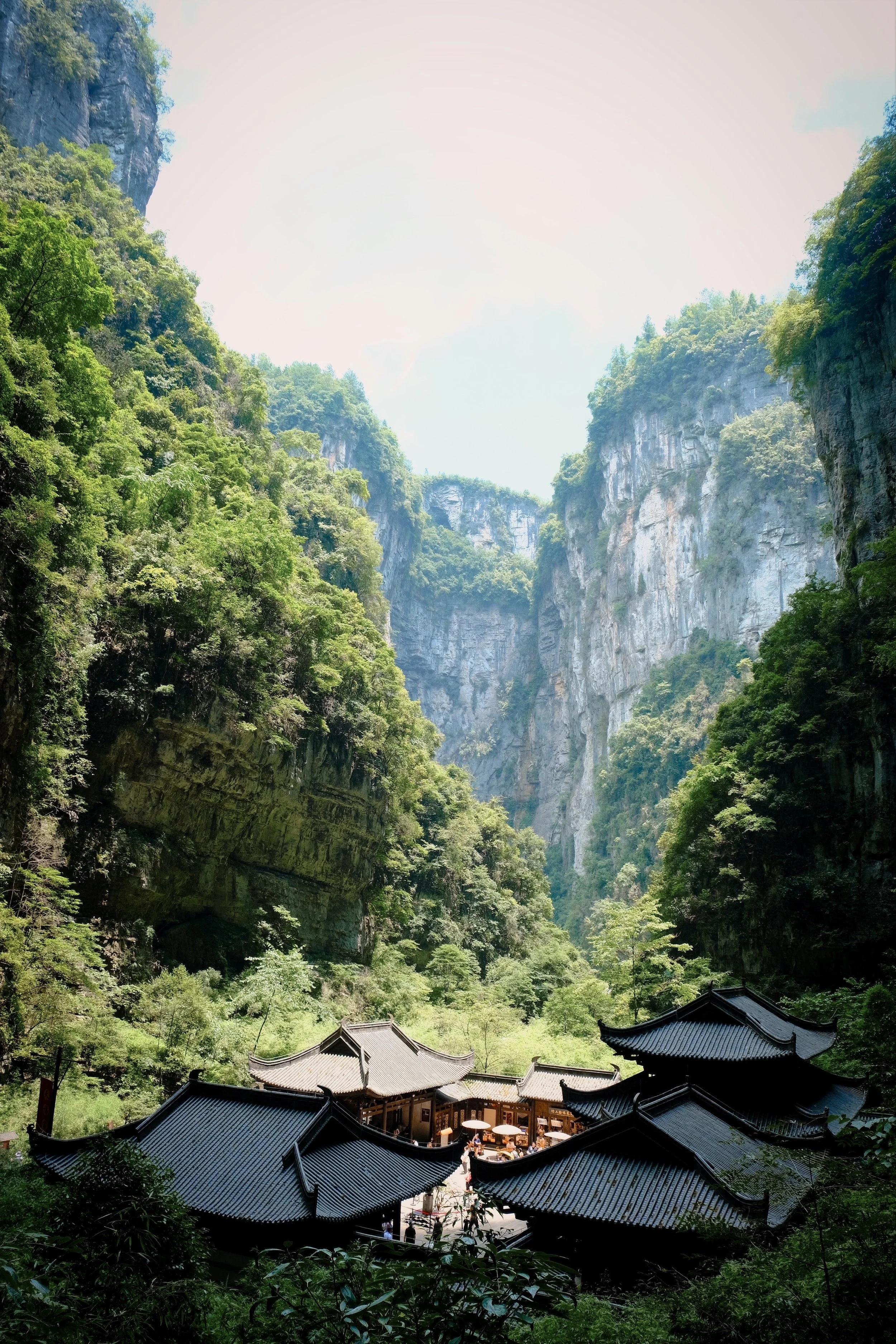
Leaving Chongqing for the Wulong Karst National Geology Park felt like stepping out of the city and into something much older and quieter. The drive takes around three hours, and it’s worth paying attention the whole way. Chongqing’s dense skyline gives way to mountains and then these dramatic limestone formations.
Wulong is part of the larger South China Karst, recognised as a UNESCO World Heritage Site for its unique limestone landscapes, creating dramatic landscapes of jagged rocks and natural stone bridges on a scale that’s hard to take in at first.
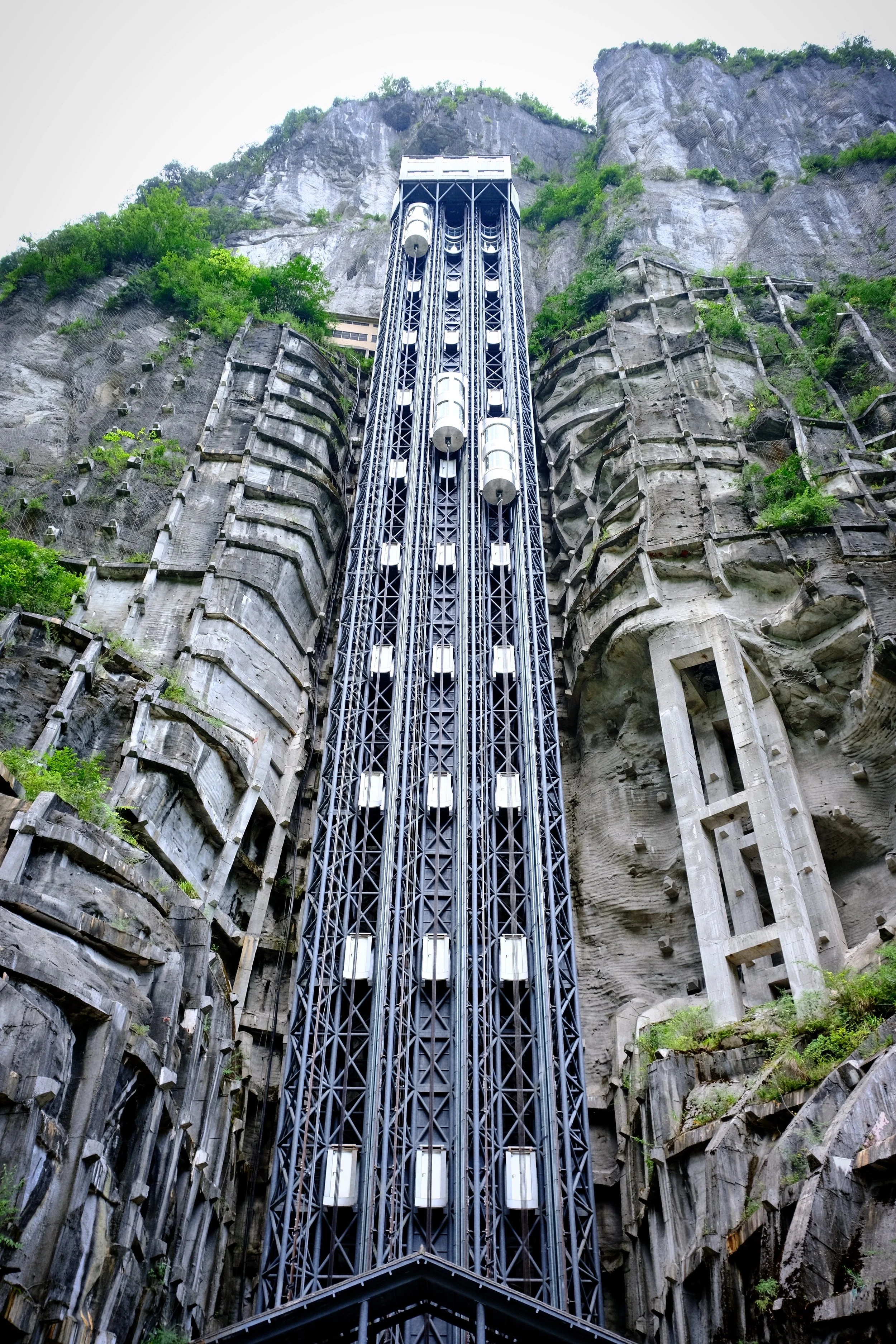
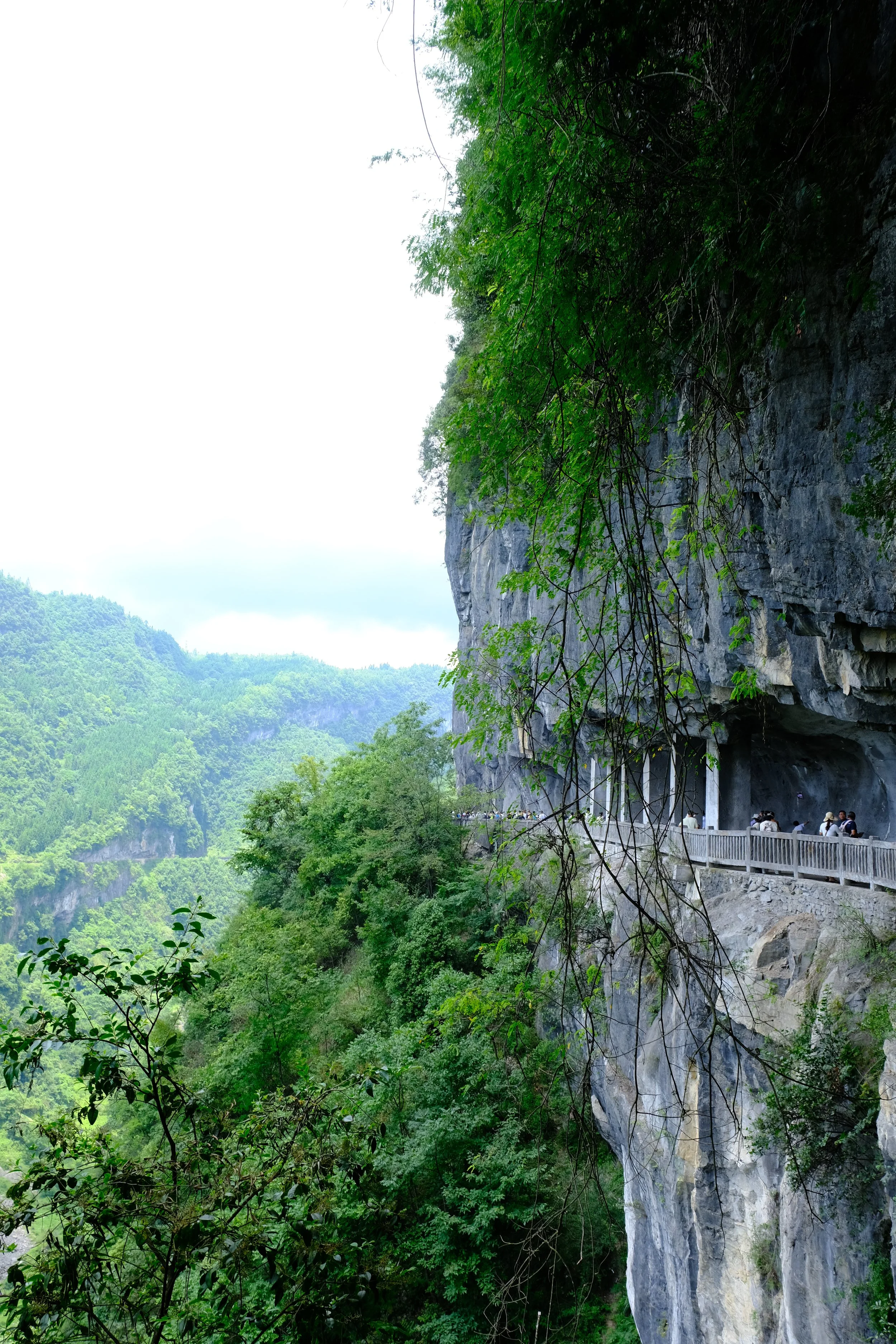
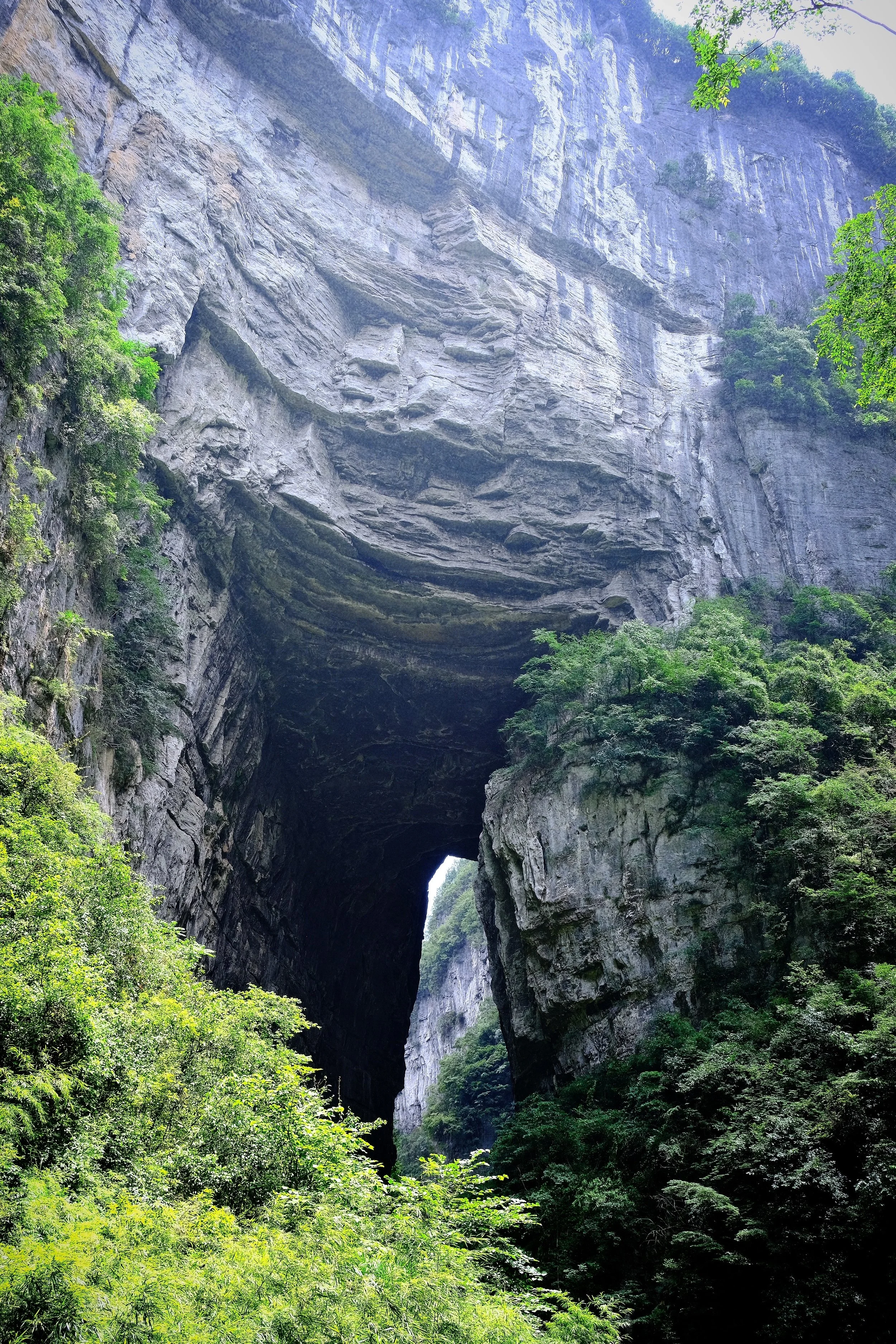
The most famous area is the Three Natural Bridges. These are vast limestone arches, some of the largest in the world, stretching across deep gorges. You walk down into the valley beneath them, and it’s only then that the scale properly registers. Everything feels oversized: the cliffs, the bridges, the space itself. It’s even hard to capture on camera.
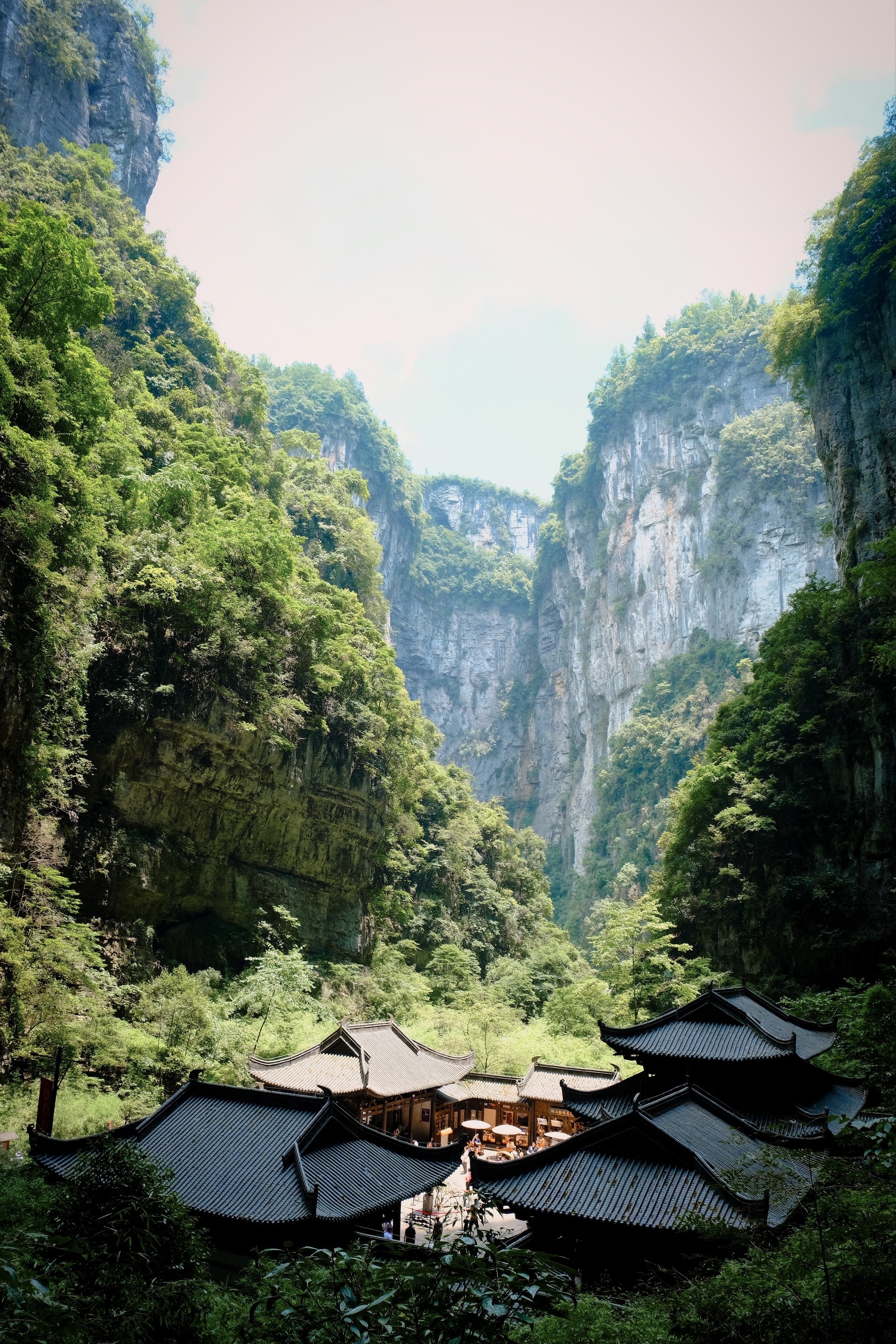
At the bottom, tucked into the rock, there’s a small temple. After the drama of the landscape, there’s something serene about it.
The whole area has a slightly unreal, cinematic feel. Mist moves in and out, softening the edges of the cliffs.
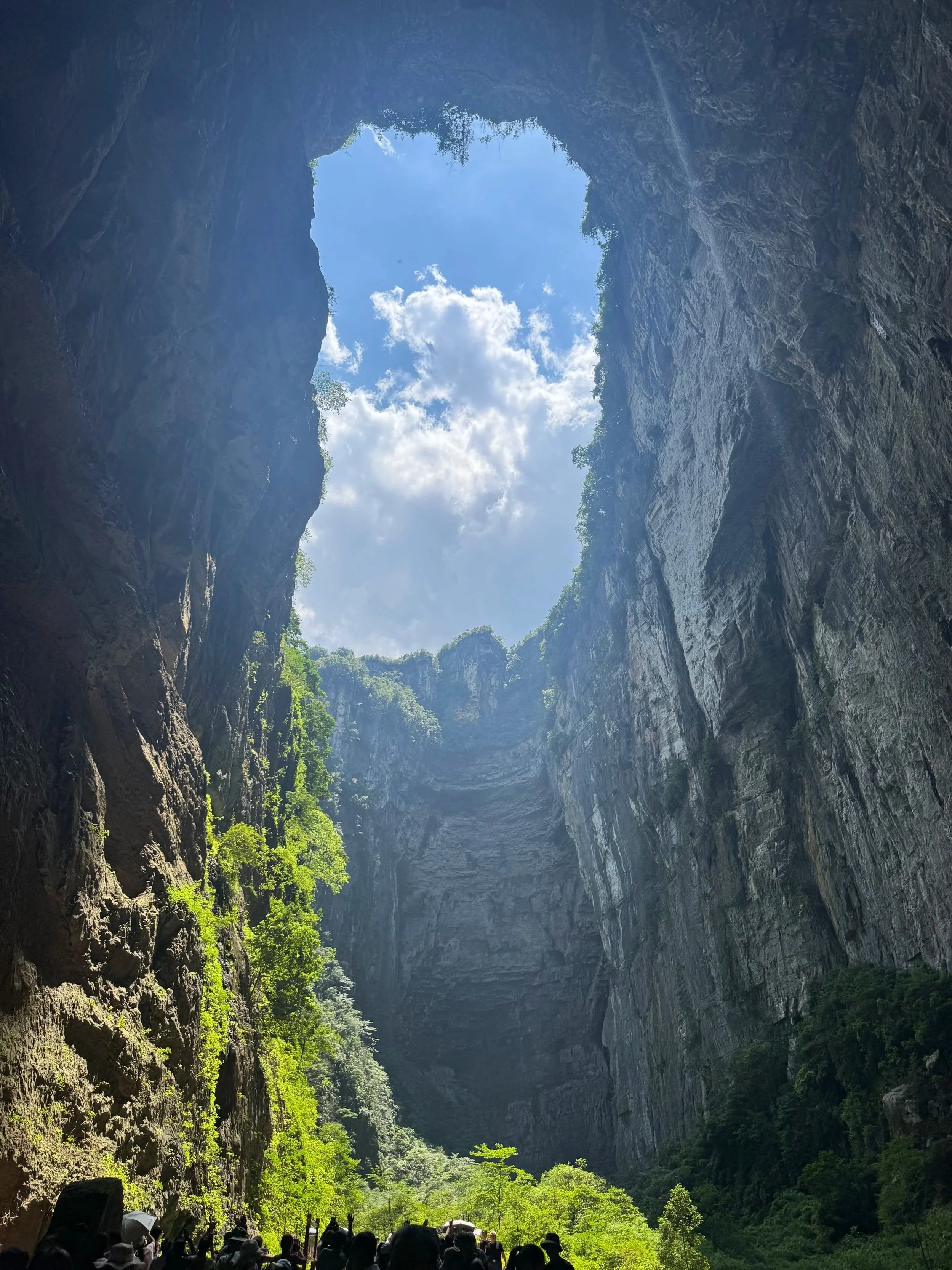
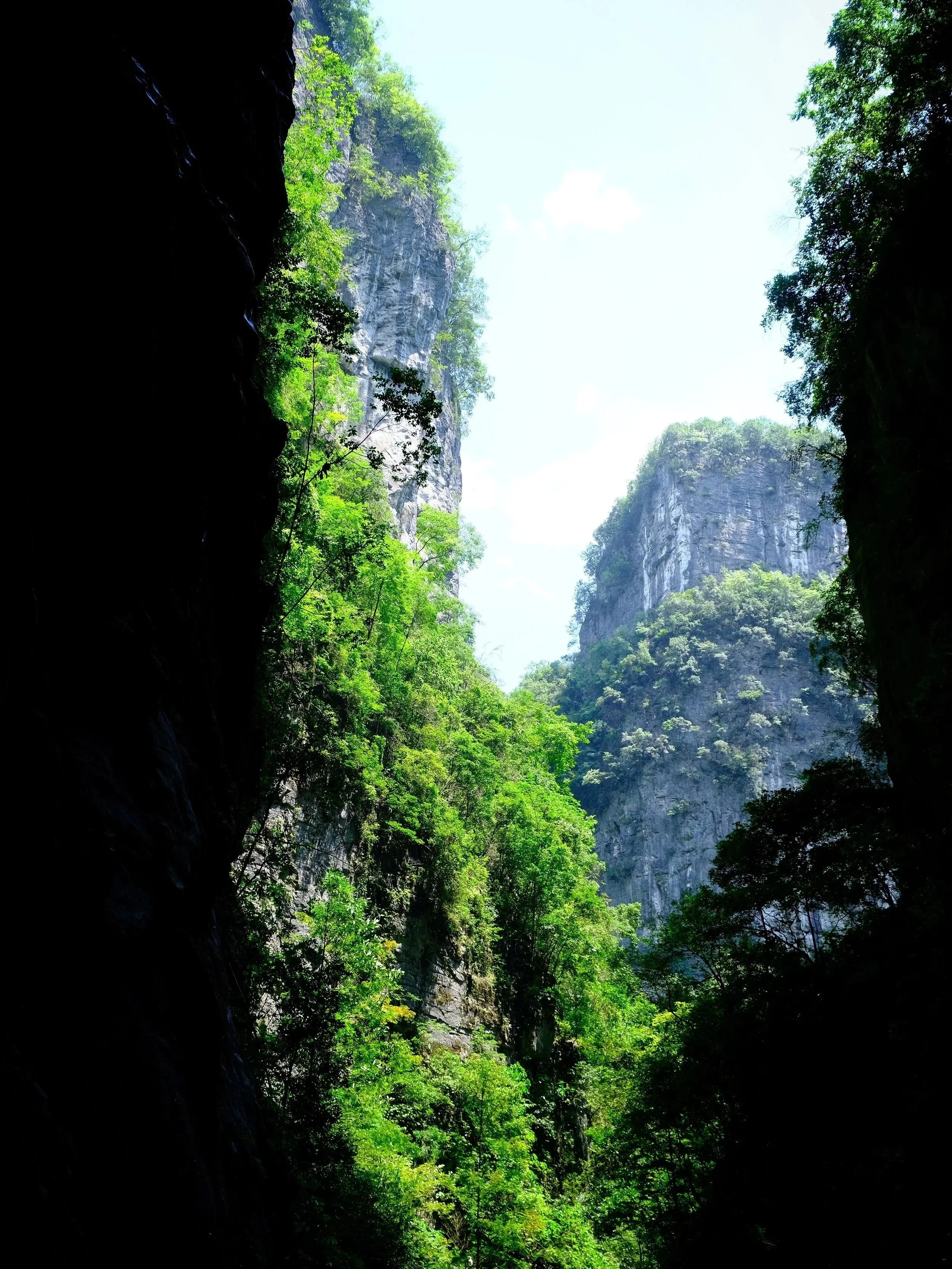
What stayed with me most wasn’t just the scale, but the contrast. You start the day in one of China’s biggest, busiest cities and within a few hours you’re somewhere that feels completely removed from it. No noise, no rush. Just rock, trees and the occasional sound of water moving through the valley.
The journey back to Chongqing felt shorter somehow, maybe because I knew what we were returning to. But Wulong was a very special place, unlike anywhere I had visited before.