Chongqing, China
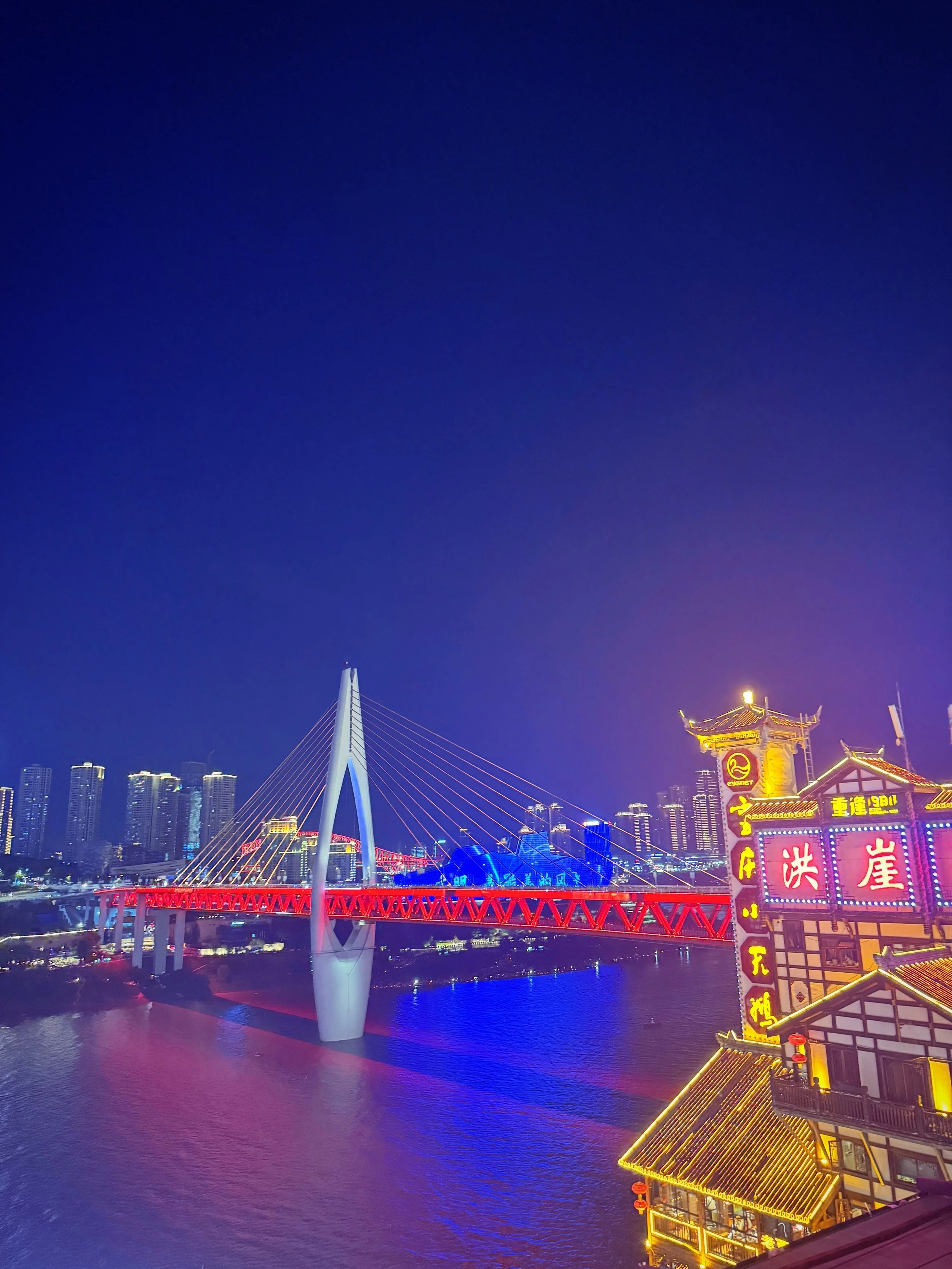
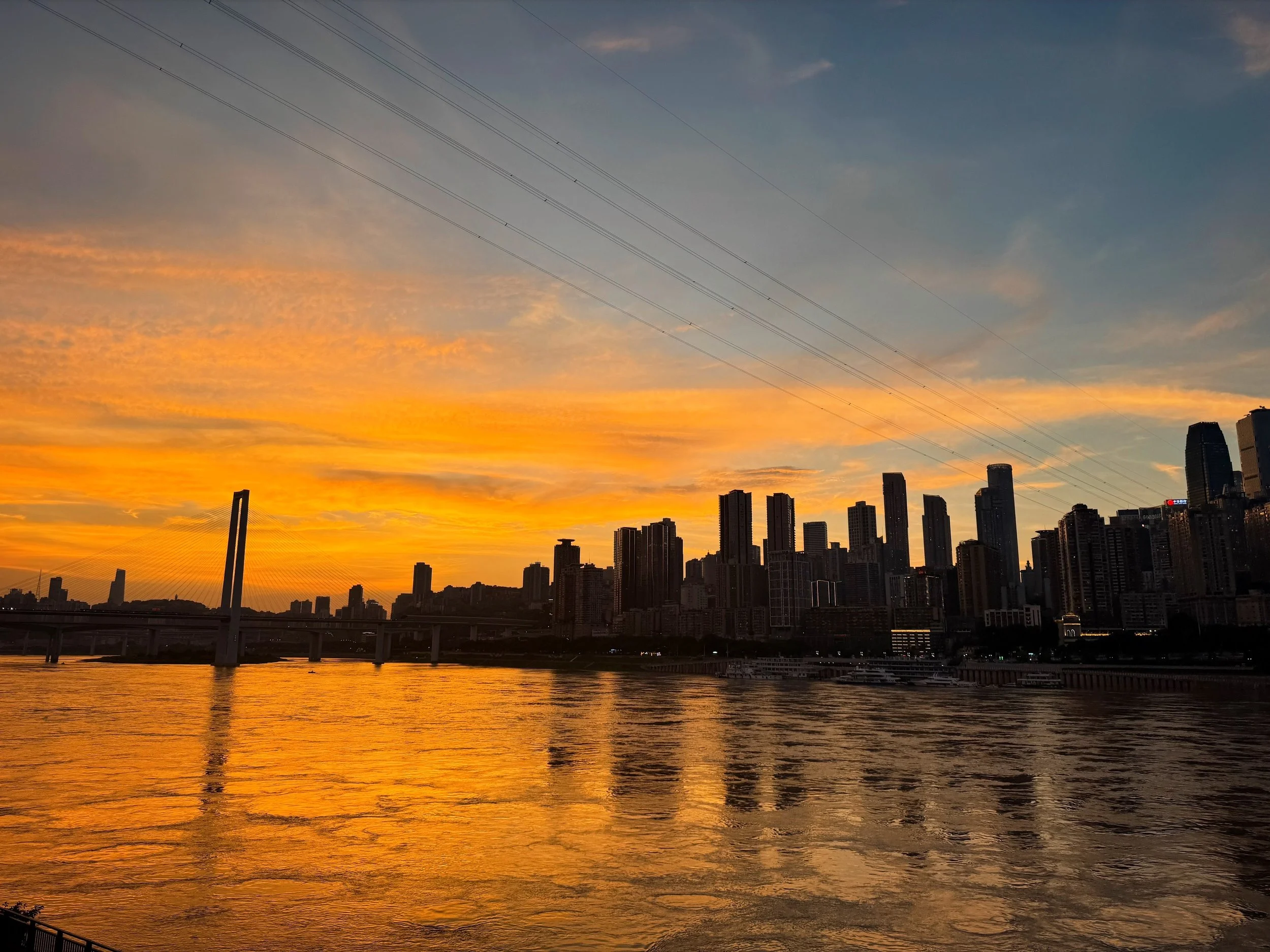
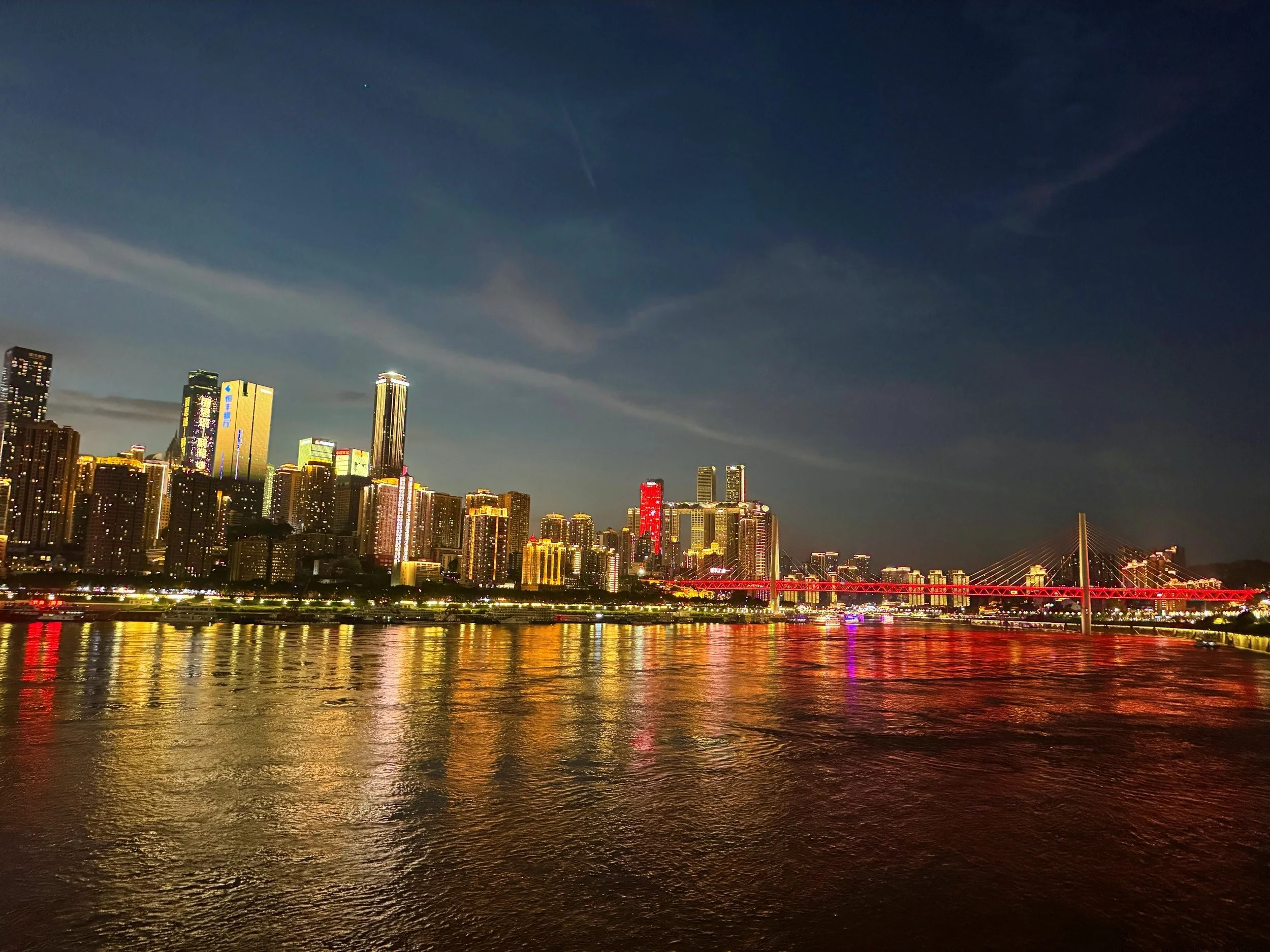
Chongqing is a punch to the senses. It doesn’t build gradually or ease you in. It arrives all at once in light and heat and movement, a city that seems to hum from the ground up. Neon cuts through the haze, towers rise out of the mountains and everything feels heightened. The spice sits in the air as much as on the tongue. The warmth comes from both the people and the climate, which in summer is almost unrelenting. It is one of my favourite places on earth.
We flew in from Shanghai, and even the airport felt like a glimpse of what was to come. Our faces became our boarding passes, scanned and recognised seamlessly. From there, we were met by a driver whose welcome was as generous as the city itself, and driven through the mountains into Chongqing. The first view is difficult to describe properly. Roads curve and layer over one another, buildings climb vertically out of the landscape and the whole place feels improbably constructed. You need to Google the infrastructure of Chongqing to understand what I mean.
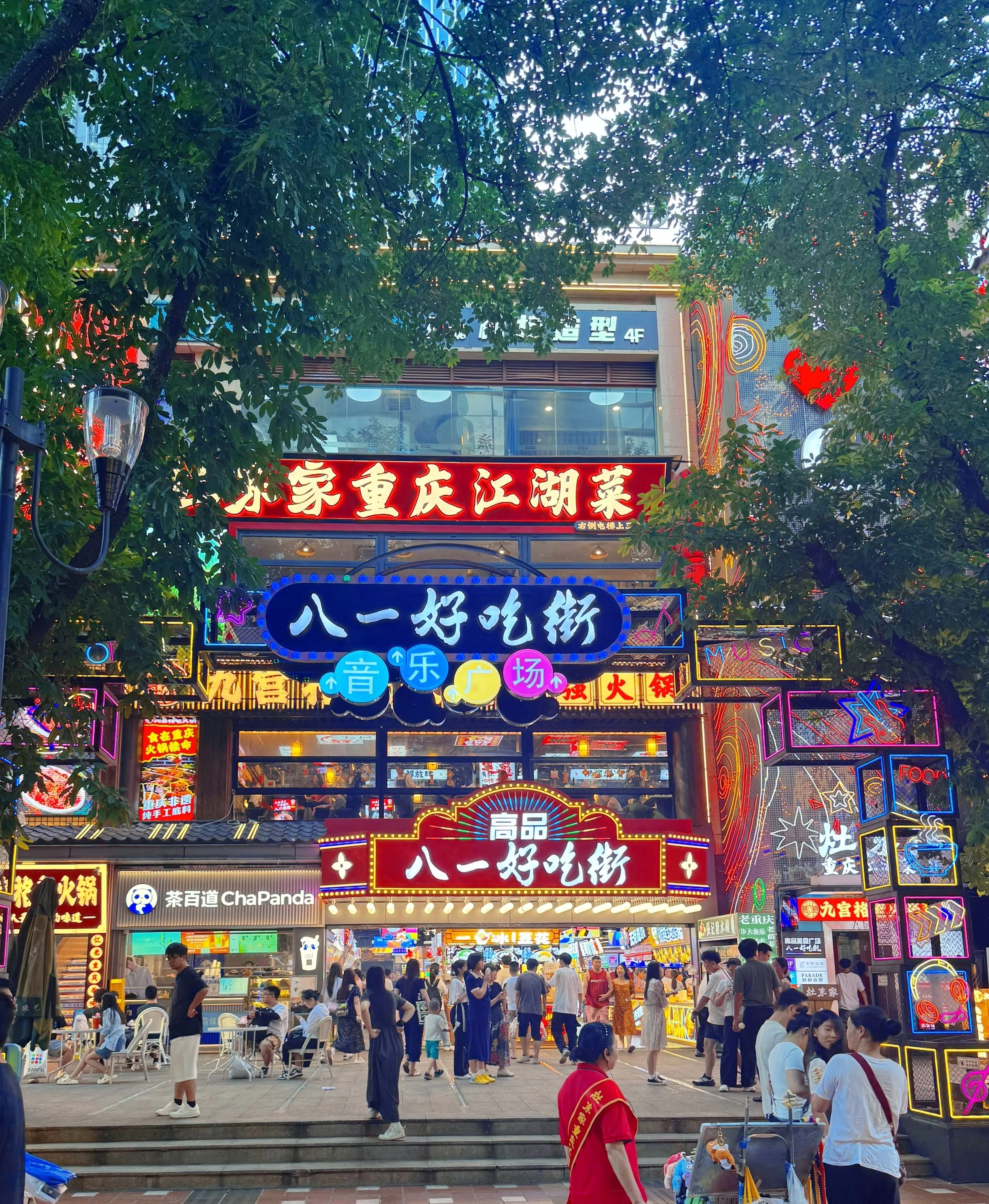
That first evening could only go one way. Chongqing hot pot has a mythology around it and it was the reason I had wanted to come here for so long. We wandered through a neon-lit food market before settling in for a table full of more dishes than we could reasonably finish. It was sensational. Afterwards, we walked through the city, or at least a small part of it. Chongqing resists any attempt to feel contained. Somewhere along the way we even found mala ice cream.
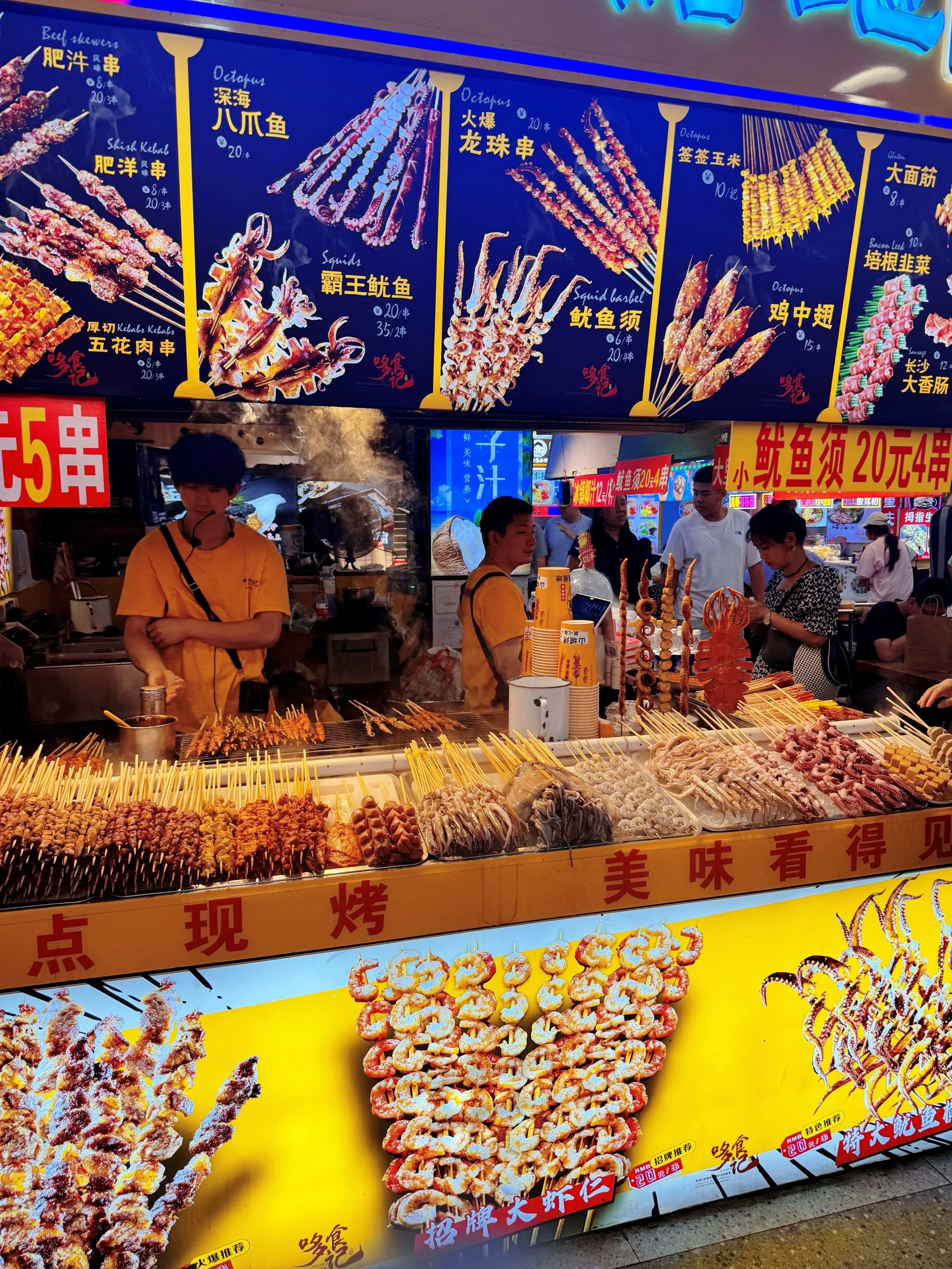
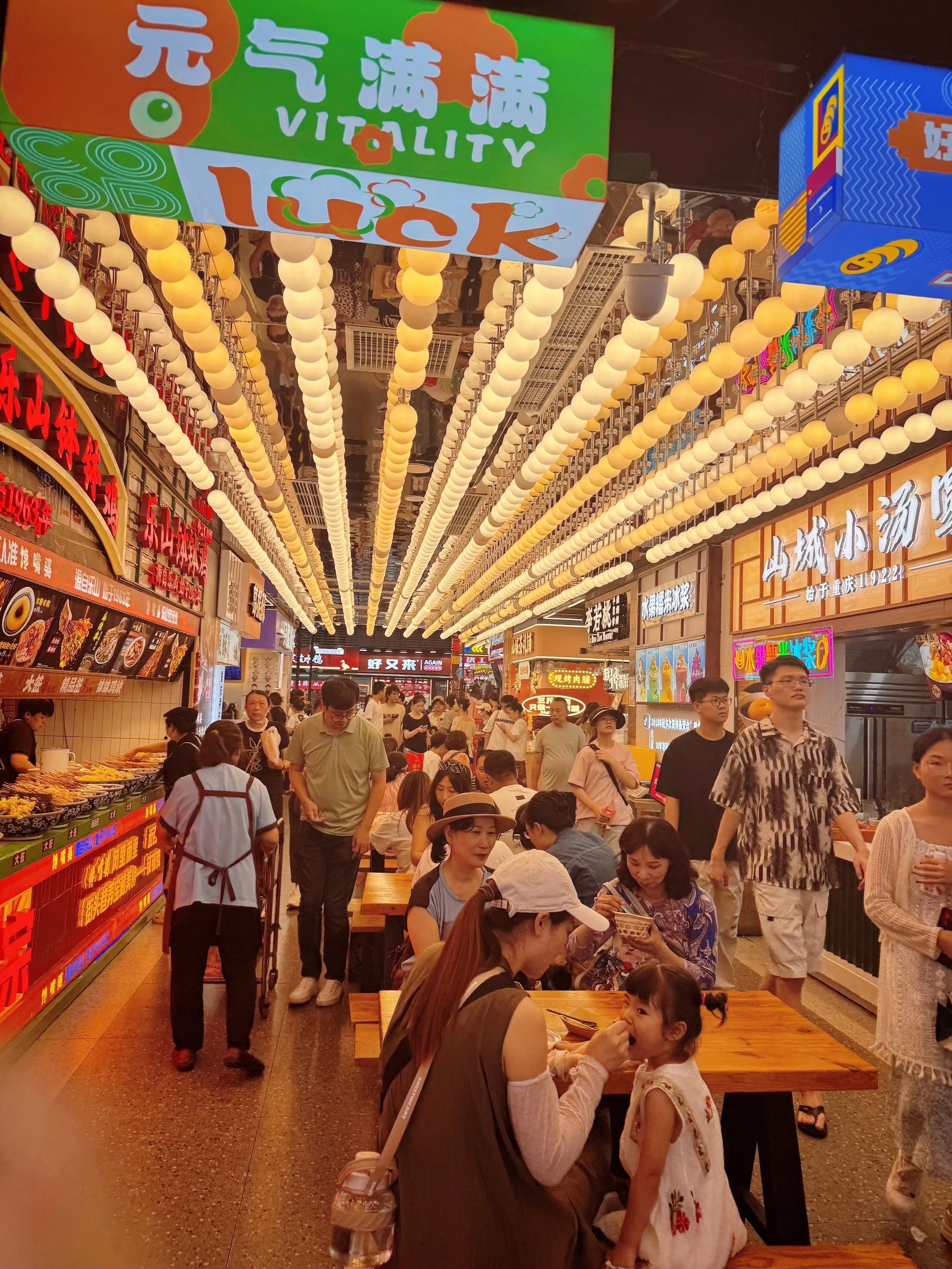
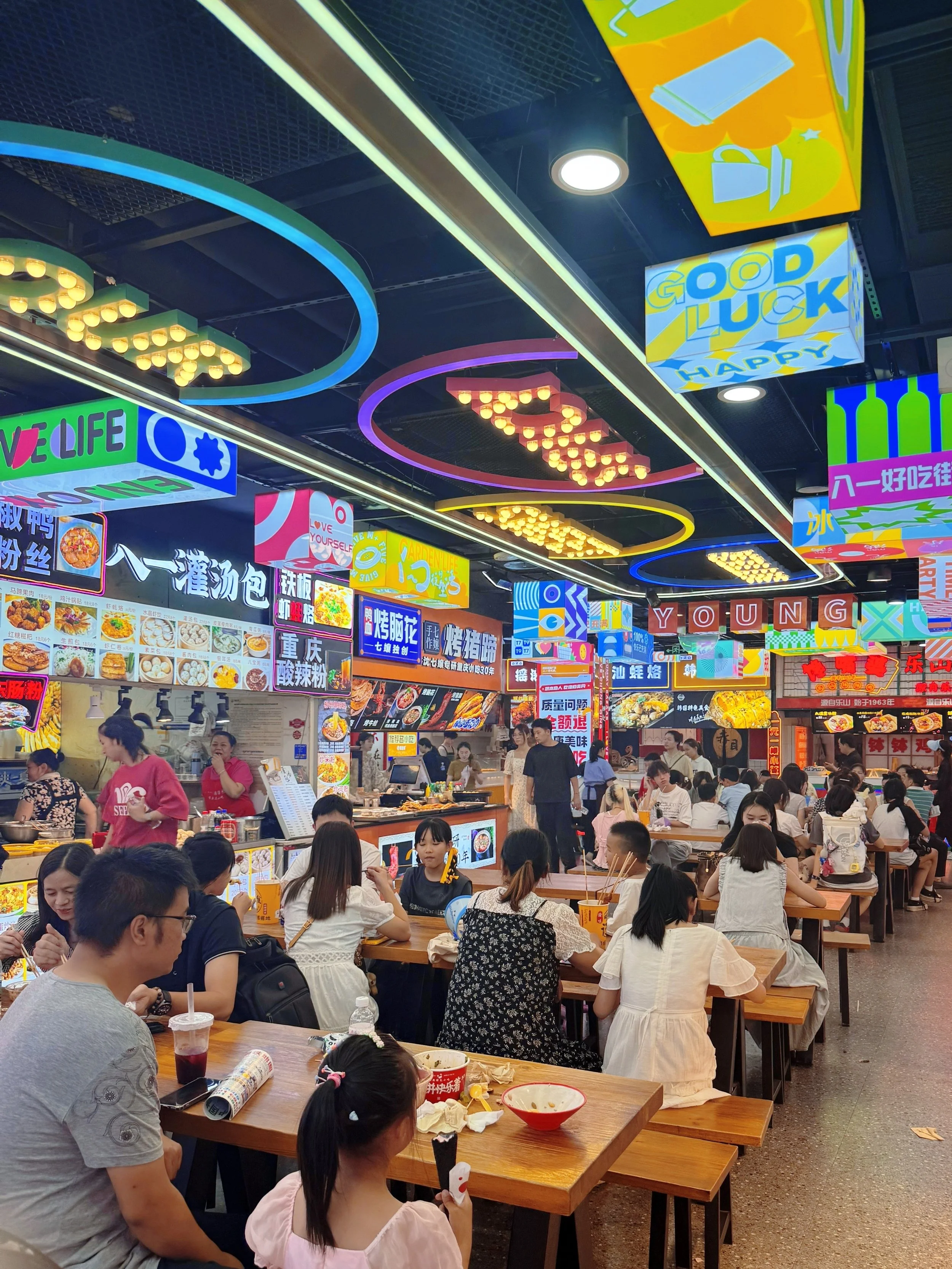
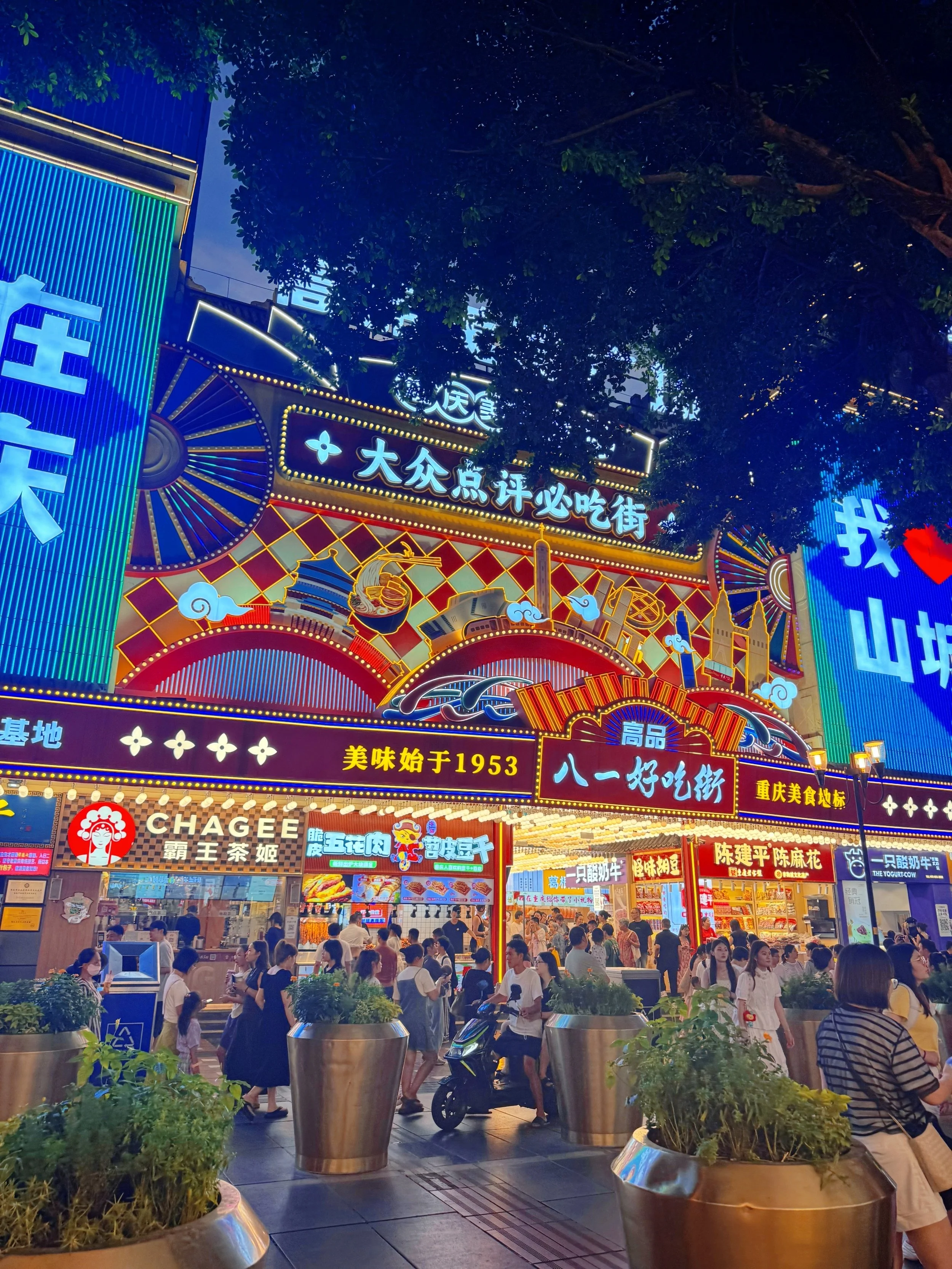
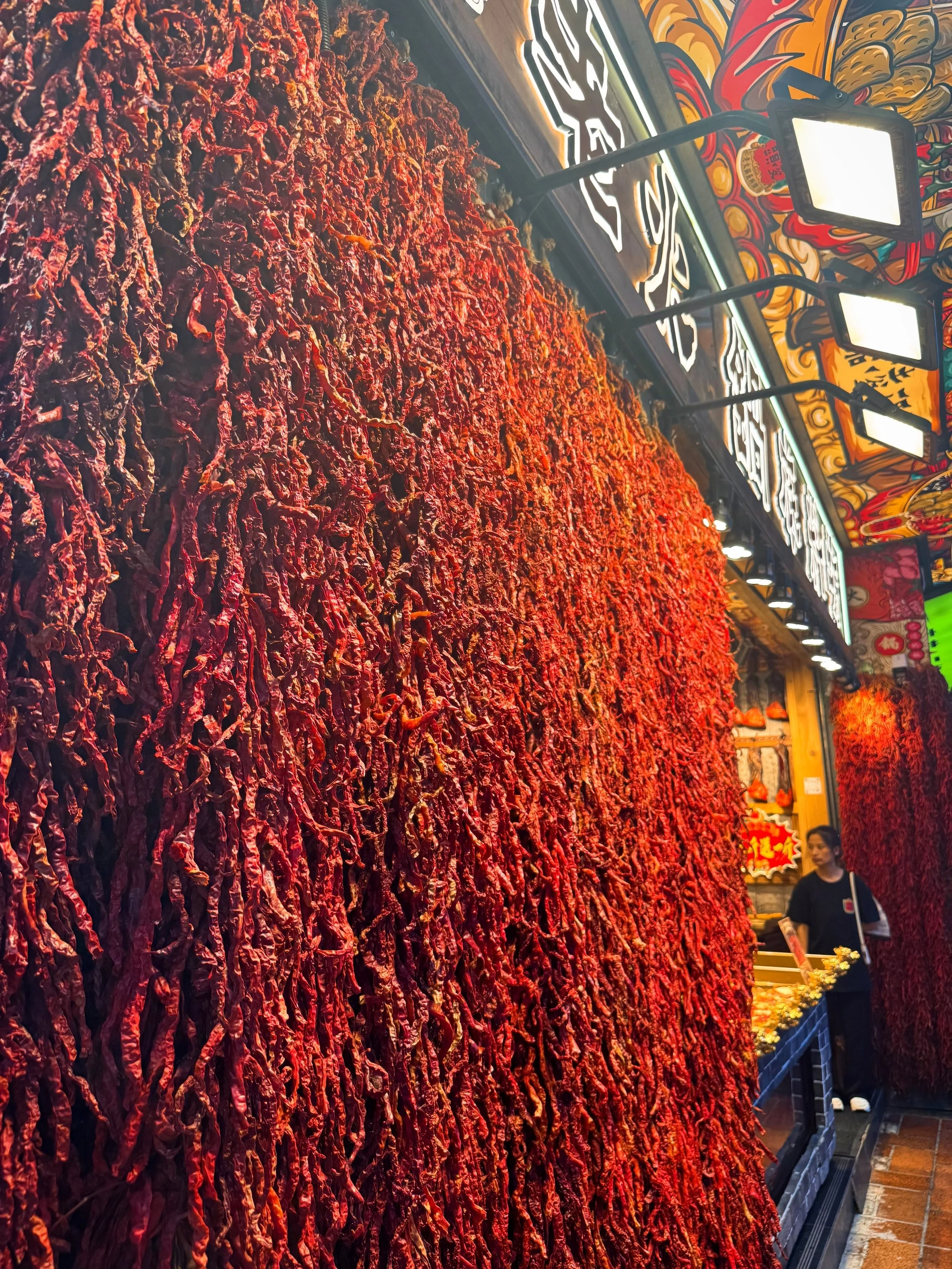
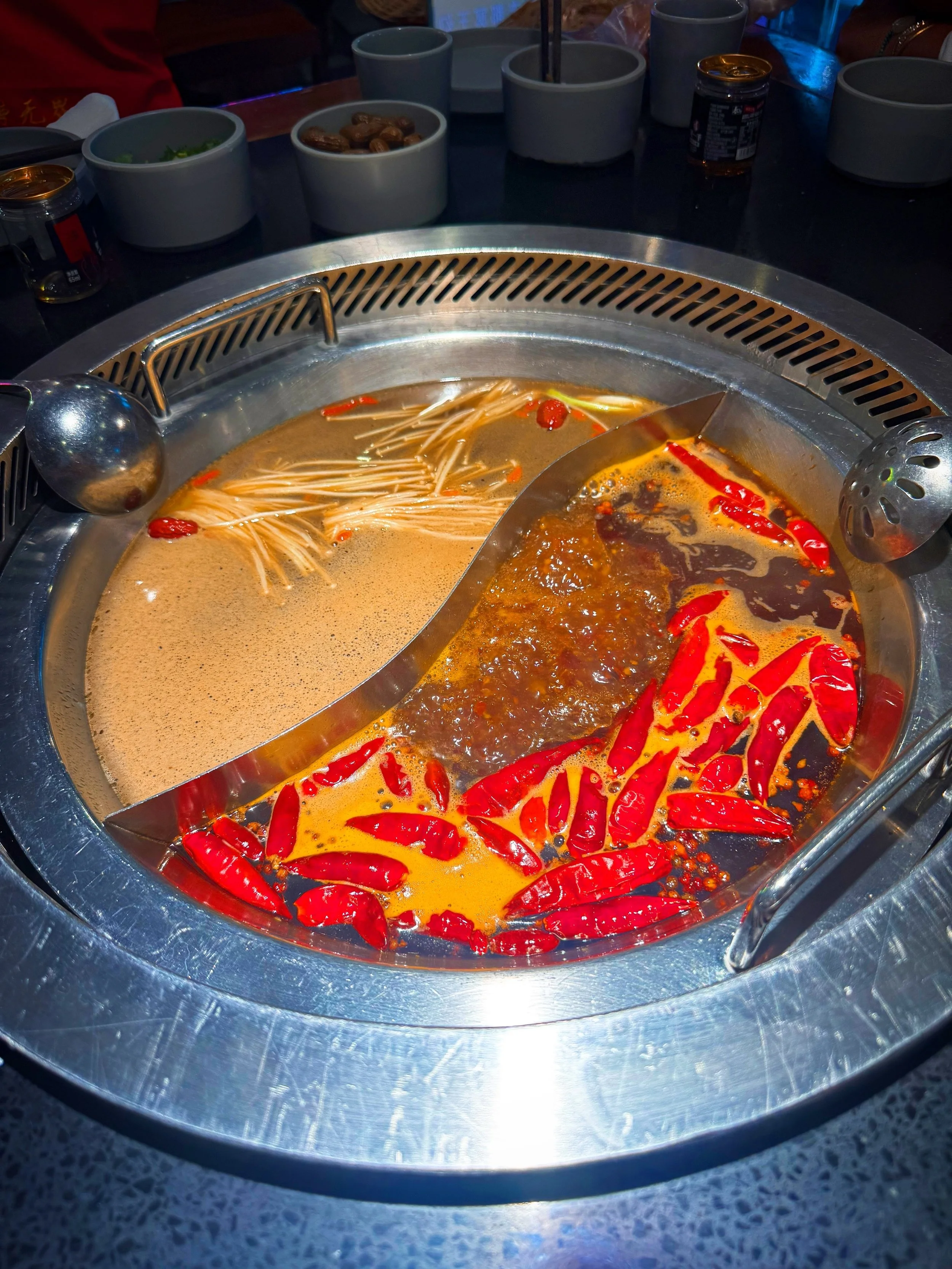
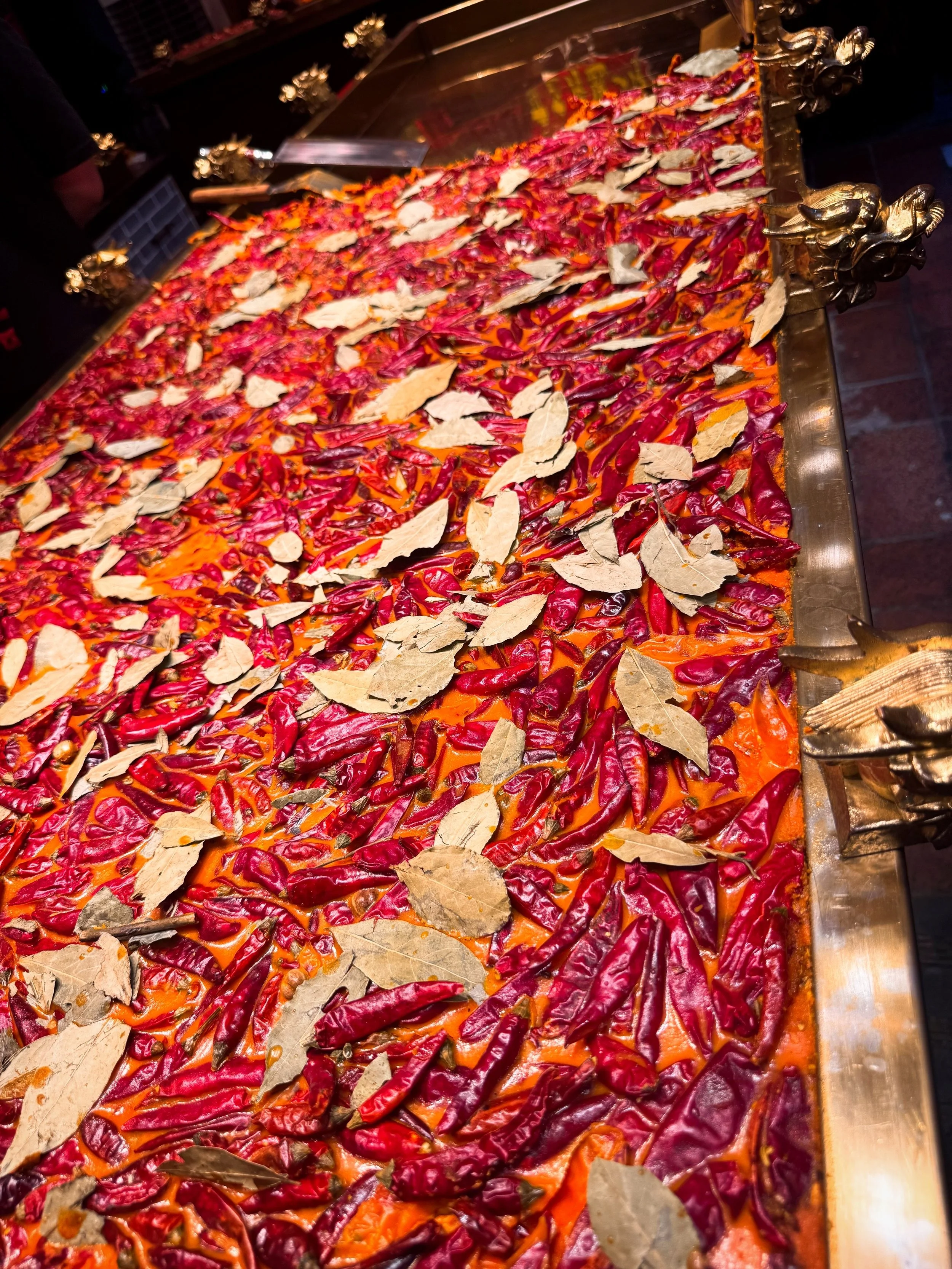
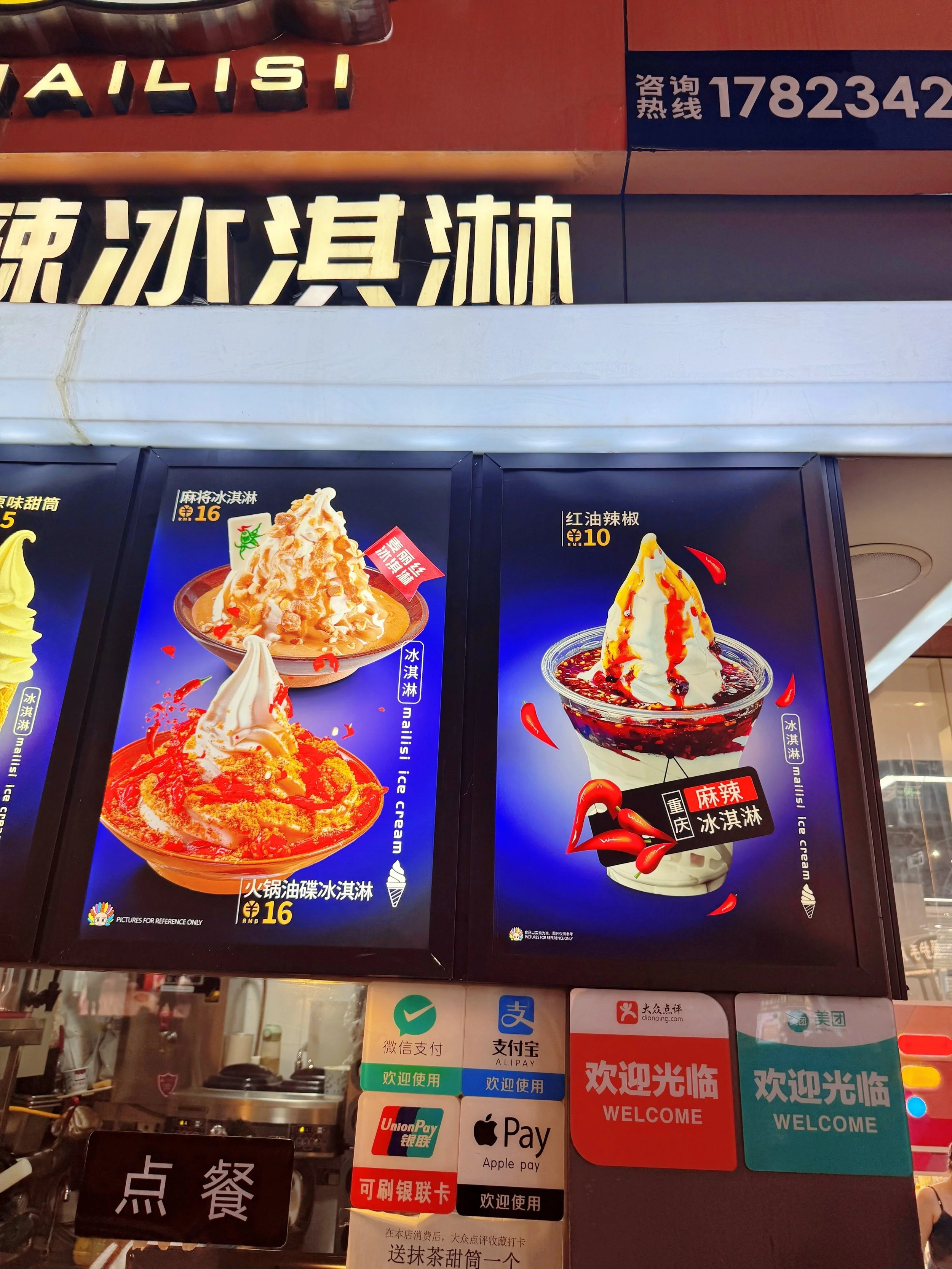
The scale of the city is difficult to grasp. It stretches and folds across the mountains in ways that make even simple navigation feel uncertain. Walkways lead to escalators, which lead to lifts, which open into shopping centres built into residential towers. It is easy to lose your sense of direction. Walking, in the way you might in other cities, becomes almost impractical. Taxis are so inexpensive that they quickly become essential and, in the heavy summer heat, the air conditioning is a necessity.
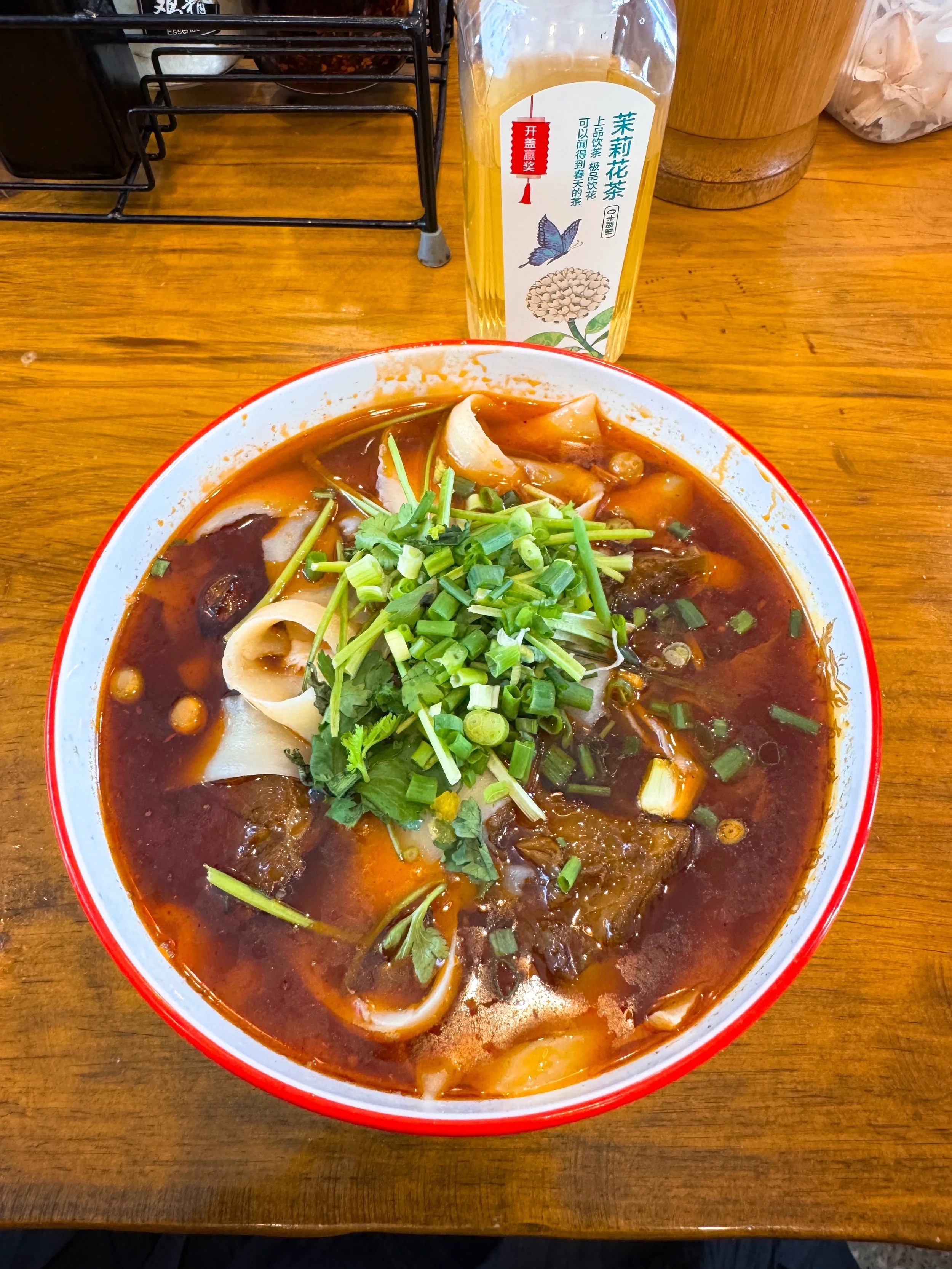
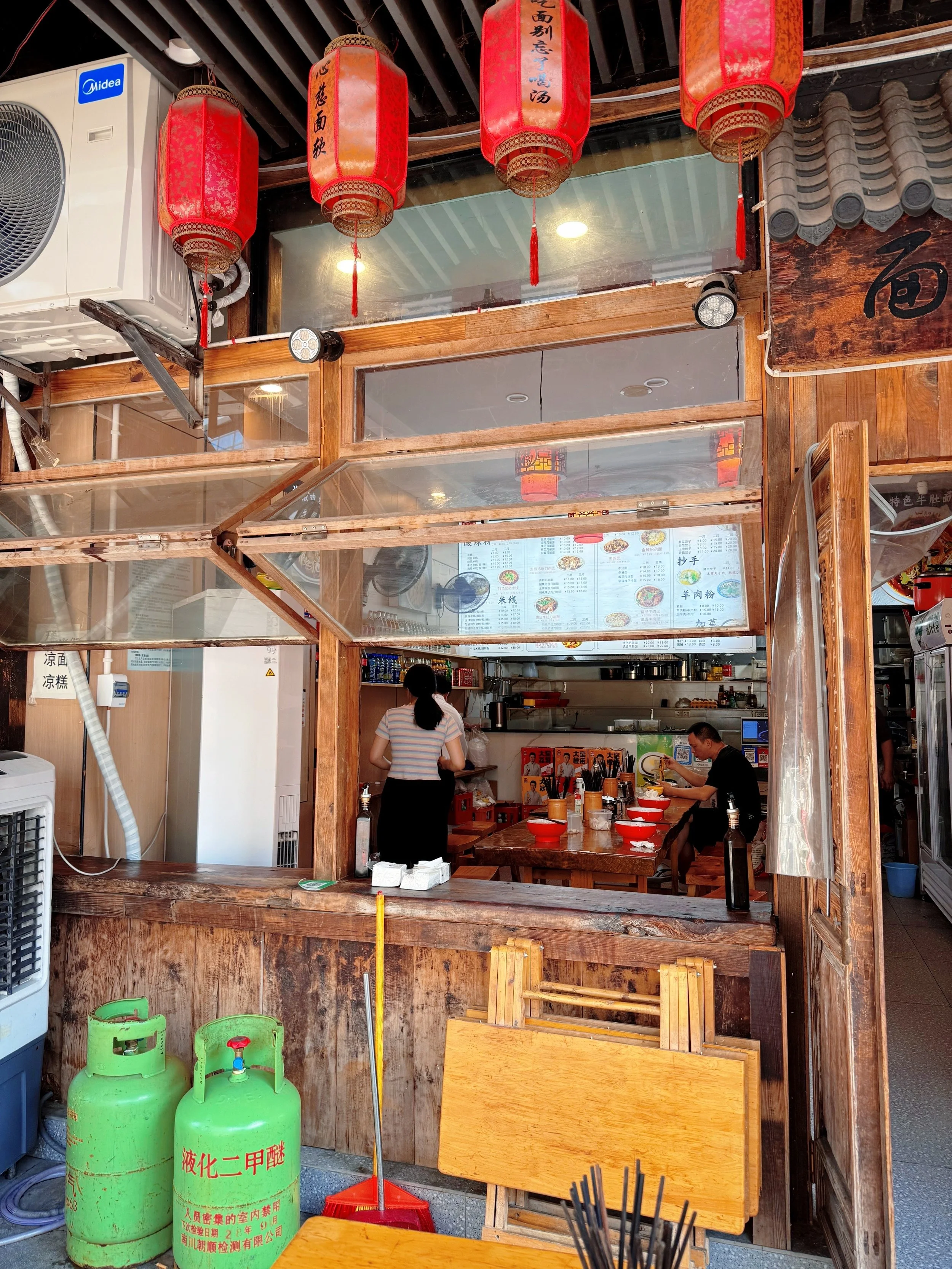
The next morning began with a bowl of spicy beef noodles in a small, unassuming spot. The noodles were deeply flavoured, rich with heat, and cost little more than a pound. Chongqing has this quiet contradiction. It feels vast and futuristic, yet moments like this are simple and grounded.
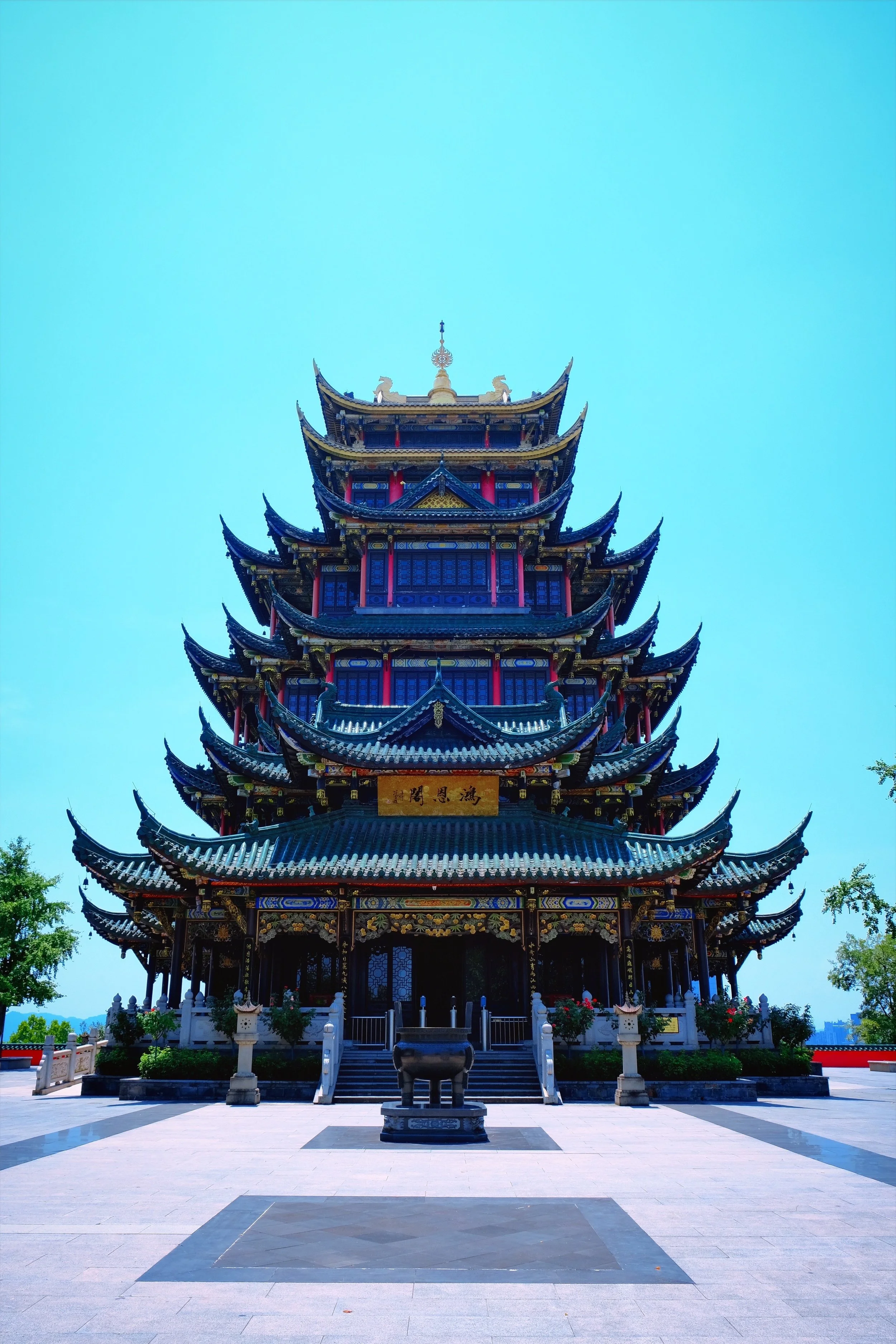
Chongqing’s past sits just beneath its surface. The city’s history stretches back over three thousand years, but its more recent past is impossible to ignore. During the Second Sino-Japanese War, Chongqing served as China’s wartime capital after the fall of Nanjing. For several years, it endured relentless aerial bombardment by Japanese forces in what became one of the longest sustained bombing campaigns of the war. The city was reshaped by it. Civilians took refuge in an extensive network of air raid shelters carved directly into the mountains, some of which still remain today. There is something quietly striking about the way these spaces have now been absorbed into everyday life. You can now sit down to eat hot pot inside former bunkers.
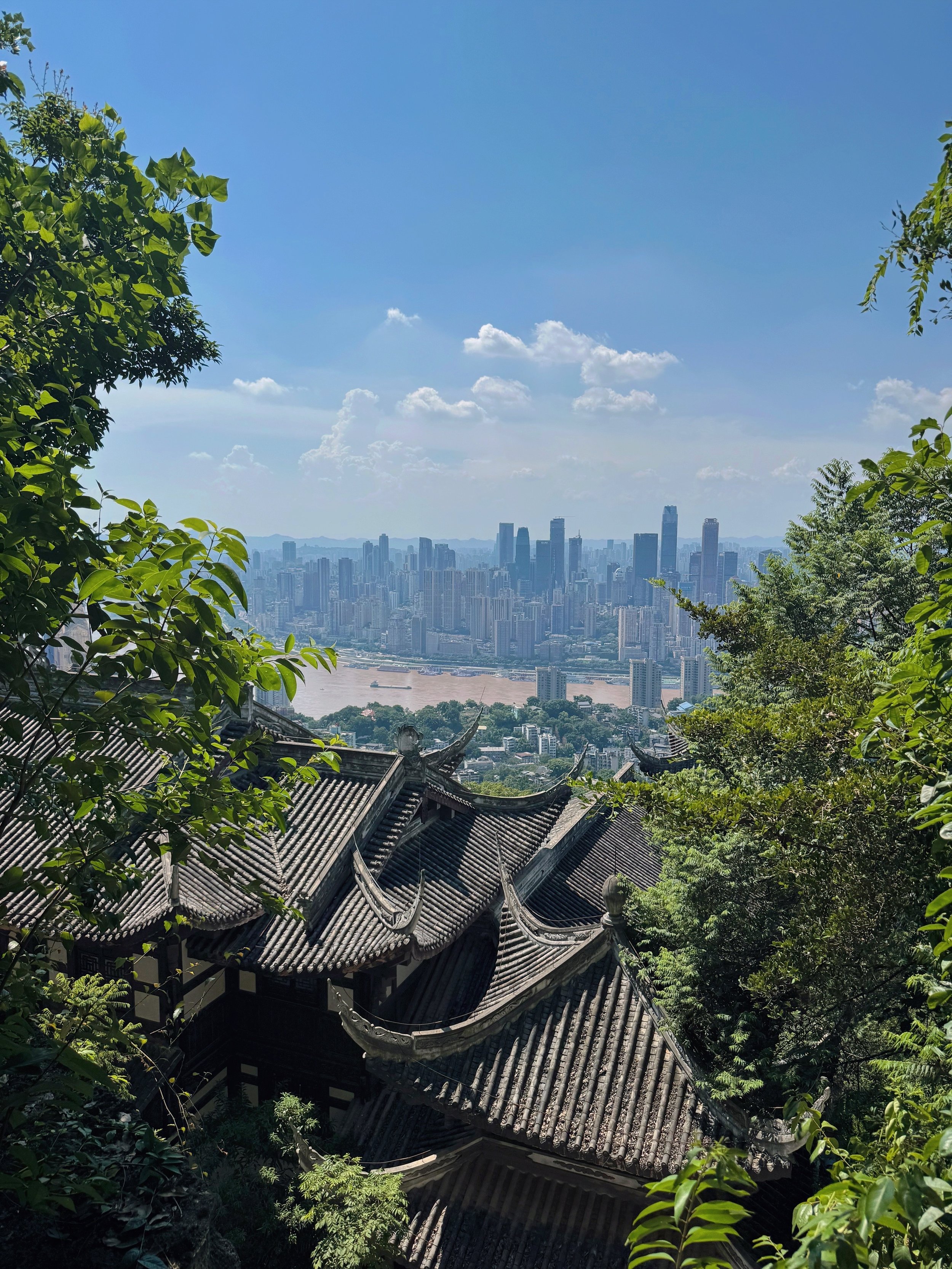
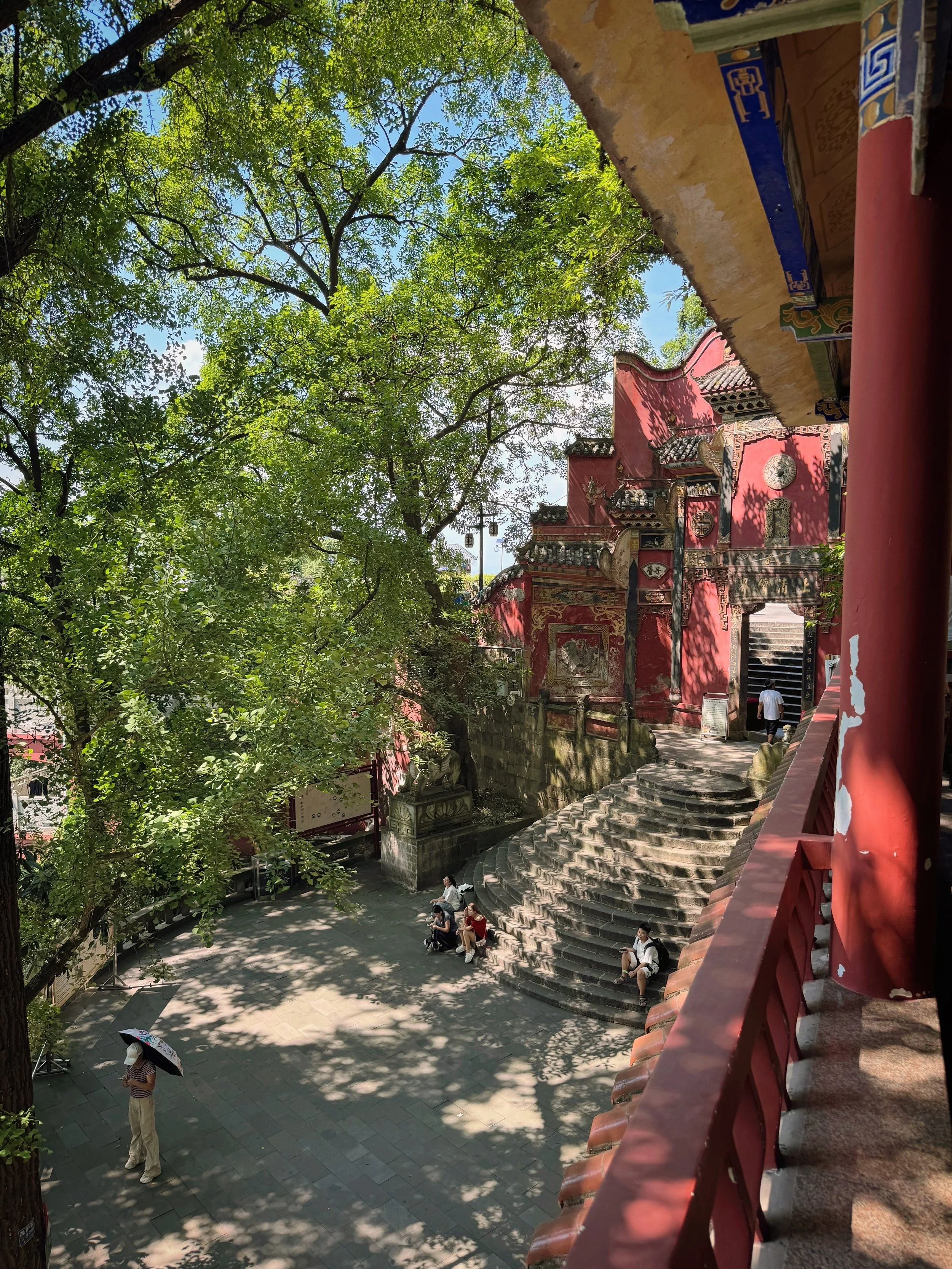
And yet, Chongqing feels unmistakably modern, as though it has grown at an impossible speed. It is often described as one of the largest cities in the world, with a population that is difficult to truly comprehend. Skyscrapers rise between older neighbourhoods, temples sit quietly in the shadow of new developments and, beyond the centre, the mountains hold pockets of calm. There is a constant interplay between overstimulation and stillness.
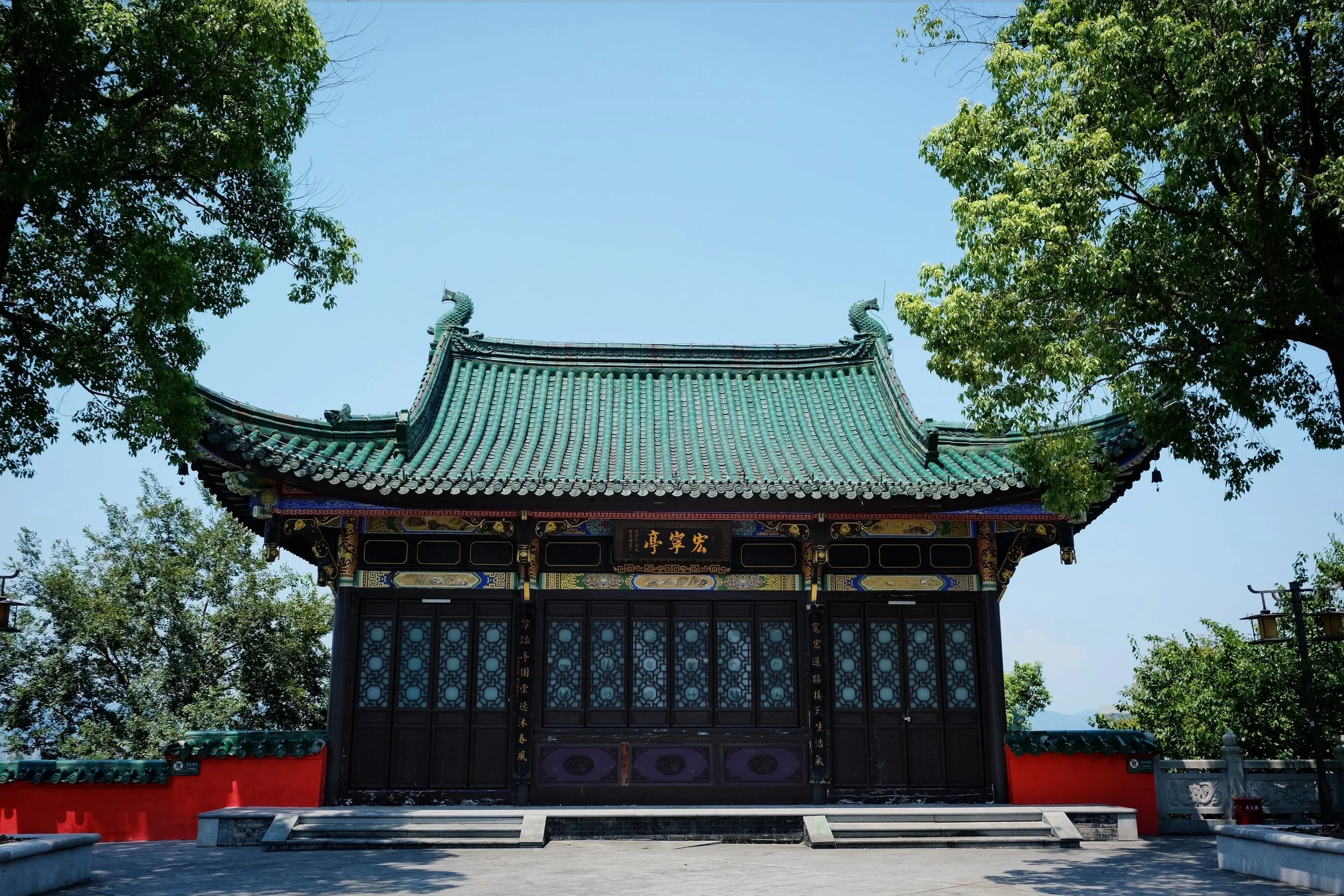
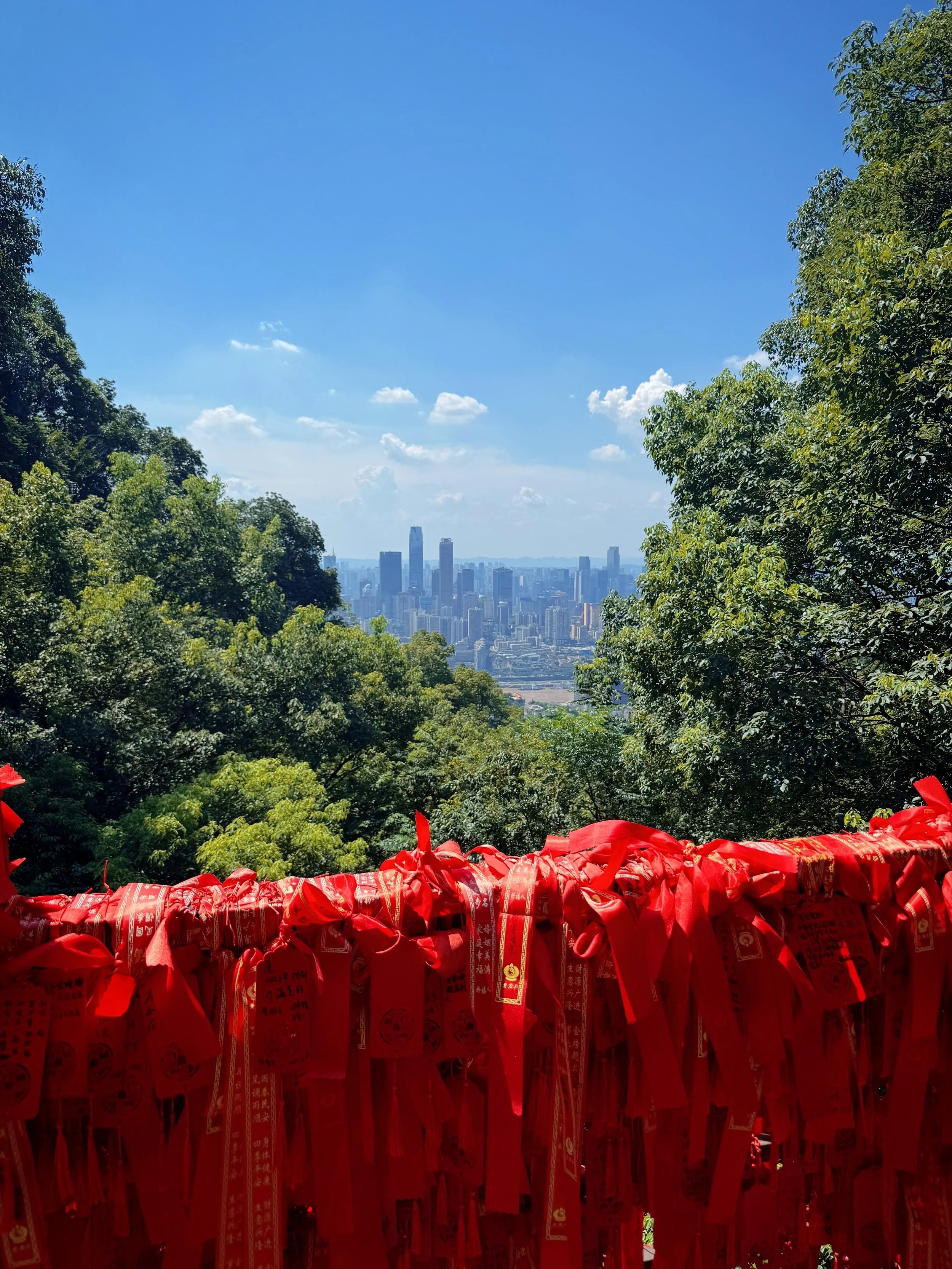
One of my clearest memories is of an afternoon at Laojun Dong, set higher in the hills. The air was cooler there, the noise of the city softened. We walked slowly through the grounds before arriving at a small teahouse overlooking the landscape. There, our family friend guided us through a tea ceremony that was such a privilege to participate in. It was a moment of complete stillness, with the view of the skyscrapers framed below.
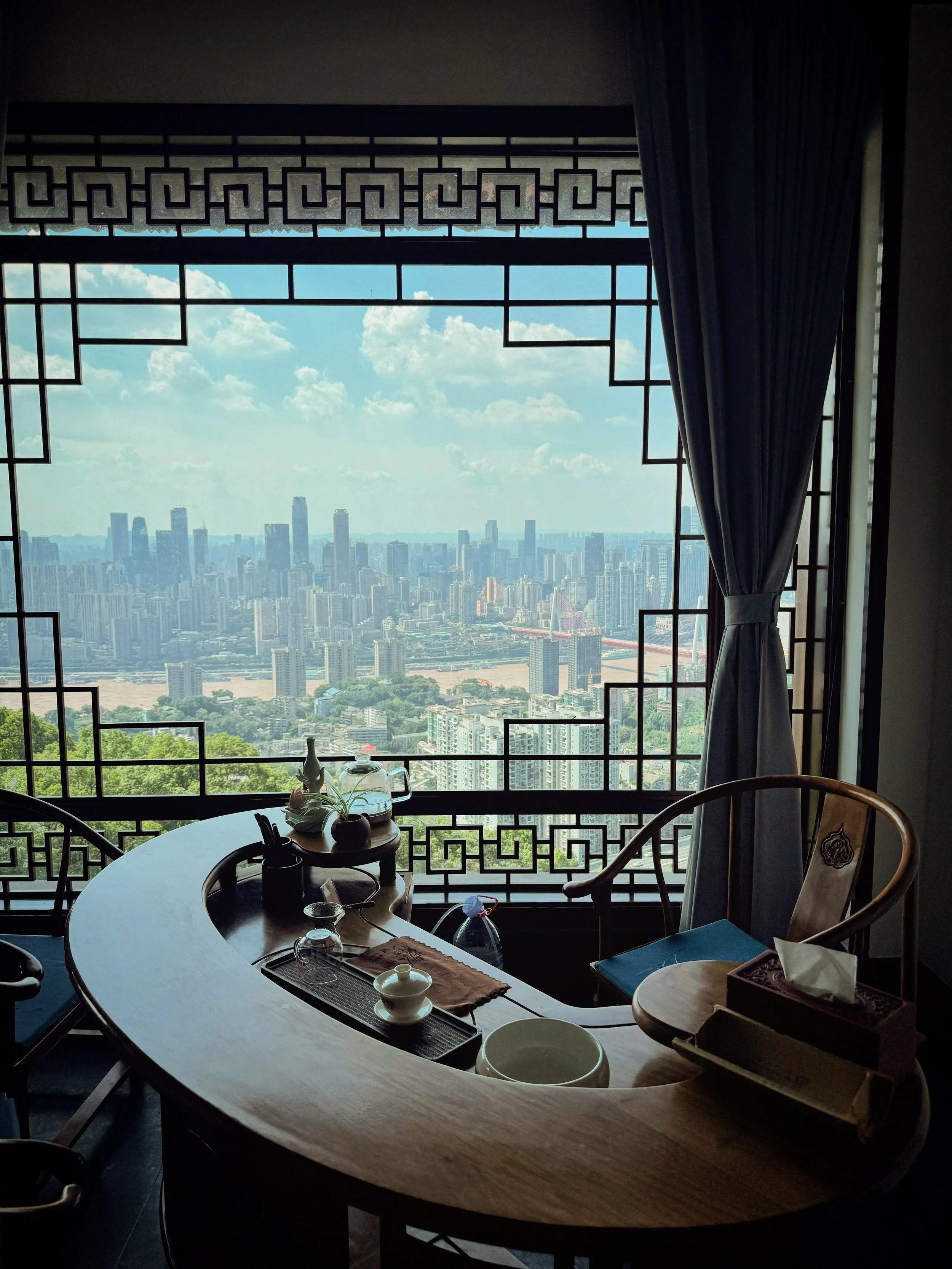
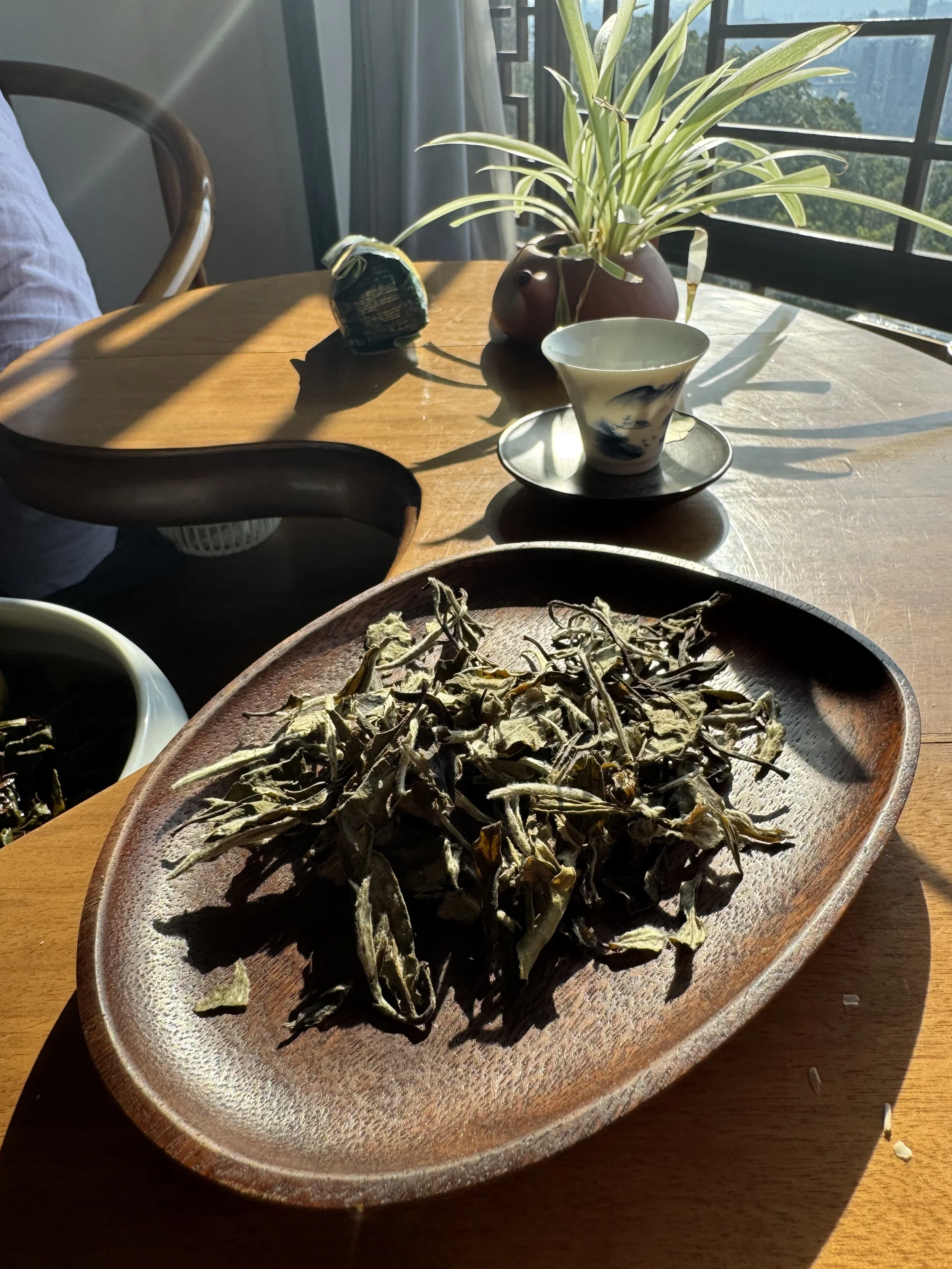
Chongqing is not the easiest city to navigate without preparation. Language can be a barrier, particularly in smaller, local places and it requires a certain willingness to improvise. Learning a few phrases, using translation tools, and accepting a degree of uncertainty goes a long way. I was fortunate, again, to be travelling with my partner and his family, whose fluency made everything feel effortless and allowed me to have, frankly, the trip of a lifetime.
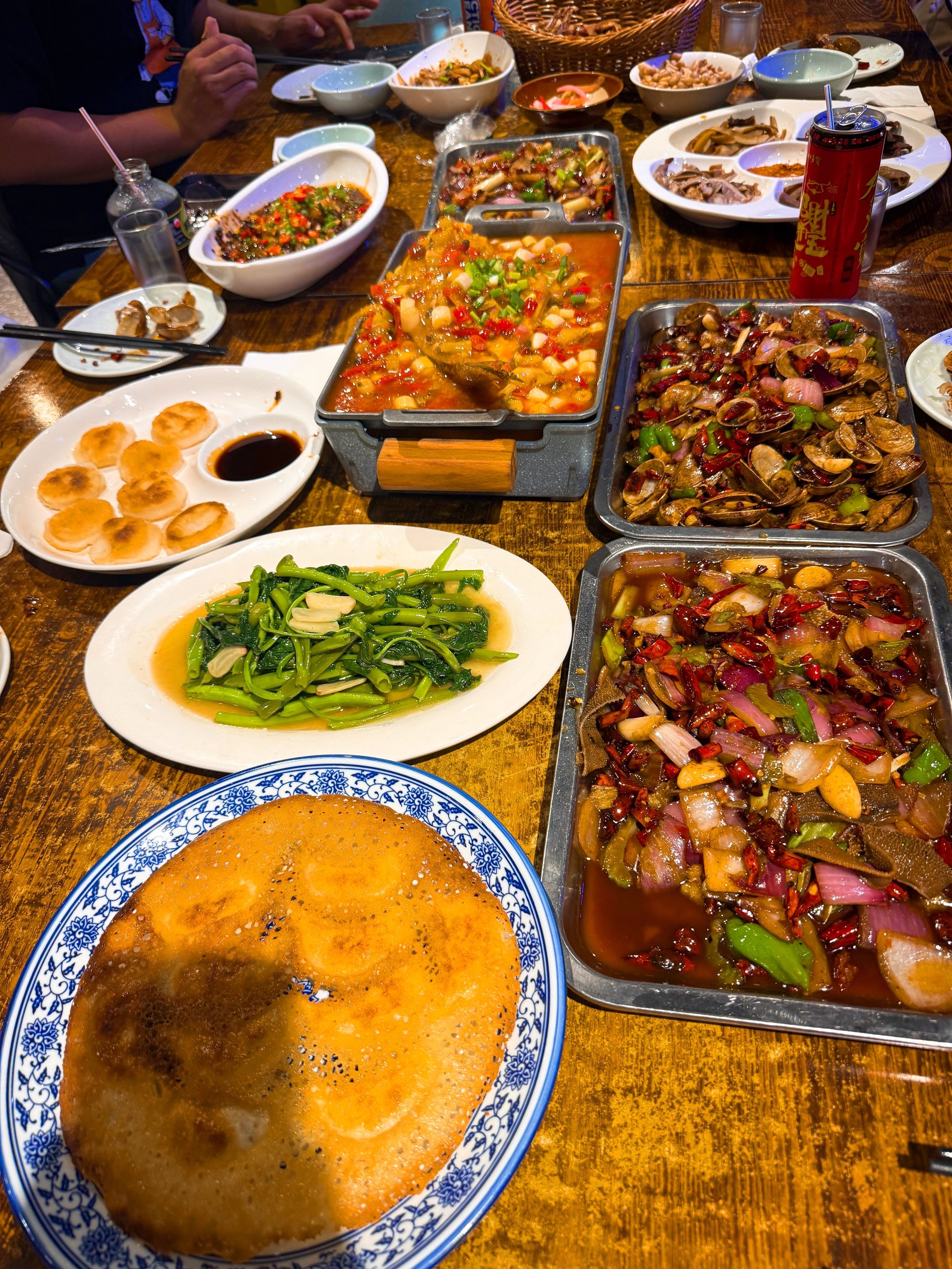
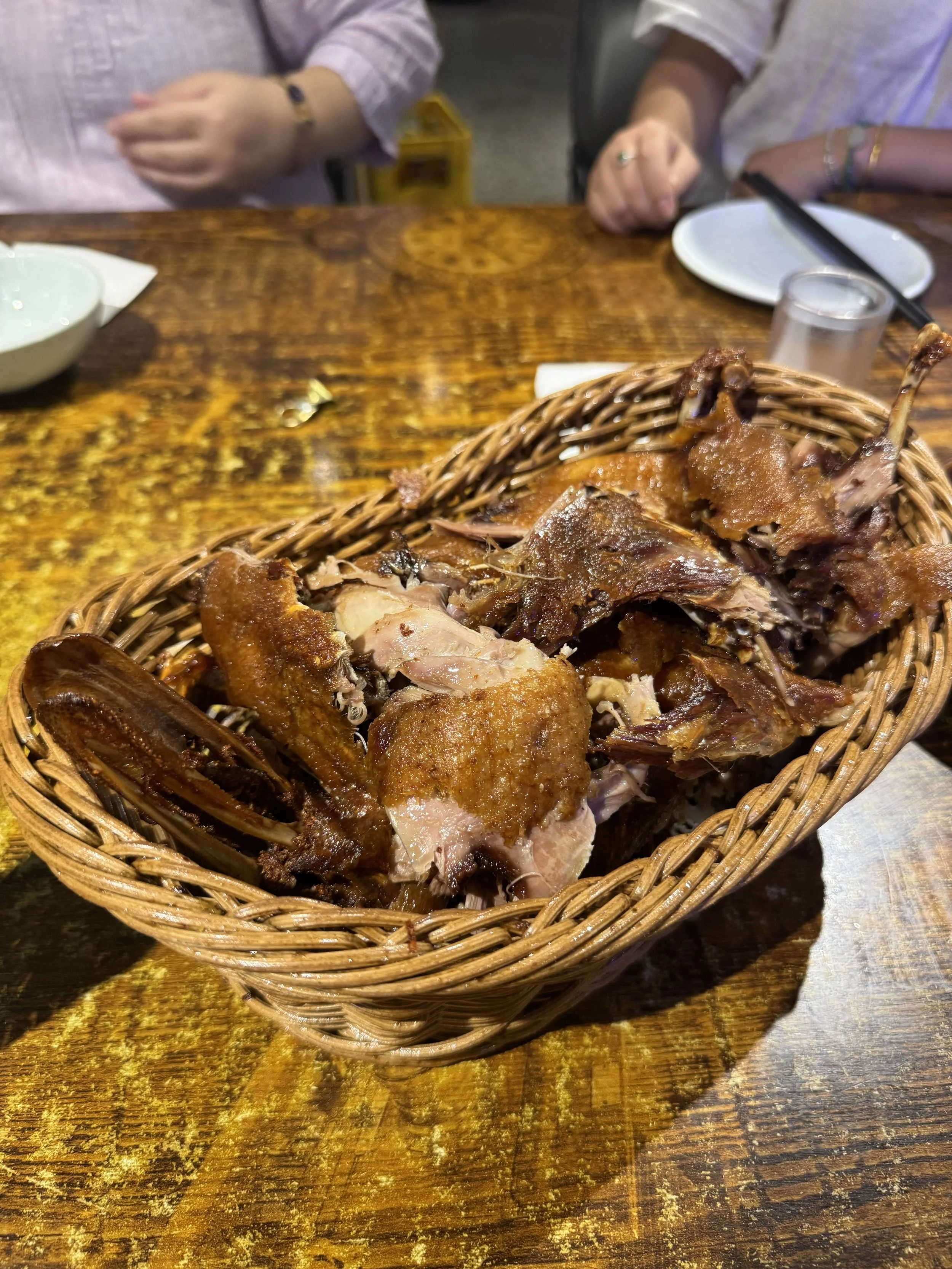
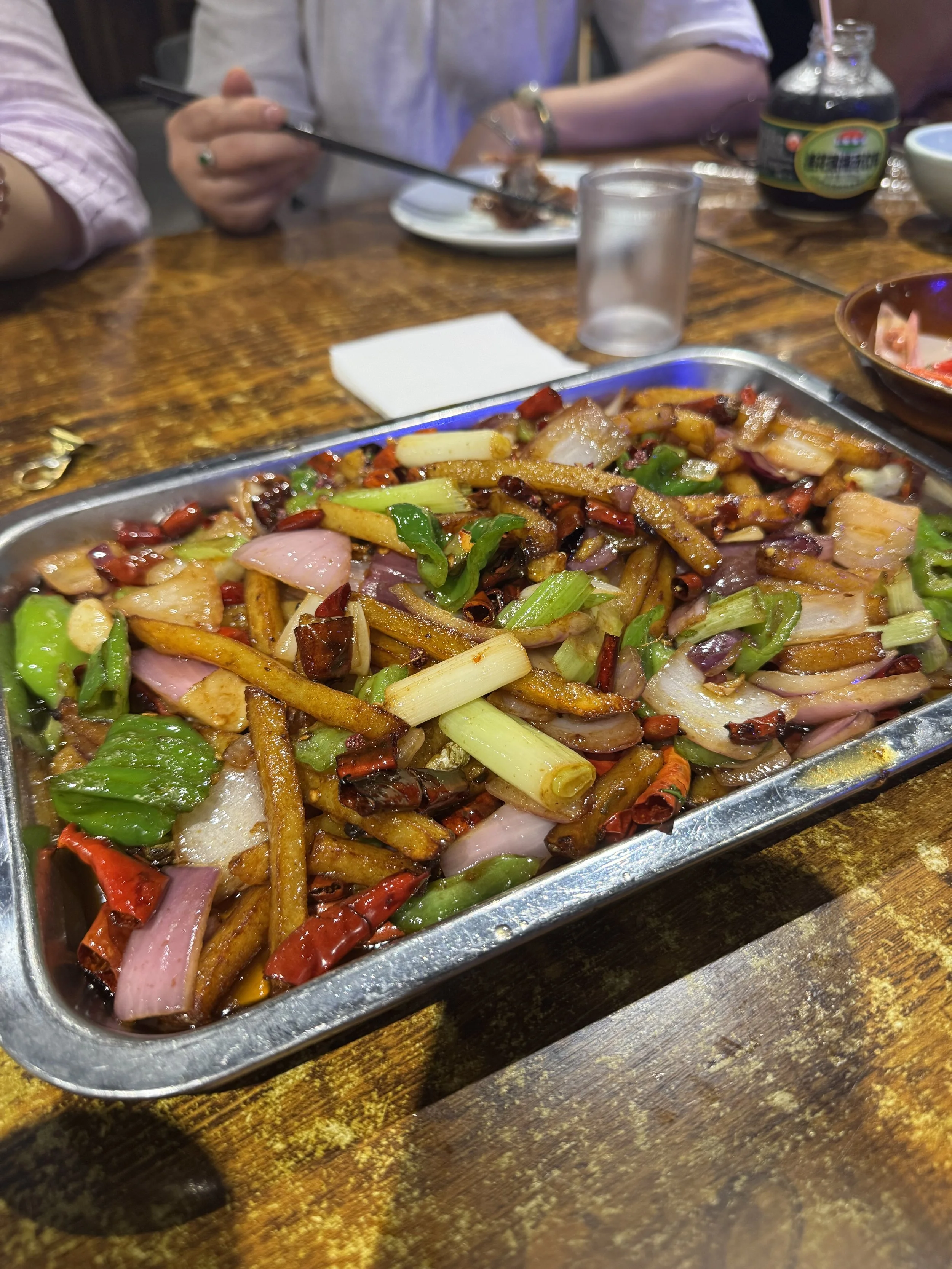
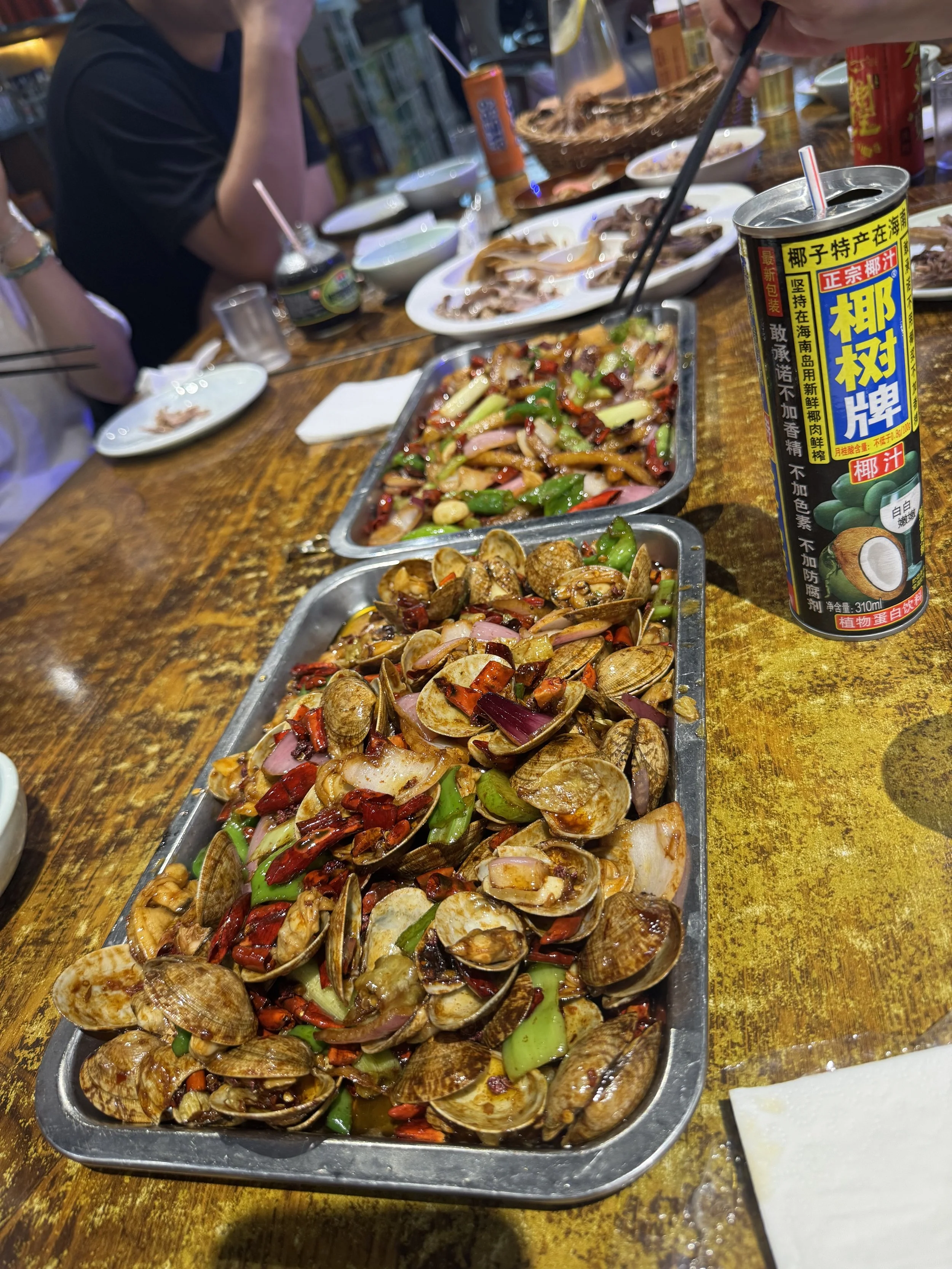
Four days is not enough for a place like this. Chongqing stretches far beyond what you can see in a single visit, offering more neighbourhoods, more food, more moments than can be neatly contained. It feels unfinished in the best sense.