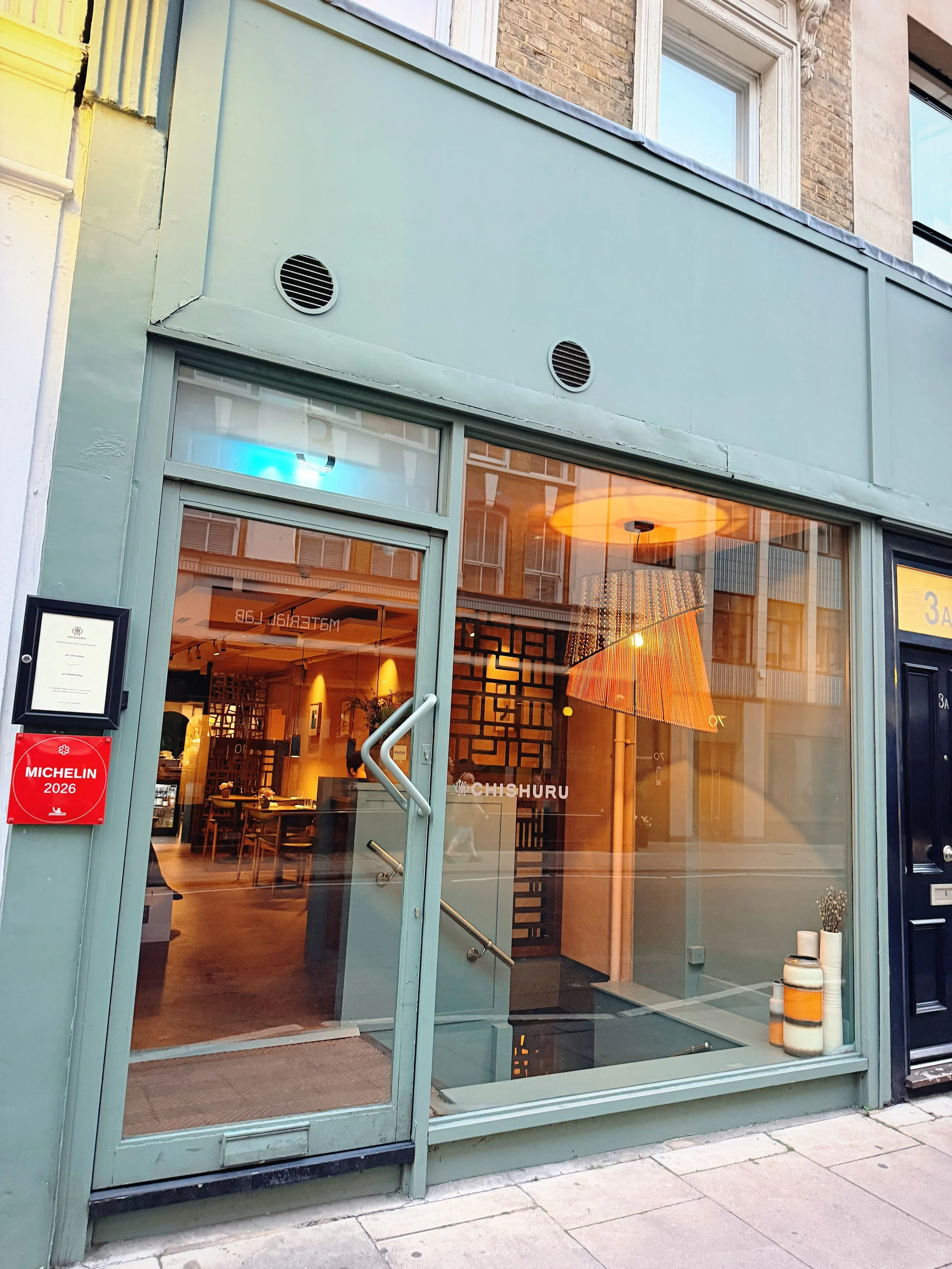
Chishuru, London
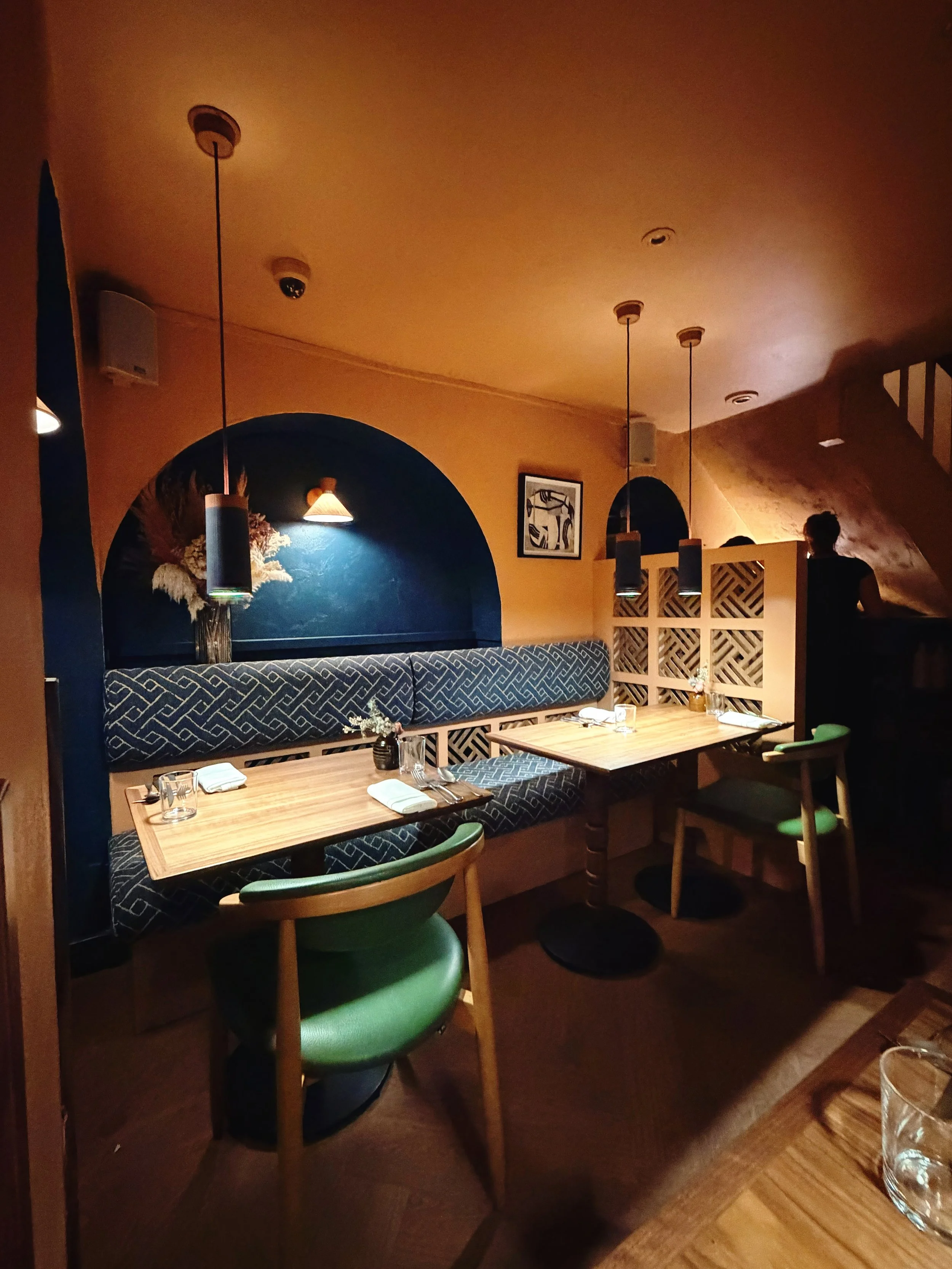
I am very lucky in my friendships. My friends really do step up as my family. They also do wonderfully generous things for me, like secretly booking a Michelin starred tasting menu for my birthday. And that is how I found myself at Chishuru on an astonishingly hot Friday evening in the middle of London's heatwave, on my way to finally visit a restaurant that had been sitting on my ever growing list.
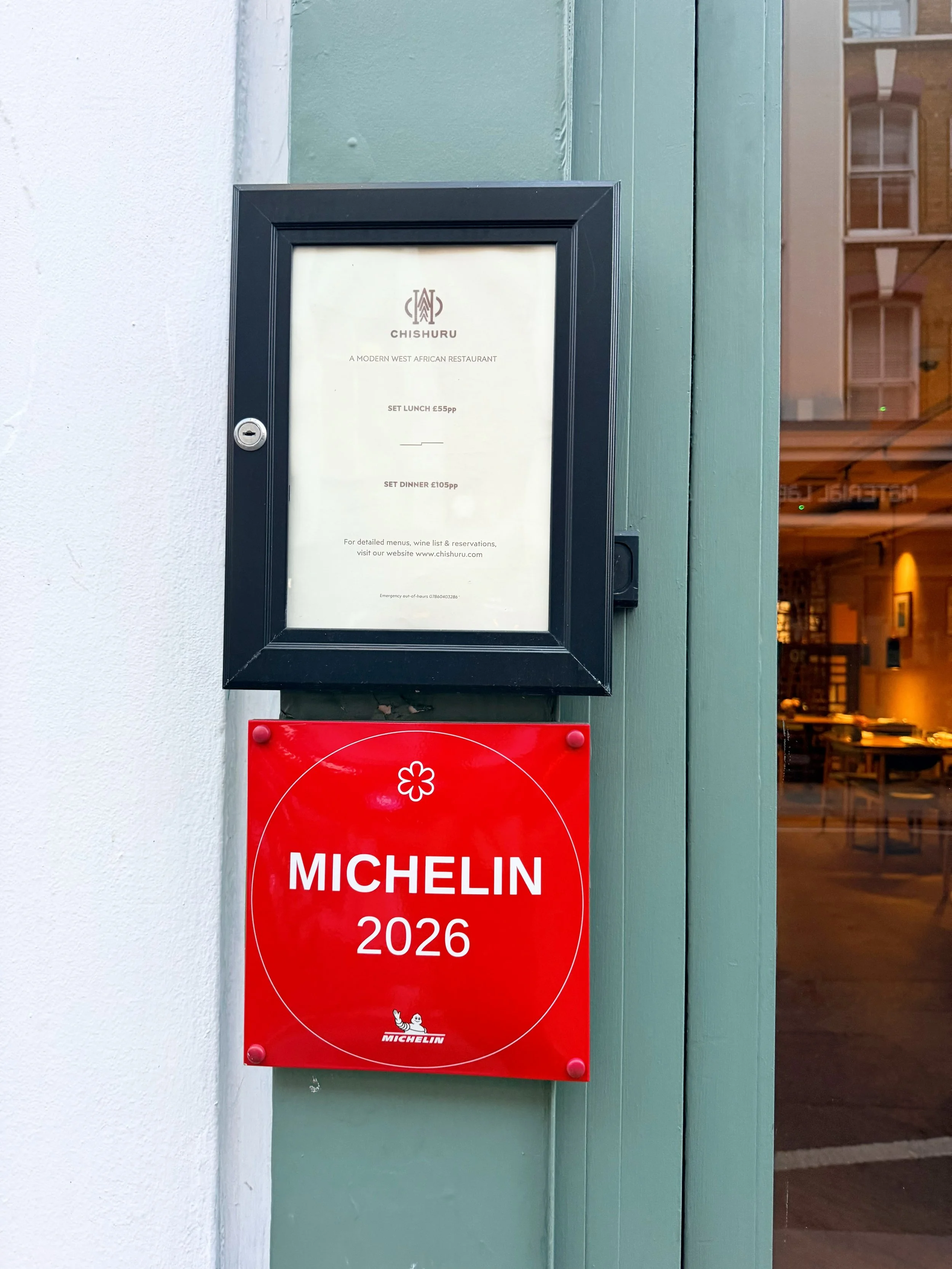
Founded by Nigerian-British chef Adejoké Joké Bakare, Chishuru began life as a residency in Brixton Village Market before moving into its permanent Fitzrovia home in 2023. The restaurant celebrates the depth of West African cooking, drawing particularly on Nigerian flavours while incorporating exceptional British produce. In 2024, Bakare became the first Black British woman to be awarded a Michelin star, a landmark achievement that felt long overdue for both her and a cuisine that has so often been overlooked by fine dining. After spending an evening here, it is difficult to imagine how anyone could question that accolade.
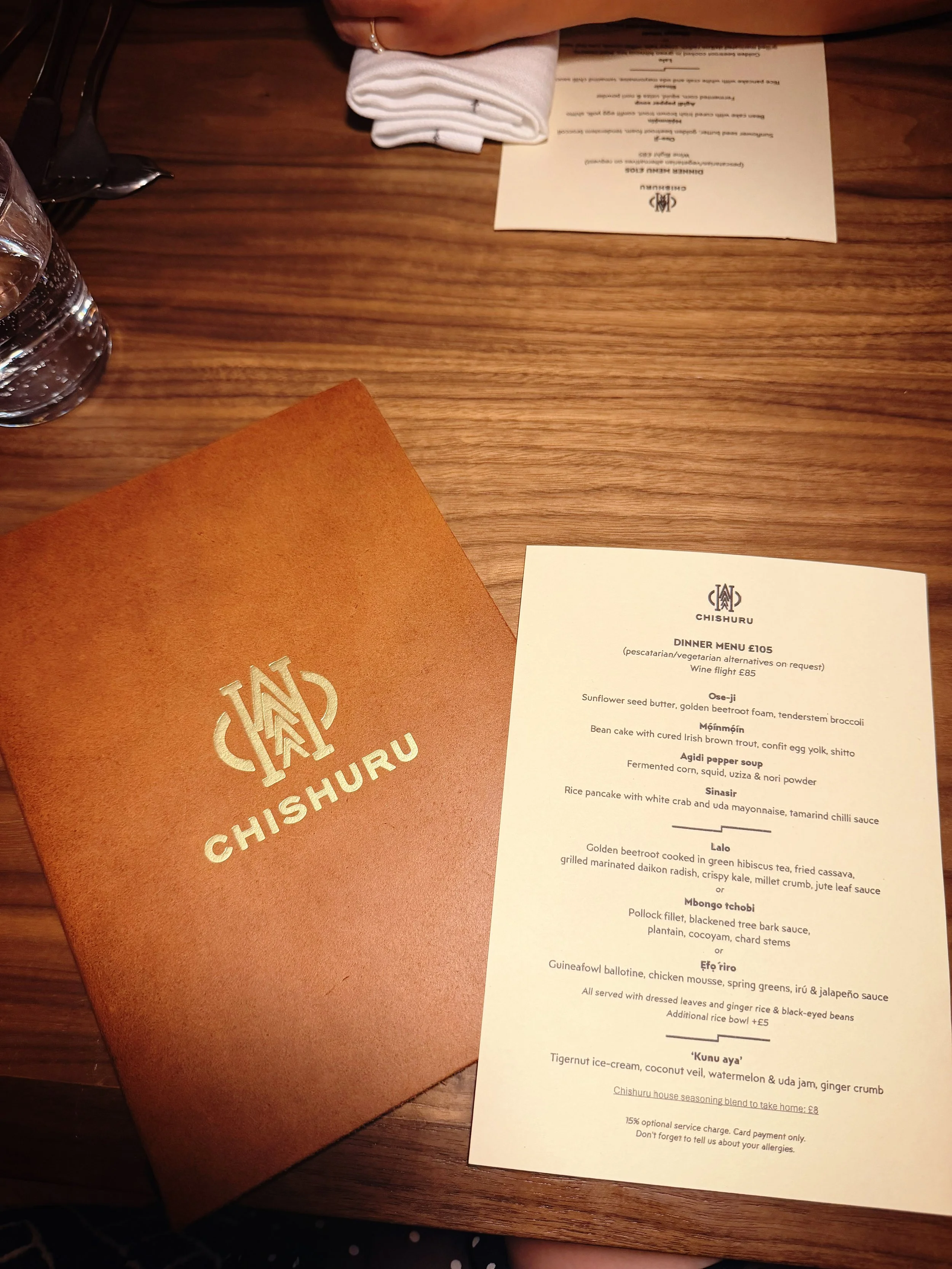
We visited for the evening tasting menu, although there is also a shorter and more affordable lunch menu if you're looking for an introduction. The format allows the kitchen to take you on a journey through ingredients and flavours that are rooted in West African food traditions.
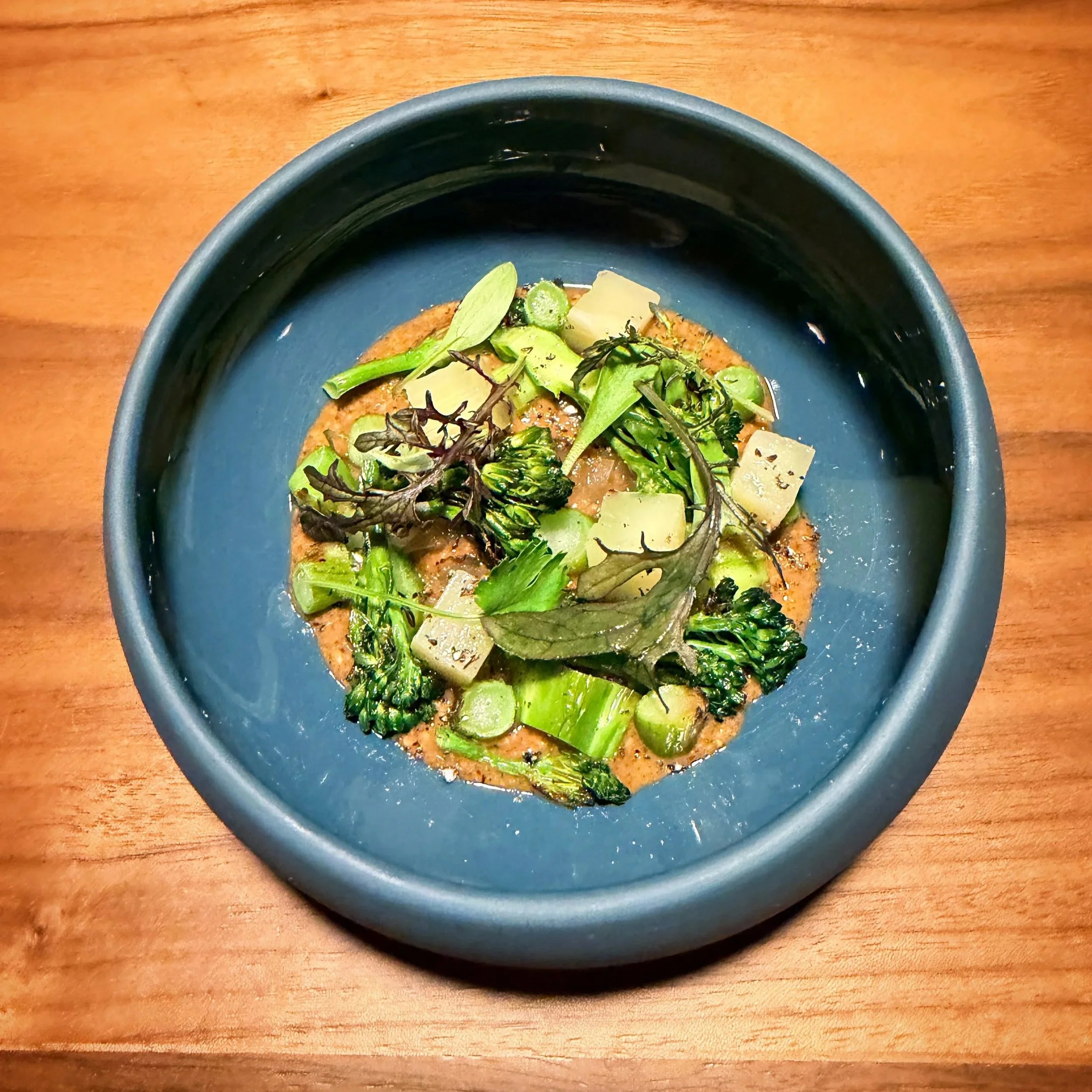
We started with the Ose-ji. Mine was prepared without the beetroot foam (perhaps the world's weirdest allergy), but I certainly didn't feel as though I was missing out. The real star was the sunflower seed butter, which had an almost tahini-like richness that gave the dish an earthy, nutty depth. Paired with sweet seasonal asparagus, it was a beautifully balanced opening.
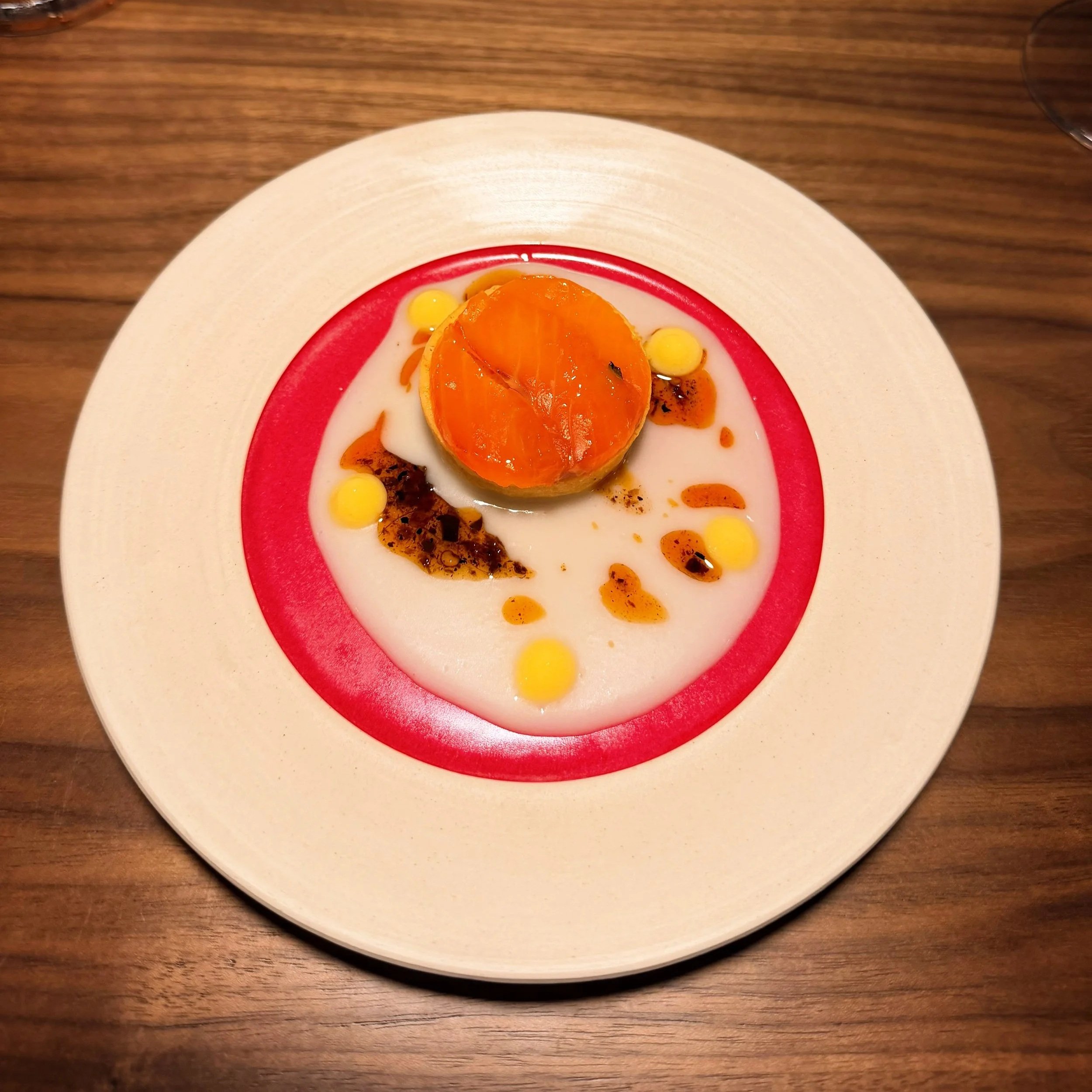
The second course quickly became one of my favourites, made of cured Irish brown trout with confit egg yolk and shitto pepper oil. Shitto is a Ghanaian condiment traditionally made from chillies, dried seafood and spices, delivering a deeply savoury heat rather than simply overwhelming spice. Here it provided just enough warmth to cut through the richness of the silky egg yolk, while allowing the delicate flavour of the trout to remain the focus.
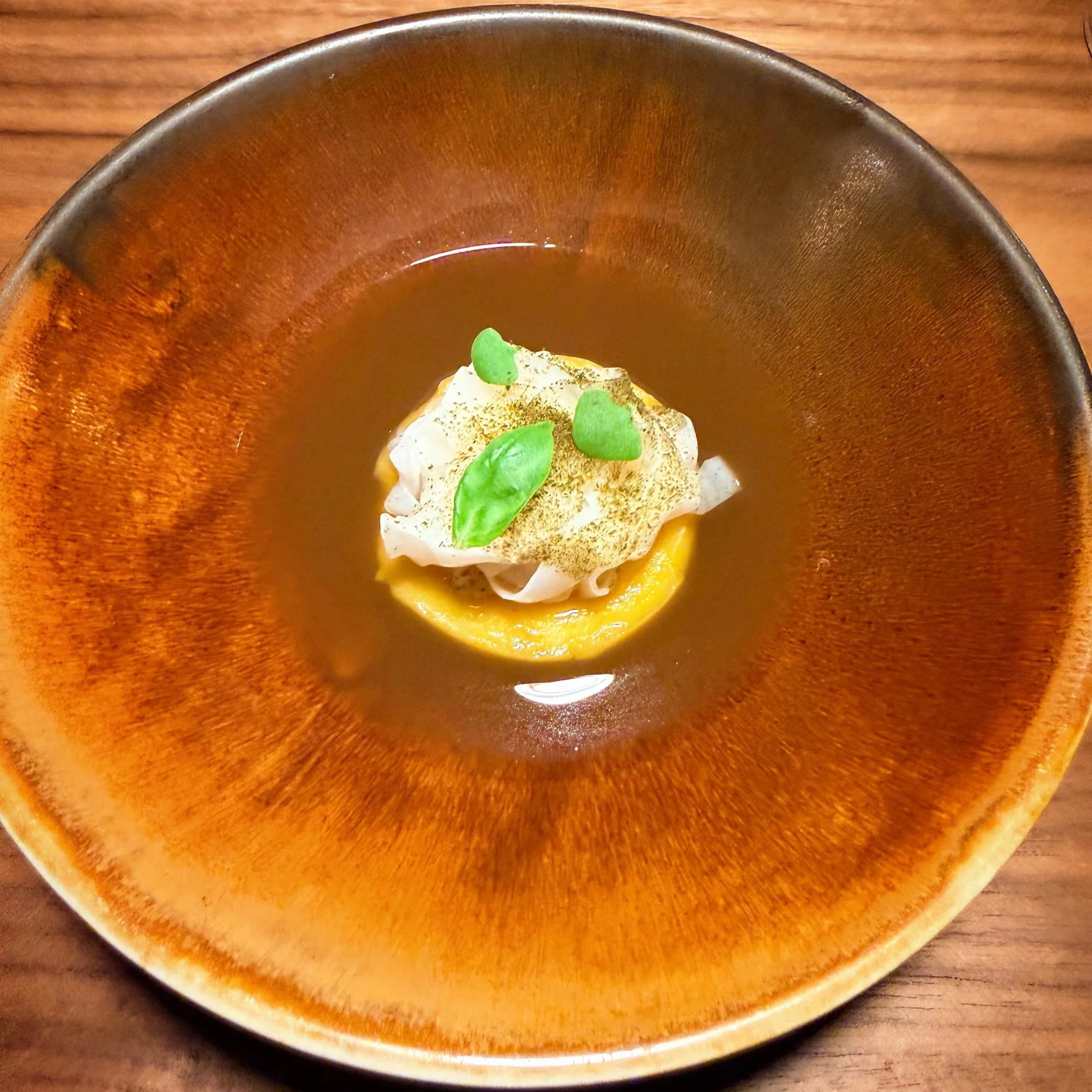
Next came agidi pepper soup with squid and nori powder. Agidi is a smooth fermented corn pudding found across parts of West Africa, and here its gentle sweetness softened the warming spice of the broth. The squid was perfectly tender, while the dusting of nori added an unexpected layer of umami that tied the whole dish together.
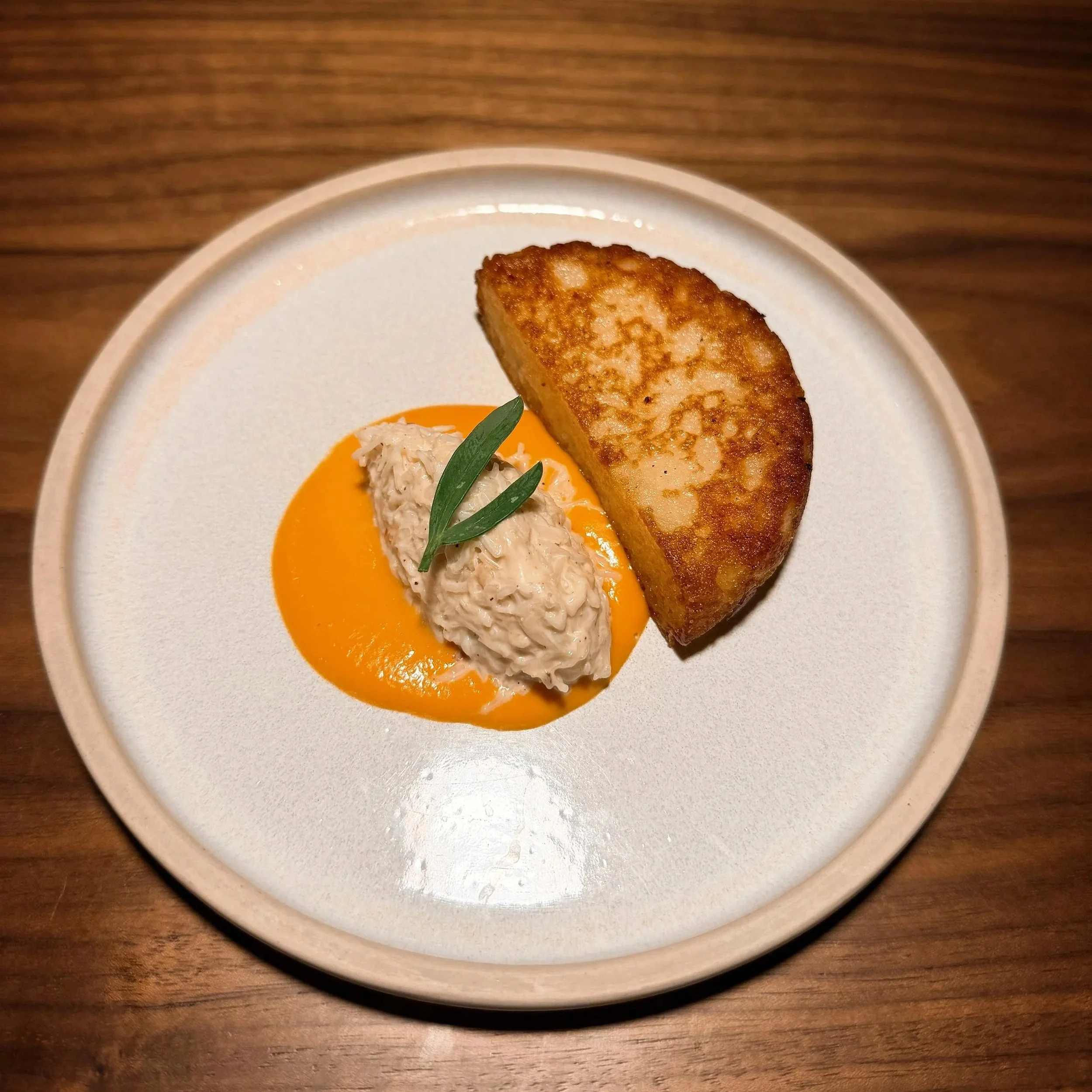
Our personal favourite from the opening courses, however, was the sinasir rice pancake with white crab and uda mayonnaise. Sinasir is a lightly fermented rice pancake originating from northern Nigeria, prized for its soft, slightly spongy texture. It immediately reminded my friend of the Korean rice cakes she grew up eating, although lighter and more delicate. The sweet white crab worked beautifully against the subtle tang of the pancake, while the mayonnaise, flavoured with uda, added gentle smokiness and warmth without overpowering the shellfish.
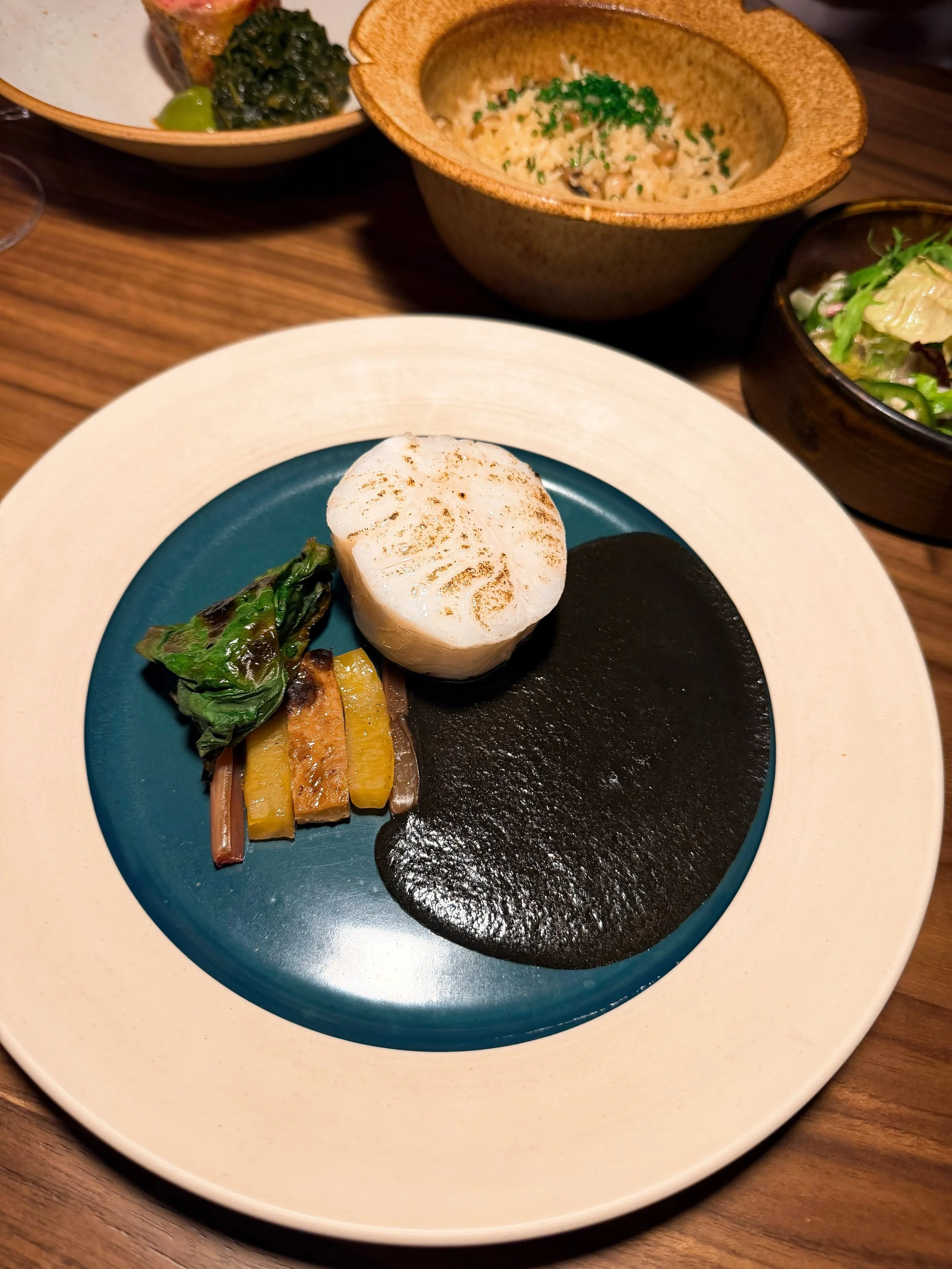
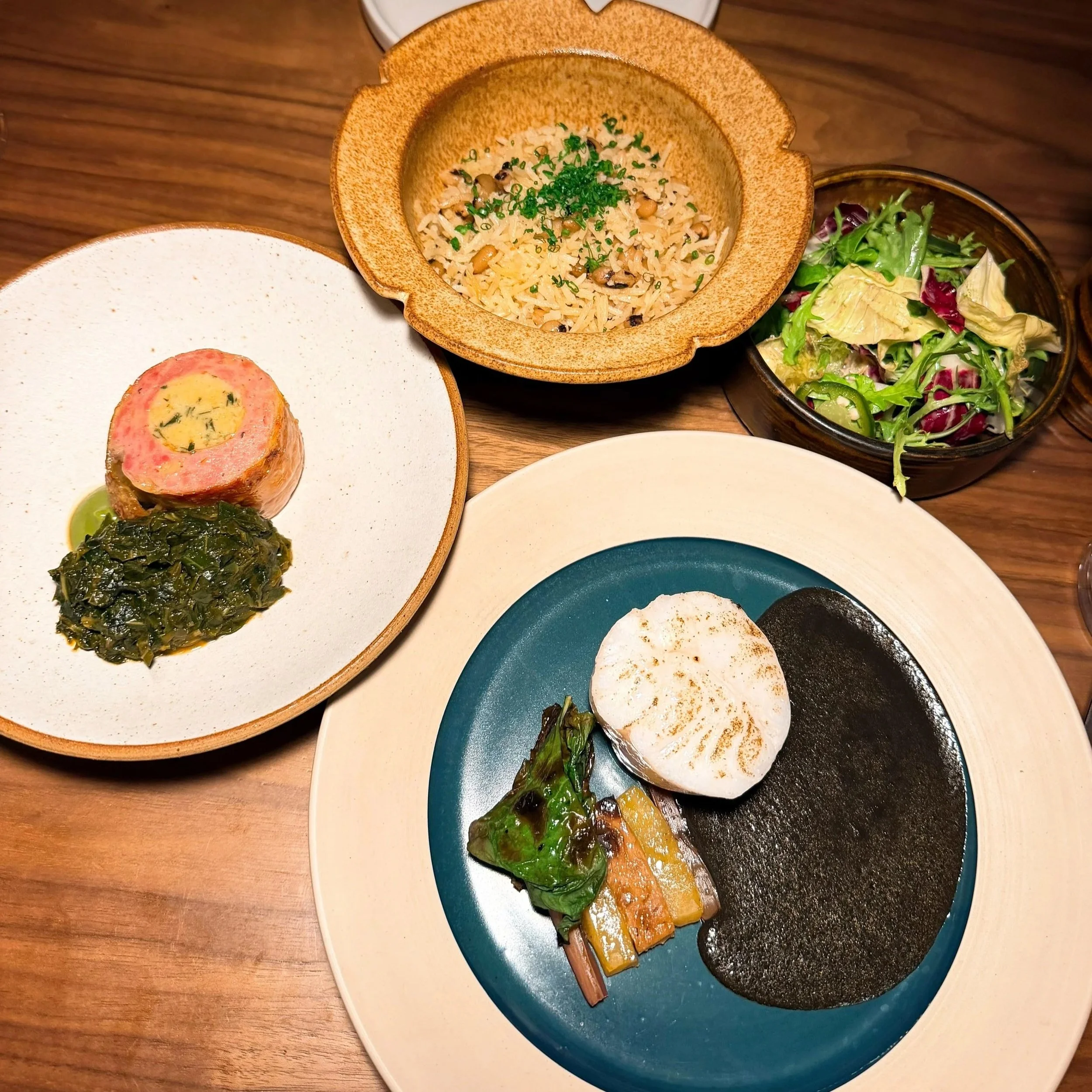
Then came the main courses. The pollock fillet was cooked absolutely perfectly. It was served with a blackened tree bark sauce. The sauce was rich, smoky and intensely savoury, adding remarkable depth without overwhelming the delicate fish. Alongside sat caramelised plantain, earthy cocoyam and vibrant chard.
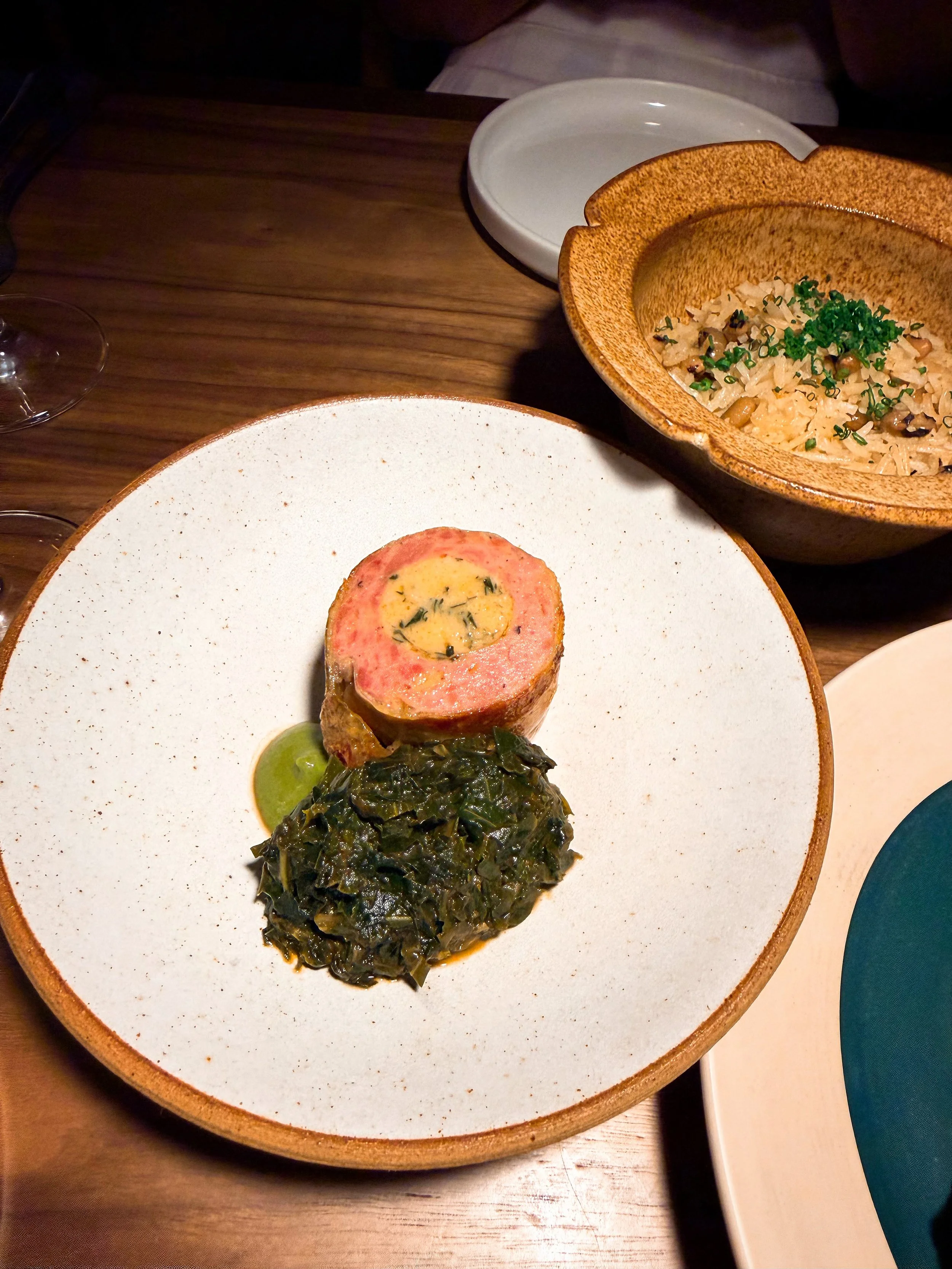
My favourite main, though, was the Ẹ̀fọ́riro guinea fowl ballotine with chicken mousse, spring greens and irú and jalapeño sauce. Ẹ̀fọ́riro is a Nigerian spinach stew, and while this wasn't a traditional version, the flavours clearly nodded towards it. Irú, fermented locust beans, contributing a deeply savoury, almost miso-like complexity. Combined with the freshness of jalapeño, the sauce perfectly complemented the beautifully cooked guinea fowl. I'd never eaten guinea fowl before, but I absolutely loved it. Slightly richer than chicken, yet more delicate than game birds like pheasant.
The real secret weapon of the menu, however, was the rice.
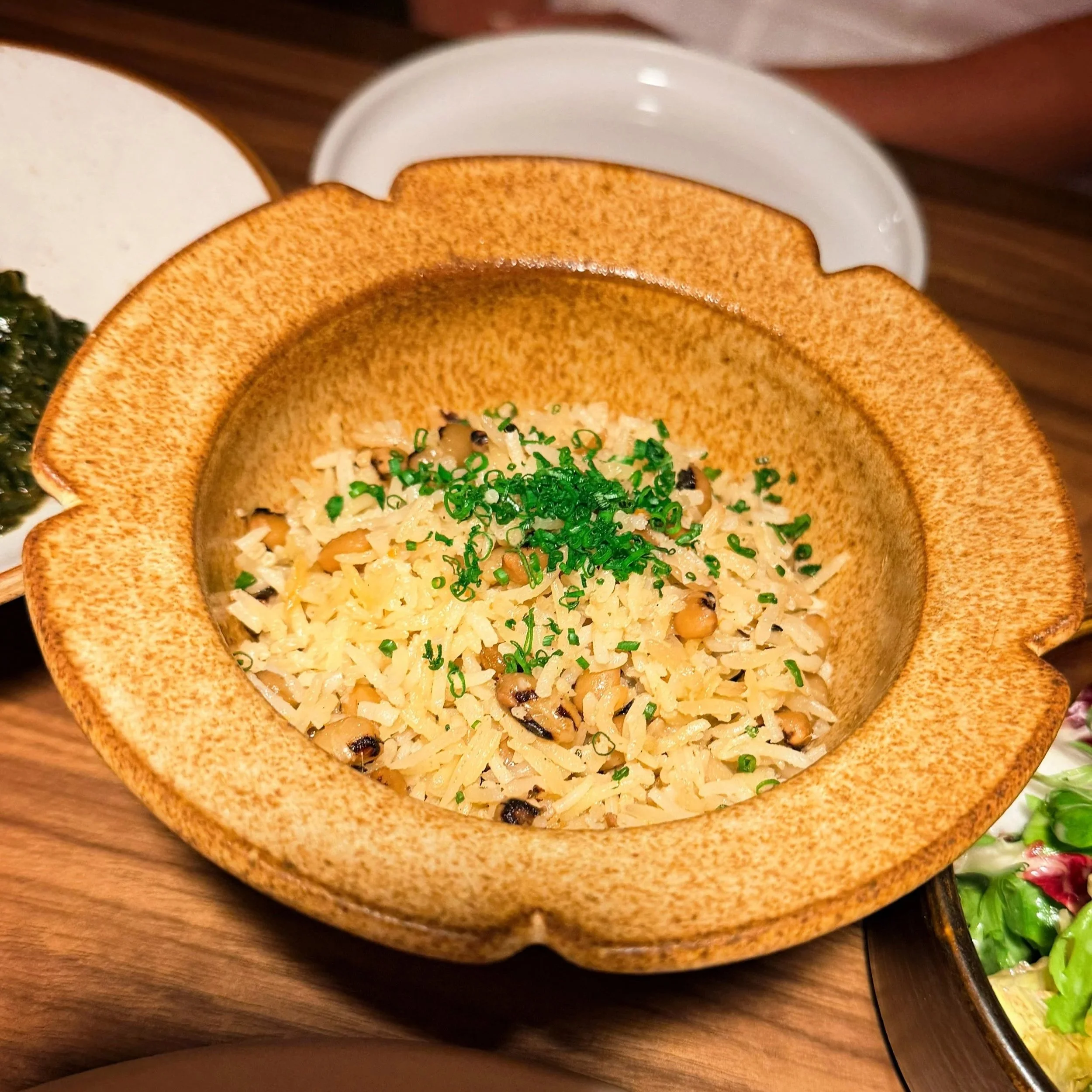
Normally, I am fiercely loyal to short-grain rice, starchy and sweet. This long-grain ginger rice completely changed my mind. While the menu simply described it as ginger rice, the dominant flavour was an incredible richness from coconut. We became so obsessed that we questioned our waitress about how it was made. Unsurprisingly, she wouldn't reveal the full recipe, but she did let slip that it was cooked using the thick coconut cream that naturally separates and rises to the top of the can. Whatever else goes into it remains a closely guarded secret, but I would happily eat an enormous bowl of this rice all on its own.
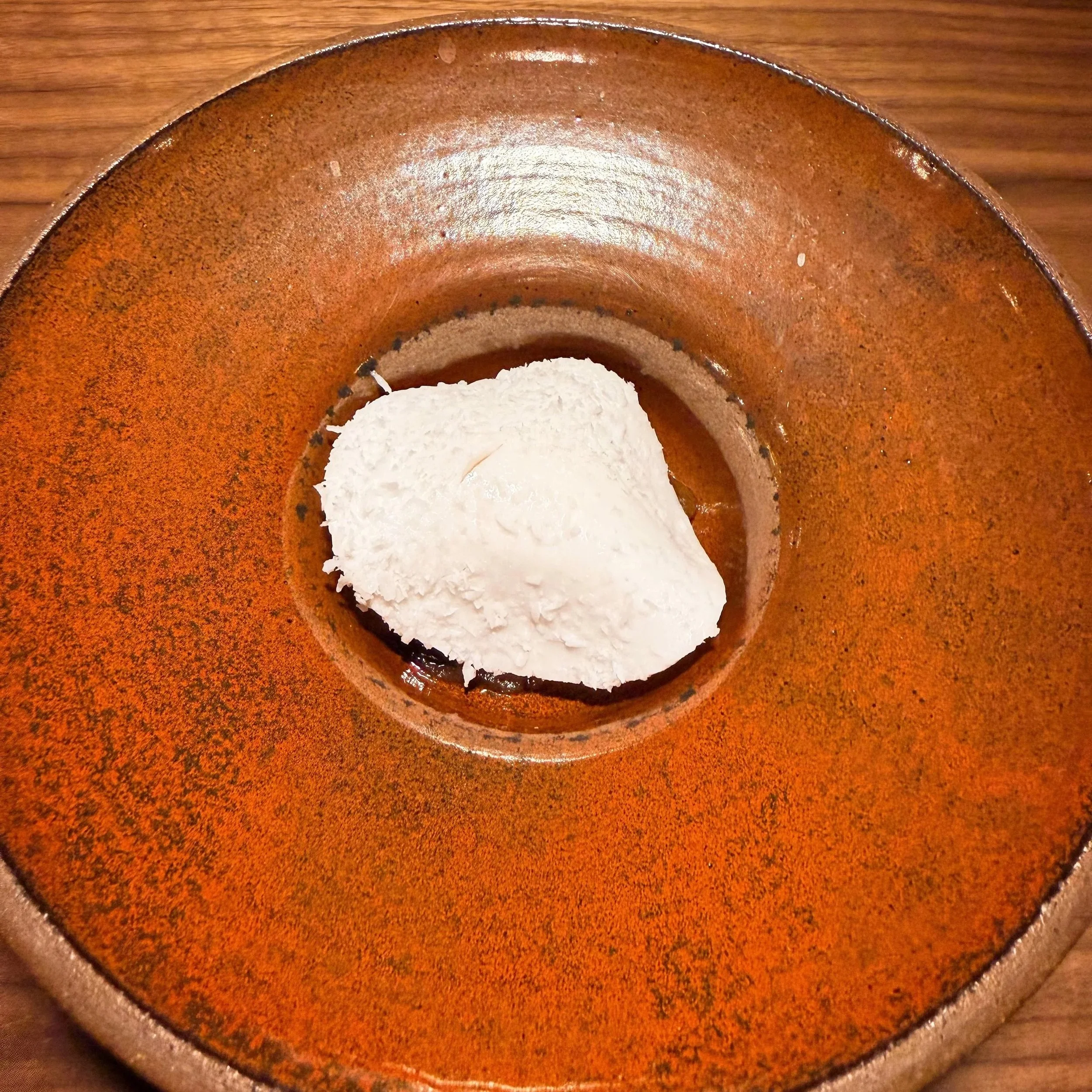
Dessert was tigernut ice cream with coconut veil, watermelon and uda jam, finished with ginger crumb. Tigernuts aren't actually nuts but tiny root vegetables from West Africa with a naturally sweet, almost biscuit-like flavour. The ice cream had a malty richness that paired wonderfully with the freshness of the watermelon, while the delicate coconut veil added just enough sweetness.
One of the things I loved most about Chishuru is that it doesn’t feel as though it is presenting West African food as something to be reinvented or explained away for a fine dining audience. Instead, it treats these ingredients and traditions with confidence and respect, elevating them through exceptional technique. It is joyful, thoughtful cooking. Chishuru is a restaurant that more than lives up to both its Michelin star and its reputation.