Camino de Santiago Part 2: Spring
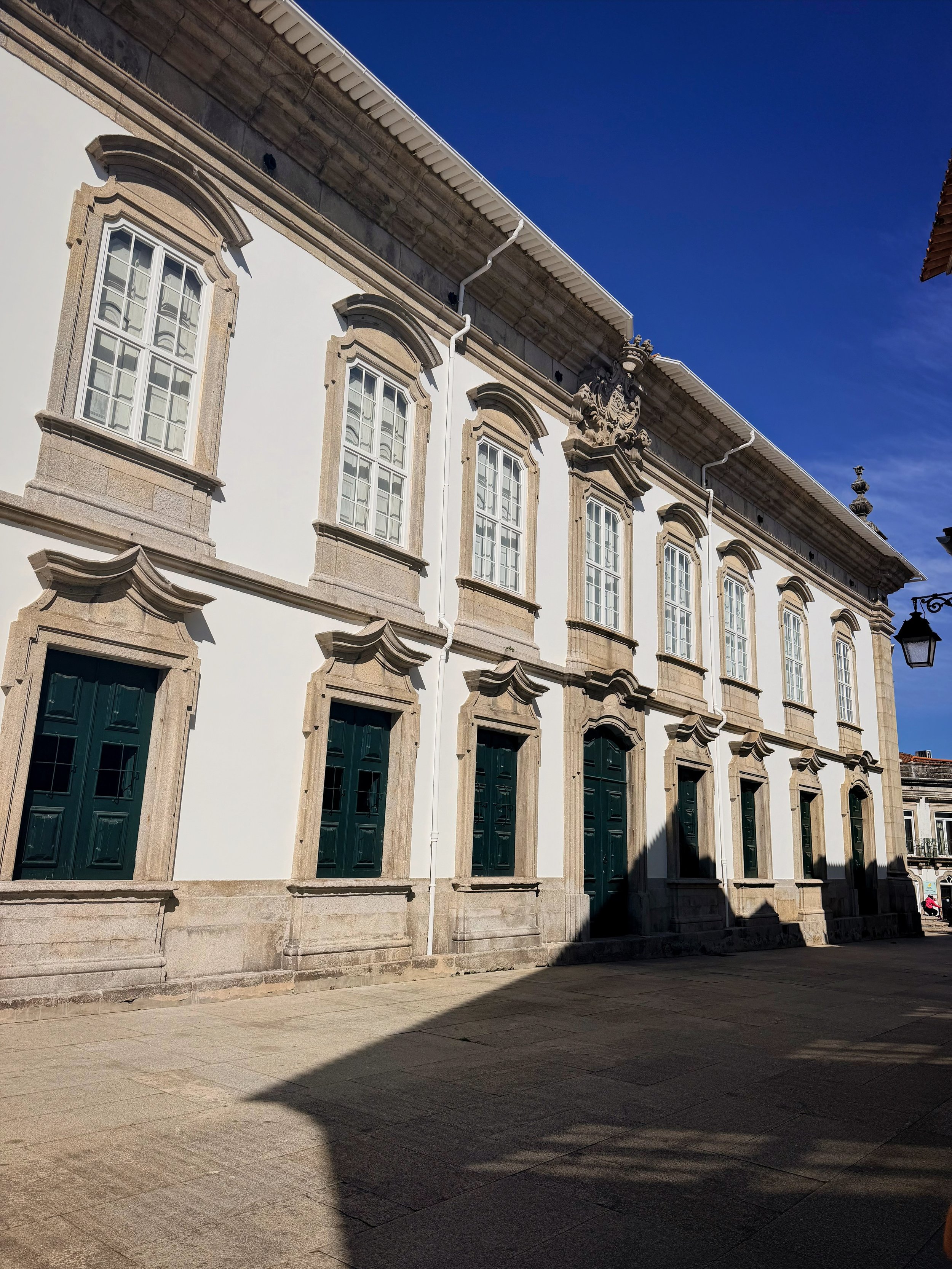
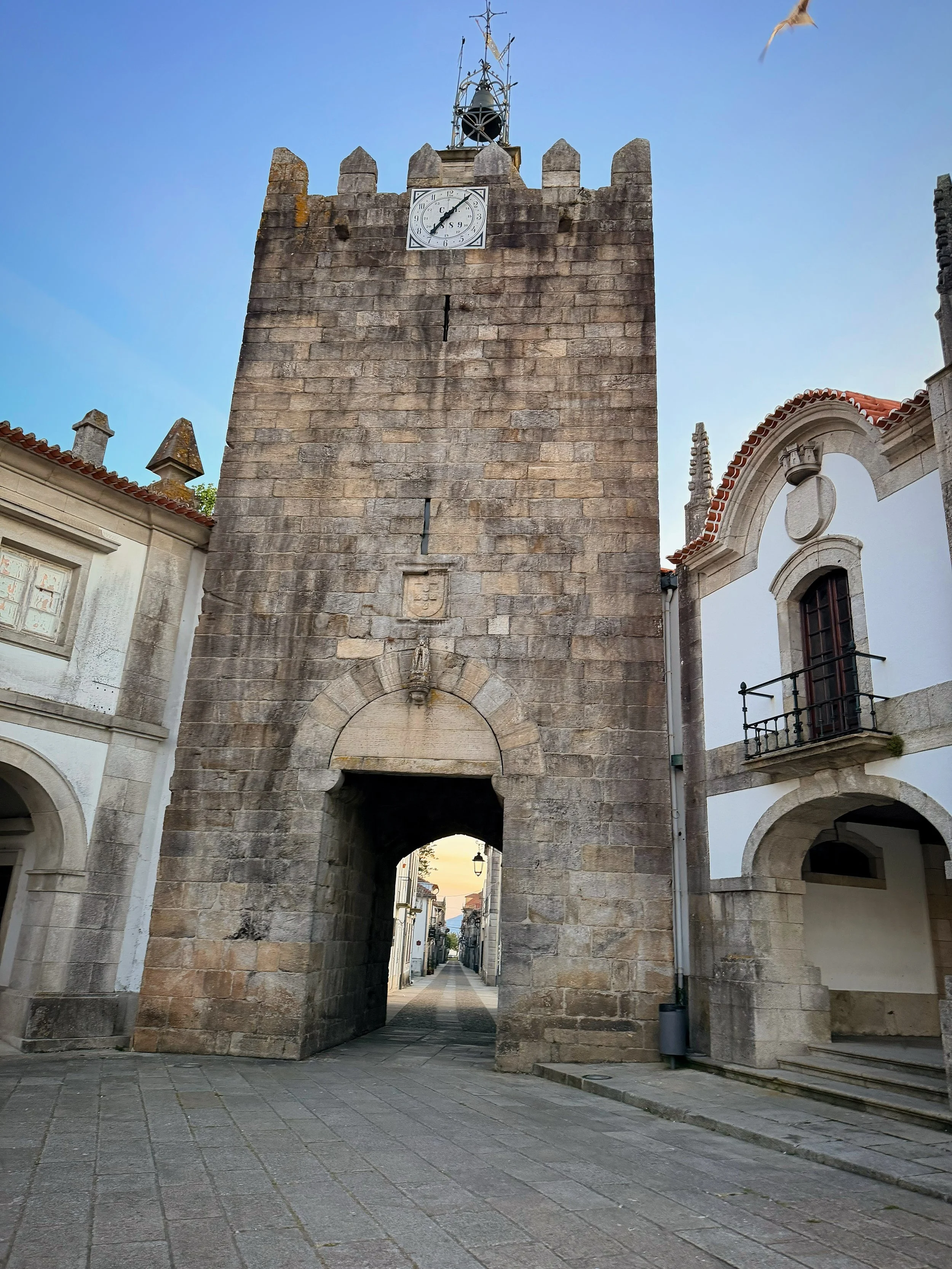
Arriving in Viana do Castelo felt like a genuine breath of fresh air after the ordeal of the previous 24 hours. Set at the mouth of the Lima River, the city has one of the most beautiful medieval centres on the route, all grand squares, tiled facades and winding streets that lead out towards the water. After days of tiny villages and long solitary stretches of coastline, it felt lively in exactly the way I needed.
I was still unsettled after the broken sleep of the night before (read Part 1 for the detail) and frankly, I couldn’t fully sink into the rhythm of the walk. My mind kept snagging on it, despite my best efforts to move on. The arrival of my best friend could not have been more perfectly timed. I had absolutely loved the solitude of the first hundred kilometres of my journey, but I felt ready now to share the experience with someone else, to spend the second half laughing, talking and seeing the Camino through a different lens.
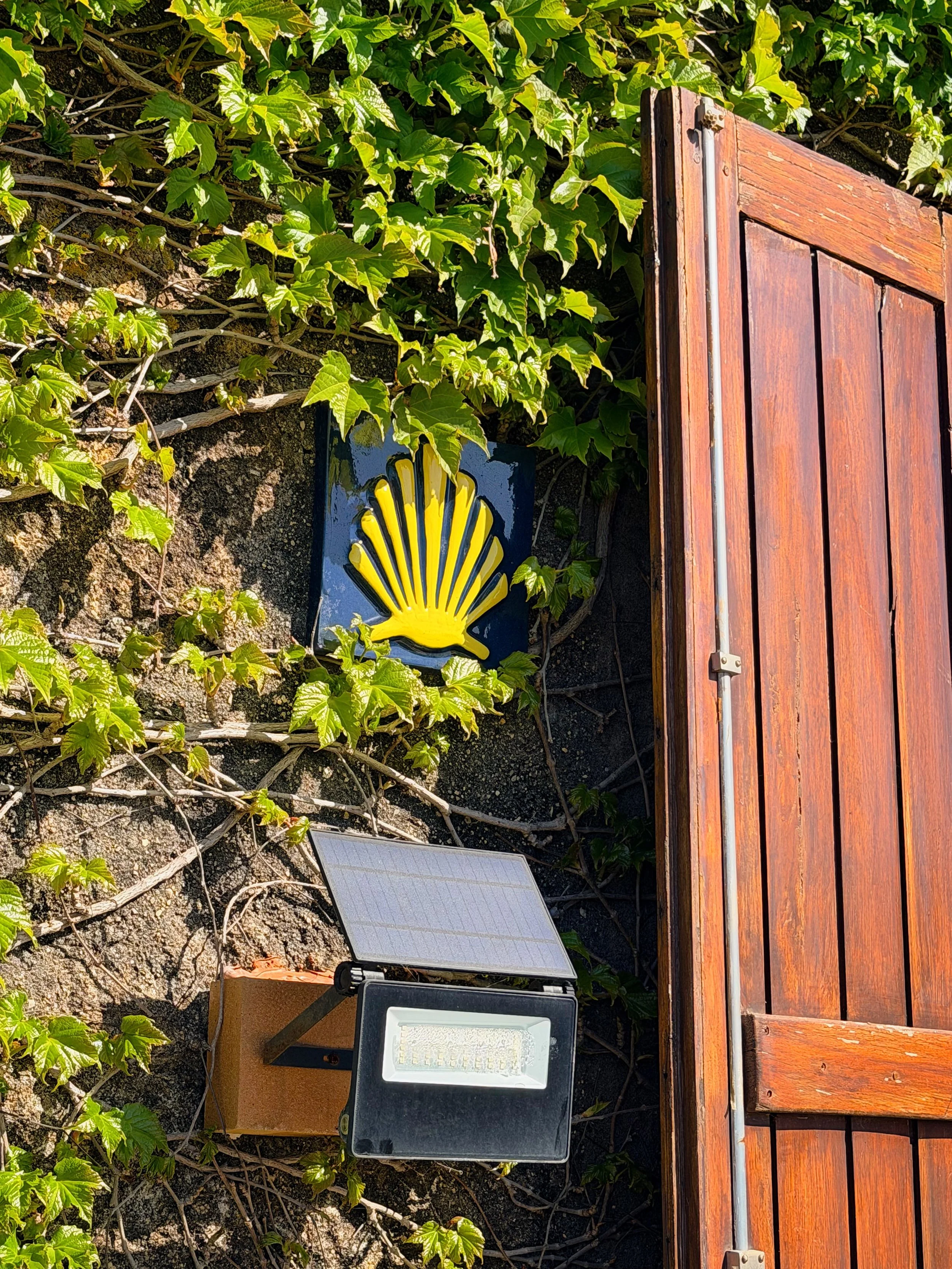
I did wonder how I would adapt to walking with another person after several days alone. By this point, I had established my own quiet rhythm and routines: the pace I liked to walk at, the moments I liked to stop, the hours spent listening to audiobooks or simply thinking. Solitude had become part of the experience itself. But I was also excited by the idea of the Camino shifting shape again.
While I waited for her to arrive, I plonked myself at a café in one of the main squares and drank lemonade well into the afternoon, half listening to my audiobook and half people-watching. It is rare in normal life to have this much uninterrupted time to yourself, with nowhere to be and nothing urgent demanding your attention. It felt indulgent.
Eventually hunger got the better of me and I ordered a pilgrim’s lunch of friend fish, rice and a huge plate of prawns cooked in butter and garlic on the side. And, of course, the obligatory pilgrim’s jug of wine. One of the great joys of the Camino is that after walking 25 or 30 kilometres, you can sit down to an indulgent seafood lunch.
Afterwards, I checked into our hotel and took an afternoon nap to revive myself before her arrival. The luxury of an actual comfortable hotel room after several days of basic pilgrim accommodation felt almost absurdly decadent.
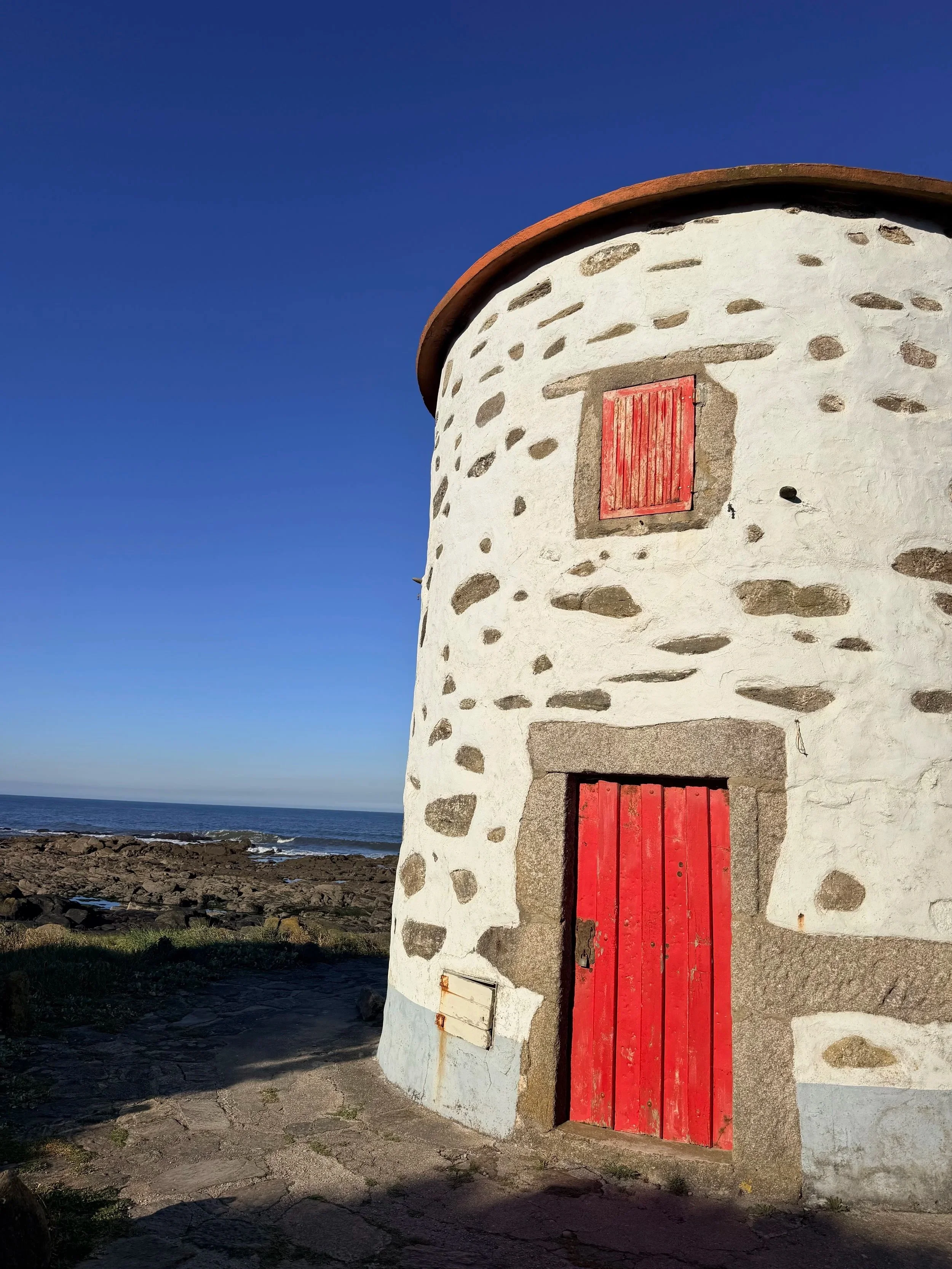
The next morning was our first day walking together: Viana do Castelo to Caminha. It was a long day, but by this point I was already deep into the rhythm that long-distance walking requires. Your body adjusts surprisingly quickly. You stop thinking in kilometres.
We were also completely feral with excitement at seeing each other. After days alone, suddenly having someone there to laugh with transformed the atmosphere entirely. We spent most of the day cackling, teasing each other and behaving with the slightly unhinged energy that arrives when you are overtired, overexercised and very happy.
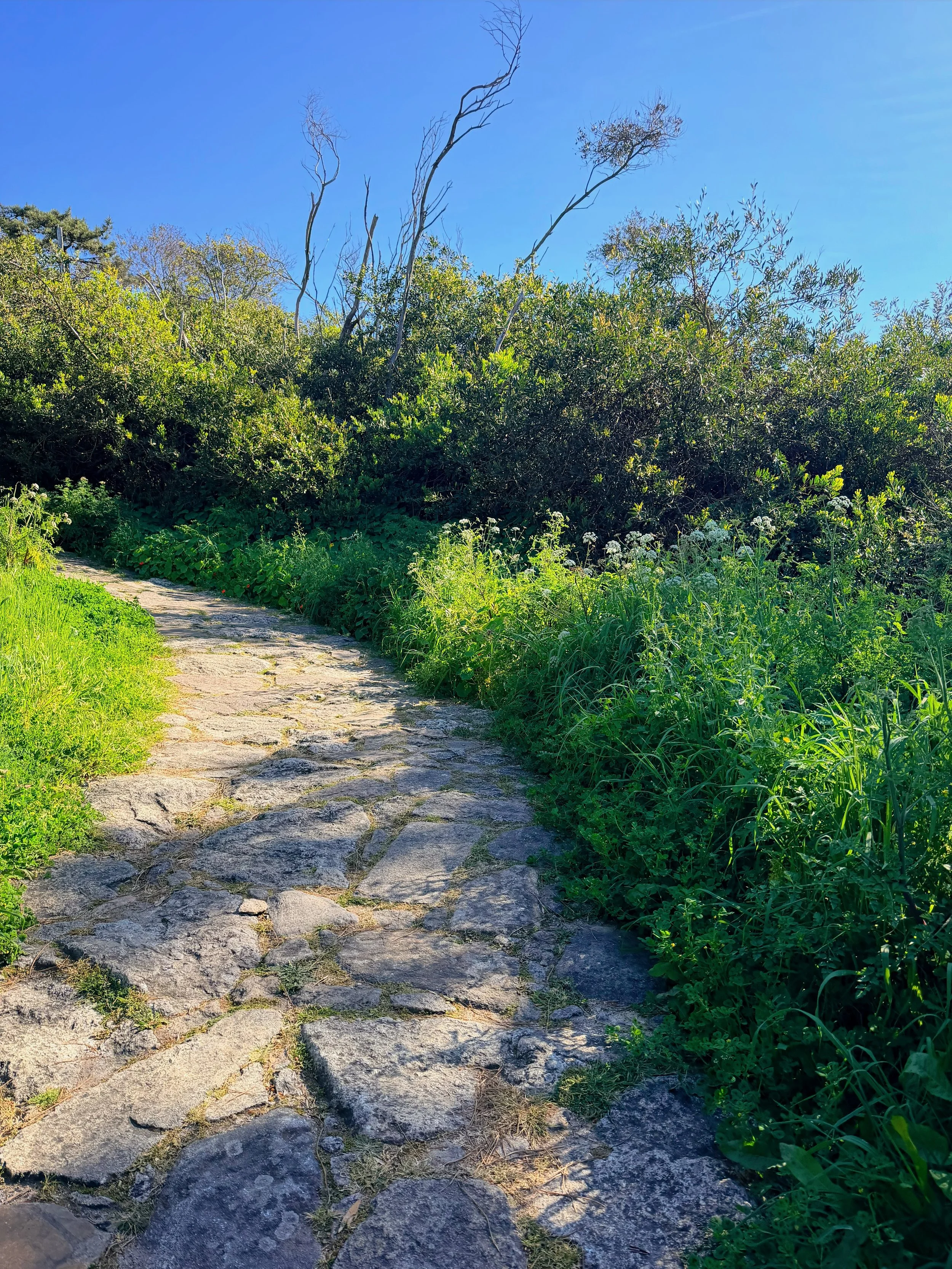
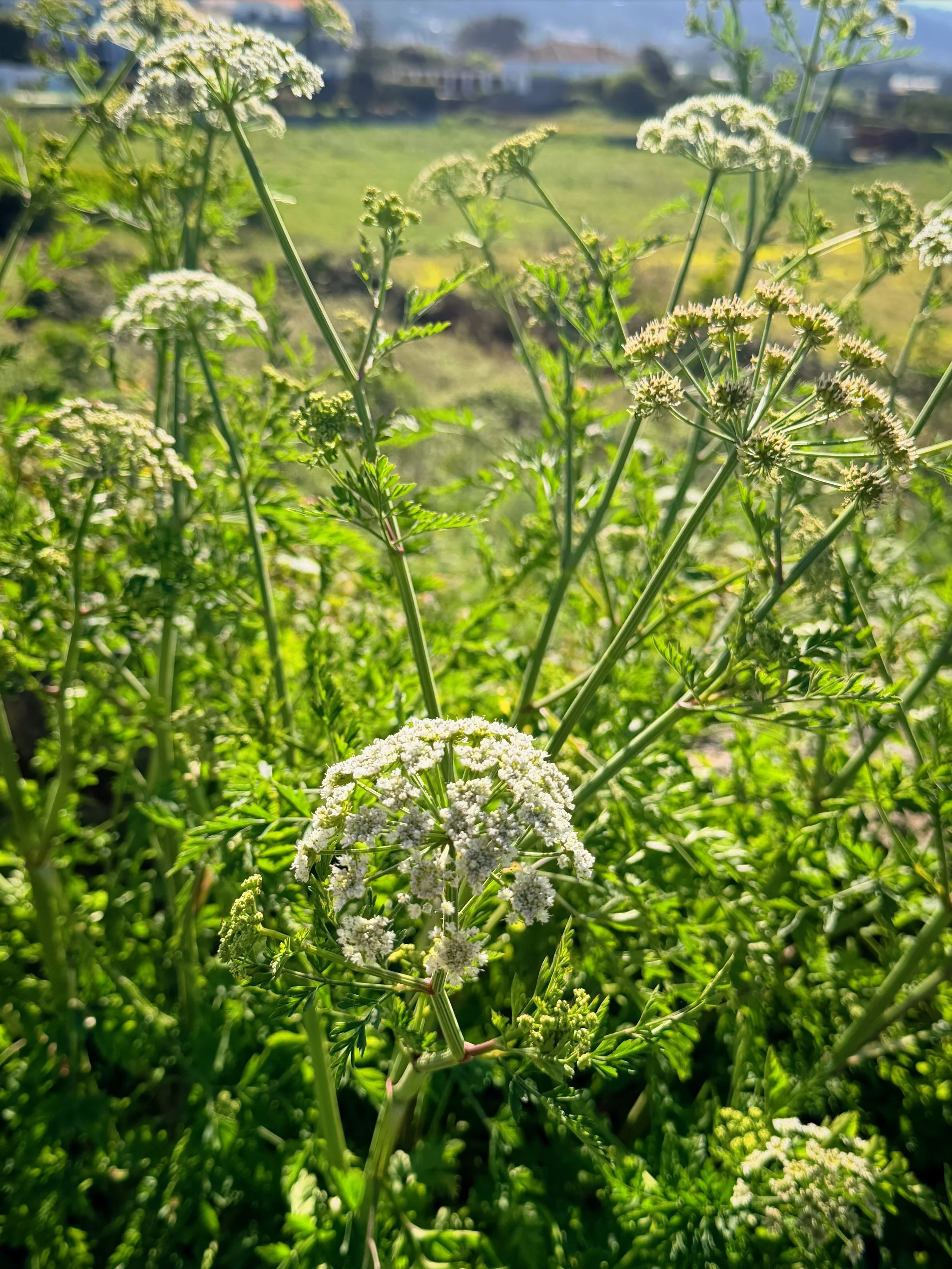
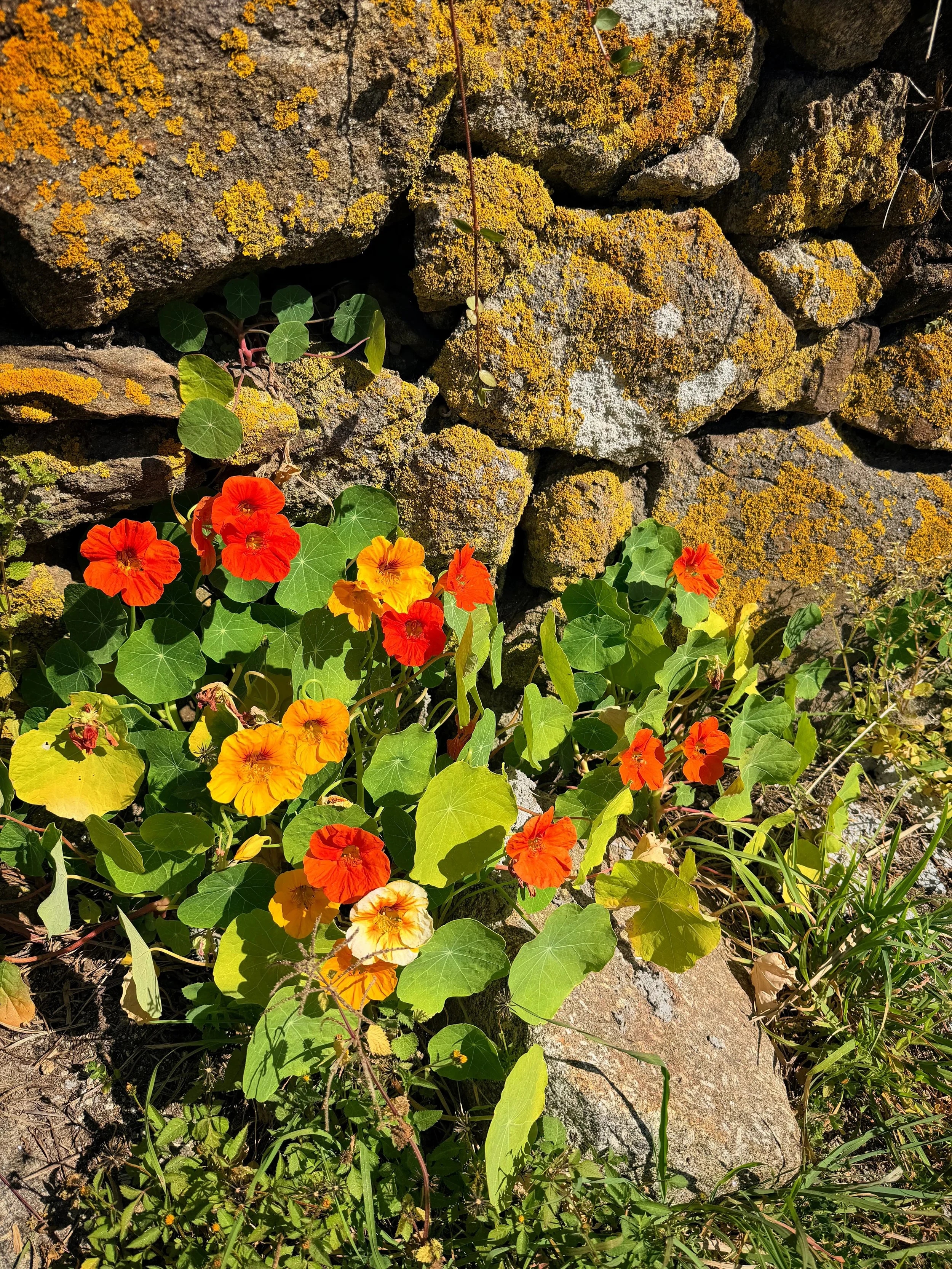
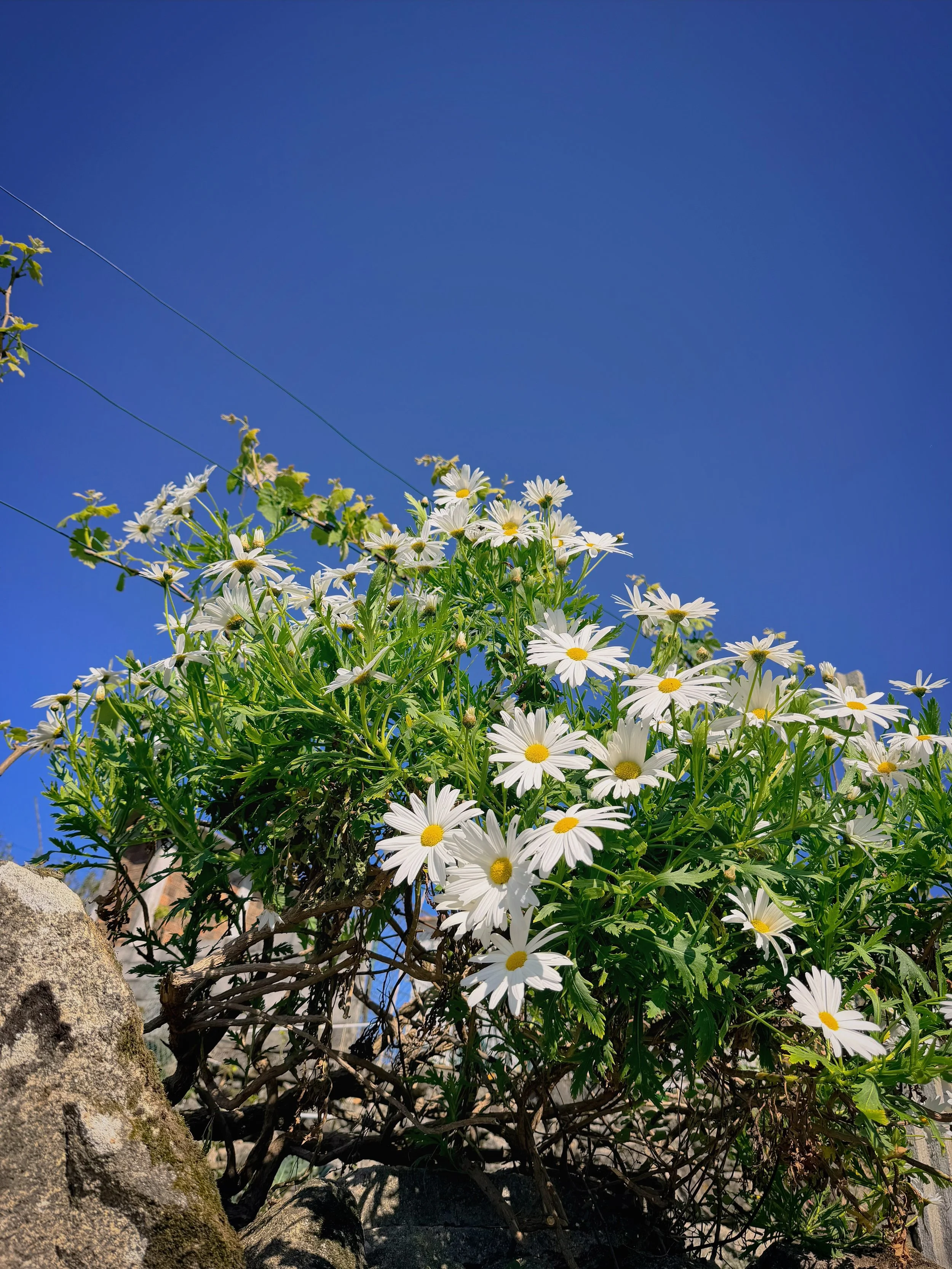
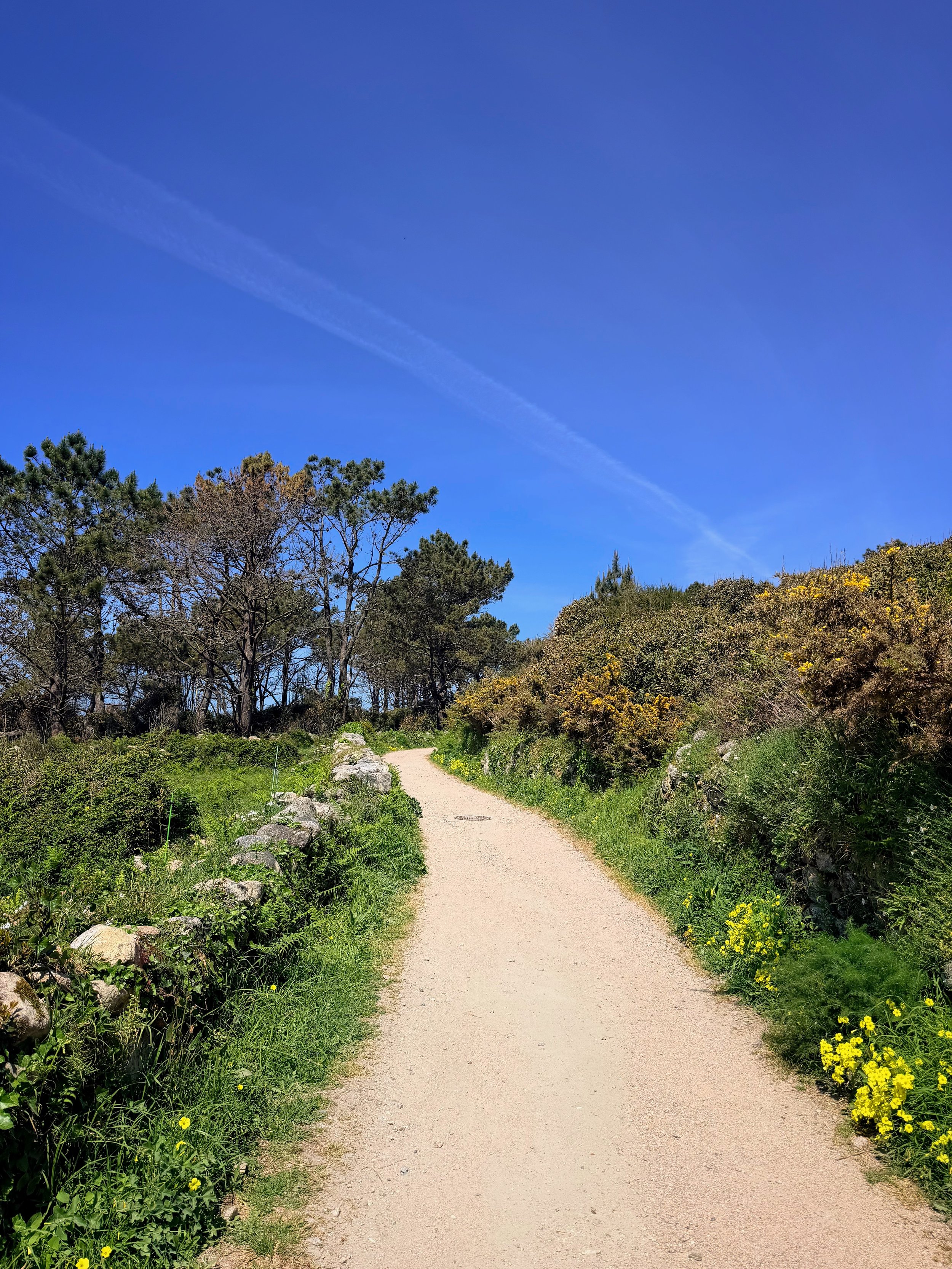
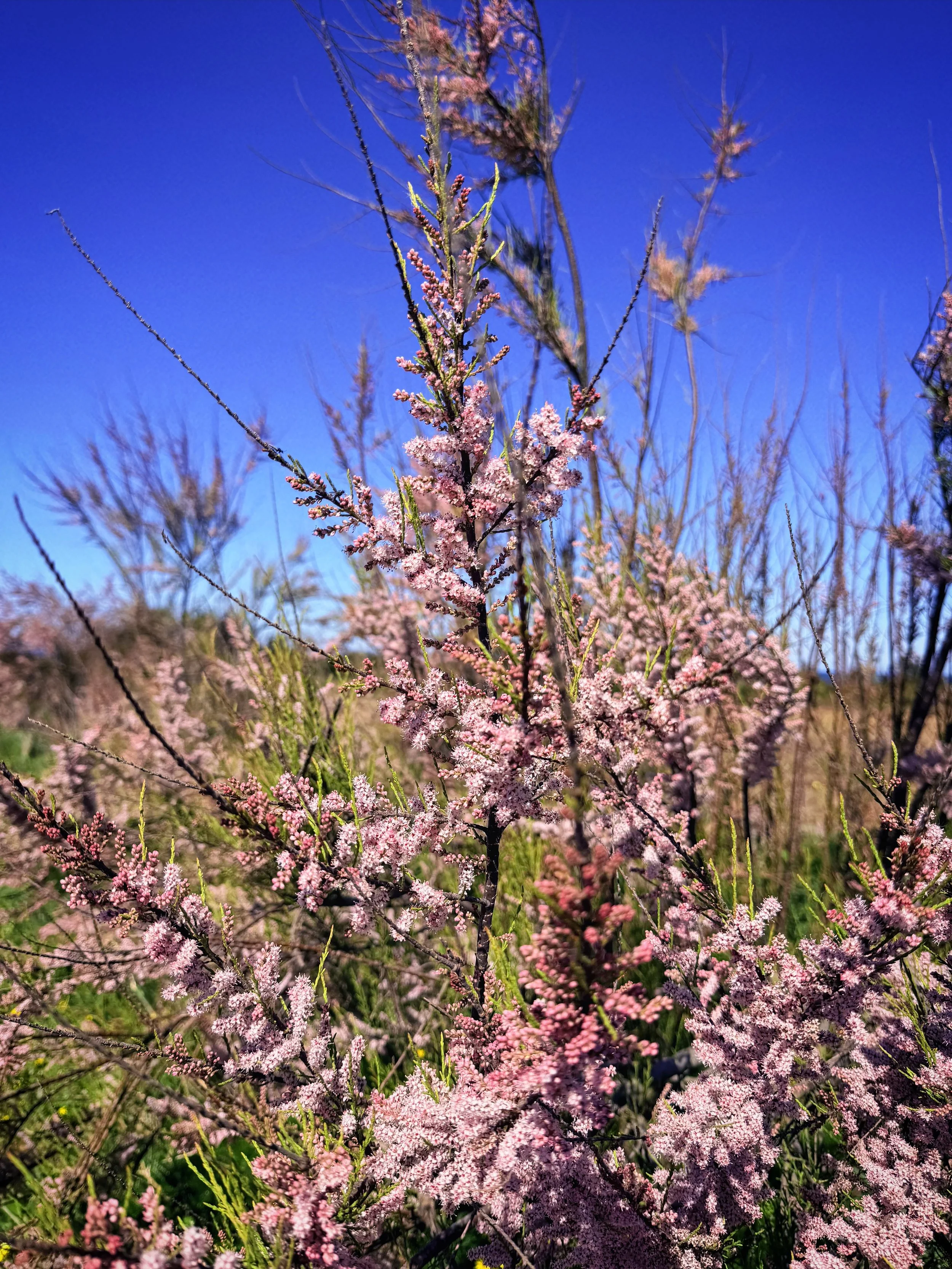
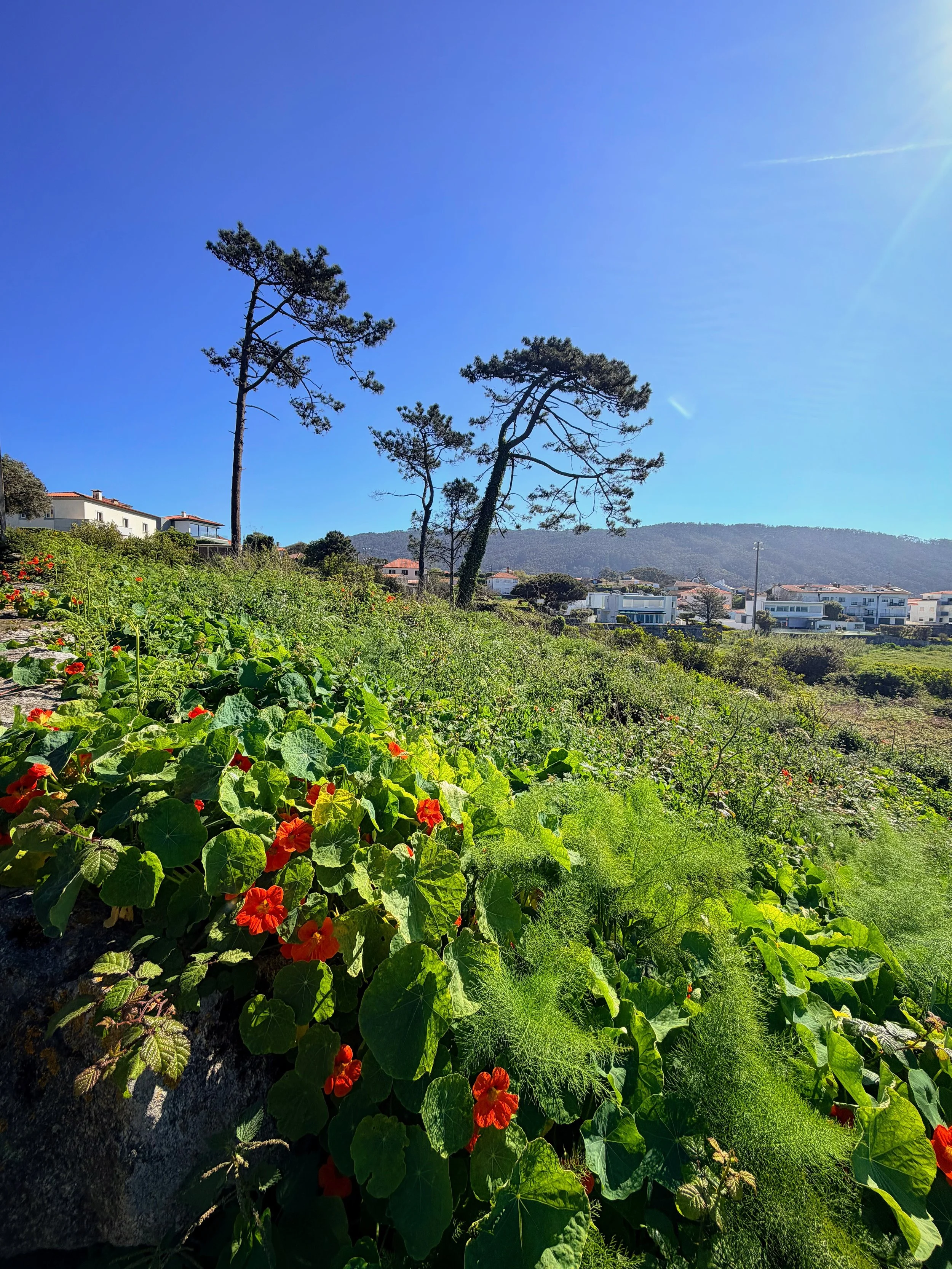
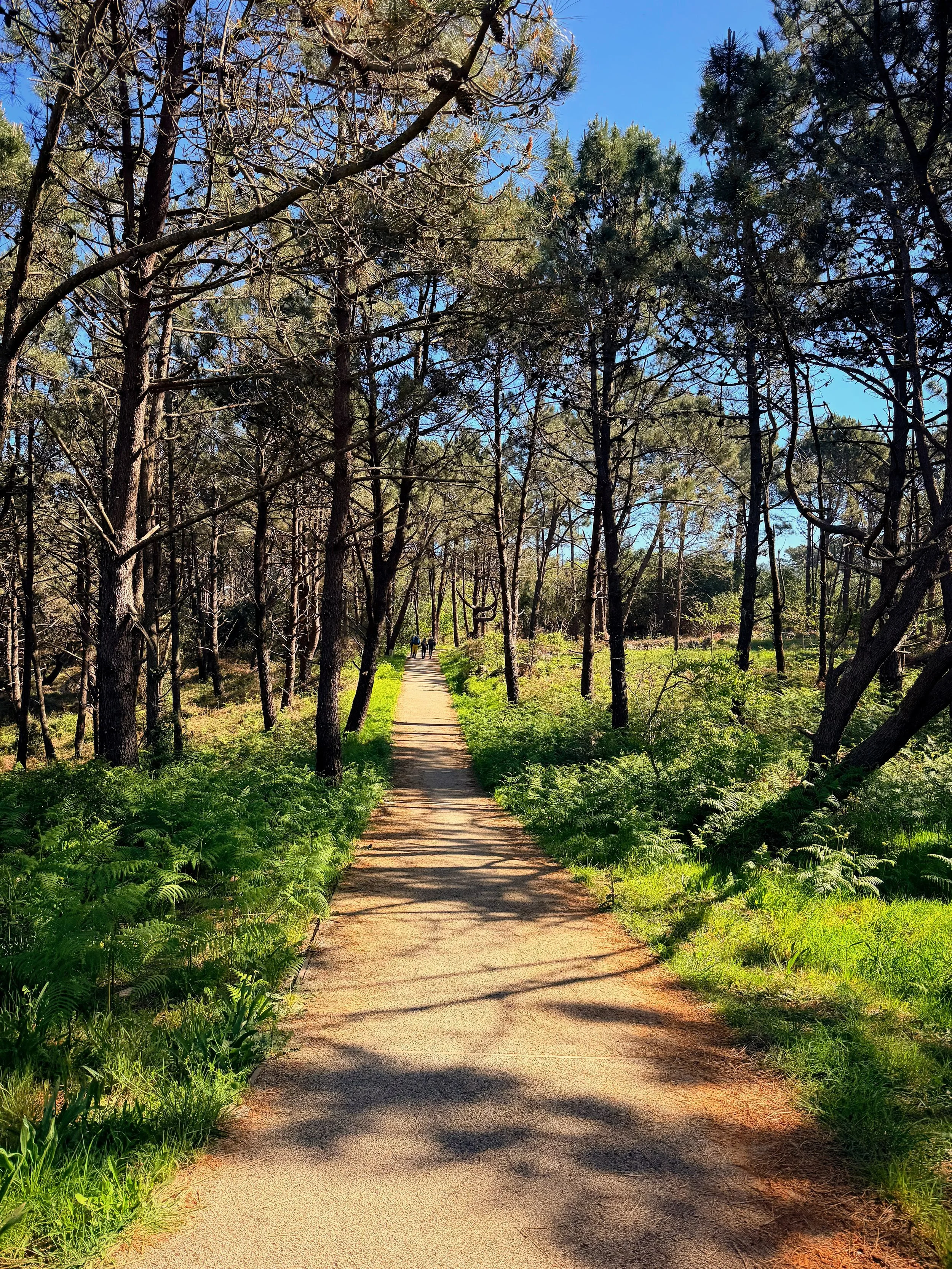
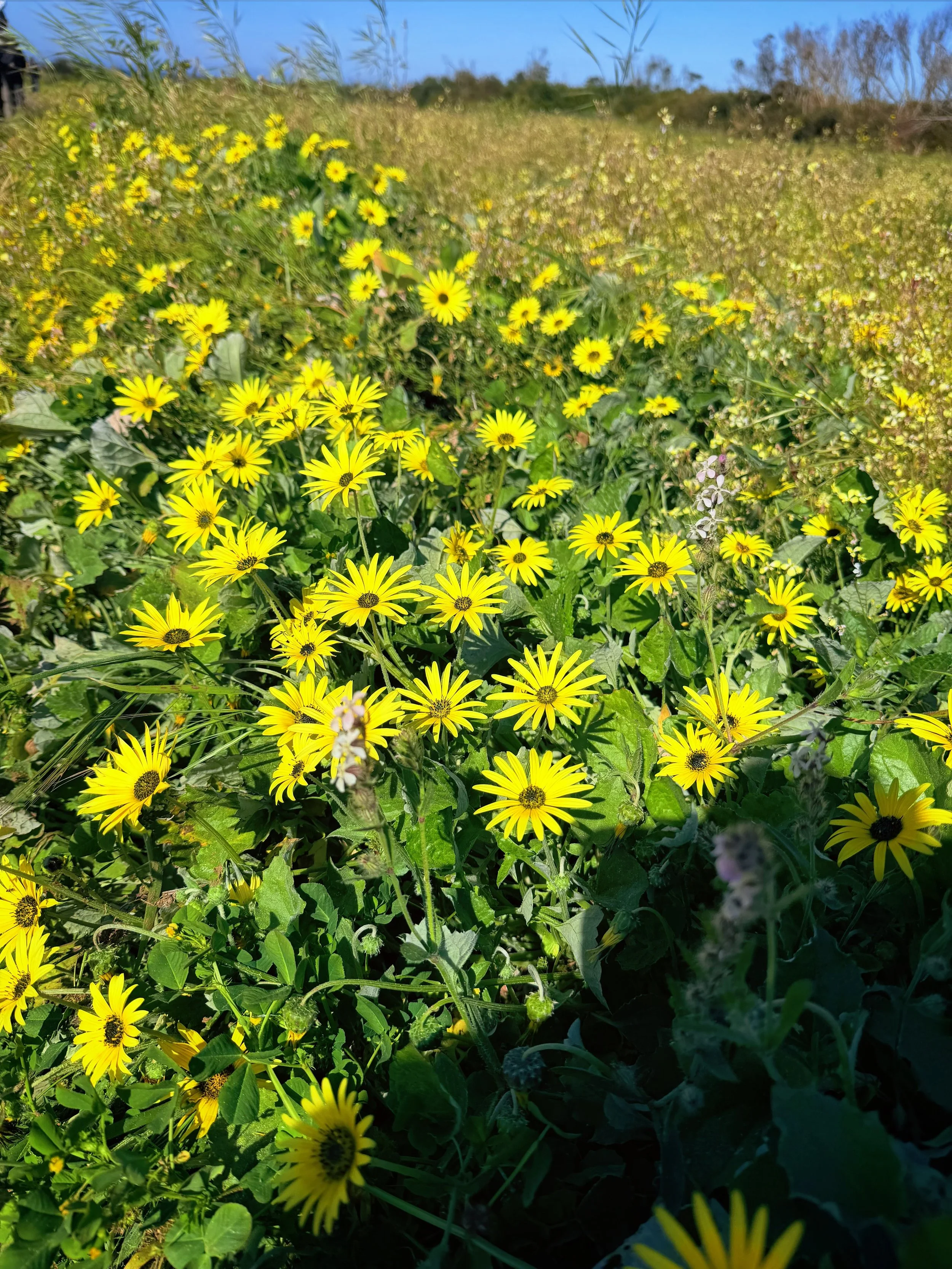
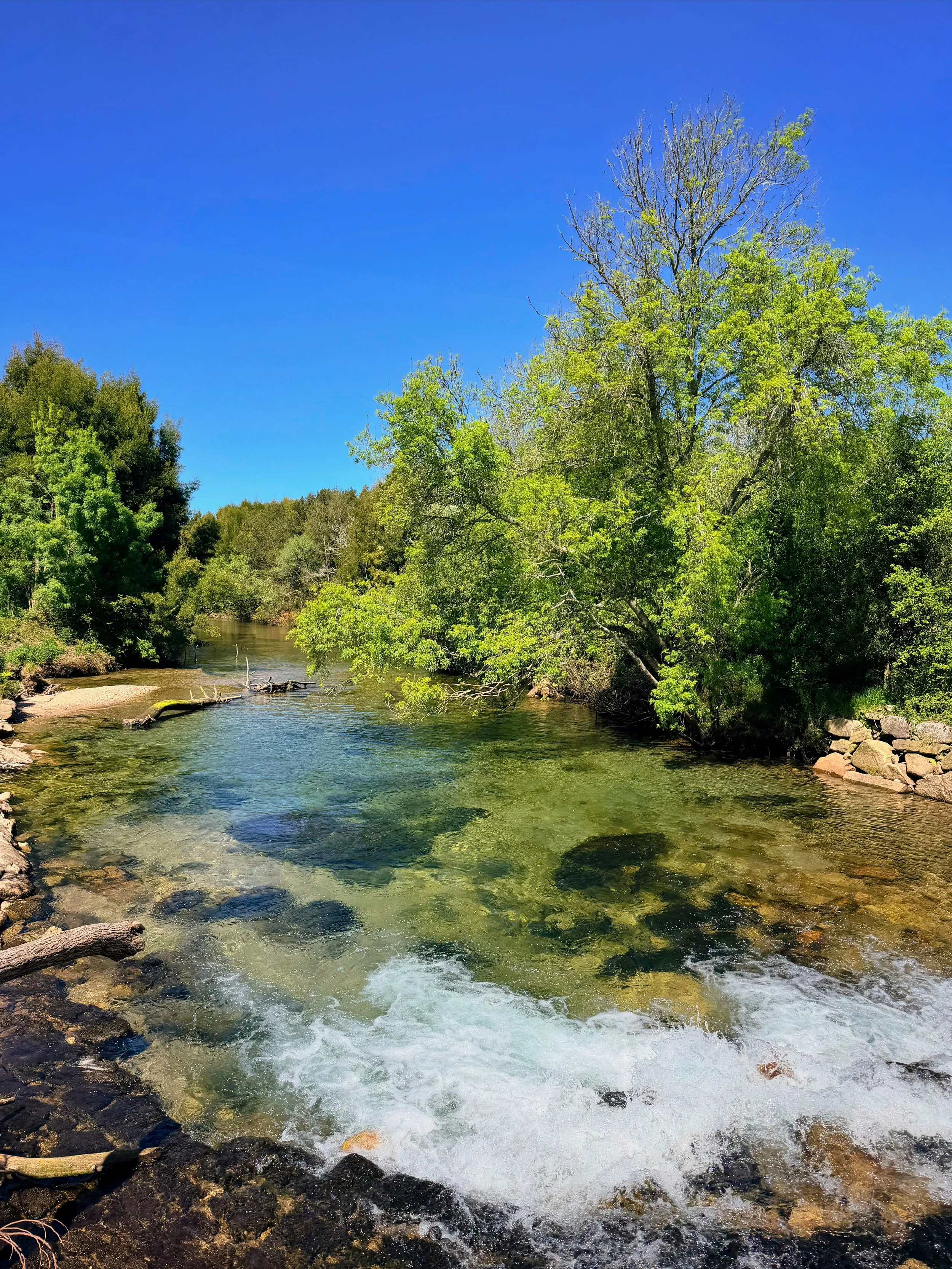
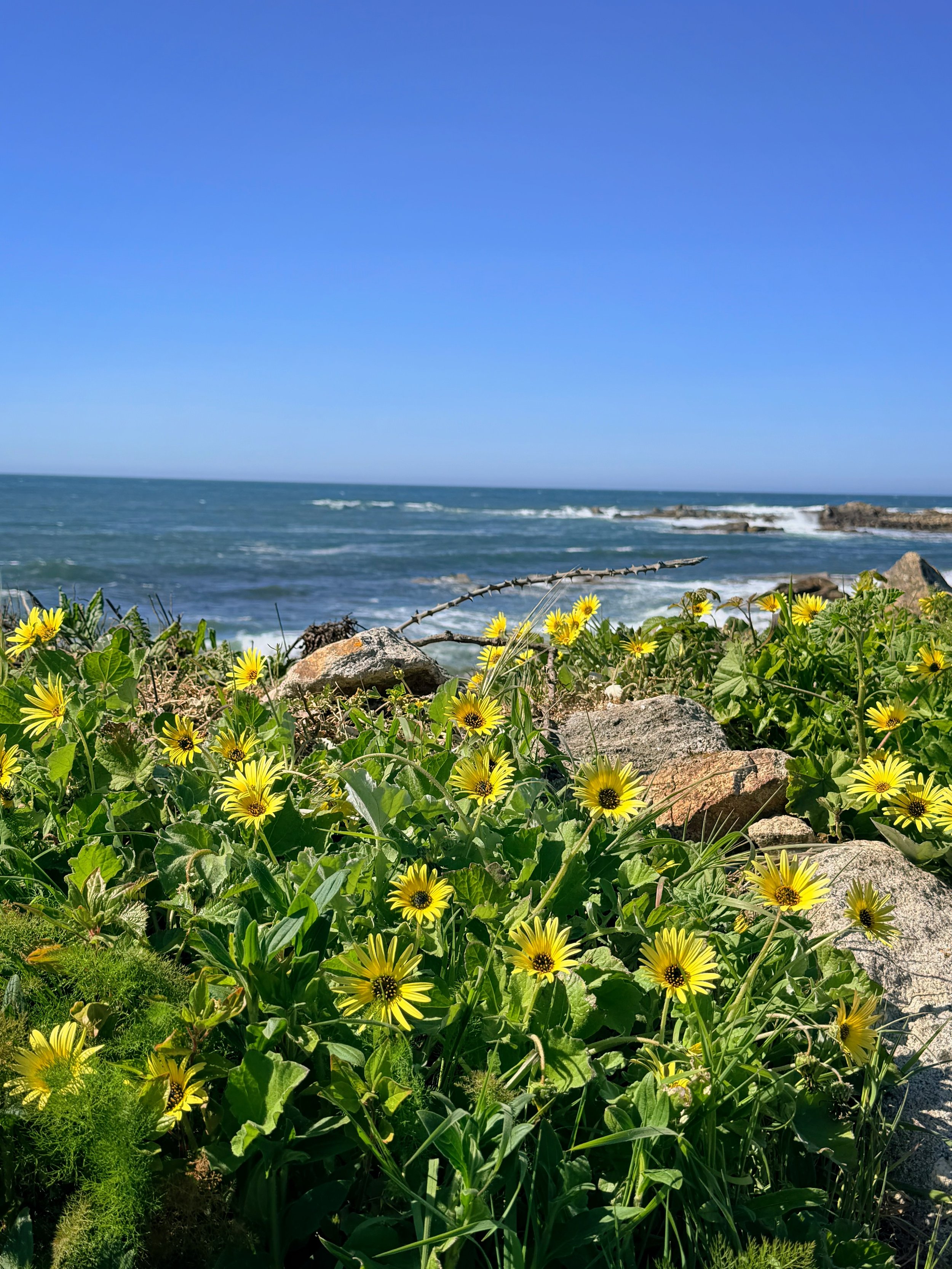
The route began along the coast before moving inland through some of the most beautiful scenery of the journey so far. The weather was flawless and spring had fully arrived. Bright wildflowers lined the paths, fields glowed vivid green in the sunshine and forests of pine stretched out around us for miles. The Camino constantly feels scented by something - eucalyptus, pine, sea salt.
Lunch that day was, once again, glorious. Another huge plate of prawns appeared at the table, by this point becoming a theme of the trip. Afterwards, we walked the final stretch into Caminha in a kind of sun-soaked haze.
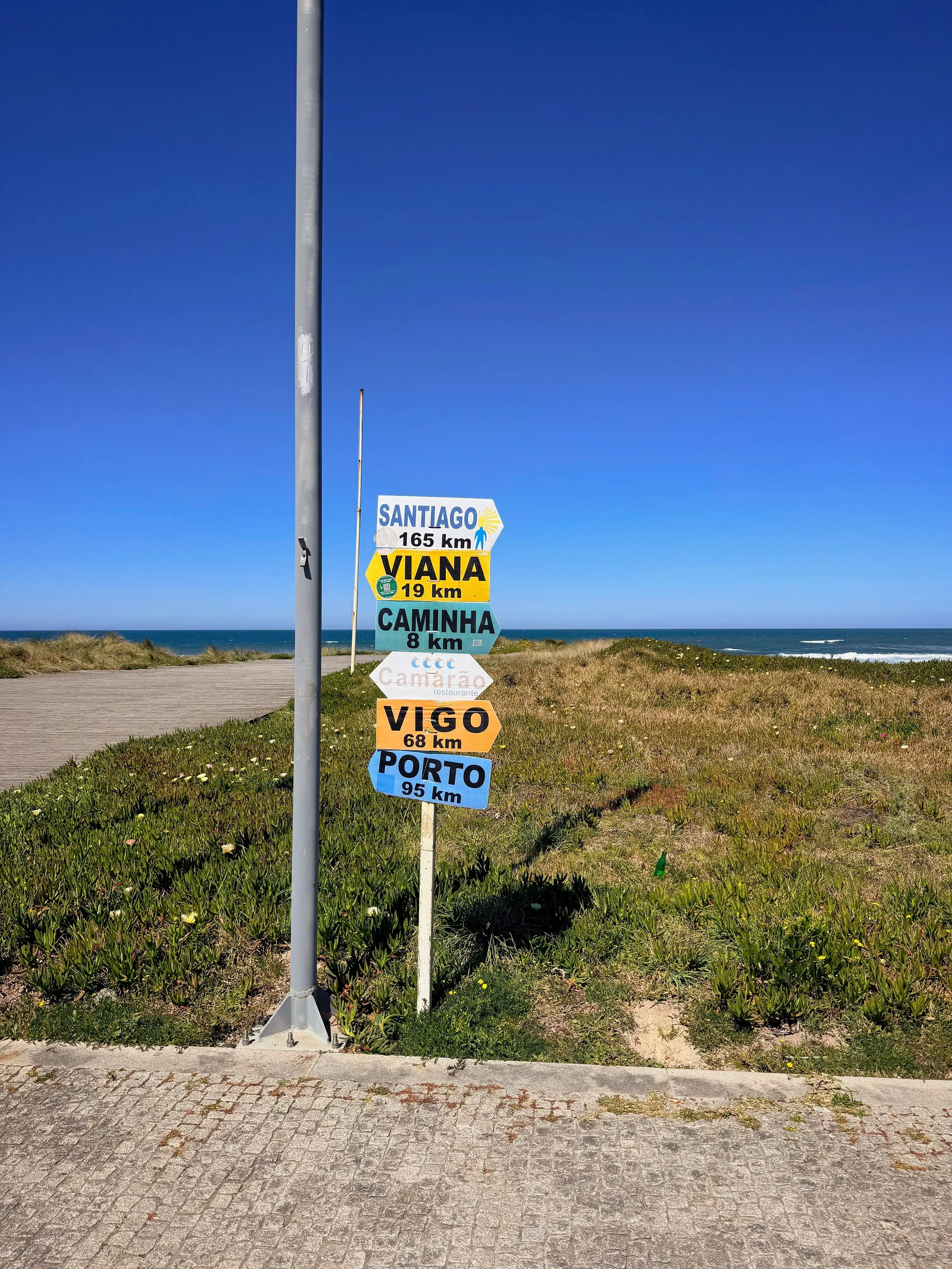
By the time we arrived, we were exhausted, especially my friend, whose first day on the Camino had immediately thrown her into a 30km walk. But there is something deeply satisfying about the simplicity of the evenings. You arrive somewhere new, shower immediately, handwash your clothes in a tiny sink, hang them up around the room and somehow get ready for dinner in under ten minutes because you only have one vaguely presentable outfit.
That evening we had a fantastic dinner of seafood rice and enormous veal chops. Although I had genuinely enjoyed eating alone earlier in the trip, I realised how much I loved sharing meals with someone else too. We ordered far too much food, tried bits of everything and sat reflecting on the route we had walked that day.
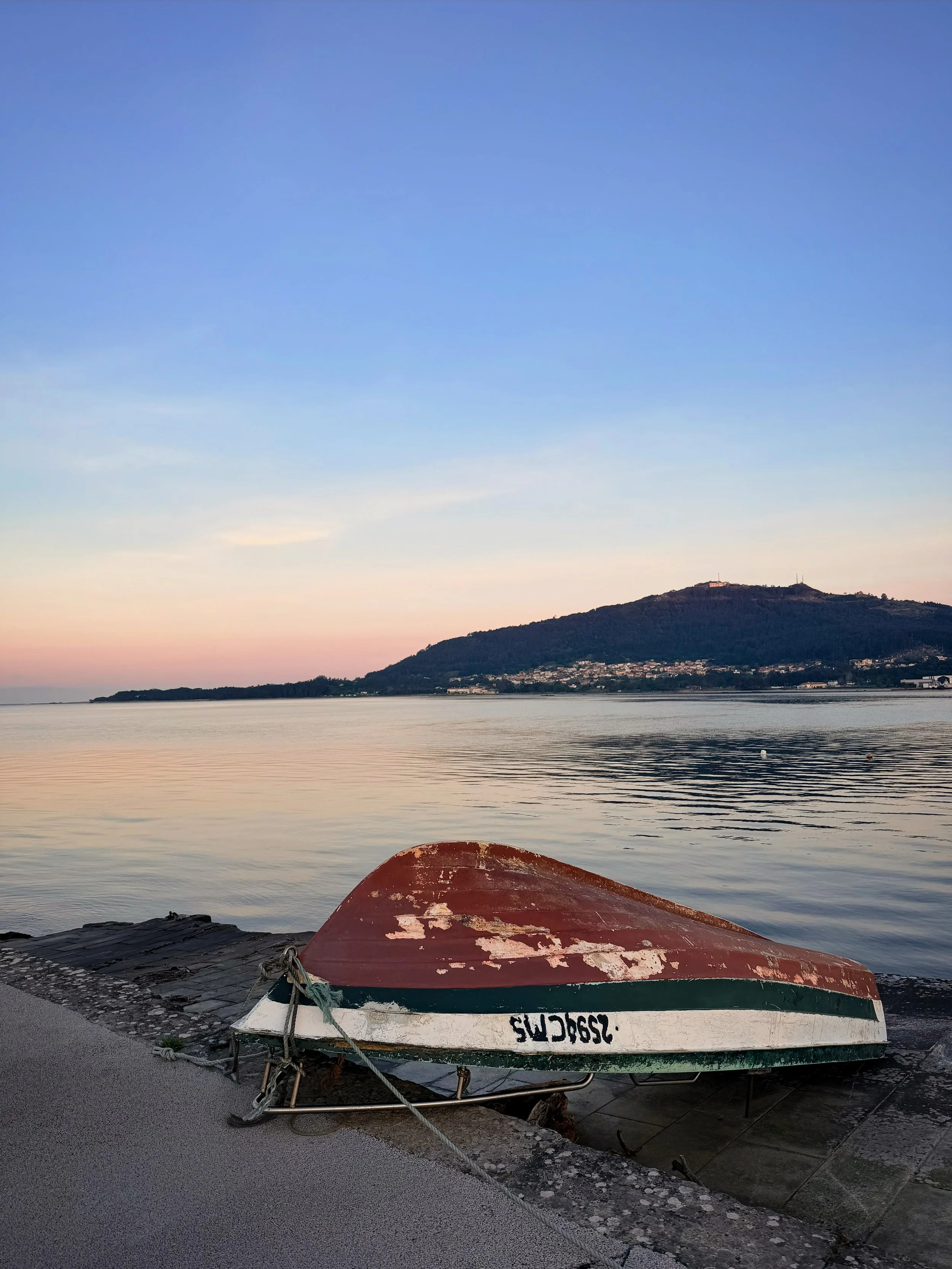
The following morning, still in surprisingly good physical condition, we woke before sunrise to get the small pilgrim boat across the water from Portugal into Spain. By this point we had learned one of the great truths of the Camino: the earlier you start walking, the better the day feels. This is especially true in warm weather, but honestly we were up and walking by 7am everyday regardless. For some people that sounds deeply unpleasant, but after years of waking up at 5:30am for work, it felt positively luxurious.
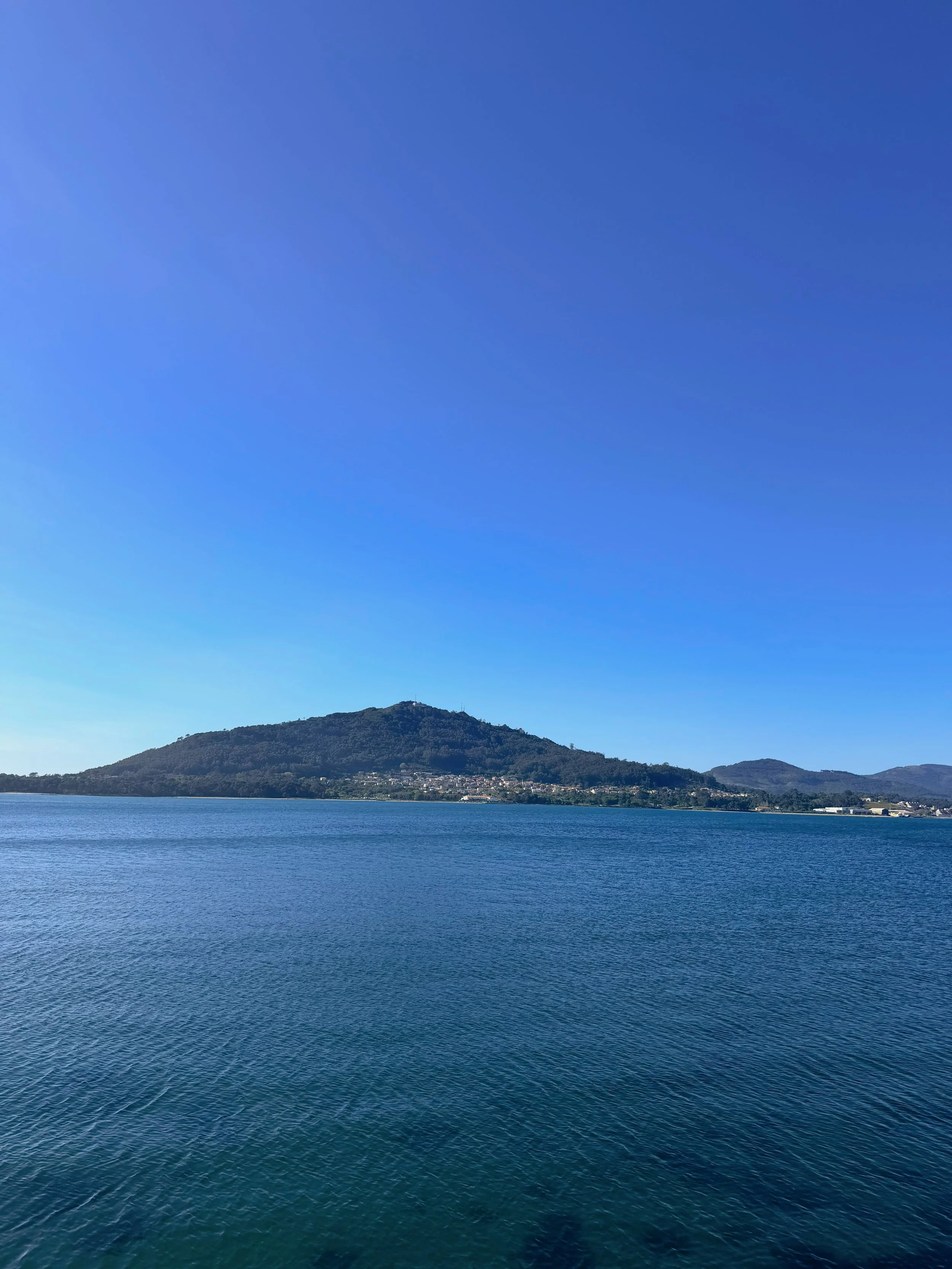
The boat crossing itself was beautiful. Just a handful of pilgrims stood quietly watching the sunrise over the water as we crossed into Galicia.
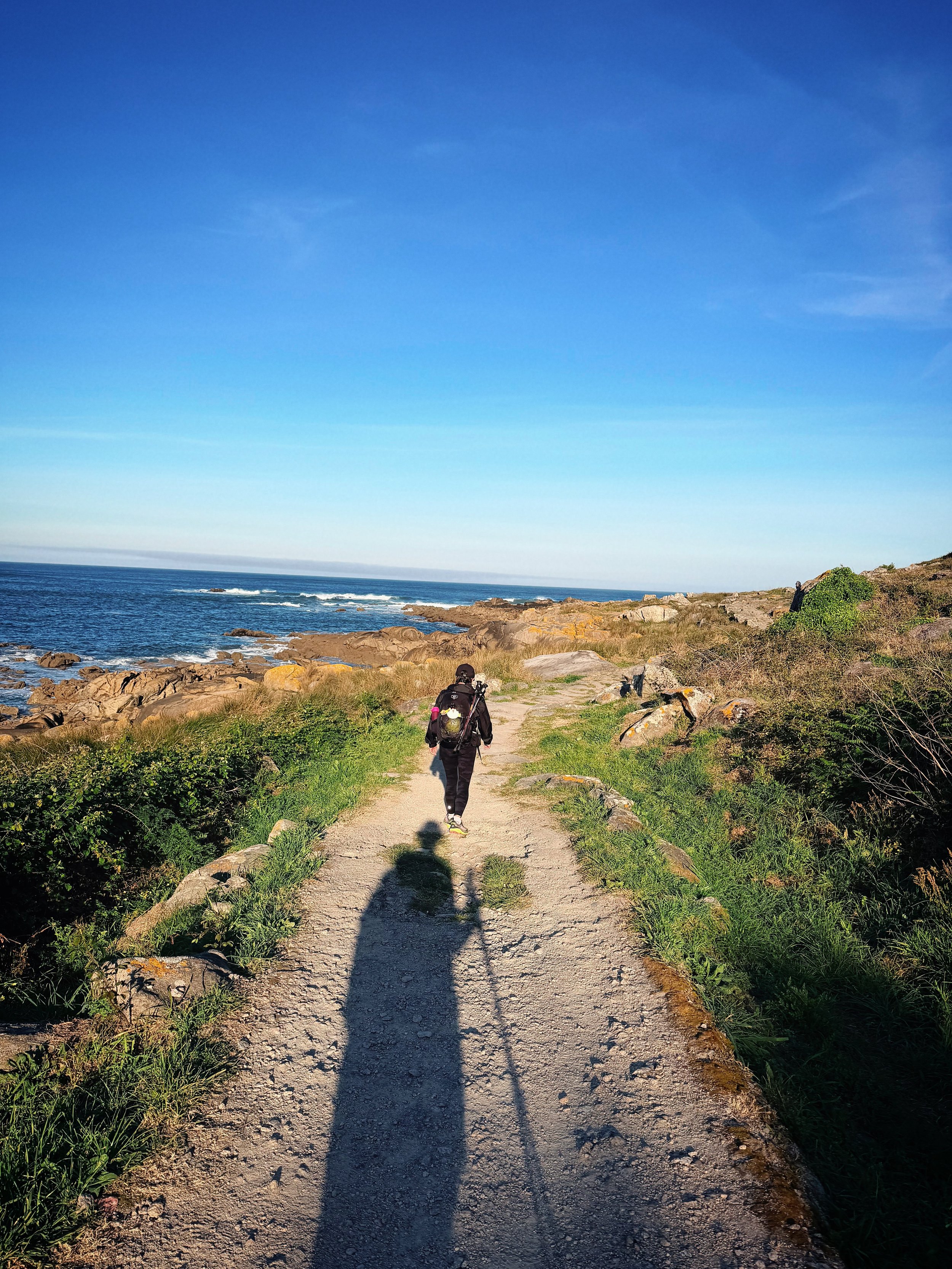
The landscape changed almost immediately upon landing in Spain. It became more rugged and unexpectedly dramatic. I had assumed the Spanish section would feel more developed than Portugal, but in reality it often felt more remote and wilder. Paths became rockier, streams needed crossing and there was more climbing and scrambling along coastal stretches. I loved it.
The route from Caminha to Viladesuso took us through eucalyptus groves, across rocky streams and along dramatic cliffside paths overlooking the Atlantic. The coastline here felt raw and untamed.
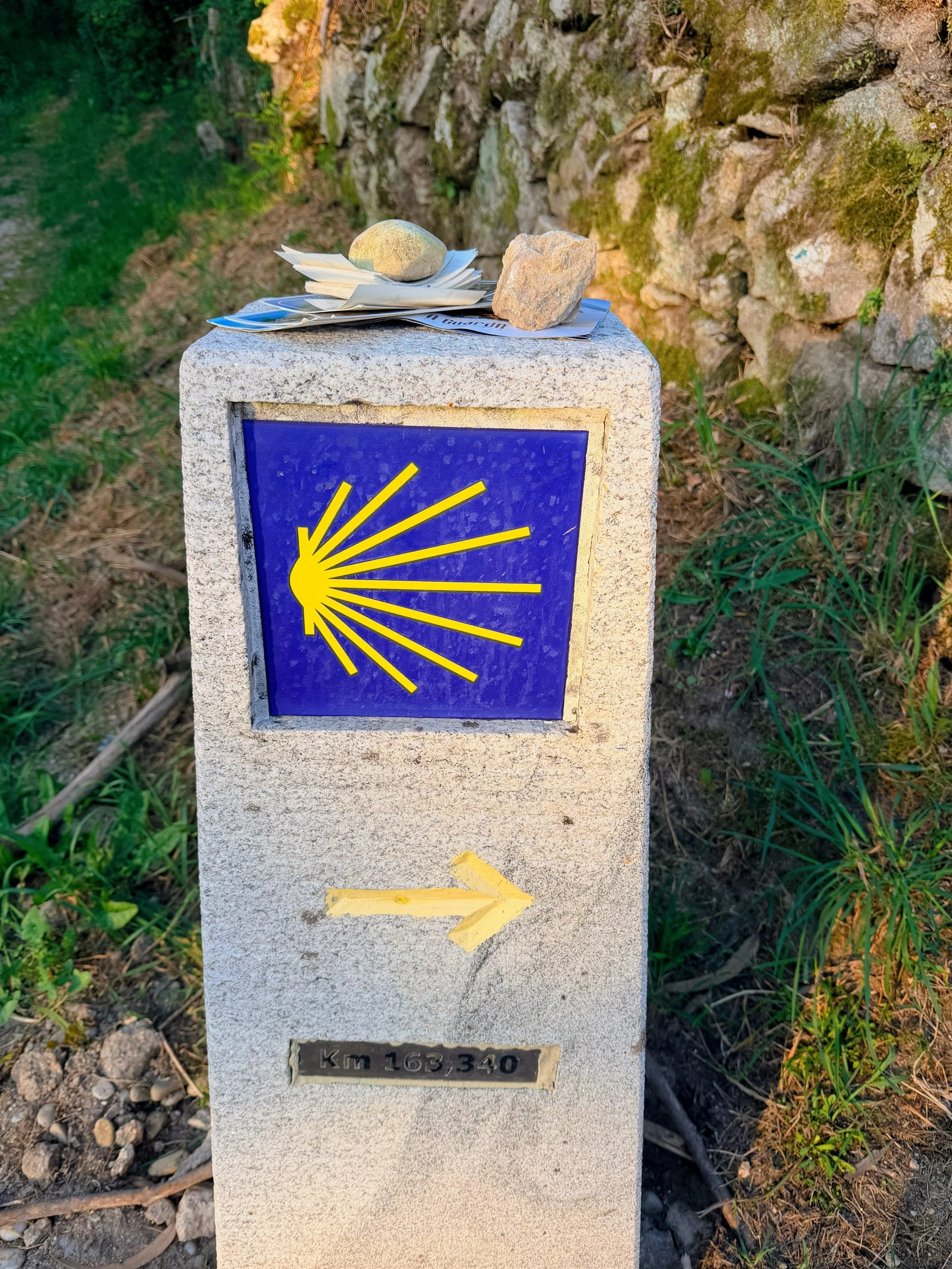
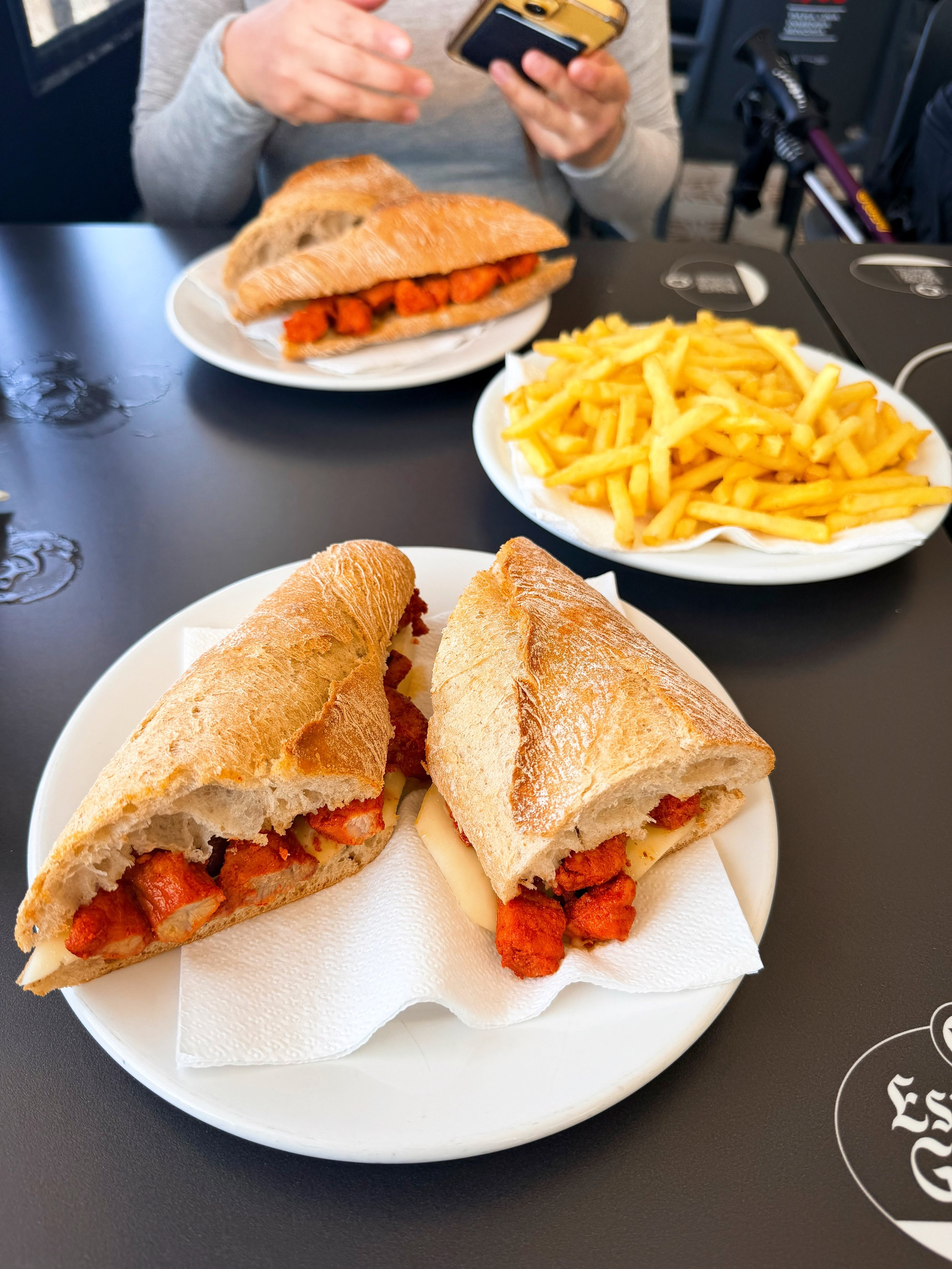
We stopped in Oia for lunch and immediately regretted not booking a night there. The tiny town sits directly on the sea, with spectacular views across the coastline and a monastery looking out over the water. It was there we discovered the true gift of the Galician Camino: bocadillo sandwiches. These quickly became our staple lunch over the next few days. On this occasion spiced pork, melted cheese and a small cold beer.
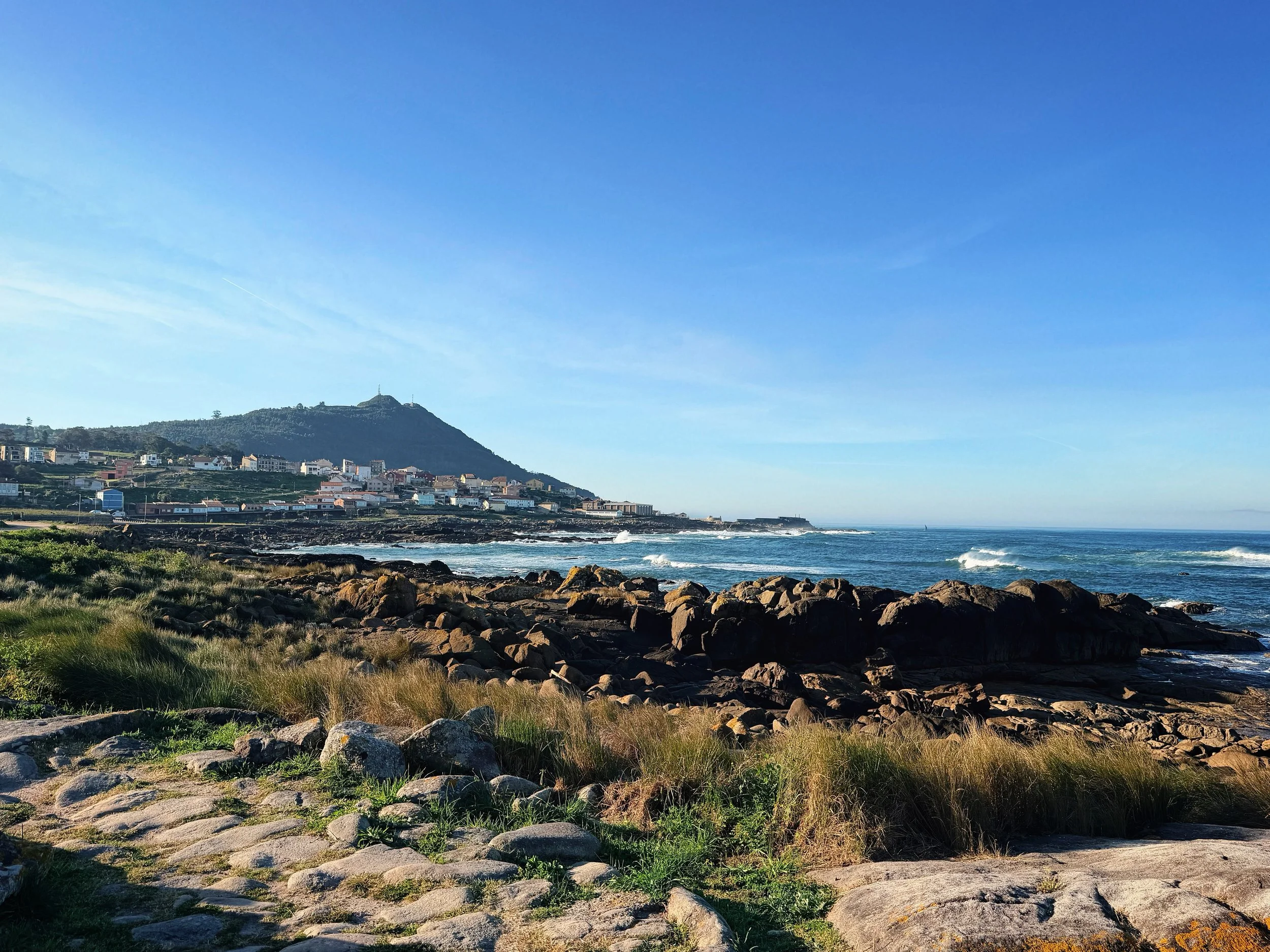
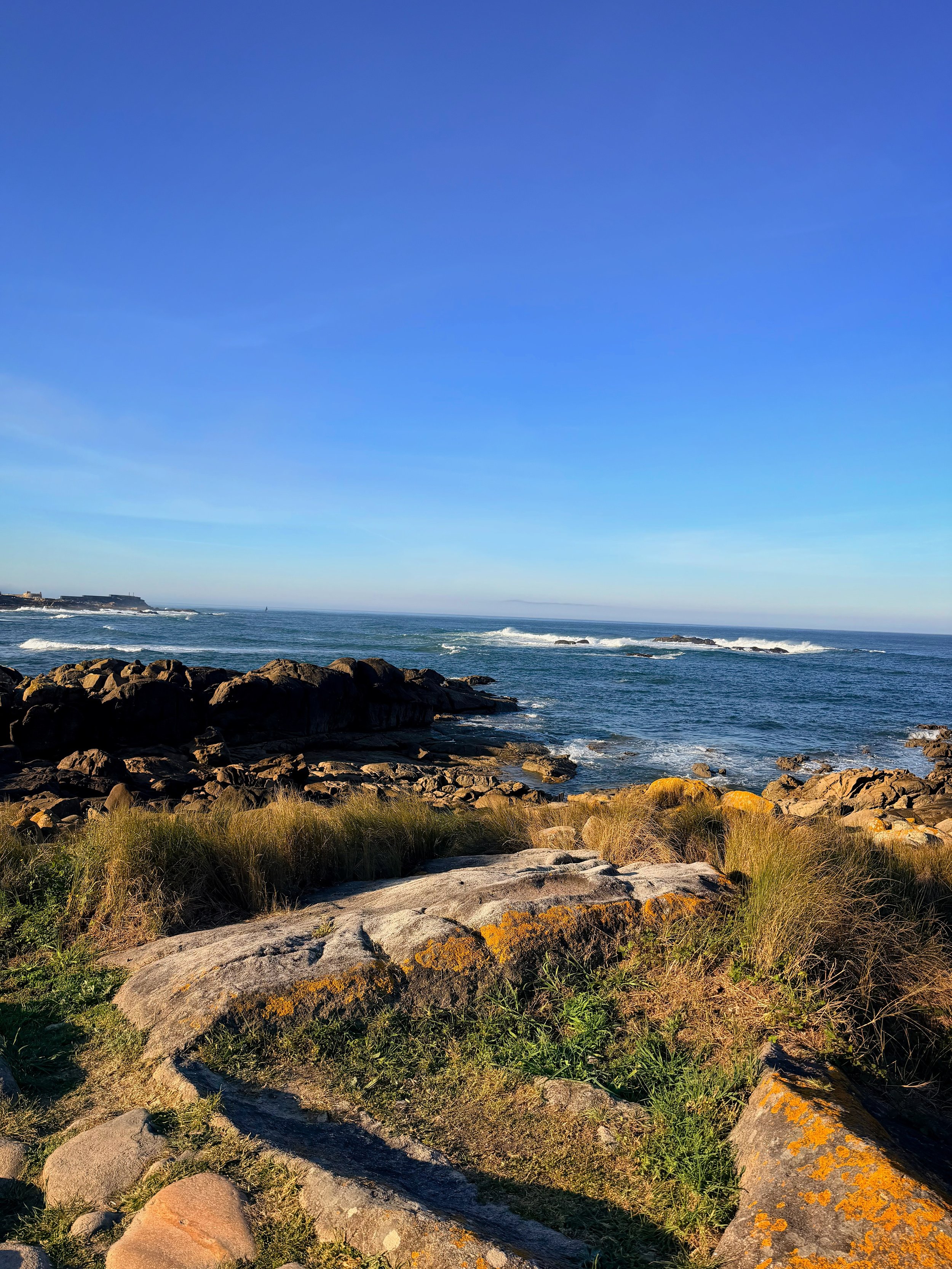
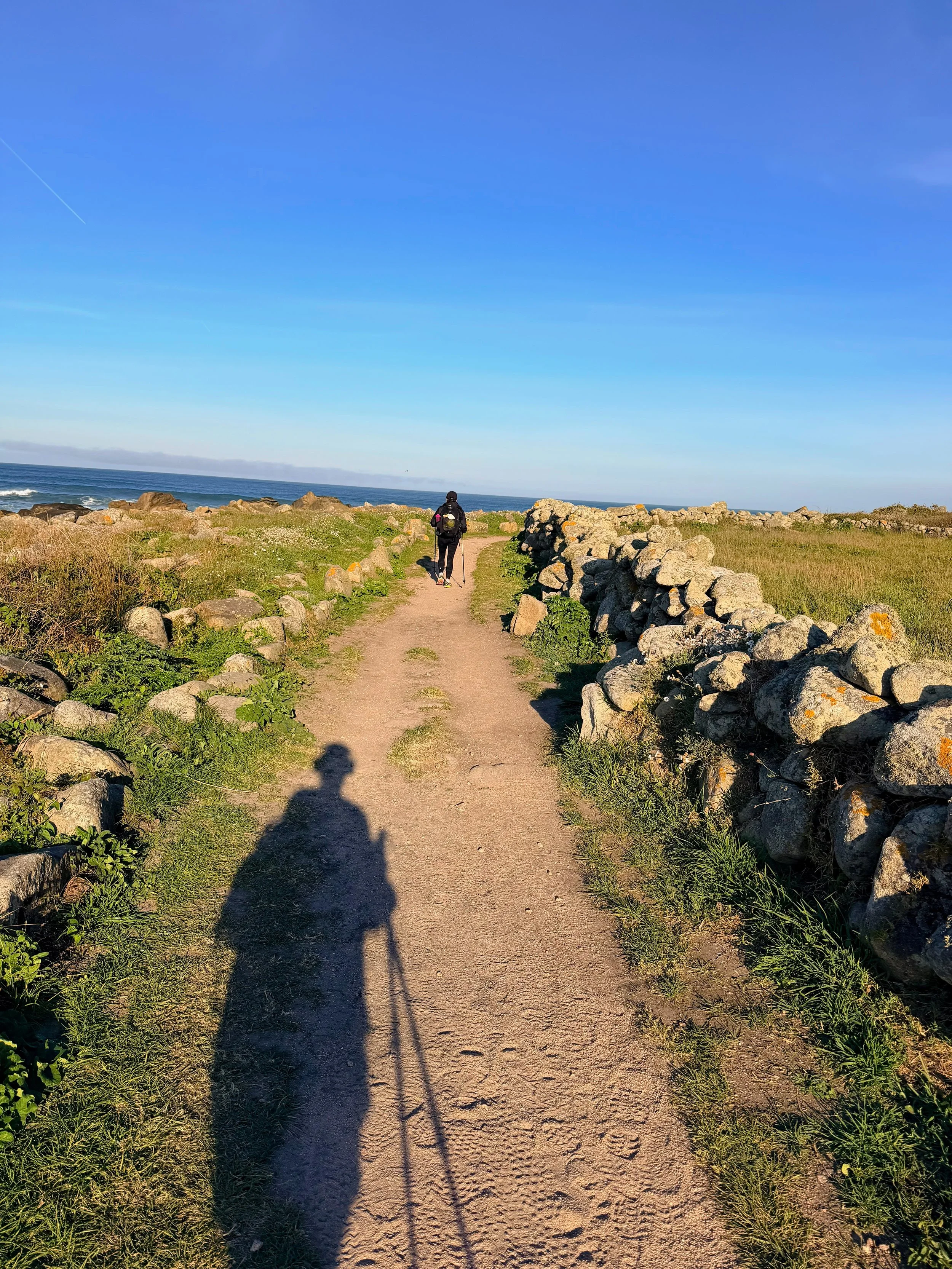
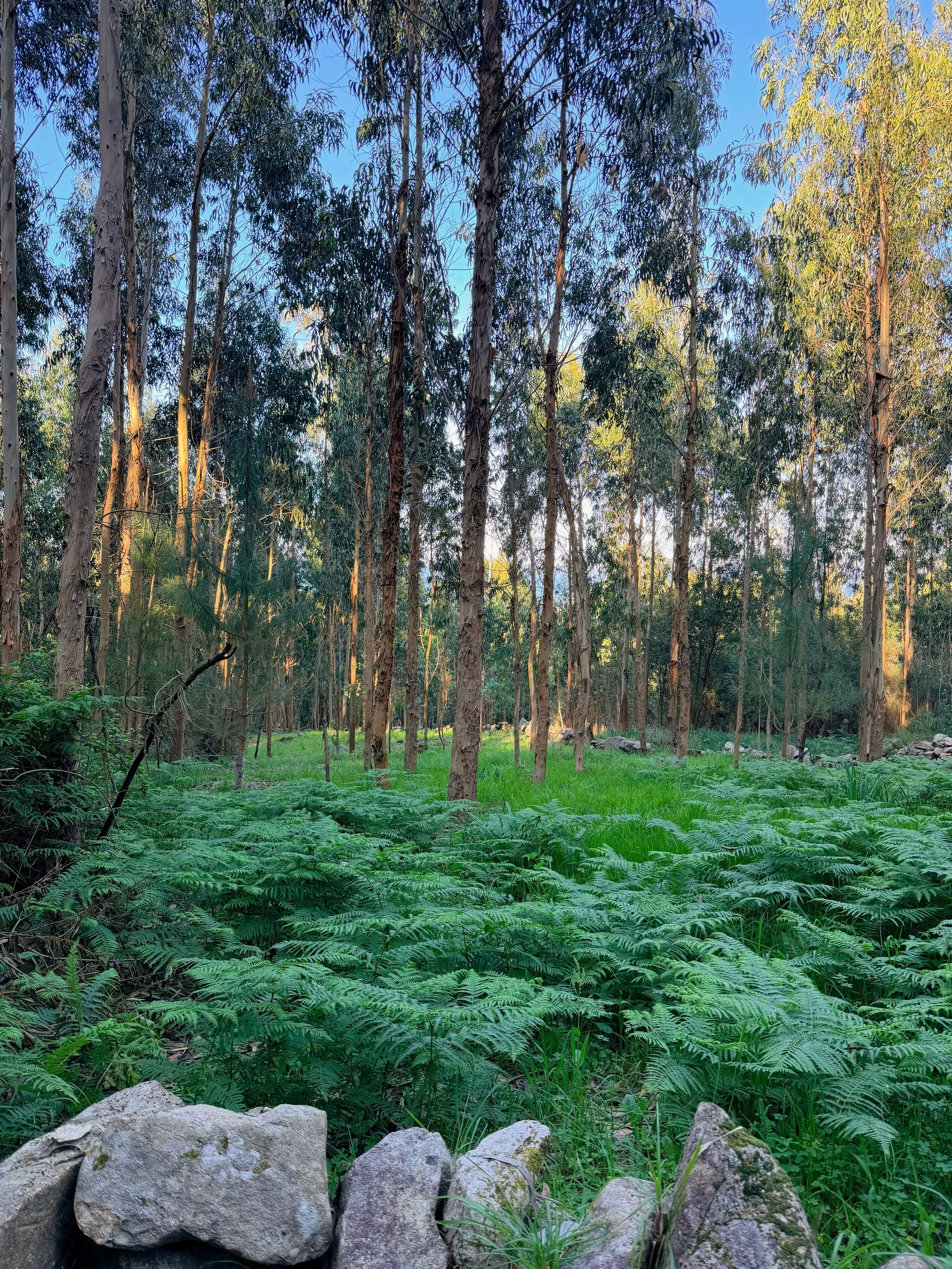
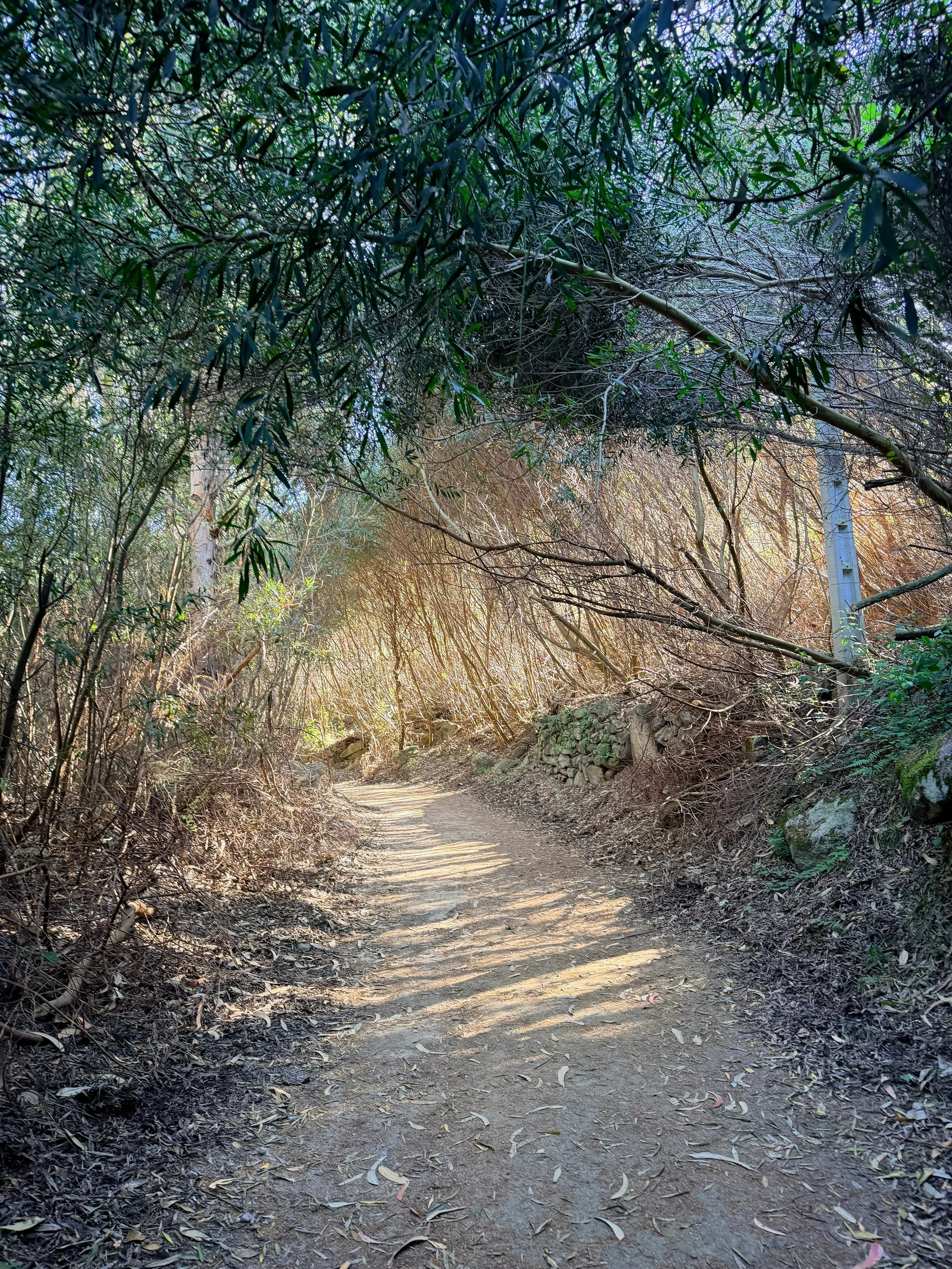
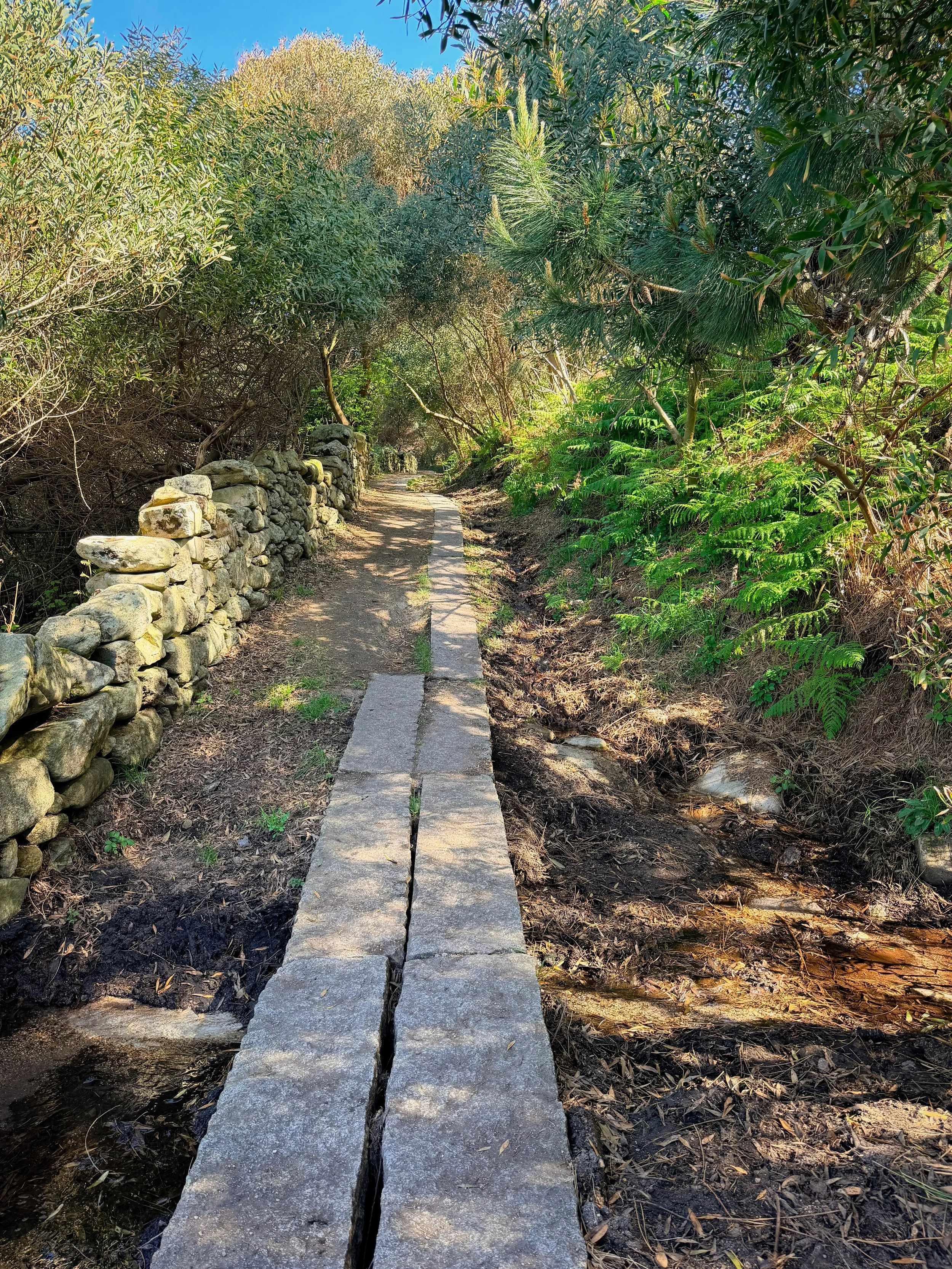
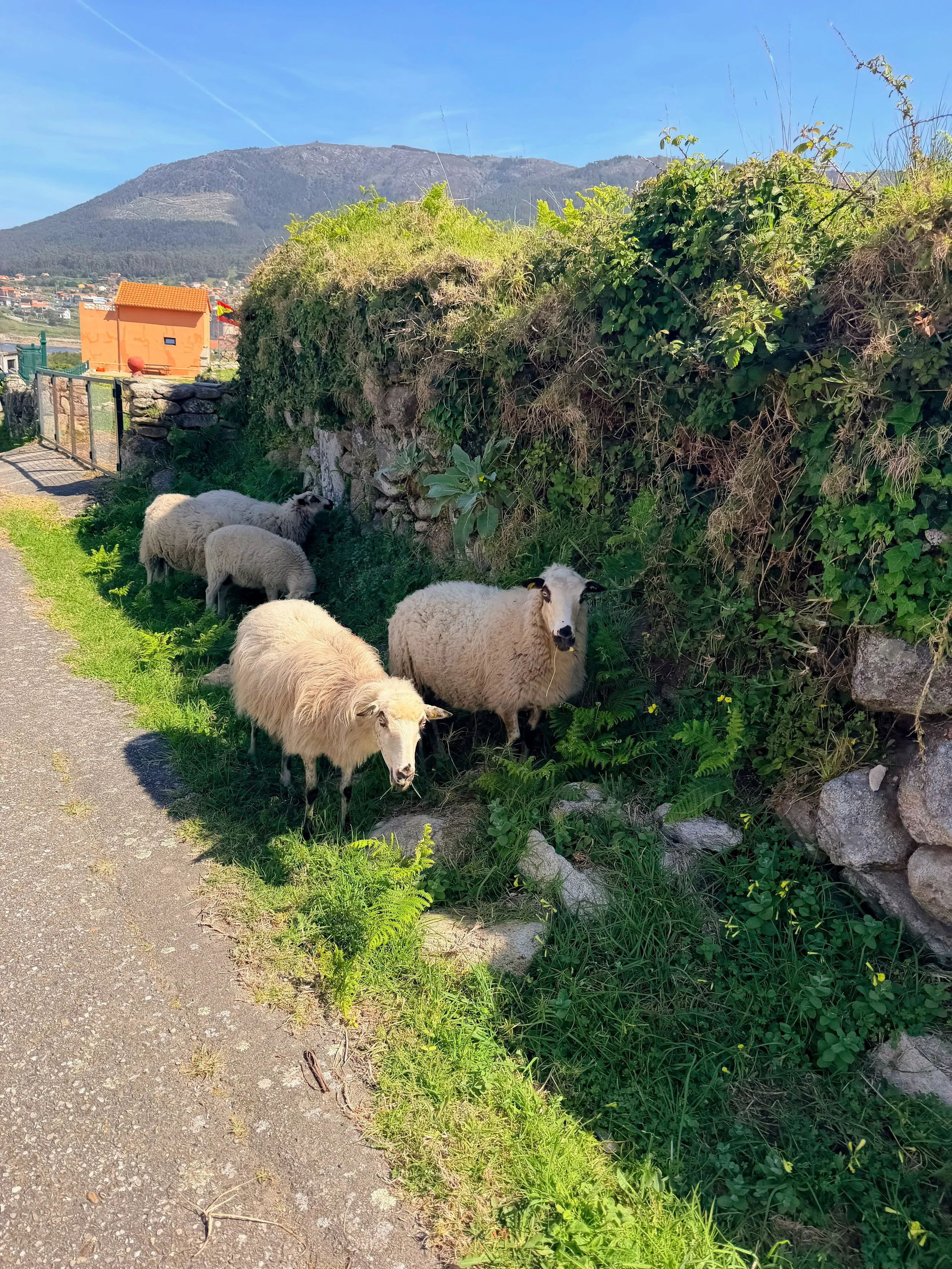
With the warm, sleepy glow of lunch settling over us, we walked the final stretch through fields dotted with horses and cows, meeting a mother and daughter from New Zealand whom we would continue bumping into along the route over the coming days. One of the strange pleasures of the Camino is how these temporary friendships form naturally, familiar faces appearing and reappearing across towns and countries until the route itself starts to feel like a moving little community.
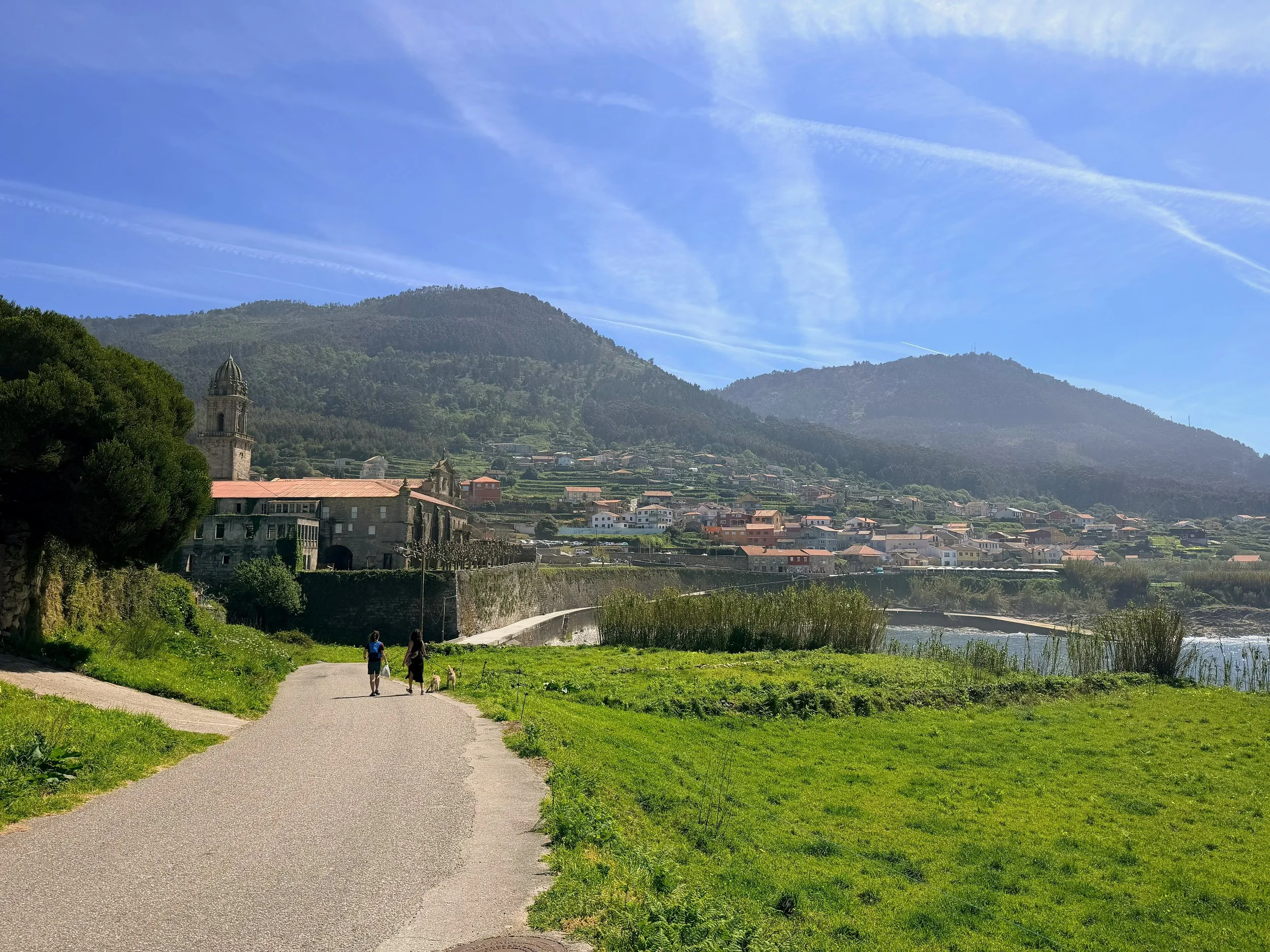
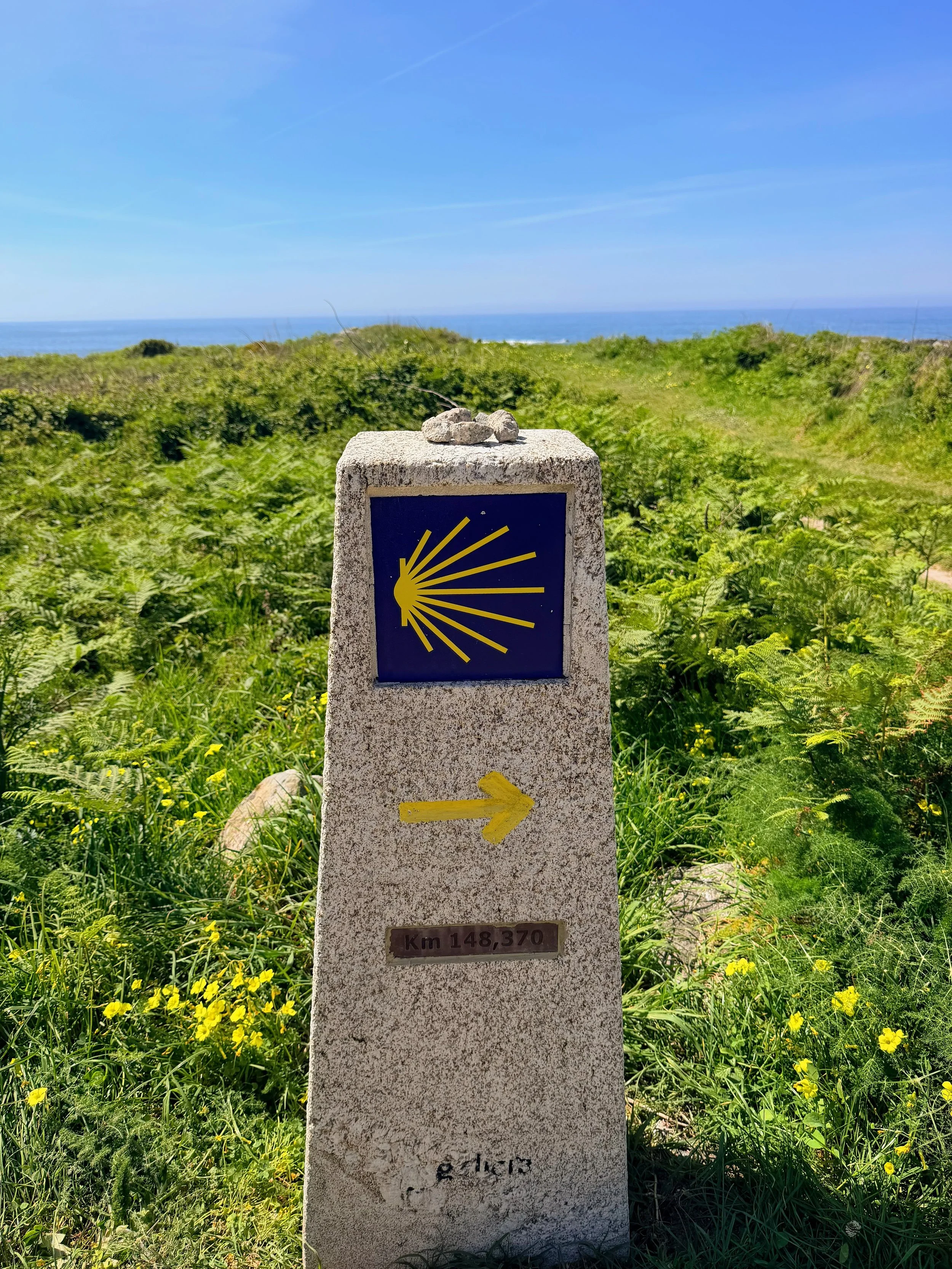
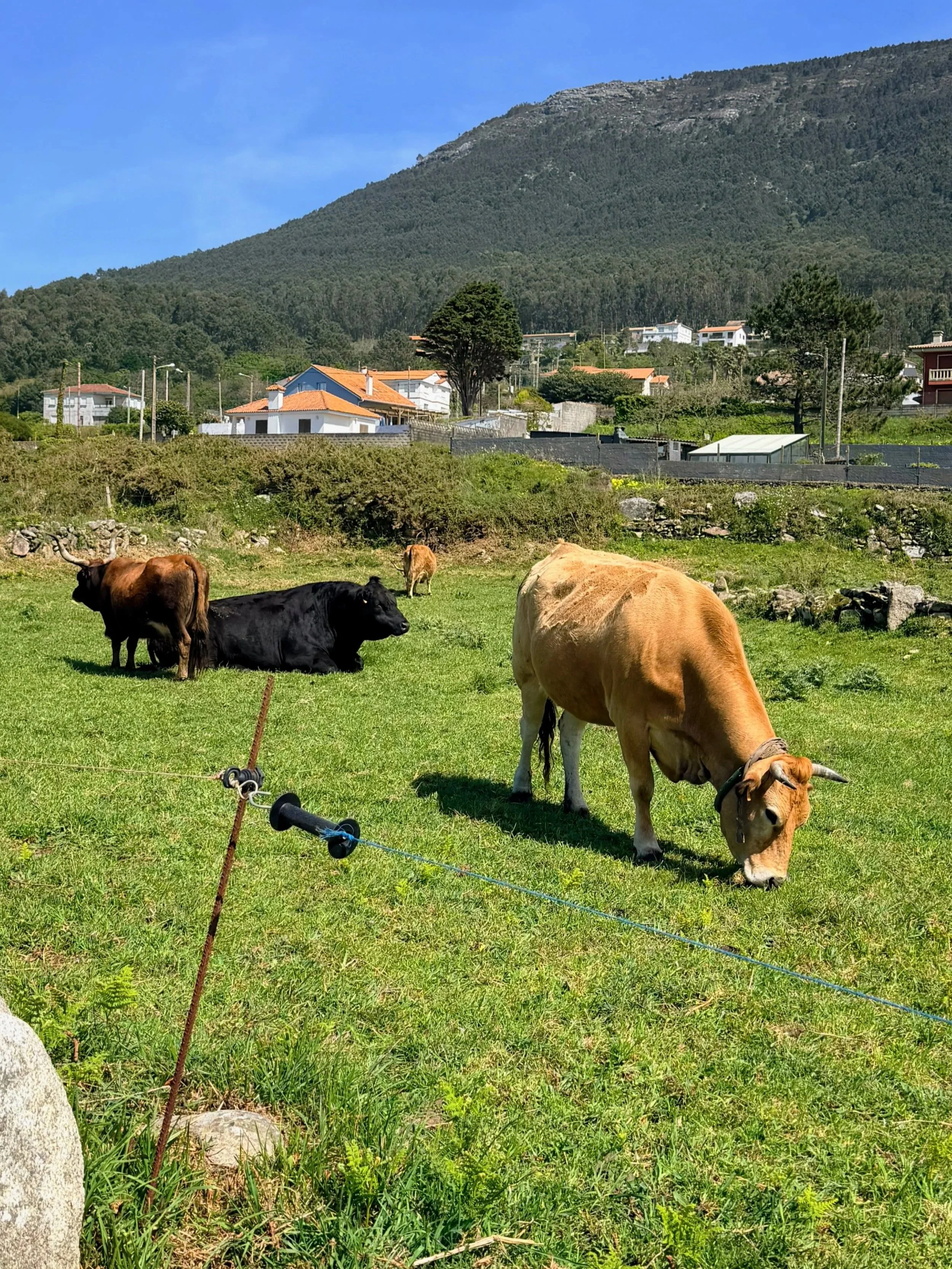
That evening we arrived at a beautiful coastal guesthouse overlooking the sea. And once again, the same simple routine unfolded: shower, handwash clothes, dinner, bed.
It is those routines, more than anything, that make the Camino quietly healing. Life becomes astonishingly simple. You walk, you eat, you rest, you repeat. Without the noise and distractions of normal life, your mind slowly begins to settle too. Not dramatically or all at once, but subtly, day by day, kilometre by kilometre.