Camino de Santiago Part 1: The Portuguese Coast
Everyone on the Camino de Santiago has a story for why they are there, why they have decided to walk. Whether it’s after a break-up, a life change, or the pull of a new beginning, everyone arrives with something behind them.
I had a story too. A year of bereavement, in shocking circumstances, and family discoveries so outrageous I could genuinely write a book about them had led me to my Camino. I needed a distinct way to mark the beginning of something new. A new chapter, at the very least, or a new book, more realistically, given the state the last twelve months had left me in. I’m not religious, but I do believe in the power of a journey. This one felt transformational from the outset, an internal adventure as much as an external one.
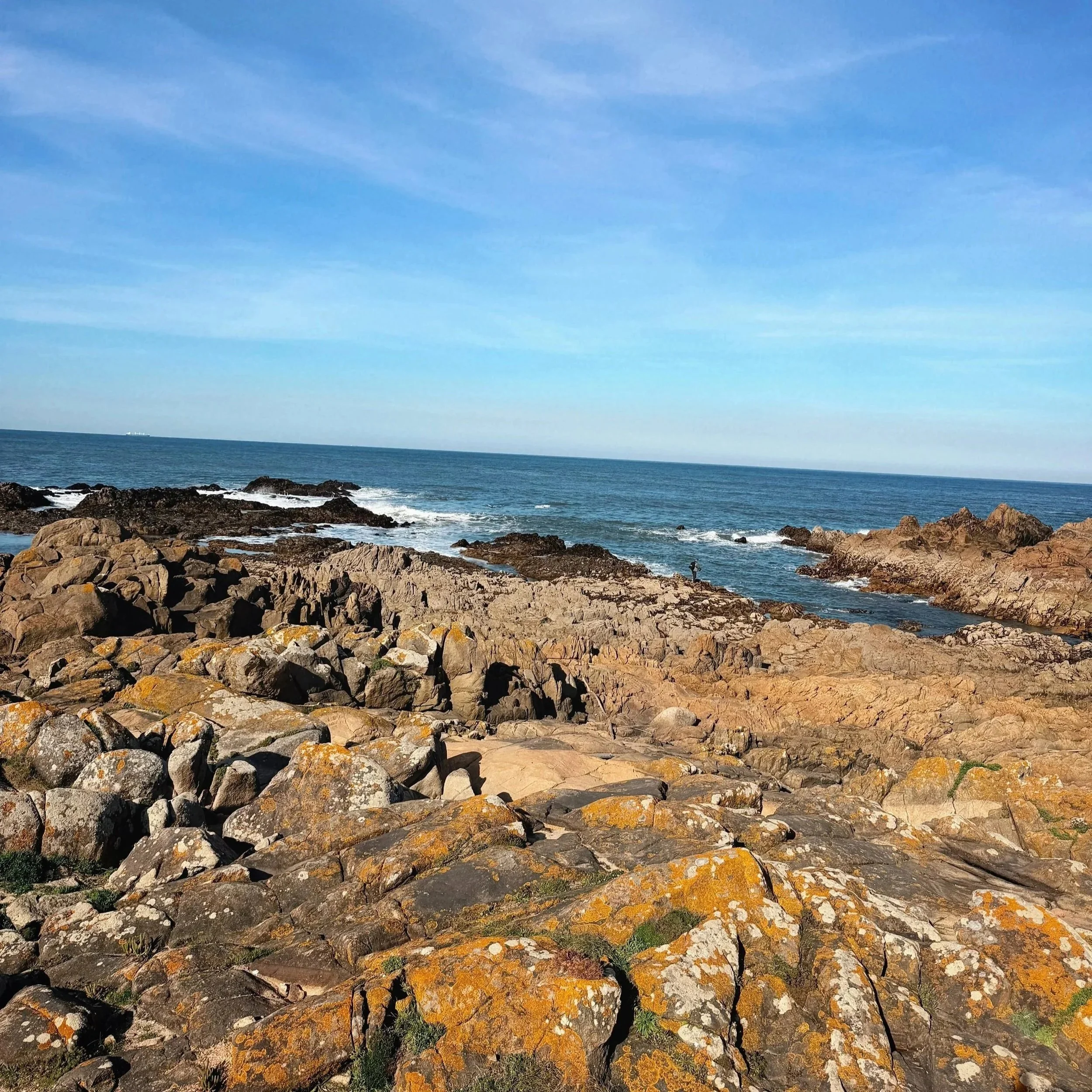
I chose the Portuguese Coastal route quite early on. Firstly, my deep love for Portugal is already well documented. Secondly, like many people, I feel most at peace by the ocean. I walked for two weeks and loved every kilometre of it. The first half, I was totally by myself. That was intentional. I felt ragged, overstimulated and in need of real space to think. The second half, my best friend joined me for the quest, bringing laughter, ease and very welcome company.
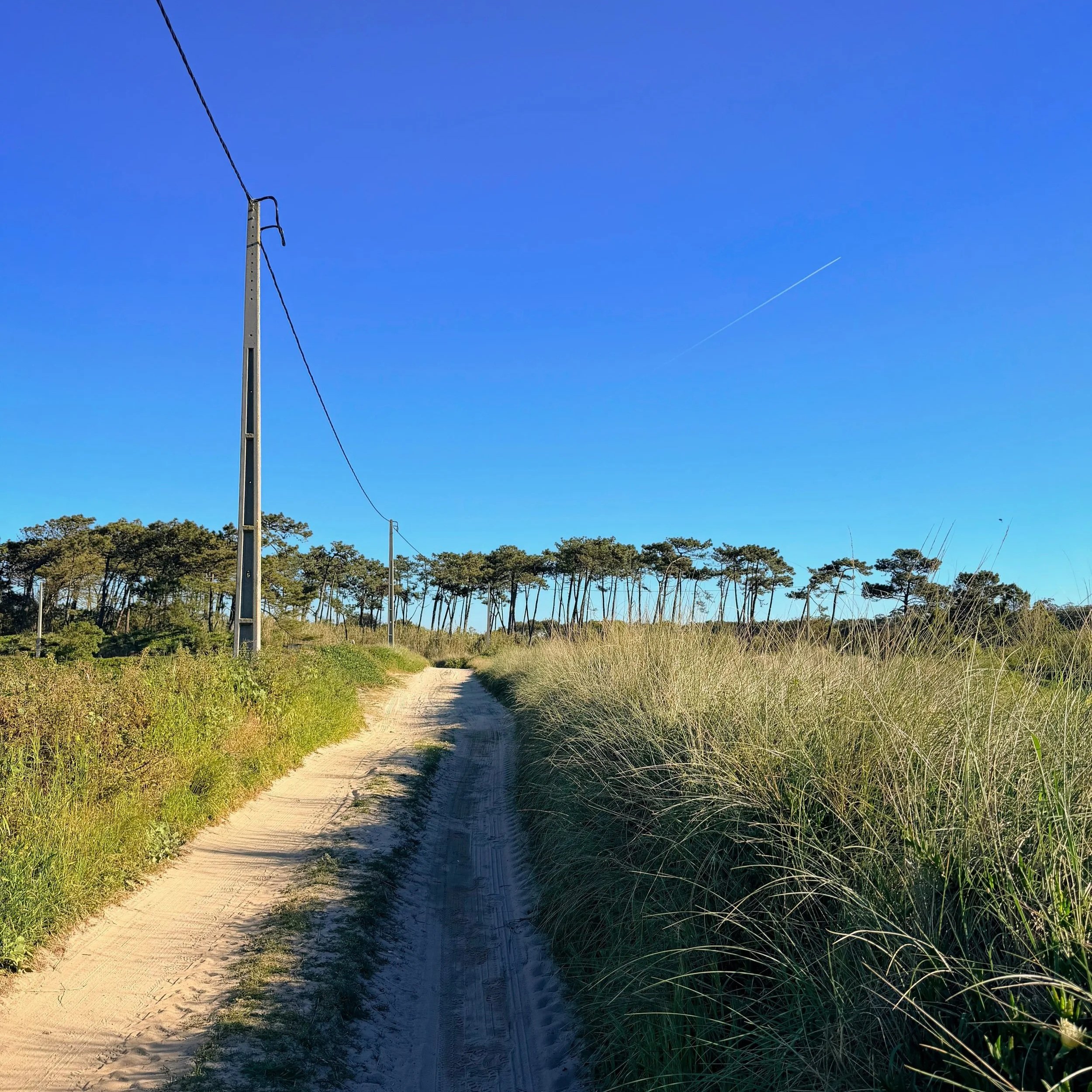
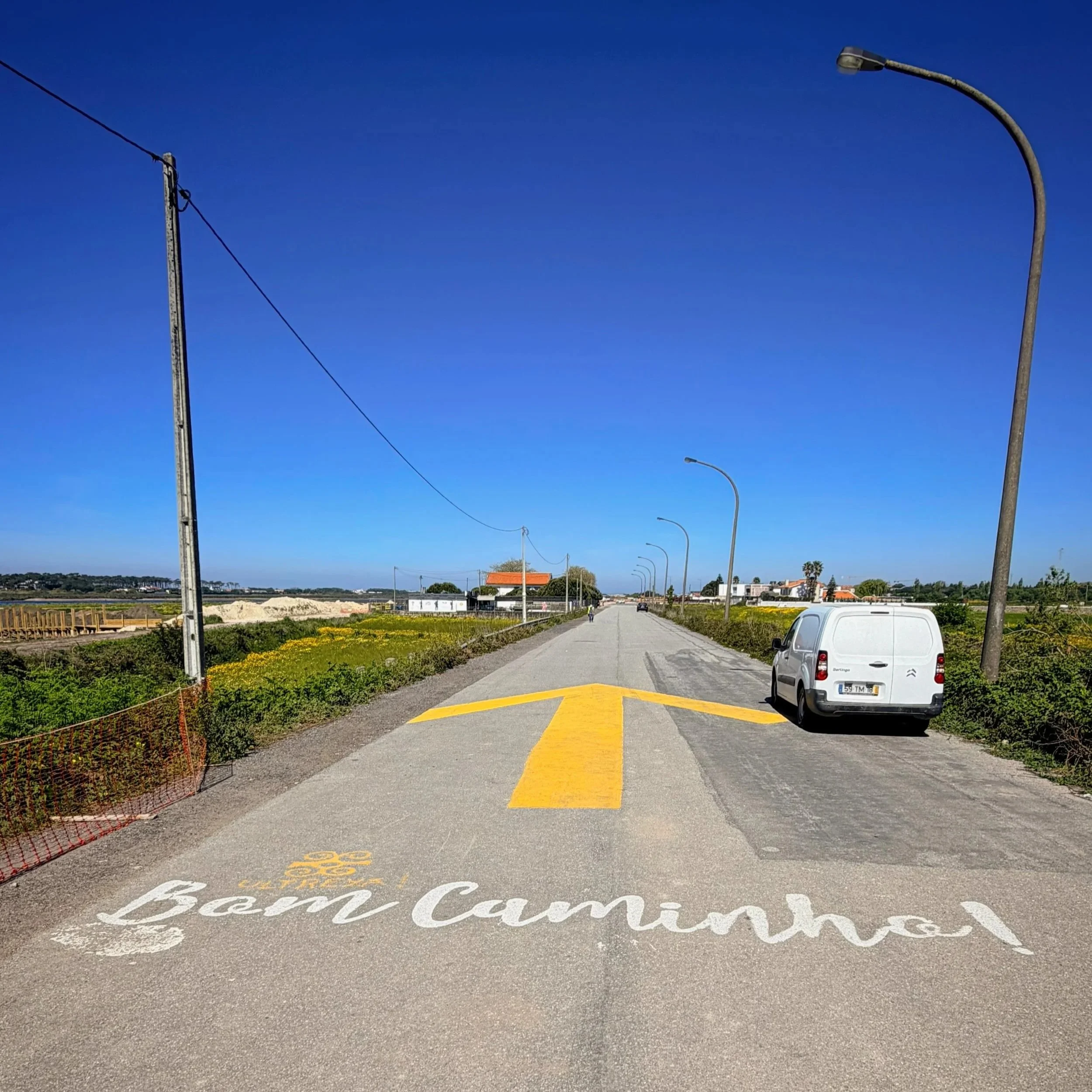
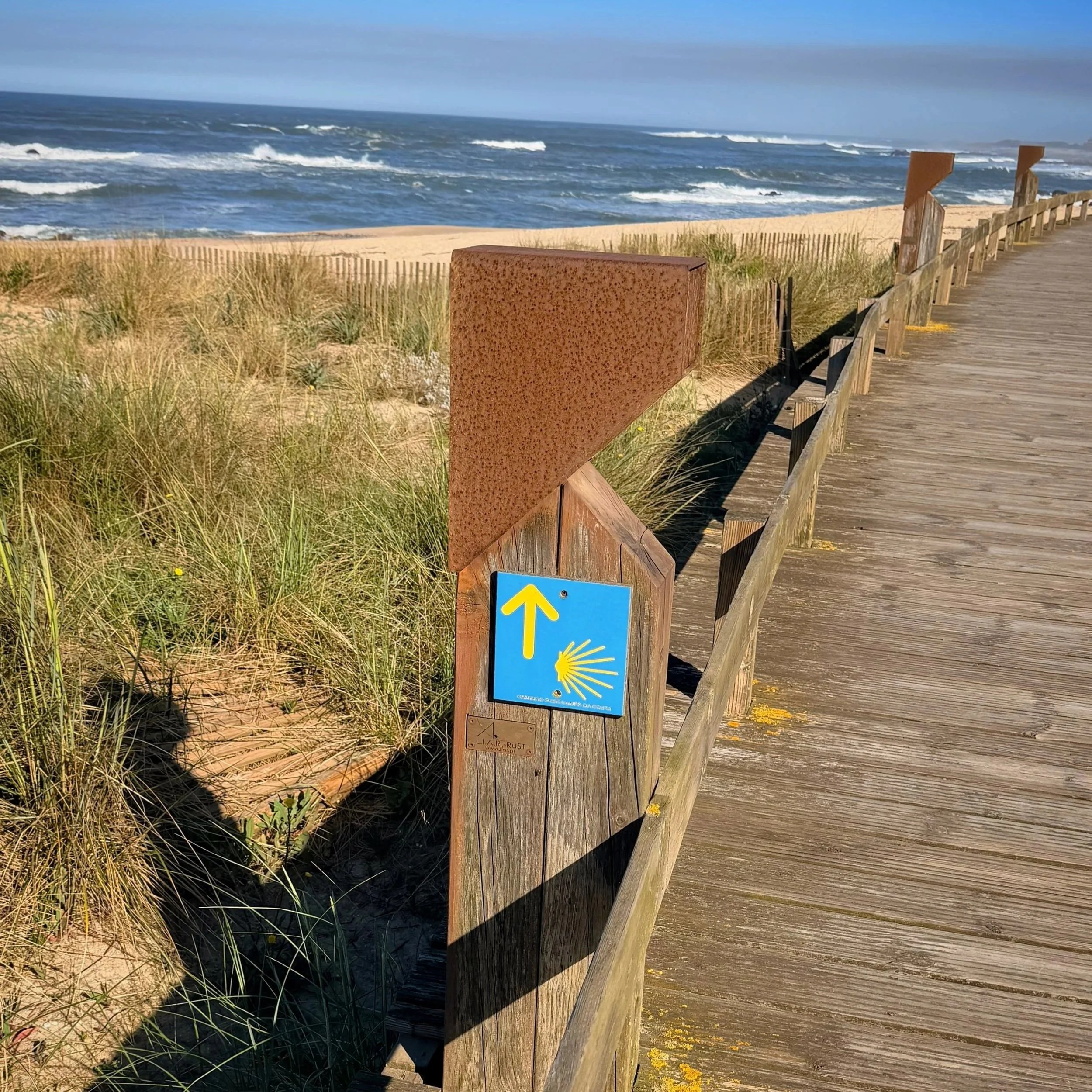
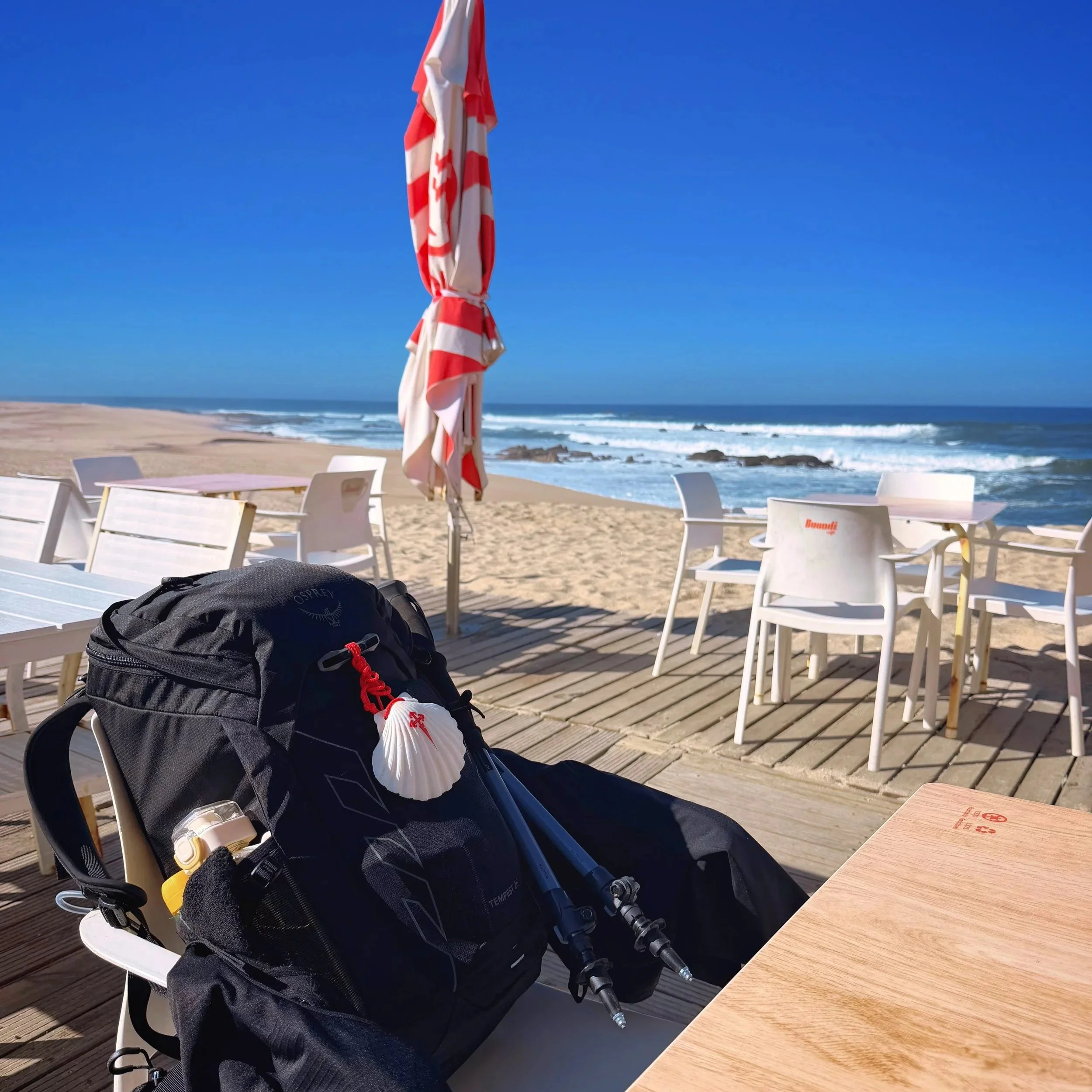
The Camino has its own language, which you learn quickly. You are a pilgrim, whether you are religious or not. You collect stamps in your pilgrim passport as you go. You strap a scallop shell to your backpack, a small signal to others that you are part of the same quiet movement. You weigh your bag carefully and carry so little it reminds you how little we actually need. And you follow the yellow arrows, trusting they will lead you in the right direction. They do, all the way to Santiago.
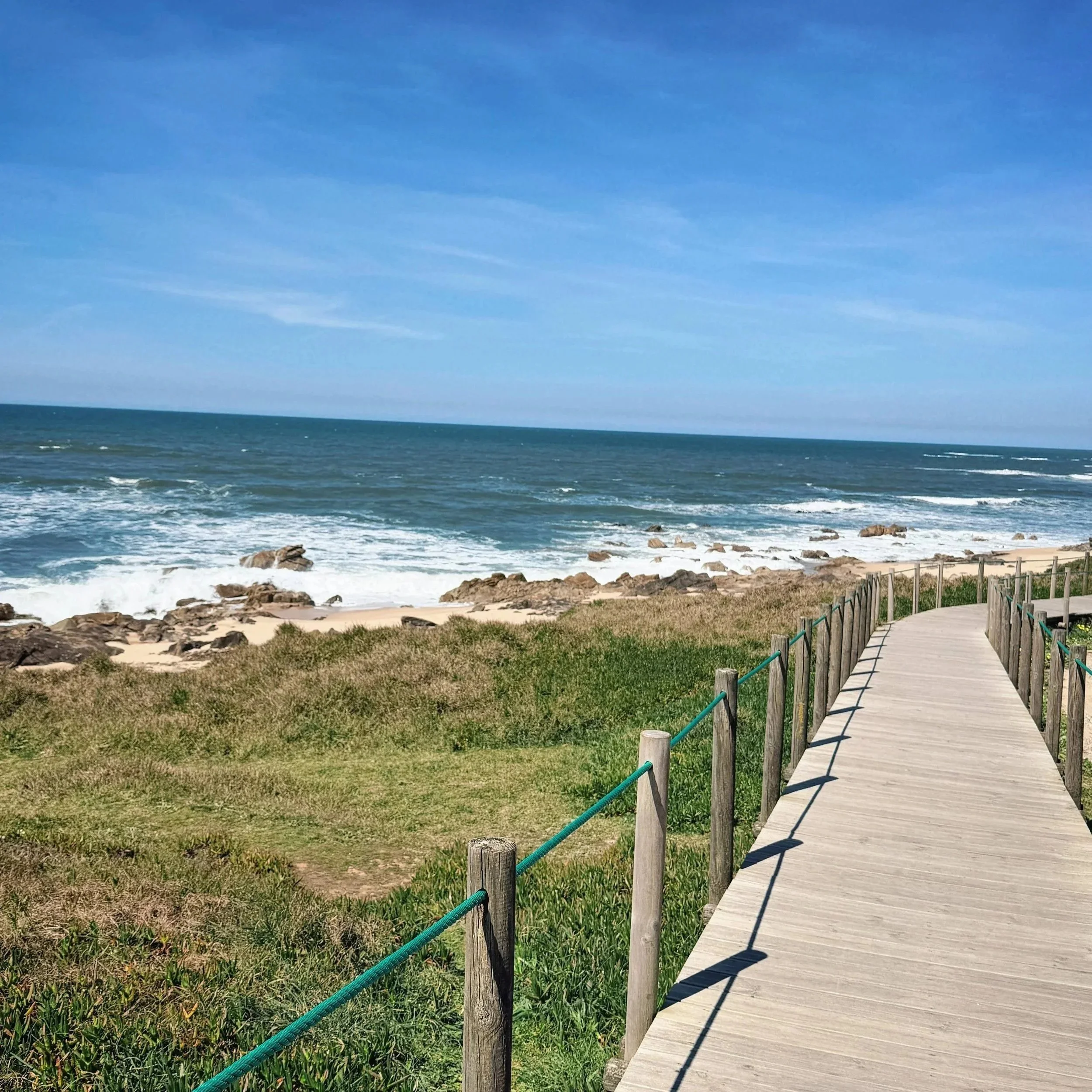
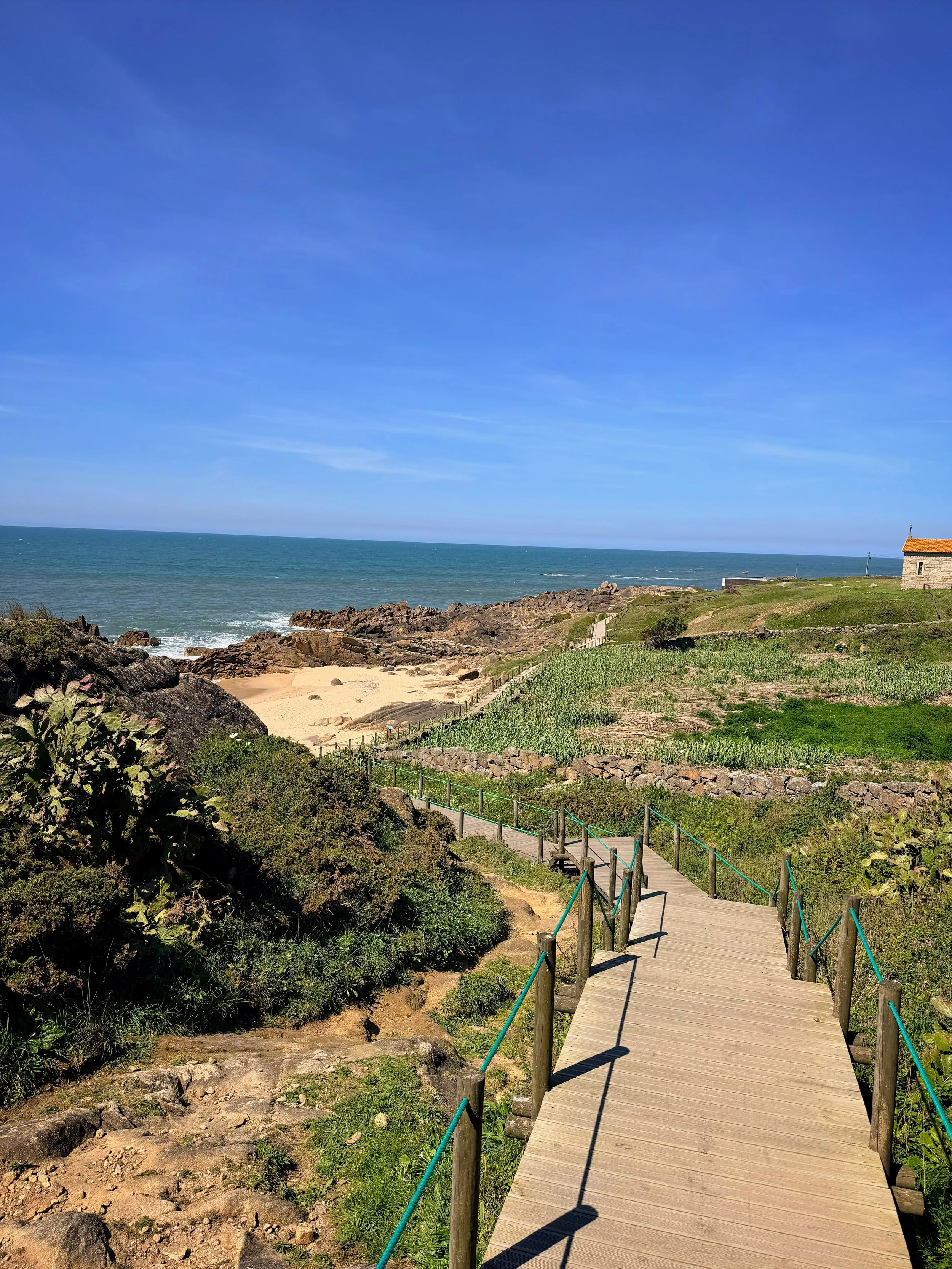
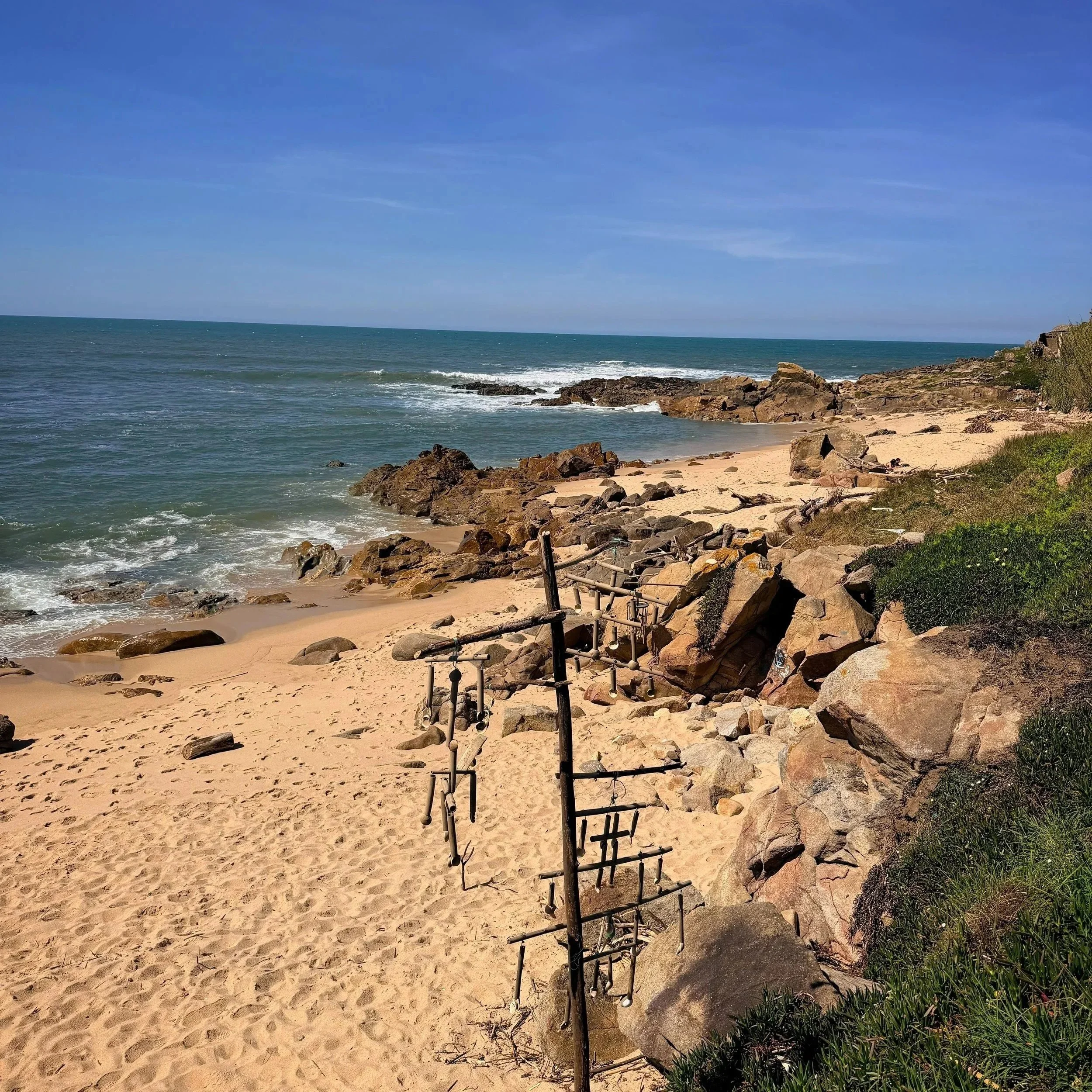
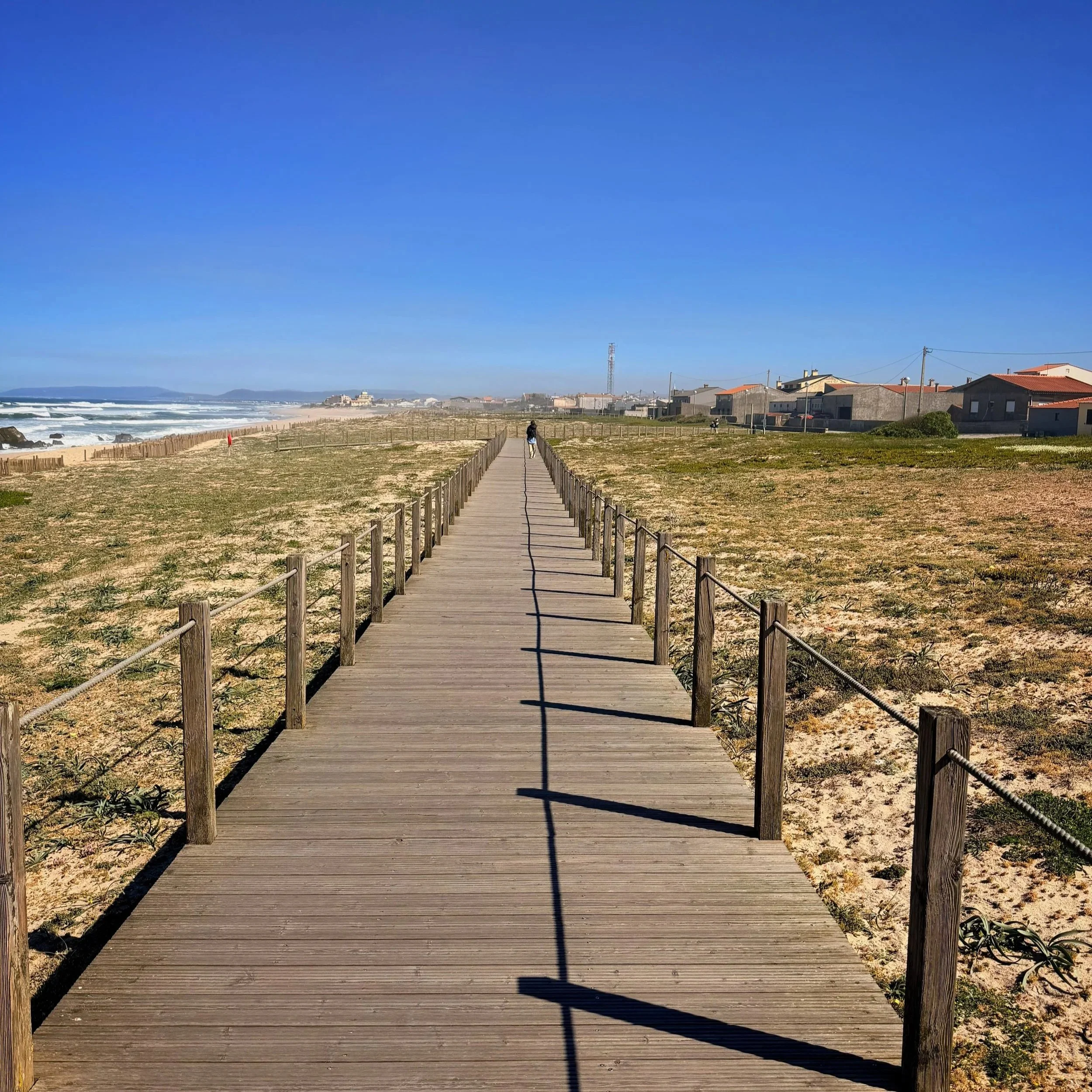
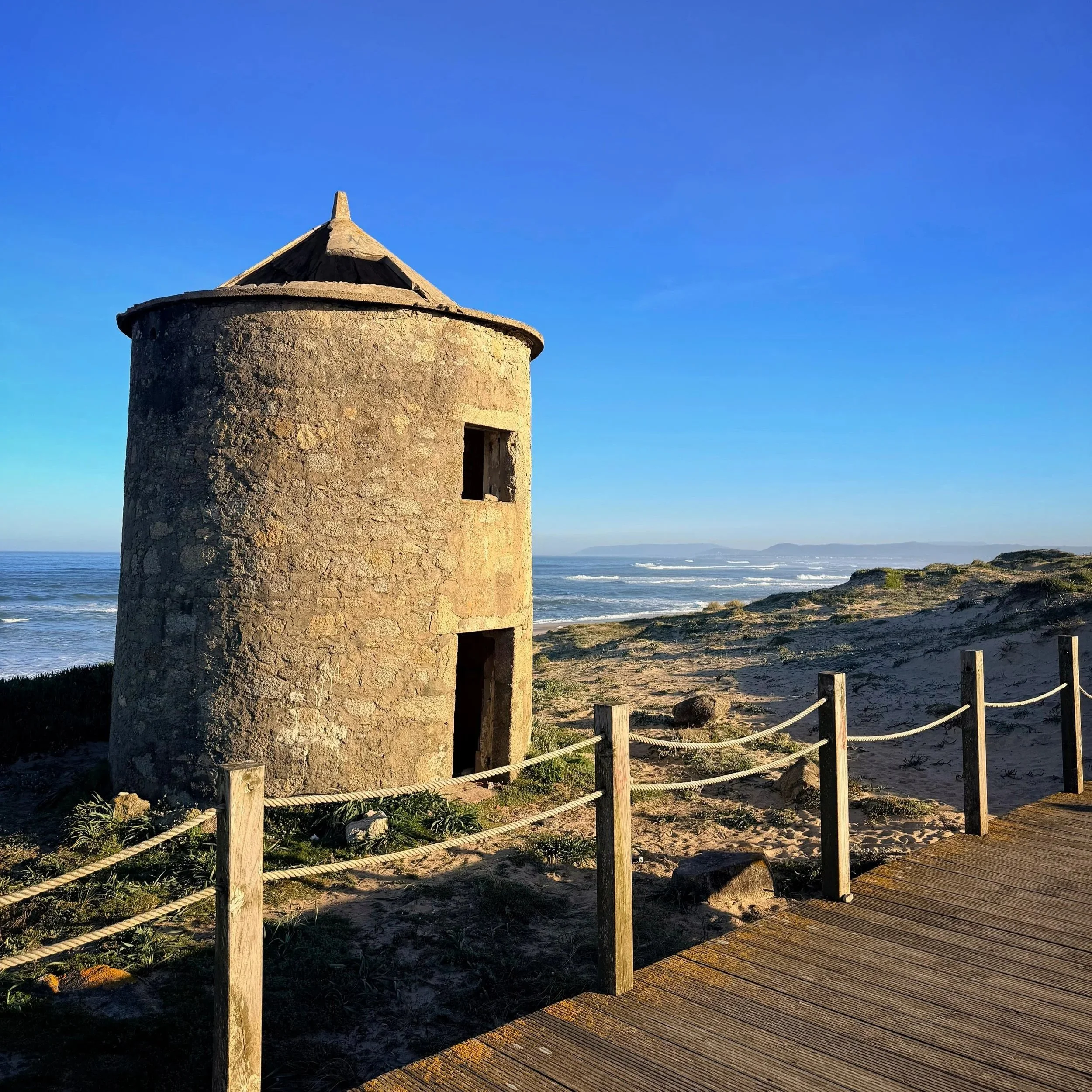
Day 1 for me started in Matosinhos and ended in Vila do Conde. I left Porto early and joined the coastal path, feeling completely elated, full of adrenaline and possibility. I think the last time I felt like that was interrailing at 21. The day stretched out ahead of me, wide open. The views were immediately spectacular: long wooden boardwalks, rugged coastline, vast open beaches. The weather was perfect, and I moved steadily along, stopping every couple of hours for a lemonade and a rest across the 28km.
You begin to notice familiar faces quite quickly. The same people appear again and again along the path, days apart sometimes, but always with a smile or a quiet greeting, a shared understanding that you’re all heading in the same direction.
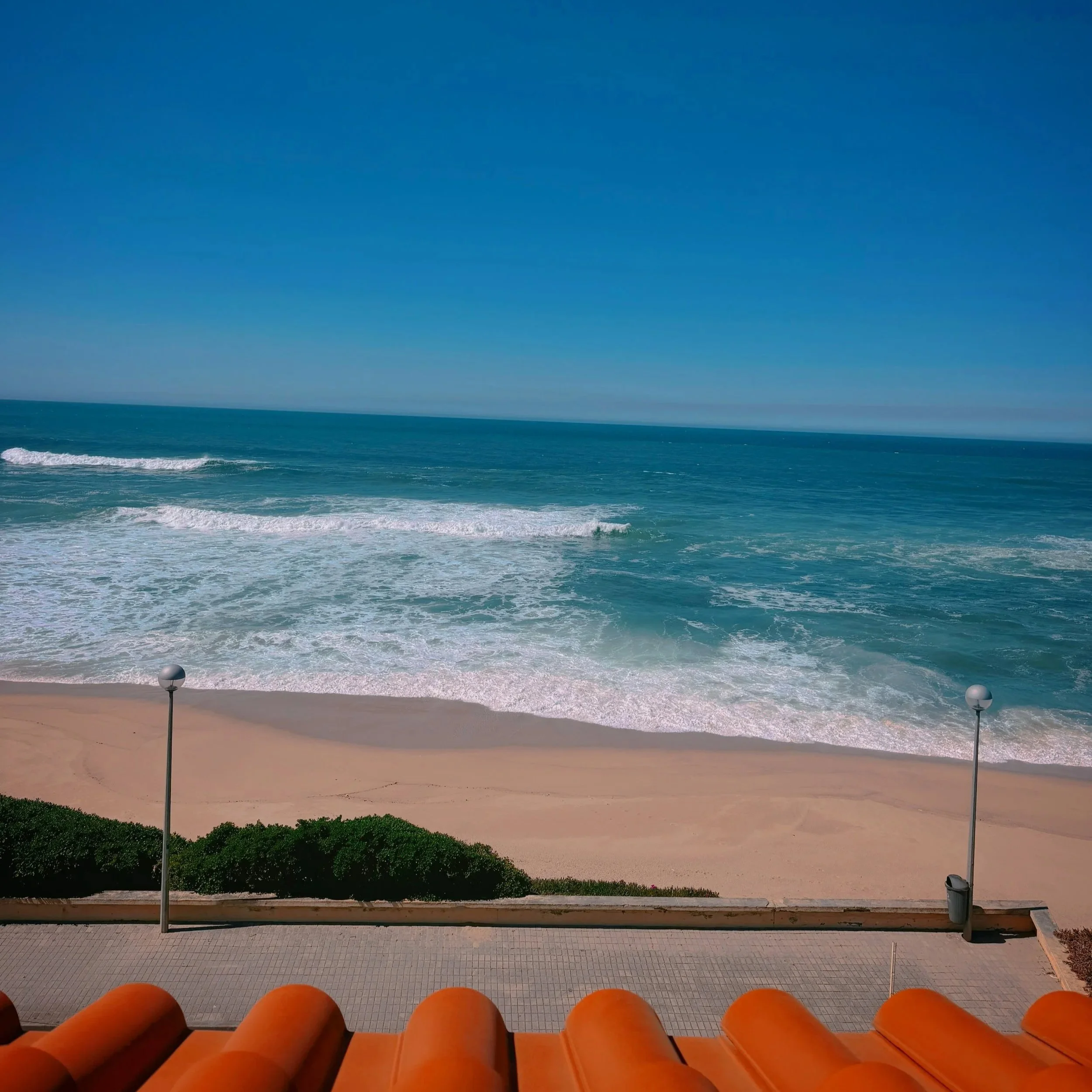
After a lovely dinner of Arroz de Marisco in Vila Do Conde the first night, I set off very early on Day 2 to head to Aguçadoura. This was one of my favourite days. I surprised myself at how good my body felt, how good my feet were. The weather blessed me with perfect sunshine and a light breeze again as I hiked up the coastal boardwalks, arriving into the village at lunchtime. I celebrated with a ‘pilgrim menu’ of soup, a whole grilled seabass, dessert and a jug of wine for 12 euros before retiring to my beachfront apartment to sunbathe. I listened to a book about the meaning of ‘Joy’ and felt it. I took myself for a tapas dinner and re-packed my bag for the next day.
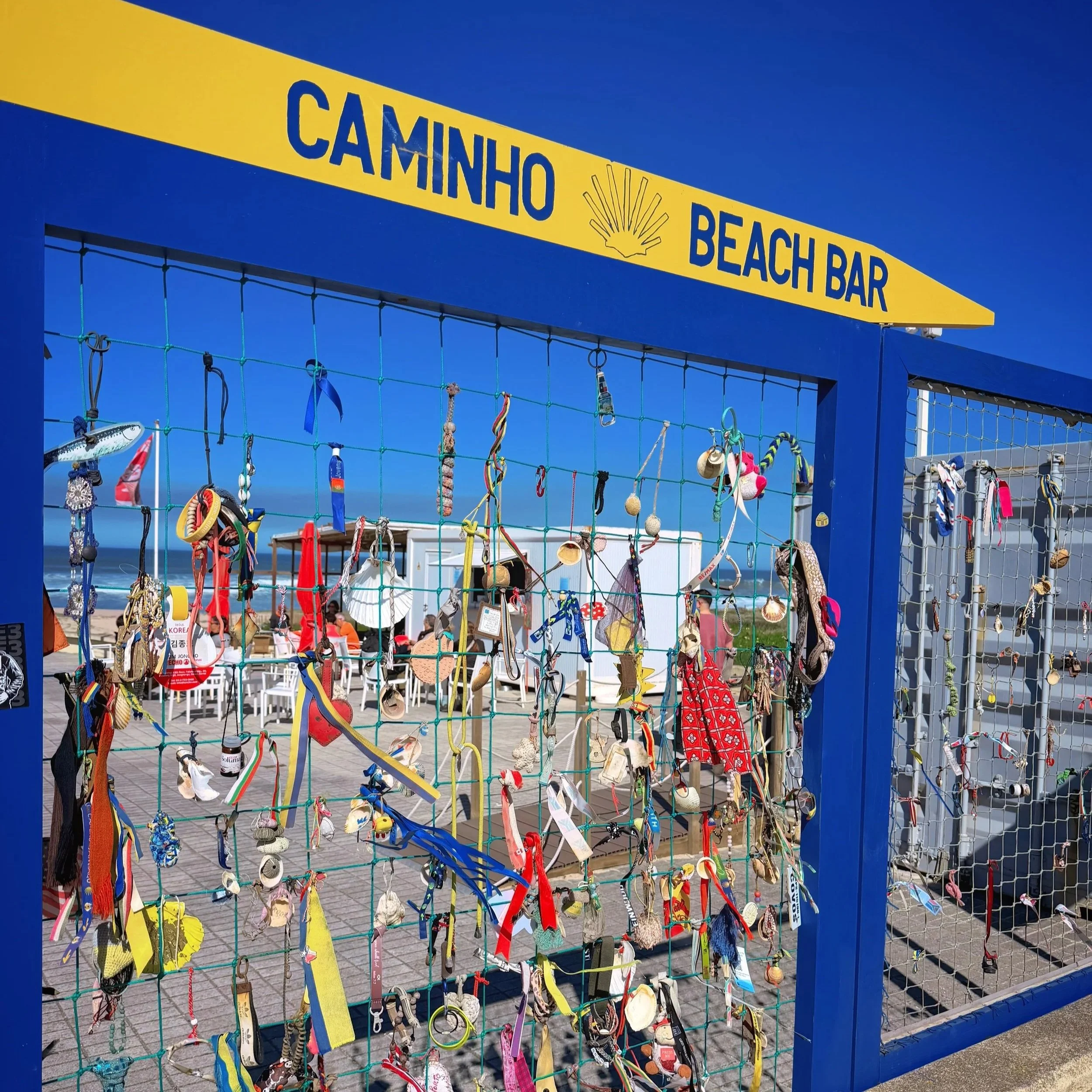
One of the best parts of the Camino is the simplicity of the routine. You are carrying so little — two tops, two leggings, two sets of underwear — that everything becomes pared back to essentials. You arrive, you shower, you handwash your clothes and hang them to dry (mine clipped to my backpack with a bungee cord like a makeshift washing line). You repack, you eat, you sleep. There is something deeply calming, almost meditative, about that rhythm. The simplicity is stilling for the soul.
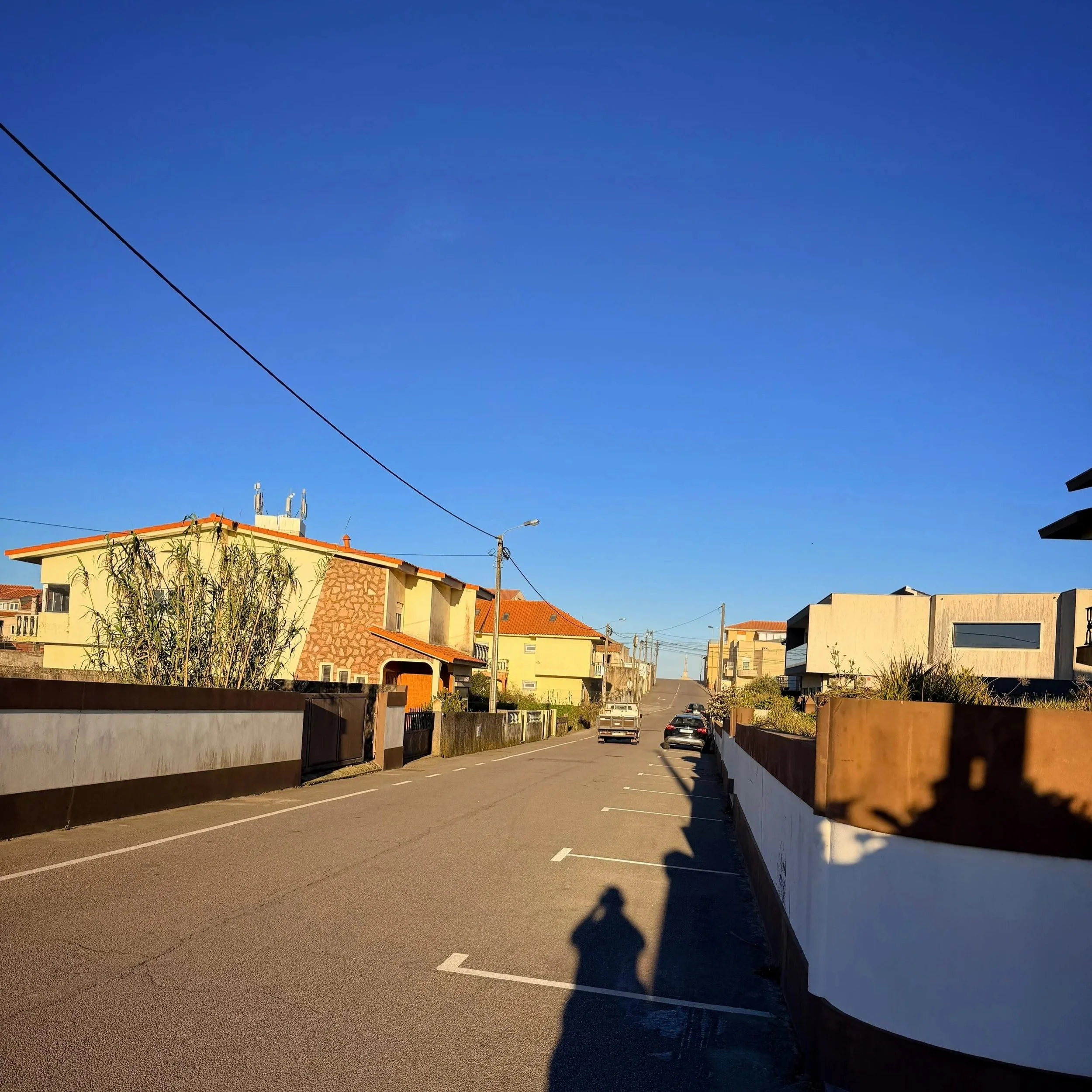
Day 3 took me from Aguçadoura to Marinhas, and the route began to shift slightly. There were more inland stretches, more trees, a different kind of quiet. At one point I nearly got lost in the middle of nowhere, before finding the yellow arrows again. Later, the path weaved through pine forests, small villages with friendly old ladies, and the town of Esposende — which, in hindsight, I should have stayed in.
Instead, I walked on to Marinhas, unknowingly heading towards my own personal nightmare. Bed bugs. For many pilgrims, they’re almost a rite of passage. For me, they come with history. Years ago, I had such a horrifying experience that I had to throw away everything I owned and move house. I lost literally everything and had to start again. Anyone who has been through it will recognise that same glazed look of horror when they come up. I still leave my bags in the bathroom when I visit any hotel, more than 10 years later.
Ten years ago, it would have completely derailed me. And while I won’t pretend it didn’t shake me, I handled it differently this time. I left the hotel in the middle of the night, went straight to a laundrette and hot-washed everything. Twice. Then I carried on. Sleep-deprived, slightly on edge, but determined not to let it take over.
They say the Camino gives you what you need. Apparently, what I needed was a test, a reminder of how far I’ve come since that earlier version of myself that would have collapsed and gone home
I did, however, upgrade my hotel the following night. The benefits of being slightly older, and knowing when what you really need is a spa and a proper night’s sleep. Not entirely authentic for a pilgrim but very, very necessary.