Warsaw and Krakow, Poland
I have a real affection for Poland. It feels, still, like an underrated destination. The food is generous and deeply rooted, the cities interesting and the history is both complex and impossible to ignore.
The first time I visited, I was in my early twenties. It was a period when Polish culture was often spoken about in the UK with a kind of casual dismissal, a sense that Eastern Europe lagged behind. It is a view that is profoundly arrogant and wrong. Back then, I travelled with my best friend, getting comedically lost in Katowice station after getting on the wrong train and eventually staying with a middle-aged woman in a remote part of Krakow who looked after us with a generosity I have never forgotten. It was an experience that quietly shaped my affection for the country.
Fifteen years later, I returned with my partner, and what struck me immediately was a sense of momentum. The cities feel invested in. There is a visible confidence in the infrastructure and public spaces that stands in contrast to the stagnation I have grown used to at home.
This time, I was set on visiting Warsaw. I have the special interests of a regional boomer grandfather and I was desperate to learn about the wartime history of the city. Warsaw carries that wartime legacy more visibly than any other city in Europe. During the Warsaw Uprising, the city was almost entirely destroyed. Around ninety percent was reduced to rubble in a deliberate act of erasure following the uprising.
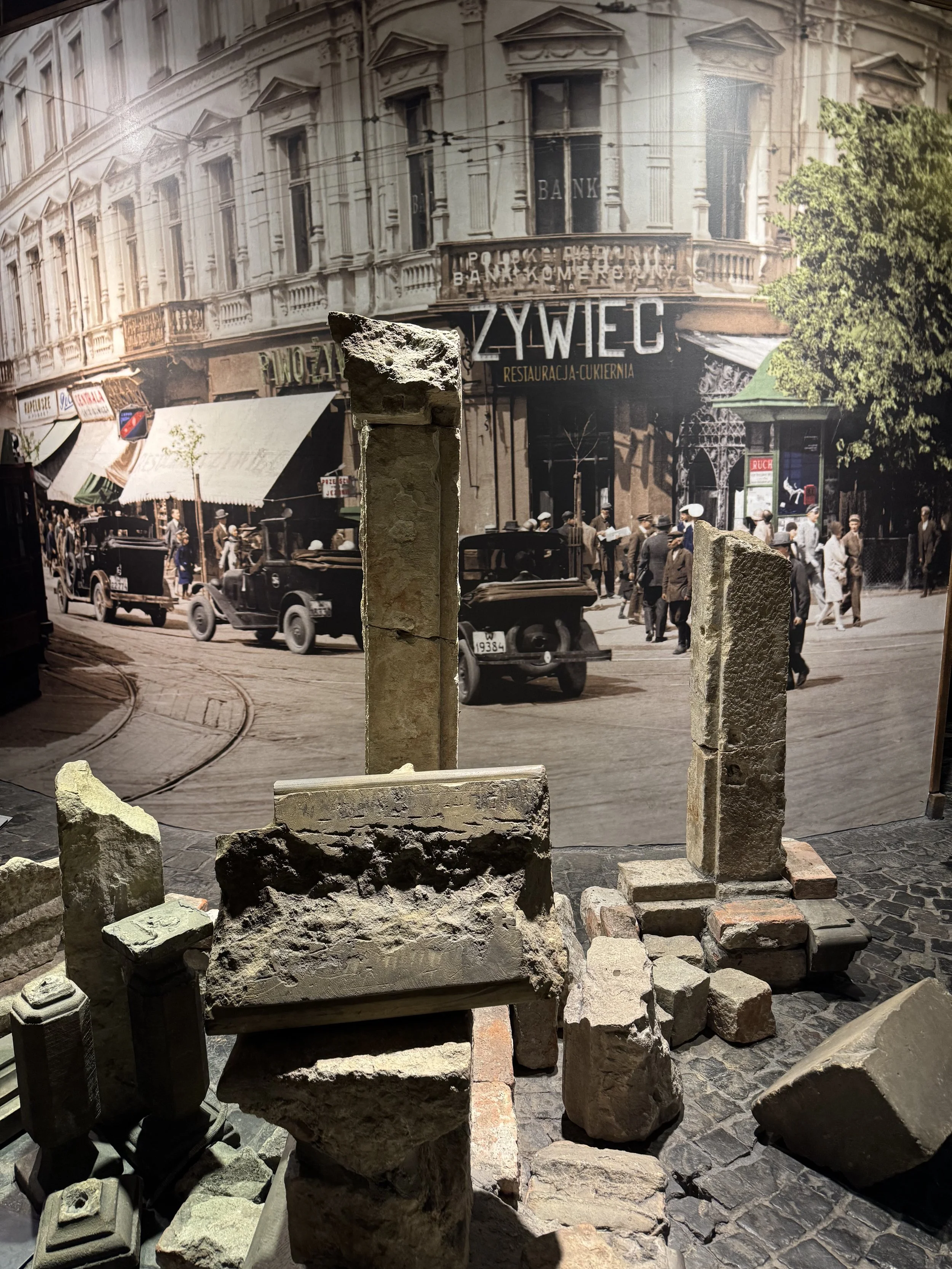
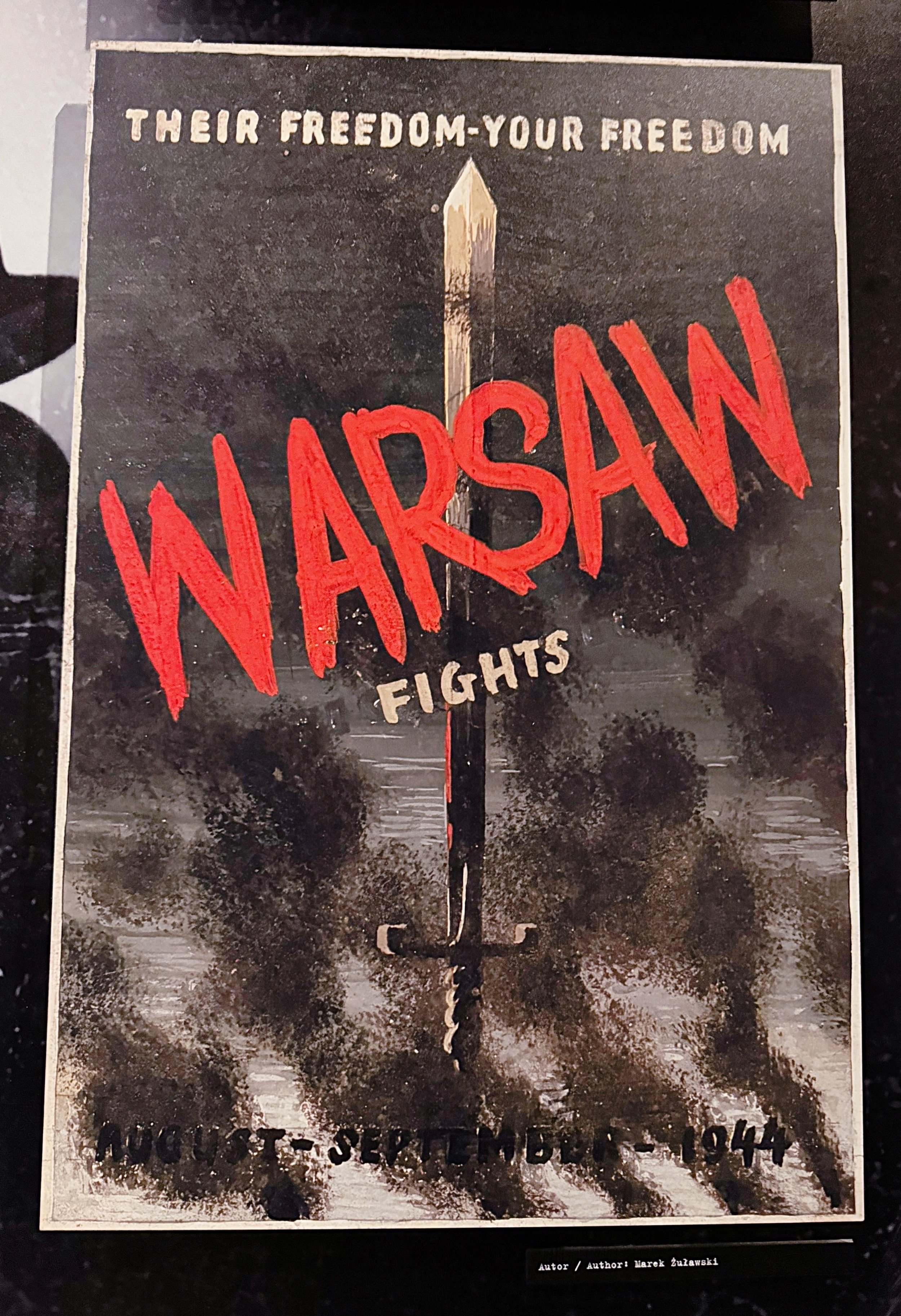
At the Warsaw Uprising Museum, this history is on show with the most exceptional range of artefects. A 3D film recreating a flight over the ruined city in 1945 is particularly affecting, showing not just destruction but annihilation. I found myself fascinated by the posters from the underground resistance.
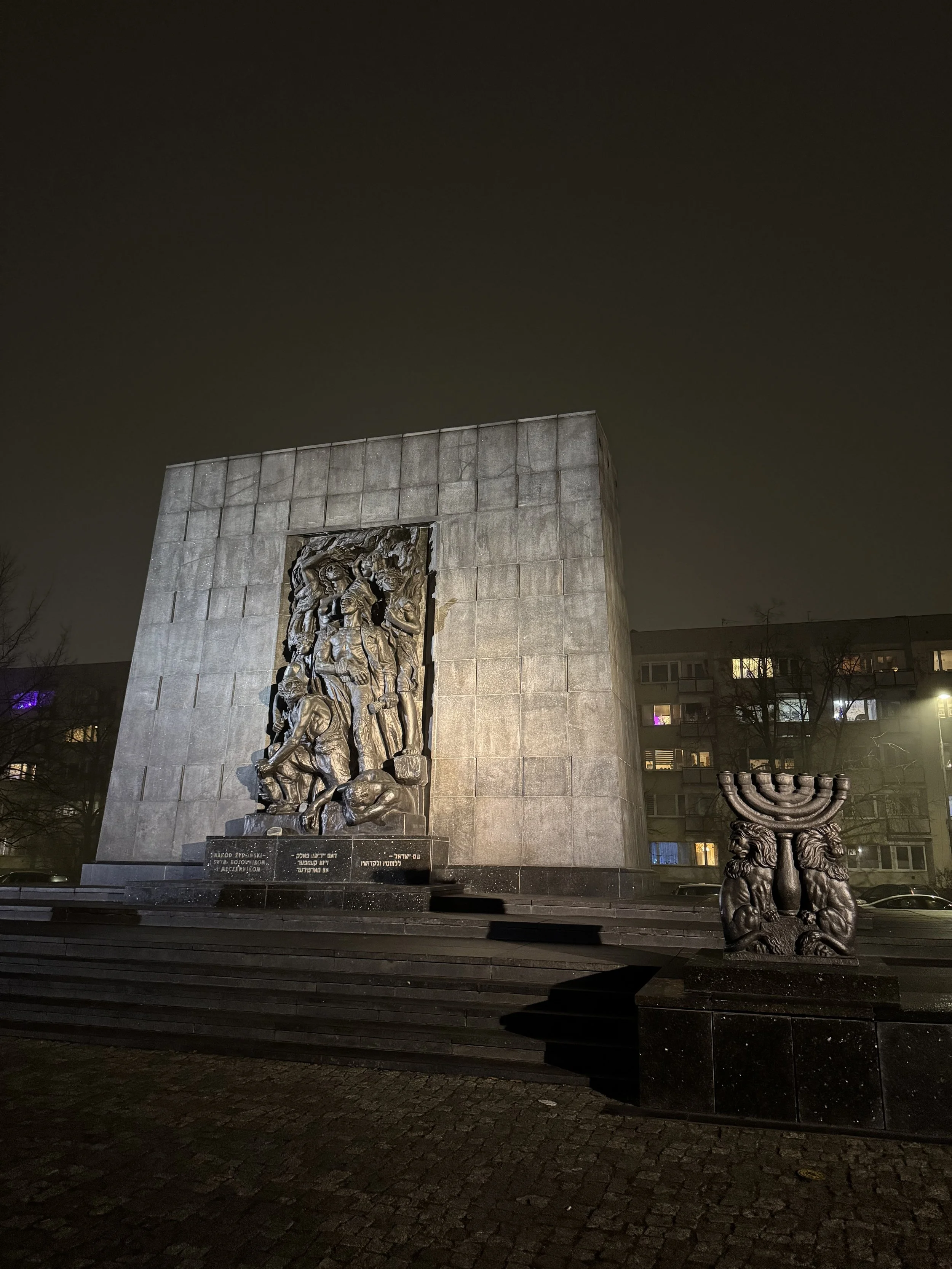
From there, we spent several hours at the POLIN Museum of the History of Polish Jews, which traces a thousand years of Jewish life in Poland. It is expansive and deeply considered, offering not just tragedy but culture and resilience.
Warsaw today is a city that was totally re-shaped by the war. The city feels open, almost expansive, with wide streets and a sense of space that reflects its reconstruction. In the Old Town, the rebuilding is meticulous to the point of being uncanny. Buildings destroyed during the war have been recreated in such detail that it becomes difficult to distinguish between past and present.
Dinner that evening was at Muzealna, where traditional Polish flavours are served in modern and refined dishes.
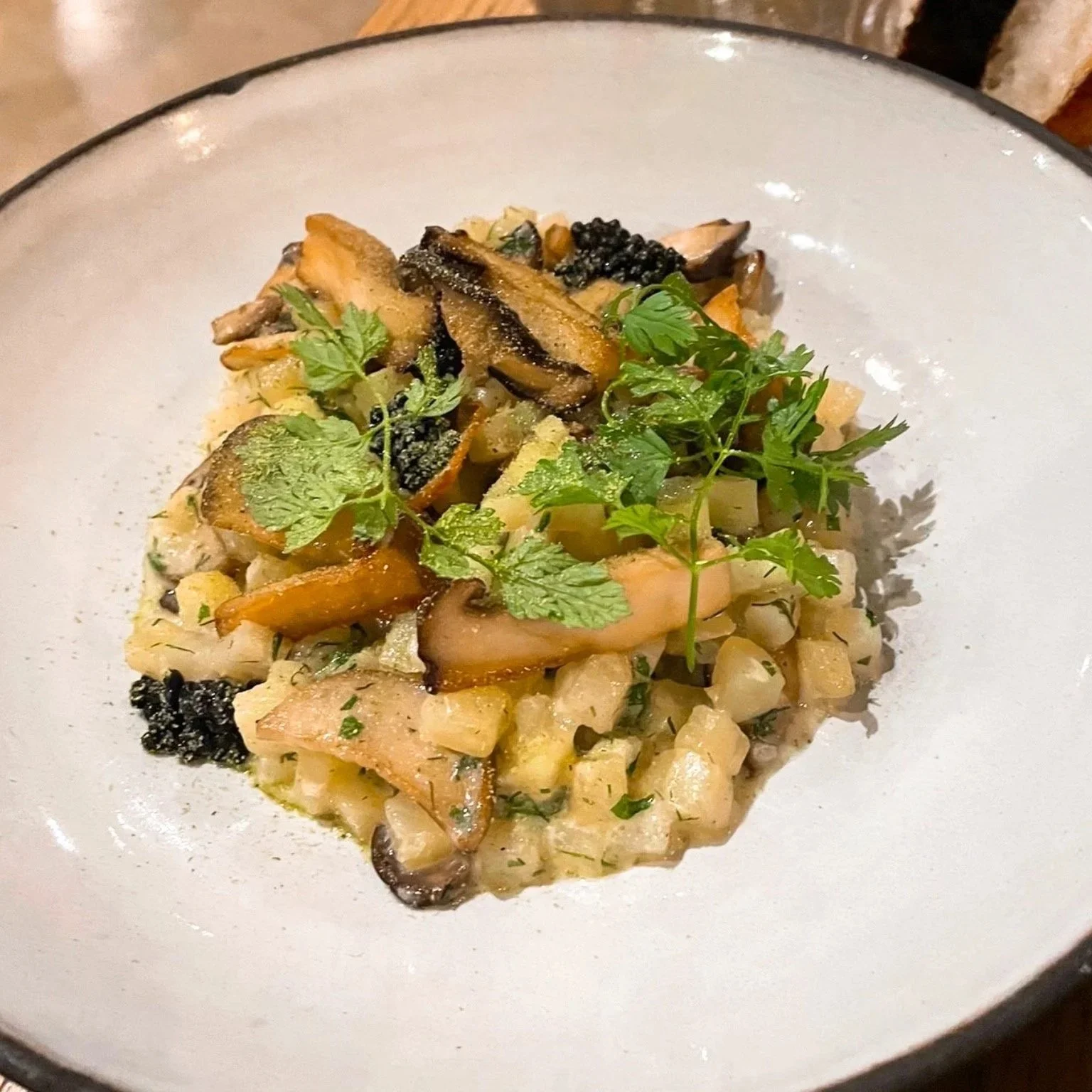
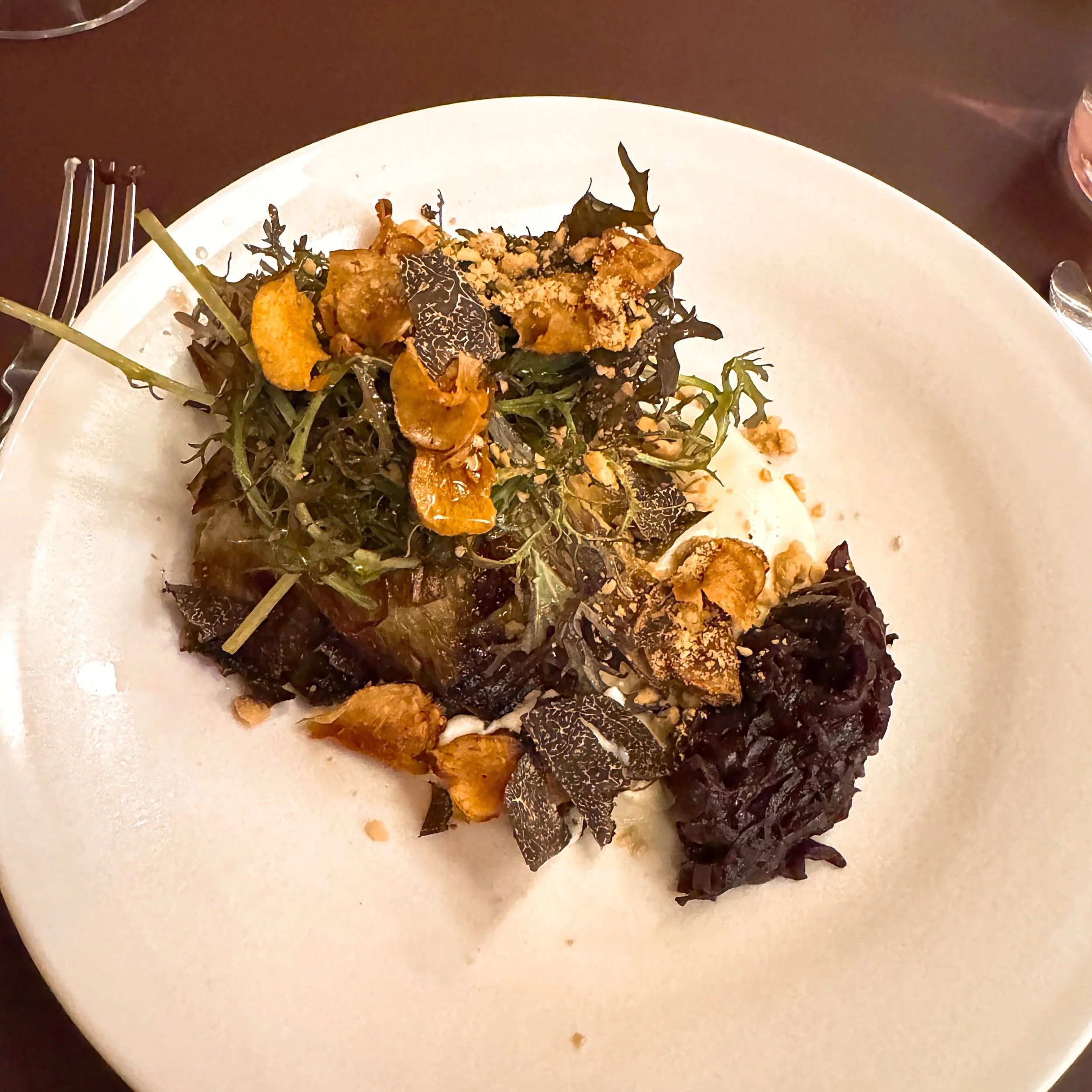
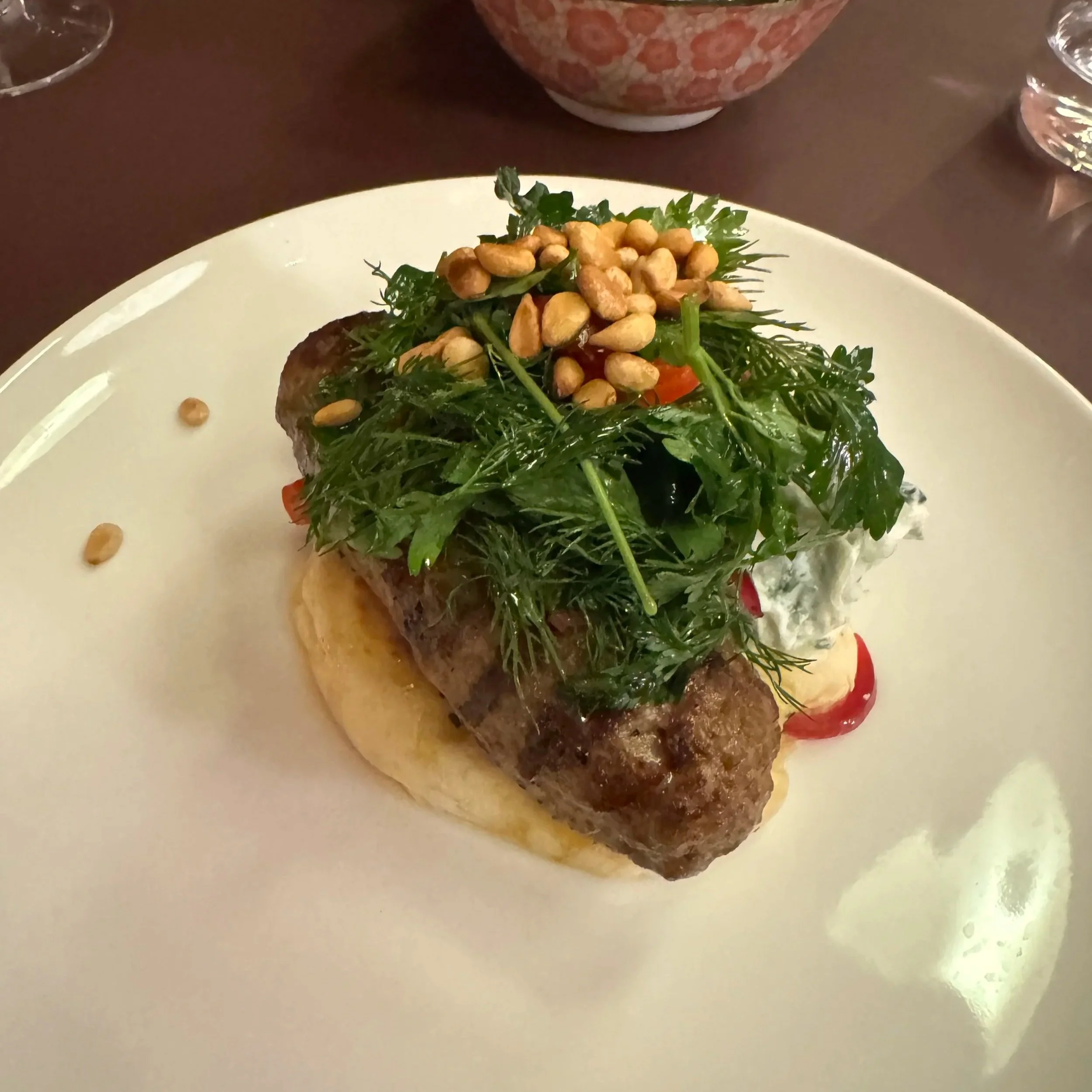
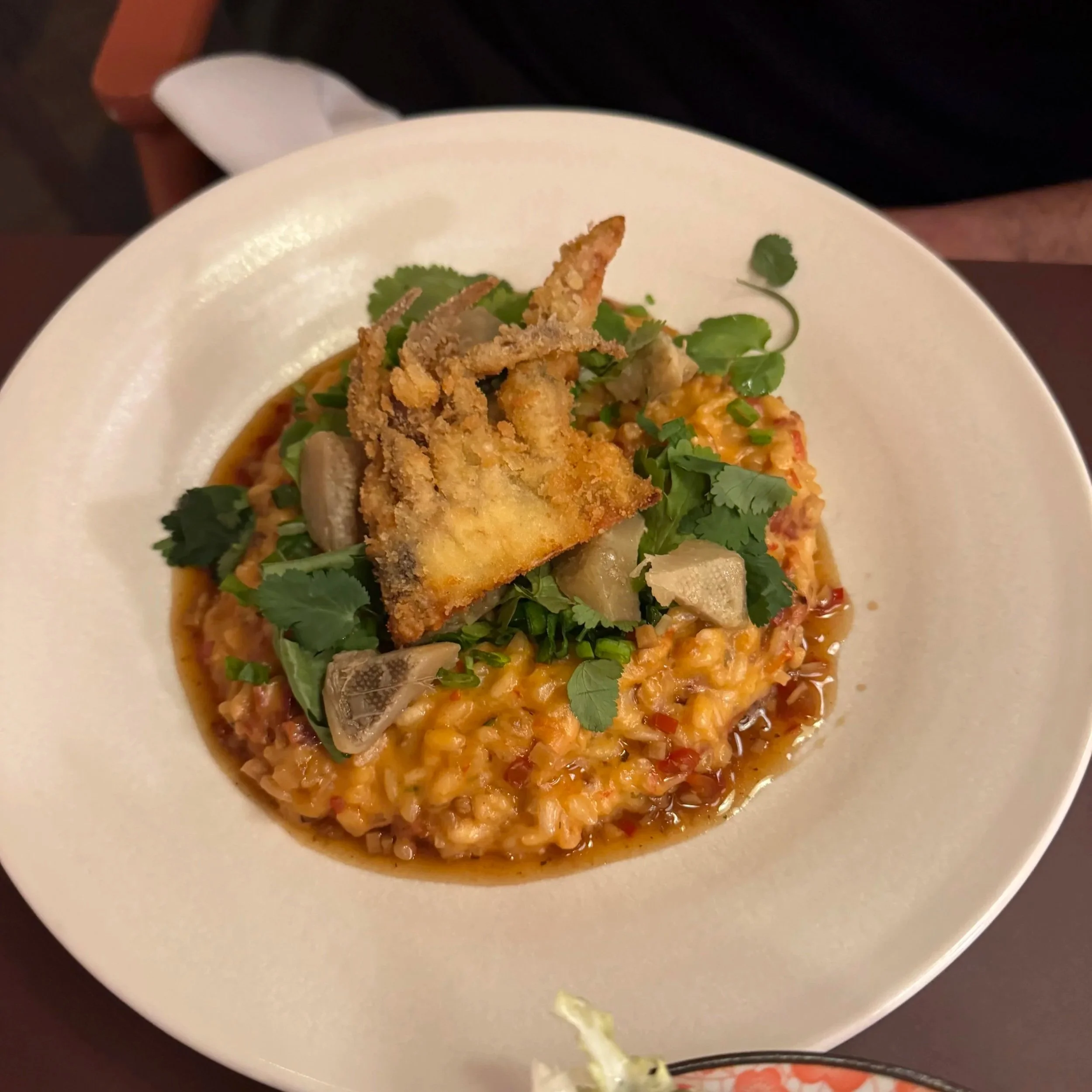
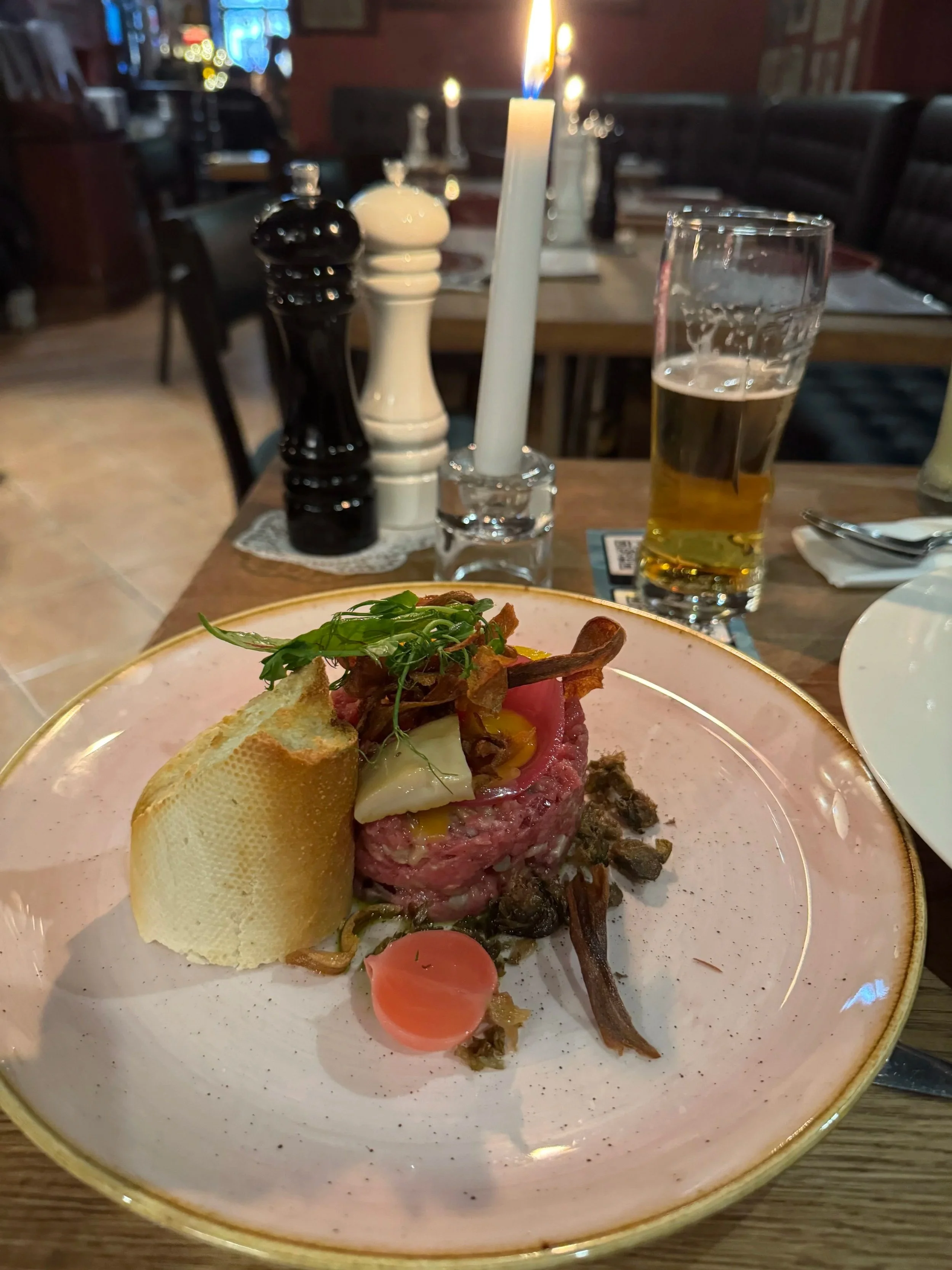
After two days, we took the train south to Kraków. The shift in atmosphere is immediate. Where Warsaw feels expansive and rebuilt, Kraków is intact, its history layered rather than restored. We began with lunch at Starka, where the smoky beef tartare was one of the best I’ve had. There was also a vast pork knuckle with sauerkraut that was too intimidating to photograph.
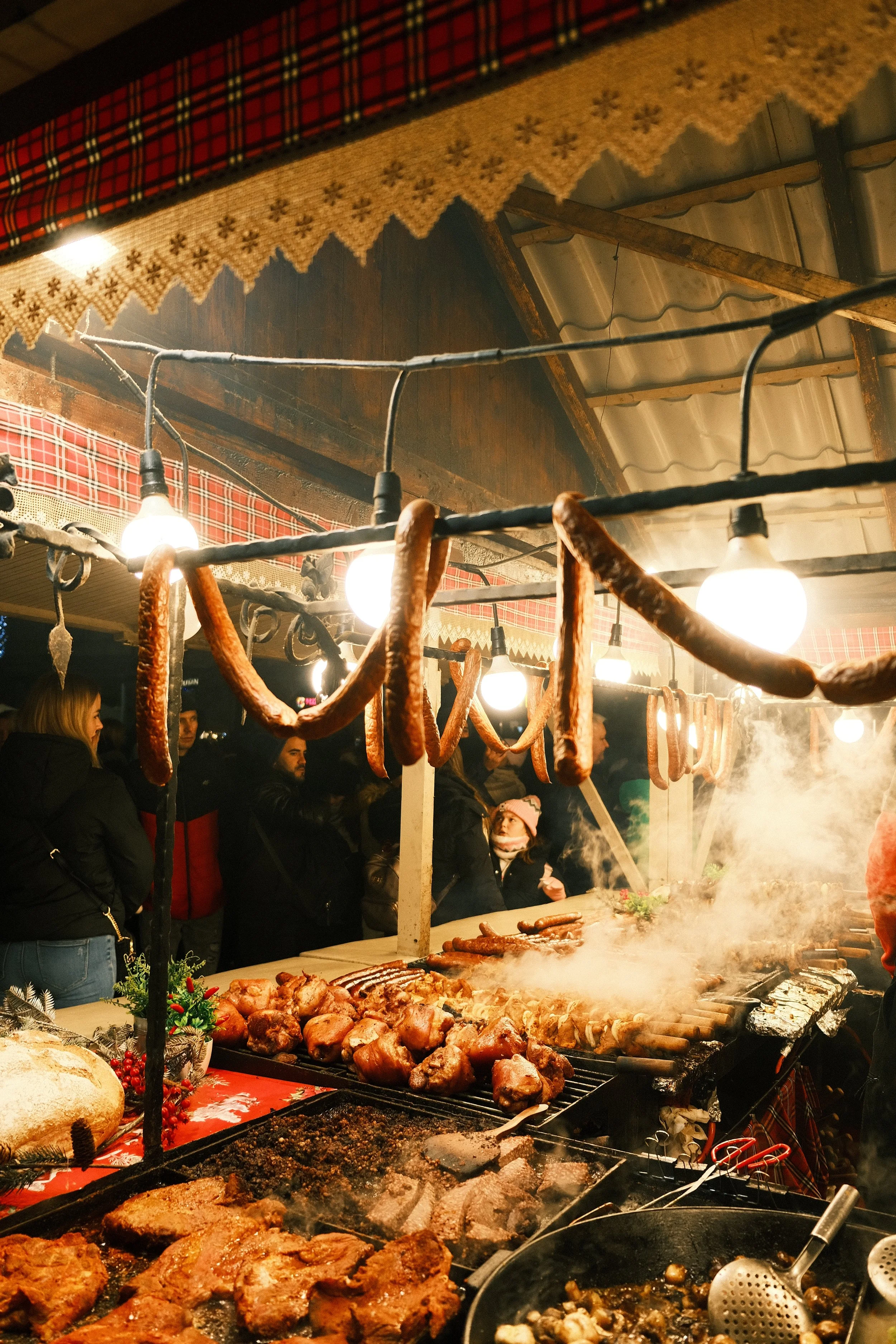
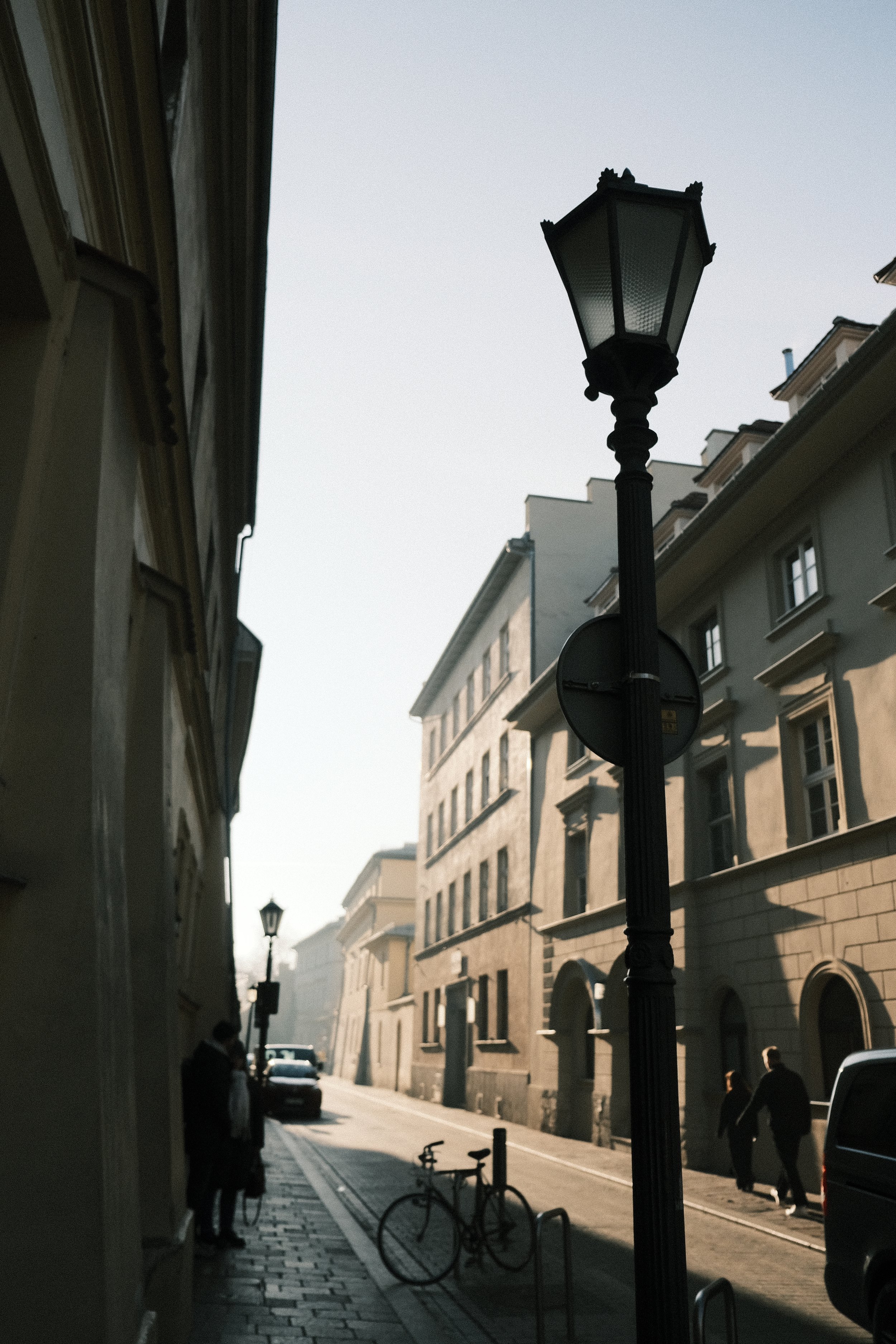
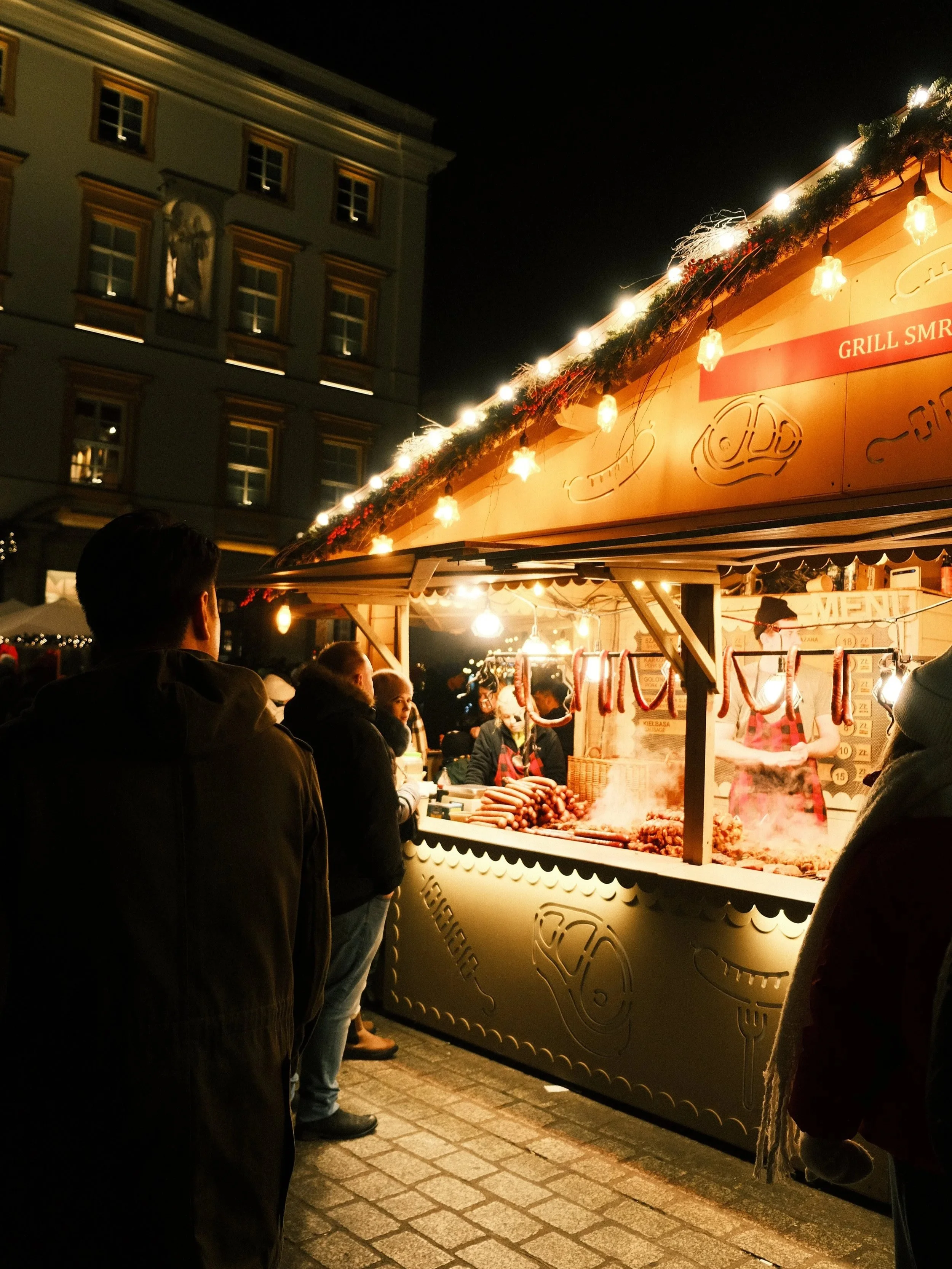
We had arrived during the Christmas market season, which is Kraków at its most charming. Kraków is easily walkable, and in the bright winter sun we spent hours wandering without direction, what my partner calls “eye-browsing.” In the evenings, the markets filled with warmth and movement, a contrast to the sharpness of the cold air.
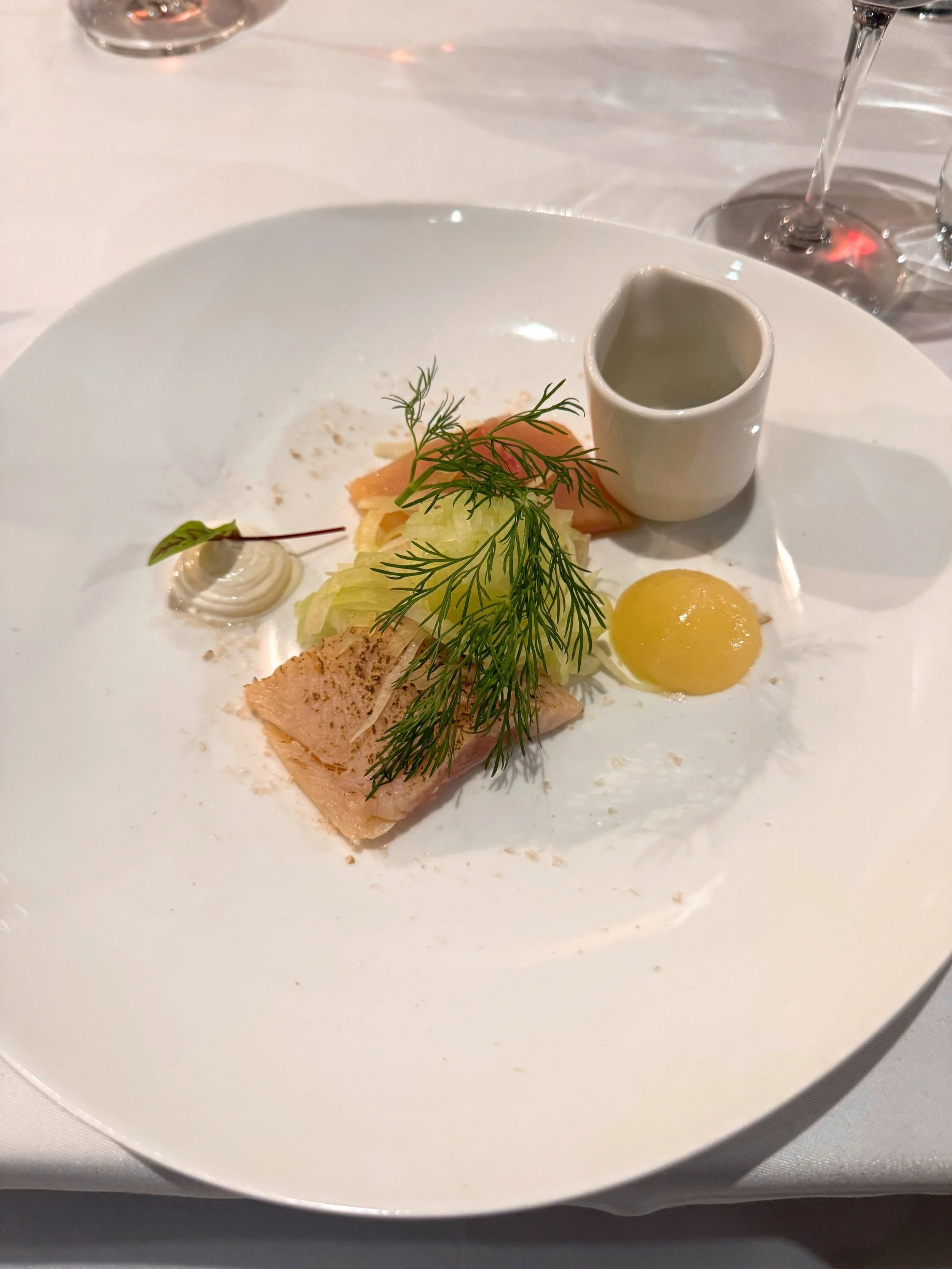
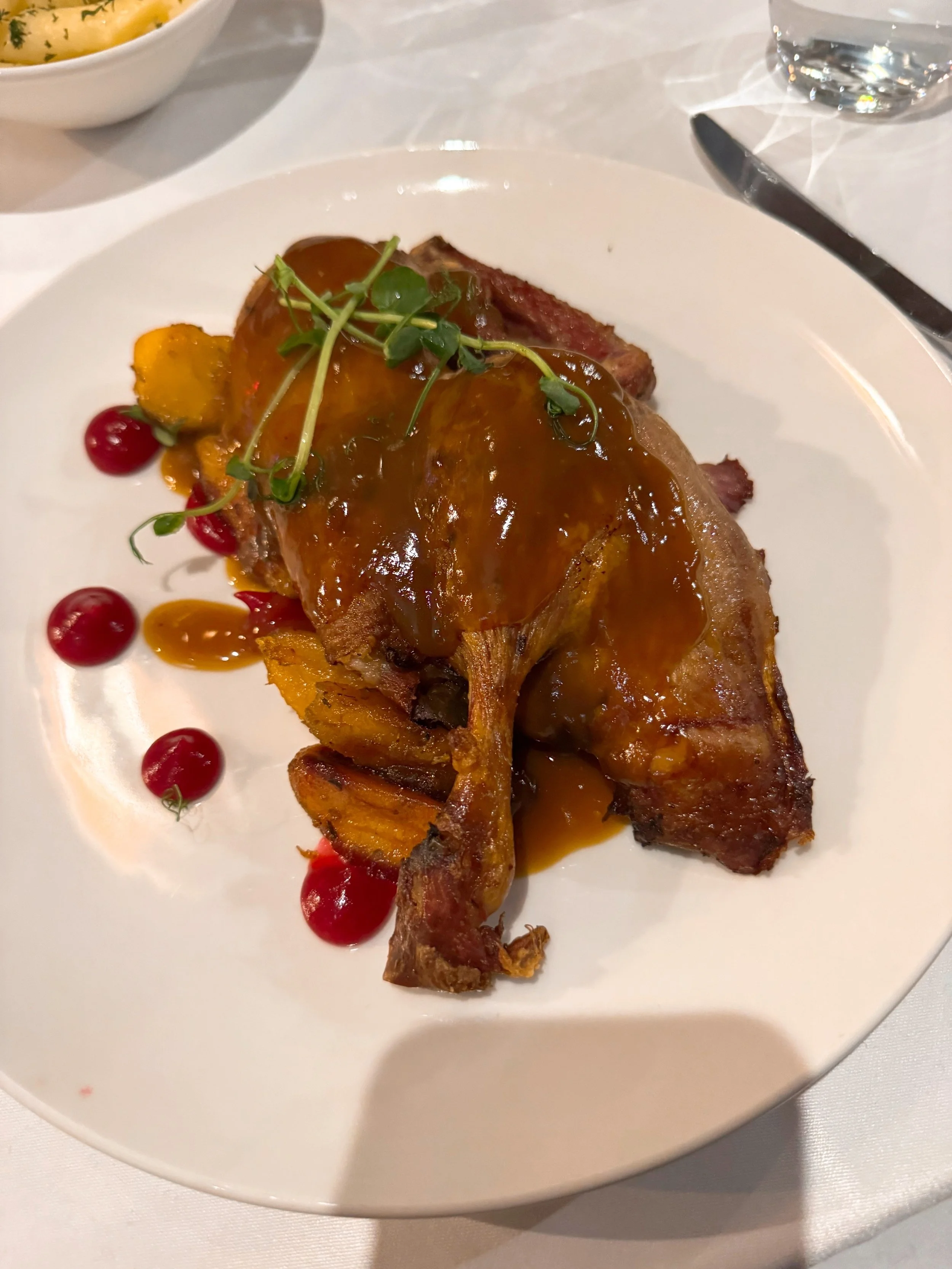
For our final dinner, we went to Kogel Mogel. The cooking was precise and confident, the smoked trout and duck leg both memorable and the service excellent. It felt like a fitting close to the trip.
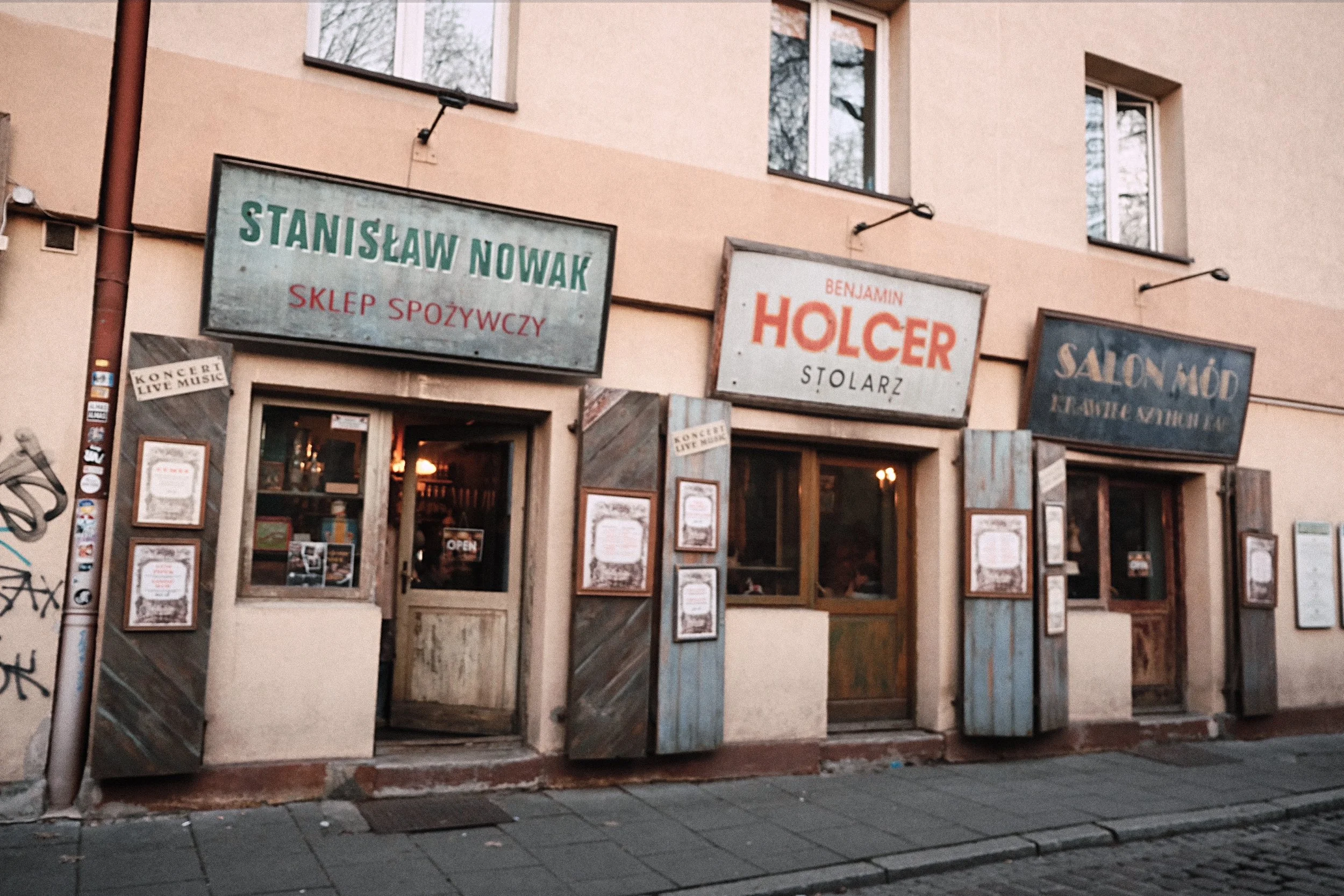
On our last morning, we walked through the Jewish Quarter, taking our time before leaving the city behind.