Lisbon, Portugal
I return to Lisbon again and again, and I never feel finished. There is always another street, another view, another small moment that feels newly discovered. It is my favourite city in Europe, especially because it was the first place my partner and I travelled to together.
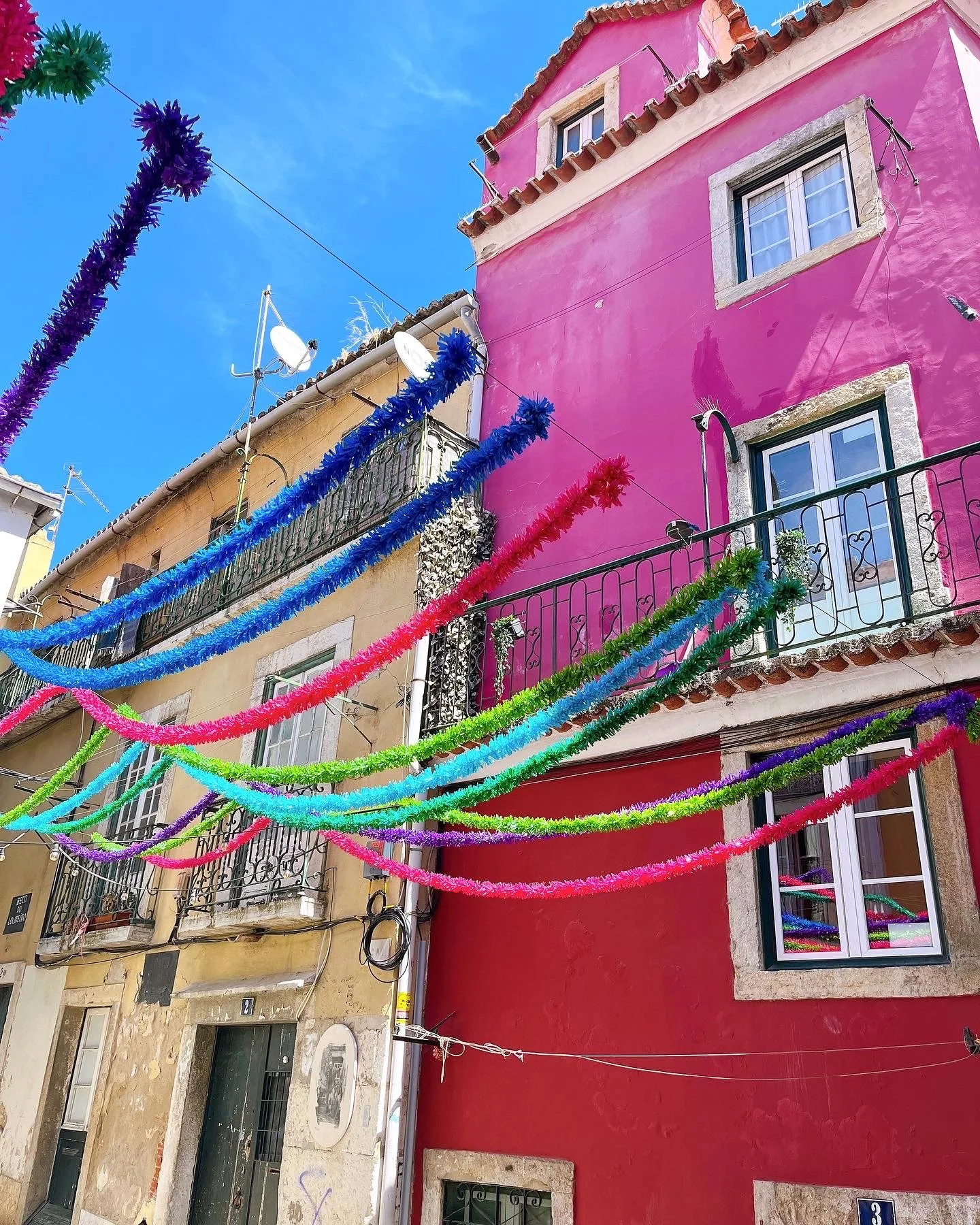
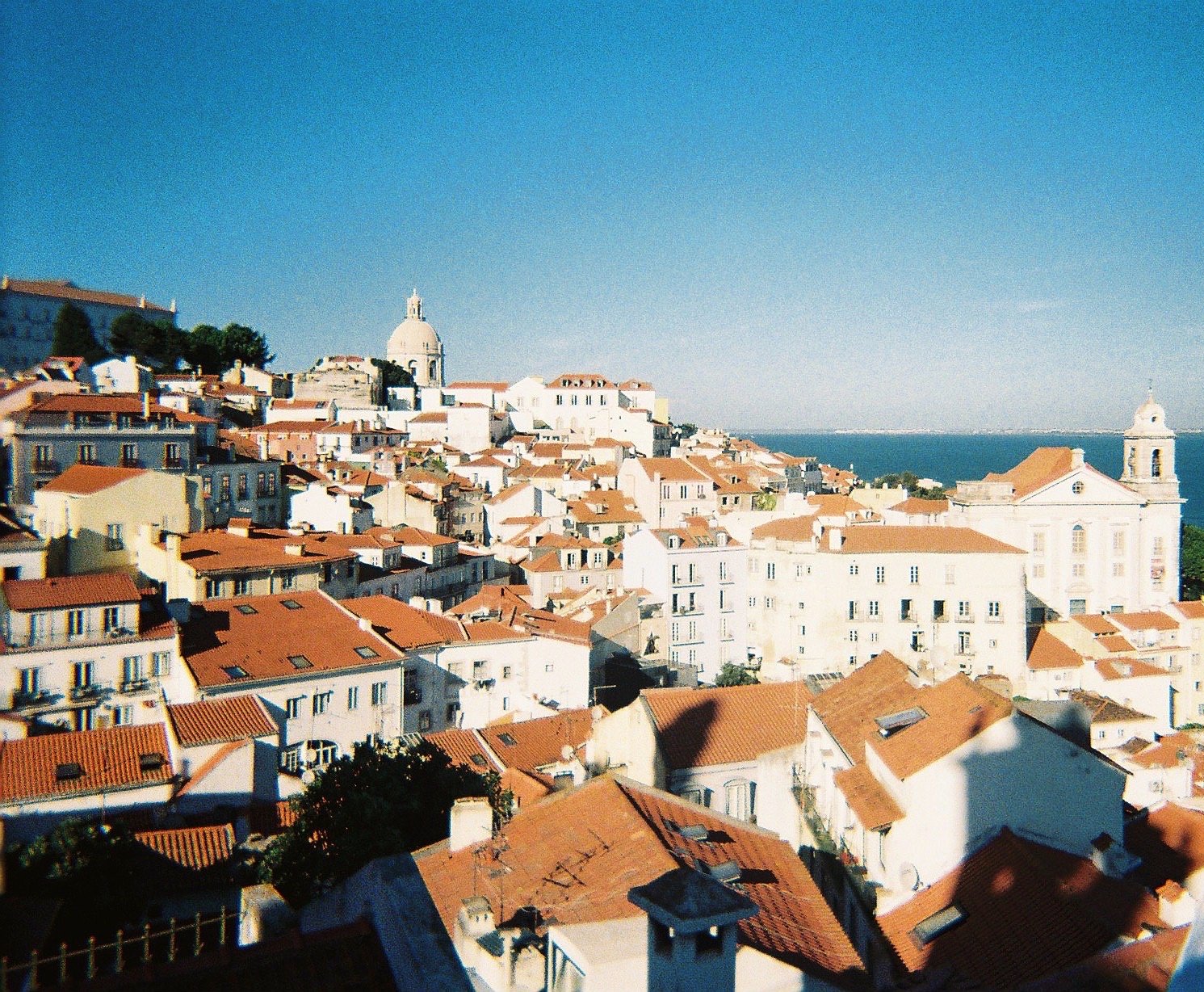
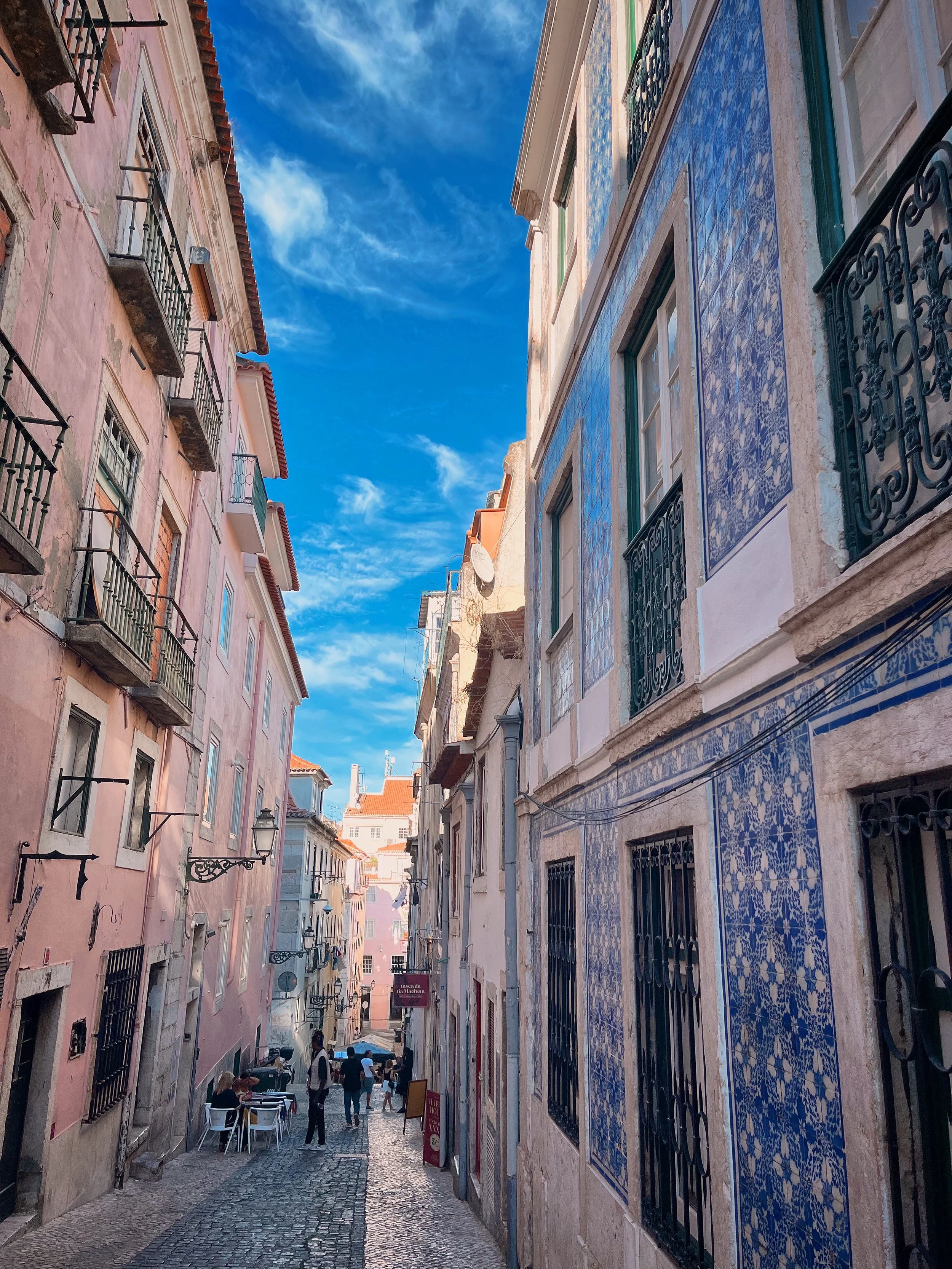
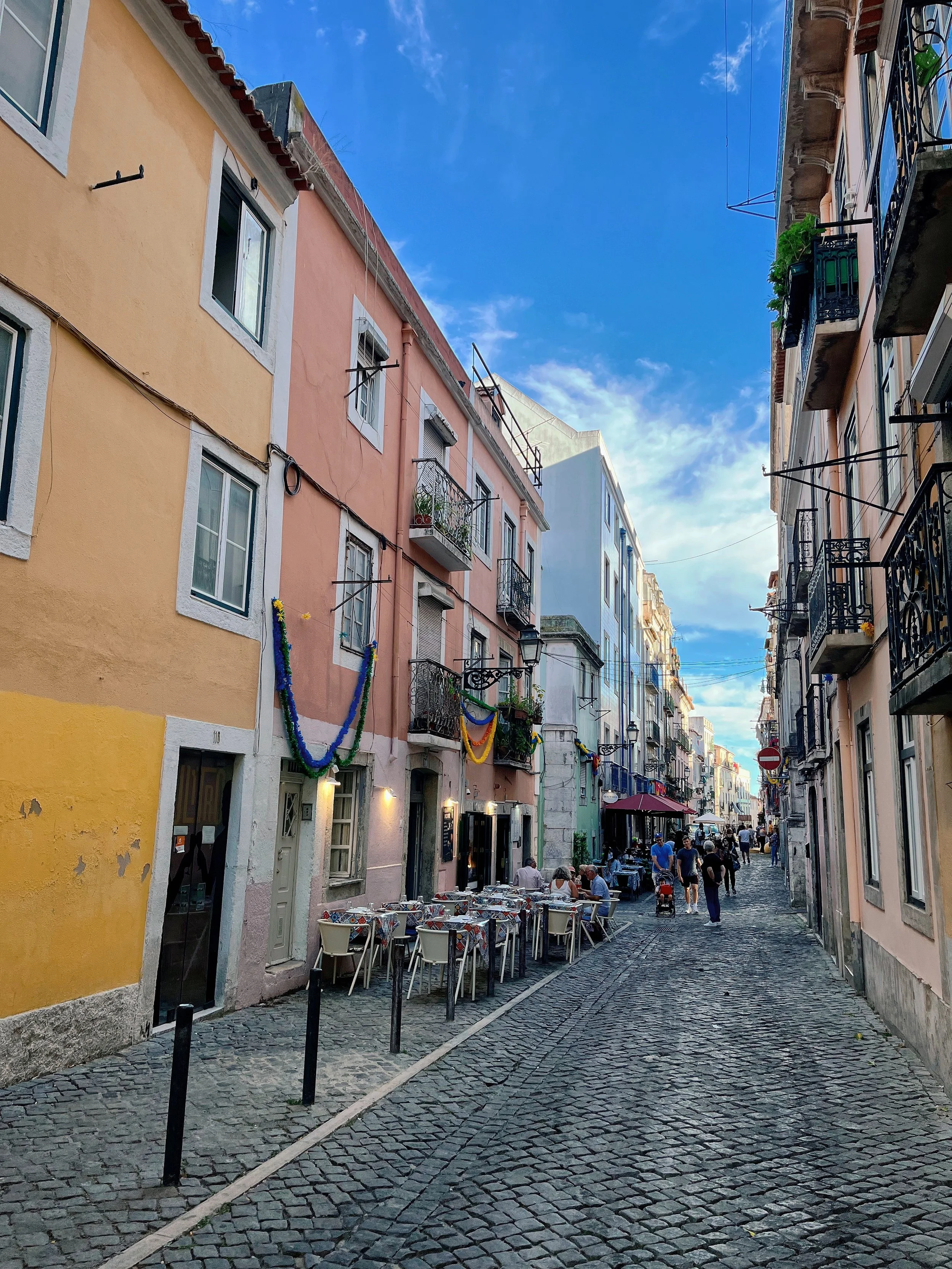
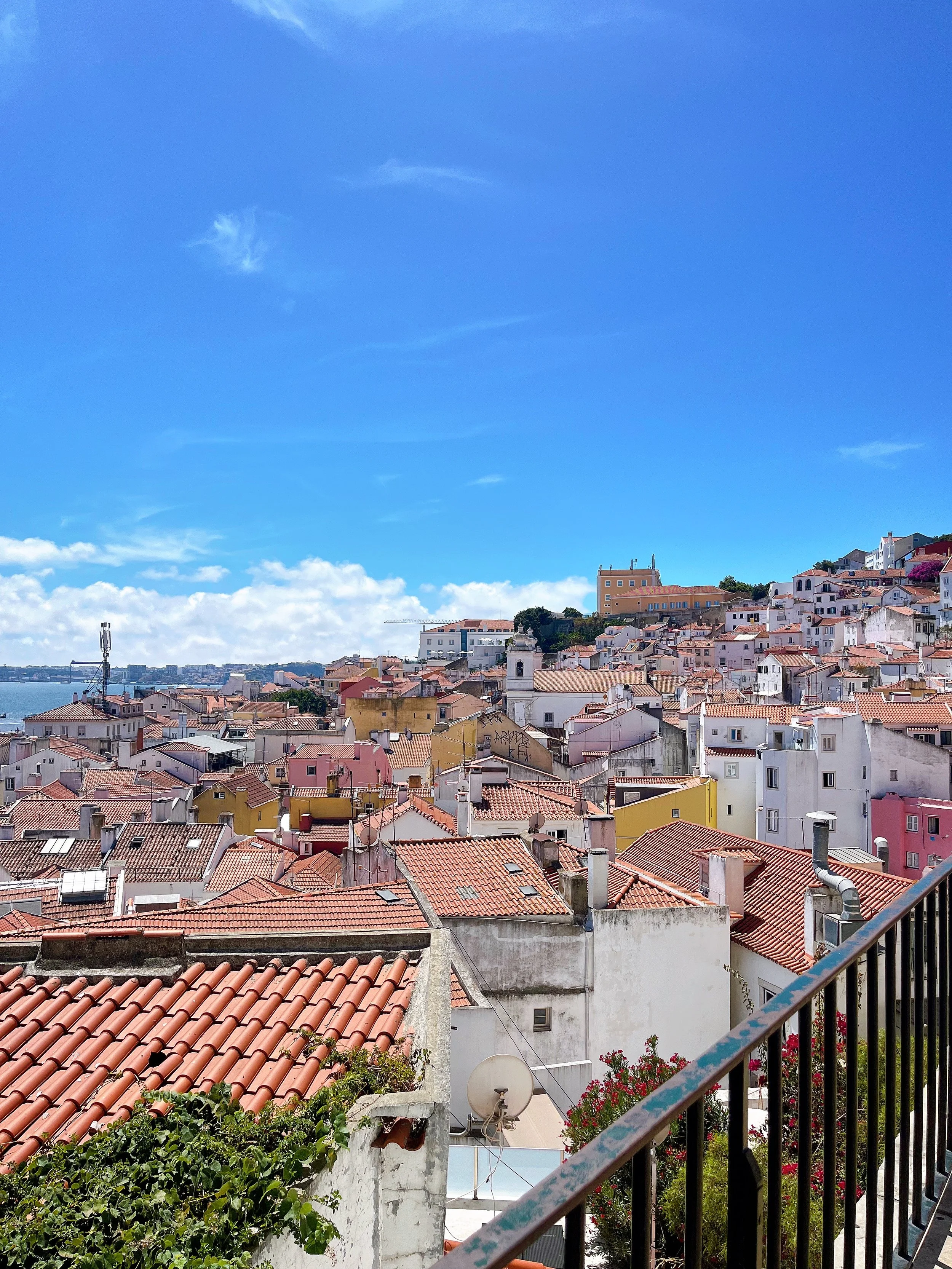
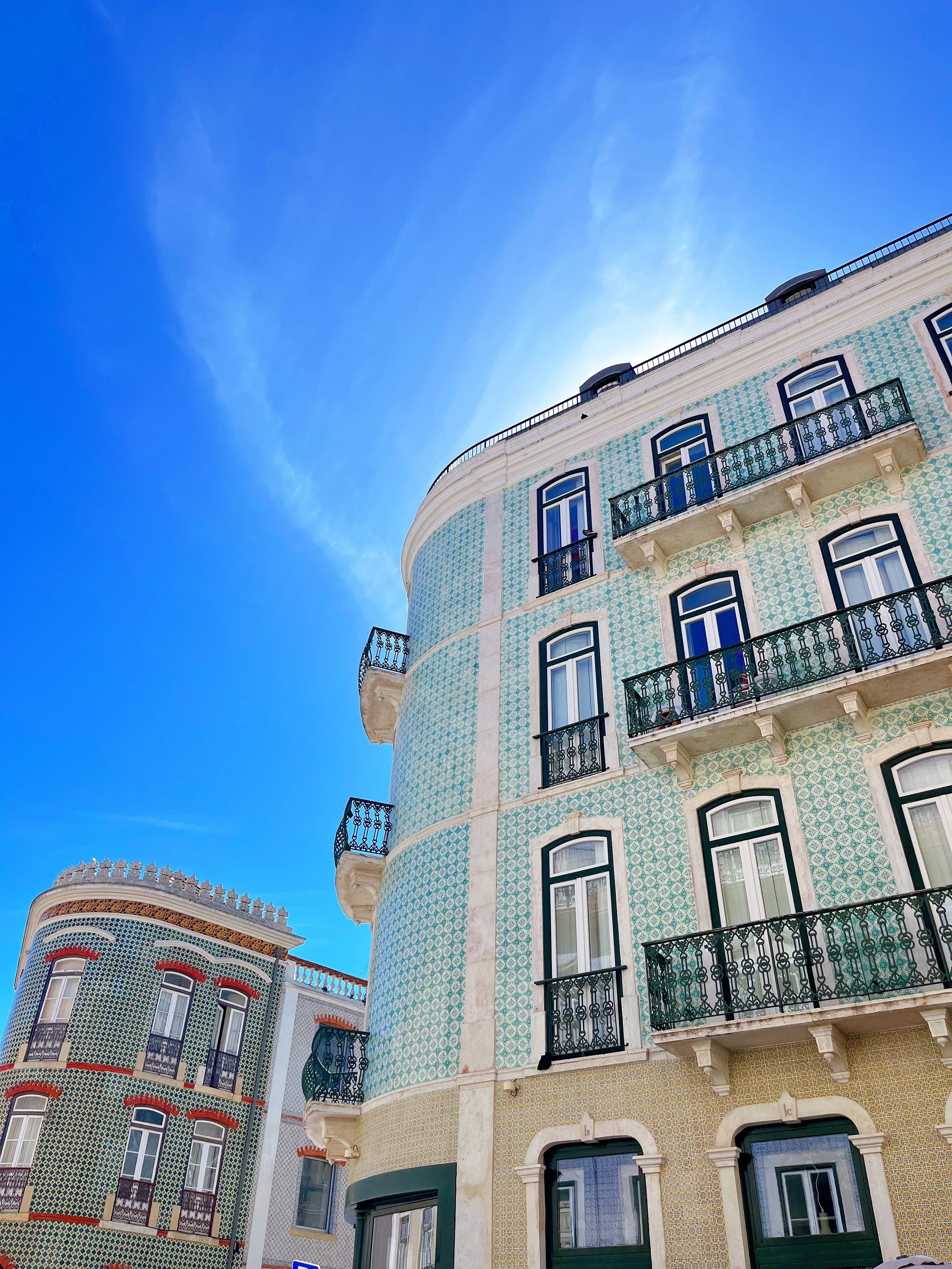
Lisbon is shaped by light and by history. Built across seven hills along the Tagus River, it rises and falls in a way that gives the city the most spectacular views. The faded pastel buildings, the tiled façades, the sound of trams moving slowly through narrow streets. It feels both worn and alive.
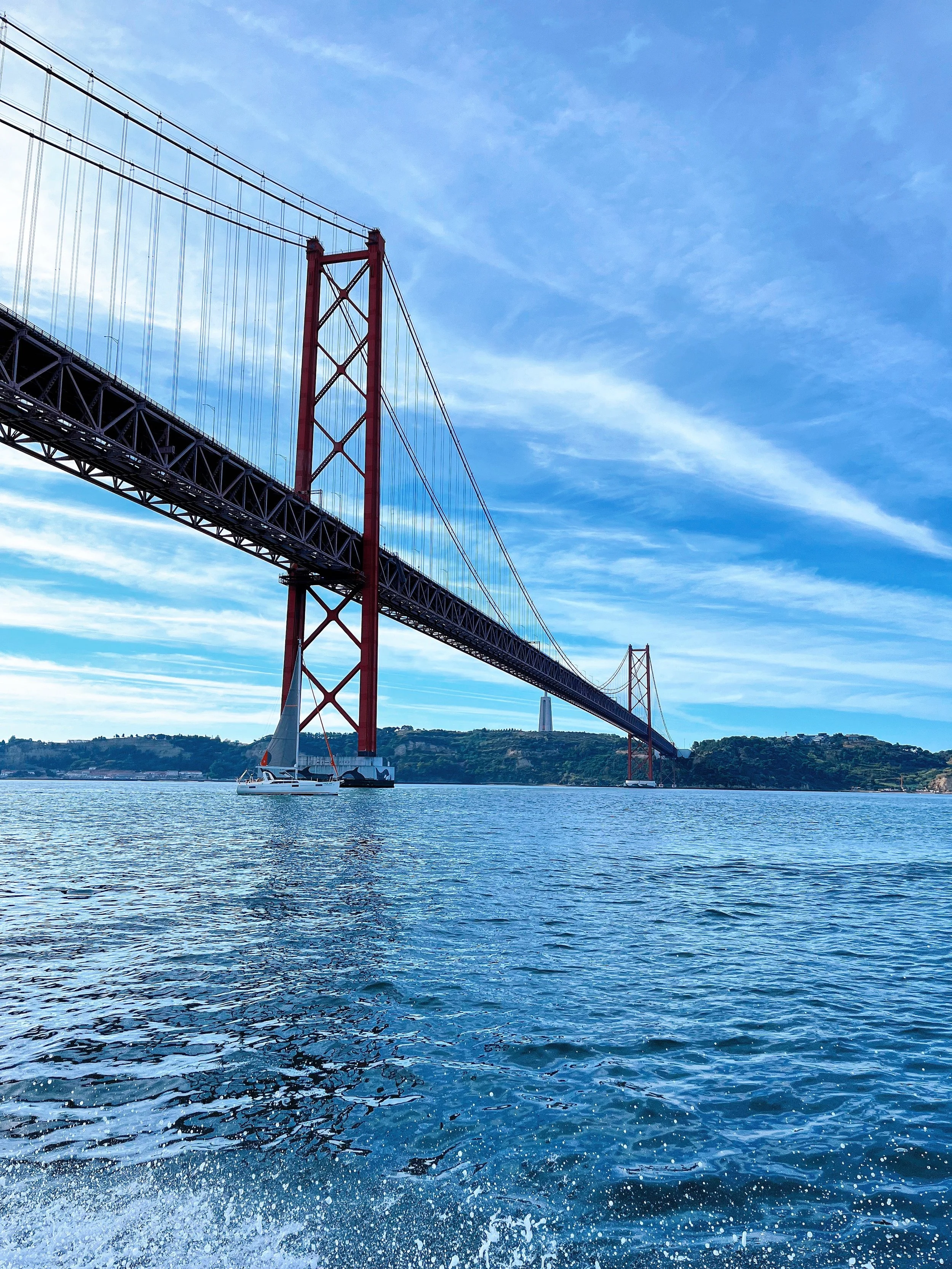
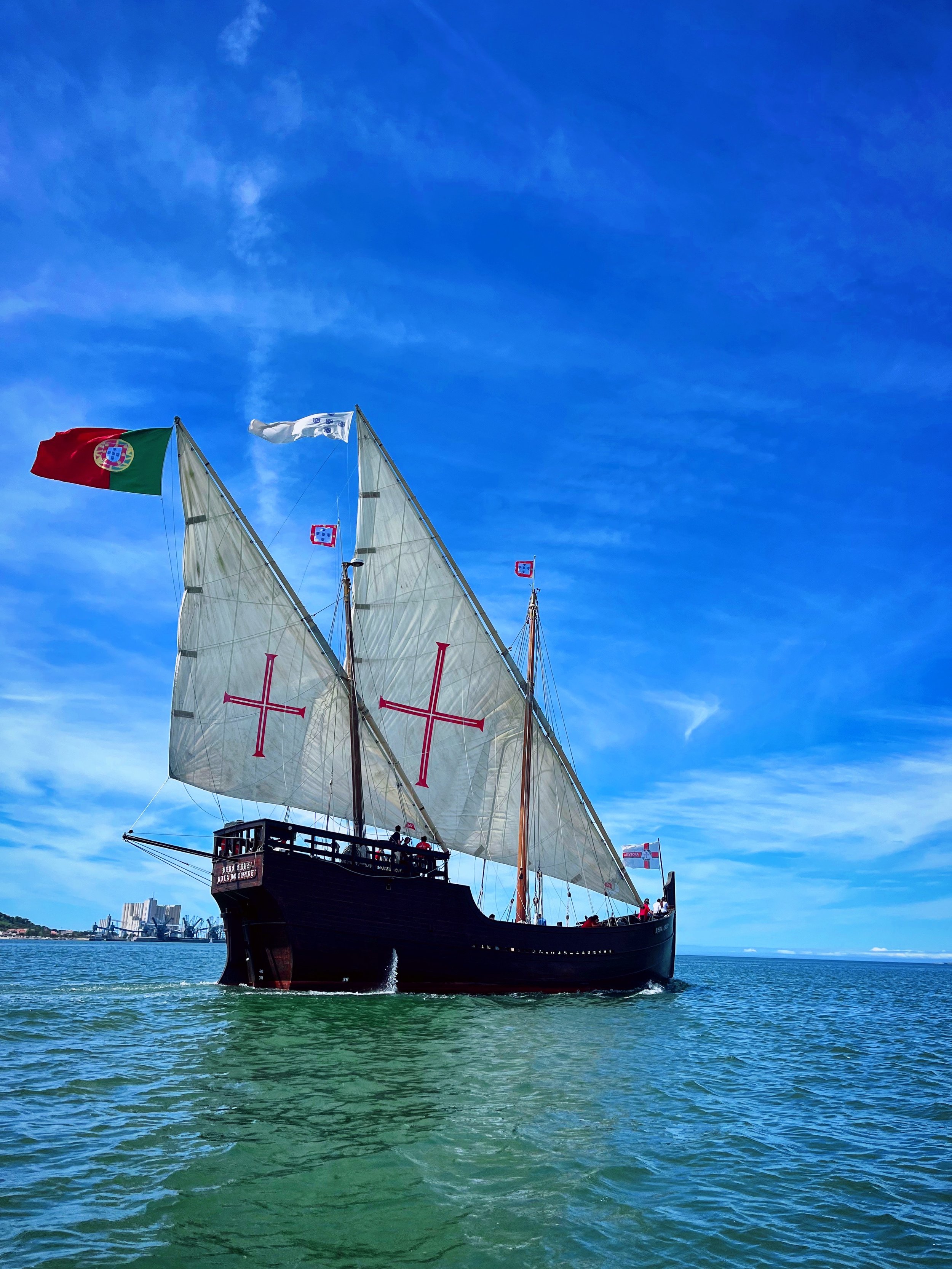
One year, for my partner’s birthday, we booked a boat tour out into the Atlantic. Leaving the city by speedboat, the skyline gradually gave way to open water and dolphins appeared alongside us, gliding right up against the boat. It is an experience I would recommend without hesitation.
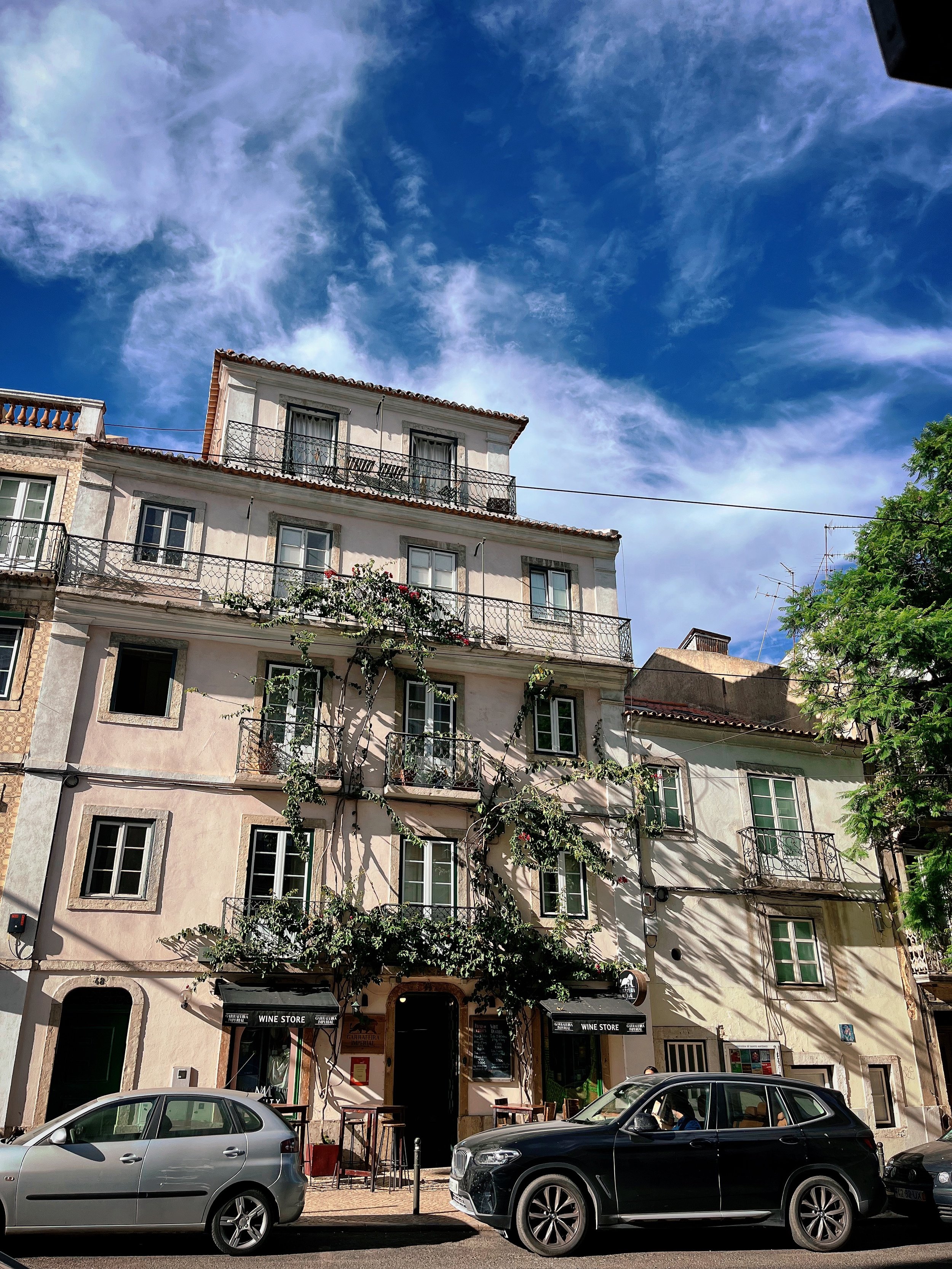
On a more recent visit, we stayed in Príncipe Real for the first time. It sits slightly above the centre, offering wide views across the city, and has a quieter, more residential feel than some of the busier neighbourhoods. The streets are lined with small boutiques, cafés and restaurants that feel carefully chosen rather than crowded together. It invites wandering without any real plan.
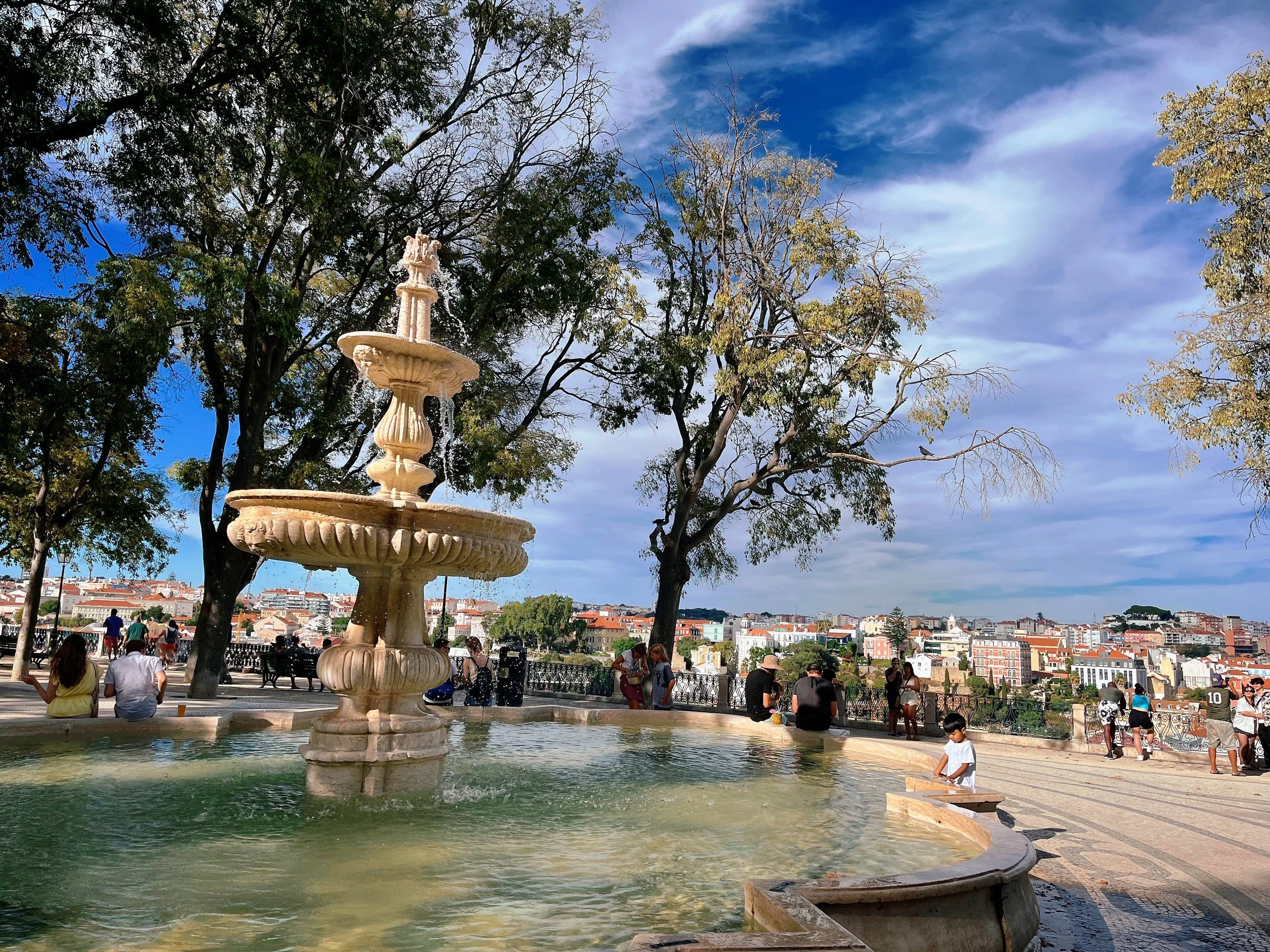
Lisbon’s miradouros, its viewing platforms, are where the city gathers. As the day fades, they fill with people, music and movement. Drinks are passed between friends, someone starts playing guitar and the light softens over the rooftops. It feels communal, something that simply happens night after night.
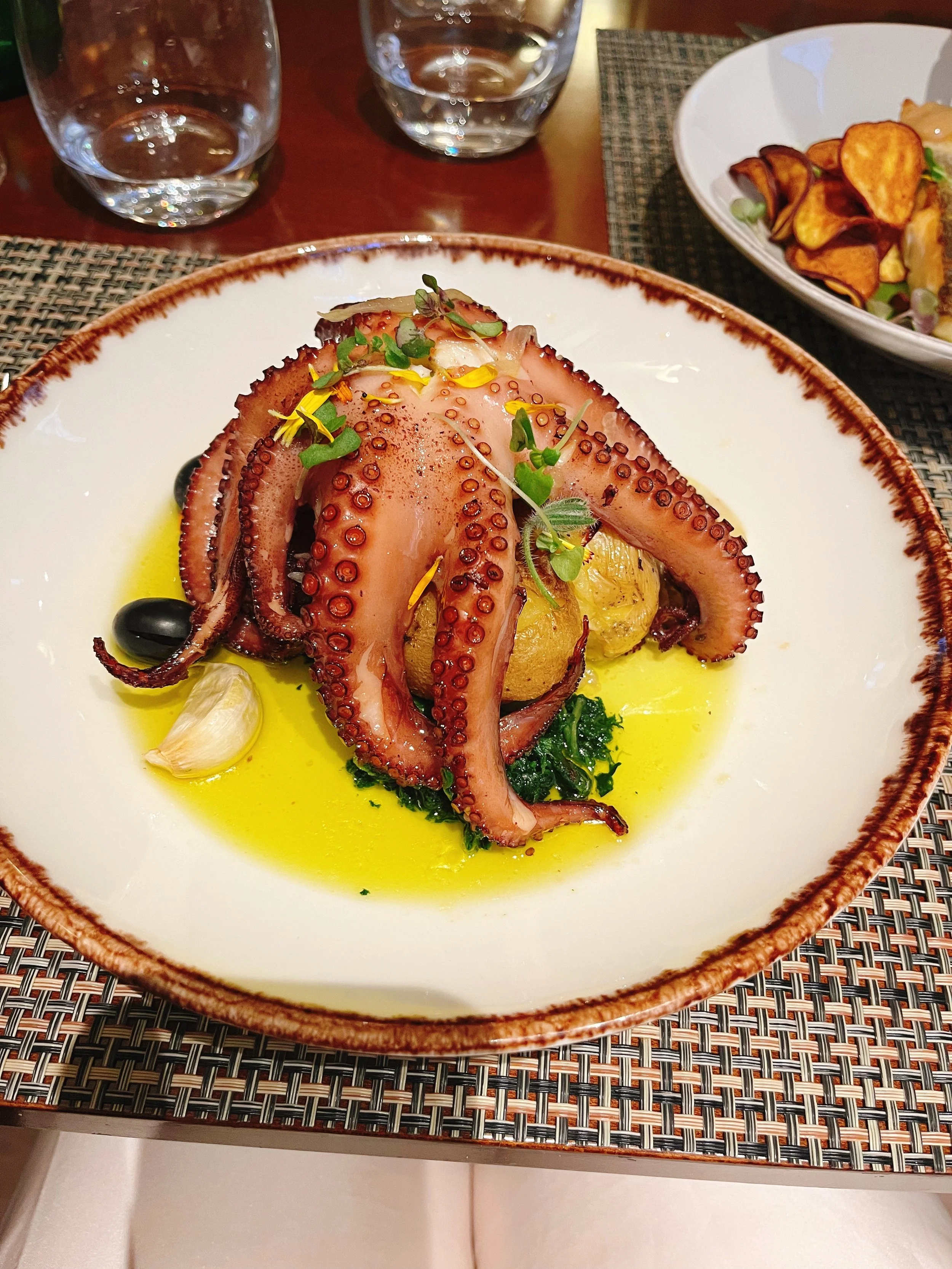
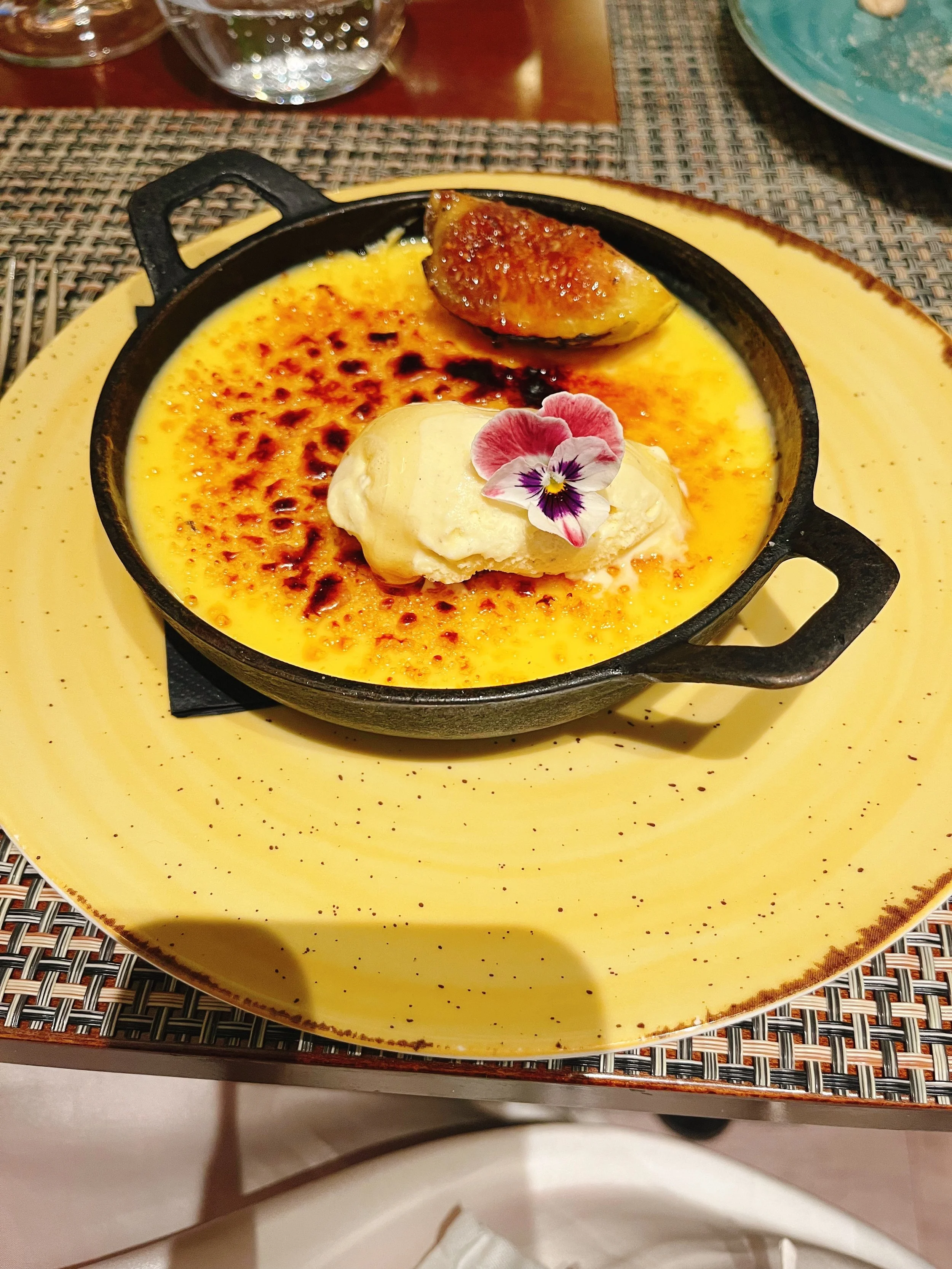
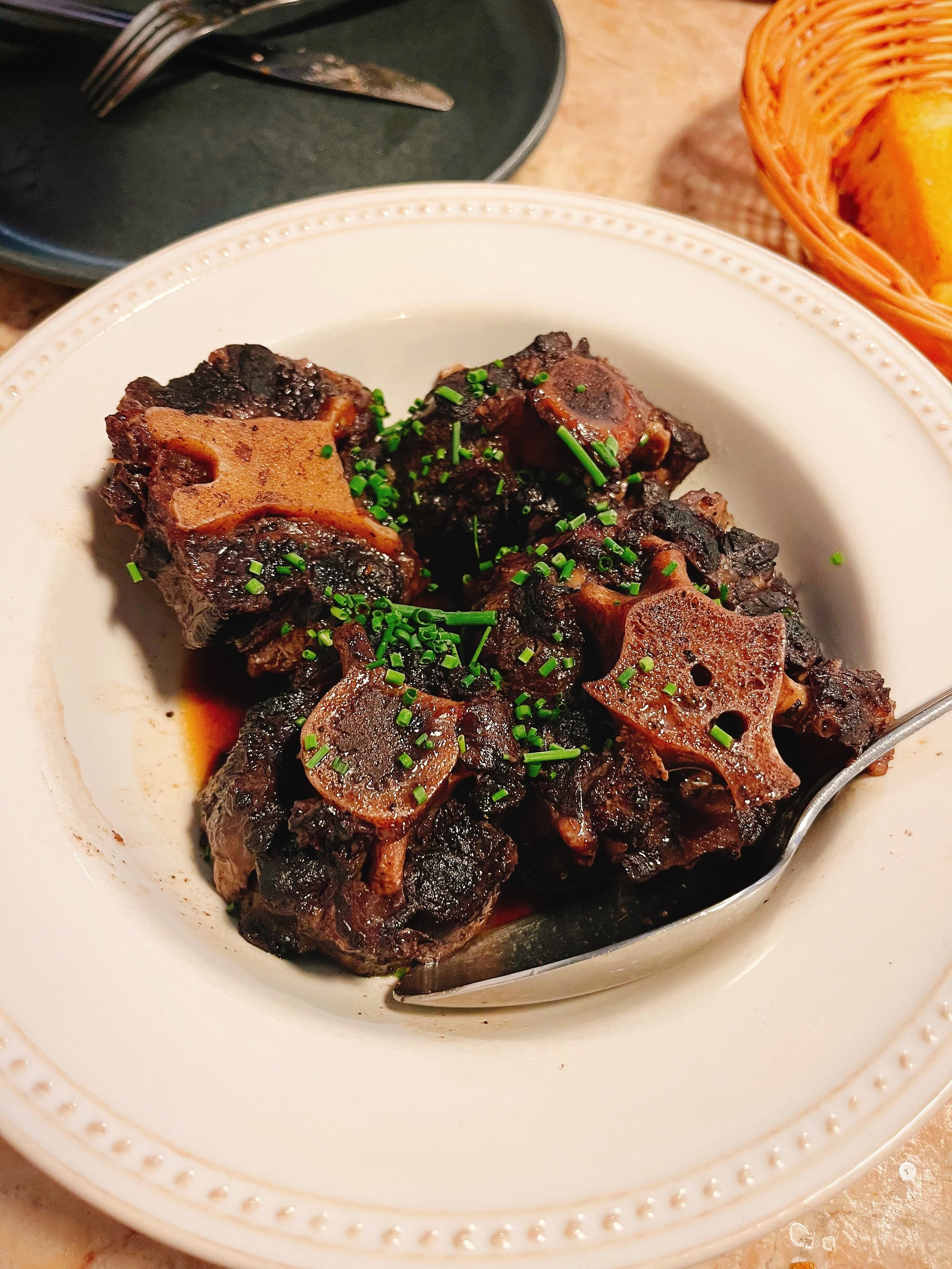
Portuguese food is, as always, one of my true loves. In Bairro Alto, we once had a remarkable meal at Versículo d'O Faia. The octopus was the centrepiece, perfectly cooked and tender. It is the kind of dish that is essential here, tied to the country’s long relationship with the sea. Afterwards, we stepped out into the streets as they shifted into evening, bars opening and filling, the atmosphere lifting.
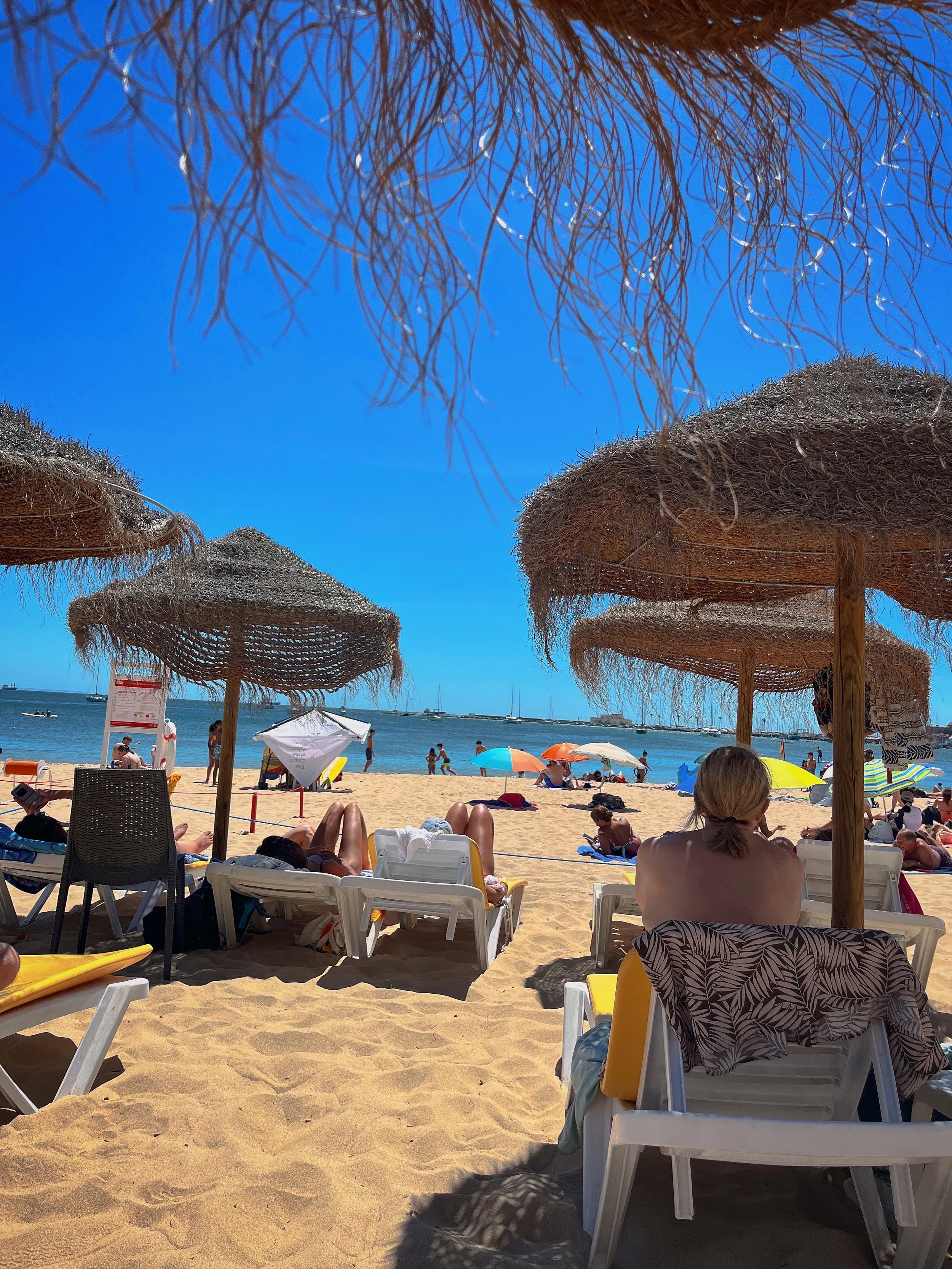
Not all of Lisbon’s pleasures are within the city itself. A short train journey brings you to Cascais, an affluent coastal town that feels like a natural extension of Lisbon’s rhythm, but slower. We spent a day there moving between the beach and small seafood restaurants, the Atlantic stretching out in front of us. It is an easy escape from the city heat in the summer.
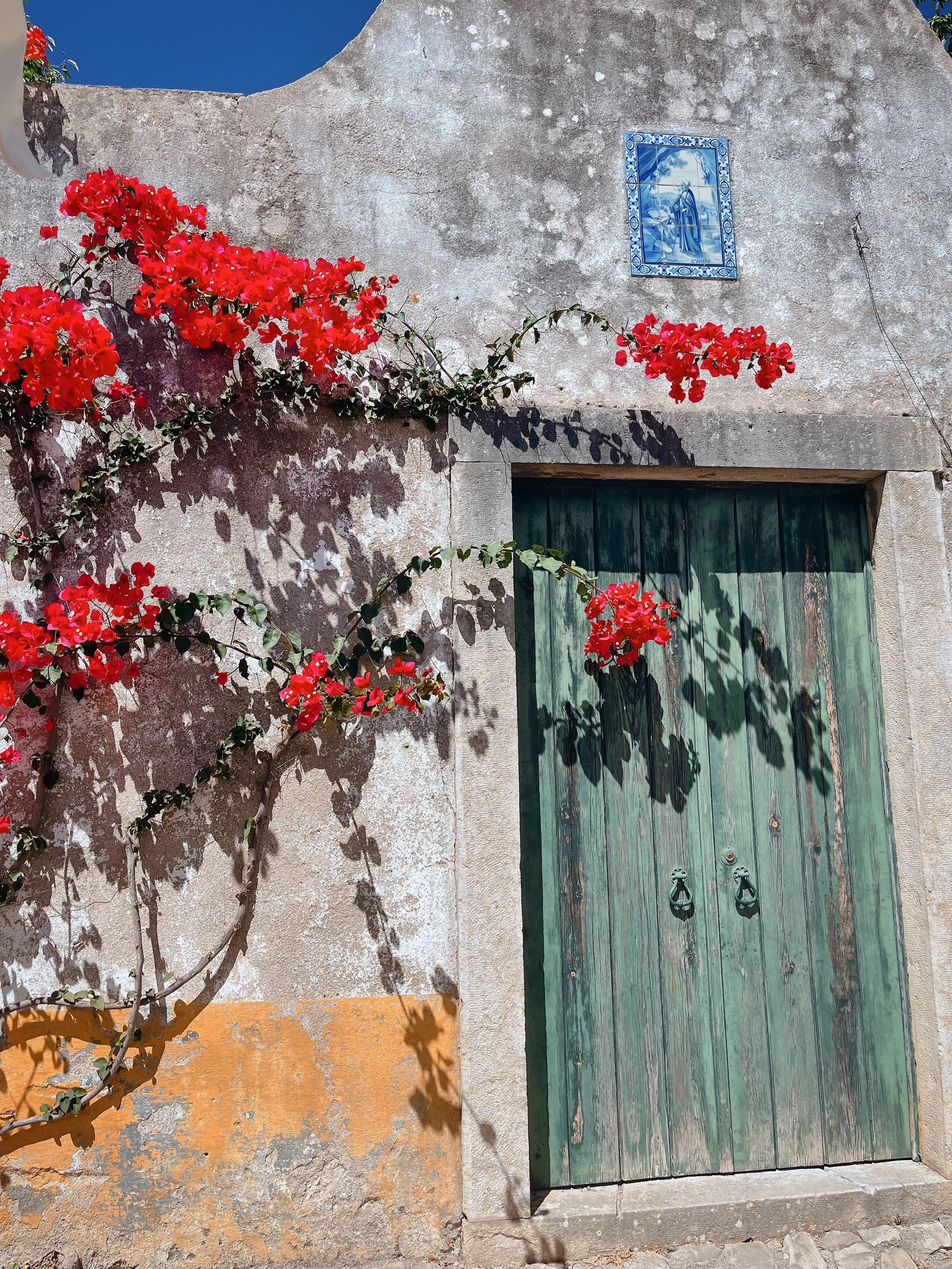
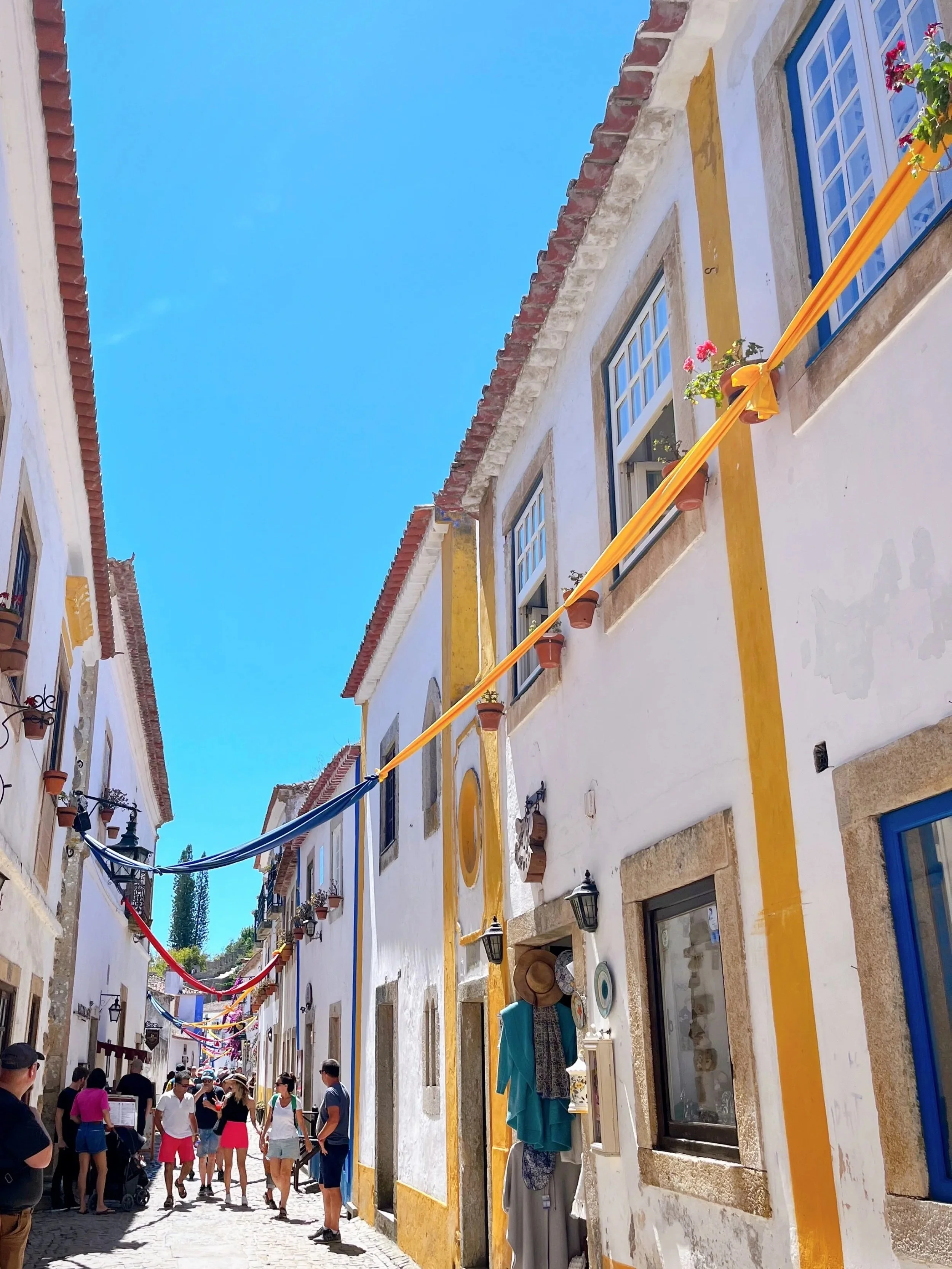
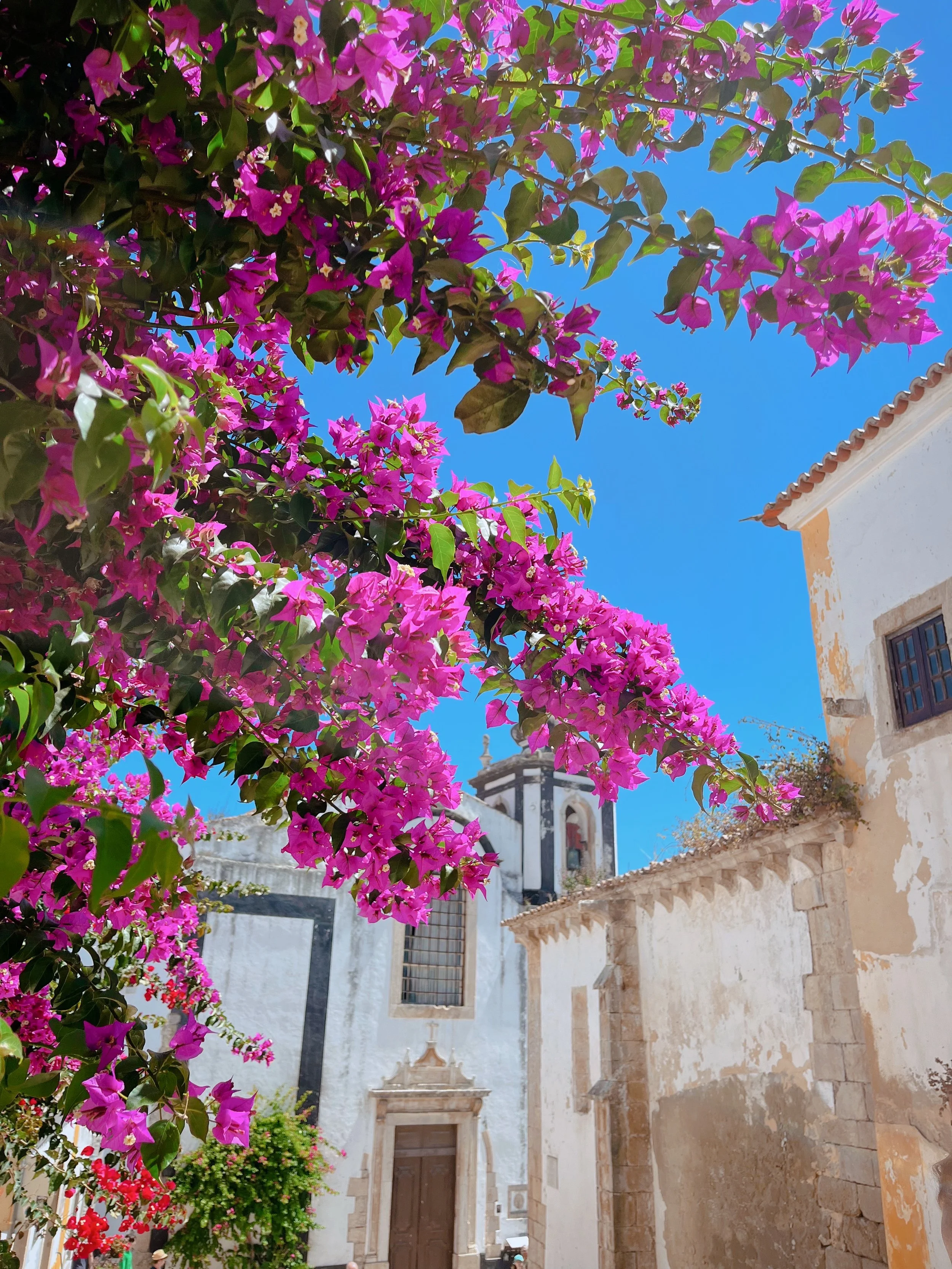
Another day took us to Óbidos, a medieval town enclosed within ancient walls. Its history stretches back to Roman times, later shaped by Moorish and then Portuguese rule. Today, it is known for its narrow streets and whitewashed houses edged with vibrant flowers.
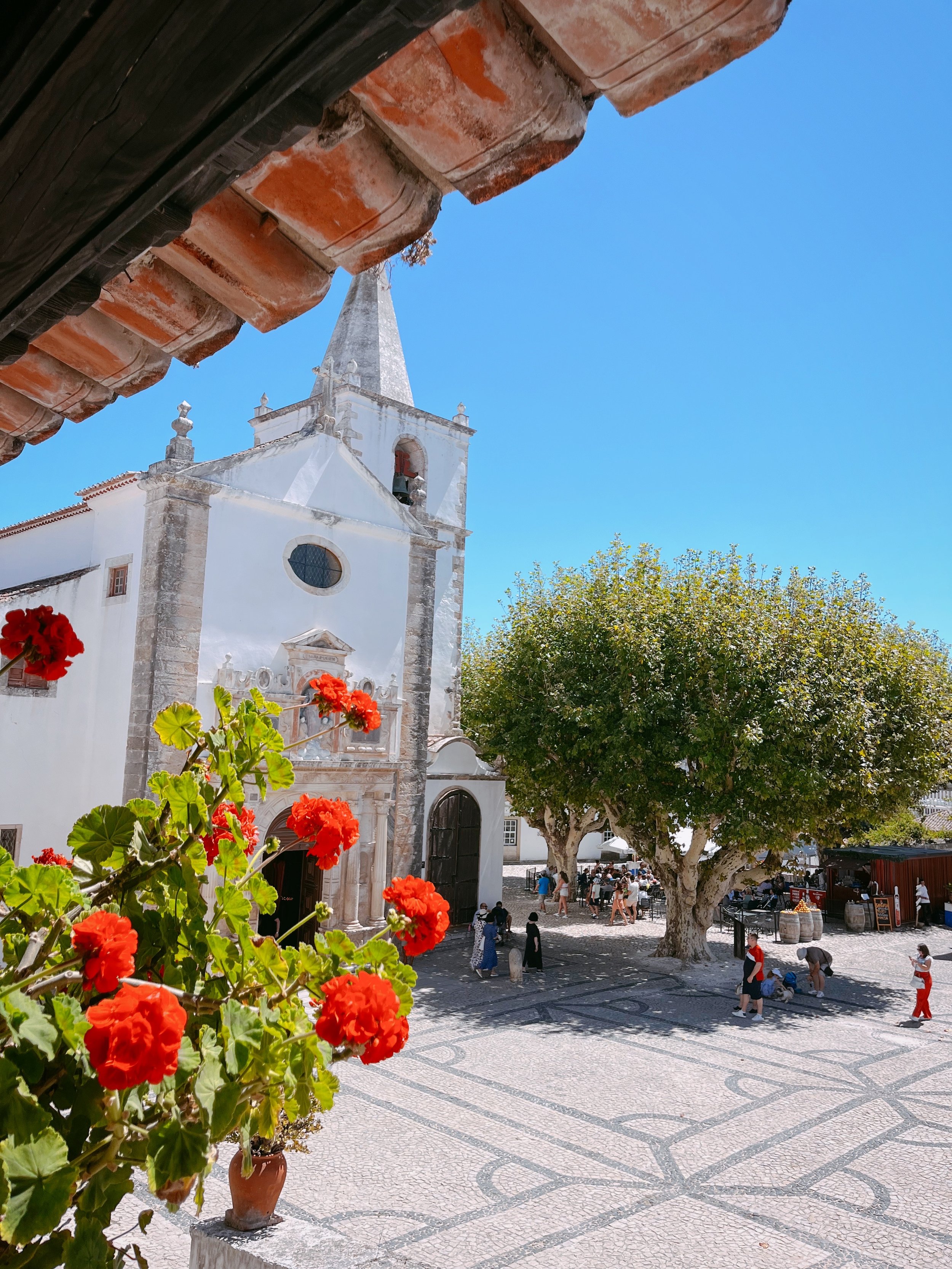
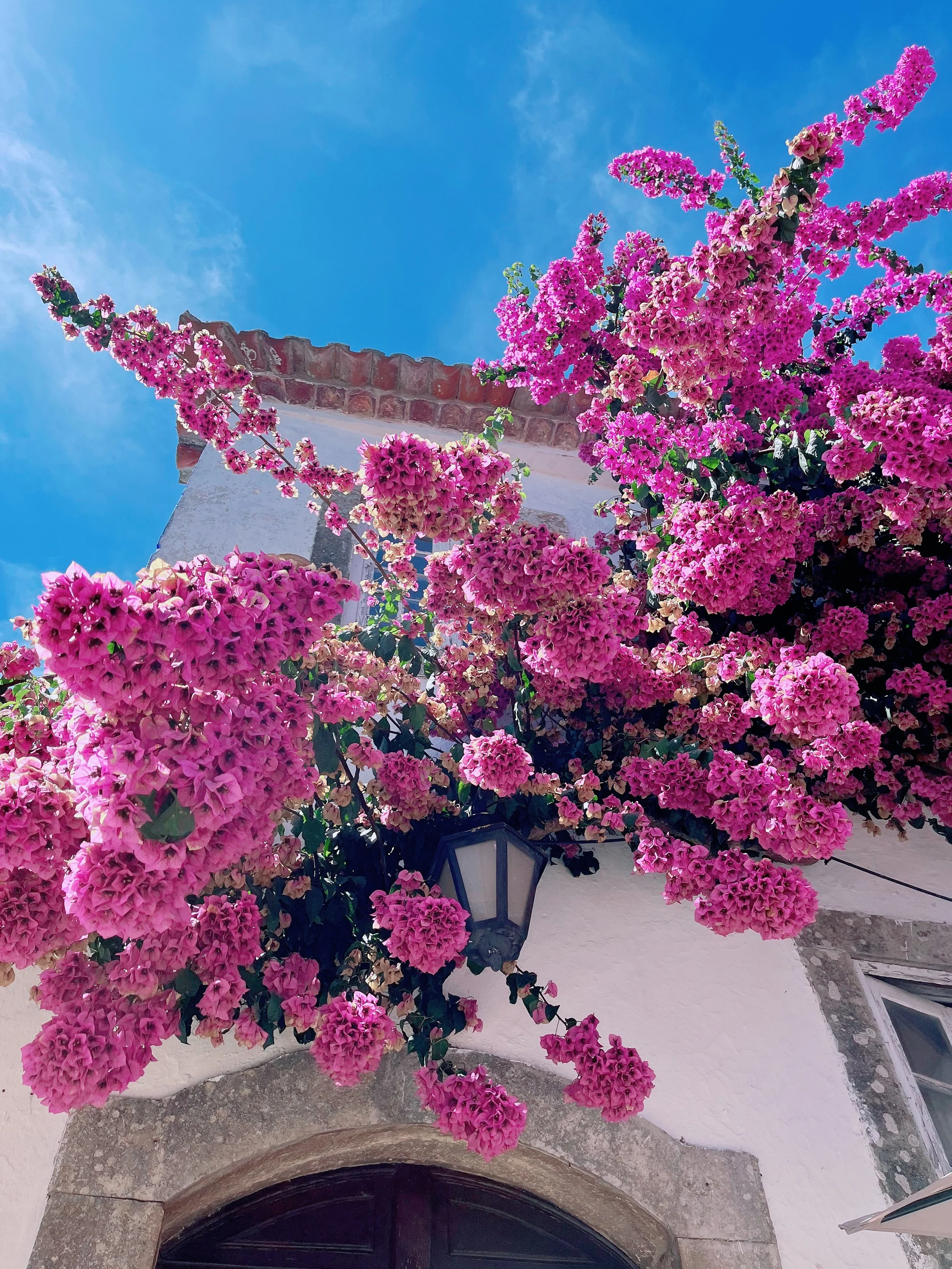
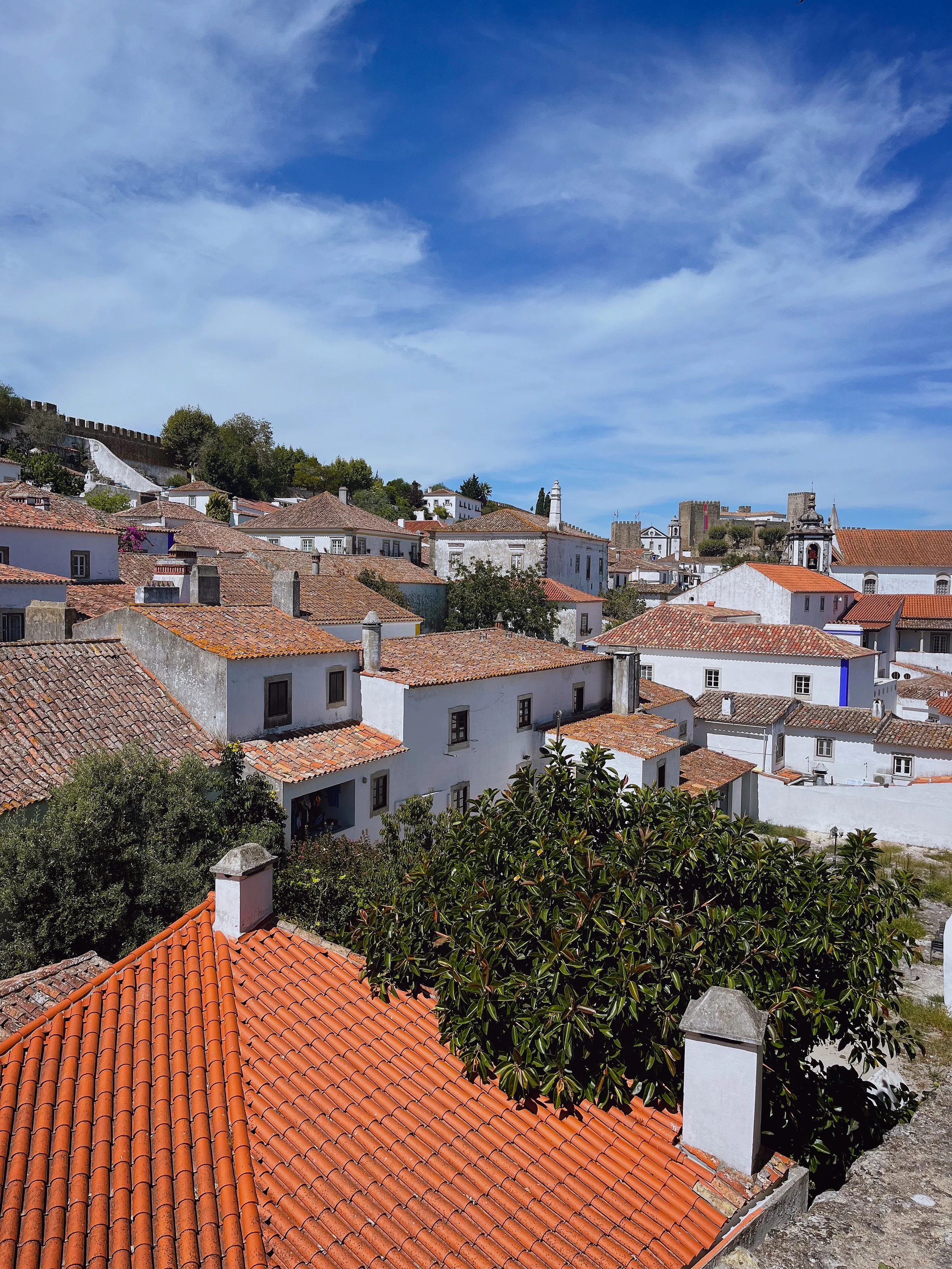
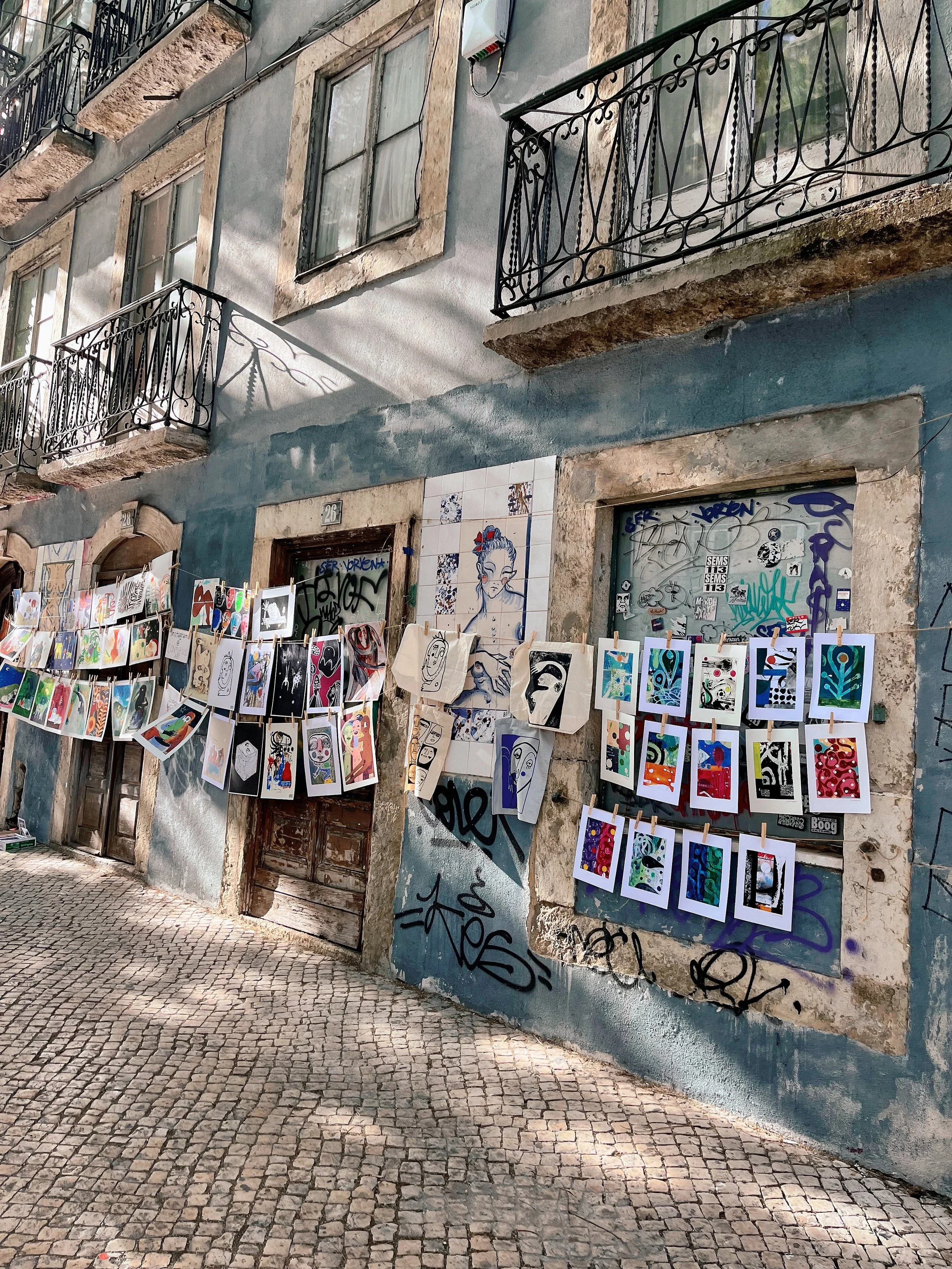
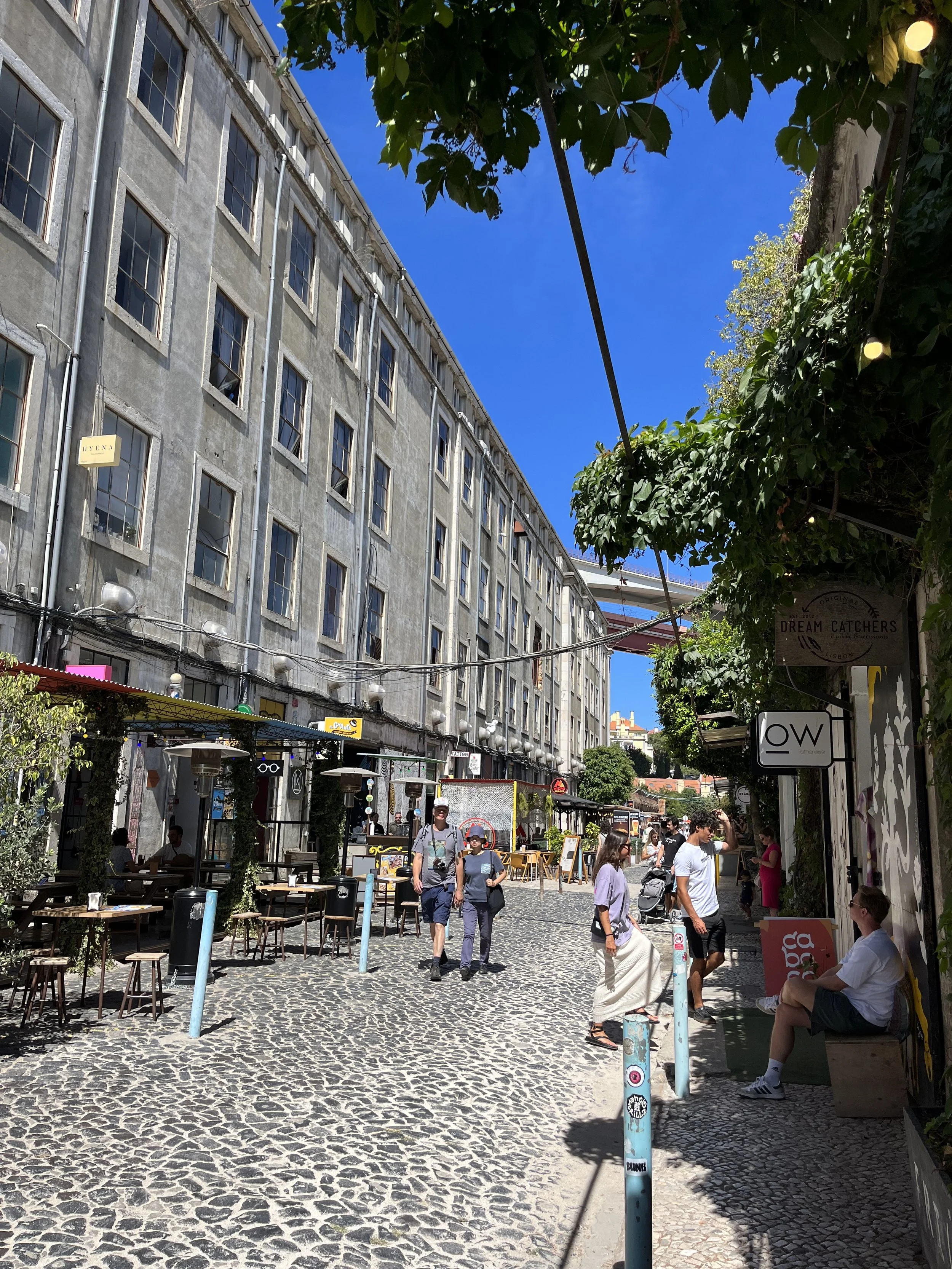
Back in Lisbon, there are places that feel more contemporary. LX Factory is one of them, a former industrial complex transformed into a space for shops, studios and restaurants. When we visited, it was filled with a small market of artists selling their creations.
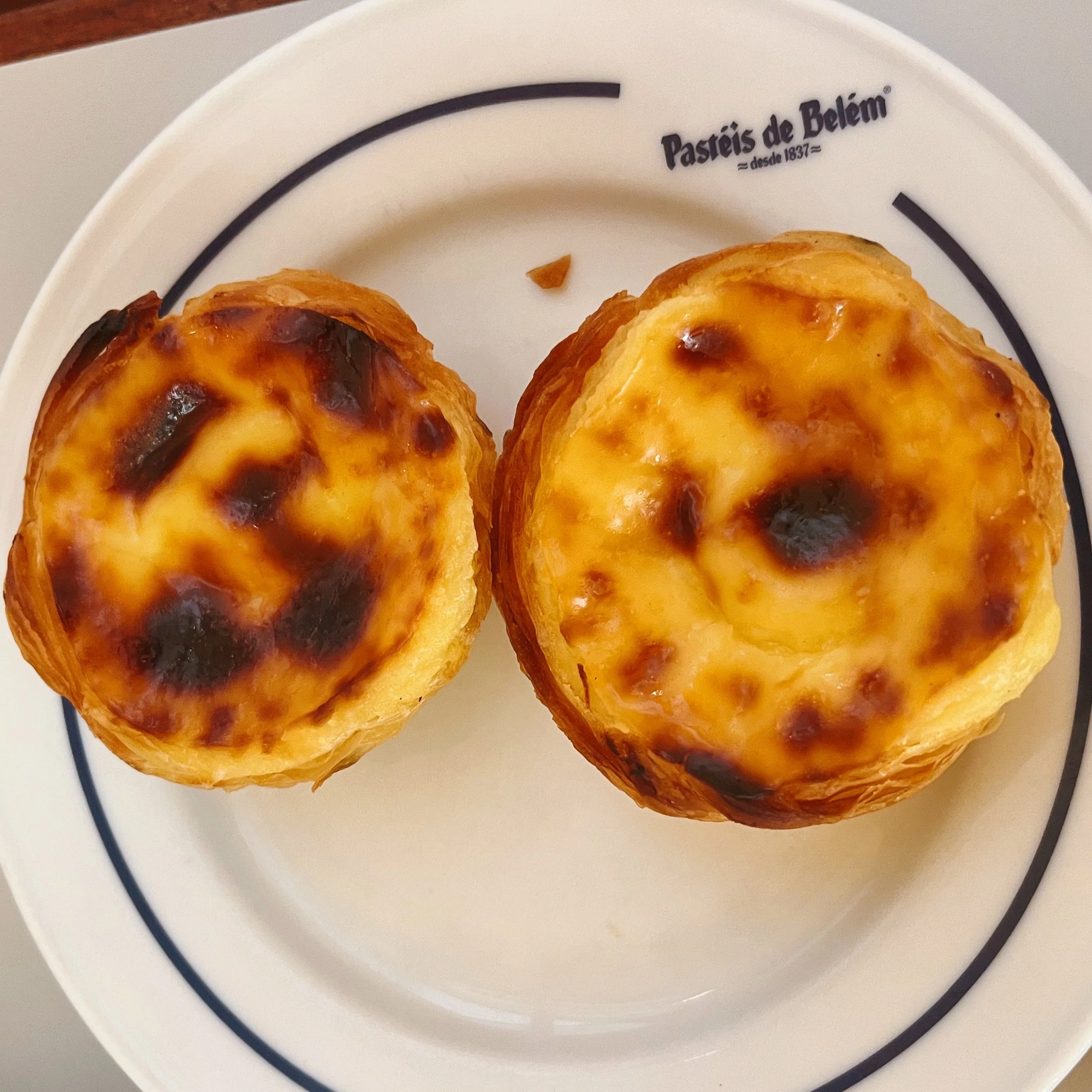
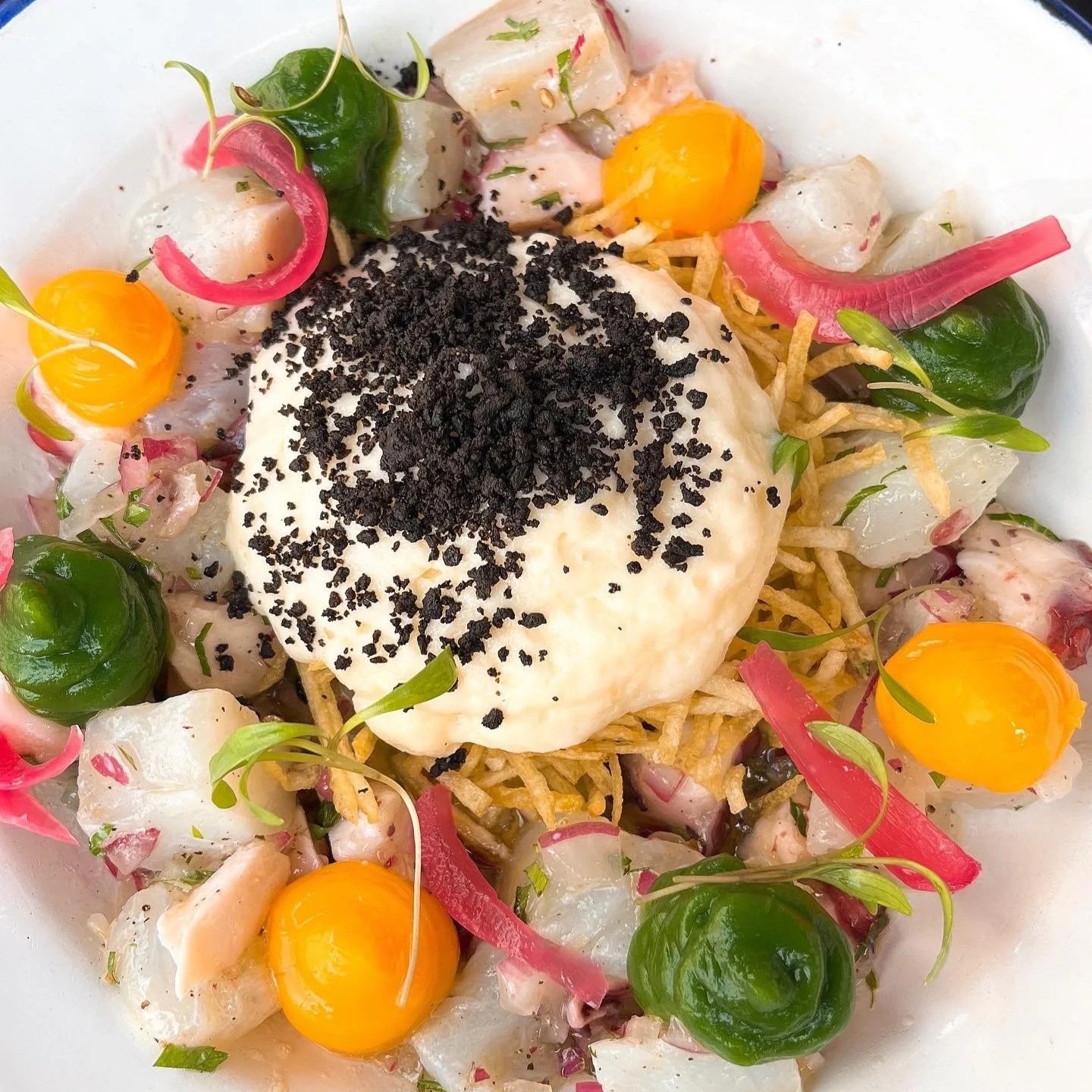
And then there is Alfama, perhaps the most recognisable part of the city. Its streets are narrow and winding, shaped long before modern planning and walking through it feels like moving through layers of time. We spent an afternoon there stopping often, sometimes for no reason other than the heat, sometimes for sangria, letting the pace of the place dictate our own.
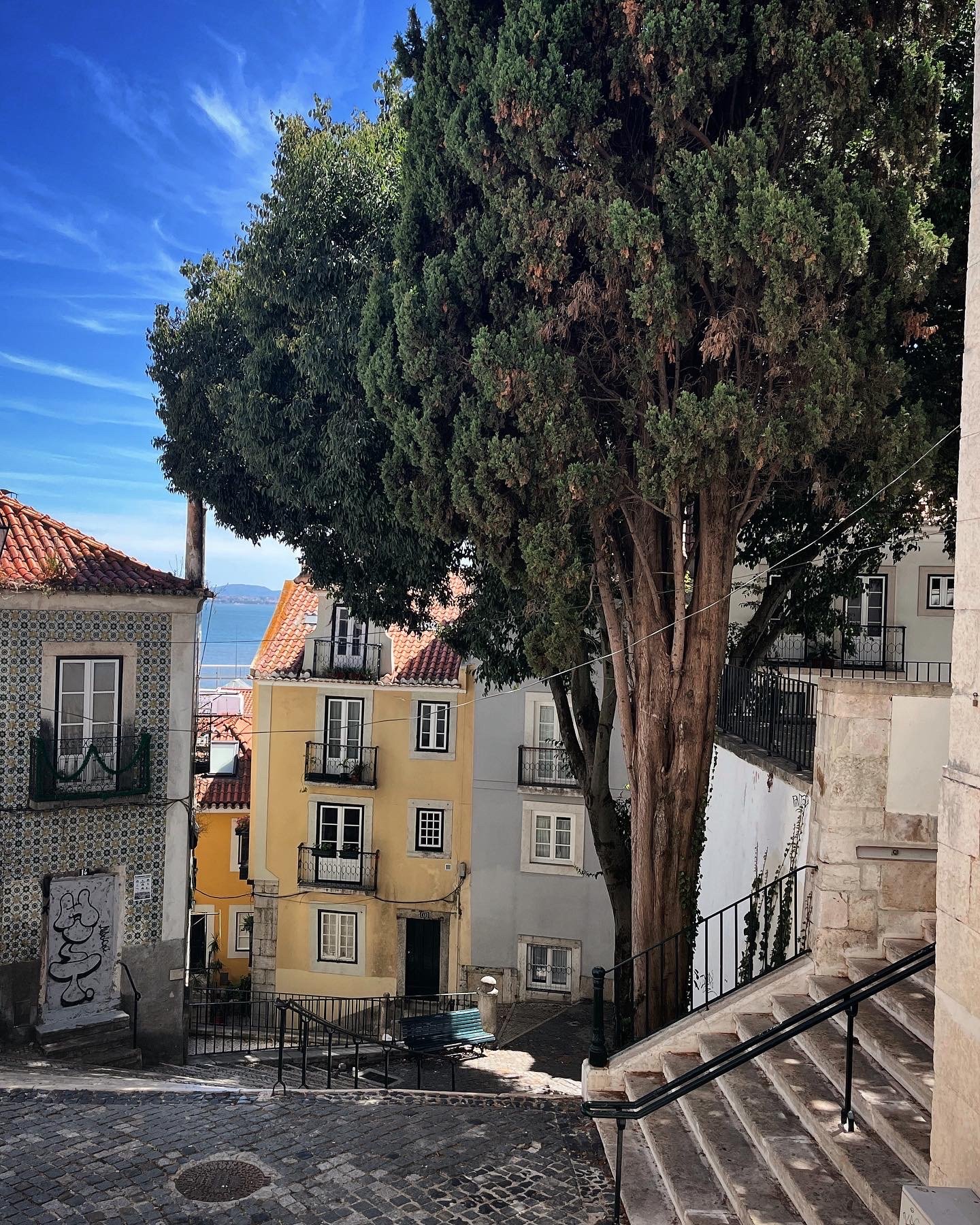
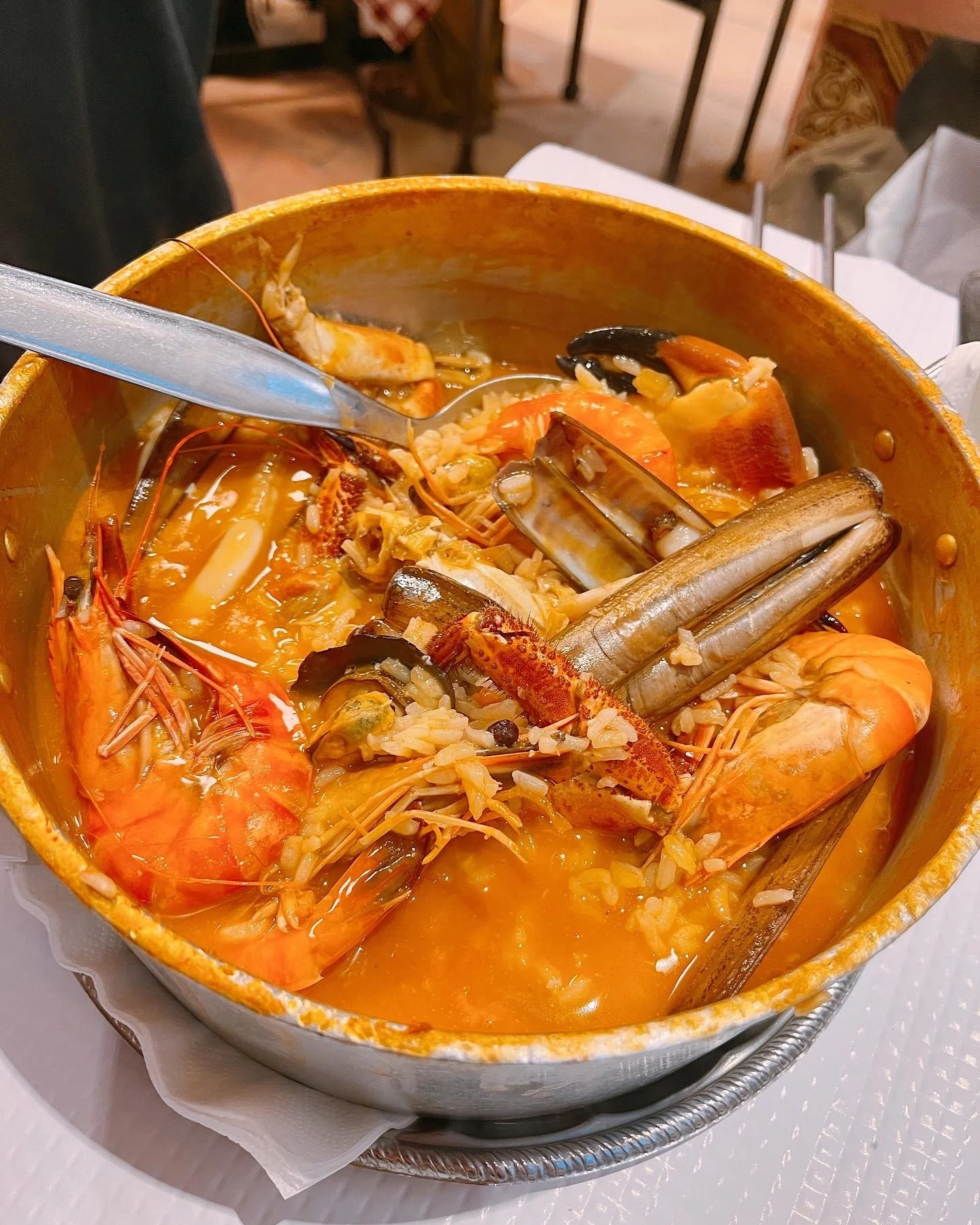
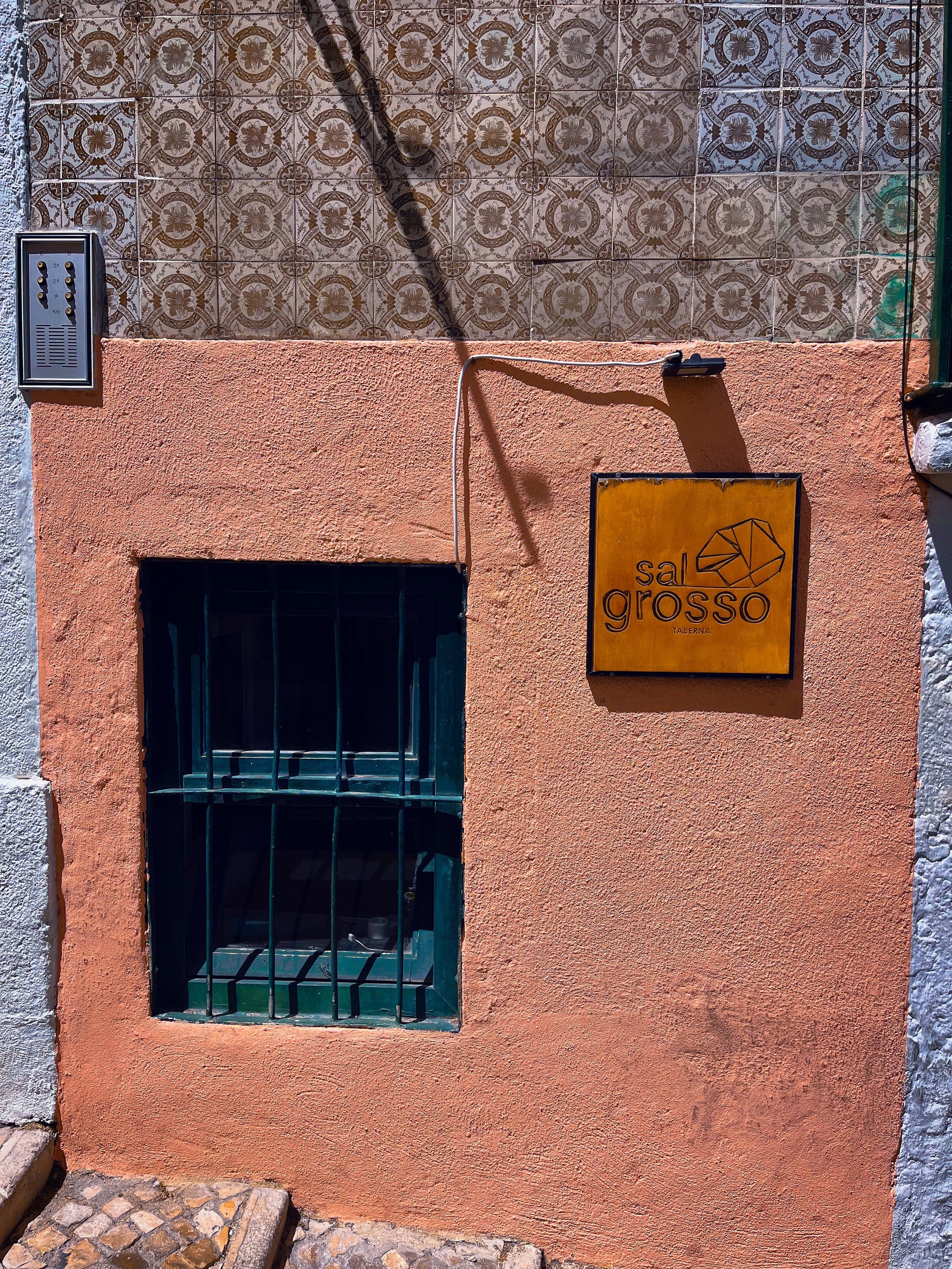
The food in Lisbon deserves more space than I can give it here. There are meals that stay with me long after leaving. The seafood rice at Uma Marisqueira, rich and deeply flavoured, is one of them. So too is almost anything at Sal Grosso.
What draws me back, though, is not any single place or meal. It is the feeling of the city in the evening, standing at a viewpoint as the light fades, watching it shift again. Lisbon doesn’t reveal itself all at once. It unfolds slowly and each return feels reviving.