Camino de Santiago Part 4: The End
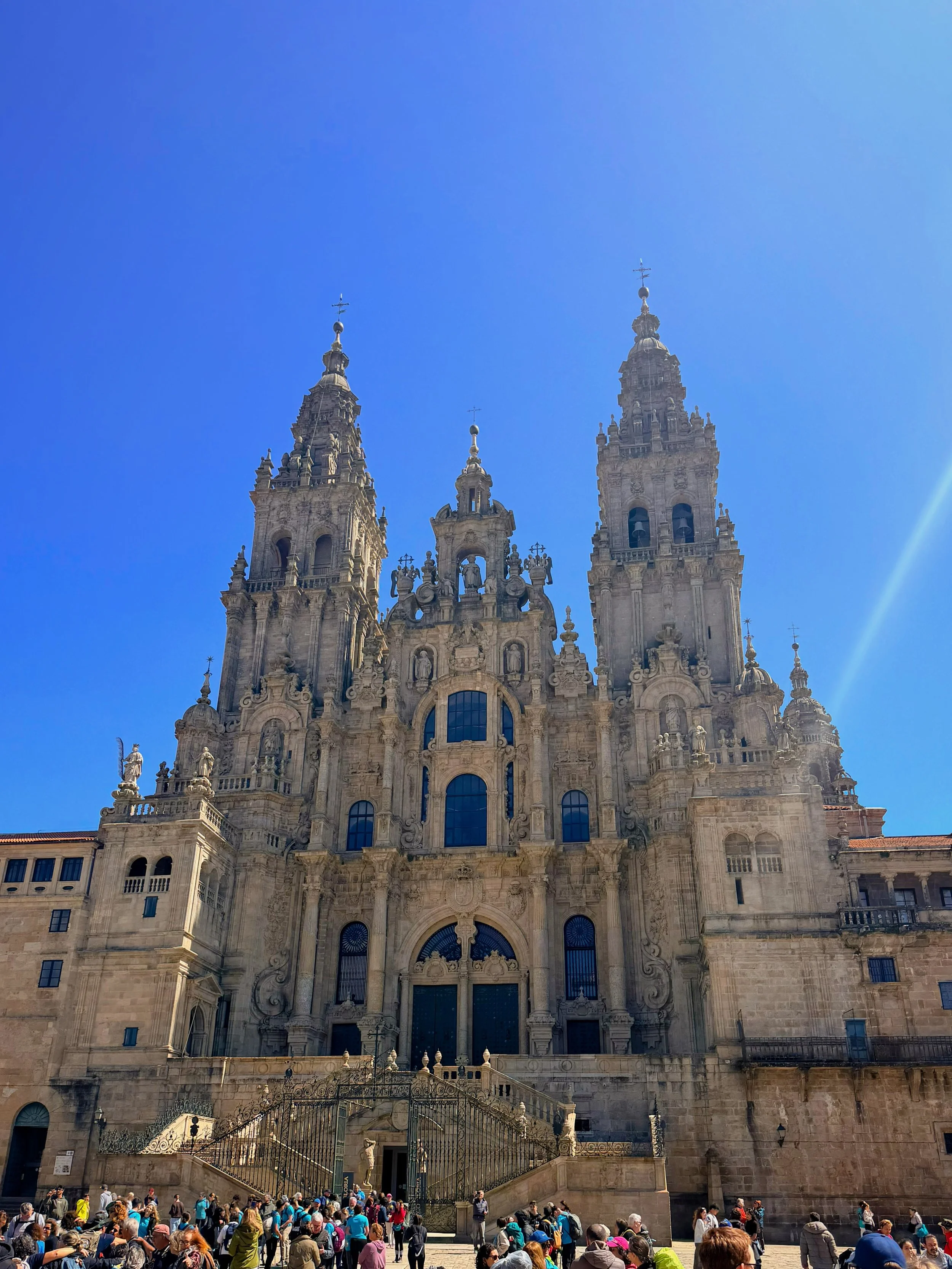
To walk the Camino is to walk towards yourself. The Camino has a romantic mythology around it and, honestly, I think it deserves to. It should be romanticised. It is transformative in the truest sense of the word. At least, it was for me. As long as you understand that the romance also involves handwashing your socks in a sink every evening and hanging your underwear off your backpack to dry, you will absolutely find it romantic.
In the final few days, I started to feel strangely nostalgic for an experience that wasn’t even over yet. My body had fully adjusted to the rhythm of walking. I felt strong, capable and confident in my ability to finish. More than that, I realised I didn’t actually want it to end. I had become deeply attached to the simplicity of the Camino, with the early mornings, the repetitive rituals and the singular purpose of each day.
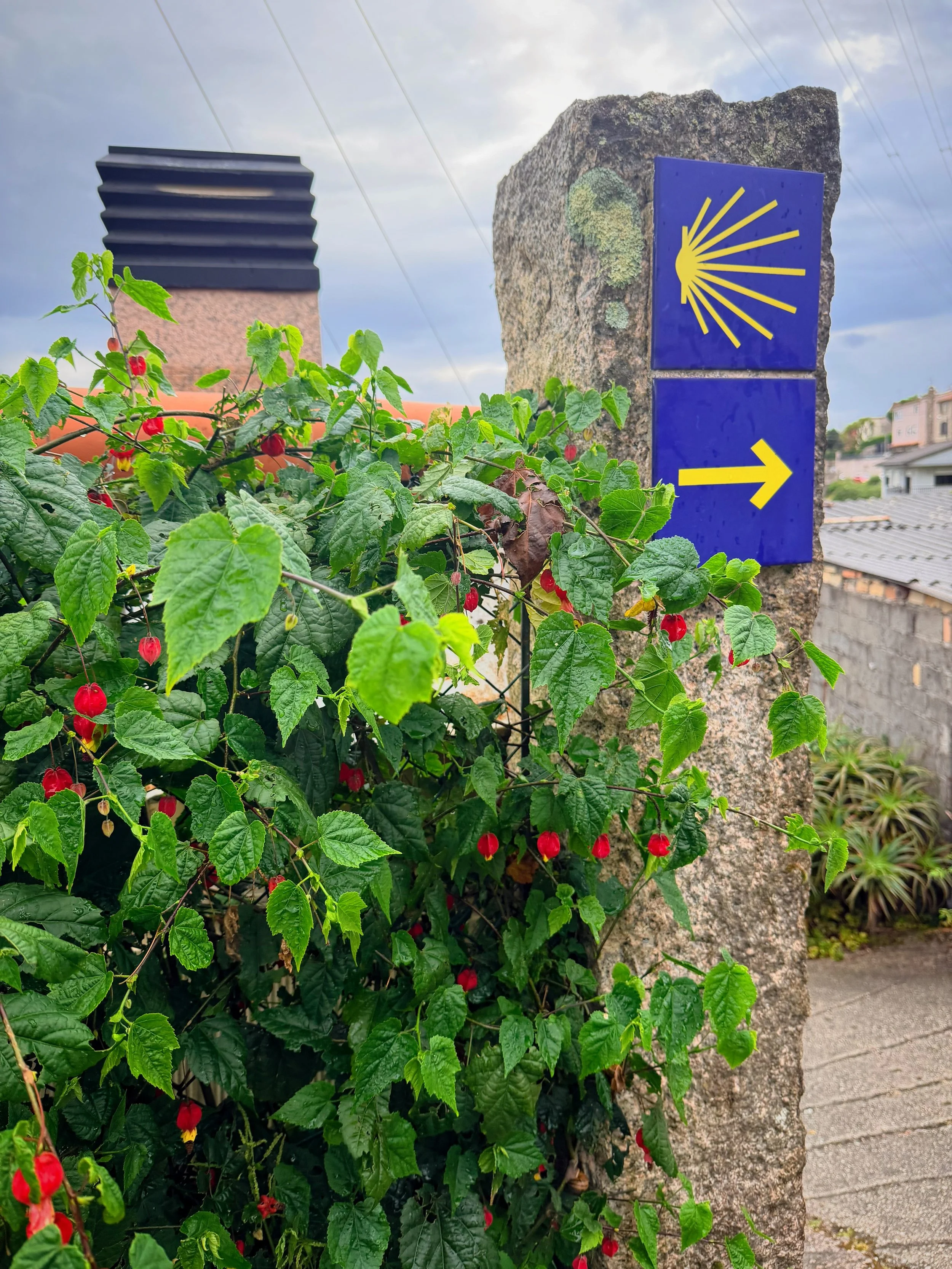
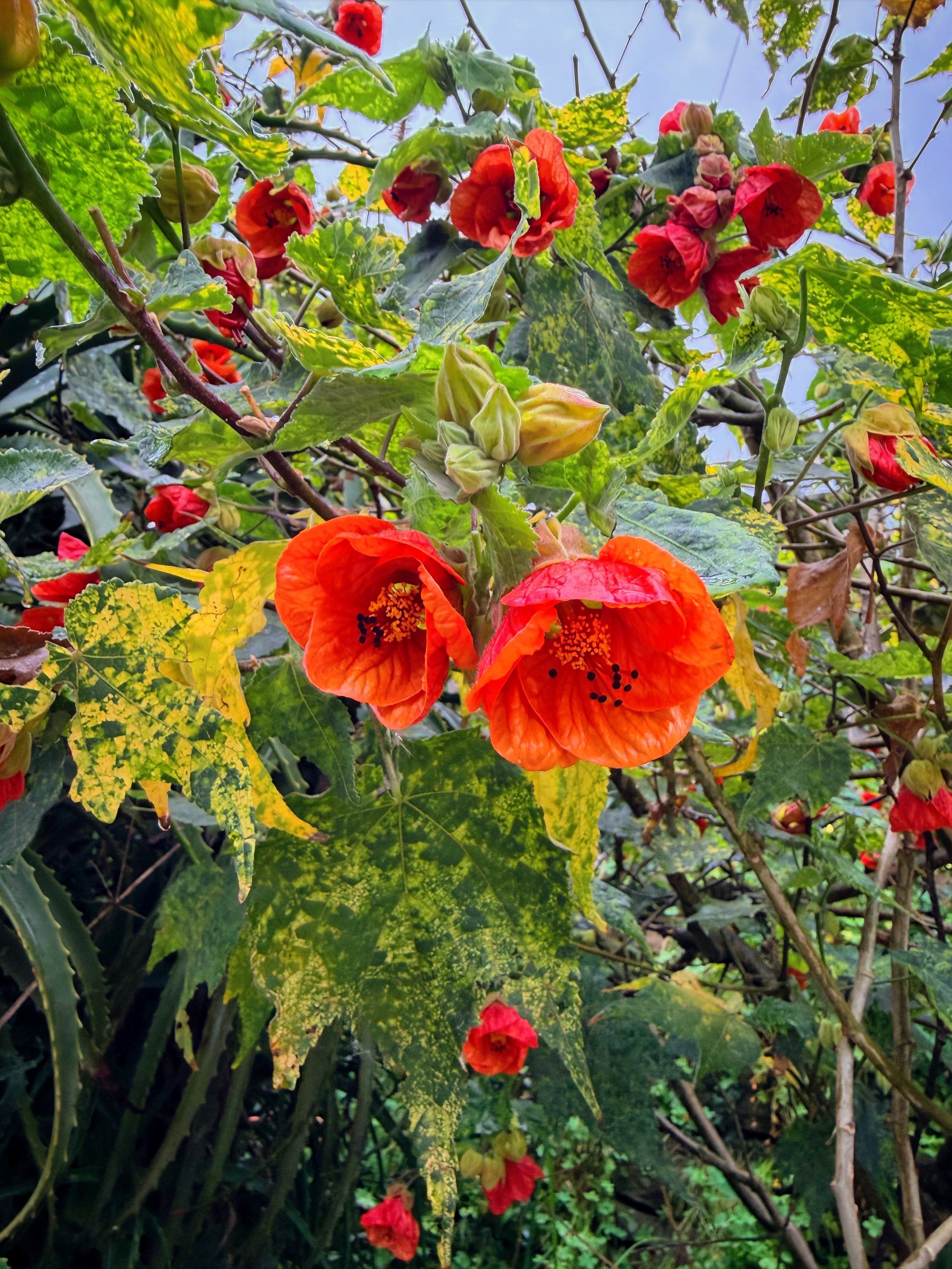
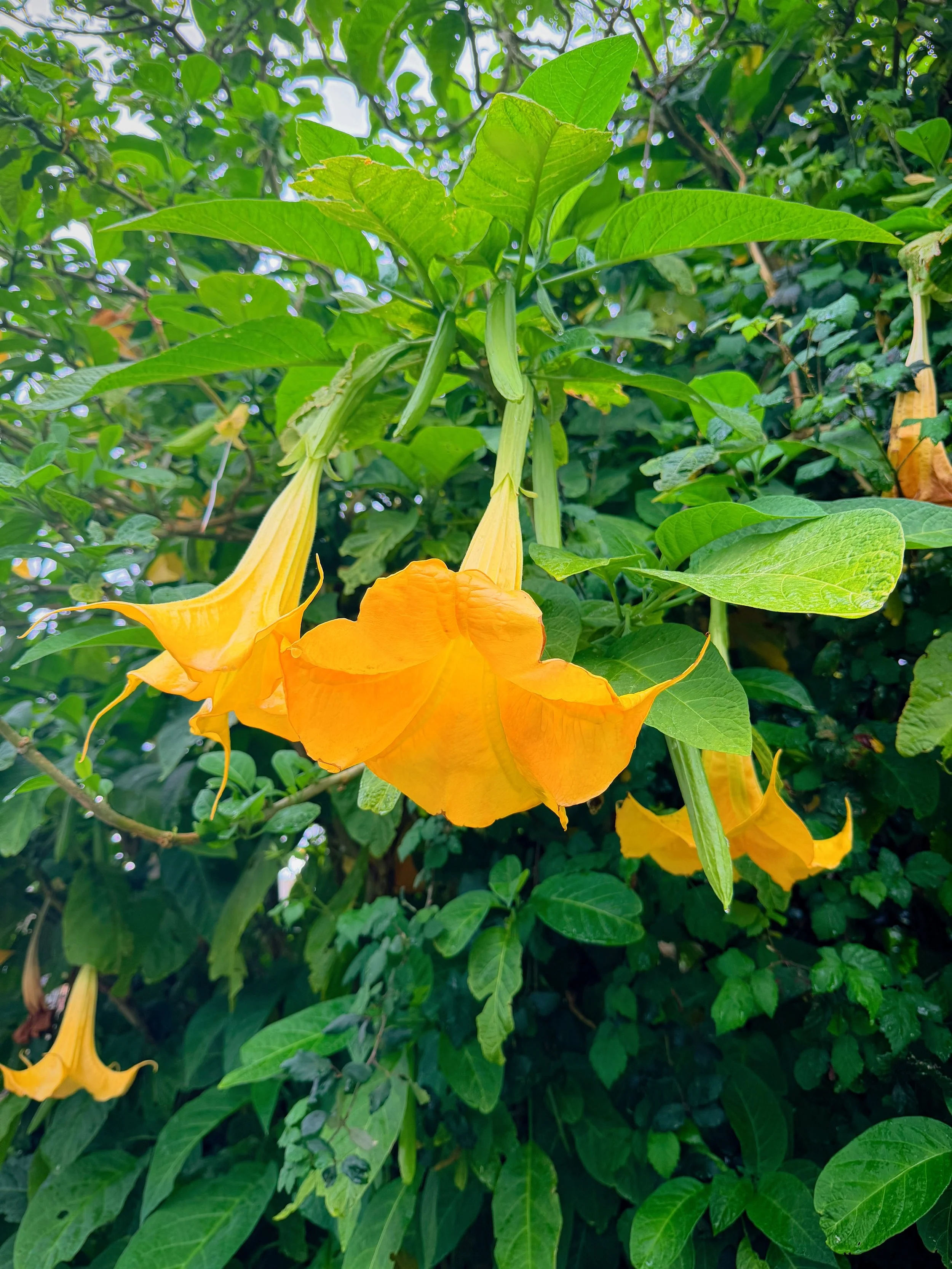
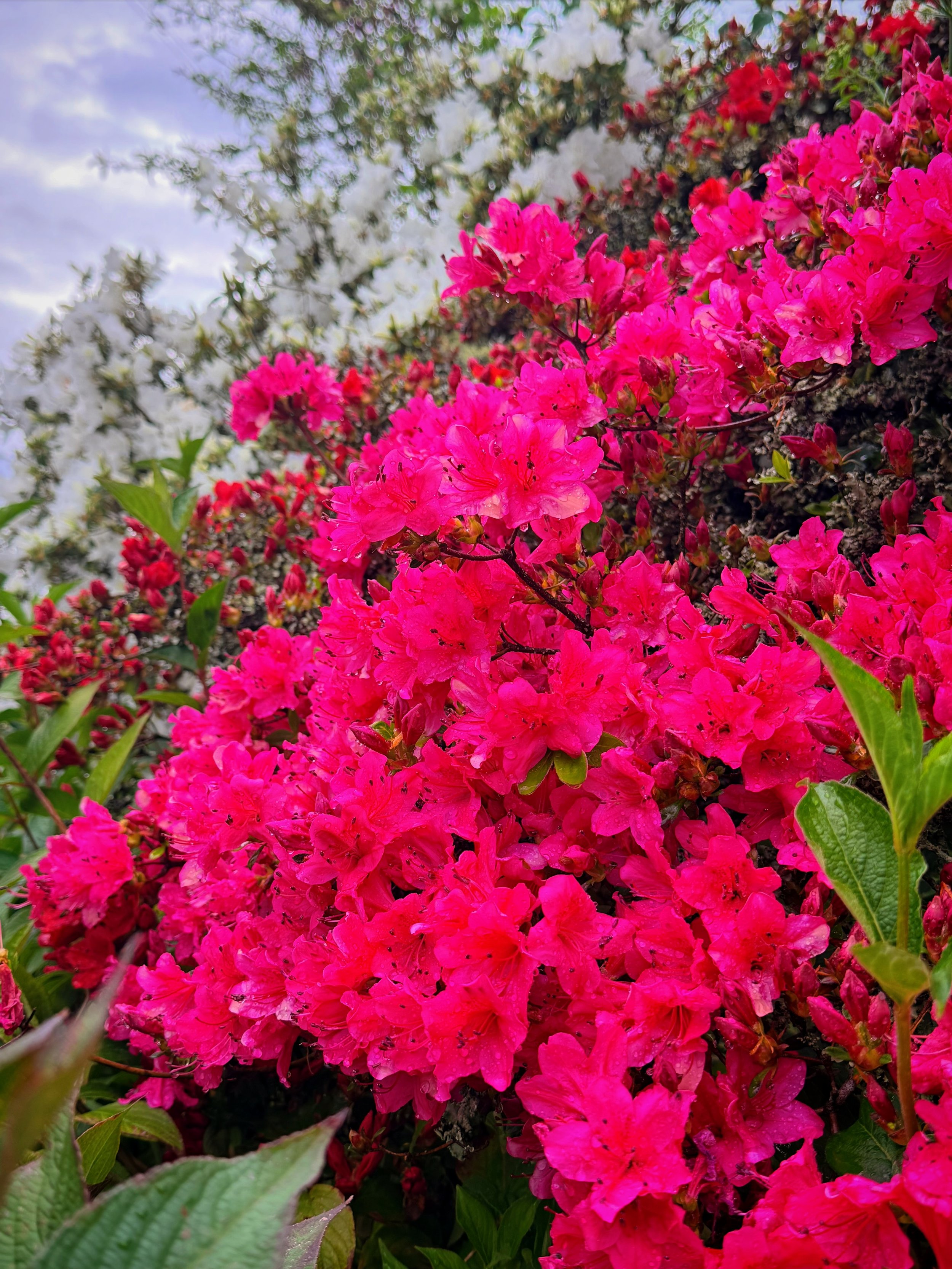
Wake up. Walk. Eat. Wash your clothes. Sleep. Repeat. There is something profoundly calming about reducing life to its essentials.
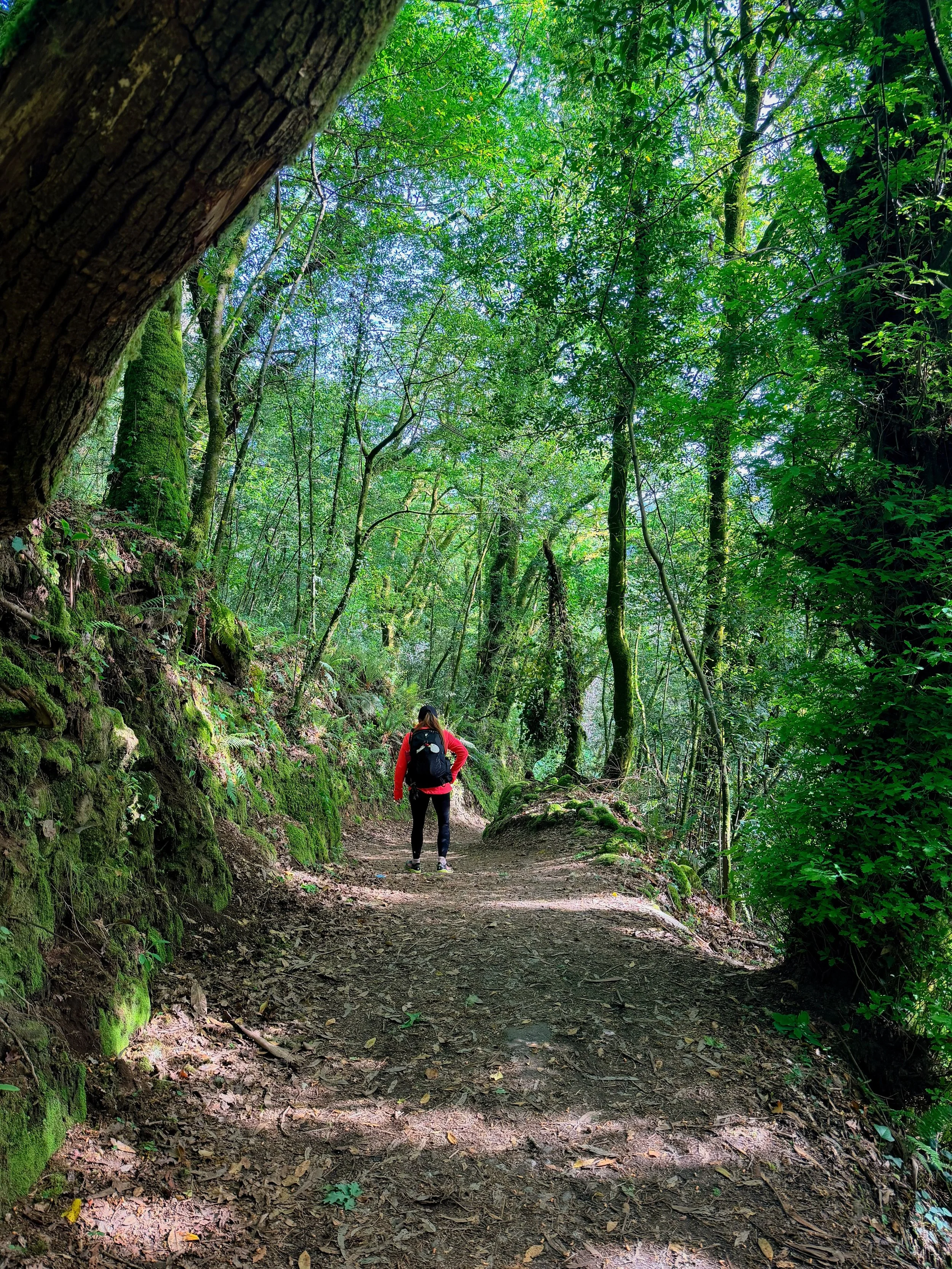
The final 100km were noticeably busier, with far more energy along the trail. New pilgrims joined constantly and suddenly the route felt full of movement and a building sense of anticipation. After the blazing heat of Vigo, we were grateful for a slight cooling in the weather as we entered the humid forests of Galicia. It rained overnight several times, but somehow always stopped by morning, leaving everything misty, cool and intensely green. Thank you weather gods, again.
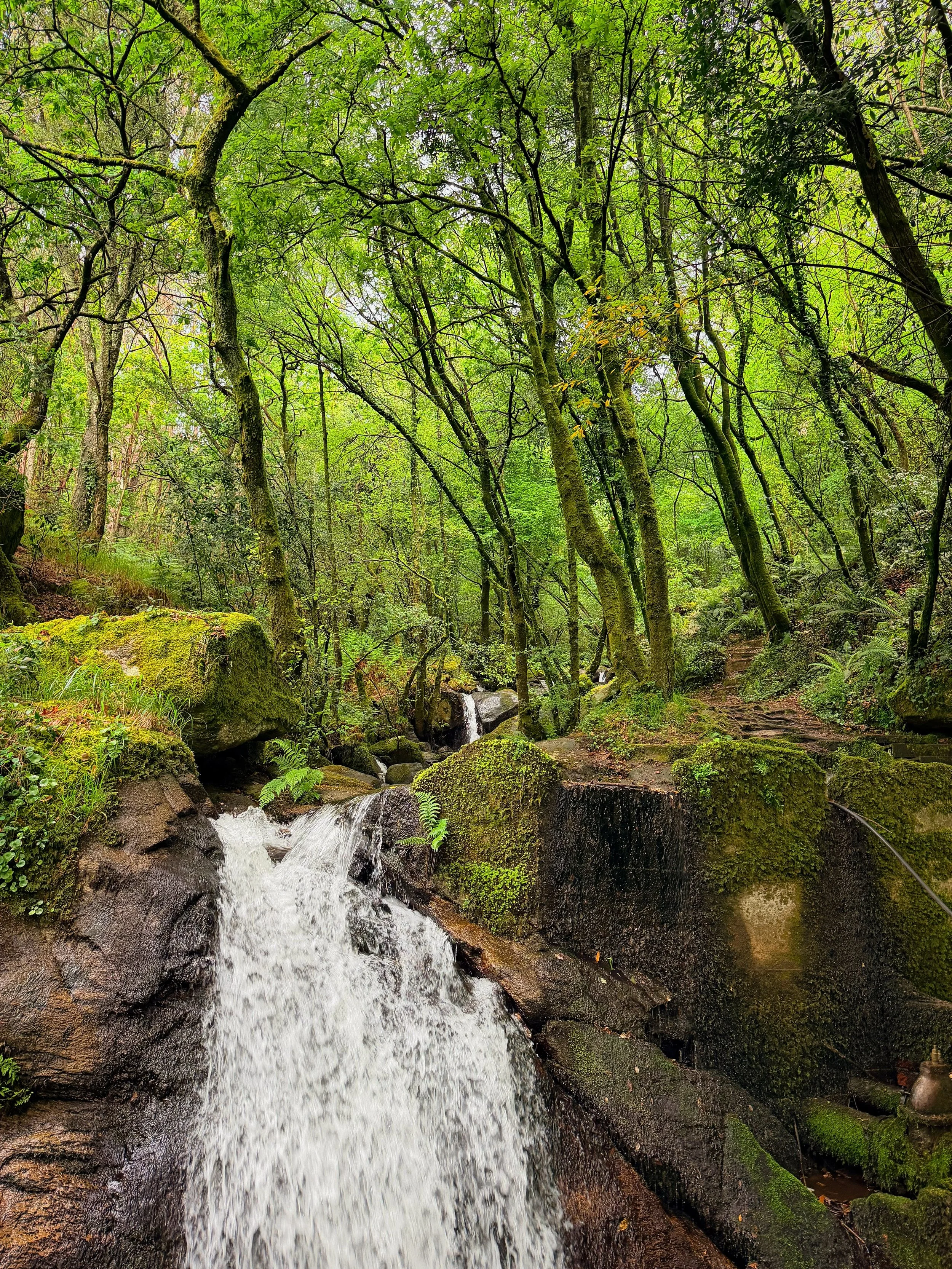
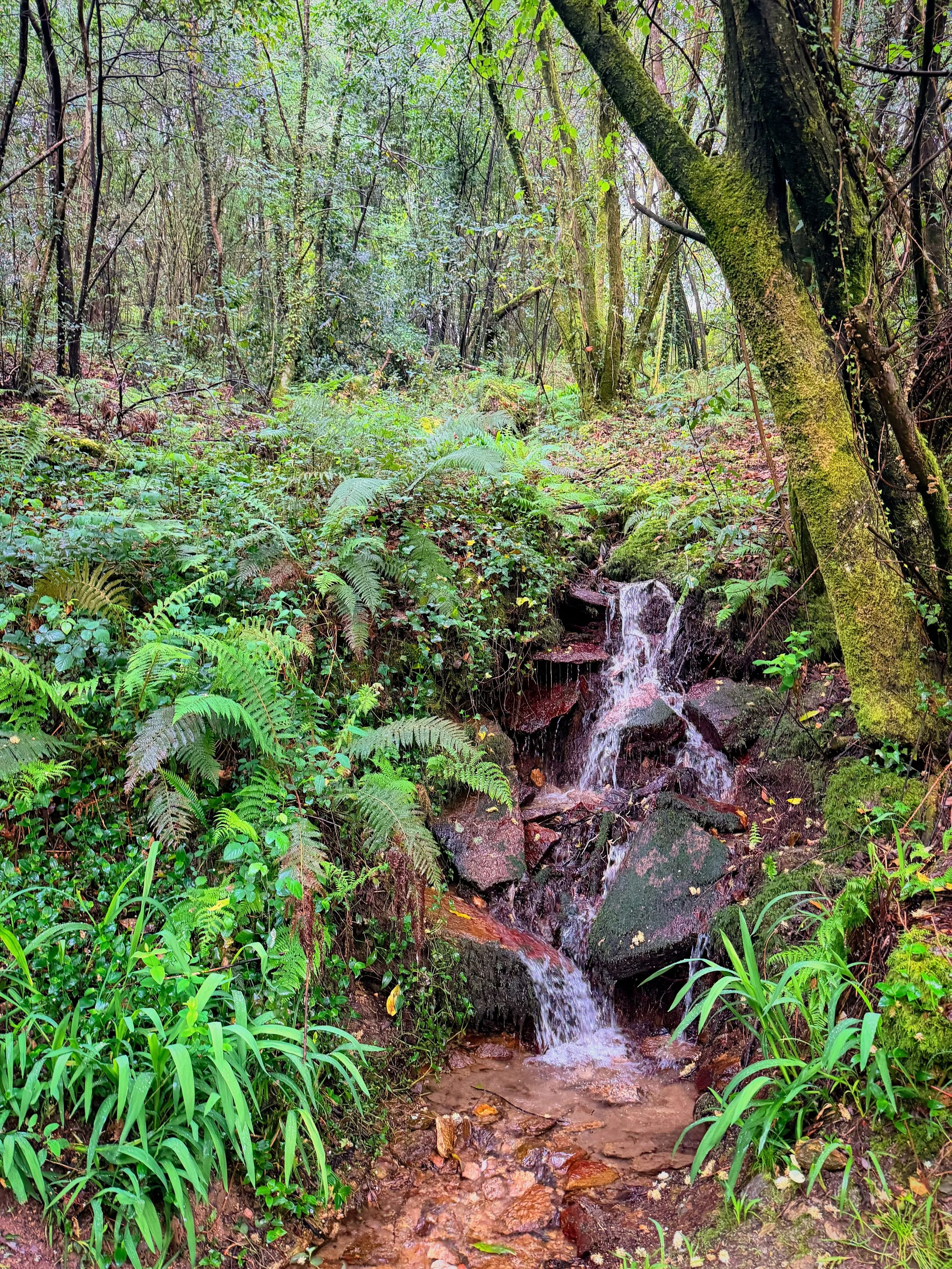
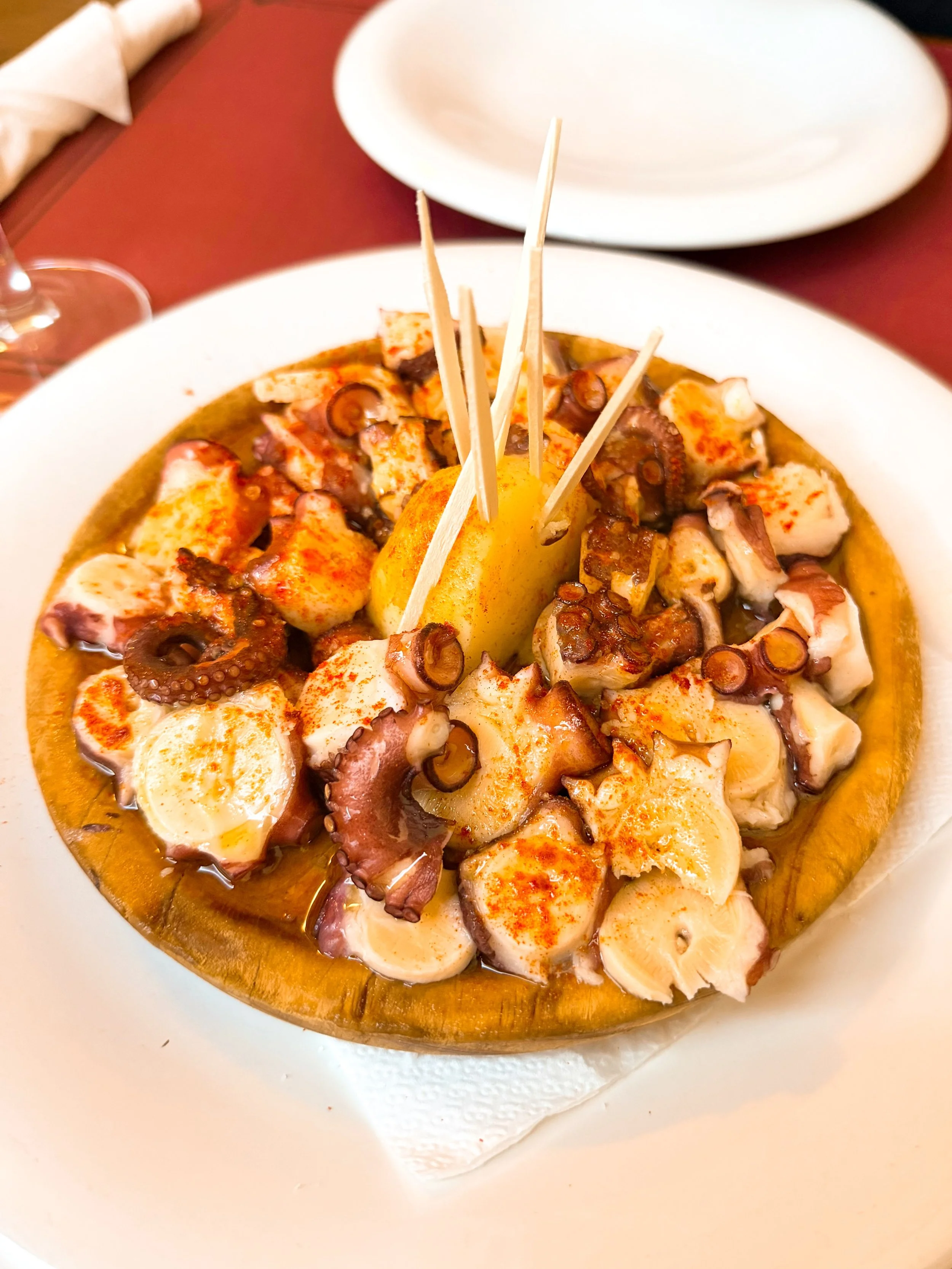
Our first stop after Vigo was Redondela. We stayed in the most charming guesthouse imaginable, where the owner baked fresh cake for us in the afternoon. We sat drinking wine and eating huge plates of Galician octopus while laughing away the evening, relieved to have escaped the concrete exhaustion of Vigo and returned to the countryside.
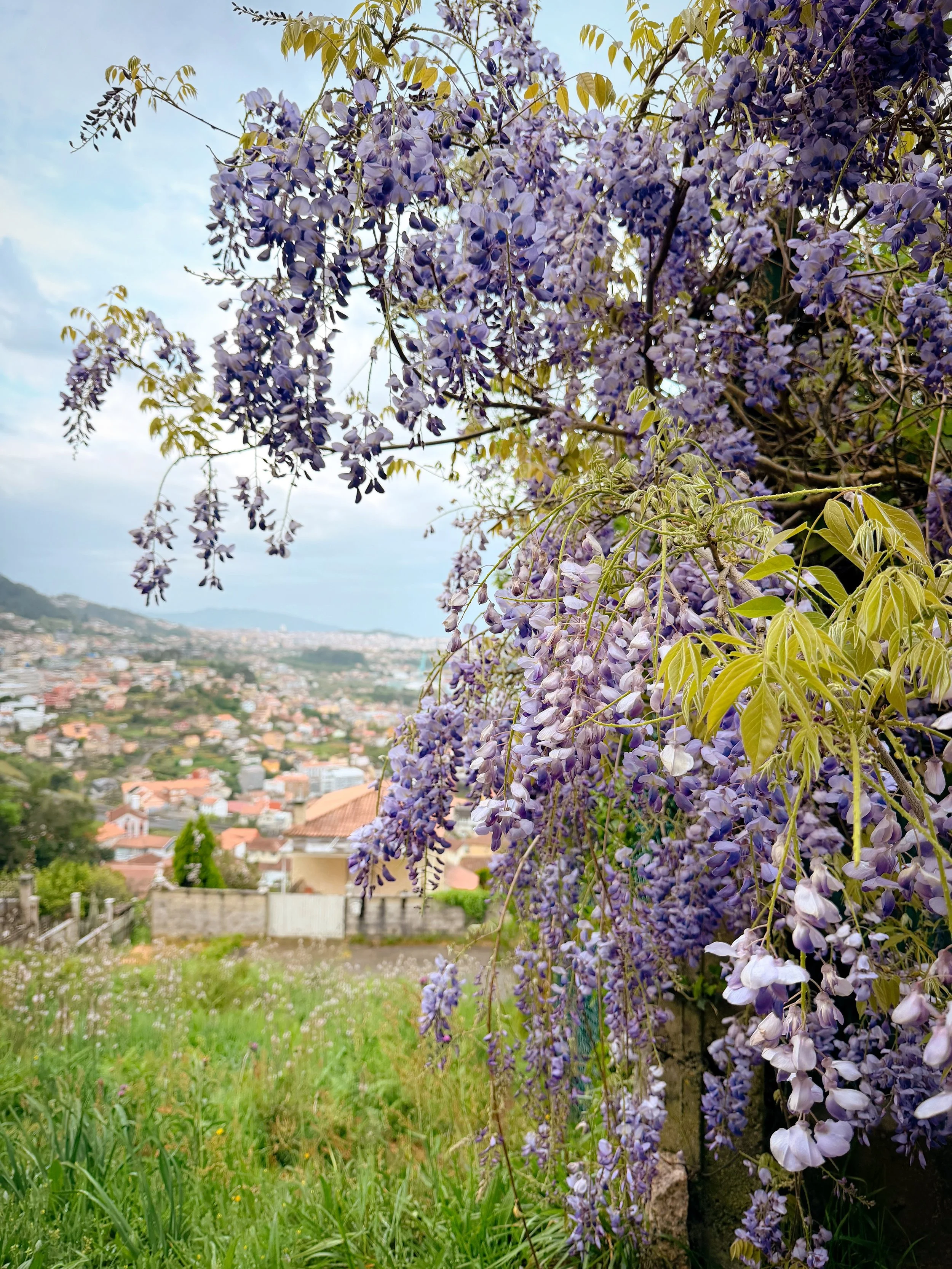
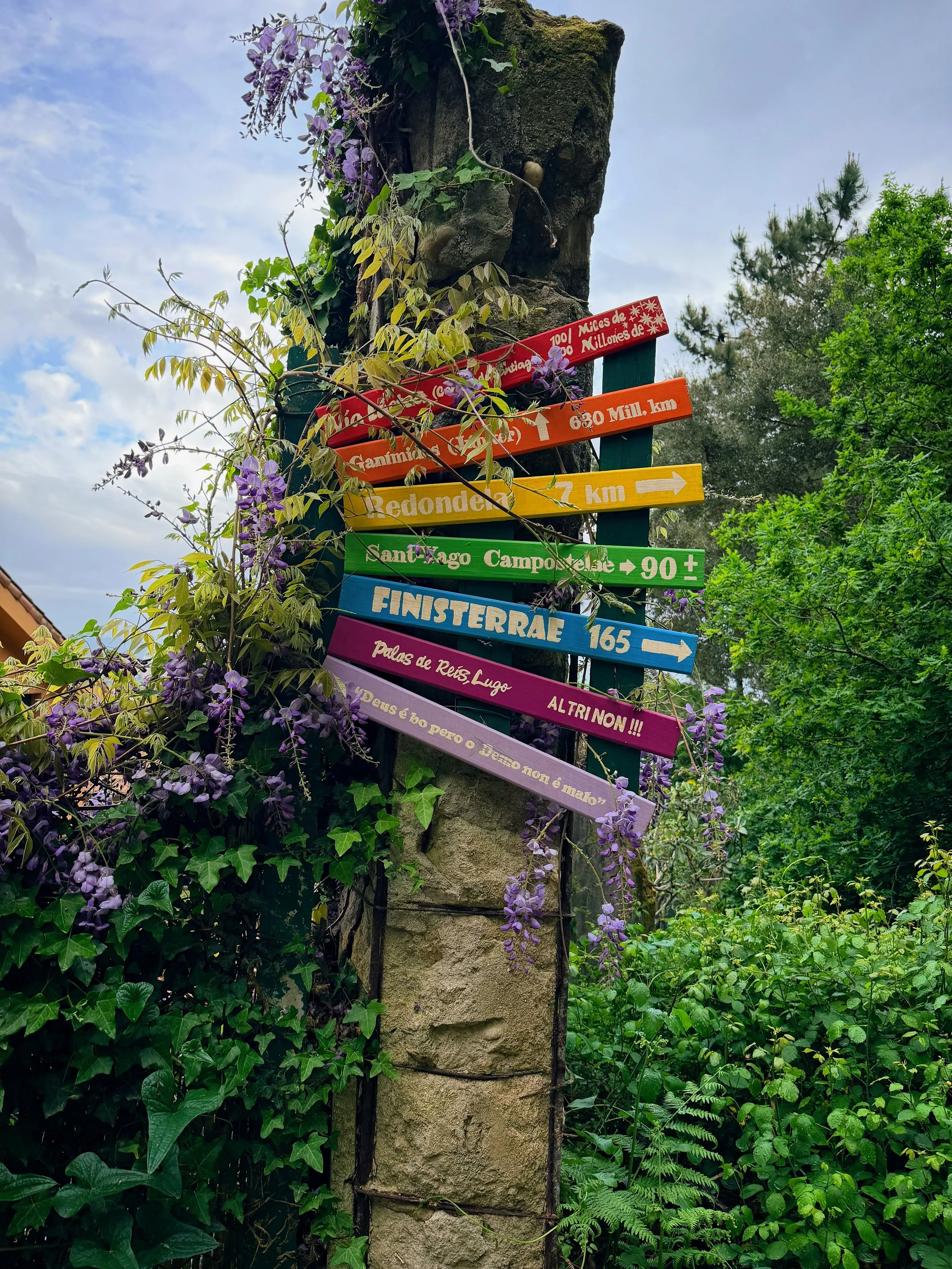
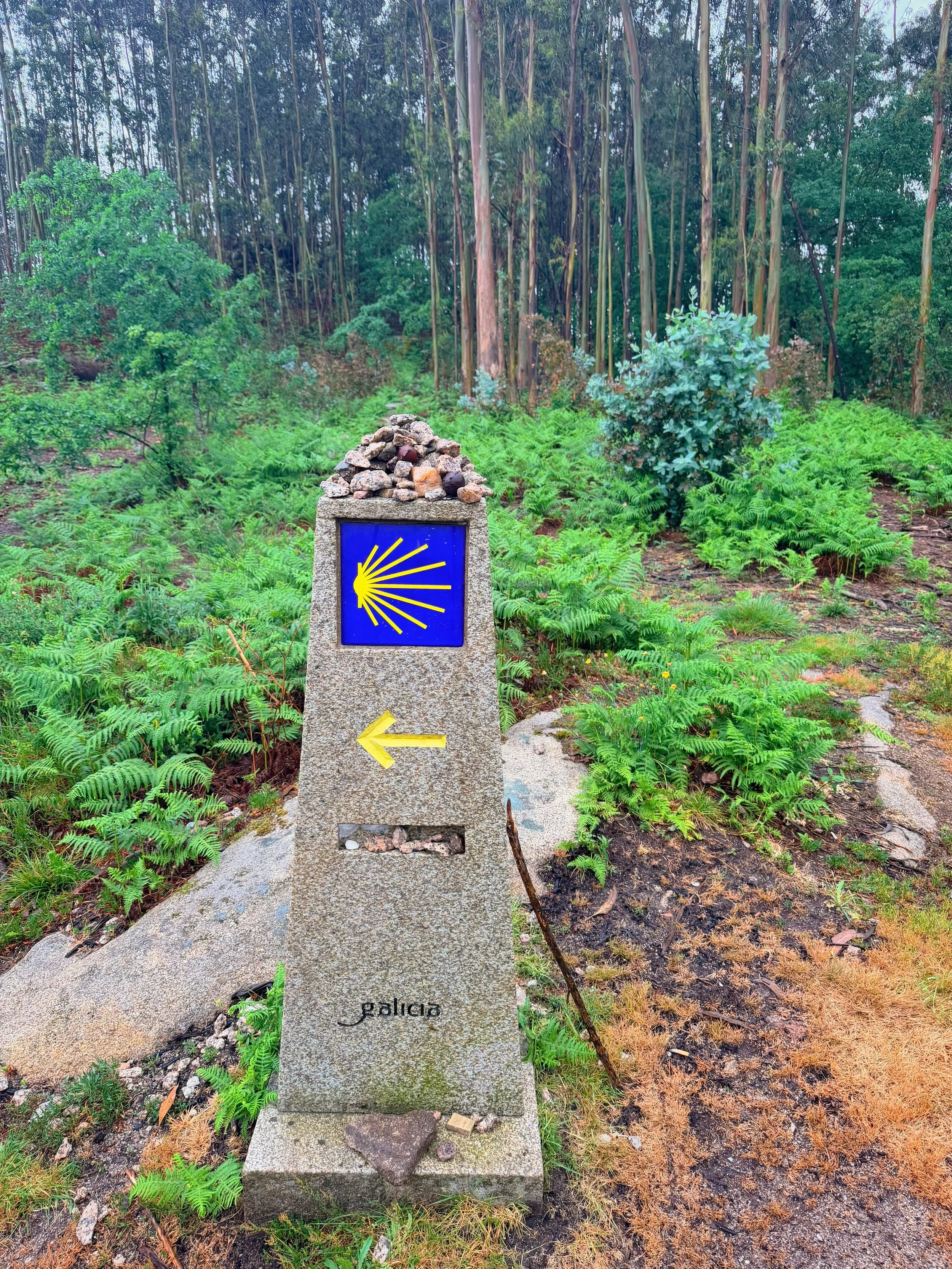
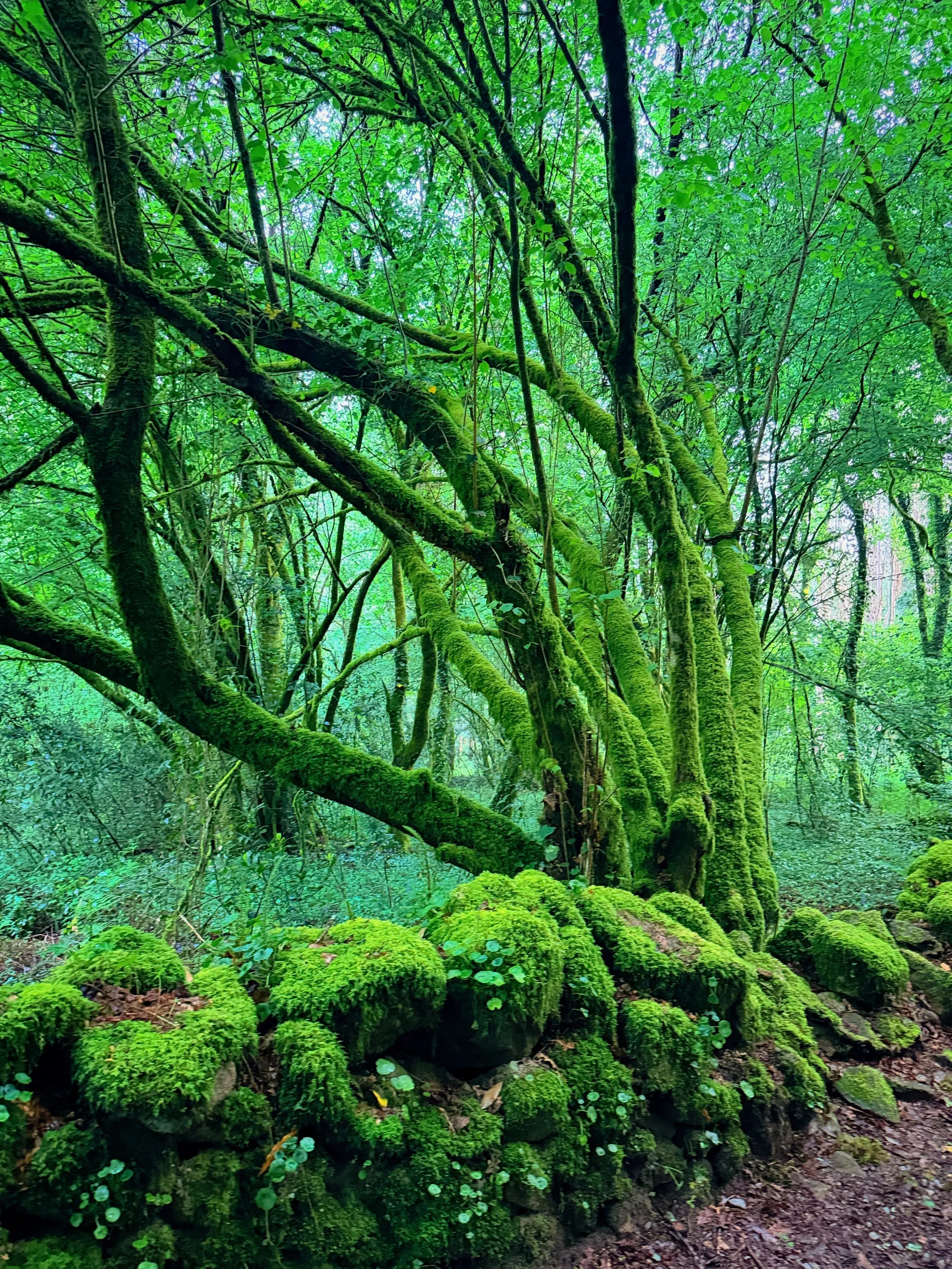
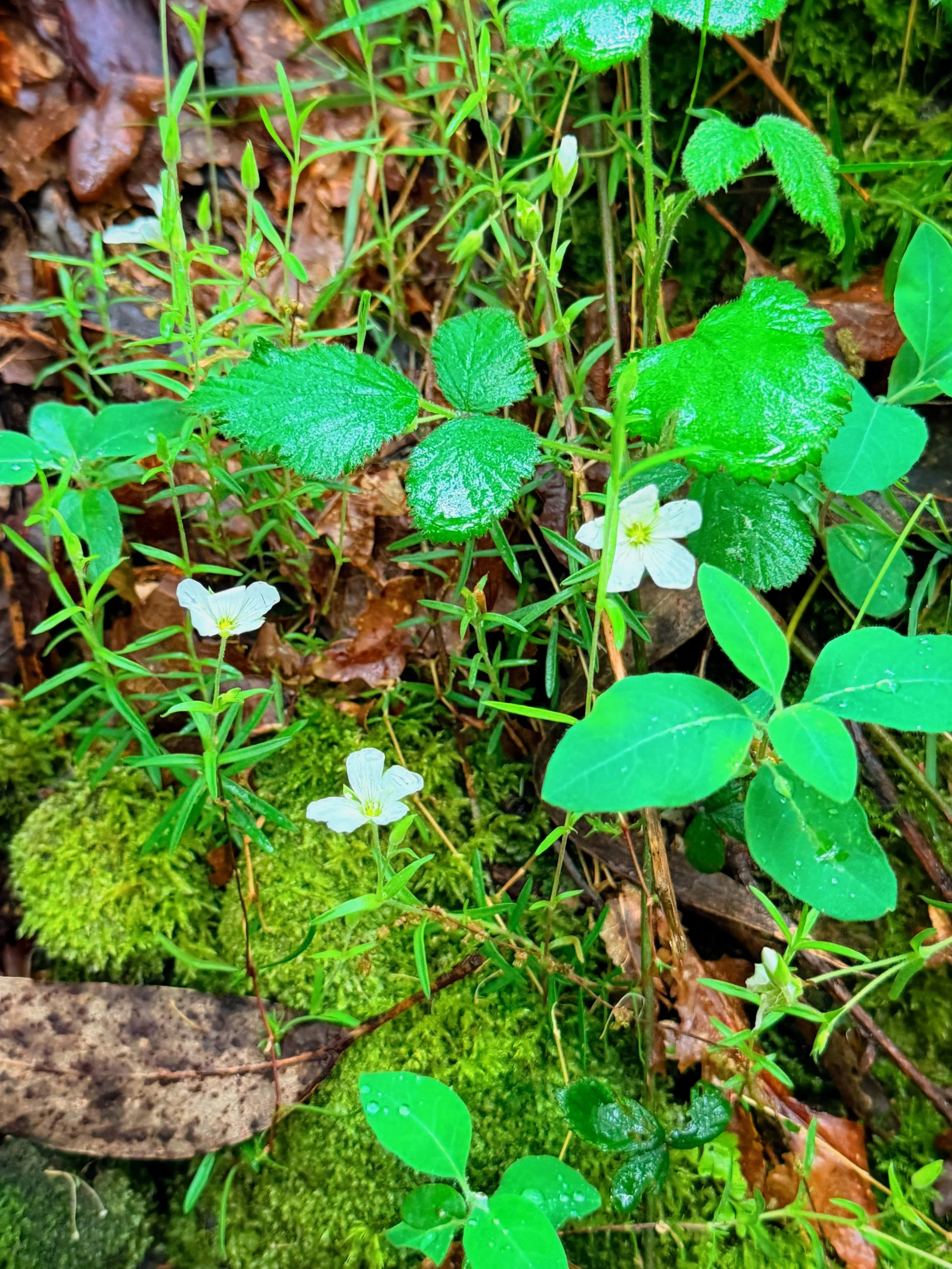
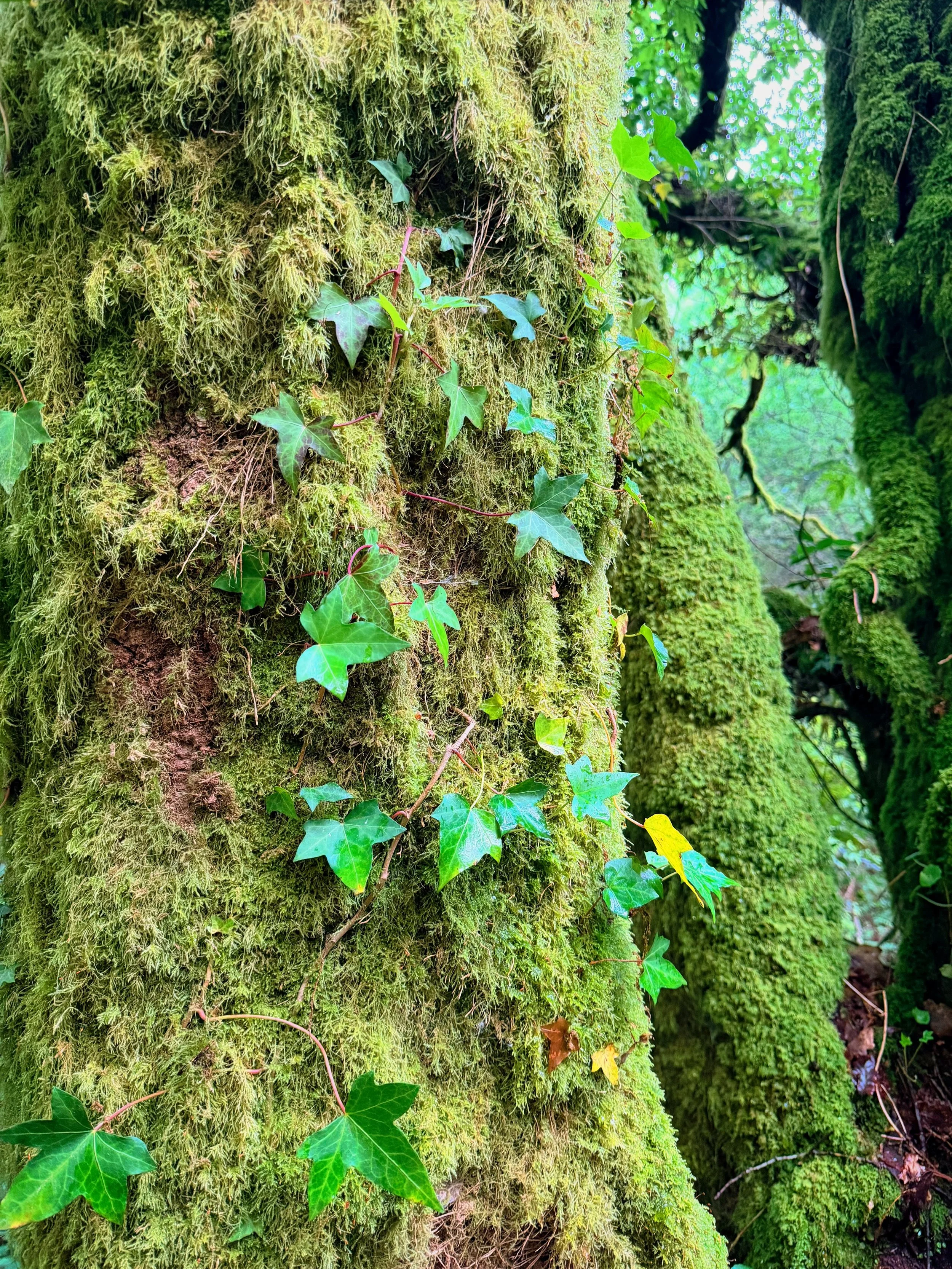
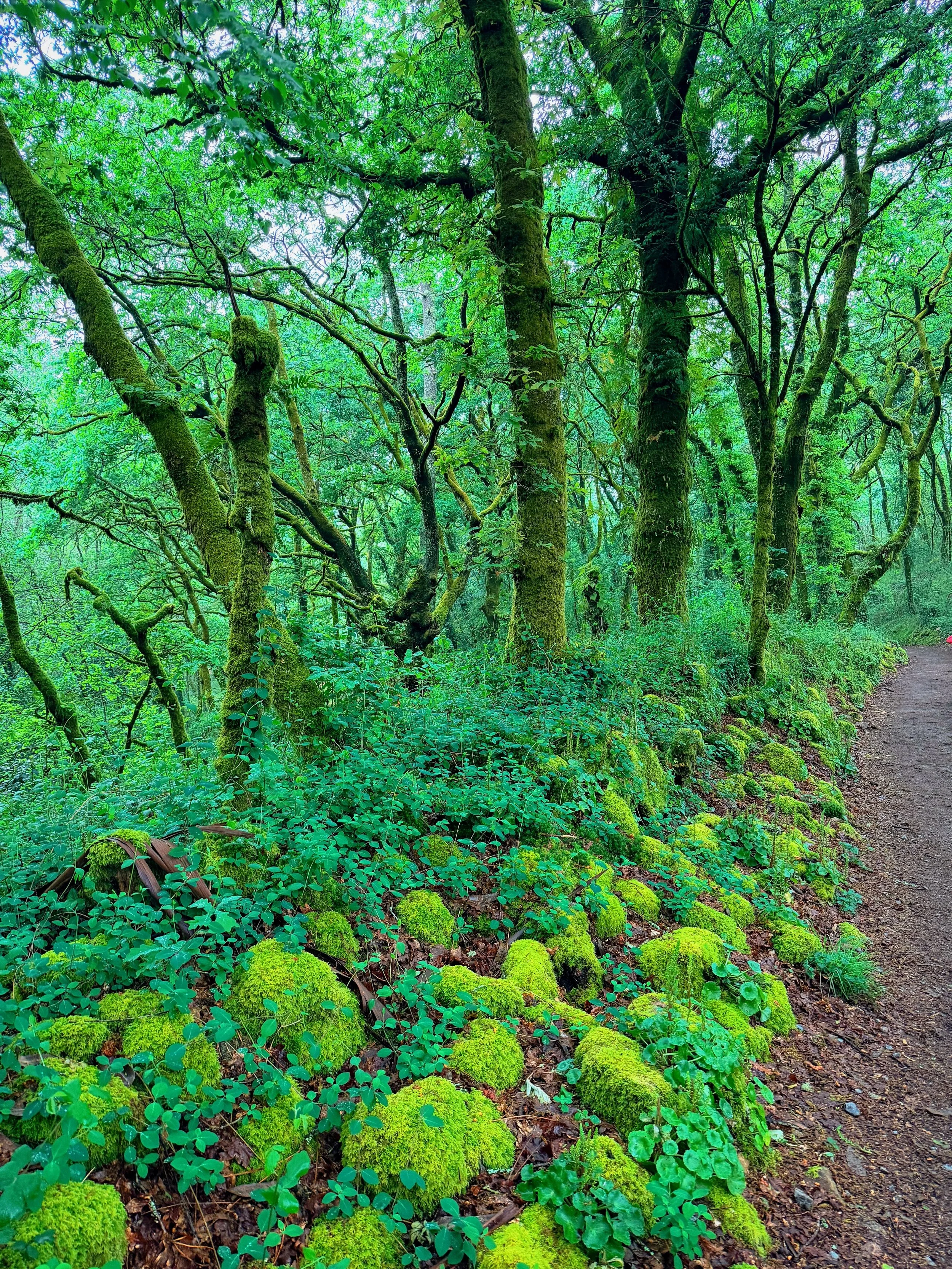
The forests around this part of the route were breathtaking. Moss coated every surface and the greens were so vivid they almost looked artificial, like someone had turned the saturation too high. Galicia feels ancient somehow, fertile and deeply atmospheric.
Even as the Camino became busier, I was continually struck by the warmth of the locals towards pilgrims. As a Londoner, I am fully aware that I often experience tourists as obstacles standing still at the bottom of escalators, blocking pavements, wandering aimlessly in large groups. The Camino made me realise how much the relentless pace of London hardens you without you noticing.
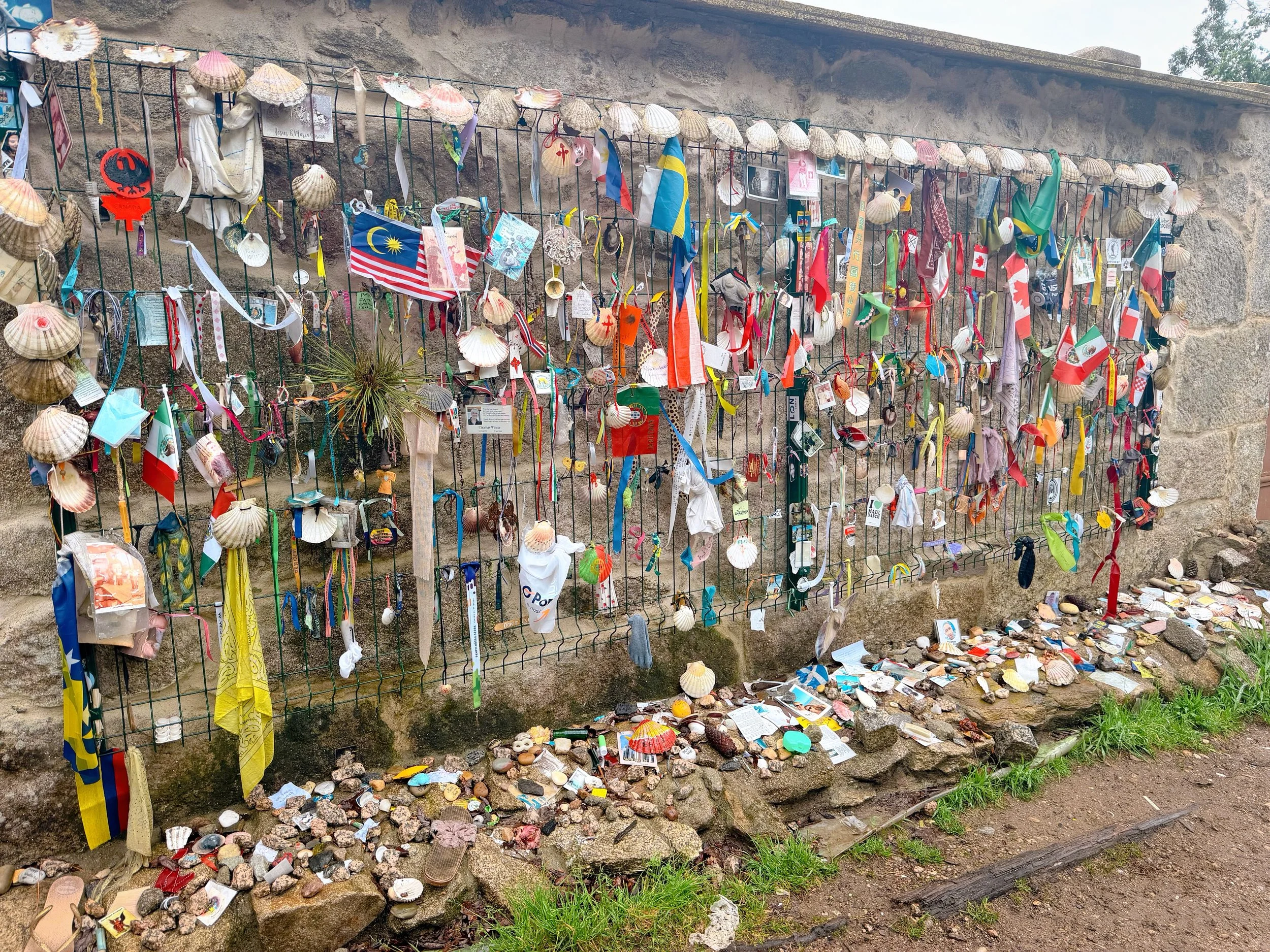
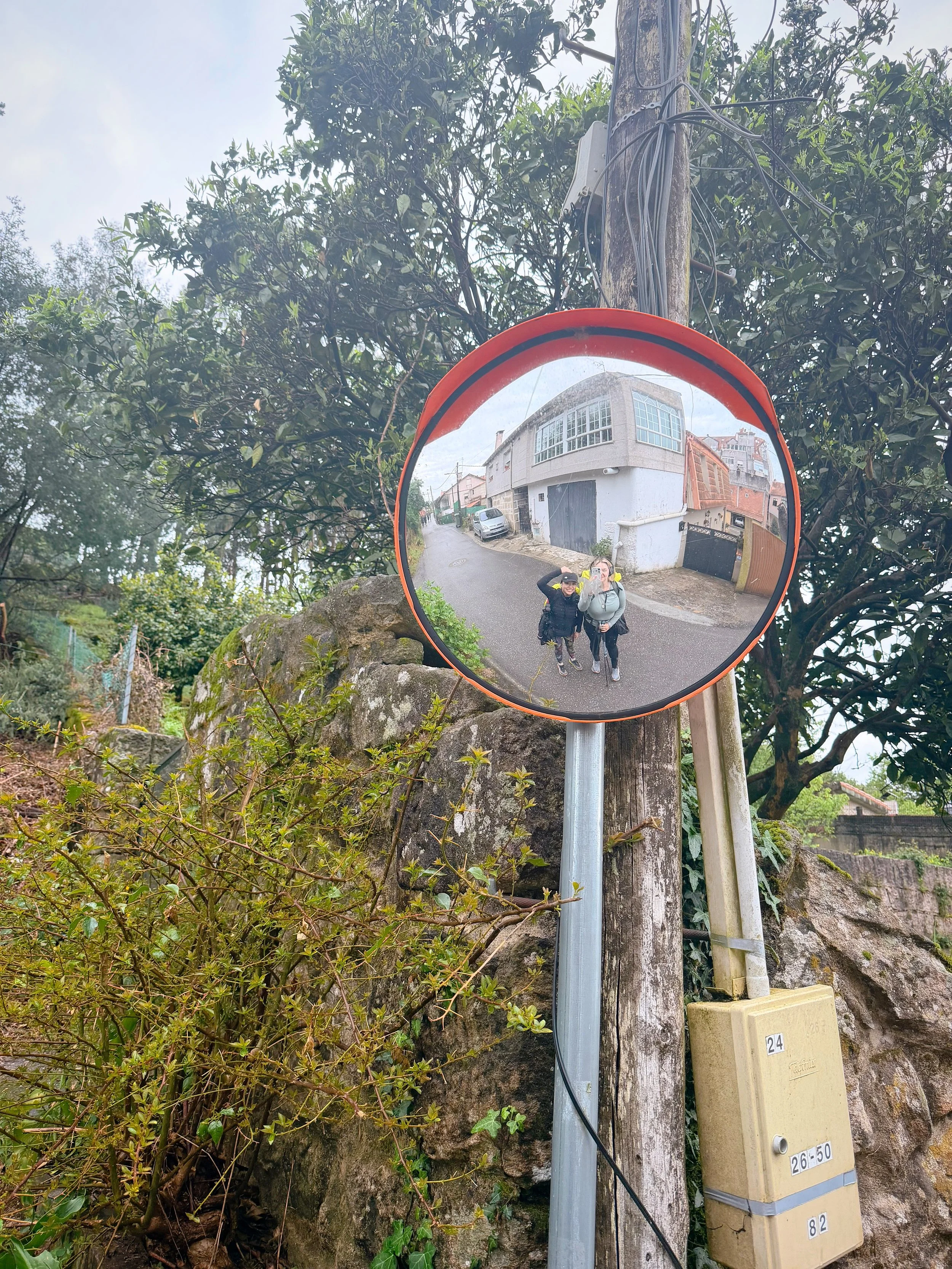
Walking through these small towns, where people greeted us warmly every day, I kept thinking about how slowness makes people kinder. Gentler and more patient. At home, I rush everything. I eat quickly, walk quickly, think quickly, move from task to task without pause. Mostly, I reflected, because of the intensity of my job. And yet none of that rushing has ever made me happier. The Camino teaches you another rhythm.
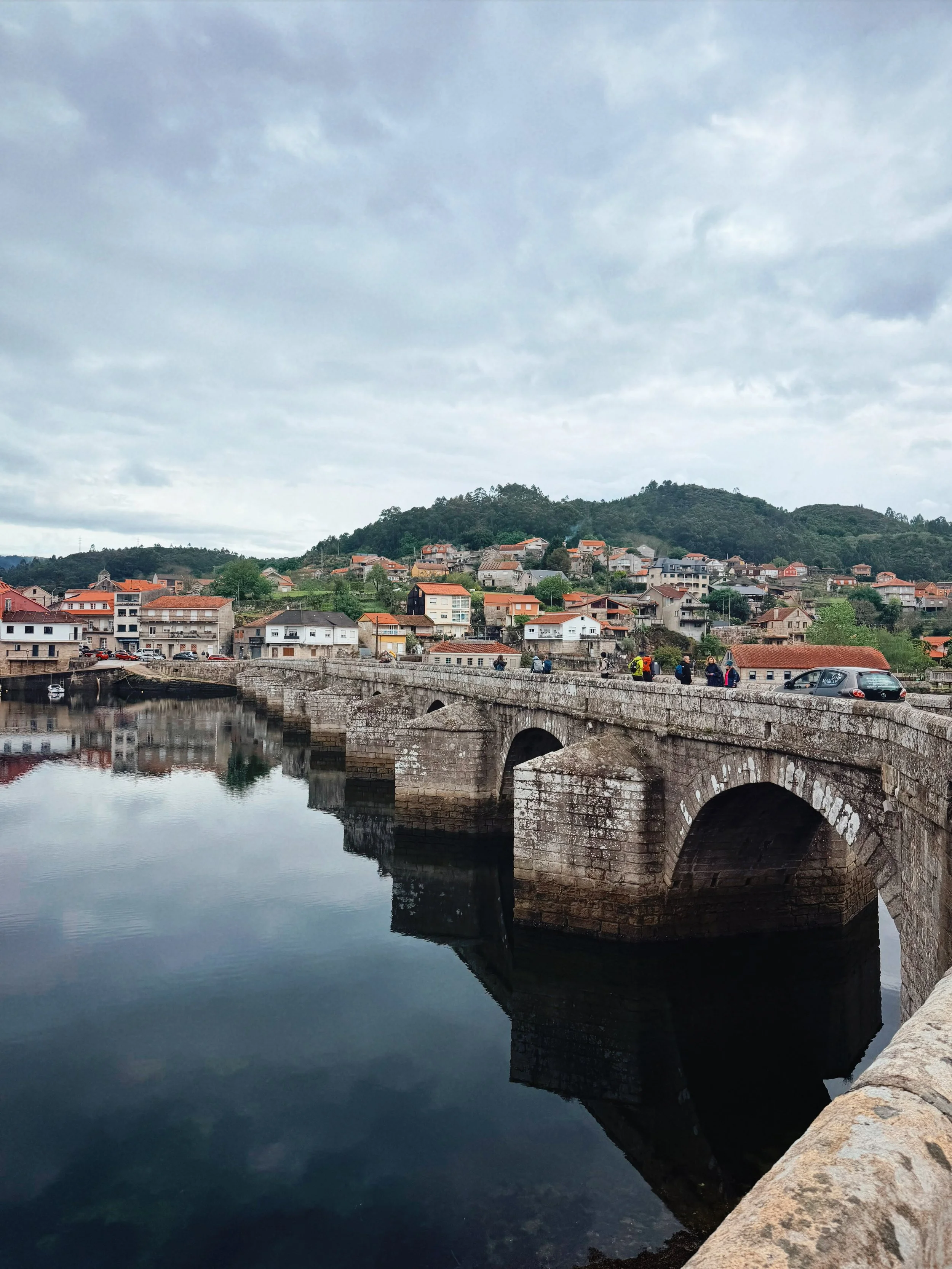
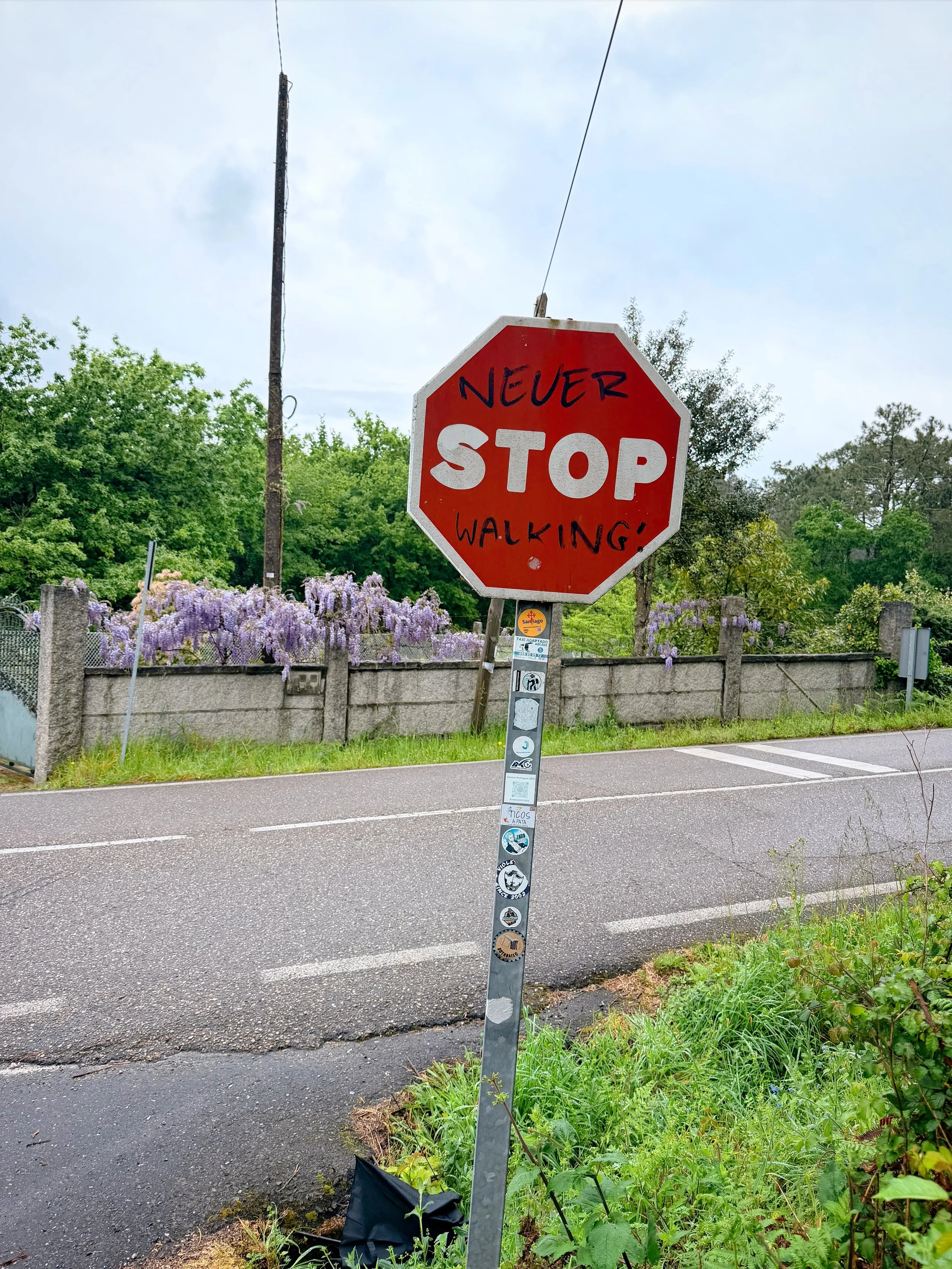
By the time we reached Pontevedra, we had begun repeatedly seeing familiar faces from much earlier in the route. There was one particularly funny group of older men, one of whom seemed permanently delighted by absolutely everything he saw. Every encounter with them involved enthusiastic greetings and broad smiles. We also kept bumping into the mother and daughter from New Zealand we had met days earlier.
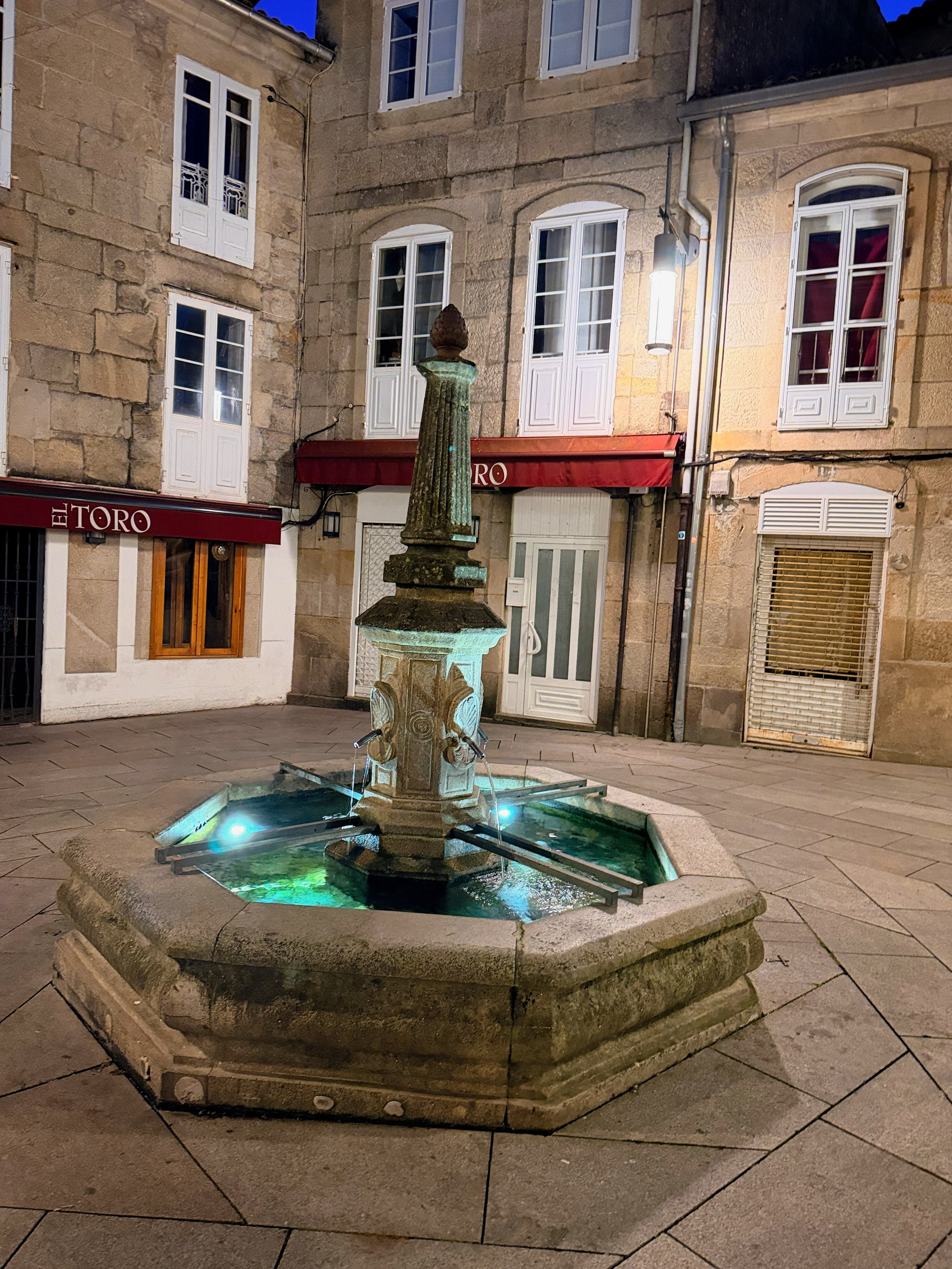
That ‘shared but separate’ feeling is one of the most special things about the Camino. You rarely know much about the people around you and yet you become quietly invested in one another’s journeys. Familiar faces appear and disappear along the trail like little moving landmarks. There is an openness and warmth to the Camino that is difficult to replicate elsewhere. I honestly cannot think of another period in my adult life where I have been greeted so warmly and consistently by strangers.
Joy lives on this trail.
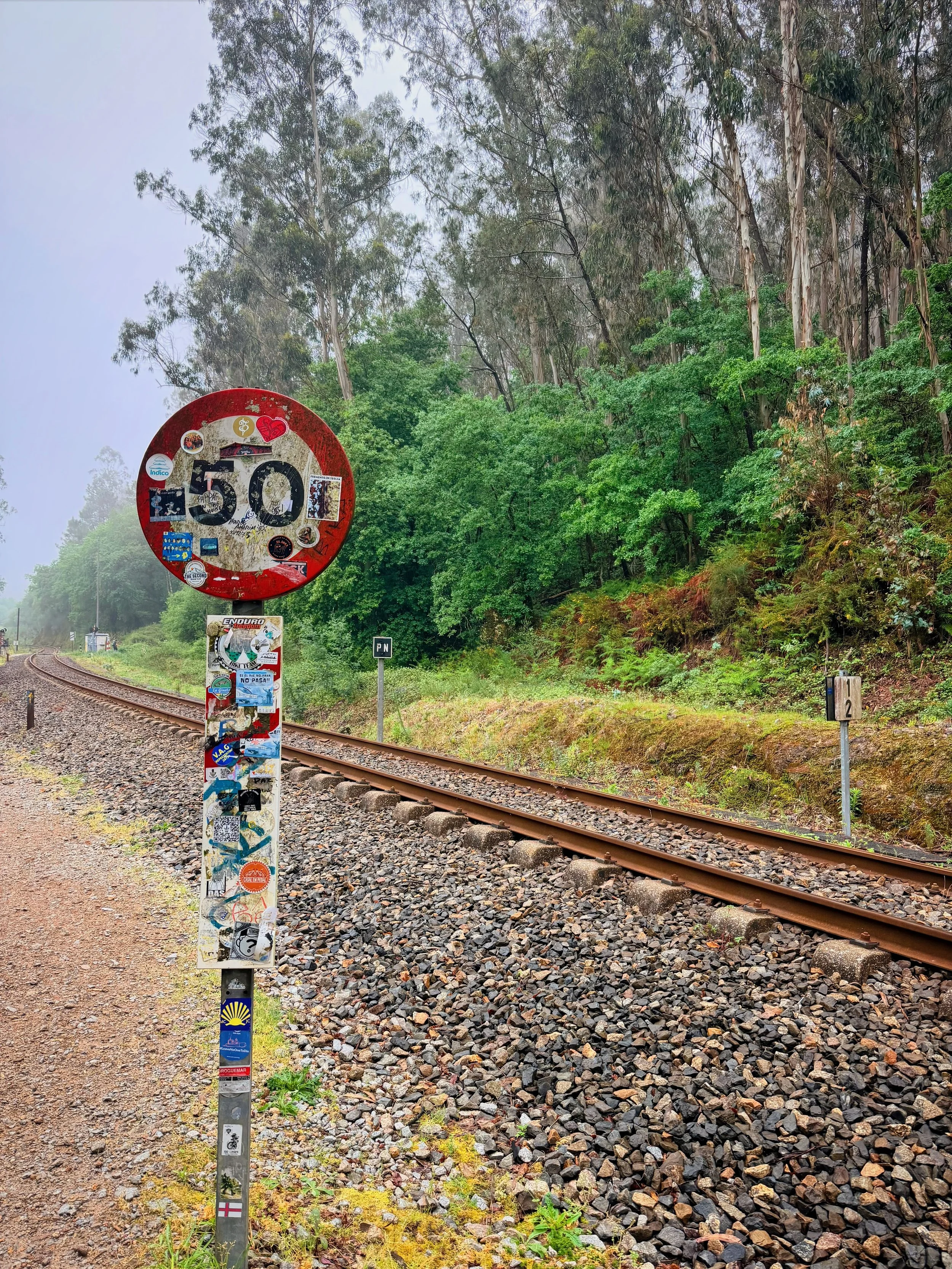
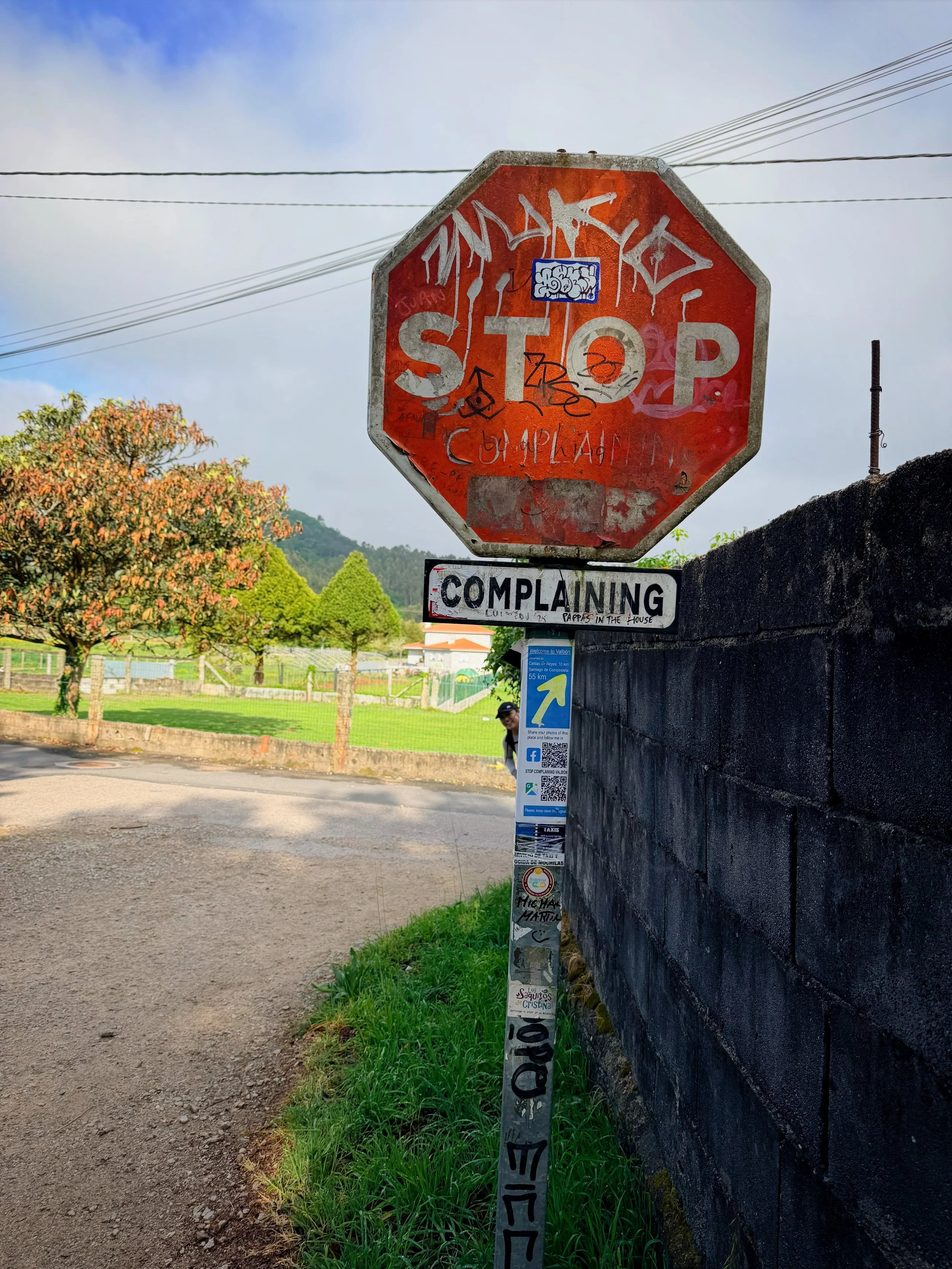
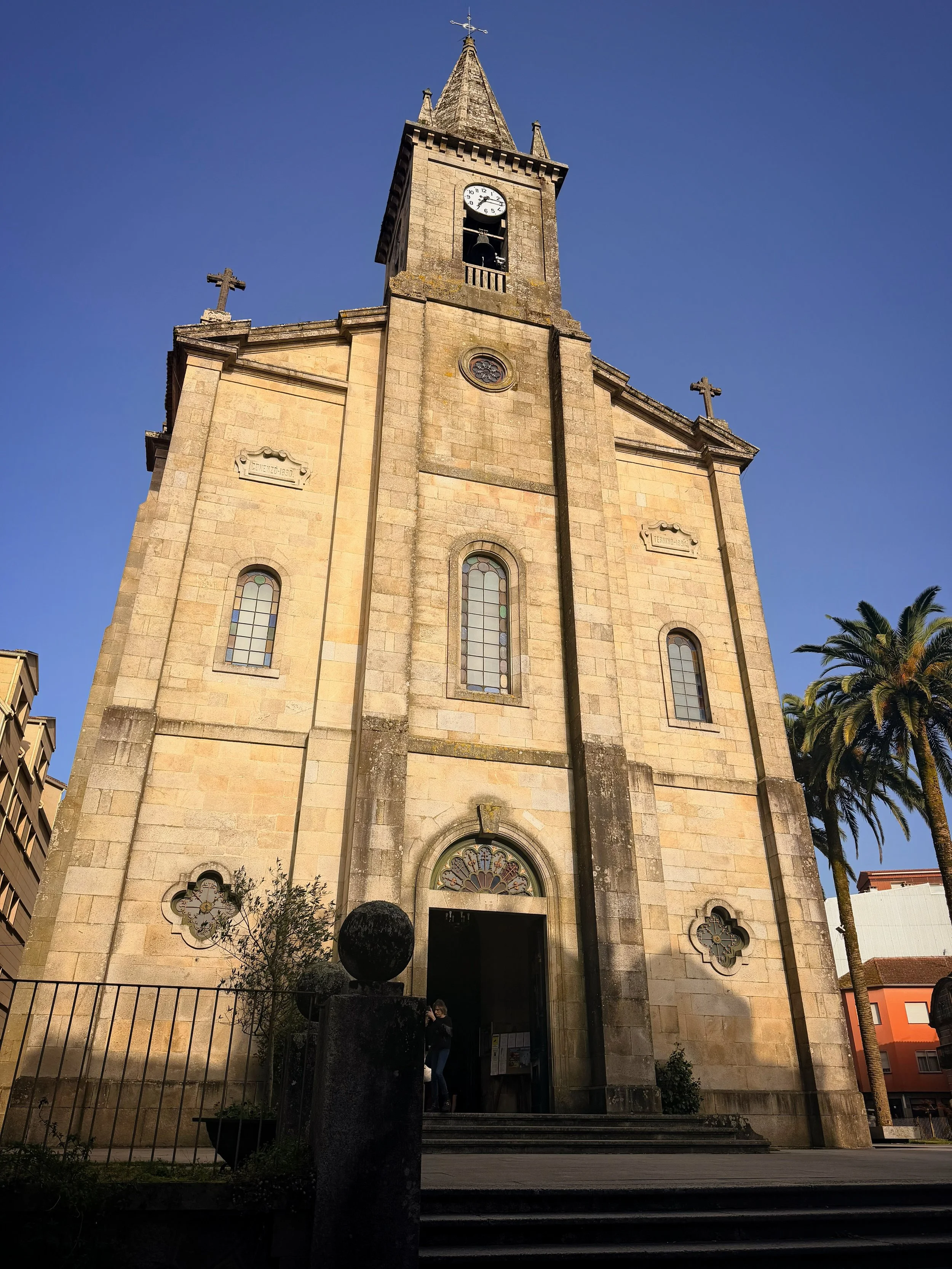
Caldas de Reis became one of our favourite stops of the entire trip. The town itself is charming, famous for its thermal springs, with rivers running through the centre and old stone buildings tucked into narrow streets. We arrived early, around 1pm, and spent the entire afternoon sitting outside an old riverside restaurant eating, drinking wine and basking in the sunshine with absolutely nowhere else to be.
The true highlight of Caldas de Reis, however, was our pilgrim massage with the wonderful Chus. Afterwards, we affectionately renamed her “the foot witch” because she appeared to possess genuine healing powers. By then, the arches of my feet had finally begun protesting after hundreds of kilometres of walking, but somehow I emerged from that massage entirely pain free. When I walk the Camino again, I will schedule pilgrim massages every few days without hesitation. It revived me completely for the final stretch of the journey.
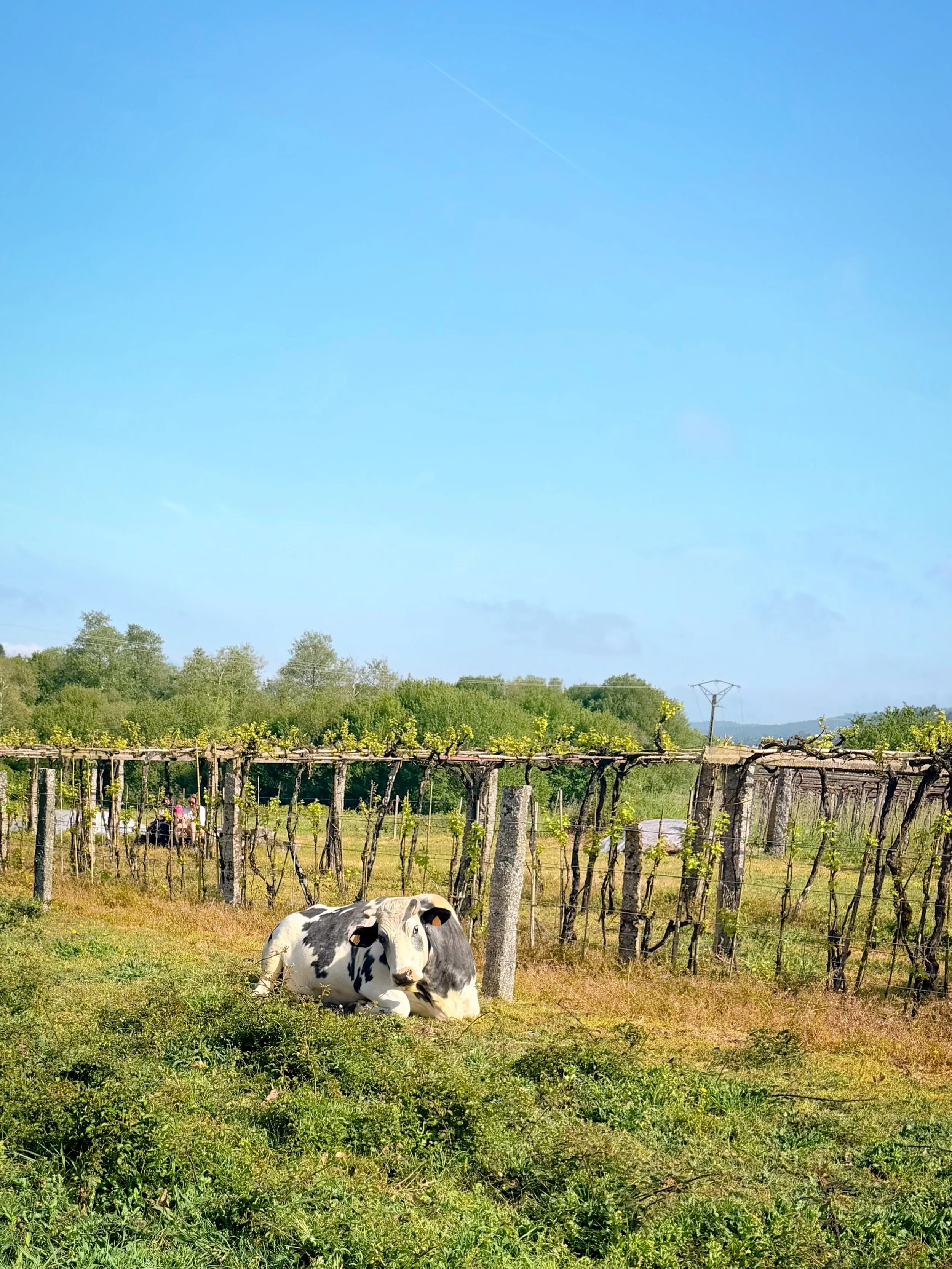
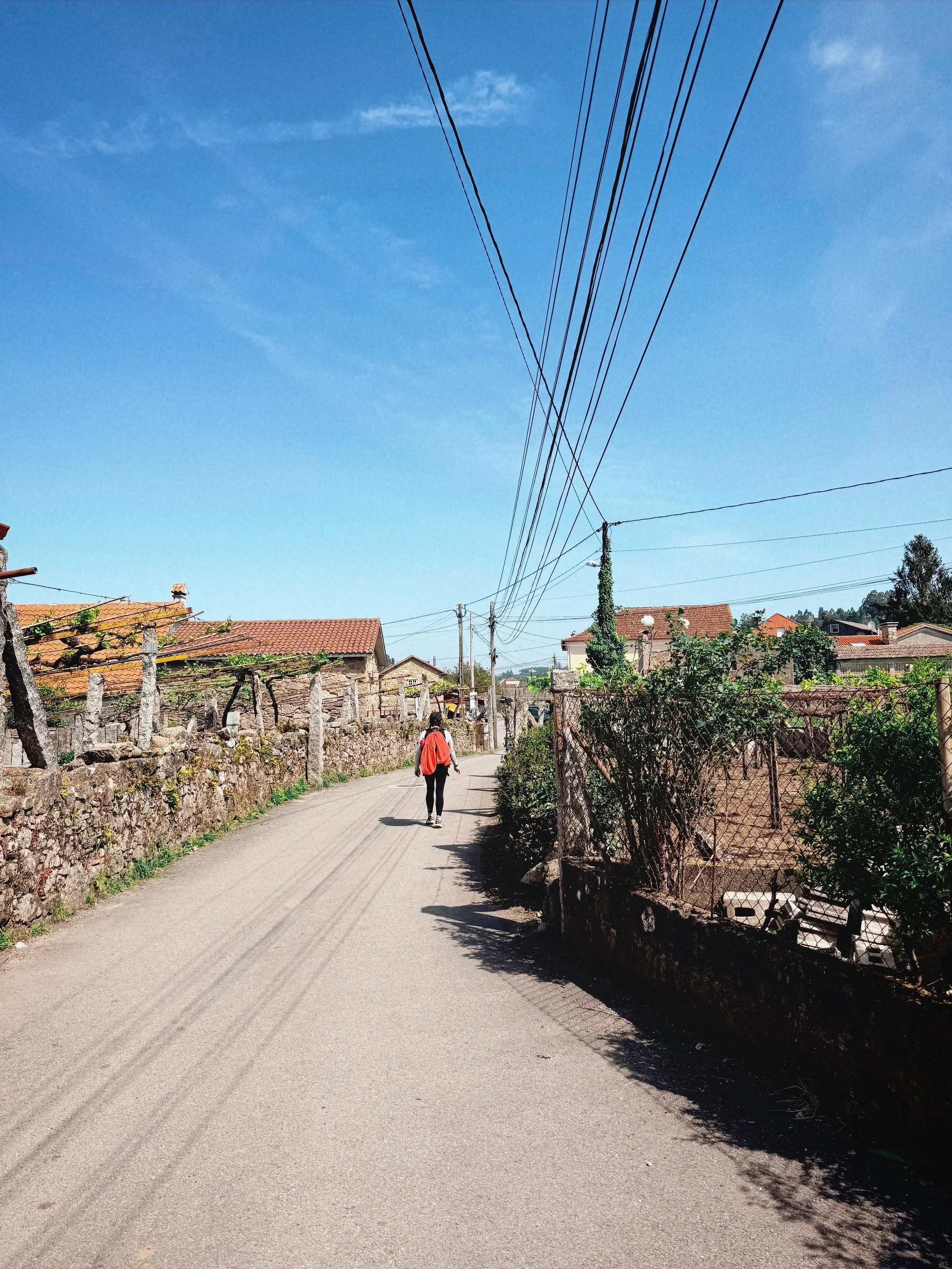
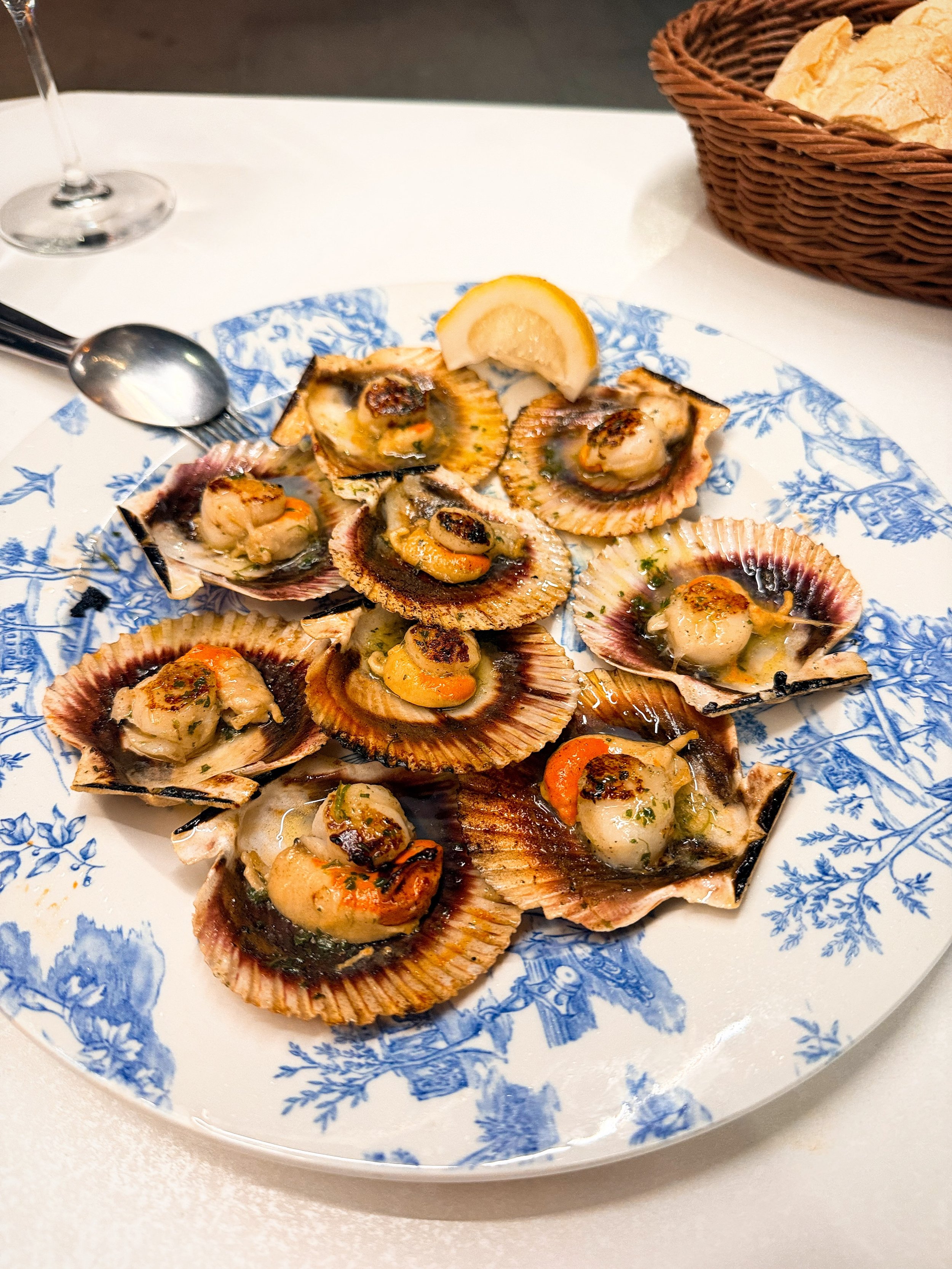
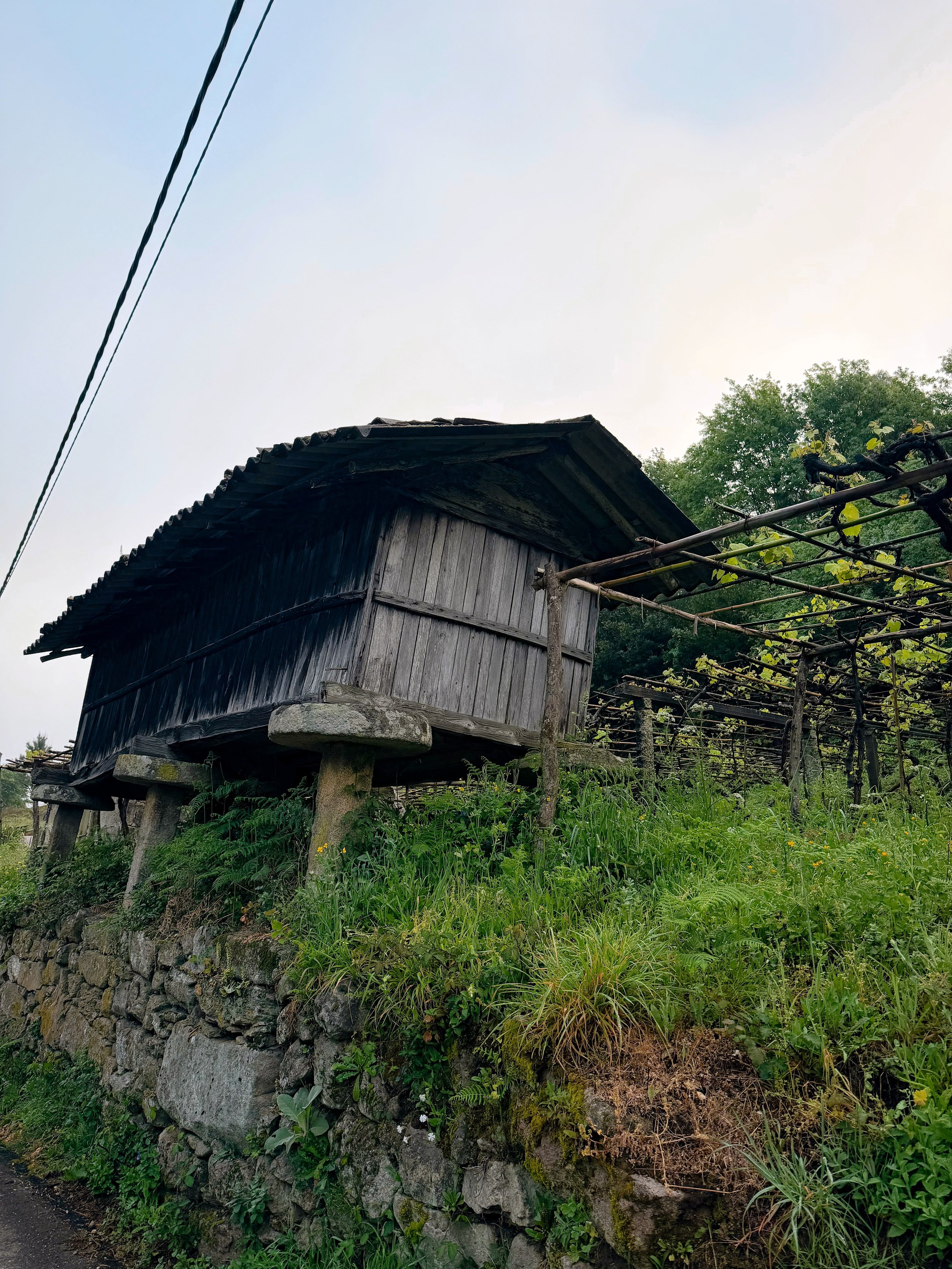
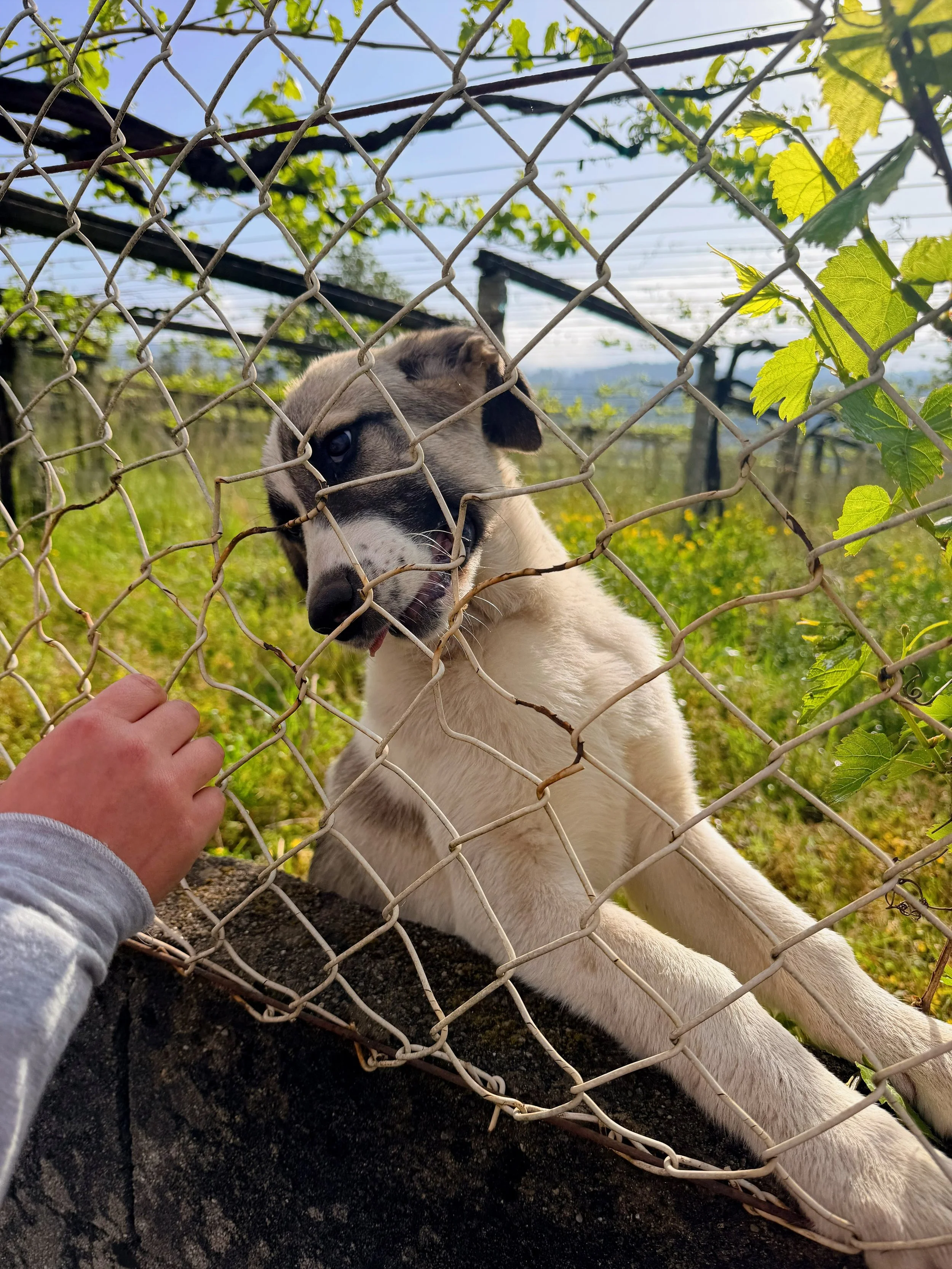
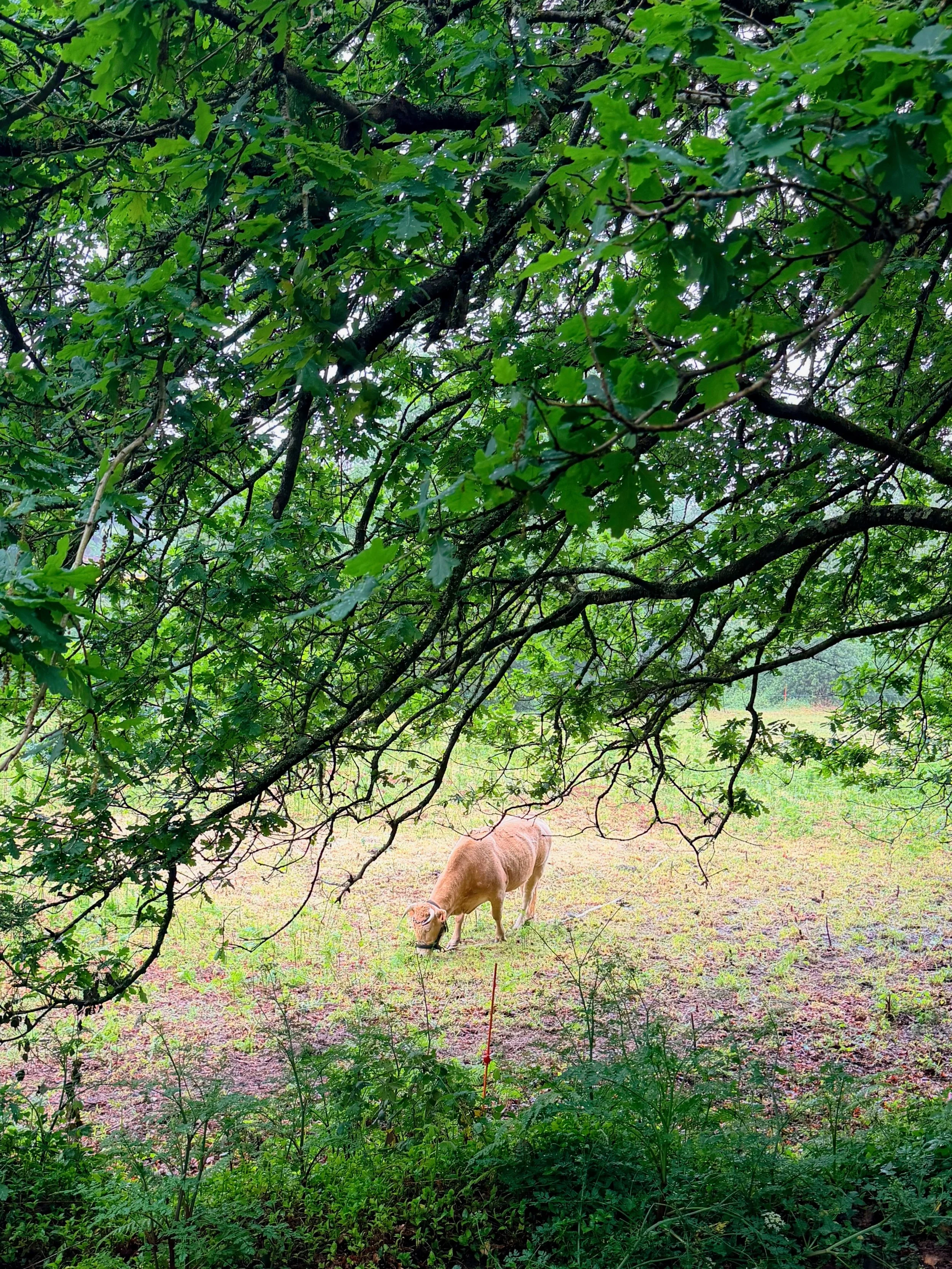
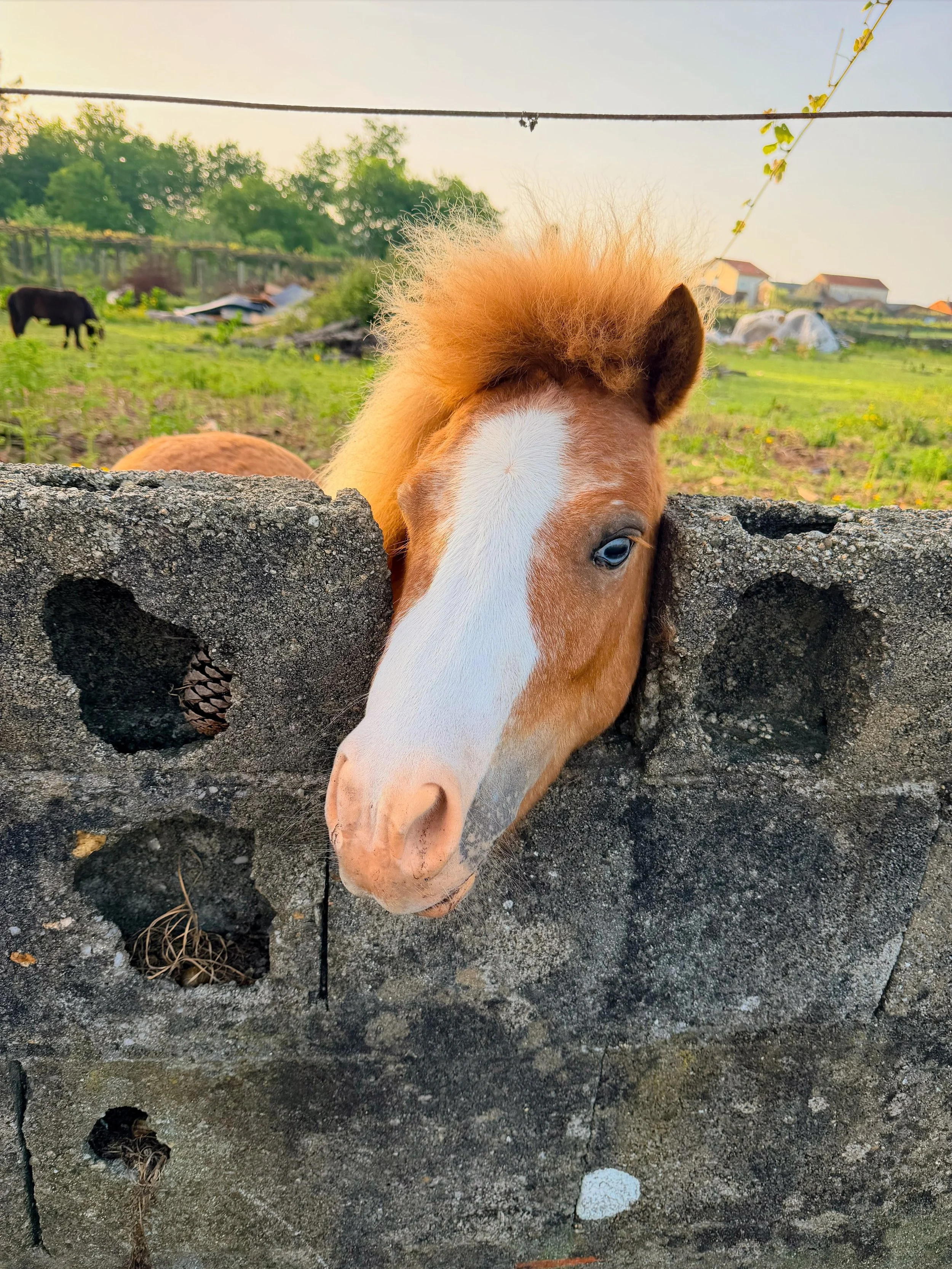
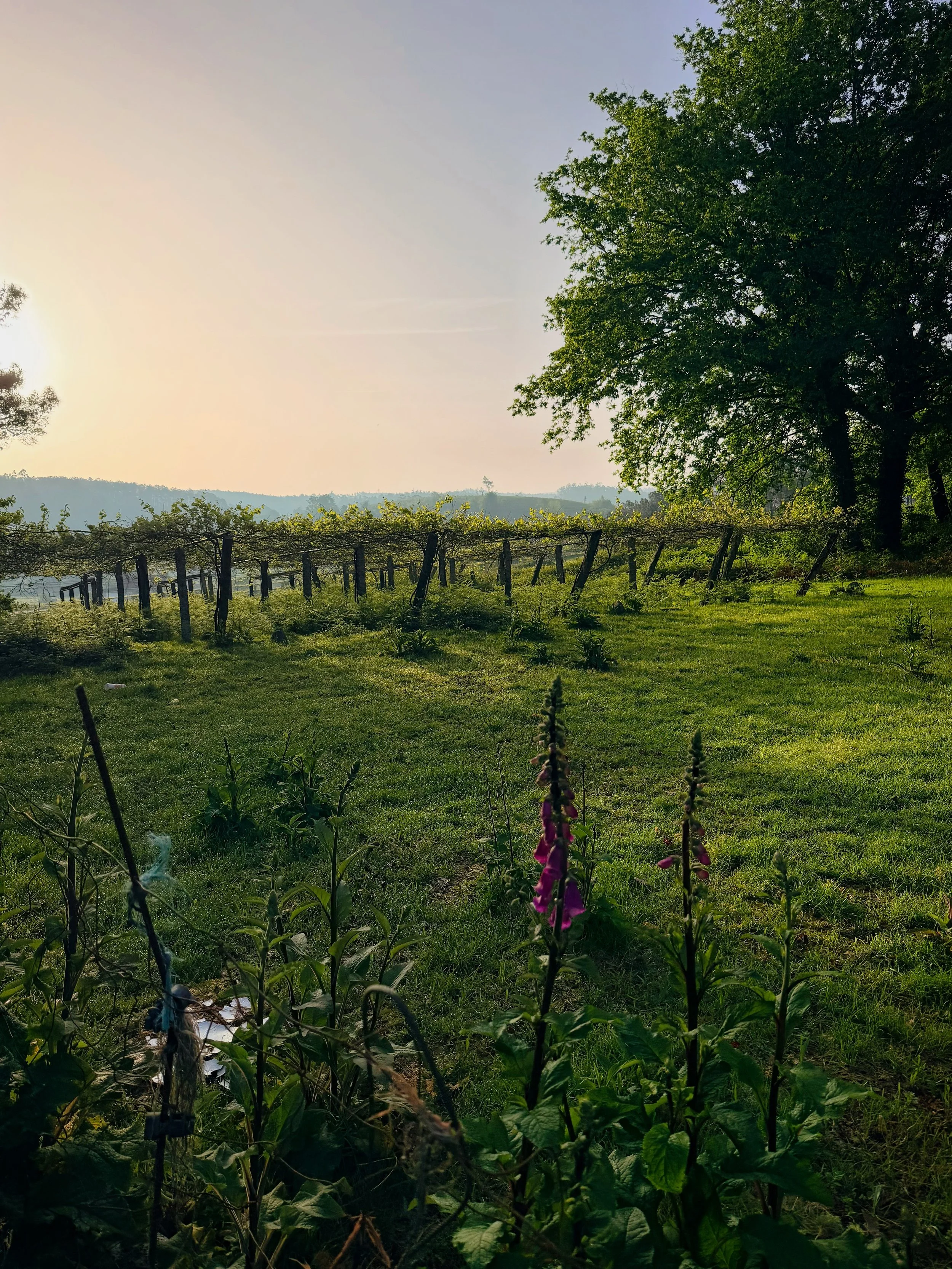
The route from Caldas de Reis to Padrón brought back the heat once more. Vineyards spread across the hillsides and the landscape opened out beautifully again after days beneath forest canopies. Animals wandered right up to the fences beside the trail, clearly well aware that pilgrims are generous sources of snacks and attention.
Padrón itself still had decorations hanging from Holy Week celebrations and the entire town felt festive and lively. We were devastated to discover that the famous Padrón peppers were out of season, which felt deeply unfair given how many we had eaten throughout the trip. Fortunately, the charm of the town compensated for the disappointment.
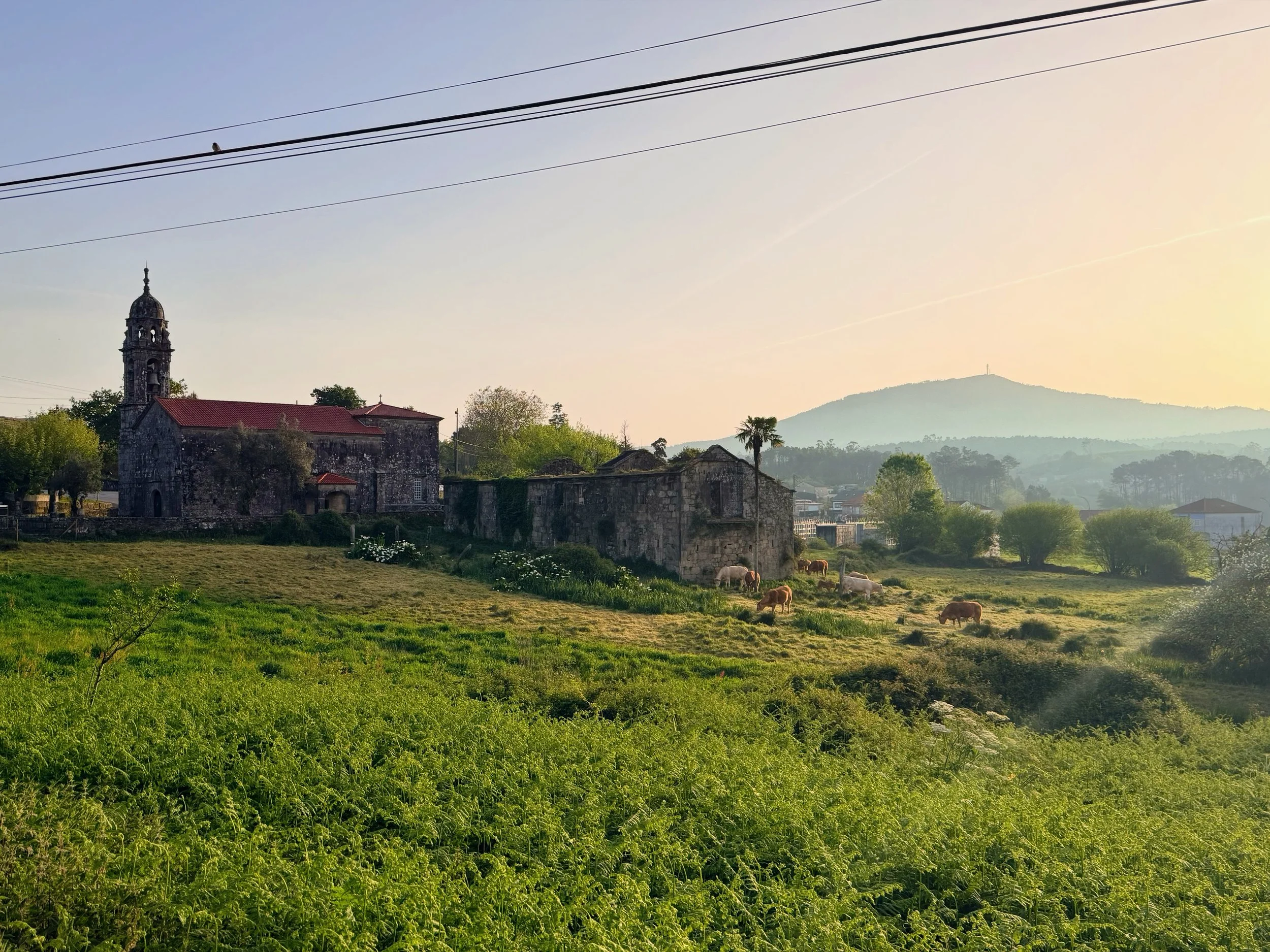
And then suddenly, impossibly, it was the final day.
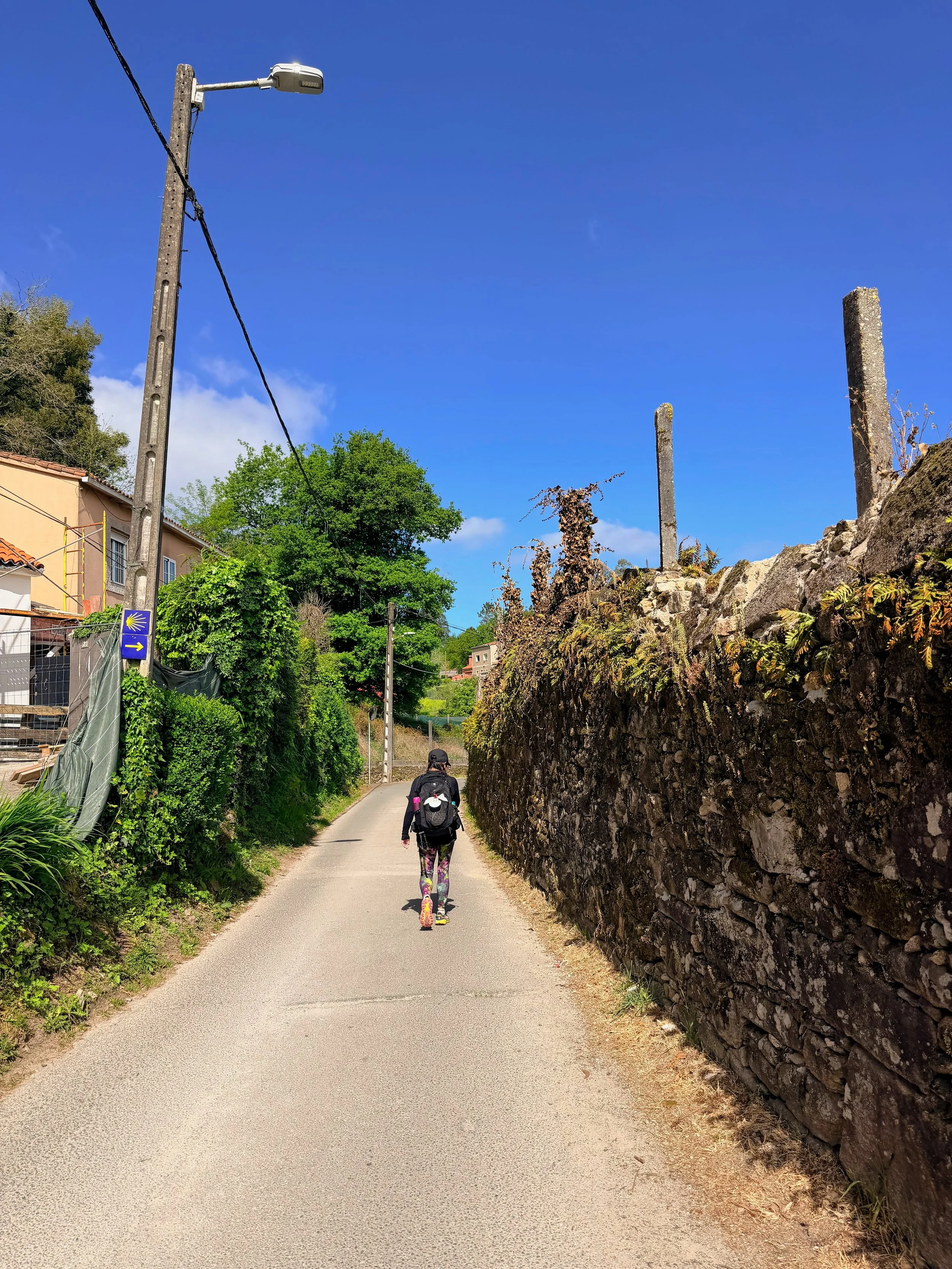
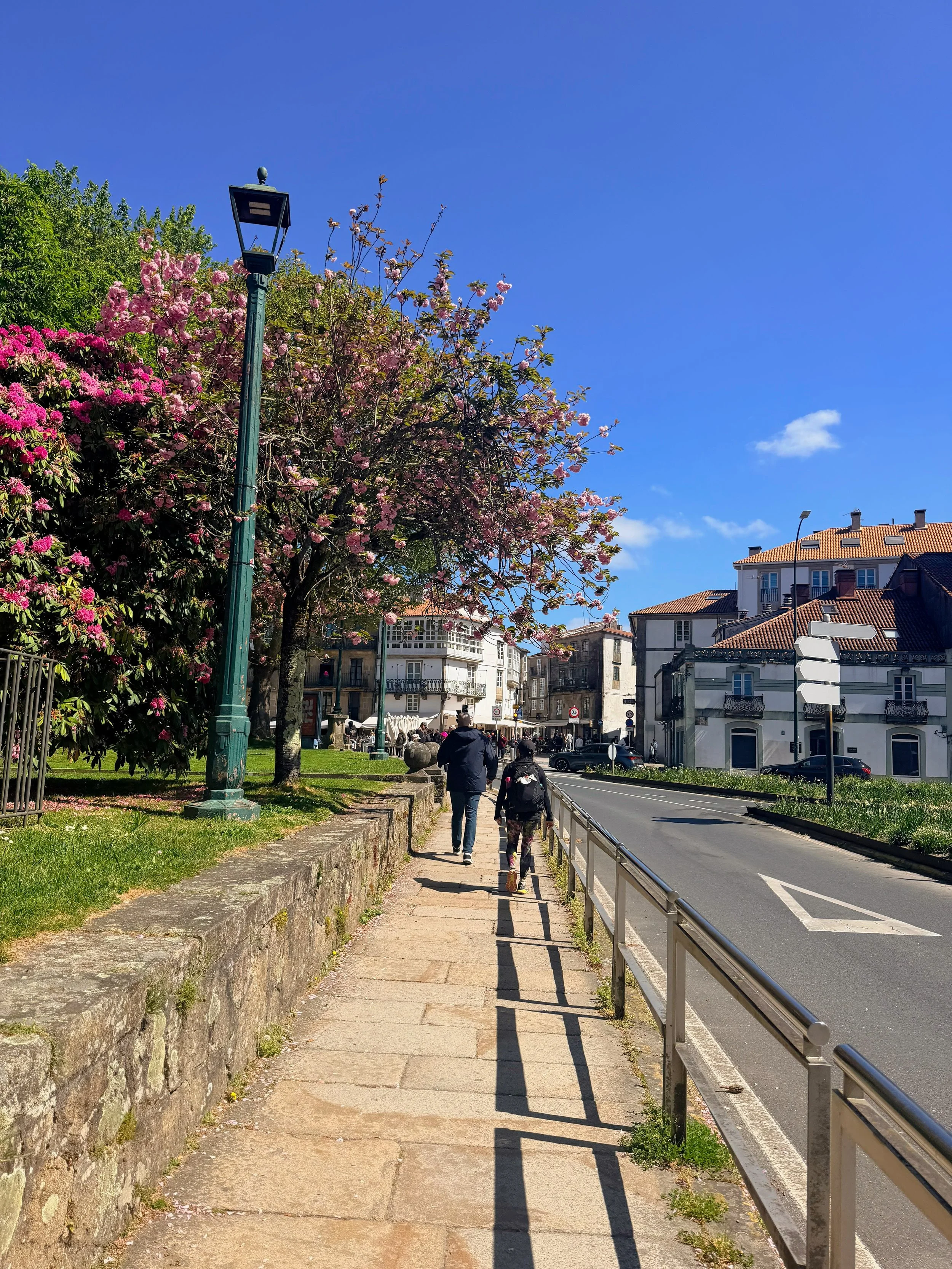
We woke before dawn in near total darkness for the last 27km into Santiago. People had warned us repeatedly that the final stage was difficult. Long, uphill and emotionally draining. I don’t know whether it was the strength built over the previous two weeks or simply the adrenaline of finally reaching Santiago, but the final day actually felt strangely light. We spent most of it laughing, taking ridiculous photos and counting down the remaining kilometres together.
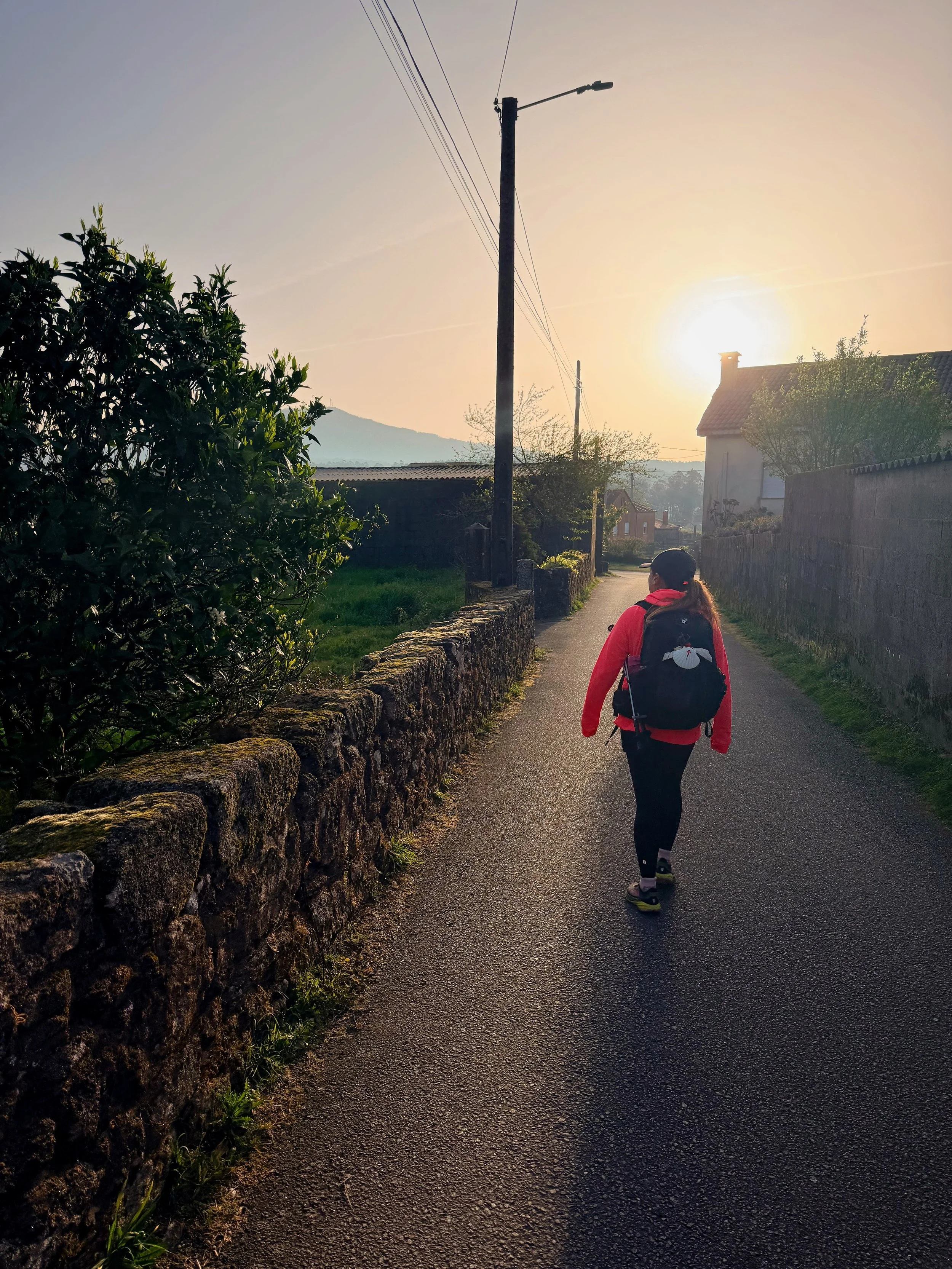
As we reached the outskirts of Santiago itself, I realised the main emotion I felt was pride.
I have never thought of myself as especially physically strong. I’m not unhealthy, but growing up I never really had opportunities or encouragement to push myself physically or try difficult things. I had since developed confidence in other areas of my life but not in this. Walking the Camino changed something in me. The fact that I had planned, walked and completed this journey on my own back liberated me from those insecurities.
I also felt the sense of a transition in my life being completed. I needed a way to separate myself from the previous chapter of my life and move towards something new. For me, the Camino delivered what I had hoped. The meditative quality of the routine, the rituals, the community, the breathtaking natural landscapes. It is a spiritual slog, in the best way I had imagined.
You cannot describe the atmosphere of the piazza in front of Santiago Cathedral when you arrive. People from all over the world embrace each other. Groups sing, pray, jump, pose and laugh. Individuals sit in quite reflective solitude on the stone floor. Everyone has arrived carrying their own story.
Very rarely in adult life do you set yourself such a clear, singular mission and complete it in such a tangible way. Modern life rarely gives us that anymore. But the Camino also teaches you to be realistic about transformation. There is no magic waiting for you at the cathedral. The healing is still your own work to do. What I learned instead is that the mundane can be transformative. That suffering is universal, but so is resilience. That there is profound comfort in simply continuing forward. One foot in front of the other, the whole way, until eventually things change.
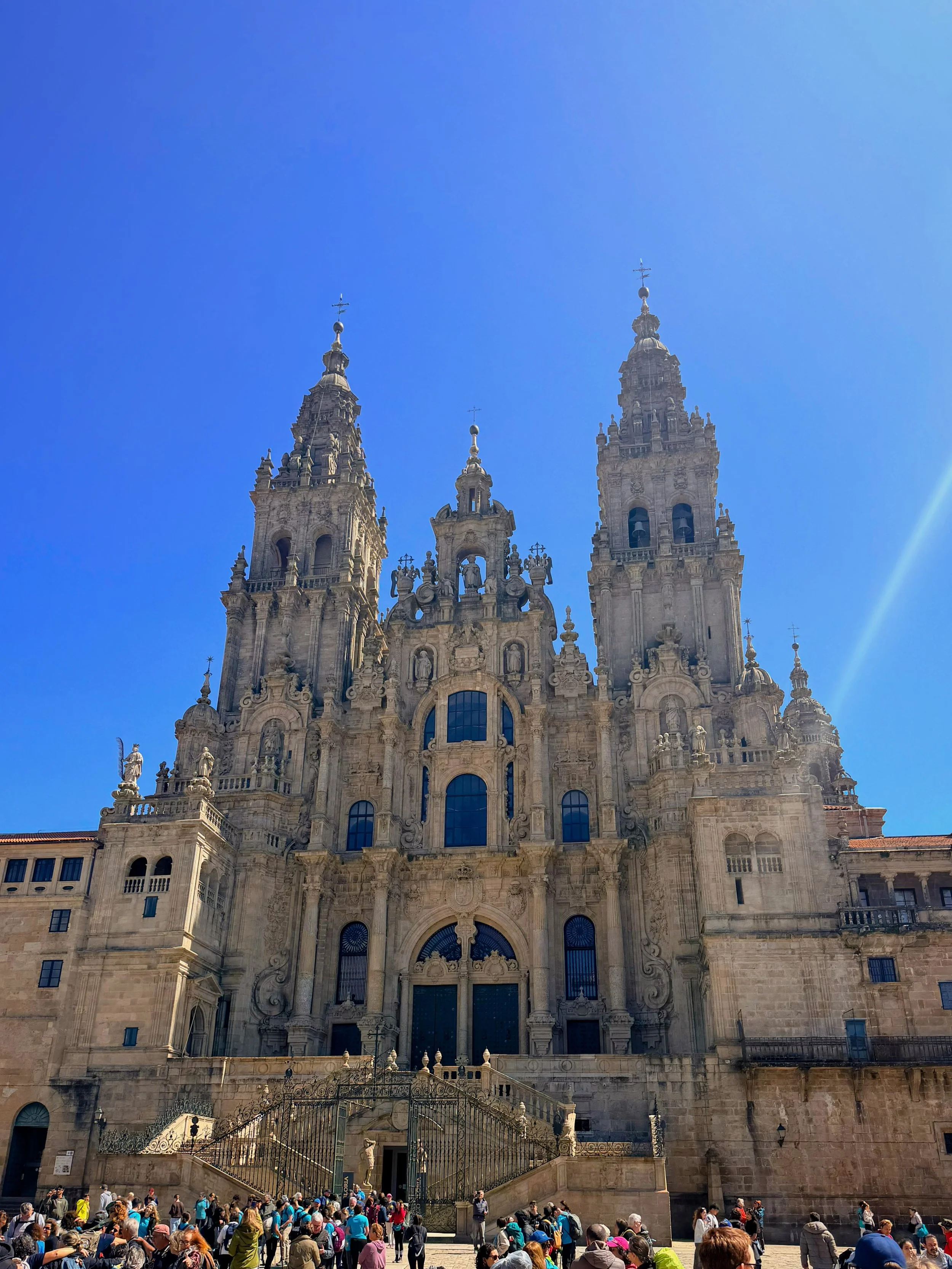
Buen Camino!
